Electric Window Switches, Power Window & Control Switch Panels
A power window that no longer responds is usually a switch problem, not a motor problem, often a simple fix. CBT Auto Parts stocks electric window switches, power window switches, and window control switch panels within the Interior and Cabin Parts range, mounted into the door trim.
Every switch is checked against OEM connector patterns before listing, so car window switch replacements plug into your factory wiring loom. Truck and universal power window switch options sit beside genuine parts, tested for contact reliability and button feel, giving drivers a dependable choice either way. Orders are dispatched within one to two business days; tracking is sent once your switch leaves the warehouse.
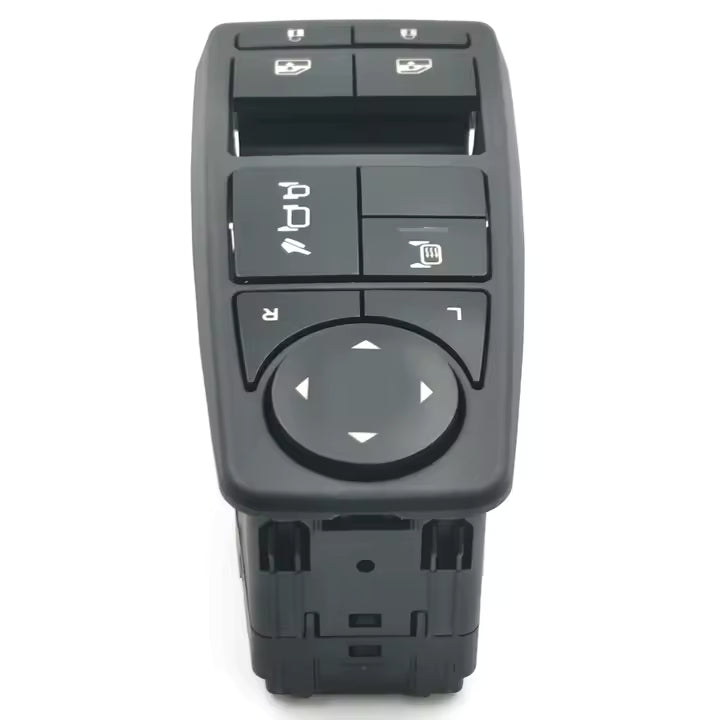
2 products
Showing 1 - 2 of 2 products
How to Tell If It Is the Switch or the Motor
Diagnosing a non-responsive power window correctly saves time and money, since the switch and the motor fail in different ways and are replaced independently of one another.
- A window that does not move at all from either the driver's master switch or the individual door switch usually points to the switch itself.
- A window that moves from the master switch but not the individual door switch suggests a fault isolated to that specific switch.
- A grinding or straining sound when the button is pressed points toward the motor or regulator rather than the switch.
- A switch that feels loose, sticky, or requires excessive pressure to activate is a mechanical switch fault rather than a wiring issue.
- Intermittent operation that improves when the switch is wiggled or pressed at an angle usually indicates worn internal contacts.
An electric window switch replacement resolves the vast majority of non-responsive window complaints, since switches see far more daily use and wear than the motor behind them, being pressed dozens of times a day compared to the motor, which only runs briefly during each window movement.
Testing Before You Buy a Replacement
A quick check before ordering can confirm whether a switch is genuinely at fault, saving an unnecessary purchase if the issue lies elsewhere. Testing the suspect window from the master panel first isolates whether the fault sits in the individual door switch or somewhere further up the wiring chain. Listening closely for any motor sound at all when the switch is pressed helps separate a switch fault, which usually produces silence, from a motor or regulator fault, which typically produces some sound even when the window fails to move correctly. Checking the switch panel for visible corrosion or moisture ingress, particularly in vehicles that have had a door seal leak, also points toward a switch-specific fault rather than a deeper electrical issue in the vehicle's wiring loom.
Master Switch Panels vs Individual Door Switches
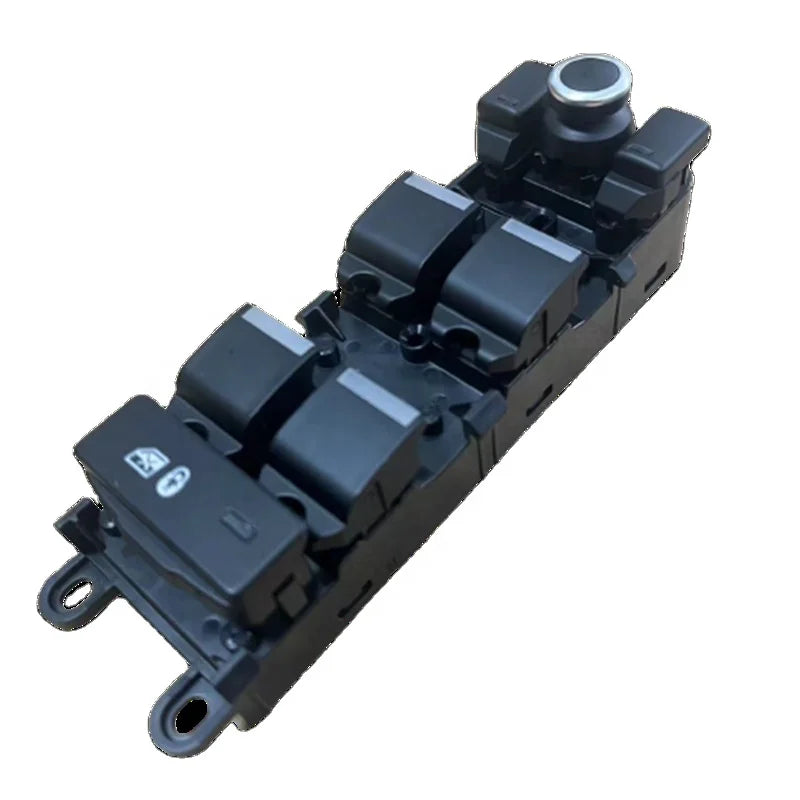
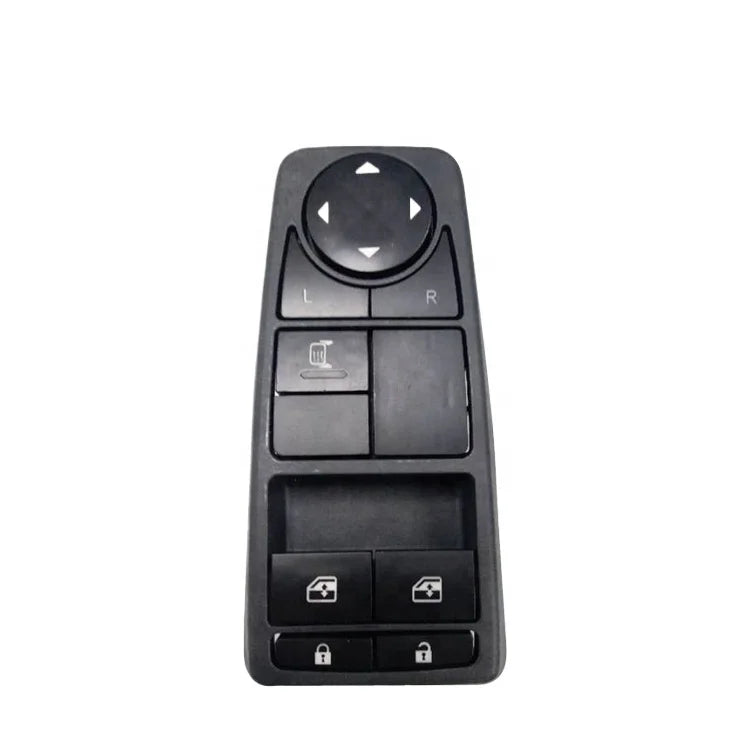
Most modern vehicles use a master switch panel on the driver's door, controlling all windows and often including child lock functions, alongside individual power window switches on each remaining door. A fault in the master panel can disable all windows or just the ones it has been assigned override control over, while a fault in an individual door switch typically only affects that single window. CBT Auto Parts lists both master panels and individual door switches separately, since replacing an entire master panel when only one window control has failed is an unnecessary expense in most cases.
Truck and Universal Window Switch Options
Trucks and commercial vehicles often use a simplified window switch layout compared to passenger cars, and a truck window switch listed under this category reflects that difference in connector type and mounting style used across the commercial vehicle range. Universal power window switch kits are also stocked for buyers wiring aftermarket power windows into a vehicle that originally used manual winders, a common upgrade project among restorers and custom builders. These universal kits include the switch, wiring harness, and mounting bracket needed to integrate cleanly into a door panel that was not originally designed for powered controls.
A Note on Window Switch Terminology
Window switches are referenced in more than one part of a vehicle's electrical system, and it is worth being clear about the distinction. The electric window switches, power window switches, and window control switches covered here are specifically the door-mounted switches operating the window motors themselves. Broader electrical switch categories, including ignition switches and other dashboard- or column-mounted switch types, are stocked under the vehicle's general electrical switches category rather than this cabin-focused range, since those switches control entirely different vehicle systems despite sharing the word switch in their name.
How Window Switches Connect to the Door
Window switches are built into the door trim panel or the armrest, meaning switch replacement sometimes requires partial door panel removal depending on the vehicle's design. A door that has been previously removed for other work, such as speaker or window regulator repairs, is worth checking for correctly reseated switch connectors before assuming a new fault has developed. The car door itself, including its structure, hinges and seals, is a separate category to the switches mounted within it, covering panel and hardware issues rather than the electrical components fitted inside.
Choosing the Right Window Switch for Your Vehicle
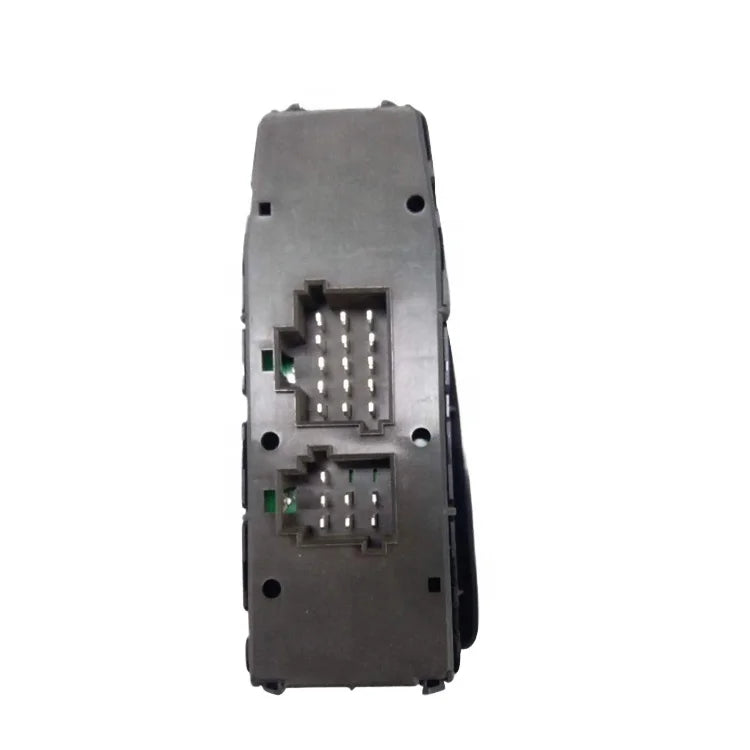
Connector type, pin configuration and button layout vary considerably across manufacturers and even across trim levels within the same model range.
- Confirm your vehicle's make, model, year and trim, since switch panel layouts often differ between base and upper trim variants.
- Identify whether you need a master panel or an individual door switch before ordering.
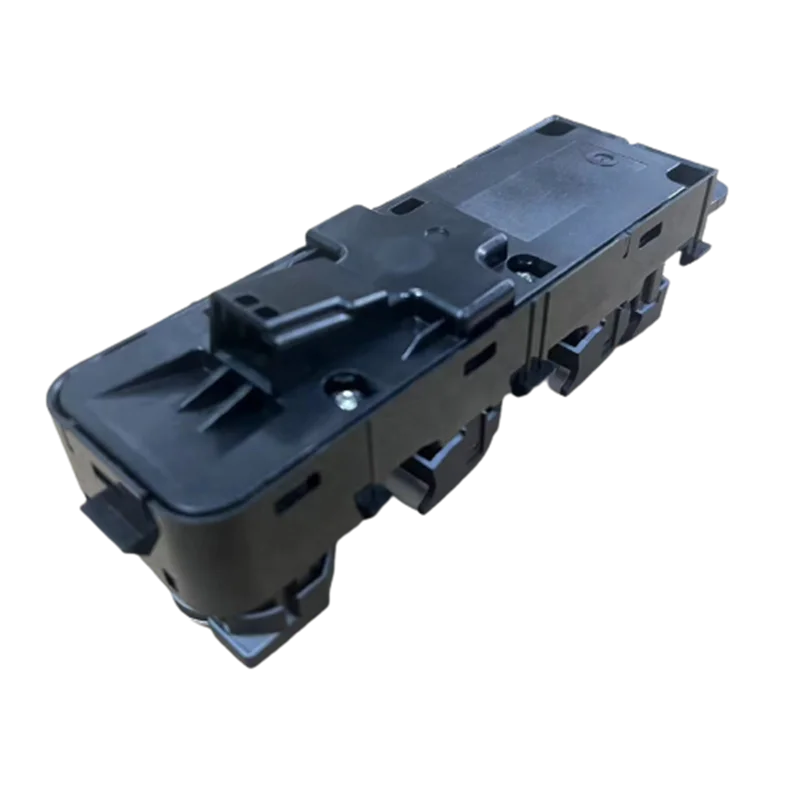
- Check your connector type and pin count against the listing photos, since this varies significantly between manufacturers.
- Confirm whether your vehicle includes a child lock or one-touch auto up and down functions, since not all switches support these features.
Matching the exact connector and pin configuration avoids the most common issue in this category: a switch that looks correct but will not plug into the factory harness cleanly.