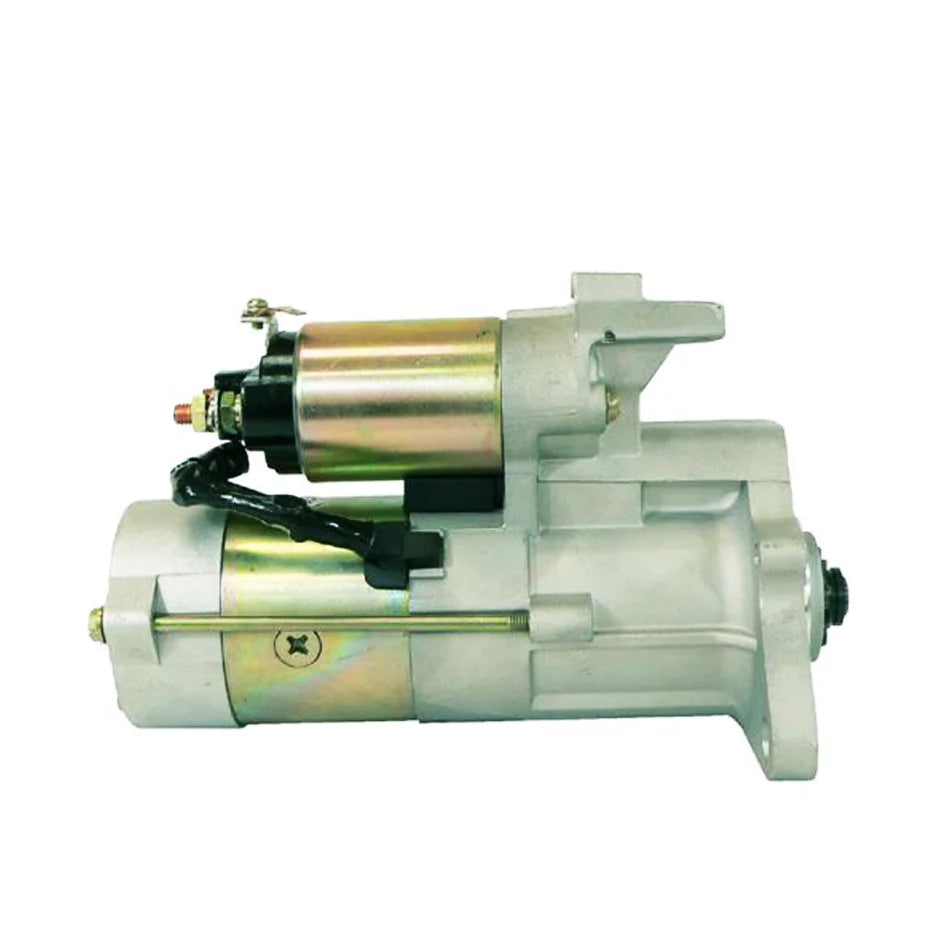
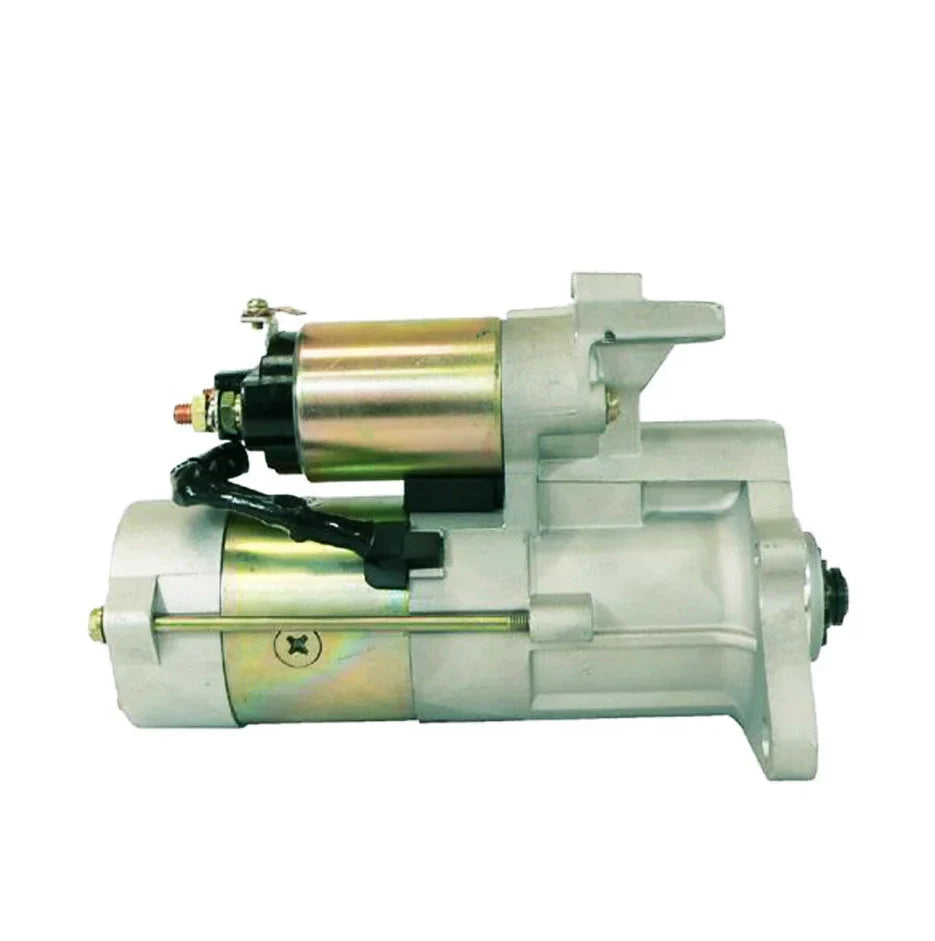
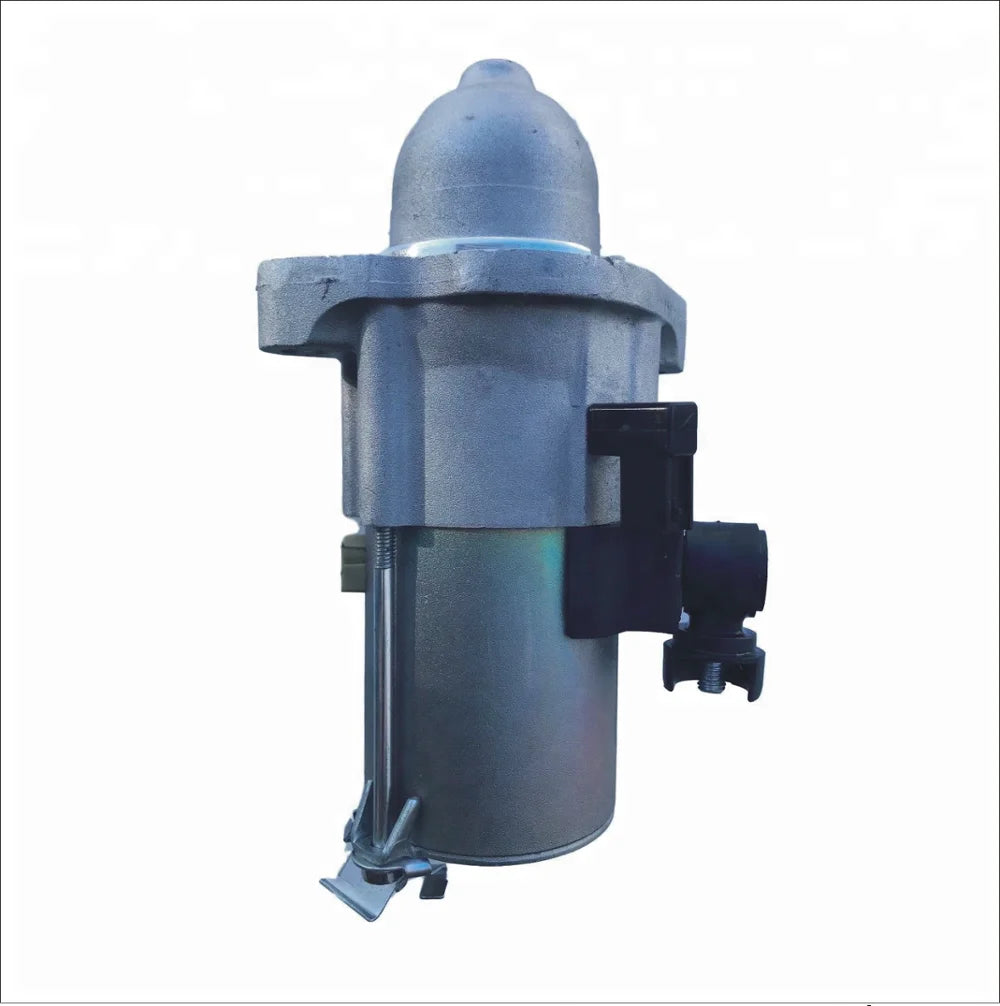
Starter Motor Replacement for Cars, Diesels & Commercial Engines
A single click and silence when you turn the key almost always point to the starter motor, not the battery, and it's one of the more frustrating faults to diagnose from the driver's seat. CBT Auto Parts stocks starter motor units across passenger vehicles, marine and industrial diesel applications, and heavy commercial engines.
Every car starter motor we list is matched to torque output, tooth count, and mounting pattern for your exact engine, including specialist builds like Nanni diesel starter motor units that are difficult to source elsewhere. CBT Auto Parts stocks starter motor units across passenger vehicles, marine and industrial diesel applications, and heavy commercial engines, as part of our broader auto electrical parts range, with our team ready to confirm fitment if you're working from a part number rather than a rego.

1 product
Showing 1 - 1 of 1 product
Starter Motor Automobile Applications We Cover
This isn't a one-size-fits-all category, and we've built the range around how differently starter motors are engineered depending on what they're bolted to.
Petrol passenger vehicles. Lightweight, high-revving starter motor in automobile applications designed for frequent short-cycle use, typically the most common replacement on this page.
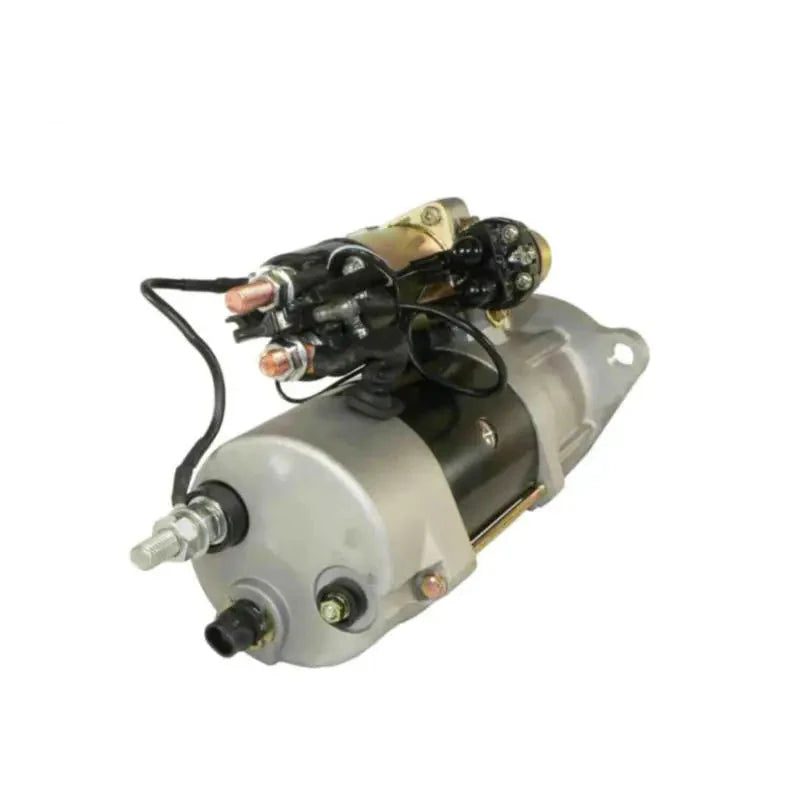
Diesel and commercial engines. Higher torque units are built for compression ignition, including an air starter motor for diesel engine setups used on larger industrial and off-road machinery where electric starting isn't practical.
Marine and specialist diesel. Nanni diesel starter motor units and similar marine spec builds, sealed against moisture and vibration in ways automotive starters aren't.
Heavy vehicle and bridge equipment. Bridge starter motor and other high-torque industrial units for applications well beyond standard automotive duty cycles.
Starter Motor vs Flywheel: Getting the Pairing Right
A worn starter motor and a damaged flywheel ring gear often get blamed on each other, and replacing one without checking the other is a common mistake.
- Grinding noise on startup usually means the flywheel starter motor pairing has worn unevenly, not necessarily that the starter itself has failed
- If teeth on the ring gear are chipped or missing, a new starter motor will wear against the same damage within weeks
- Flywheel replacement or resurfacing falls under our Engine section, but we'll flag it if your starter motor symptoms suggest it's involved
- Always inspect the drive gear on the old starter motor for uneven wear before assuming the flywheel is at fault
- Where both parts show wear, replacing them together avoids a repeat failure and a second labour bill
What's Included and What to Check on Arrival
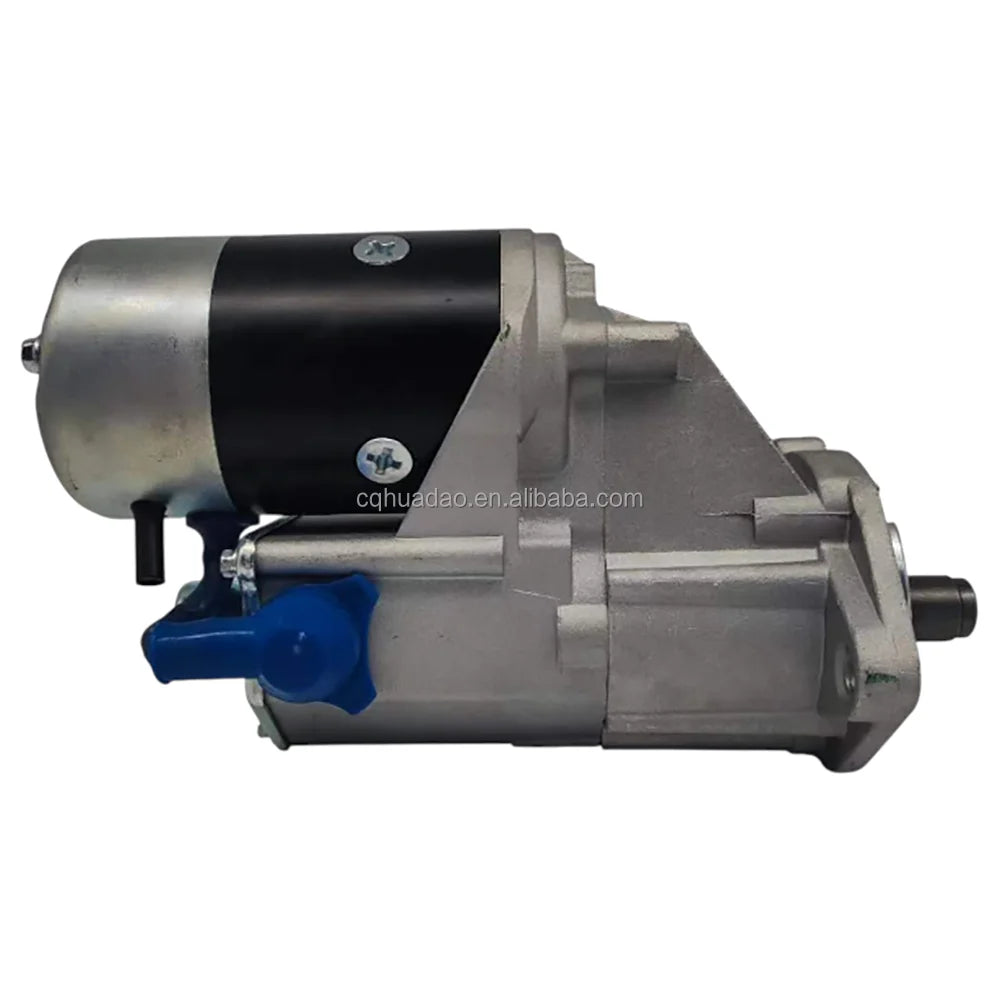
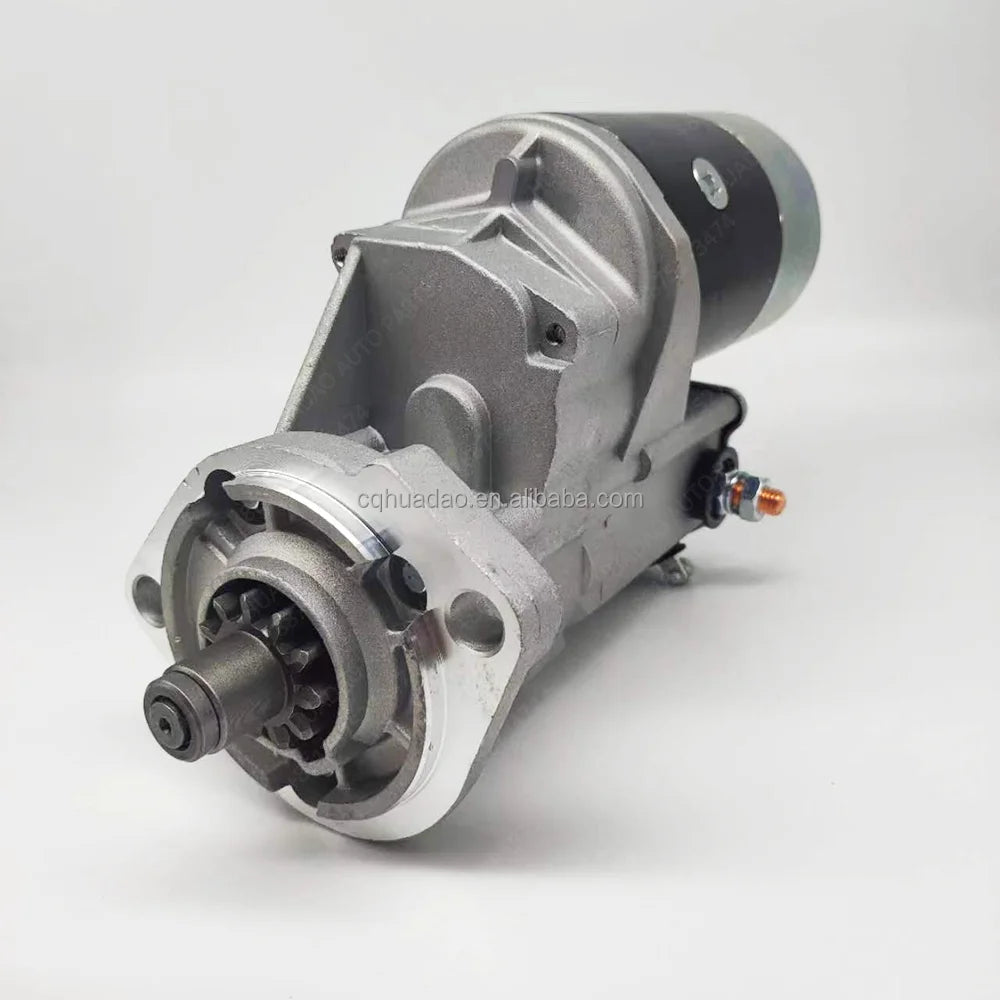
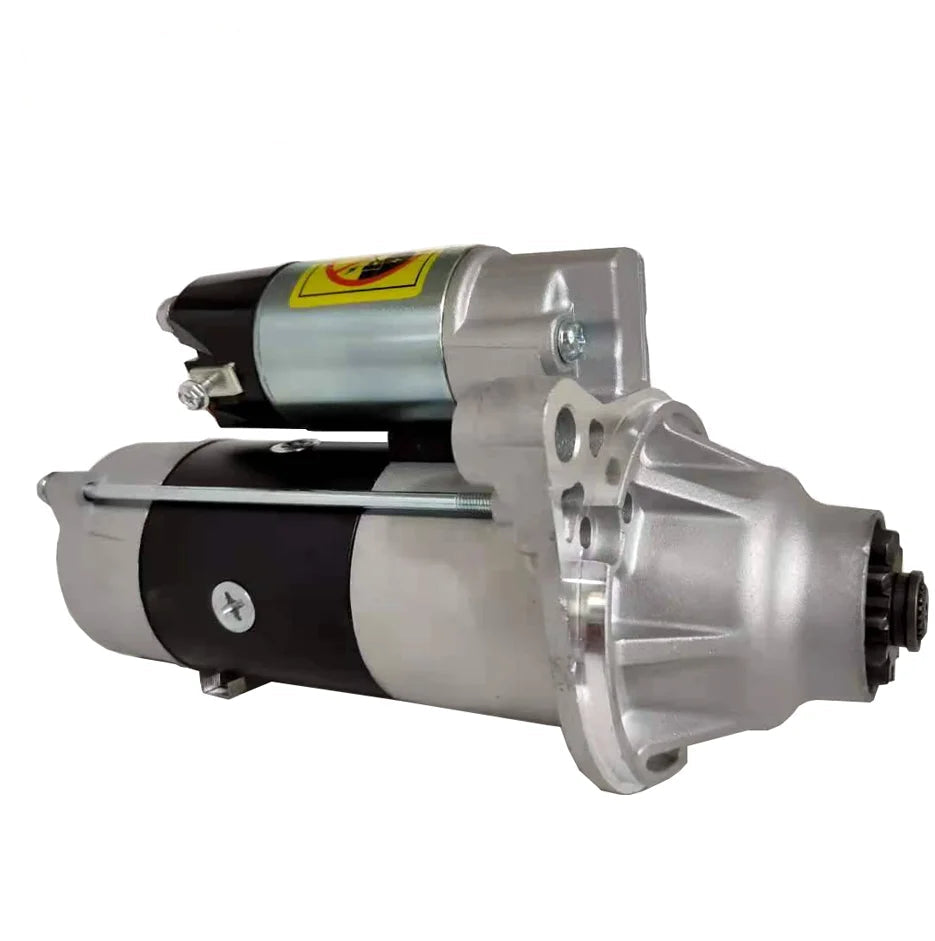
Each starter motor listing specifies voltage, kilowatt output, tooth count, and mounting bolt pattern. When your order arrives, checking these car starter motor parts against your old unit before fitting takes a few minutes and avoids a return:
- Confirm bolt spacing matches your engine block exactly
- Check the drive gear tooth count against your flywheel
- Verify solenoid wiring terminals match your vehicle's harness
- Compare overall unit length, particularly on diesel and marine applications
Support Beyond the Listing
If you're unsure whether your fault is the starter motor, the battery, or the alternator, our team can help narrow it down before you order, since replacing the wrong part twice costs more than getting it right once. Send through your engine code, part number, or a photo of the old unit's tag, and we'll confirm the correct match before dispatch.