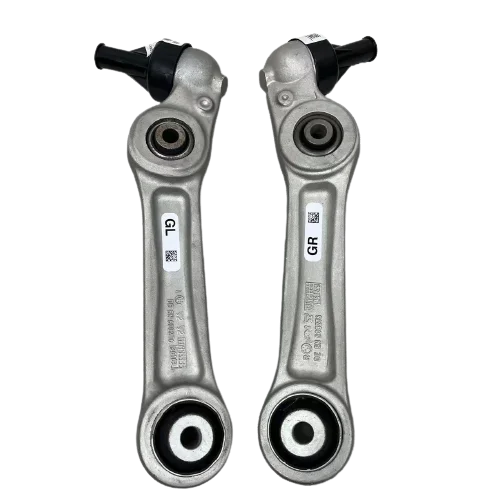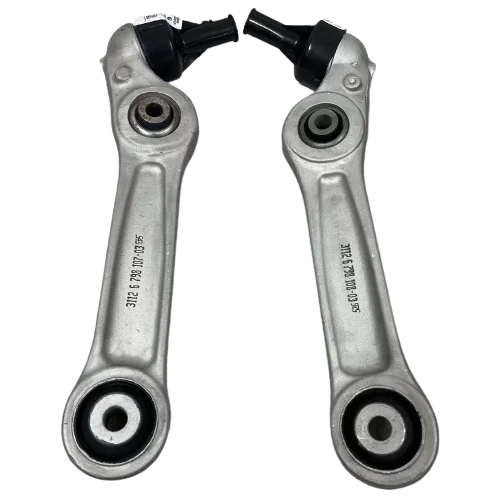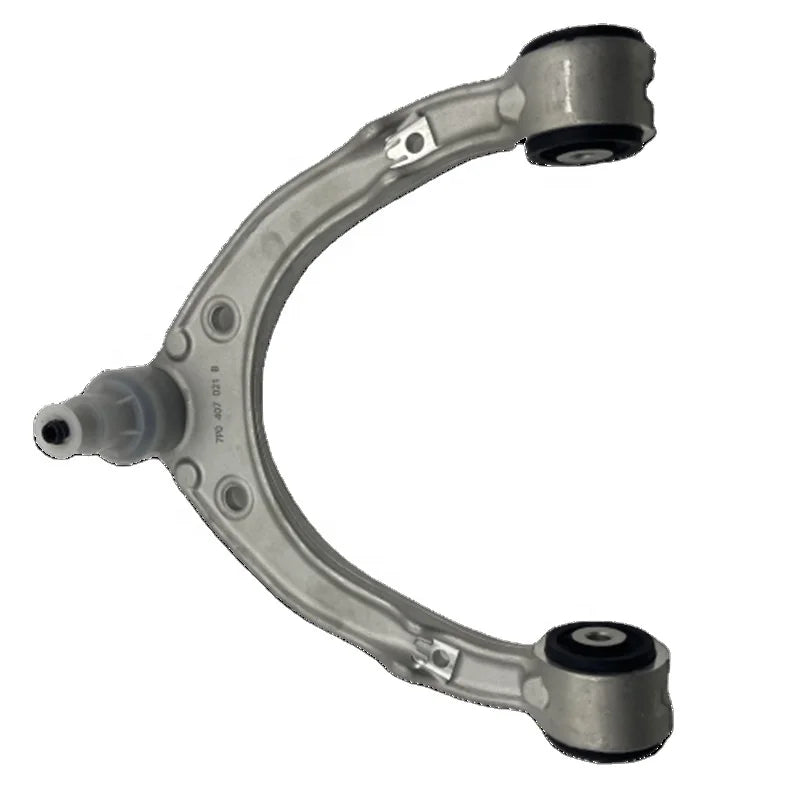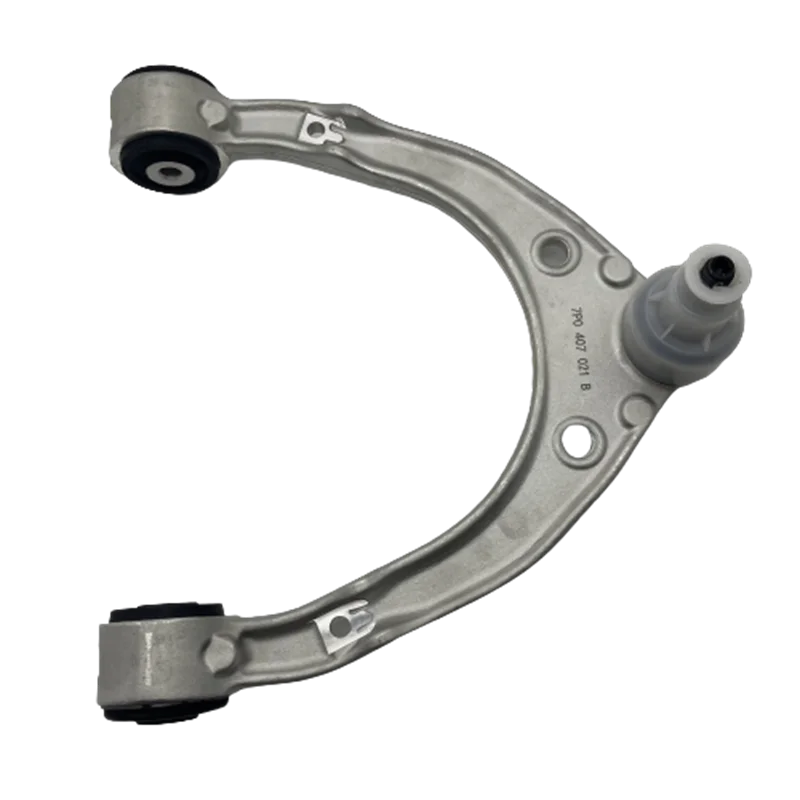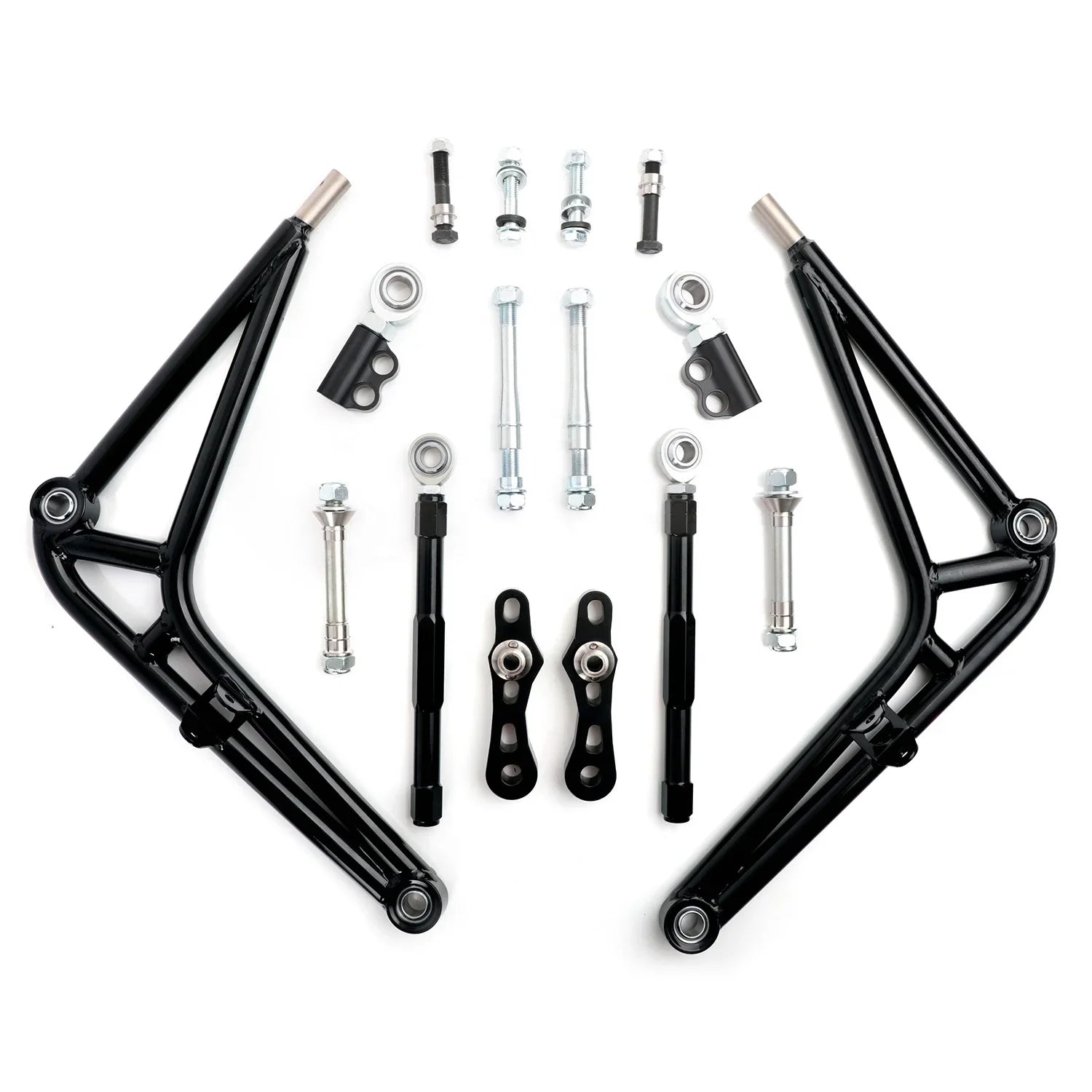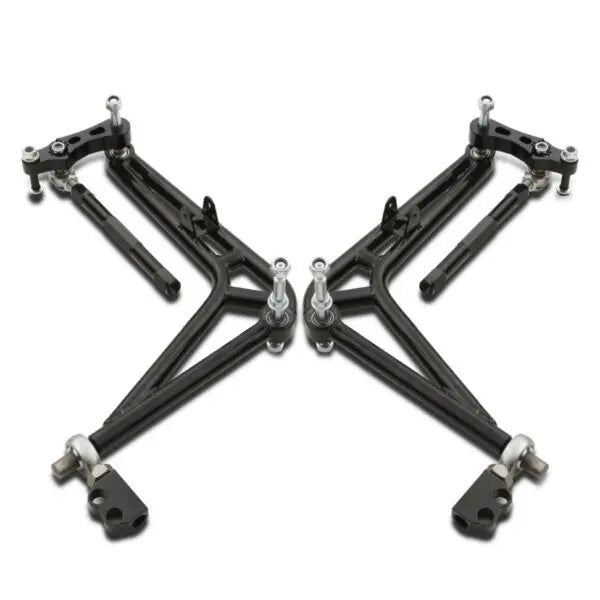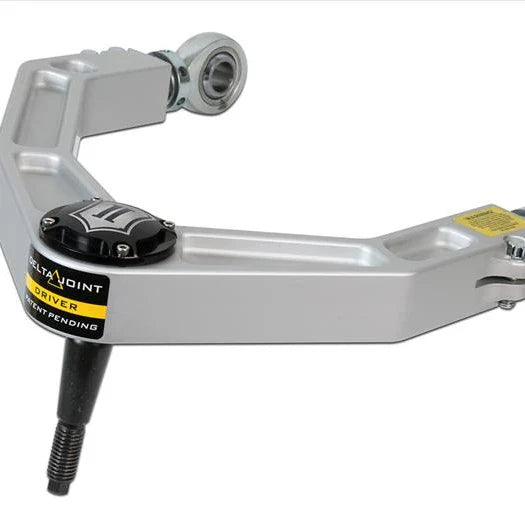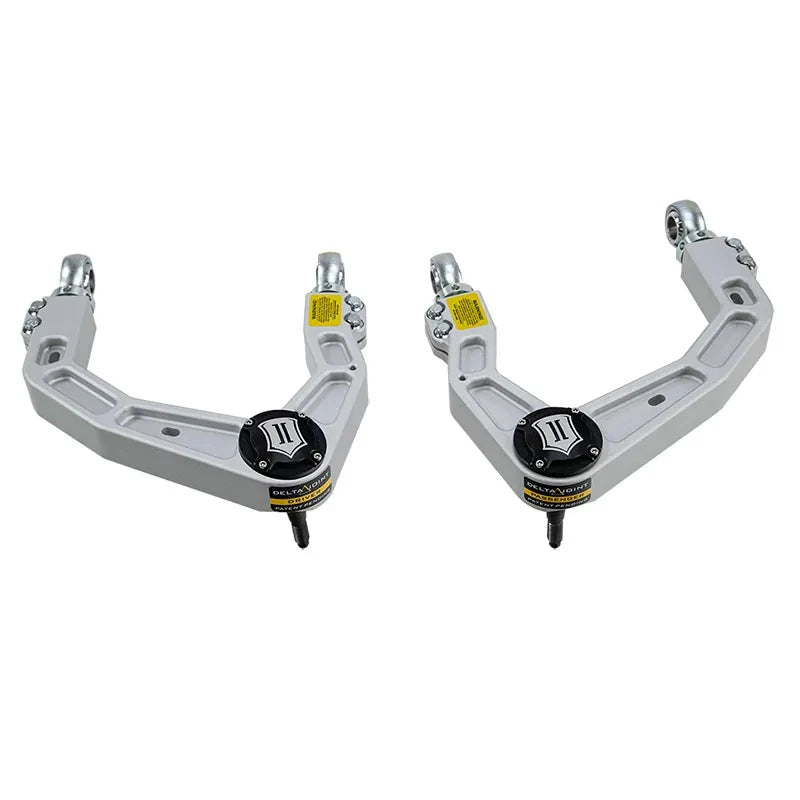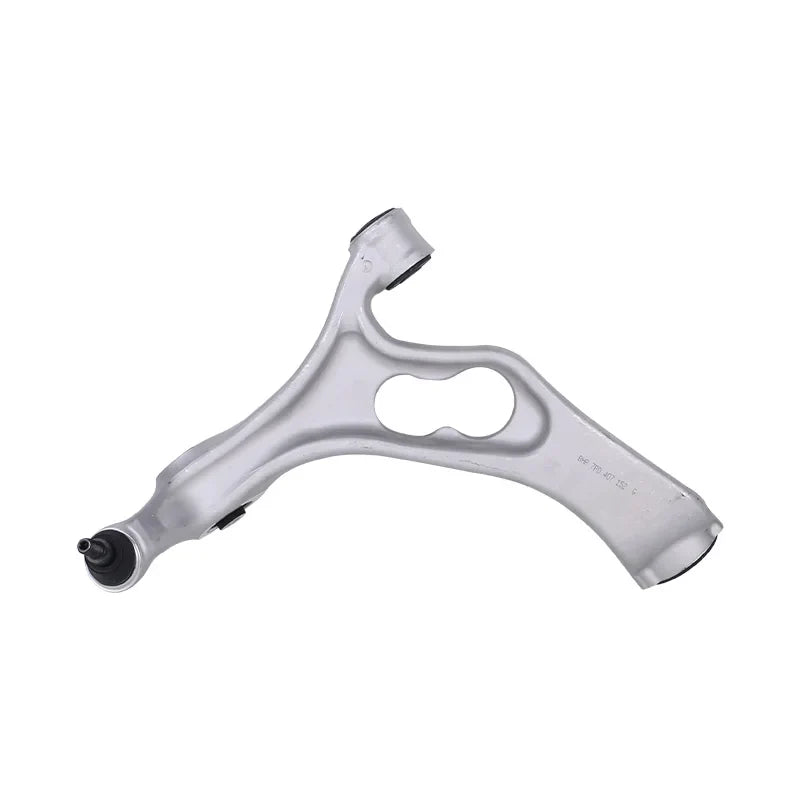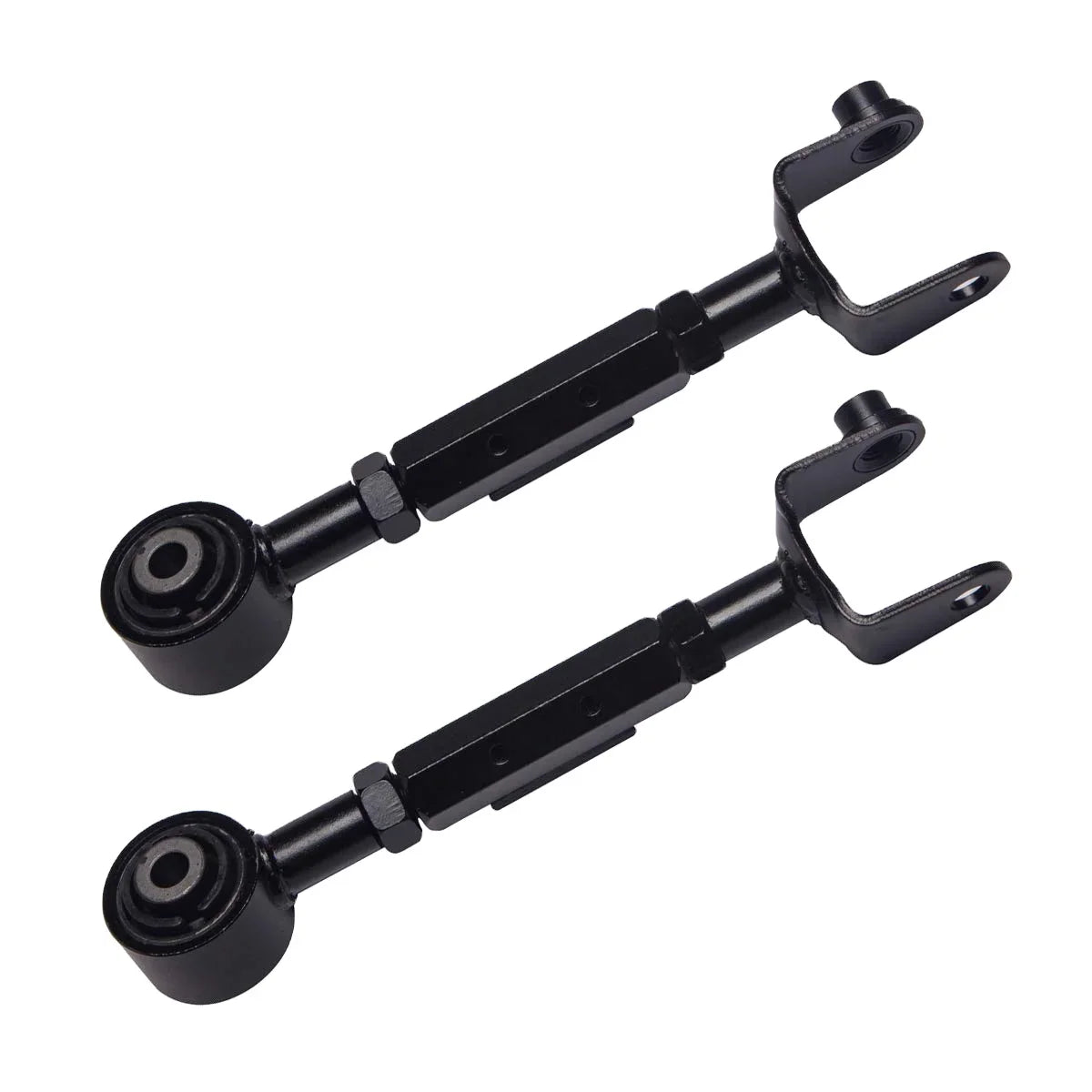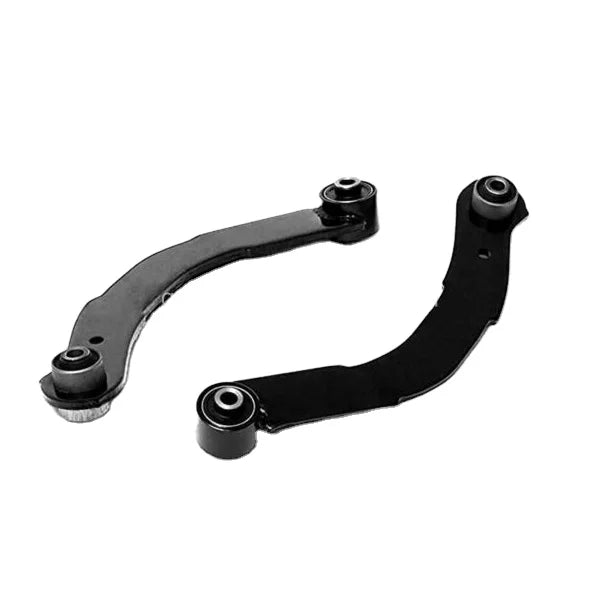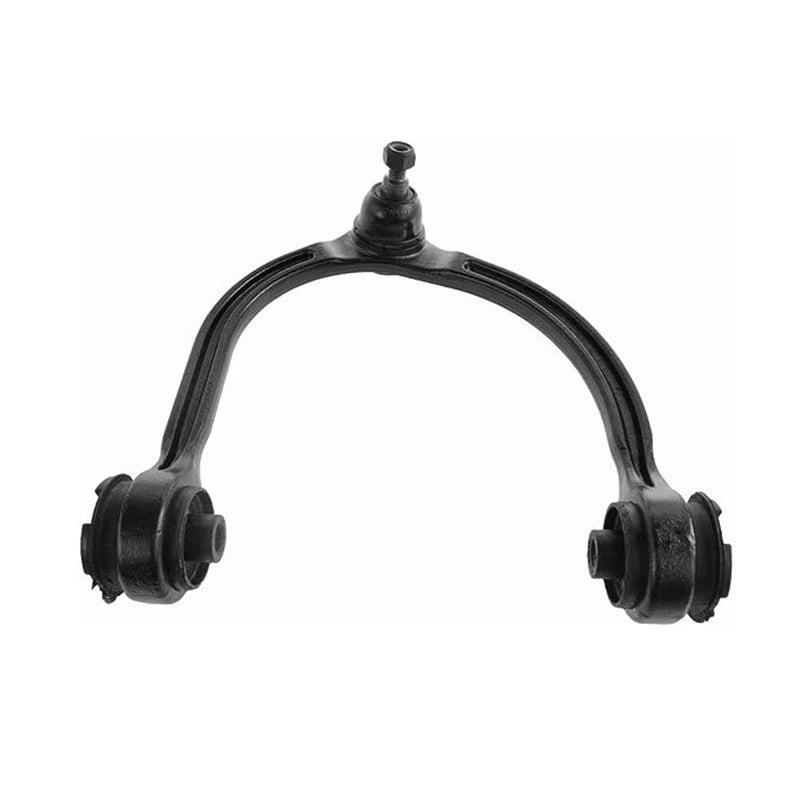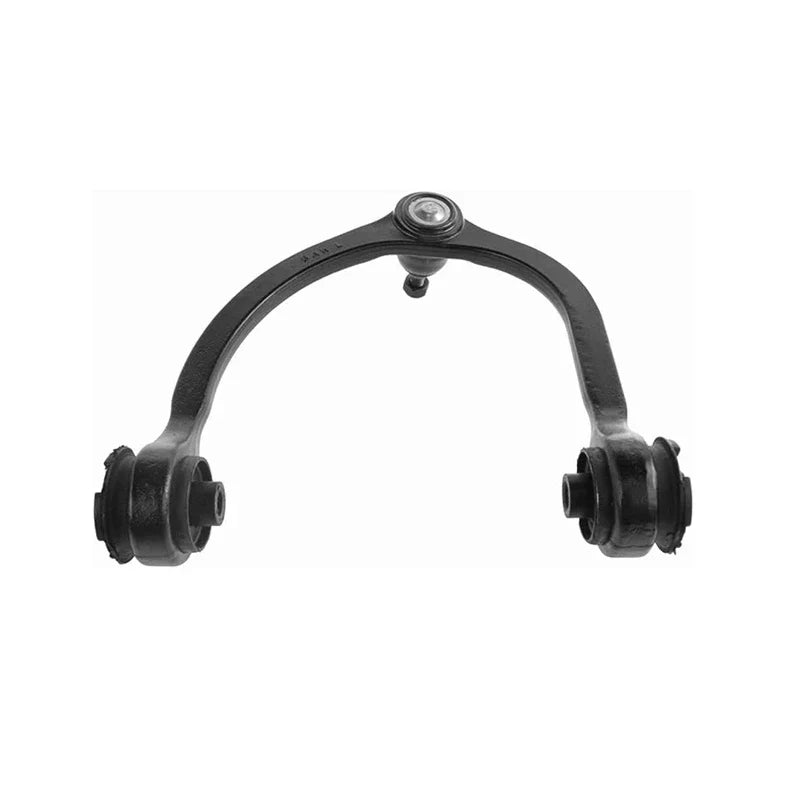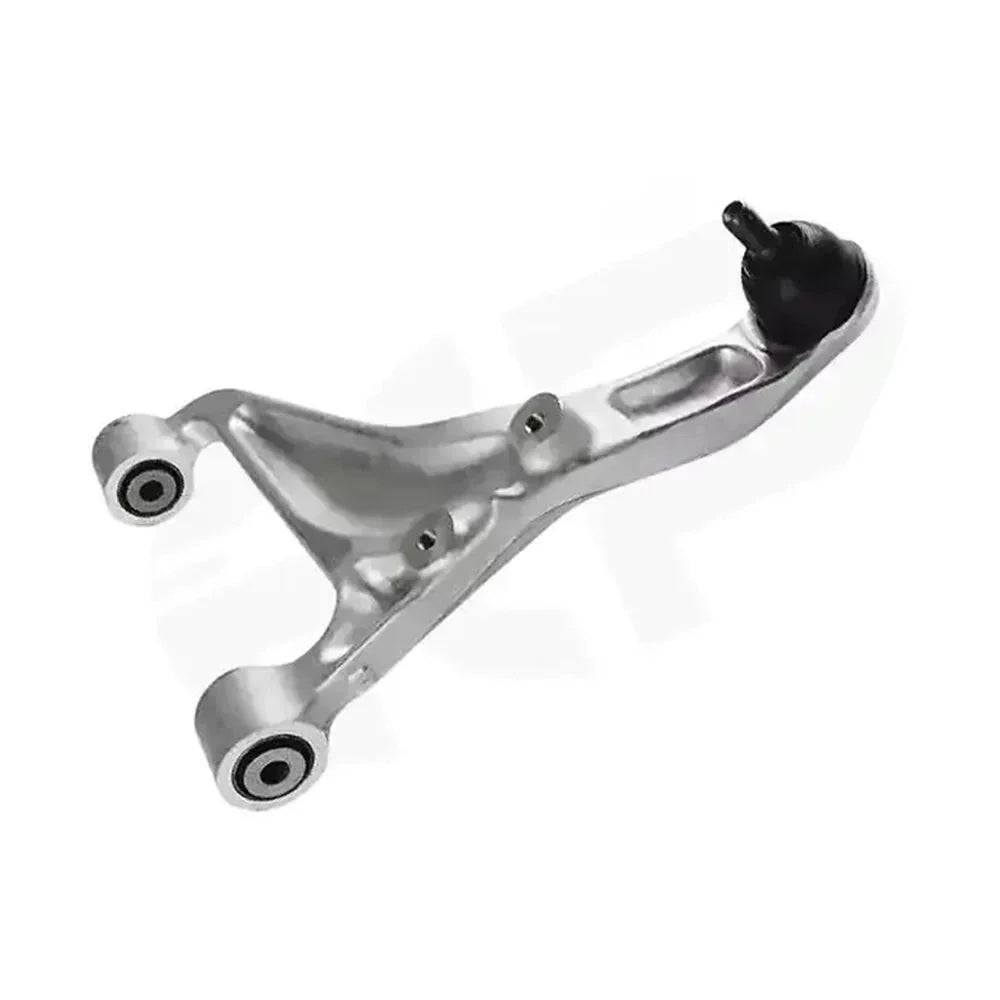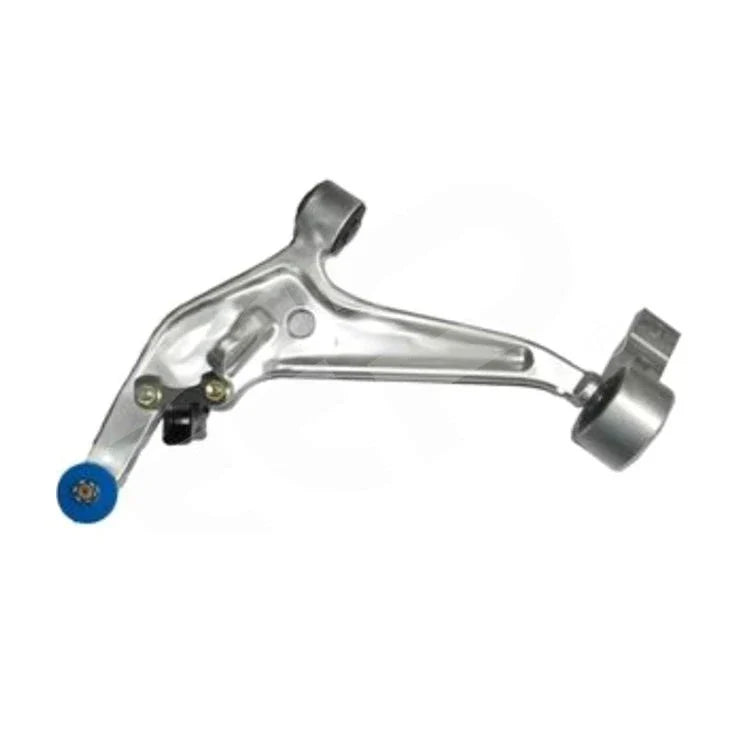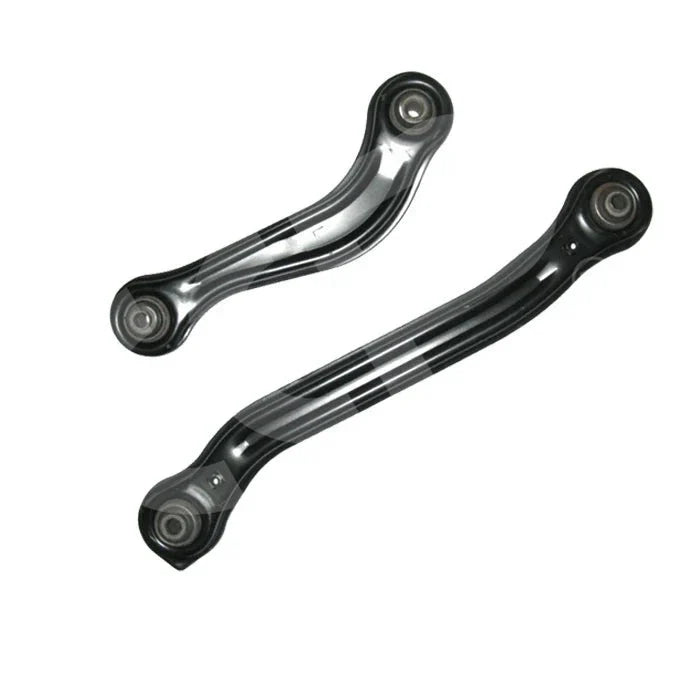
Control Arms: Lower Control Arm, Upper Control Arm, and Front Control Arms Assemblies
Control arms are the structural link connecting your wheel hub to the vehicle chassis, guiding suspension travel through every bump, turn, and brake input. A worn control arm introduces play into this connection, producing vague steering, uneven tyre wear, and a knocking sound that worsens over time.
At CBT Auto Parts, we stock lower control arm and upper control arm assemblies, many pre-fitted with ball joints, as part of our complete Suspension & Steering Parts range alongside Ball Joints and Bushings. OEM and aftermarket options are both fully accepted, every listing is matched for exact fitment, and fast shipping keeps your repair on schedule.

17 products
Showing 1 - 17 of 17 products
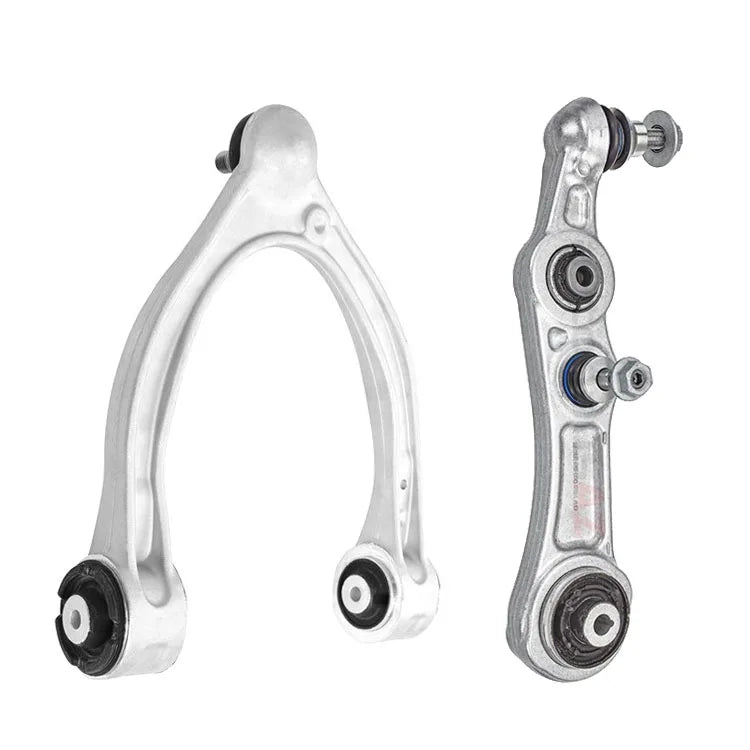
Lower Control Arm vs Upper Control Arm: Two Positions, Two Jobs
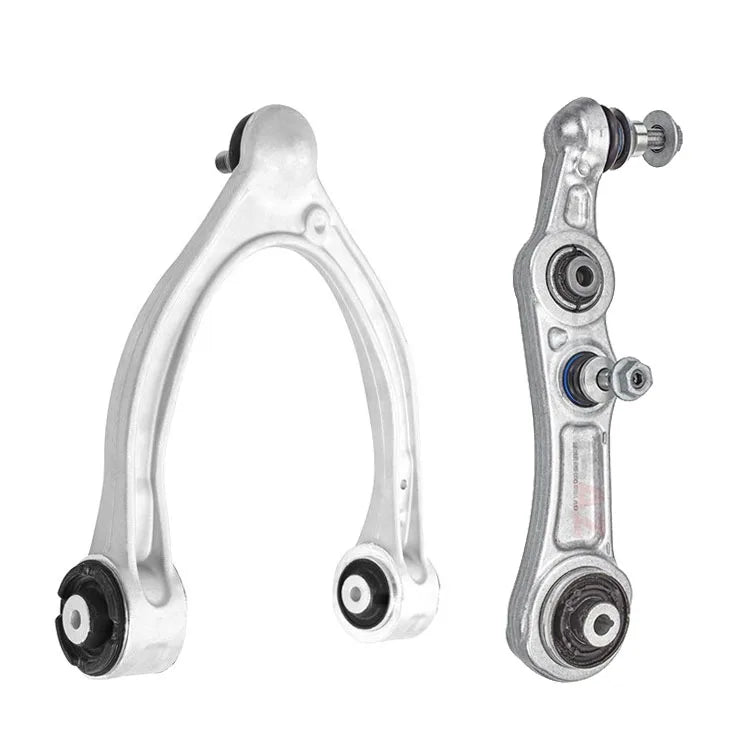
Not every vehicle runs both. Many platforms use only a lower control arm per side, while double-wishbone suspension designs run both a lower control arm and an upper control arm working together to control wheel movement through its full range of travel.
Lower Control Arm
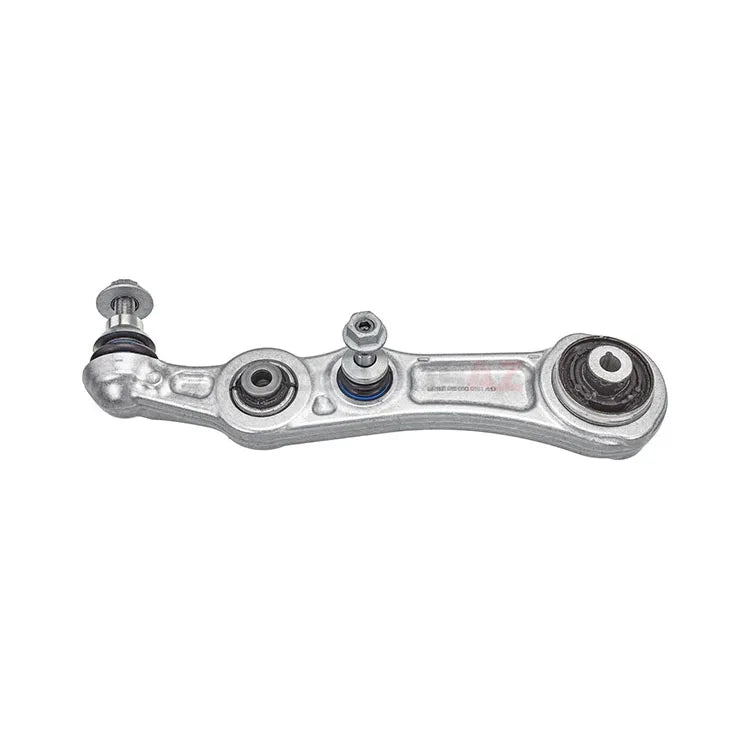
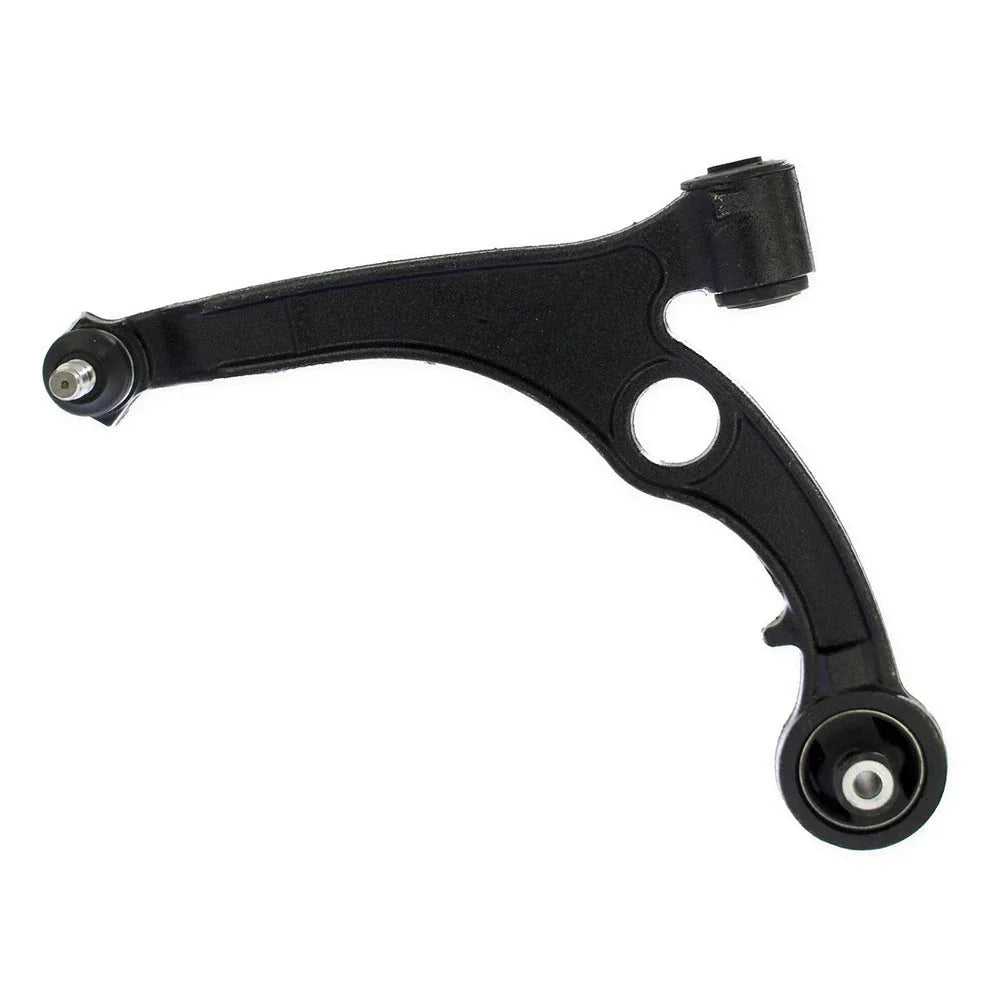
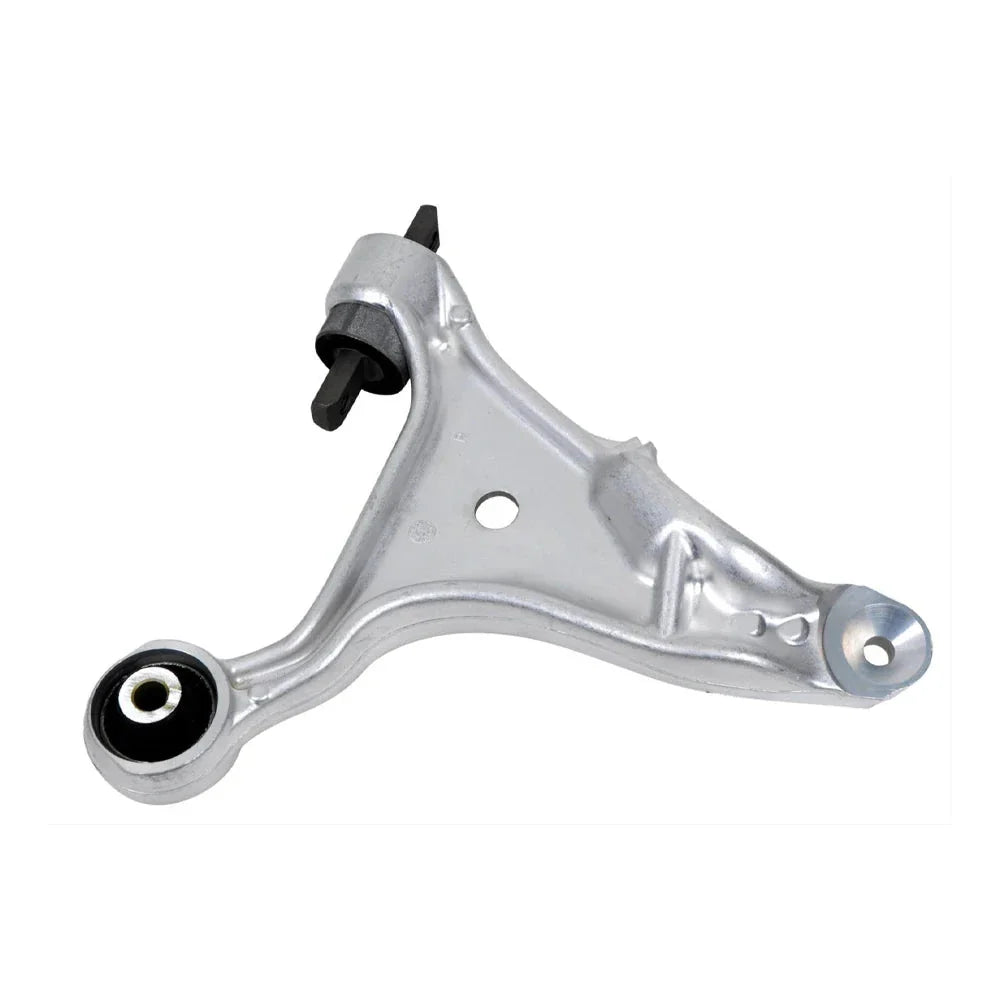
The lower control arm carries the greater share of the vehicle's weight and cornering load. It connects to the steering knuckle through a ball joint at the outer end and pivots on bushings at the chassis mount. Because it absorbs the bulk of impact force from potholes and rough surfaces, the lower control arm is typically the first to show wear.
Upper Control Arm
The upper control arm, where fitted, manages camber angle and provides additional geometry control during cornering and braking. It carries less direct load than the lower arm but plays an equally important role in keeping the wheel positioned correctly through suspension travel.
Signs Your Control Arms Need Replacing
Control arm wear is gradual and easy to attribute to other causes. The following are the clearest indicators that replacement is due:
- A knocking or clunking sound from the front end over bumps or during braking.
- Steering that feels loose, vague, or wanders slightly on a straight road.
- Uneven or premature tyre wear concentrated on one edge of the tread.
- Visible cracking, sagging, or splitting in the rubber bushing at the chassis mount.
- A clicking sound during slow, full-lock turns often points to a worn ball joint within the assembly.
- The vehicle pulls to one side under braking.
If two or more signs appear together, both lower control arms on the axle should be inspected, not just the side producing the noise.
Control Arms with Ball Joints: Why a Pre-Fitted Assembly Often Makes Sense
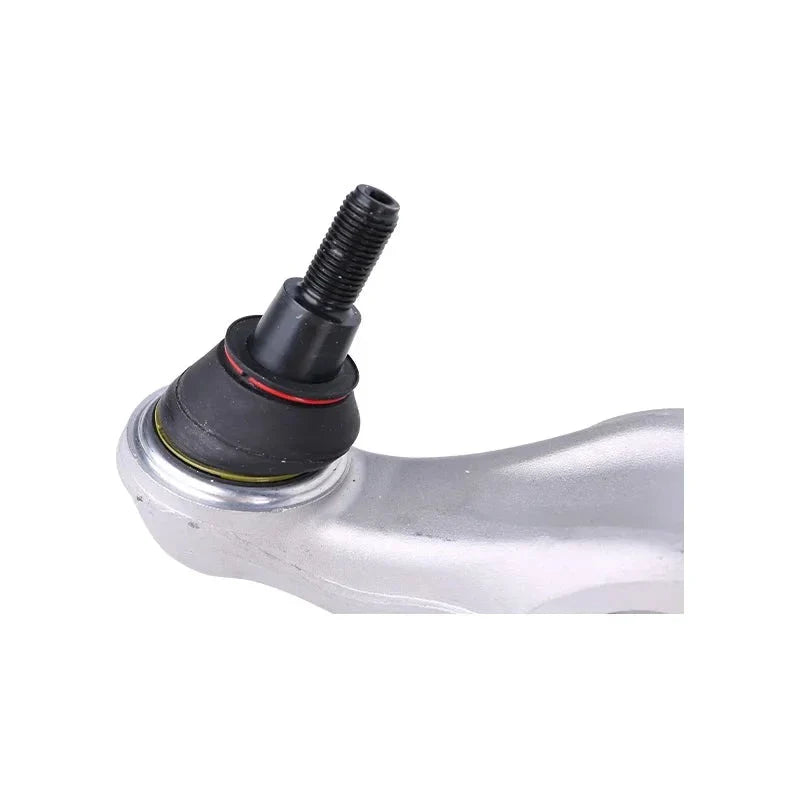
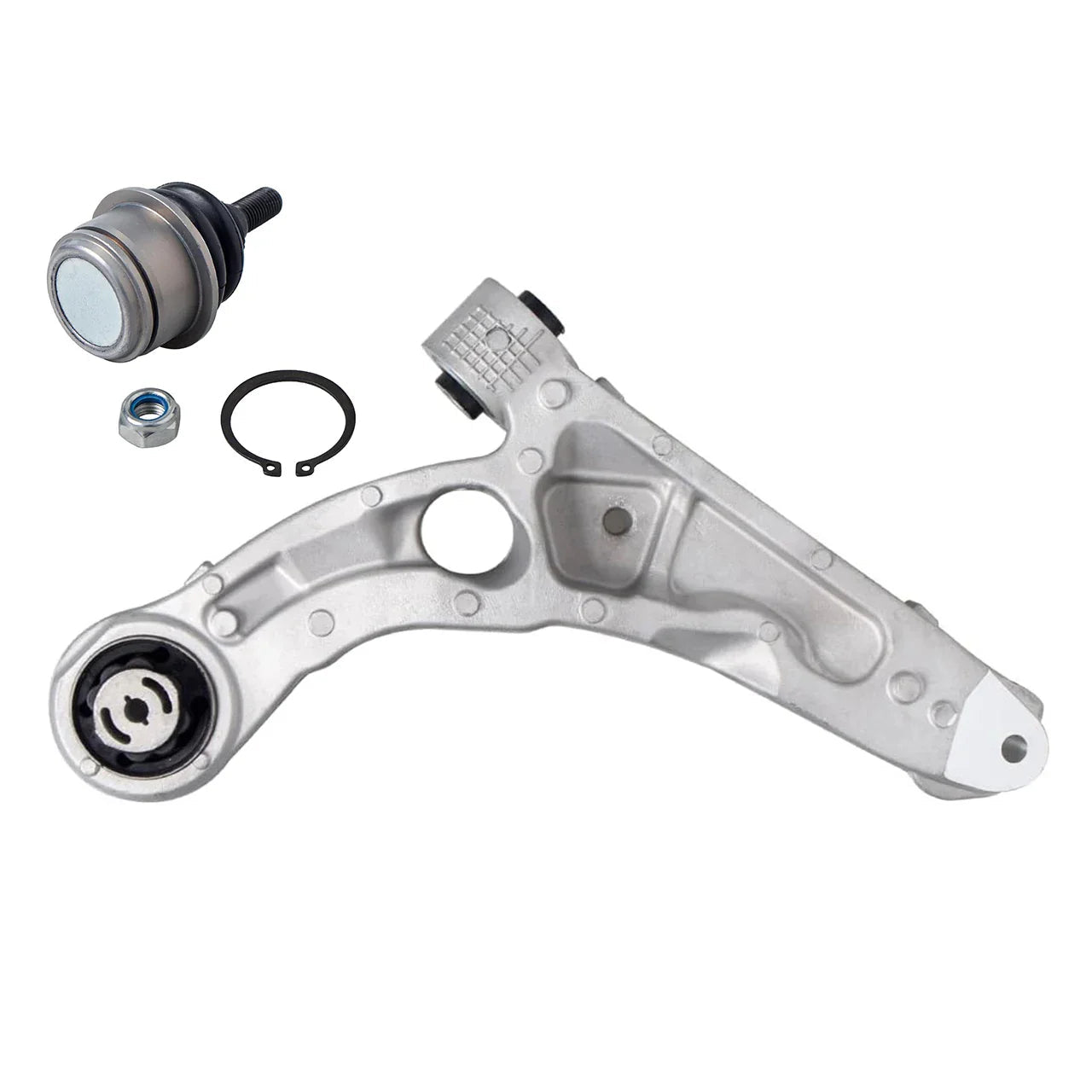
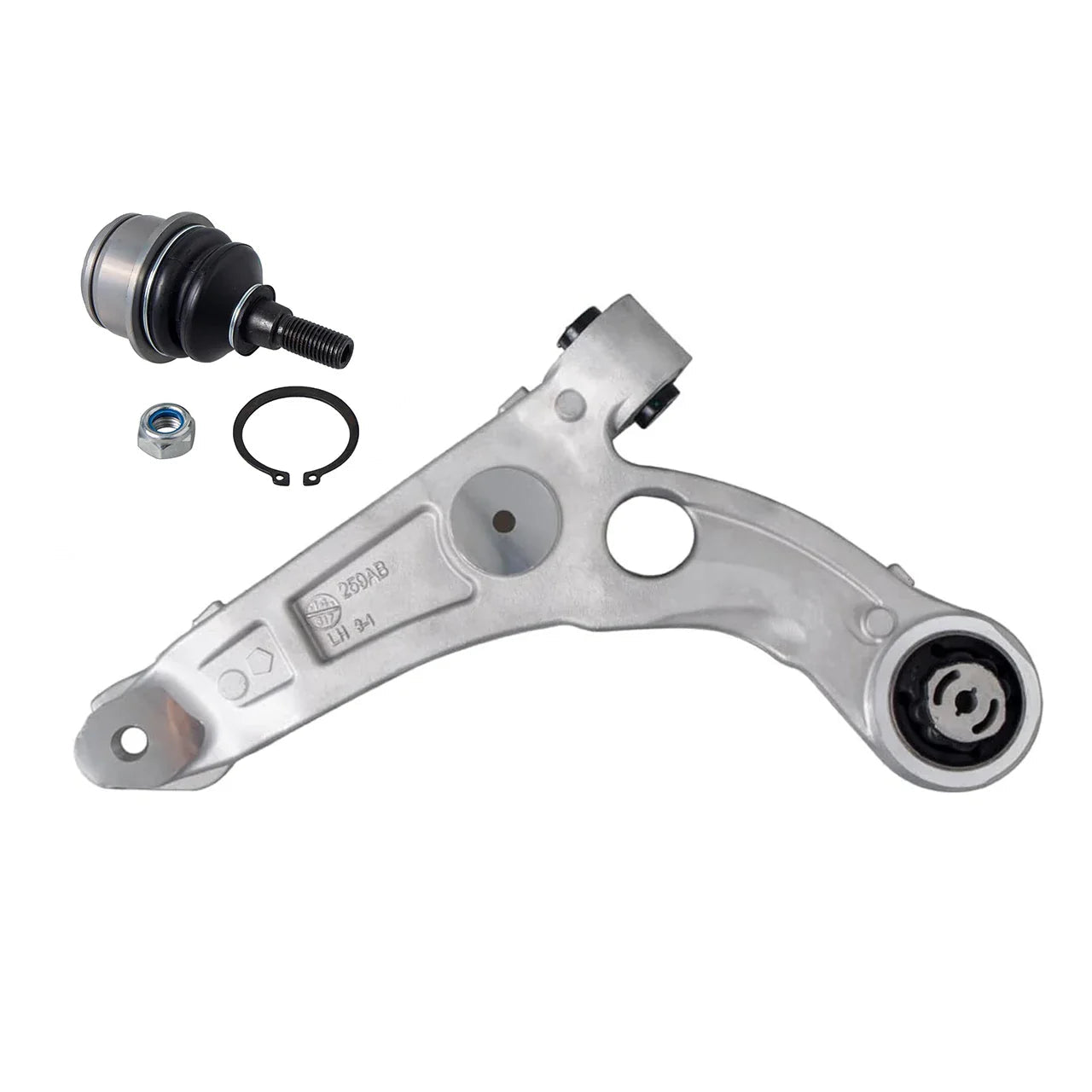
Many lower control arm and upper control arm designs come with the ball joint permanently pressed into the arm rather than offered as a separate, replaceable component. This is a deliberate engineering choice on a growing number of platforms, and it changes how the repair should be approached.
A control arm lower ball joint configuration means the ball joint cannot be replaced independently of the arm. When wear is detected in this design, the ball joint and control arm are replaced together as a single unit. This is not a downside. A pre-fitted assembly arrives correctly torqued and matched at the factory tolerance, removing a press-fit step that is otherwise prone to installation error.
Where the ball joint is a separate, bolt-in component on your specific platform, our Ball Joints range covers standalone replacement, so only the worn part needs to be sourced.
Control Arm Bushings: What's Included and What's Sold Separately
This is the area buyers most often get wrong, and it is worth getting right before ordering.
A complete control arm assembly is sold with its control arm bushing pre-fitted at the chassis pivot point. You are not buying the arm and the bushing separately in this case. The bushing comes installed, and replacing the whole assembly resolves both the structural wear and the bushing wear in a single part.
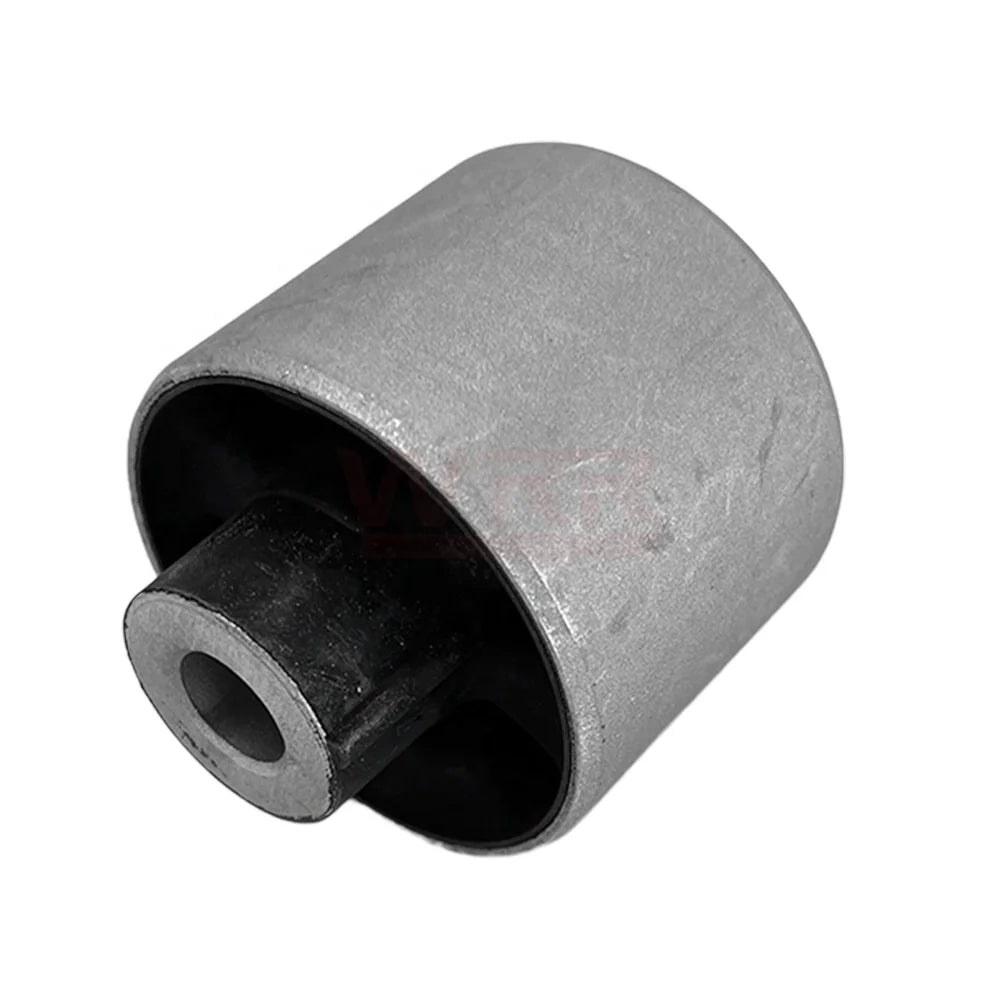
Standalone bushing replacement is a different purchase entirely. If the metal arm itself is structurally sound and only the rubber has perished, a lower arm control bushing or lower control arm bushing kit lets you press in a new bushing without replacing the full arm. This is the more economical route when the arm is otherwise in good condition.
A few points worth knowing before you choose:
- Control arm and bushing wear together more often than not, because the bushing is the first point to flex, and the arm is the last to fail structurally.
- Front lower control arm bushings see more load cycling than rear bushings on most front-wheel-drive platforms, so front-end noise should be the first place you inspect.
- Polyurethane replacement bushings, stocked under our Bushings range, outlast factory rubber significantly and are a common upgrade at the time of control arm service.
If you are replacing the full arm, you do not need to separately source a bushing. If the arm is sound, our Bushings range handles the standalone repair.
Front Control Arms and Bottom Control Arm: Same Part, Different Name
Buyers searching for front control arms and those searching for a bottom control arm are almost always looking for the identical part. "Bottom" and "lower" are used interchangeably across listings, manuals, and forums, and the front qualifier simply confirms axle position rather than describing a different component.
This naming inconsistency causes more wasted search time than any other part of the buying process. To remove the guesswork:
- Front control arms refer to the arms fitted to the front axle, regardless of whether they sit in the upper or lower position.
- Bottom control arm and lower control arm describe the same arm position; they are not different parts.
- Lower control arms car listings should always be cross-checked against your specific axle, as front and rear lower arms are rarely interchangeable, even when the wording looks similar.
Every product listing on our site specifies axle position and arm location plainly, so there is no ambiguity carried over from how a part happens to be labelled elsewhere.
OEM vs Aftermarket Control Arms: Making the Right Call
OEM control arms replicate factory geometry and bushing compound exactly. This is the right choice when ride characteristics must remain unchanged or when warranty terms require original specification parts.
Aftermarket control arms are fully accepted across professional workshops and routinely match or exceed OEM durability, particularly where upgraded polyurethane bushings or reinforced ball joints are included as standard. For vehicles outside warranty, or for owners comparing total cost against dealership pricing, aftermarket lower control arm and upper control arm assemblies deliver equivalent performance at a more accessible price.
Whichever route you choose, control arms should always be replaced in pairs on the same axle to keep handling balanced on both sides.