
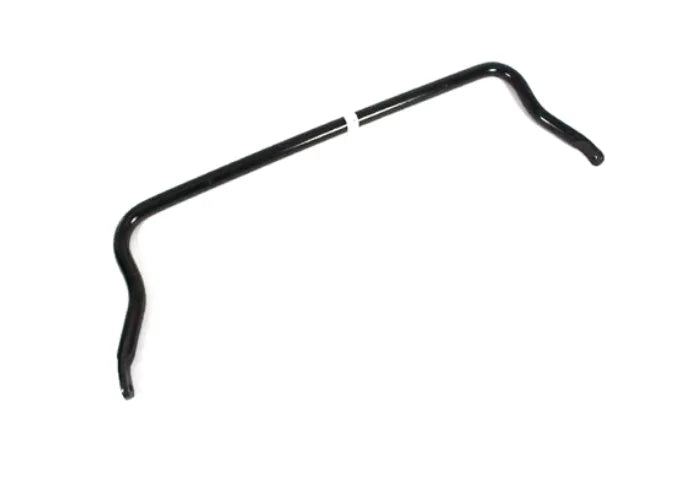
Sway Bars: Anti-Roll Bars, Panhard Rods, and Front Sway Bar Replacement
A sway bar connects the left and right sides of your suspension to resist body roll through corners. Off-road and lifted vehicles often rely on a panhard bar or panhard rod instead, controlling axle position under articulation. When either component wears or breaks, handling becomes unpredictable at speed and under load.
At CBT Auto Parts, we stock front sway bar and rear sway bar options, adjustable panhard rod kits, and Whiteline sway bar upgrades, part of our Suspension & Steering Parts range alongside Sway Bar Links and Bushings. OEM and aftermarket are fully accepted, fitment is confirmed, and fast shipping gets your vehicle back on the road quickly.

21 products
Showing 1 - 21 of 21 products
What a Sway Bar Does and Why It Resists Body Roll
A sway bar is a torsion spring shaped into a bar, mounted across the chassis, and connected to each side of the suspension through a sway bar link. When the vehicle corners, weight shifts to the outer wheel, and that side of the suspension compresses more than the inner side. The sway bar twists against this uneven movement, transferring some of that load to the inner wheel and keeping the body flatter through the turn. Because of this stabilising role, the part is sometimes called a sway bar stabilizer, and it is more formally known as an anti-roll bar in workshop manuals and parts catalogues. Both names describe the identical component.
A vehicle without a functioning sway bar still drives and still corners, but it leans noticeably more, transfers weight unevenly between the inner and outer tyres, and feels less composed during quick direction changes such as lane changes or roundabouts.
Sway Bar vs Panhard Bar: Different Jobs, Often Confused
Sway bars and panhard bars sit in a similar part of the suspension and are frequently mixed up in parts searches, but they solve two different problems entirely.
Sway Bar (Anti-Roll Bar)
The sway bar, or anti-roll bar, manages body roll during cornering by linking the left and right suspension. It does not control where the axle sits side to side. It only resists the twisting motion that occurs when one side compresses more than the other.
Panhard Bar (Panhard Rod)
A panhard bar, also called a panhard rod, is found on vehicles with a solid axle and controls lateral axle position relative to the chassis. As the suspension travels up and down, particularly on a lifted 4WD, the panhard rod keeps the axle centred under the vehicle rather than drifting sideways. A worn or incorrectly specified panhard rod produces a vehicle that tracks slightly off-centre or wanders under load, a completely different symptom to body roll caused by a worn sway bar.
Some vehicles run both. A solid-axle 4WD, for example, commonly uses a sway bar at the front and rear for roll control alongside a panhard rod managing axle centring, particularly once the vehicle has been lifted from factory ride height.
Sway Bar vs Sway Bar Links: Clearing Up the Confusion
The sway bar itself and the sway bar links connecting it to the suspension are two separate, commonly confused parts. The bar is the long torsion spring running across the chassis. The links are the short connecting rods at each end, joining the bar to the control arm or strut. When a search refers to the sway bar and links together, it usually means the buyer is unsure which of the two has actually failed, which is a reasonable starting point given how similar the symptoms can feel from the driver's seat.
A failed sway bar link typically produces a sharper, more localised knock over small bumps and during light steering input at low speed. A failed or worn sway bar itself more often presents as increased body roll under harder cornering, without the same knocking noise at low speed. If you are uncertain which part is responsible, our Sway Bar Links page within the Suspension & Steering Parts range covers link-specific diagnosis and replacement in detail.
Signs Your Sway Bar or Panhard Bar Needs Replacing
Wear in this part of the suspension tends to announce itself through handling changes rather than a single dramatic failure. The following are the clearest indicators that replacement is due:
- Noticeably more body lean through corners than the vehicle previously exhibited.
- A metallic clunk or knock from underneath during quick direction changes or on uneven surfaces.
- The vehicle feels less stable or more floaty during highway lane changes.
- Visible cracking, rust, or play at the bushings where the sway bar mounts to the chassis.
- A solid axle vehicle that tracks slightly off-centre or pulls under load, pointing to panhard rod wear.
- Rattling specifically at low speed over corrugations or rough surfaces.
If body roll and a knocking noise are both present, both the sway bar and the connecting links should be inspected, since wear in one area frequently masks early wear in the other.
Whiteline Sway Bars: The Performance Upgrade Choice
Whiteline is one of the most established names in performance sway bar upgrades and is frequently the brand searched for under variations, including white line sway bar. A Whiteline sway bar typically offers a thicker bar diameter and adjustable mounting positions compared to factory equivalents, allowing the level of stiffness to be tuned to the vehicle's use rather than locked to a single factory setting.
For daily-driven vehicles seeking sharper handling without a full suspension overhaul, a Whiteline sway bar upgrade is one of the most cost-effective changes available. For 4WDs running a lift kit, a correctly specified aftermarket sway bar restores roll control that a factory bar, designed around stock ride height, can no longer provide.
Front Sway Bar and Rear Sway Bar: Fitment Considerations
Most vehicles run a front sway bar, and many also run a rear sway bar, with the two performing the same basic function at different ends of the vehicle. A few points are worth confirming before ordering either:
- Front sway bar diameter is typically larger than rear on most factory setups, since the front end carries more weight and more steering-related load.
- Front and rear sway bars are not interchangeable between axles, even when they appear visually similar.
- Adjustable sway bars allow stiffness to be tuned independently front and rear, which is useful for correcting handling balance on a modified vehicle.
- A mismatch between an upgraded front sway bar and a stock rear bar can shift the car's handling balance more than expected, so changes are best considered together rather than in isolation.
Every listing on our site specifies front or rear position and the vehicle fitment it is matched to, removing the guesswork from this part of the order.
Panhard Rods for Lifted and Off-Road 4WDs
Lifting a solid-axle 4WD changes the geometry of the factory panhard rod, often pulling the axle slightly off-centre at full extension. This is one of the most common and most overlooked side effects of a suspension lift.
Adjustable Panhard Rod
An adjustable panhard rod allows the length to be tuned after a lift, re-centring the axle under the chassis rather than leaving it offset to one side. This is considered standard practice on any 4WD lifted beyond a moderate height, and running a fixed-length factory rod after a significant lift will leave the axle permanently off-centre.
GU Patrol Panhard Rod
The GU Patrol is one of the most common platforms in our panhard rod range, reflecting how frequently this vehicle is lifted for off-road use in Australia. A GU Patrol panhard rod in an adjustable, heavy-duty specification is the standard upgrade once the vehicle moves beyond a mild lift height.
Panhard Bar Kit
A panhard bar kit bundles the bar itself with the mounting brackets and hardware needed for a clean installation, which is particularly useful when upgrading from a factory rod to a heavy-duty adjustable unit on a lifted vehicle. Kits are available across the most common 4WD platforms we stock.
Front Sway Bar Bushings: The Wear Item Hiding in Plain Sight
Front sway bar bushings sit at the mounting points where the bar attaches to the chassis and, separately, where the links attach to the bar ends. These rubber bushings perish, crack, and harden well before the bar itself shows any sign of fatigue, and worn bushings produce a knocking noise that is easy to mistake for a failed link or a worn bar.
Replacing front sway bar bushings on their own, when the bar and links are otherwise sound, is the more economical repair and often resolves a knocking noise completely. Polyurethane bushings, covered in detail on our Bushings page, are a common upgrade at the time of replacement and last significantly longer than factory rubber under sustained off-road or performance use.
OEM vs Aftermarket Sway Bars
OEM sway bars and panhard rods replicate factory stiffness and geometry exactly, the correct choice when unmodified handling characteristics need to be preserved, or warranty terms require original specifications.
Aftermarket sway bars, including Whiteline and other performance brands, are widely used and routinely outperform factory units in stiffness, adjustability, and durability under demanding conditions. For lifted 4WDs in particular, a correctly specified aftermarket panhard rod is frequently the only option that properly corrects geometry changed by the lift, since factory parts are not engineered around a modified ride height.


