Car Fender, Front Fender, and Fender Panel Replacements
A car fender takes daily punishment from stone chips, shopping trolleys, and the occasional gutter scrape, so a dented or rusted front fender is one of the most common panel jobs on any vehicle. CBT Auto Parts stocks fender panel and fender replacement options, sitting alongside Bumpers and Mud Guards inside Body and Exterior Parts.
Every mudguard fender listed here is OEM or OEM equivalent, checked against your exact vehicle before it ships, so aftermarket never means a poor edge fit or paint mismatch. Most orders leave the warehouse within 24 to 48 hours, tracked across Australia, whether replacing a single panel or a full quarter after rust.

6 products
Showing 1 - 6 of 6 products
Choosing the Right Car Fender for Your Vehicle
Not every car fender listed under a model name fits every trim or build year, since panel shape often changes between facelifts even on the same generation. Start by confirming your exact year, trim, and any factory-wide body or off-road package, since these can use a wider car fender than the standard version. From there, decide whether you need the full outer panel or just one of the smaller pieces, such as an apron, extension, or inner section, covered in more detail below.
Anatomy of a Fender: More Than One Panel
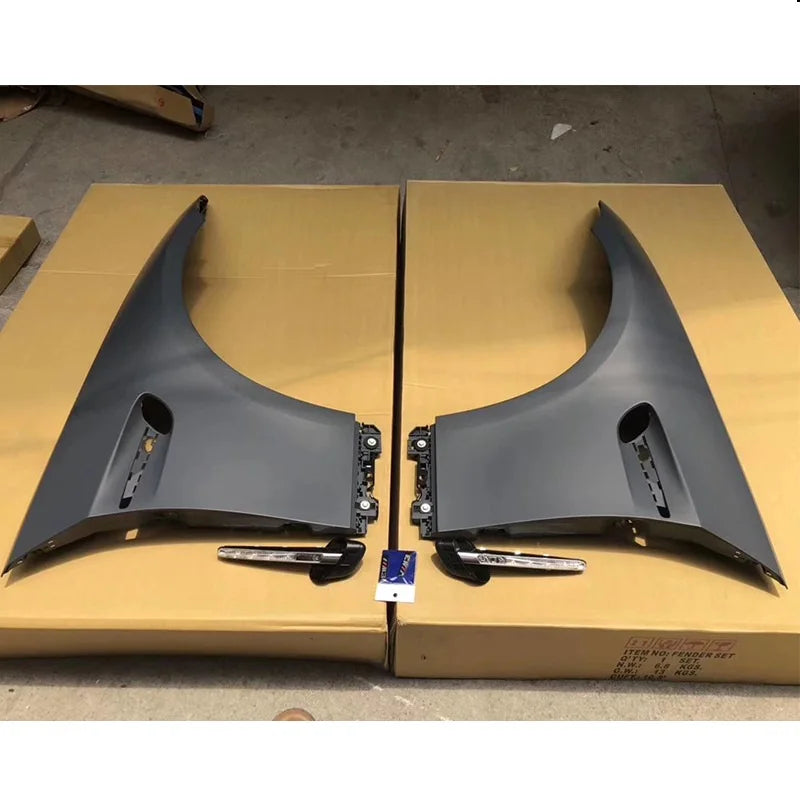
What most drivers call a fender is often a small assembly of parts rather than one flat panel. This range breaks it down into the pieces you may need individually:
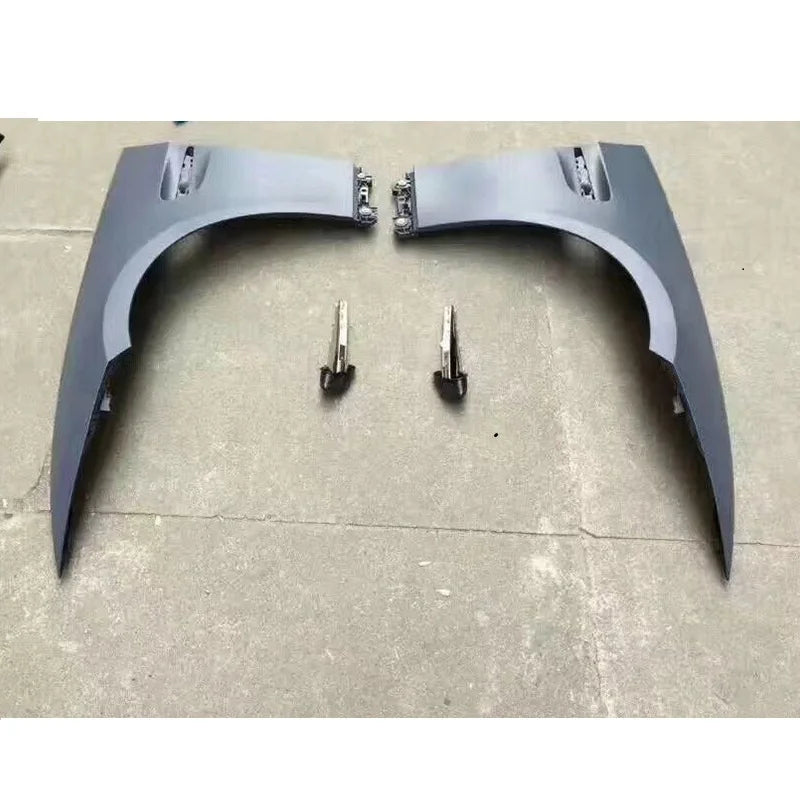
- The outer fender panel itself, the visible curved section over the wheel.
- A fender apron panel, the inner structural section that ties the fender to the chassis rail and strut tower.
- A fender extension panel is used on lifted or wide-track vehicles to close the gap around larger tyres.
- A fender inner panel or liner mount, which the wheel well liner clips onto for splash protection.
Ordering the correct piece rather than a full outer panel can save significant cost when the damage is limited to one section.
When Wider Really Means Wider: Enthusiast and Wide Body Fitments
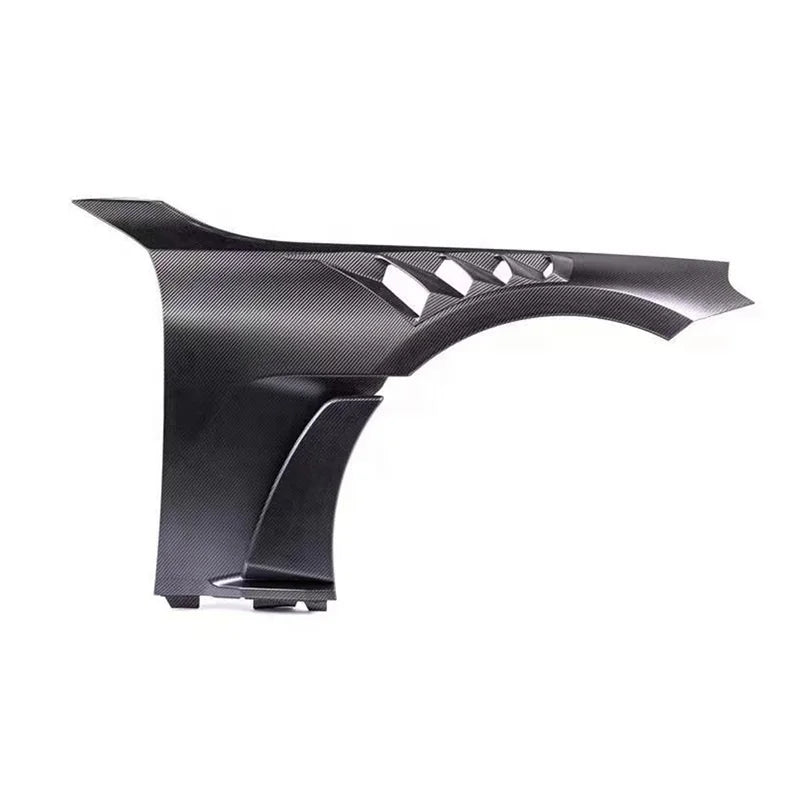
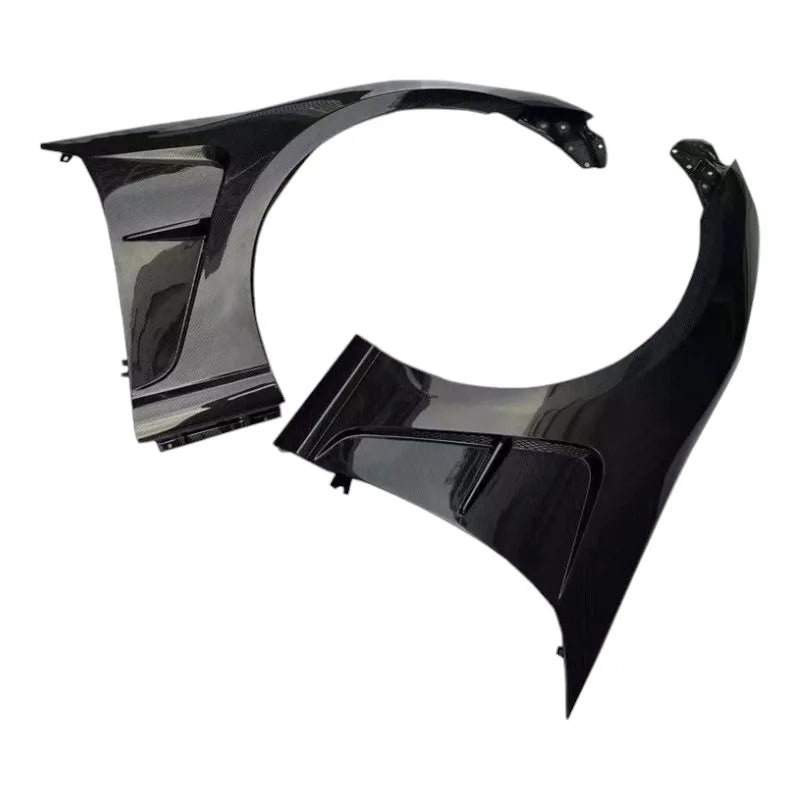
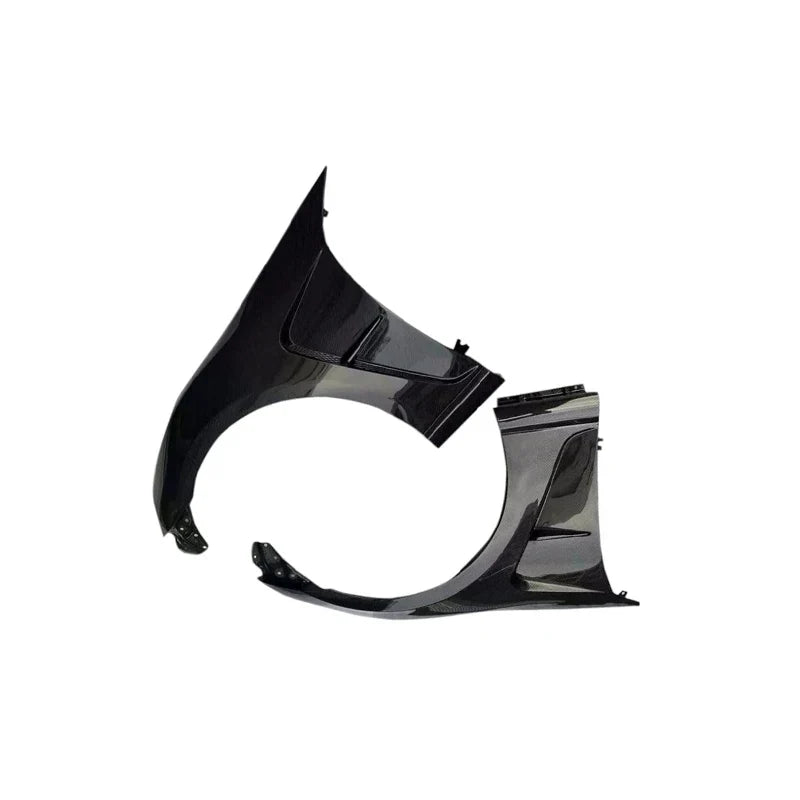
Not every fender request is a straightforward repair. This category also serves the enthusiast and off-road market, including 350Z front fenders for drift and track builds where wheel offset outgrows the factory arch, and F150 wide body fenders for owners running larger tyres or aftermarket suspension. These fitments are listed separately from standard replacement panels, since wide body kits change mounting points and often require trimming during fitment, unlike a factory match repair panel.
Fender Damage vs Bumper Damage: Two Different Jobs
A knock at the corner of a vehicle often damages both panels at once, which is why fender and bumper replacement is one of the more common combined repairs booked in Australian panel shops. The fender is a structural, bolted panel tied to the chassis, while the bumper is a bolt-on cover with its own separate mounting system. A single side impact can crack a bumper cover while only denting the fender behind it, so it is worth inspecting both before ordering, rather than assuming one part covers the damage.
OEM Fit vs Generic Aftermarket Panels
- OEM and OEM equivalent fender panels match factory edge gaps, bolt holes, and curve lines exactly.
- Generic aftermarket panels can be cheaper but sometimes need extra trimming or shimming to sit flush.
- Every fender listed on this page states clearly whether it is a direct bolt-on fit or requires minor adjustment.
- Paint matching services are available for popular factory colours, reducing the trip needed to a panel shop afterward.
Rust and Corrosion: A Fender's Biggest Long-Term Enemy
Fenders sit low, close to road spray, salt, and moisture trapped behind the wheel liner, which makes them one of the first panels to show corrosion on an older vehicle. Bubbling paint along the lower edge or around the wheel arch lip is usually the first visible sign, often starting from the inside out where the liner traps moisture against bare metal. Left unaddressed, surface rust can eat through the panel within a season or two, particularly on vehicles regularly driven near the coast or on salted winter roads. Replacing the fender panel early, before rust spreads to the apron panel or strut tower area behind it, is almost always cheaper than the structural repair required once corrosion reaches the chassis rail.
Fitting Notes for a Fender Replacement
Most front fender panels are held by a mix of bolts along the door jamb, under the bonnet edge, and inside the wheel arch, rather than a single fixing point. Removing the front wheel liner first usually gives easier access to the lower bolts. Rubber seals and trim clips along the top edge should be reused where possible, since they are often discontinued separately from the panel itself. Where a fender apron panel is also damaged, welding or professional panel work is generally required rather than a bolt-on swap.
Why Buy Your Fender Panel From CBT Auto Parts
- Fitment is checked against your vehicle before dispatch, so the curve, bolt pattern, and arch depth match.
- OEM and OEM equivalent stock only, avoiding the fitment issues common with unbranded generic panels.
- Fender panels ship within 24 to 48 hours, tracked door to door across Australia.
- Sits alongside Bumpers and Mud Guards, so a full corner repair can be sourced from one order.
- Support team available to confirm whether you need an outer panel, apron panel, or extension panel before you buy.