Flywheels | Billet, Dual Mass & OEM Engine Flywheels
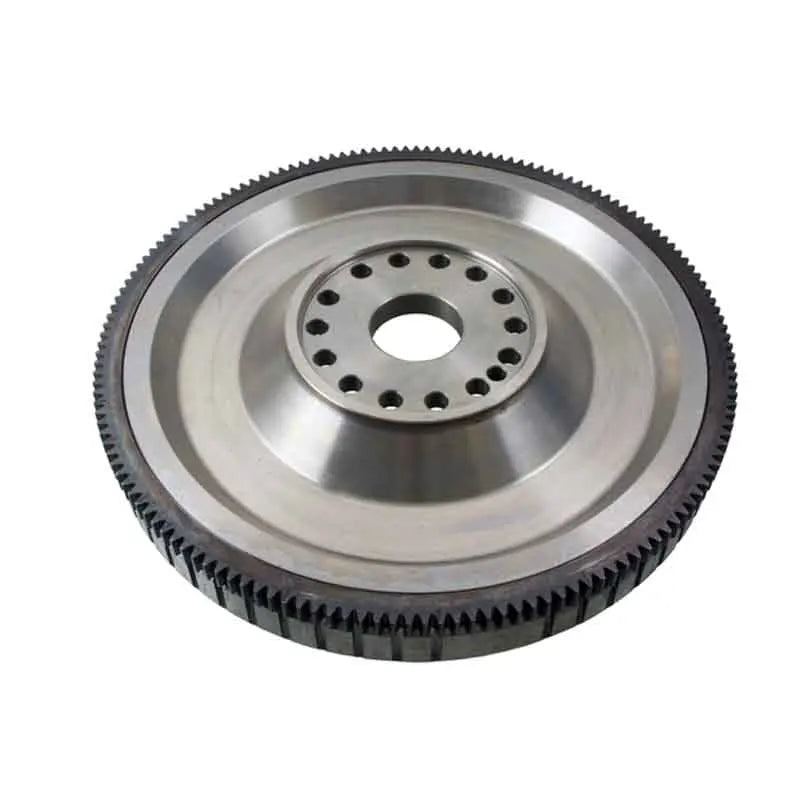
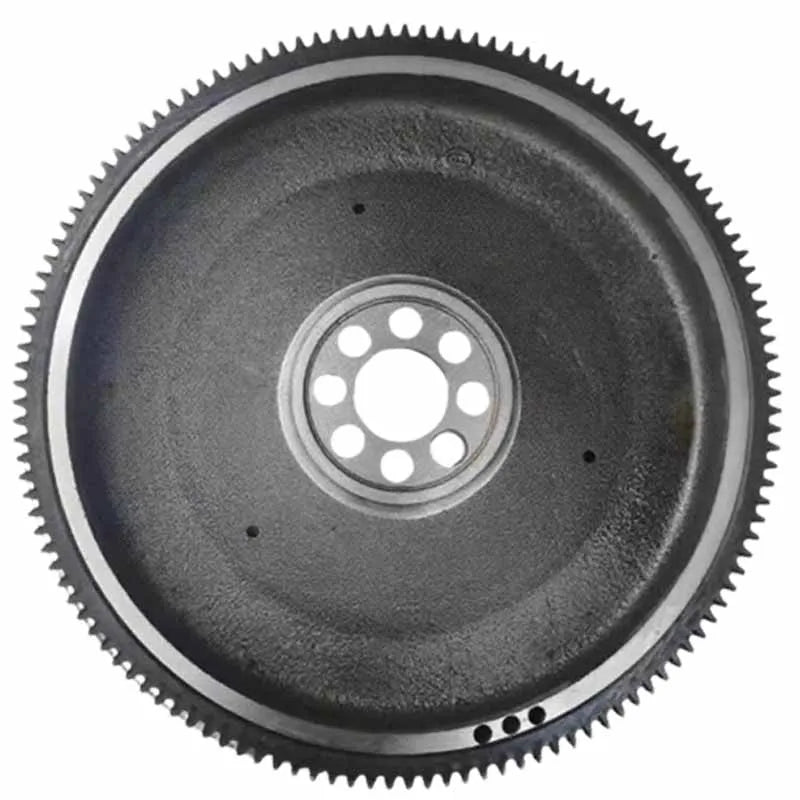
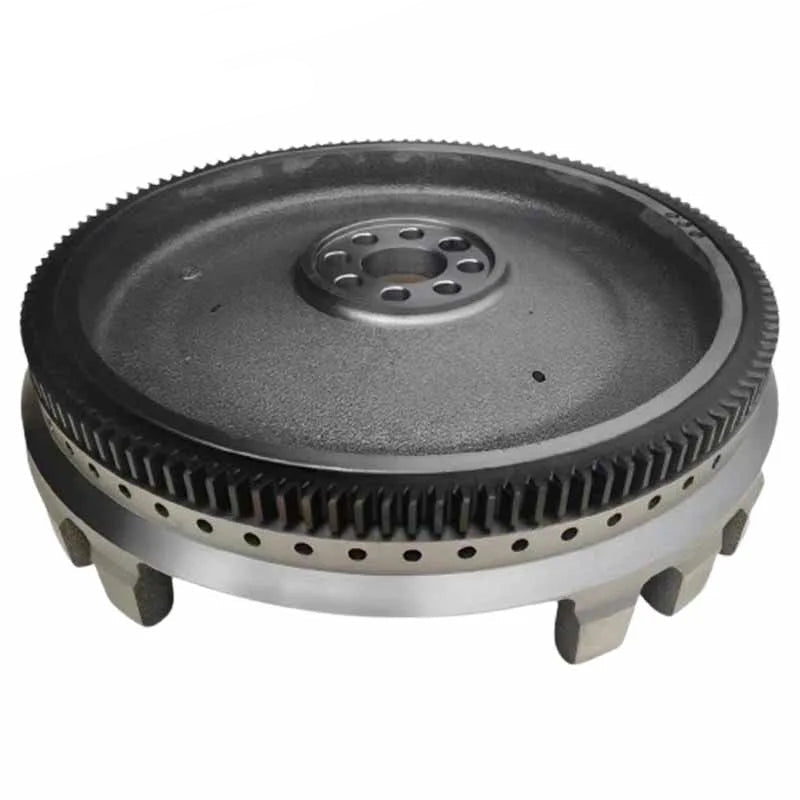
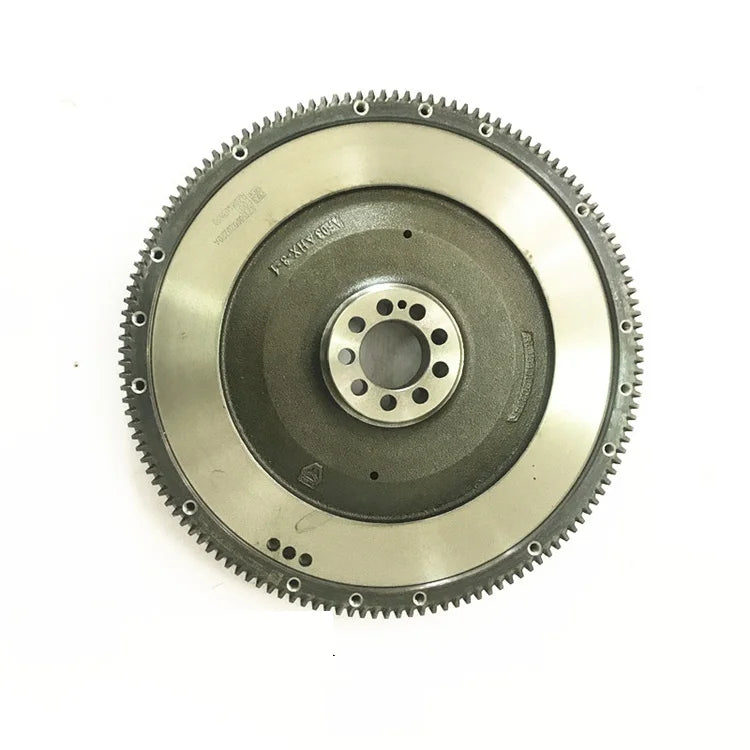
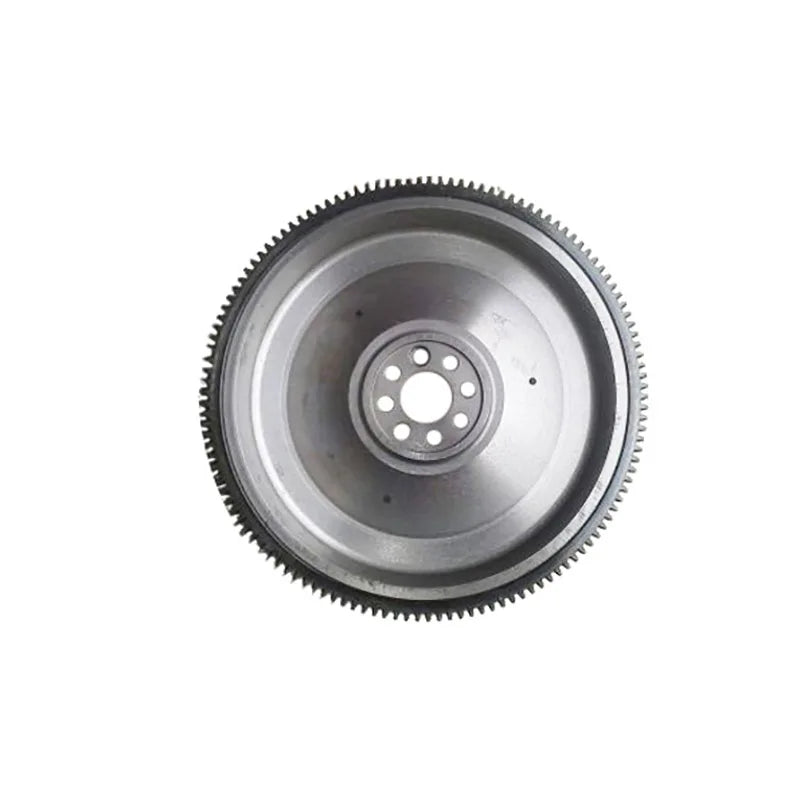
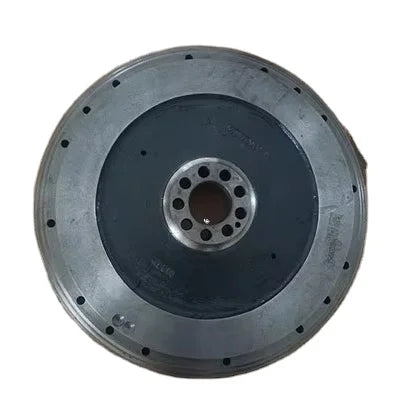
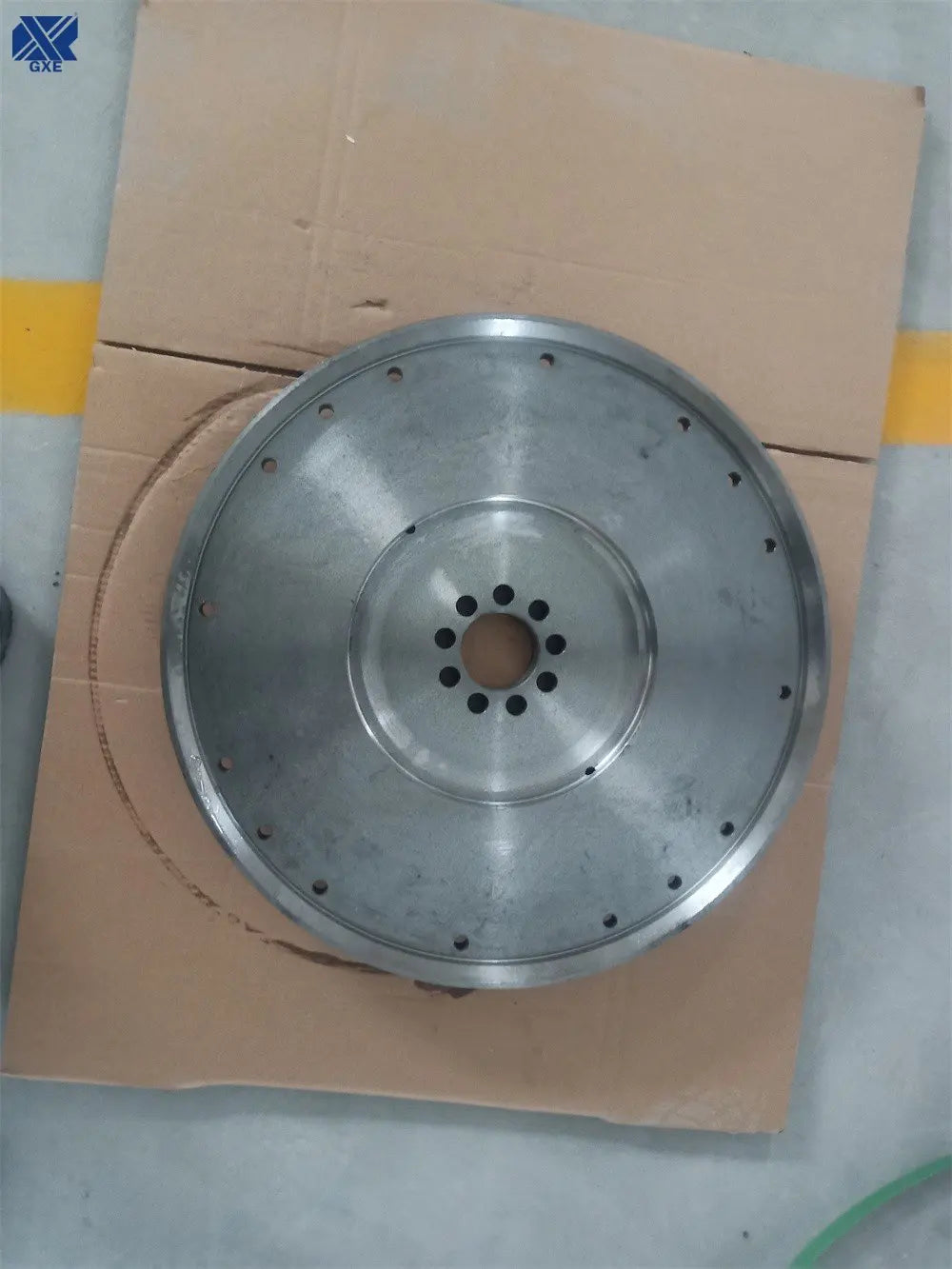
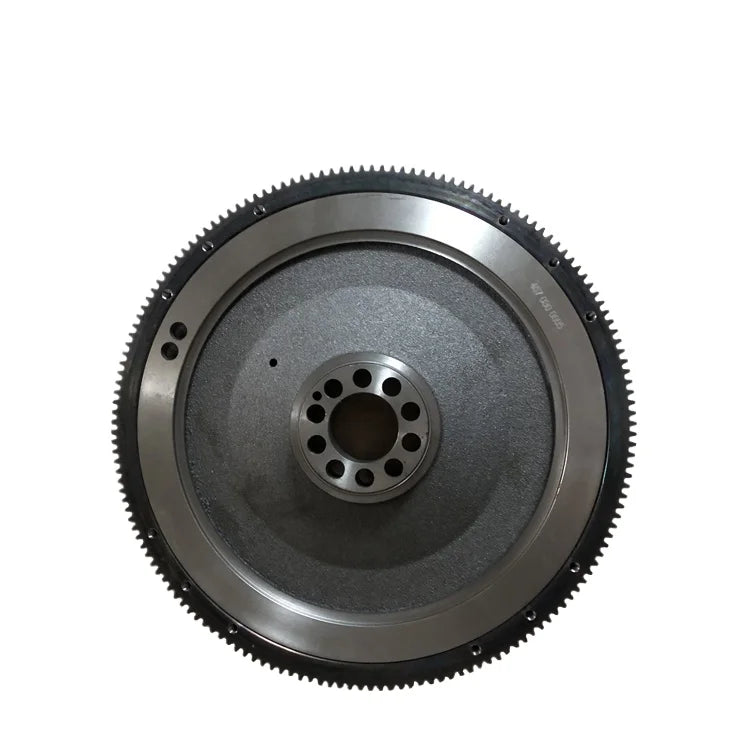
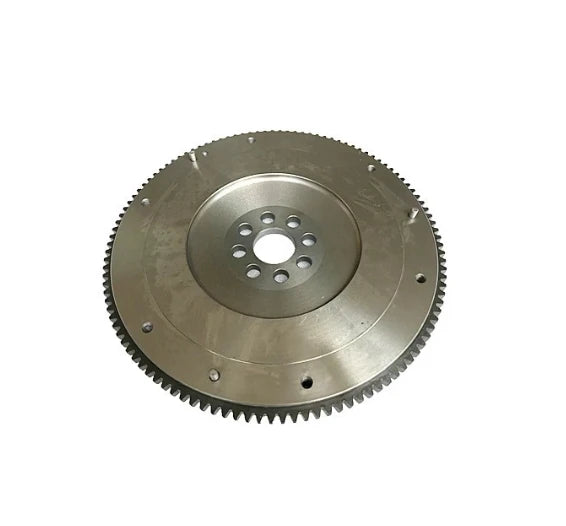
The flywheel links your engine to the drivetrain, storing rotational energy from the crankshaft and delivering it to the transmission through the clutch assembly. CBT Auto Parts stocks OEM-quality engine flywheels and billet flywheels for diesel and petrol applications, machined to precise tolerances for correct engagement. The right flywheel for your build is here.
Part of our Engine & Powertrain Parts range alongside harmonic balancers, our flywheel range covers 5.9 Cummins, Cummins ISX, and dual mass flywheel applications. Single mass and billet options suit both standard and performance builds. Flywheel housing options are stocked. Aftermarket flywheels meet OEM specifications and ship worldwide with fast dispatch.

23 products
Showing 1 - 23 of 23 products
What the Flywheel Actually Does And Why Specification Matters More Than It Appears
The flywheel's role is more nuanced than a single description captures. At its simplest, it is a rotating mass bolted to the rear of the crankshaft that transfers drive to the transmission, but that description omits what makes the engine flywheel critical to both drivability and long-term engine performance.
Internal combustion engines produce power in discrete pulses, one per cylinder per firing event. Between those pulses, no combustion force is being generated, and without a flywheel, the crankshaft would decelerate between each event and accelerate again on each power stroke. The flywheel's rotational mass stores kinetic energy from each combustion pulse and releases it between pulses, smoothing power delivery across the drivetrain. The heavier and more precisely balanced the flywheel, the more effective this smoothing effect, which is why diesel engines with their longer combustion cycles and substantially higher torque output require more substantial flywheel designs than most petrol equivalents.
The flywheel performs two further functions beyond energy storage. The face of the flywheel provides the friction surface for clutch engagement in manual transmission vehicles. On automatic applications, a lighter variant called the flexplate serves the same rotational mass purpose while driving the torque converter instead. The ring gear pressed onto the flywheel's outer diameter provides the engagement surface for the starter motor. All three functions are served by the same component, which is why flywheel condition affects starting, engagement quality, and drivetrain smoothness at the same time.
Single Mass vs. Dual Mass Flywheels: Two Engineering Answers to the Same Problem
Both types manage engine power pulses and drivetrain engagement. The way they do it is fundamentally different, and selecting the wrong type for the application either compromises NVH performance or overcomplicates a drivetrain that did not require a damper mechanism in the first place.
Single Mass Flywheels
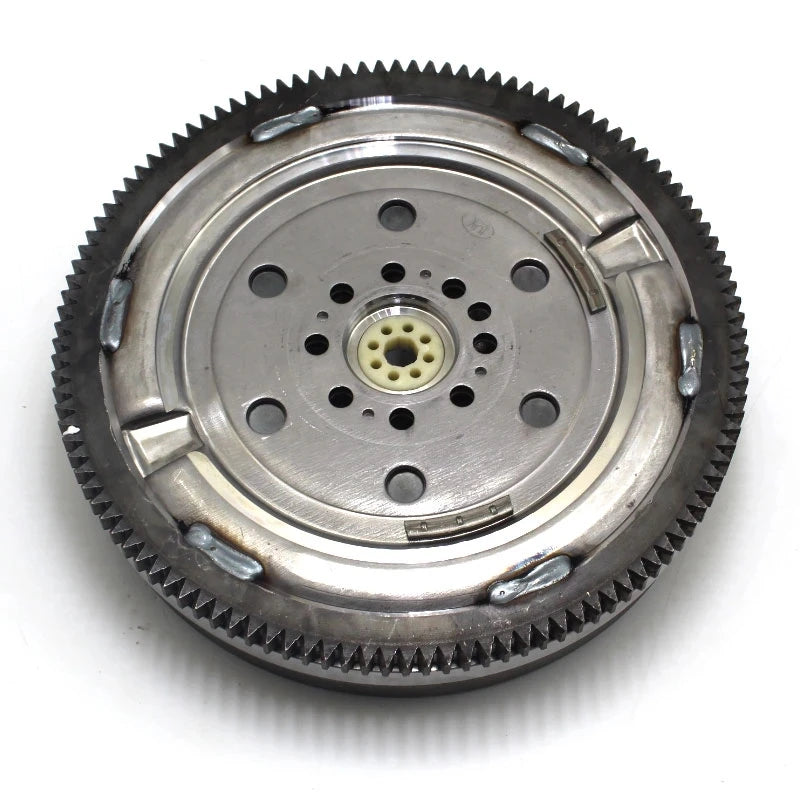
A single mass flywheel is a solid steel or billet disc rotating as one unit between the crankshaft face and the clutch engagement surface. It is the standard design across diesel performance builds, modified petrol applications, and original equipment on many truck and commercial platforms. Key characteristics:
- Robust single-body construction with no internal components to fail independently of the disc, making service history and failure mode straightforward to assess
- Can be resurfaced when the clutch contact face wears within the minimum thickness specification; machining the face restores the friction surface without full replacement
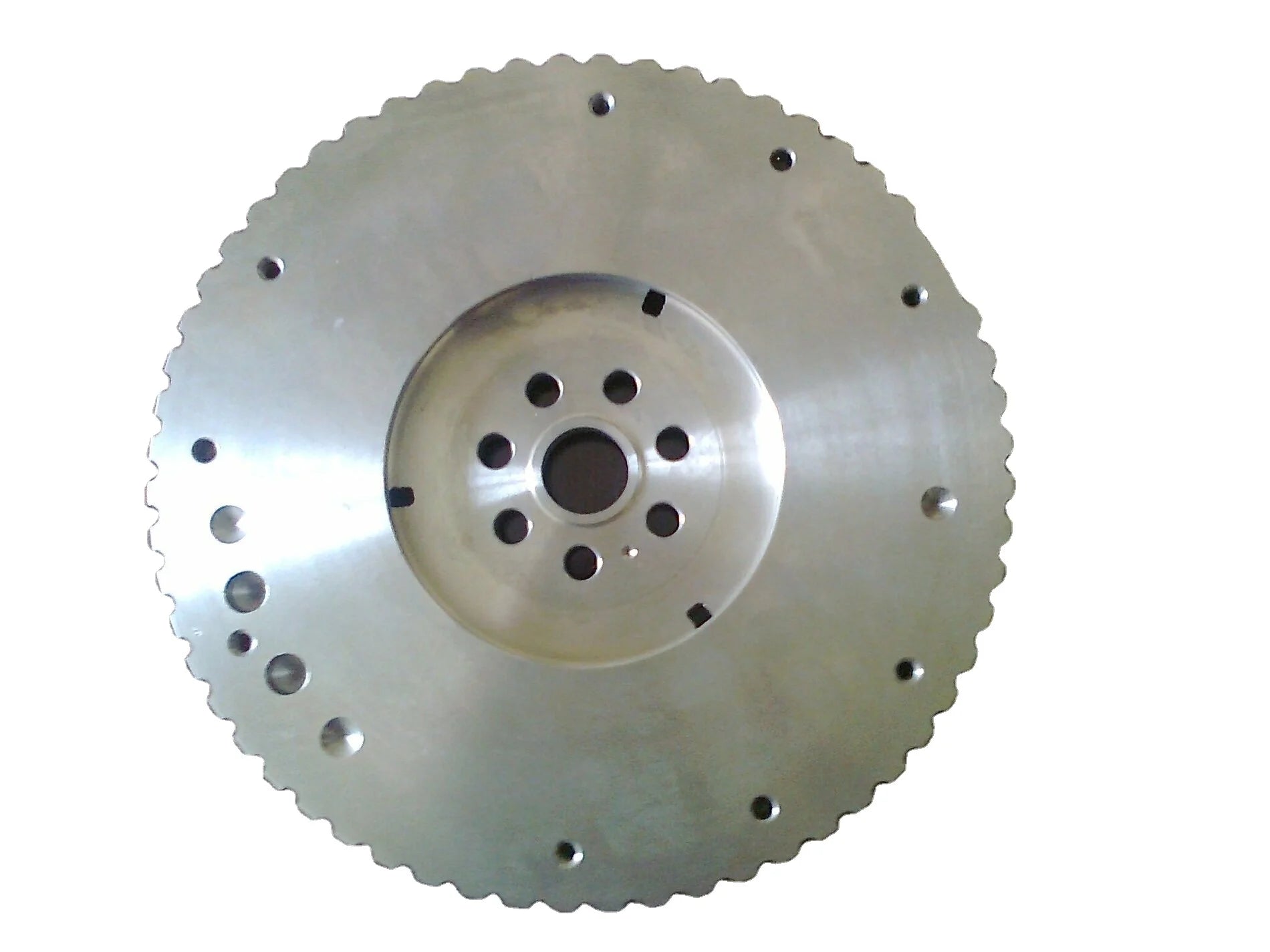
- A billet flywheel, machined from a solid steel blank rather than cast, holds tighter dimensional tolerances and delivers greater fatigue resistance under sustained high-load operation, making it the specification for performance diesel and modified petrol builds
- Transmits engine vibration more directly into the drivetrain than a dual mass unit, which is acceptable in commercial diesel and performance applications designed around it, but perceptible in standard vehicles originally fitted with dual mass assemblies
Dual Mass Flywheels
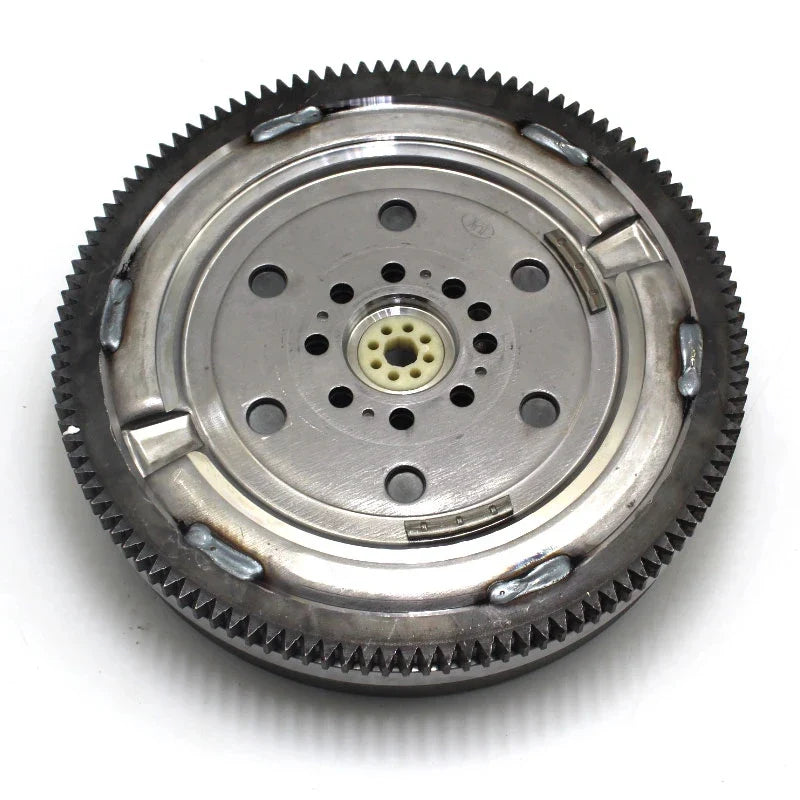
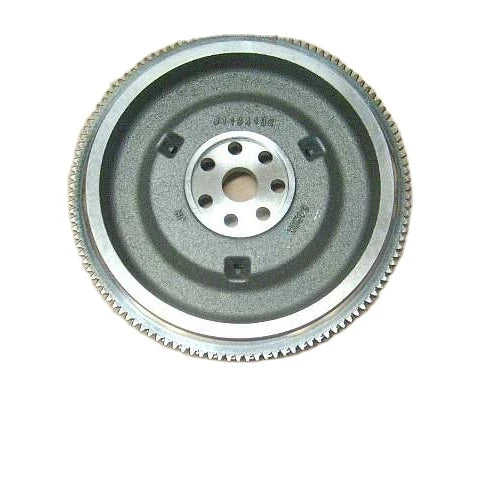
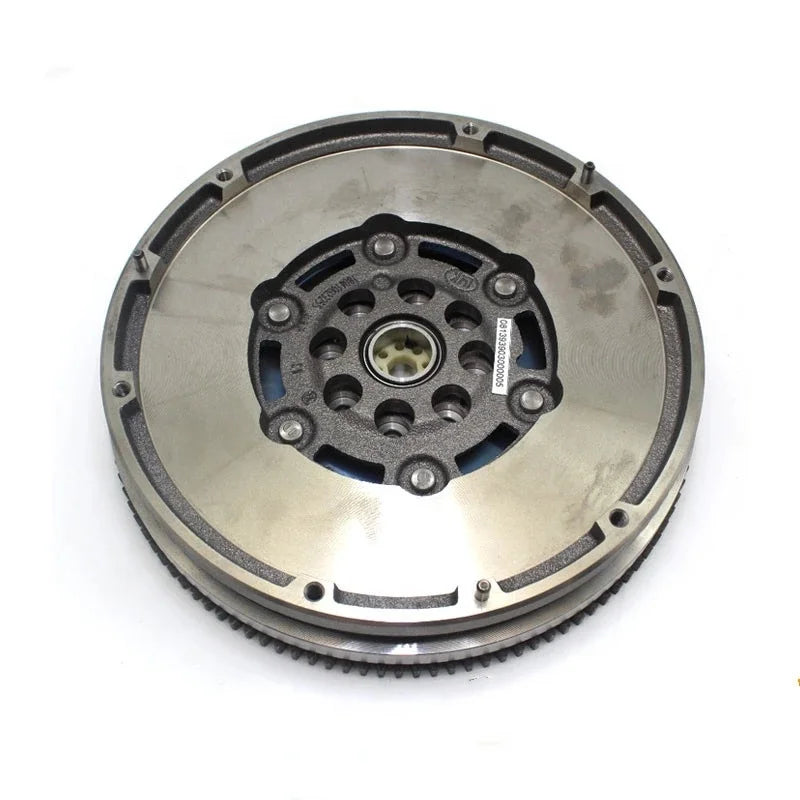
A dual mass flywheel divides the flywheel mass across two rotating assemblies connected by a spring and damper pack. The primary mass bolts to the crankshaft; the secondary mass carries the clutch face and rotates against the first via the spring mechanism, absorbing torsional vibration and combustion pulses before they reach the gearbox.
- Standard original equipment on modern common-rail diesel passenger vehicles, where the long-duration combustion pulses that give diesel engines their torque advantage would otherwise transmit significant vibration and harshness through a solid flywheel into the cabin
- When the internal spring pack wears, the entire unit must be replaced; dual mass flywheels cannot be resurfaced or internally repaired
- Conversion to a single mass unit is possible using an aftermarket conversion kit, but changes the NVH character of the vehicle and is generally reserved for modified or competition builds rather than standard road use
- Failure indicators include pronounced clutch judder during engagement, a rattling or clunking sound from the bellhousing area at idle, or measurable freeplay in the secondary mass when the disc is rocked manually with the transmission in neutral
- Resurfacing vs. Replacing: Reading a Worn Car Flywheel Correctly
Not every worn car flywheel warrants replacement. Single mass flywheels can frequently be resurfaced, a precision machining process that restores the clutch contact face to a flat, smooth surface within the manufacturer's minimum thickness specification. Understanding when resurfacing is appropriate and when it is not determines whether the job is completed the first time correctly.
Resurfacing is the correct approach when:
- The flywheel face carries light heat bluing, minor scoring, or clutch material glazing but remains above the minimum face thickness after material removal
- There is no cracking visible at the friction surface, around the ring gear, or radiating outward from the crankshaft bolt pattern
- The flywheel checks flat for runout when measured with a dial indicator; a warped flywheel cannot be corrected by face machining alone
Replacement is required when:
- Heat checks fine surface cracks from sustained thermal cycling are too numerous or too deep to machine out within the remaining material allowance
- The flywheel has been overheated to the point of structural discolouration beyond the friction zone, indicating material property change that resurfacing cannot restore
- The ring gear has lost teeth or worn to the point where consistent, clean starter motor engagement is no longer achievable
- The unit is a dual mass flywheel showing wear in the spring and damper assembly; the internal mechanism is not serviceable, and the entire unit must be replaced.
Flywheel Housing: The Alignment Component That Controls Drivetrain Integrity
The flywheel housing, referred to as the bellhousing on many configurations, encloses the flywheel and forms the structural interface between the rear of the engine block and the front of the transmission. On diesel trucks and commercial vehicles, the Cummins flywheel housing performs a specific and critical alignment function: centring the transmission input shaft precisely relative to the crankshaft centreline.
A housing that is misaligned, cracked, or worn at the bore face produces drivetrain vibration, premature transmission input bearing failure, and in severe cases, incorrect ring gear-to-starter engagement. The consequences of running a compromised flywheel housing are not immediately dramatic; they accumulate across the drivetrain over time and present as transmission problems before the housing itself is identified as the cause.
CBT Auto Parts stocks flywheel housing replacements across the Cummins platform range:
- Cummins flywheel housing: standard replacement housings across Cummins inline-six applications covering commercial and agricultural platforms
- Cummins ISX flywheel housing: dedicated ISX housing units for the heavy-duty ISX diesel used in Class 8 trucking and large commercial equipment
- 5.9 Cummins flywheel housing: flywheel housing replacements specific to the 5.9-litre Cummins generation, the most widely rebuilt Cummins platform globally
Platform Coverage: Flywheels and Flywheel Housing We Supply
CBT Auto Parts stocks flywheels and flywheel housing across the following applications:
Cummins Diesel Platforms
- 5.9 Cummins flywheel: OEM-spec and billet flywheel options for both generations of the 5.9-litre Cummins inline-six
- Cummins ISX flywheel: replacement flywheels for the ISX heavy-duty diesel covering truck and commercial equipment drivetrains
- Cummins flywheel: broader flywheel coverage across additional Cummins inline-six variants and production years
Flywheel Housing
- Cummins flywheel housing: standard and replacement housings for applicable Cummins platform configurations
- ISX flywheel housing: dedicated ISX housing for heavy commercial drivetrain assemblies
- 5.9 Cummins flywheel housing: housing replacements for the most commonly rebuilt Cummins generation
Standard and Performance Applications
- Single mass and dual mass flywheels across a range of diesel and petrol platforms in OEM and performance specifications
- Billet flywheel options for builds requiring tighter dimensional tolerances and elevated fatigue resistance under sustained high-load operation
For any application not listed above, contact CBT Auto Parts with your engine code, transmission type, and drivetrain configuration. Fitment is confirmed before any order is dispatched.
What to Source Alongside Your Flywheel
The flywheel sits at the rear of the crankshaft and at the front of the same crankshaft; one component shares its rotational load relationship and its service timing:
-
Harmonic Balancers: The harmonic balancer mounts to the front snout of the crankshaft and manages torsional vibration at that end of the rotating assembly. On any engine-out job or complete rotating assembly service, the harmonic balancer and flywheel are both accessible and both warrant assessment. They share the same crankshaft, the same rotational loads, and in most cases the same service history; addressing both during the same job eliminates a return visit for the front-end component shortly after the rear has been replaced.
Harmonic balancers and the full Engine & Powertrain Parts range are available at CBT Auto Parts.