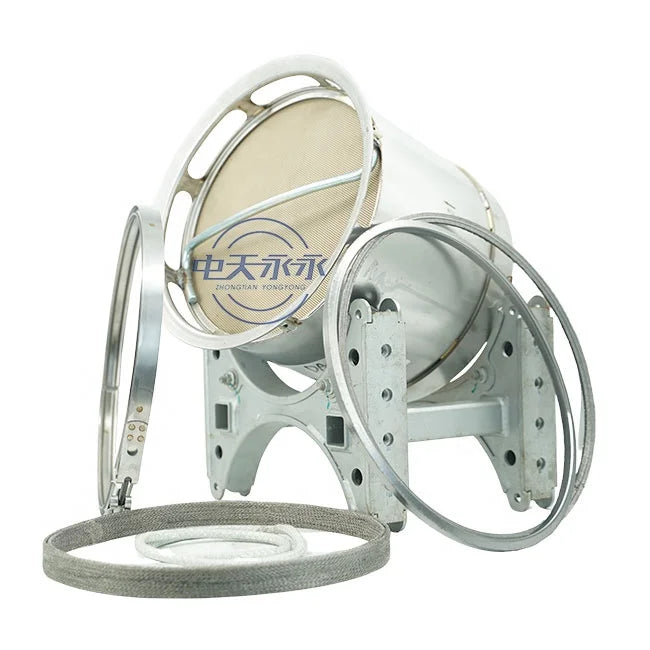
Diesel Particulate Filters, DPF Cleaning & Regeneration Parts
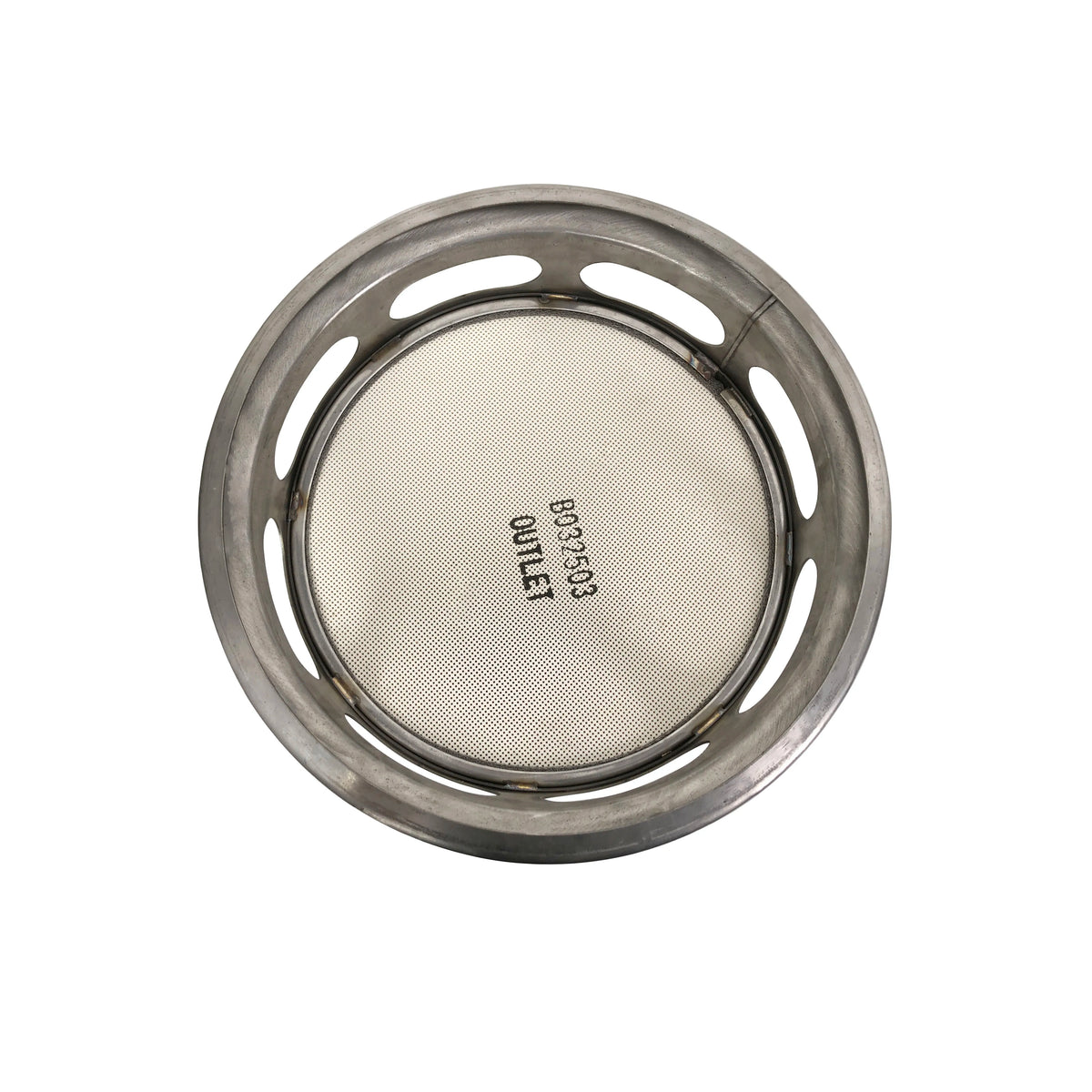
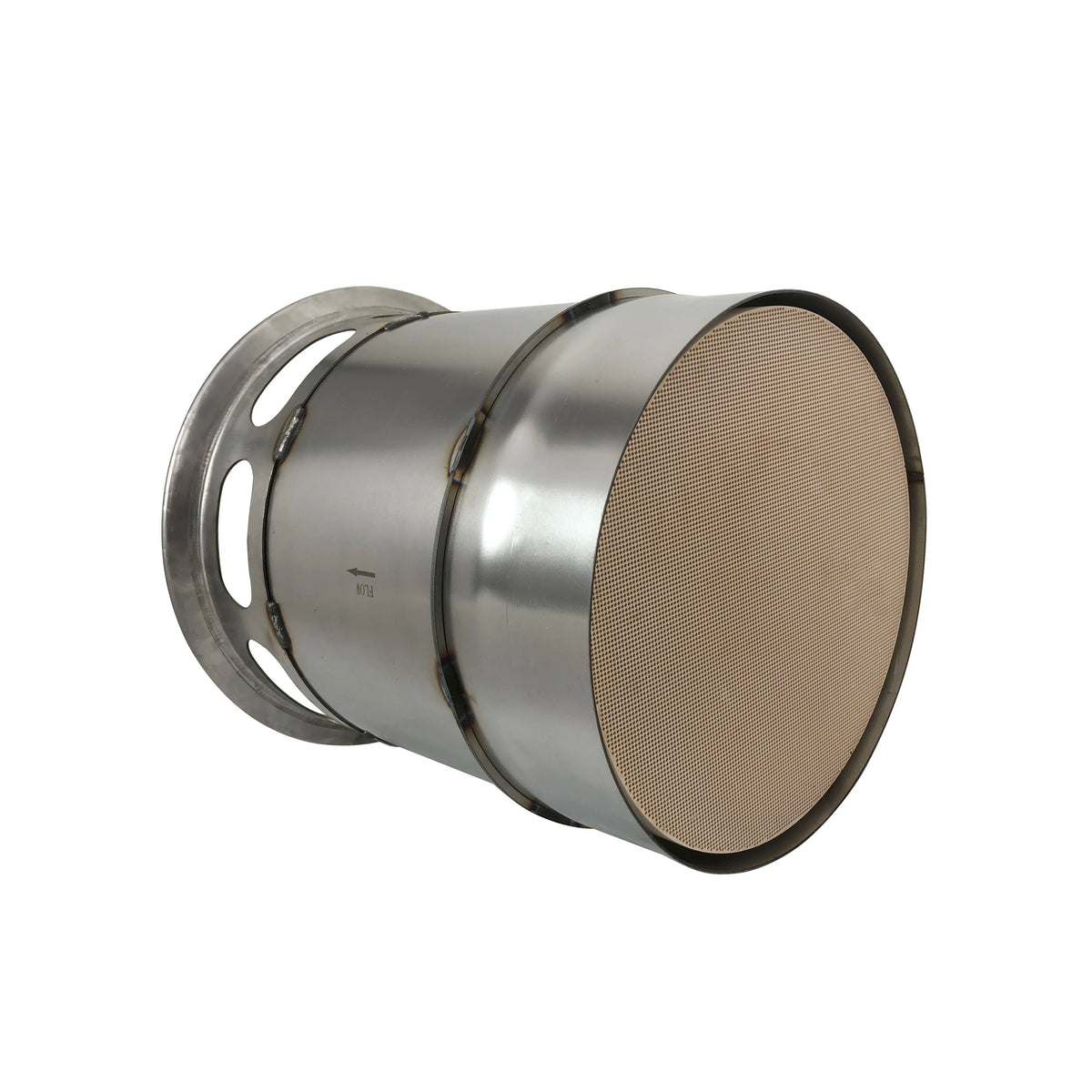
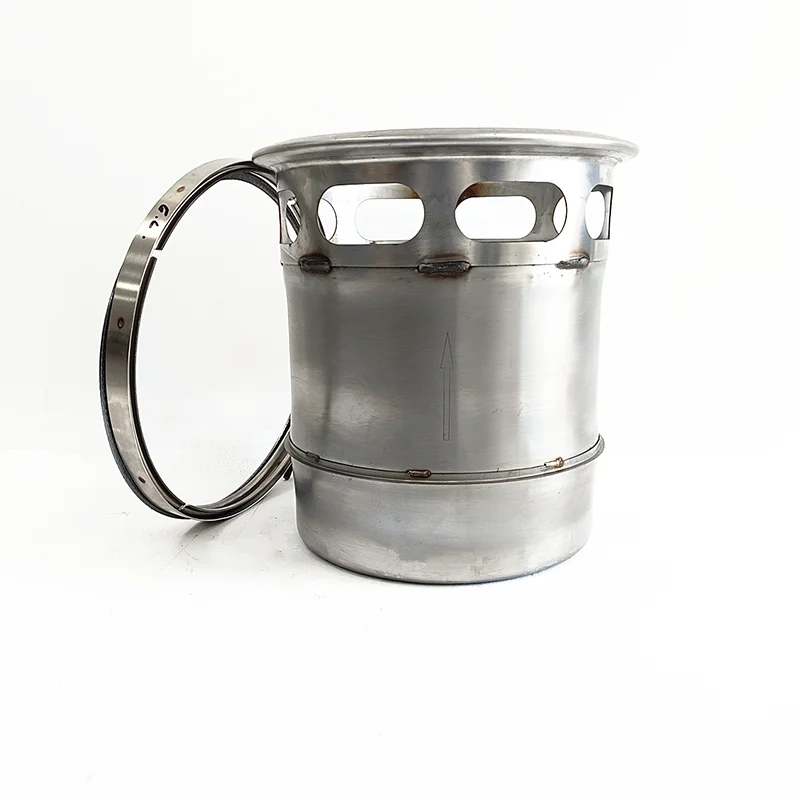
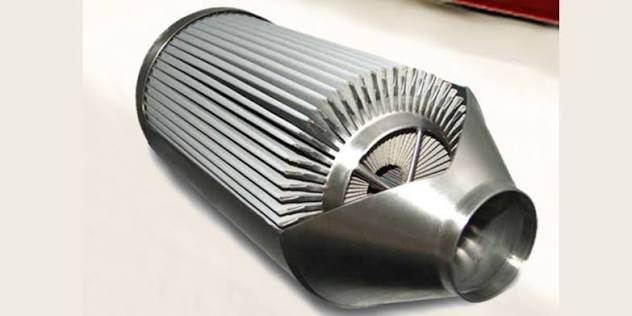
A diesel particulate filter, commonly shortened to DPF, sits in the exhaust line of diesel engines and physically traps soot before it can leave the tailpipe. Left unmanaged, that trapped soot builds up until the filter clogs, triggering a loss of power, a warning light, and eventually a system that refuses to let you drive normally until it's addressed.
CBT Auto Parts stocks DPF filter replacements within our Exhaust & Emission Control Parts range, alongside DPF cleaner products for diesel DPF systems that just need regeneration rather than full replacement, each checked against OEM specification before listing. Every filter connects correctly into your exhaust system and works alongside your EGR valve and SCR components, with fitment data matched to your engine and fast nationwide shipping.

3 products
Showing 1 - 3 of 3 products
What a DPF Actually Does and Why It Clogs
A diesel particulate filter works like a physical trap, catching soot particles as exhaust passes through a honeycomb structure inside the housing. Over time, that trapped soot needs to be burned off through a process called regeneration, and when regeneration doesn't happen often enough, usually because a vehicle spends too much time in short, low-speed trips, the filter clogs faster than it can clear itself. A diesel fuel particulate filter under constant strain from short trip driving is one of the most common causes of DPF-related warning lights, even on a filter that isn't actually damaged.
Understanding DPF Regeneration
DPF regeneration comes in a few different forms, and knowing which one applies to your situation matters:
- Passive regeneration happens automatically during sustained highway driving, where high exhaust temperatures burn off soot without any driver intervention.
- Active regeneration is triggered by the engine computer when soot levels reach a threshold, injecting extra fuel to raise exhaust temperature and force a burn-off cycle, often during a longer drive.
- Forced regeneration requires manual intervention, either through a diagnostic tool or a specific driving procedure, and is typically needed when active regeneration hasn't kept pace with soot buildup.
If a diesel DPF filter warning light comes on, checking which regeneration stage failed is a faster diagnostic step than assuming full replacement is needed.
DPF Cleaner and Particulate Filter Cleaner Products
Not every clogged filter needs replacing outright. A DPF cleaner or particulate filter cleaner product, added to fuel or used during a service interval, can help restore some filter capacity by assisting the natural regeneration process rather than replacing it. These products work best as a preventative measure or for filters with moderate, not severe, buildup. A DPF particulate filter cleaner is not a fix for a physically cracked filter or one that has been damaged by excessive heat during a failed regeneration attempt; at that point, replacement is the only reliable path forward.
Diesel Particulate Filter Regeneration Failures and Symptoms
Watch for these patterns, since each points to a slightly different underlying issue:
- A dashboard warning specifically referencing DPF status, often the earliest and clearest sign.
- Noticeable power loss or the engine entering a limp mode, a protective response to a severely clogged filter.
- Increased fuel consumption, since the engine works harder to force soot to burn off during regen diesel particulate filter cycles.
- A burning smell during or after a regeneration cycle, generally normal, but worth monitoring if excessive.
- Repeated failed regeneration attempts, which often point toward a filter reaching the end of its serviceable life rather than a temporary issue.
Diesel Particulate Filter Regeneration vs. Full Replacement
Deciding between diesel particulate filter regeneration and full replacement comes down to how far the clogging has progressed. If regeneration cycles, whether passive, active, or forced, are still completing successfully even if less frequently than ideal, the filter likely still has usable life left. If regeneration attempts are failing consistently, or if the filter has physical damage such as cracking from excessive heat, a diesel particulate filter regeneration cycle won't resolve the underlying problem, and replacement becomes the more reliable option. Continuing to force regeneration on a damaged filter can also stress surrounding components, including your EGR system.
Diesel PM Filter Applications Across Vehicle Types
A diesel pm filter isn't a one-size-fits-all part, and requirements shift depending on the vehicle. Passenger diesel cars typically run smaller filters designed around lighter-duty cycles, while diesel DPF systems in trucks handle significantly higher soot volumes and are built with that load in mind. Confirming your exact engine code, not just the general vehicle model, matters here more than almost any other exhaust component, since a mismatched particulate trap can restrict flow even if it physically fits into place.
How DPF Health Connects to the Rest of Your Emissions System
A struggling DPF rarely stays isolated. Excess backpressure from a clogged filter can affect EGR valve performance, since the EGR system relies on stable exhaust flow to function correctly. On SCR-equipped diesel vehicles, DPF and SCR components work in sequence, meaning a problem in one often shows up as a fault code pointing toward the other. CBT Auto Parts lists diesel particulate filters within the same fitment-checked catalog as our EGR valves, SCR components, and AdBlue systems, so addressing a DPF issue doesn't mean tracking down compatible parts across separate, disconnected listings.