Spark Plugs & Glow Plugs | Ignition System Components
The ignition system initiates combustion in every cylinder on every cycle, delivering precisely timed spark in petrol engines and controlled pre-heat in diesel engines. CBT Auto Parts stocks spark plugs, glow plugs, and ignition coils for diesel and petrol applications, built to OEM specification for reliable starting and clean combustion.
Part of our Engine & Powertrain Parts catalogue alongside engine sensors, our ignition system range covers Toyota Corolla spark plugs, Mazda 3 spark plugs, CDI ignition system applications, and diesel glow plug platforms. Car spark plug and car ignition coil options are stocked for standard and performance builds. Aftermarket ignition parts meet OEM specifications, and orders ship worldwide with fast dispatch.

40 products
Showing 1 - 24 of 40 products
Spark Plugs vs. Glow Plugs: Two Ignition Philosophies, One Common Goal
Petrol and diesel engines approach combustion differently at the most fundamental level, and that difference determines which ignition component each engine uses. Understanding the distinction is the first step in ordering the correct part and in understanding why a failing ignition component produces the specific symptoms it does.
Spark Plugs: Timed Ignition in Petrol Engines
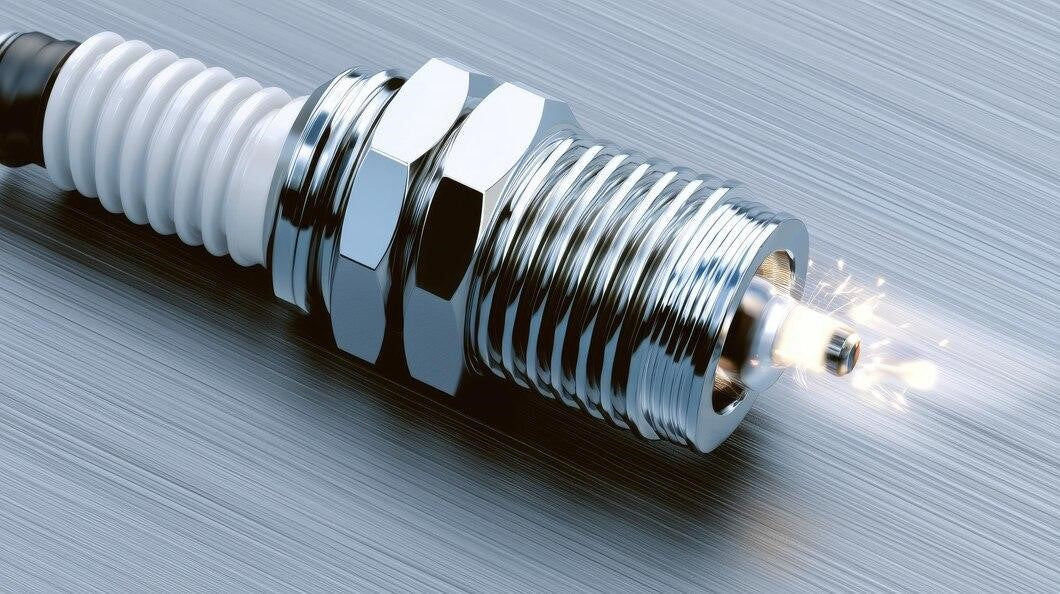
A spark plug ignites the compressed air-fuel mixture inside a petrol engine's combustion chamber by generating a precisely timed electrical arc across its electrode gap. The arc is delivered by the ignition coil at the moment the engine control module determines the piston has reached the correct position for combustion. Key characteristics of a functioning spark plug:
- Electrode gap must be within the manufacturer's specification; a gap that is too wide increases the voltage required to fire the plug and risks misfire under load; a gap that is too narrow produces a weak spark with insufficient energy to ignite the mixture reliably.
- The heat range of the auto spark plug determines how effectively the plug dissipates combustion heat through the shell into the cylinder head. A plug that runs too hot causes pre-ignition; one that runs too cold accumulates carbon fouling across its electrode
- Iridium and platinum electrode materials extend service life significantly over copper-core equivalents, maintaining electrode geometry across longer service intervals and producing a more consistent spark as the plug ages.
- A misfiring cylinder caused by a worn car spark plug does not merely reduce power; it passes unburnt fuel into the exhaust stream, accelerating catalytic converter deterioration and producing fuel economy loss that compounds across every cycle the misfire. re continues
Glow Plugs: Pre-Heat and Cold Starting in Diesel Engines
Diesel engines compress air alone to a temperature sufficient to ignite injected fuel spontaneously; there is no spark event. What diesel engines require instead, particularly during cold starting, is a pre-heat phase that raises combustion chamber temperature before cranking begins. Glow plugs serve this function by heating to operating temperature within seconds of the ignition key being turned.
A search for "diesel spark plugs" almost universally refers to glow plugs, the ignition-adjacent component in diesel engines that buyers are sourcing when they look for diesel ignition parts. CBT Auto Parts stocks glow plugs for diesel platforms across the following configurations:
- Pencil glow plugs: the slimmer, faster-heating design used in modern common-rail diesel engines where chamber geometry requires minimal intrusion from the plug body
- Ceramic glow plugs: the current standard in modern diesel passenger vehicles, reaching operating temperature faster than steel-sheathed predecessors and maintaining it more consistently across the heat cycle
- Steel-sheathed glow plugs: the earlier design still used across a range of commercial diesel platforms, including older Cummins and agricultural diesel engines where the combustion chamber design accommodates the larger body
Glow plug failure produces a reliable set of symptoms: extended cold crank time, white smoke during warm-up, and a rough cold idle that clears as engine temperature rises. A single failed glow plug is detectable during a cylinder contribution test; multiple failures accelerate starting difficulty exponentially.
Ignition Coils: Delivering the Voltage That Makes the Spark Possible
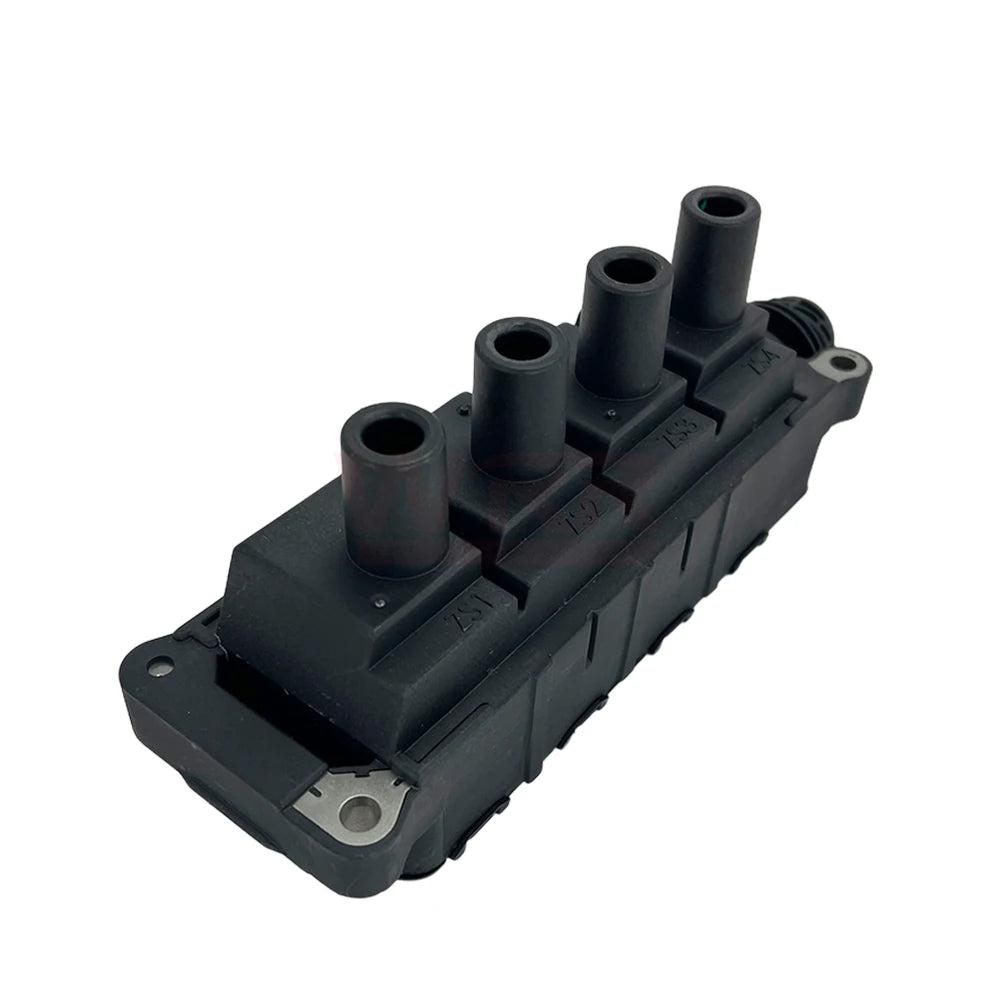
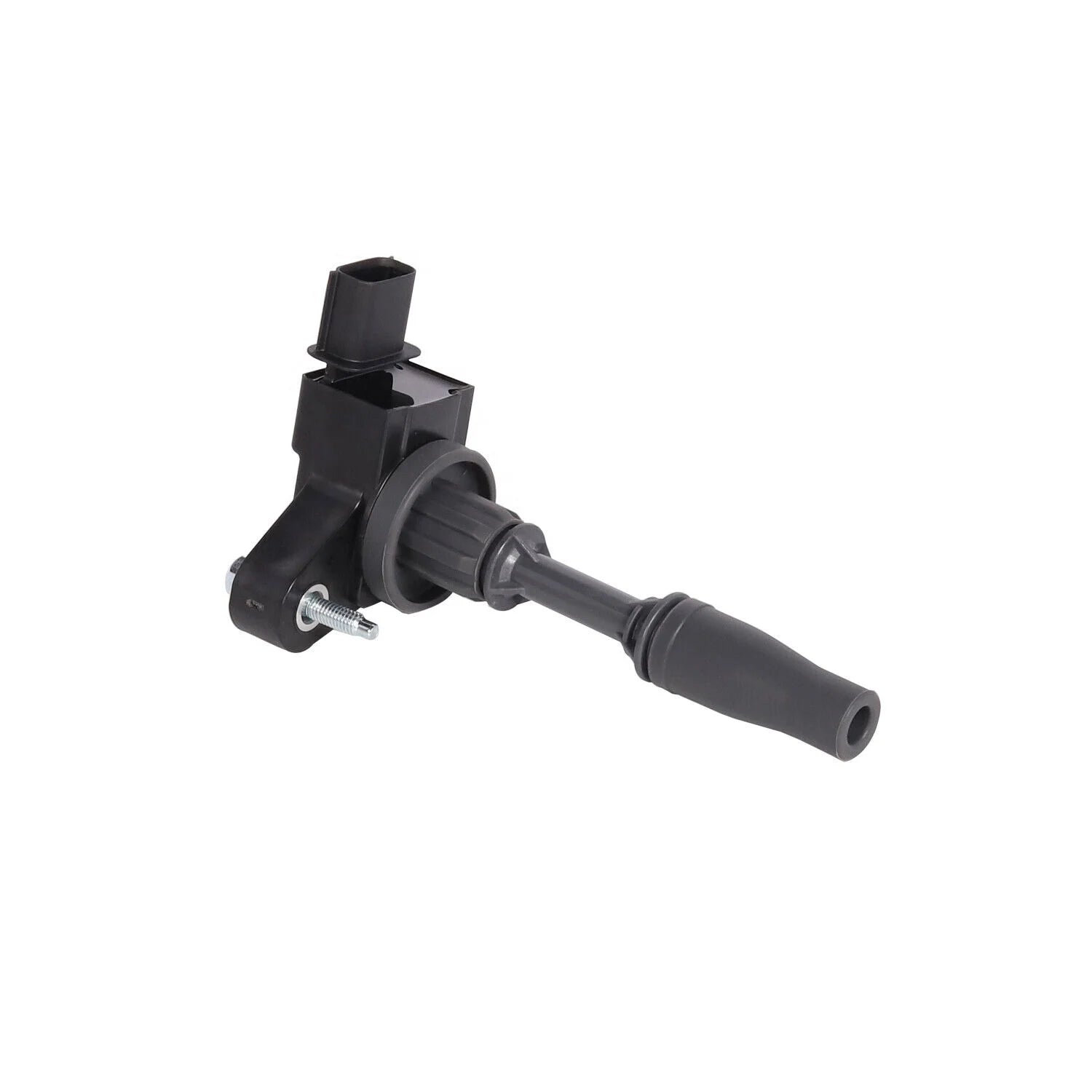
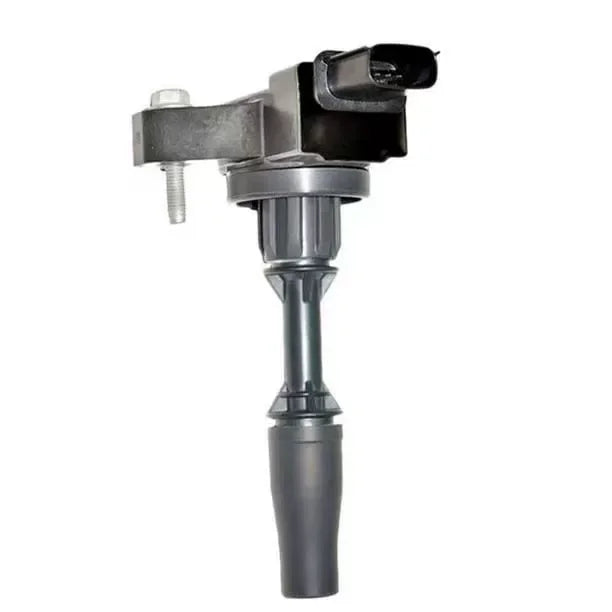
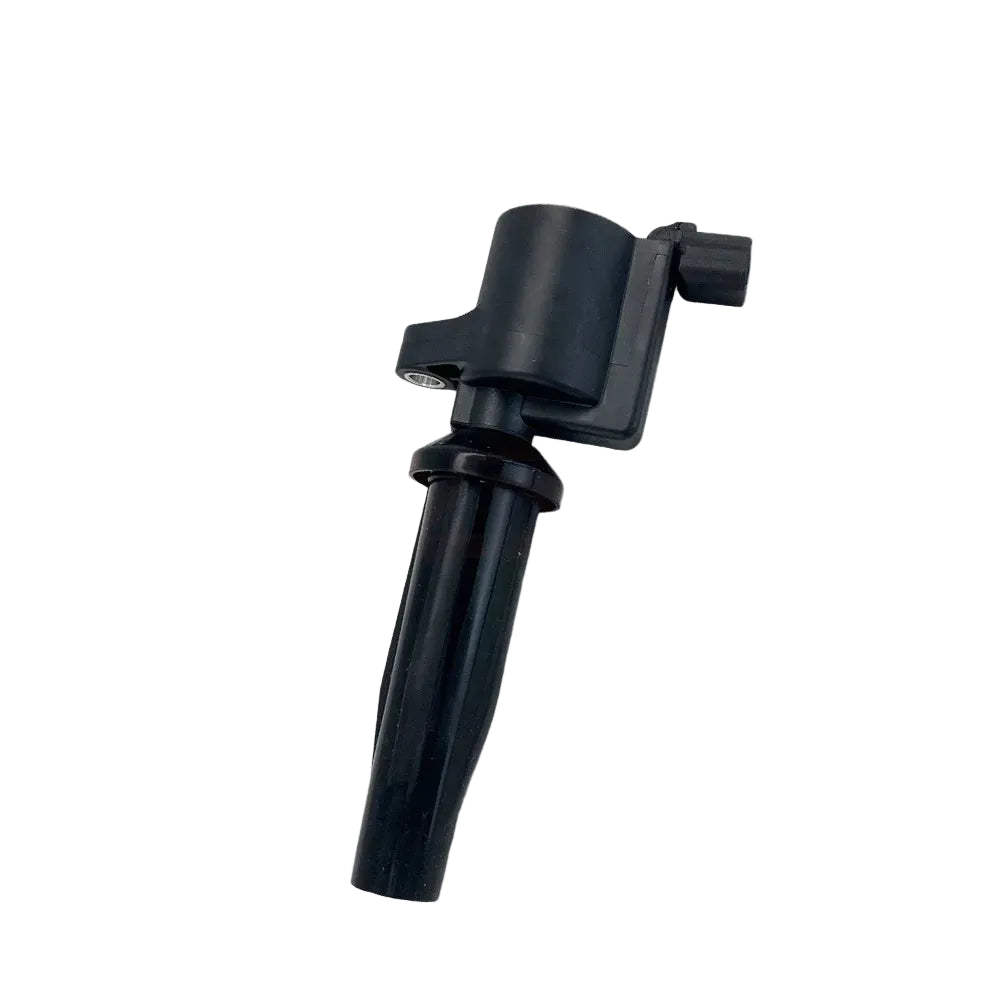
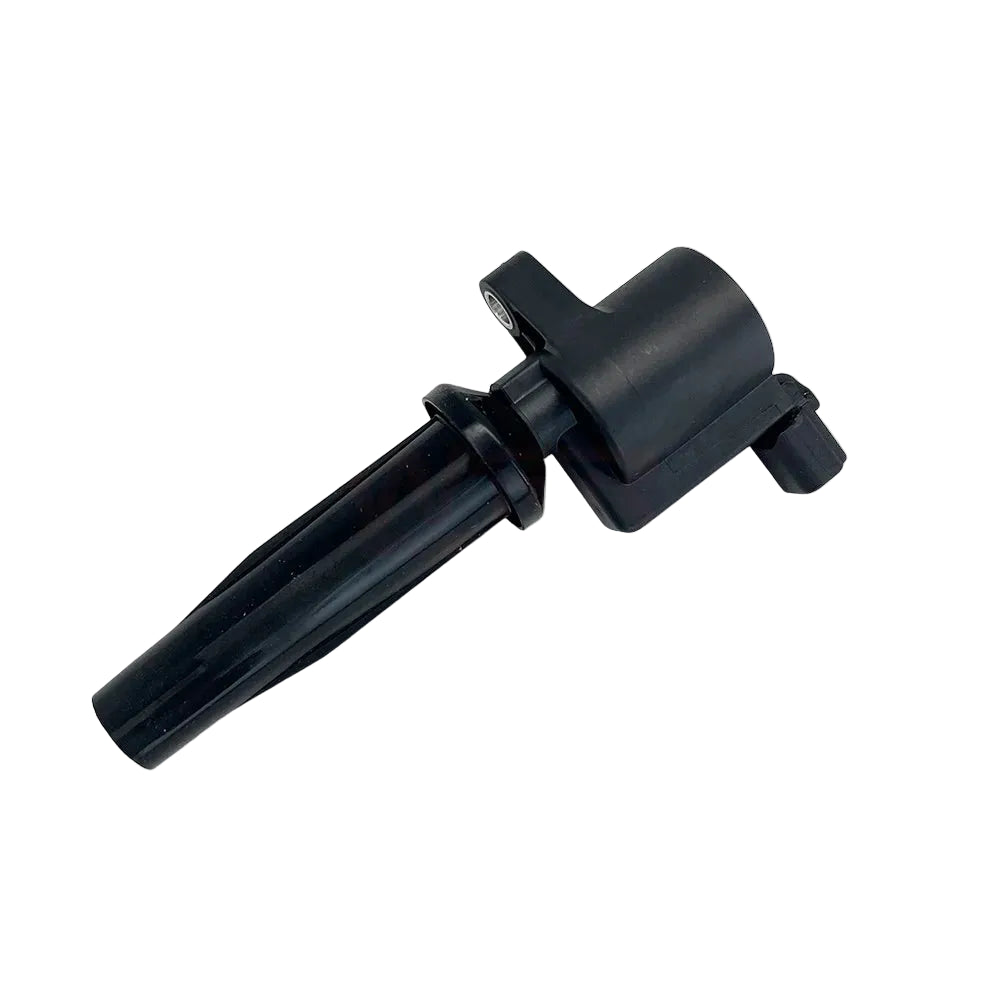
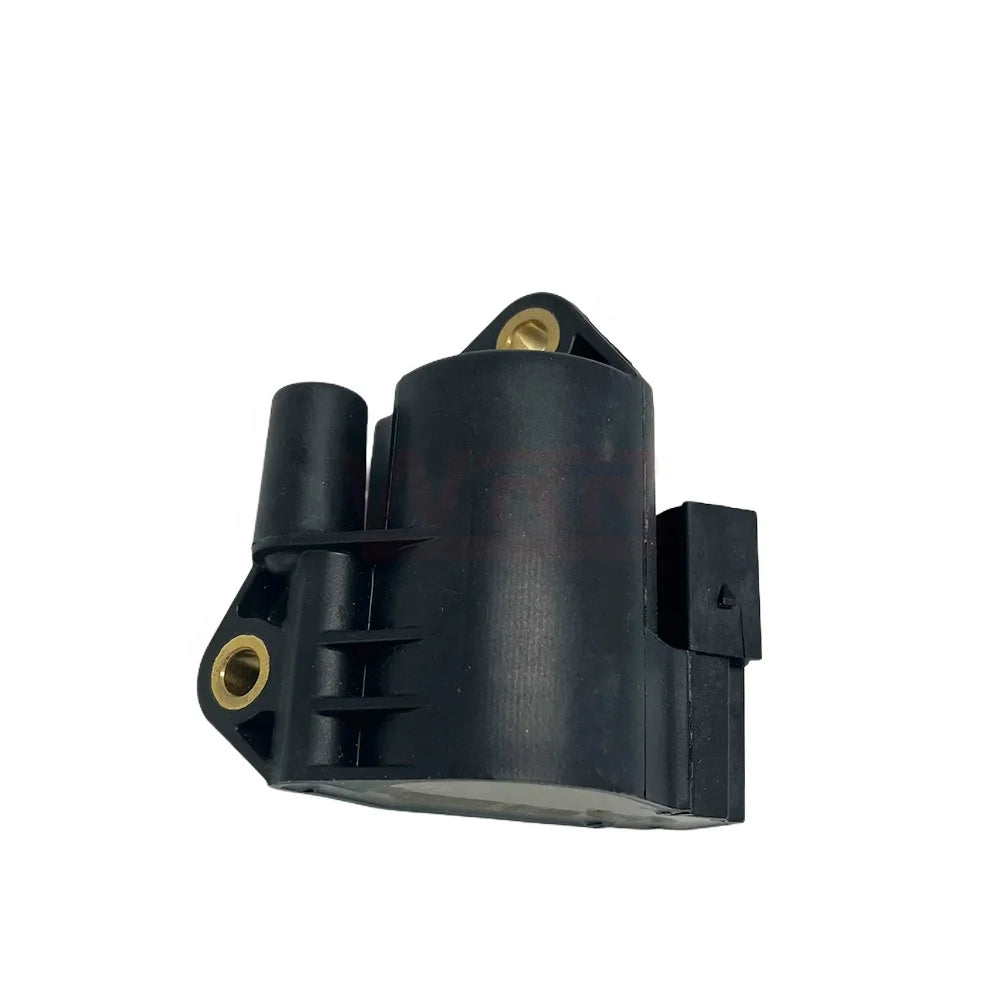
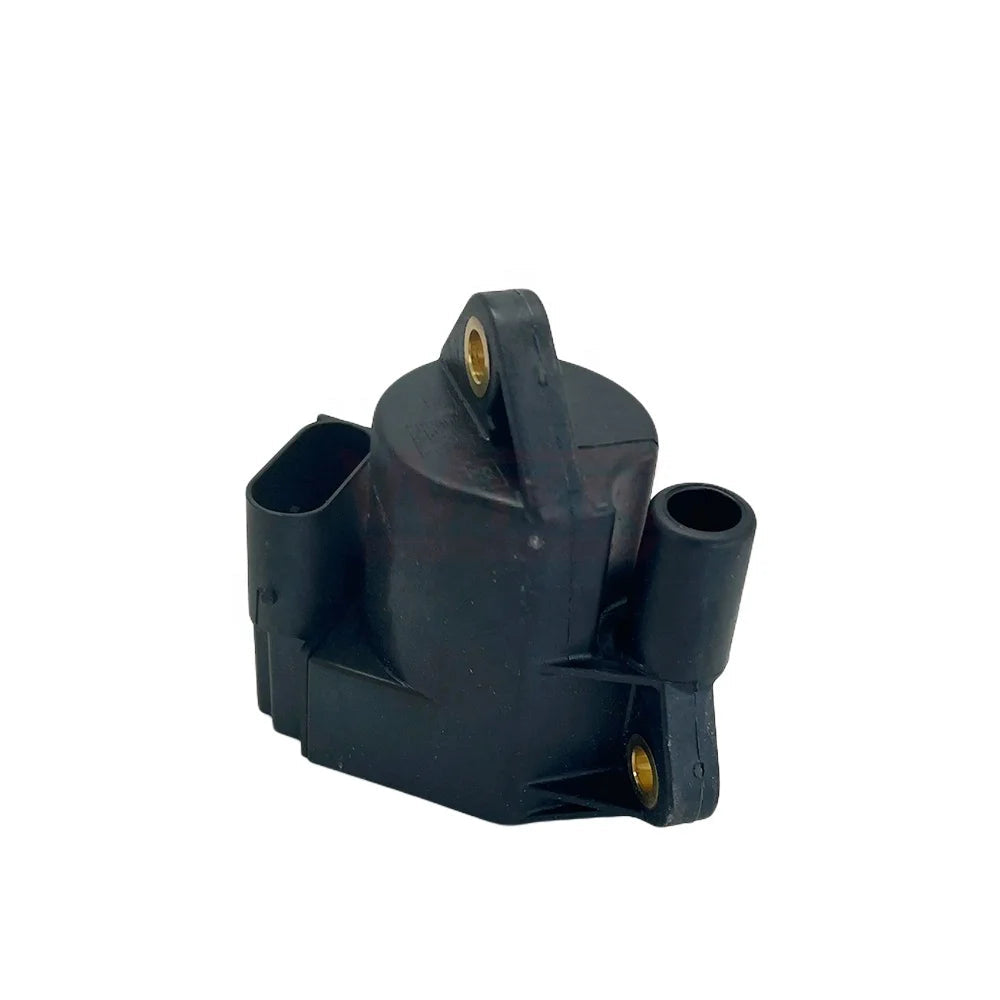
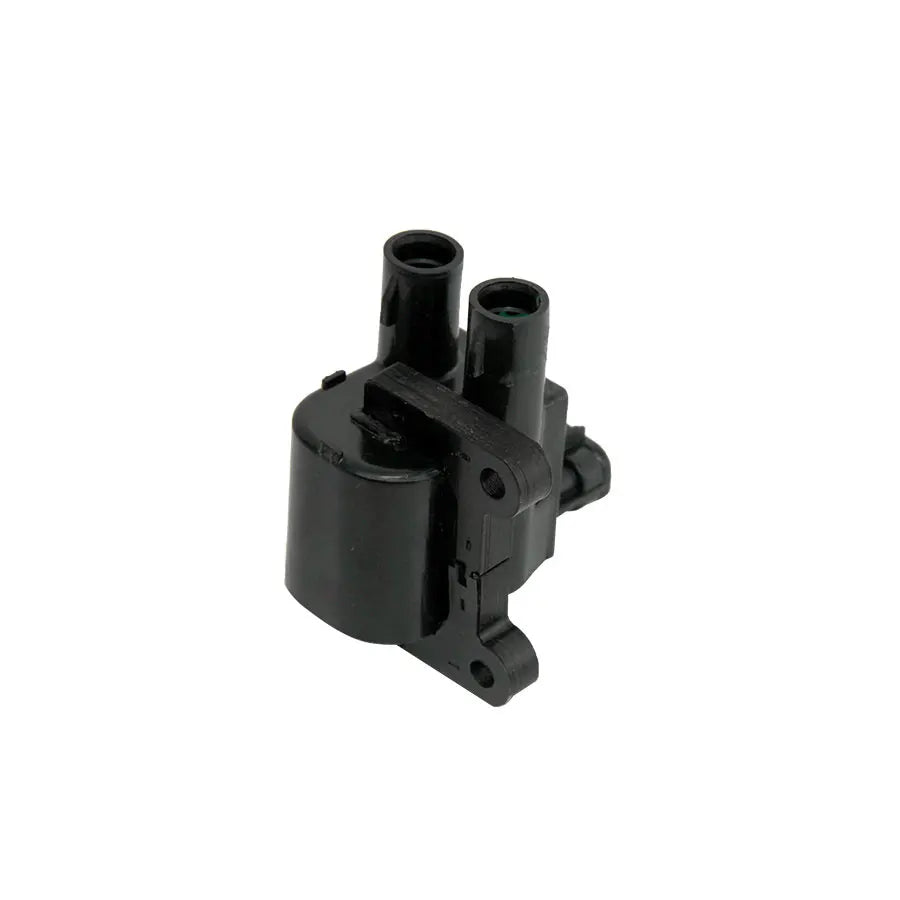
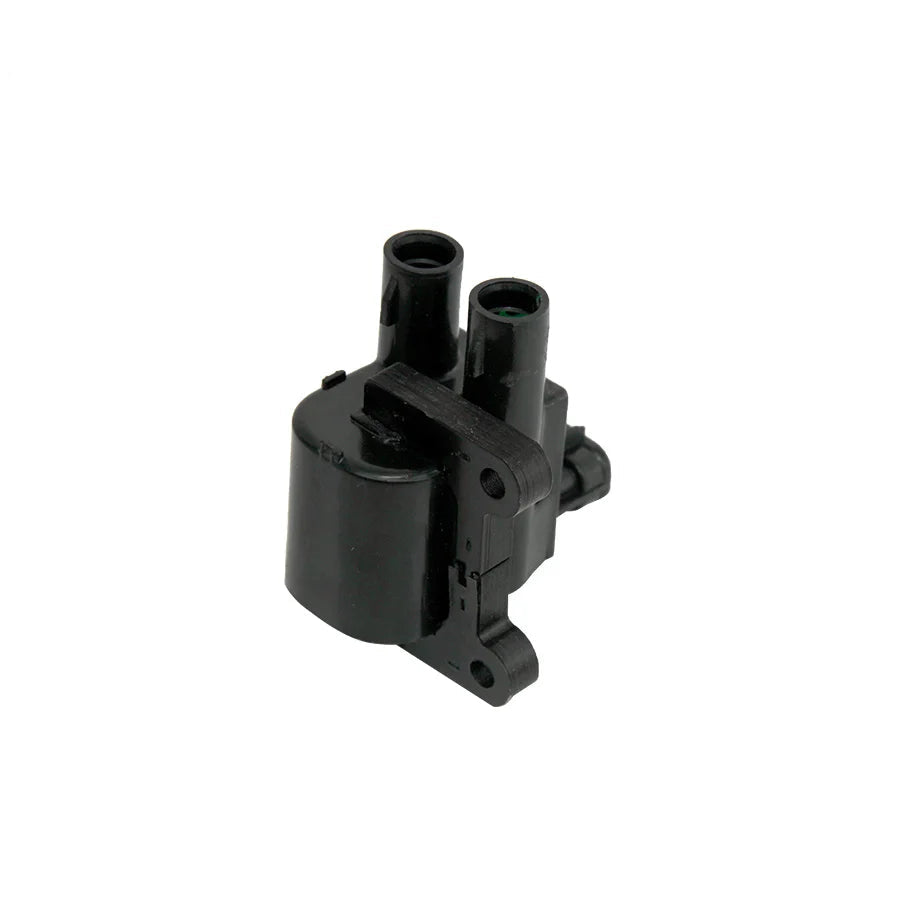
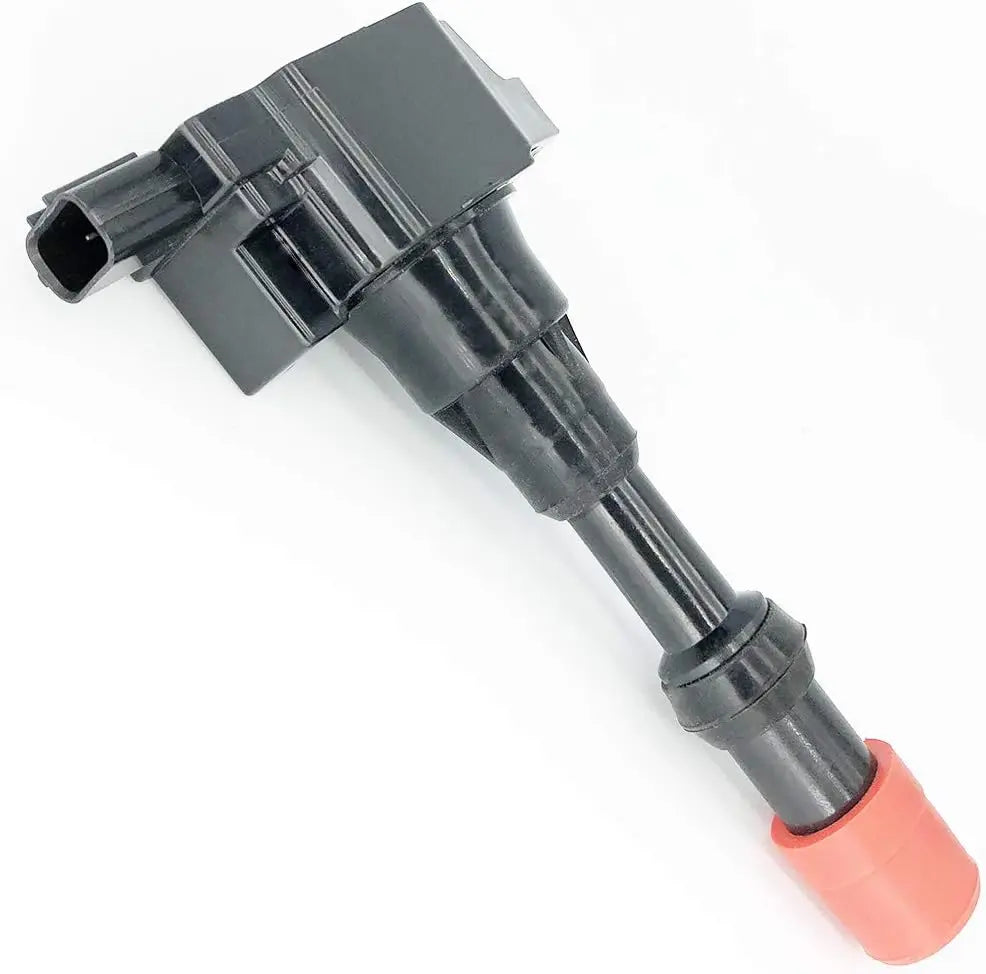
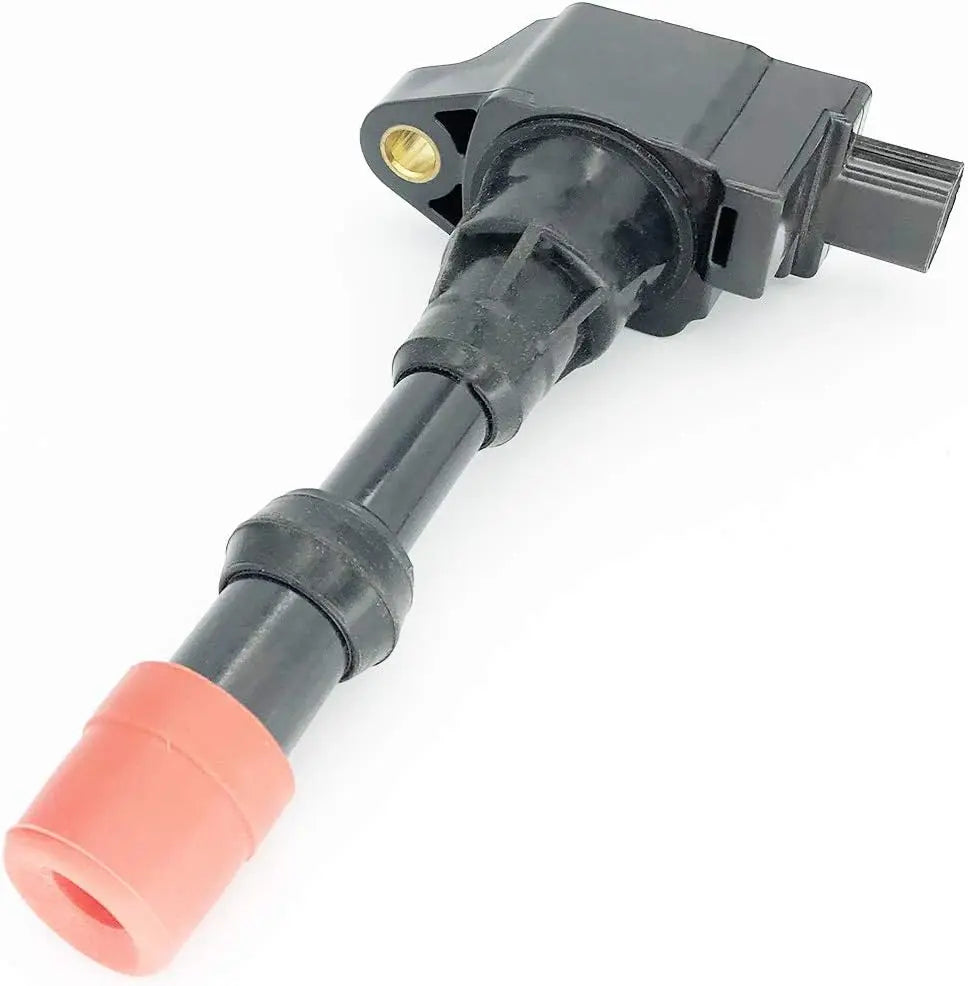
An ignition coil is a transformer that converts the vehicle's 12-volt battery supply into the high voltage required to arc across the spark plug electrode gap, typically between 20,000 and 50,000 volts depending on engine design, gap specification, and combustion pressure. The coil is what makes the spark plug fire, and the ignition coil's output must match both the voltage demand of the plug and the timing signal delivered by the crankshaft sensor.
Two primary coil architectures are in common use across modern petrol engines:
Coil-On-Plug Ignition Systems
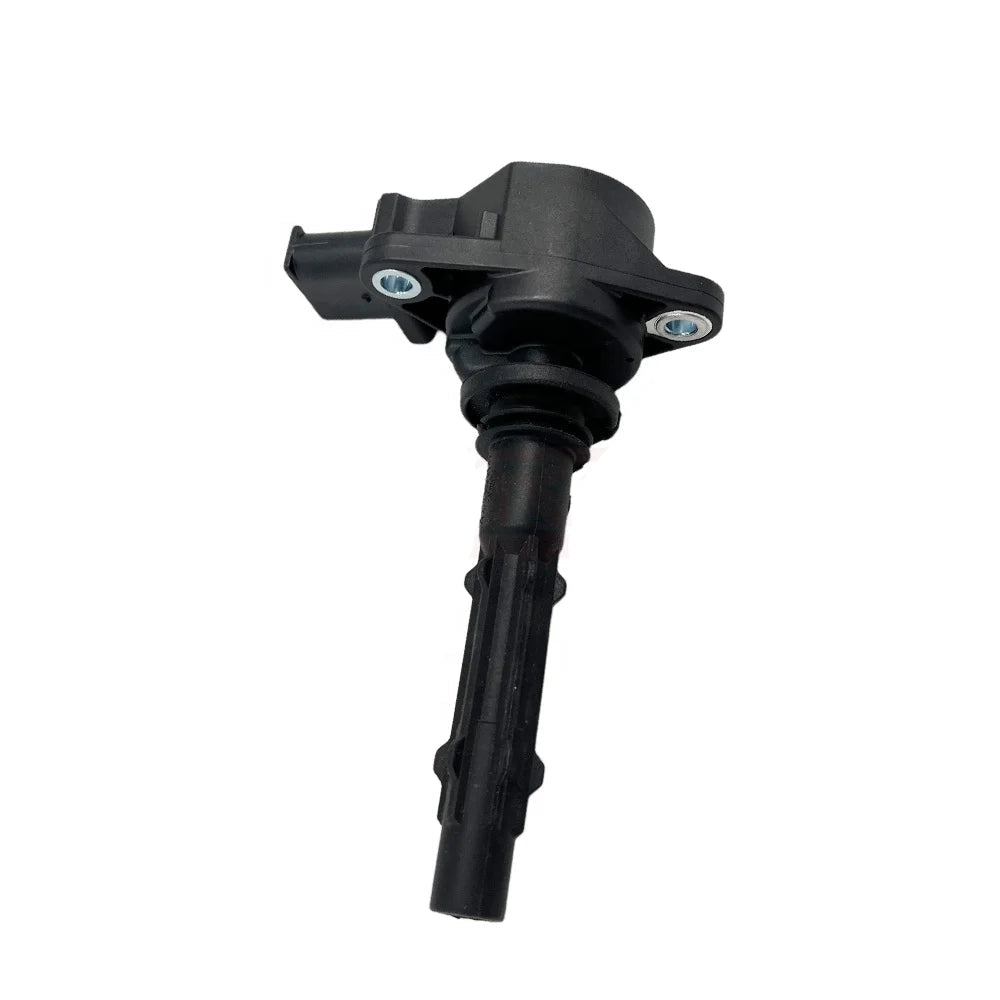
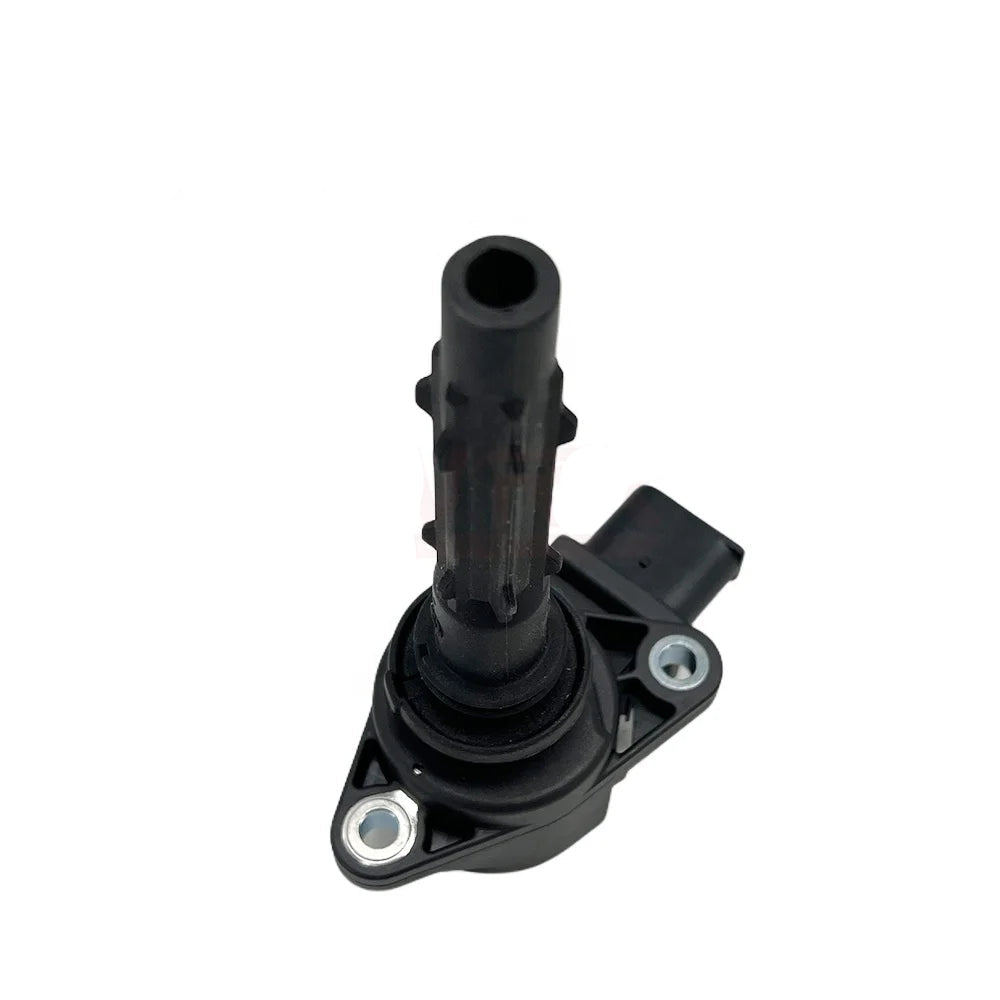
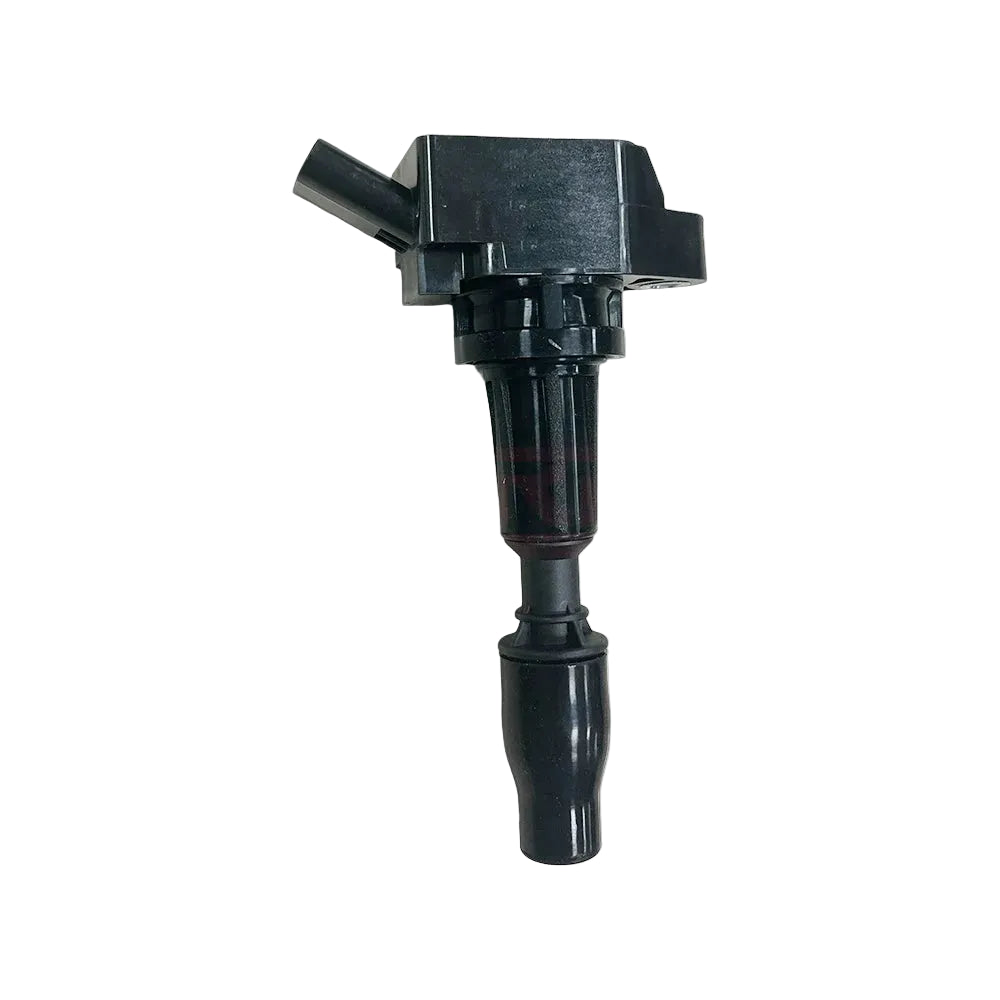
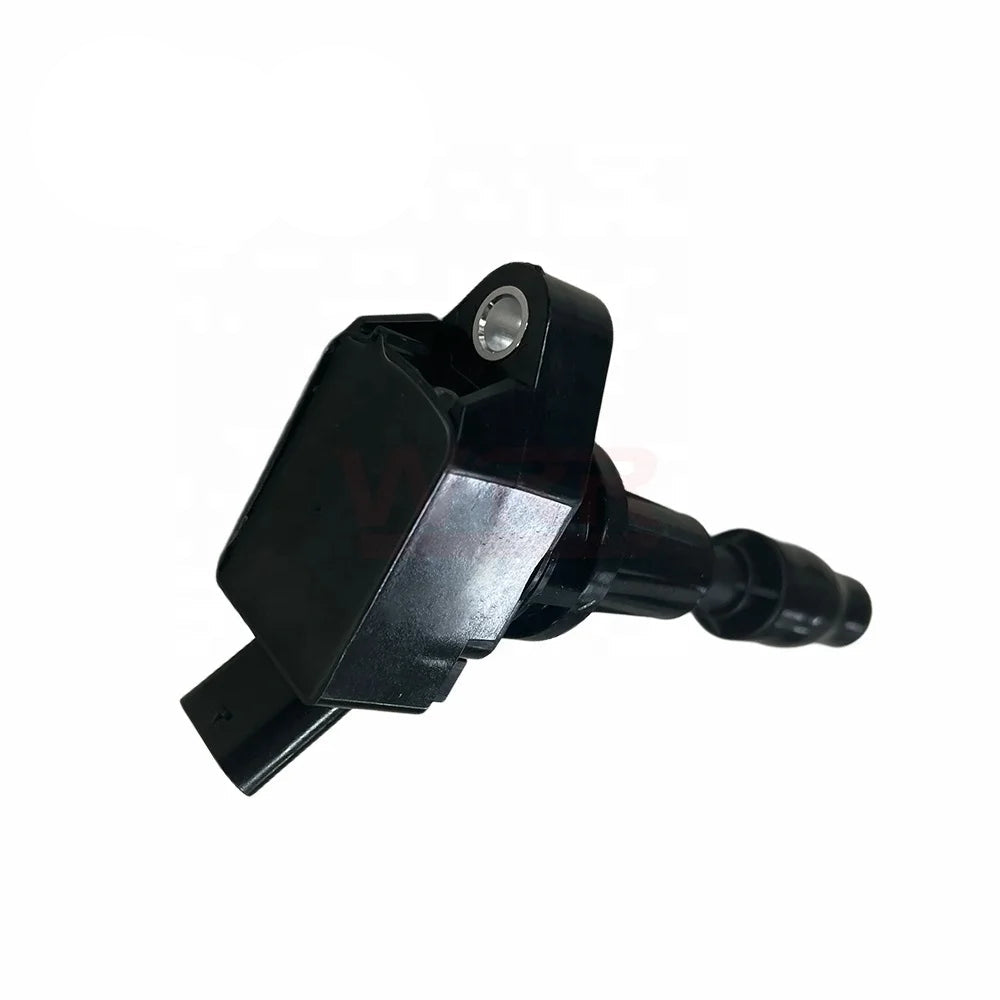
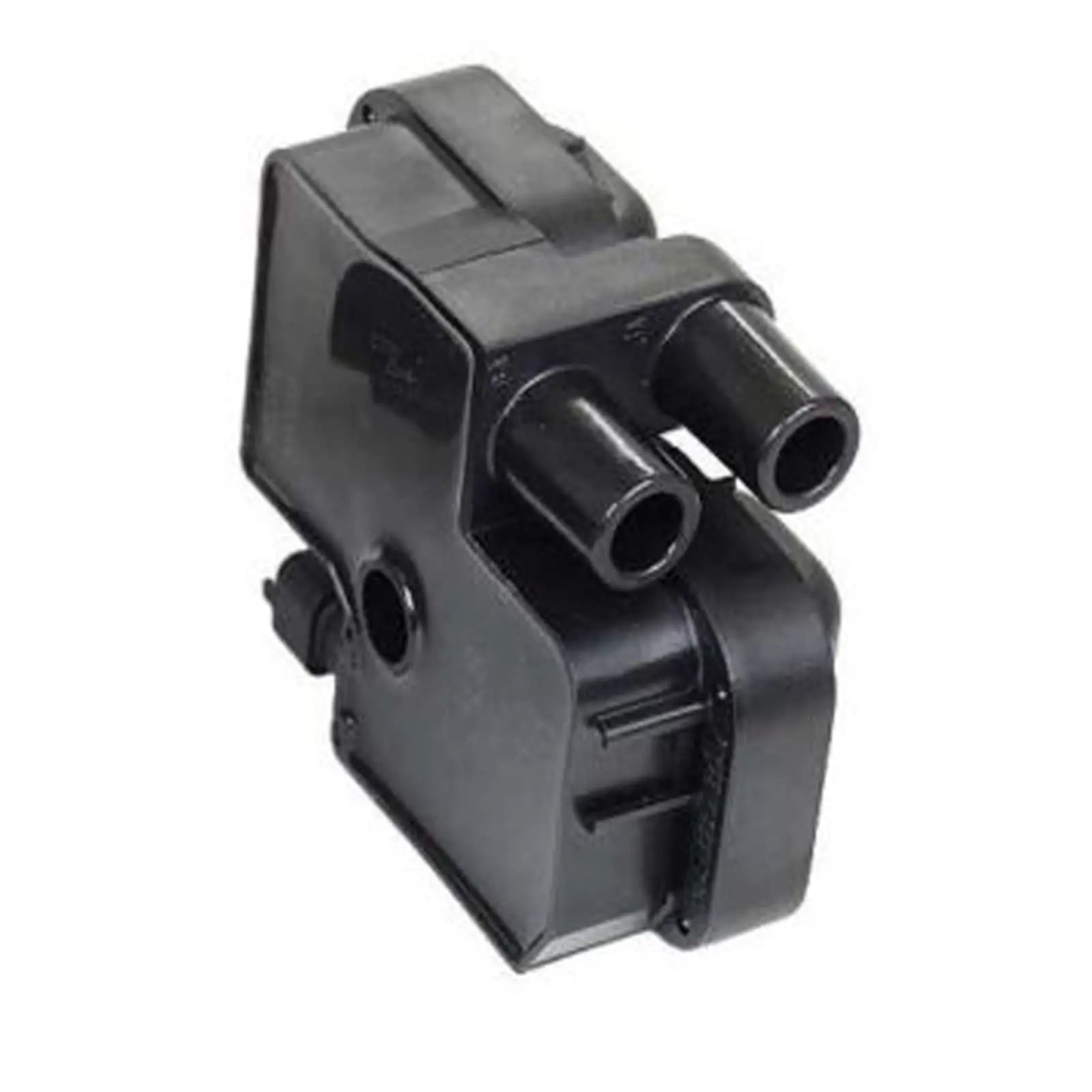
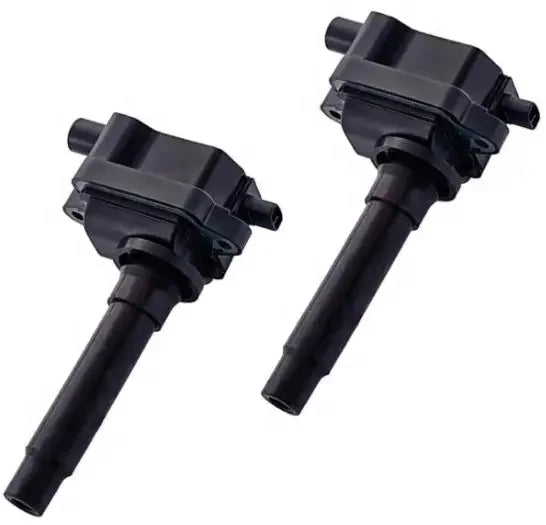
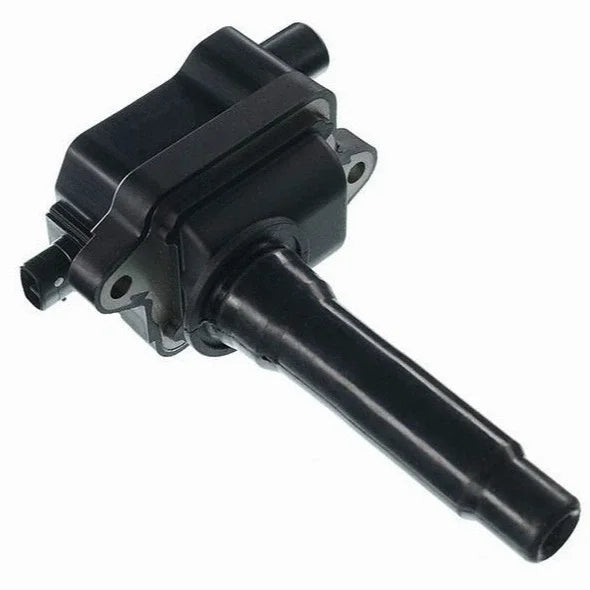
A coil-on-plug design mounts a dedicated car ignition coil directly on each spark plug, eliminating the high-tension leads that connect coil packs to individual cylinders in earlier designs. Each cylinder has its own coil, fired independently by the engine control module. Key characteristics:
- Failure is isolated to a single cylinder: a failed coil-on-plug unit produces a consistent single-cylinder misfire rather than the multi-cylinder disruption of a shared coil pack failure
- Diagnosis is straightforward: swapping the suspect coil to a neighbouring cylinder and confirming the misfire moves with it confirms coil failure over a plug or injector fault.
- The vehicle ignition coil in a coil-on-plug system carries the full firing demand for its cylinder alone, making output consistency between individual coils a critical specification for smooth engine operation.
CDI and Distributor-Based Ignition Systems
A CDI ignition system, Capacitor Discharge Ignition, stores charge in a capacitor rather than an inductor coil, releasing it as a sharp high-voltage spike rather than the longer-duration output of an inductive coil. CDI systems are common across smaller petrol engines, motorcycles, and marine applications where the faster discharge suits higher-RPM operating ranges.
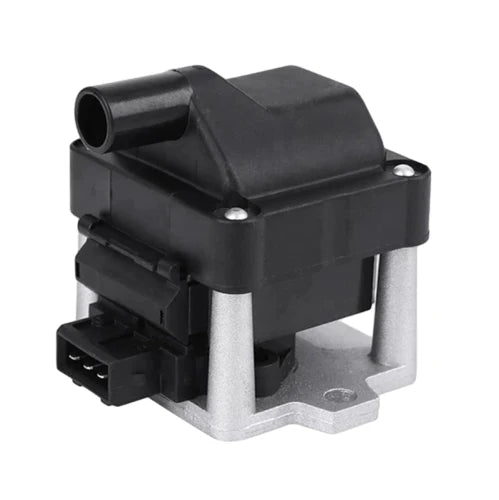
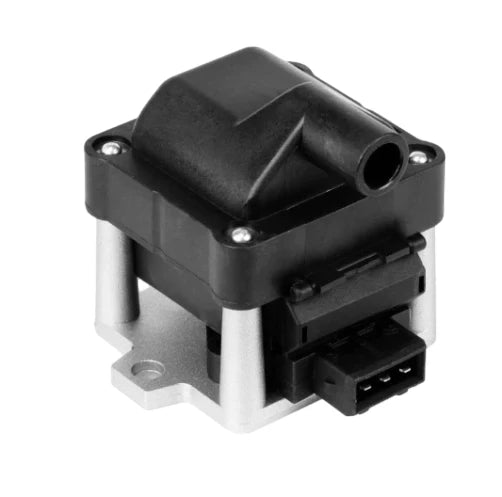
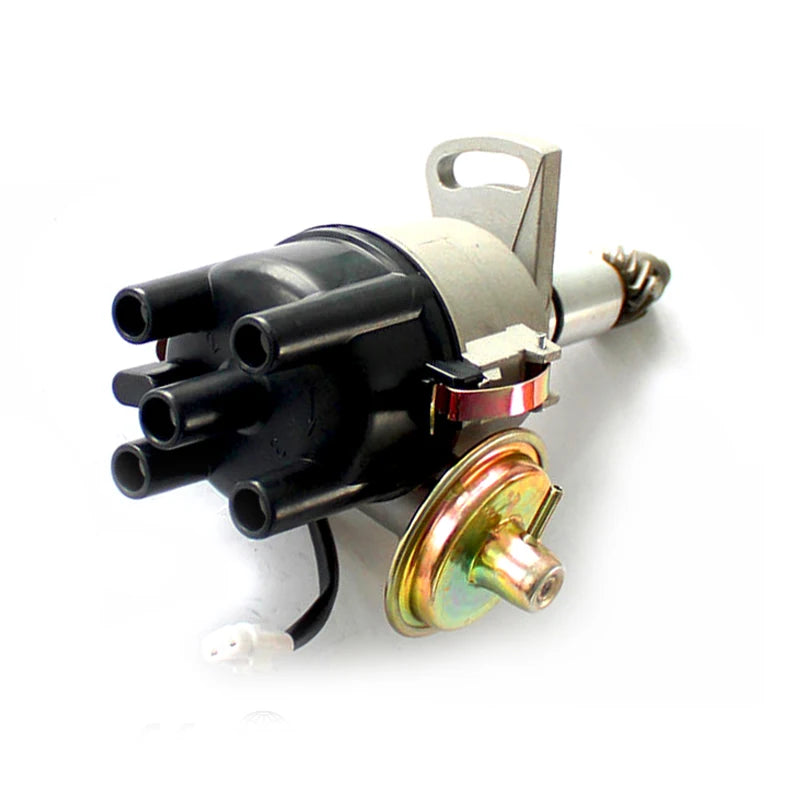
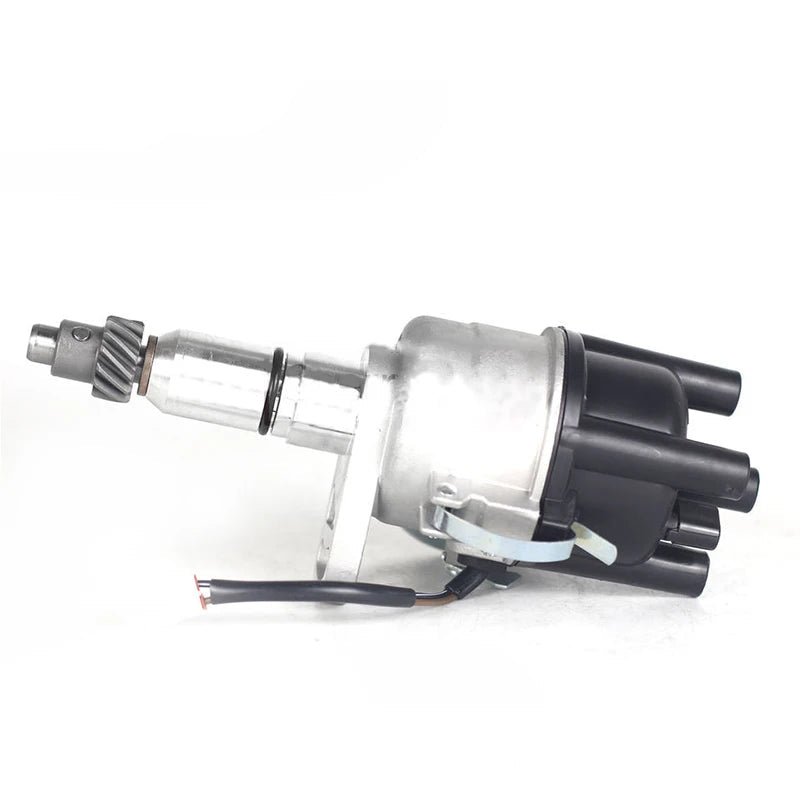
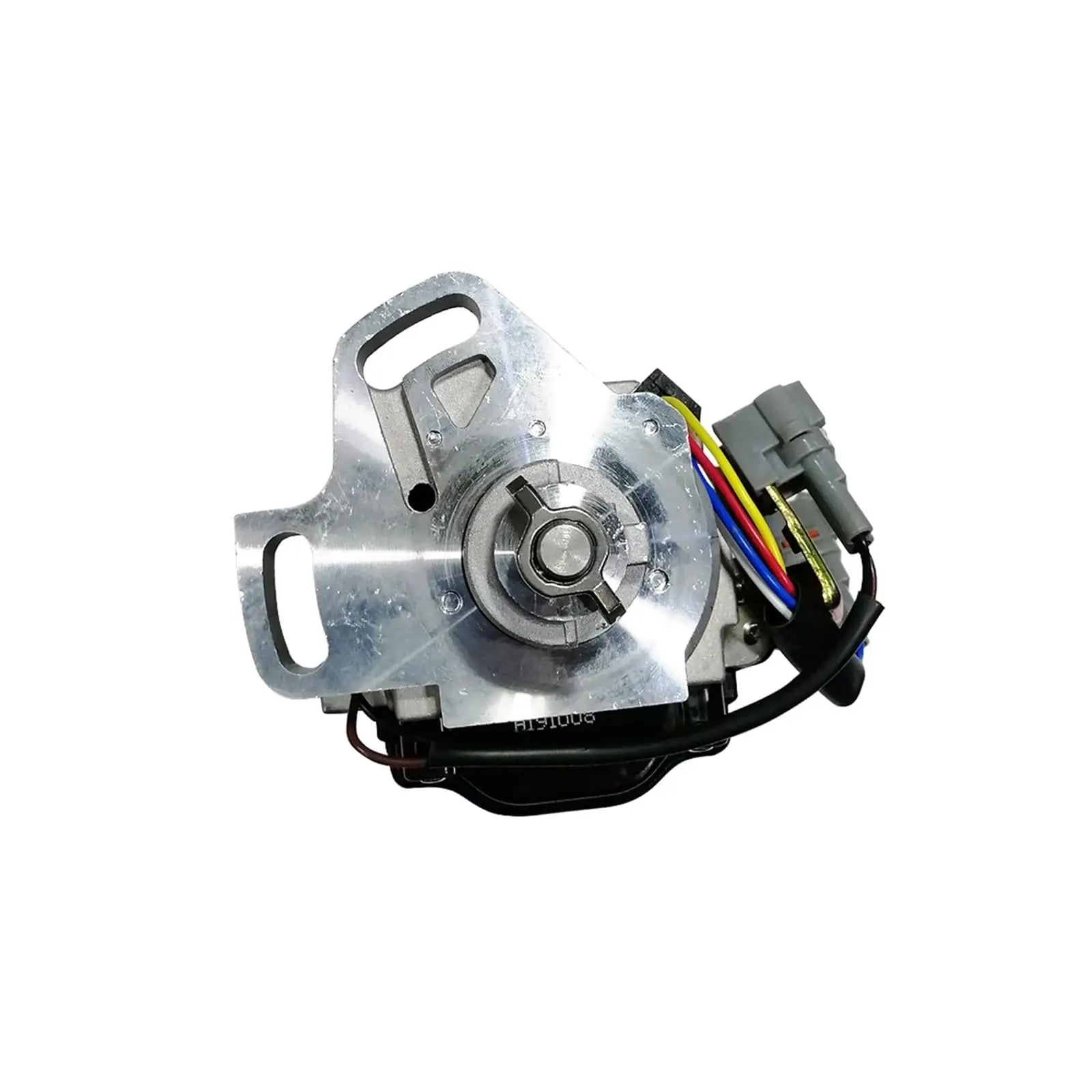
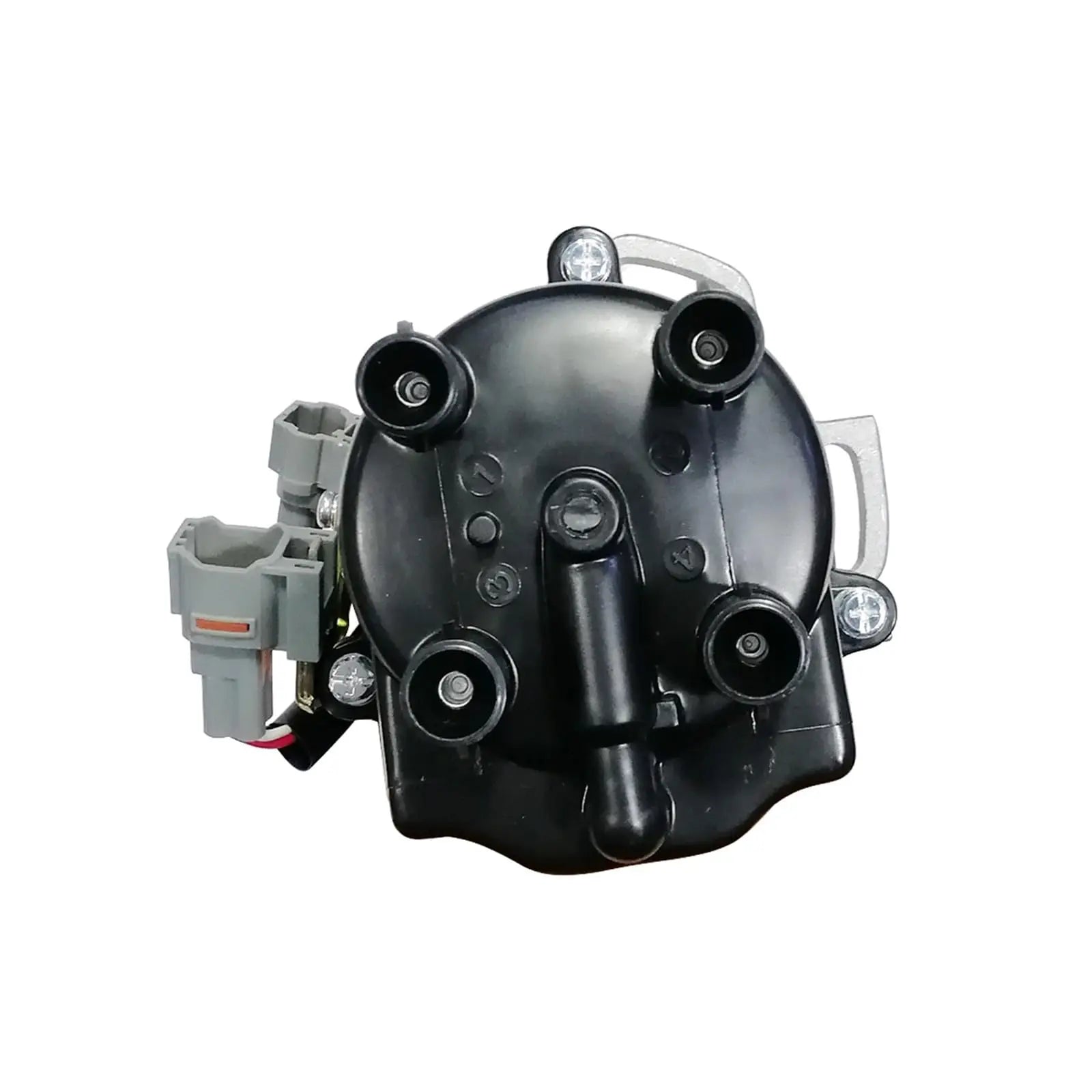
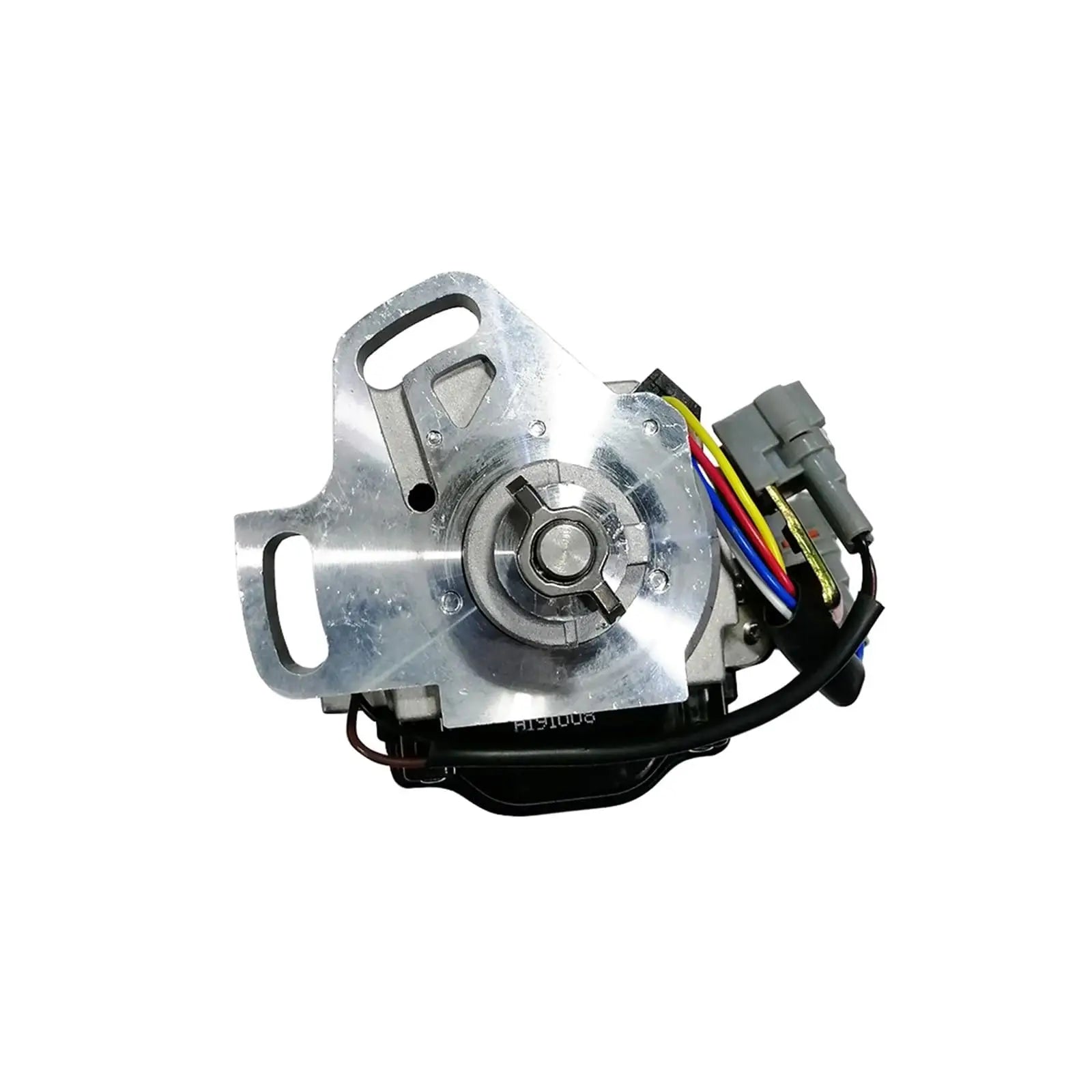
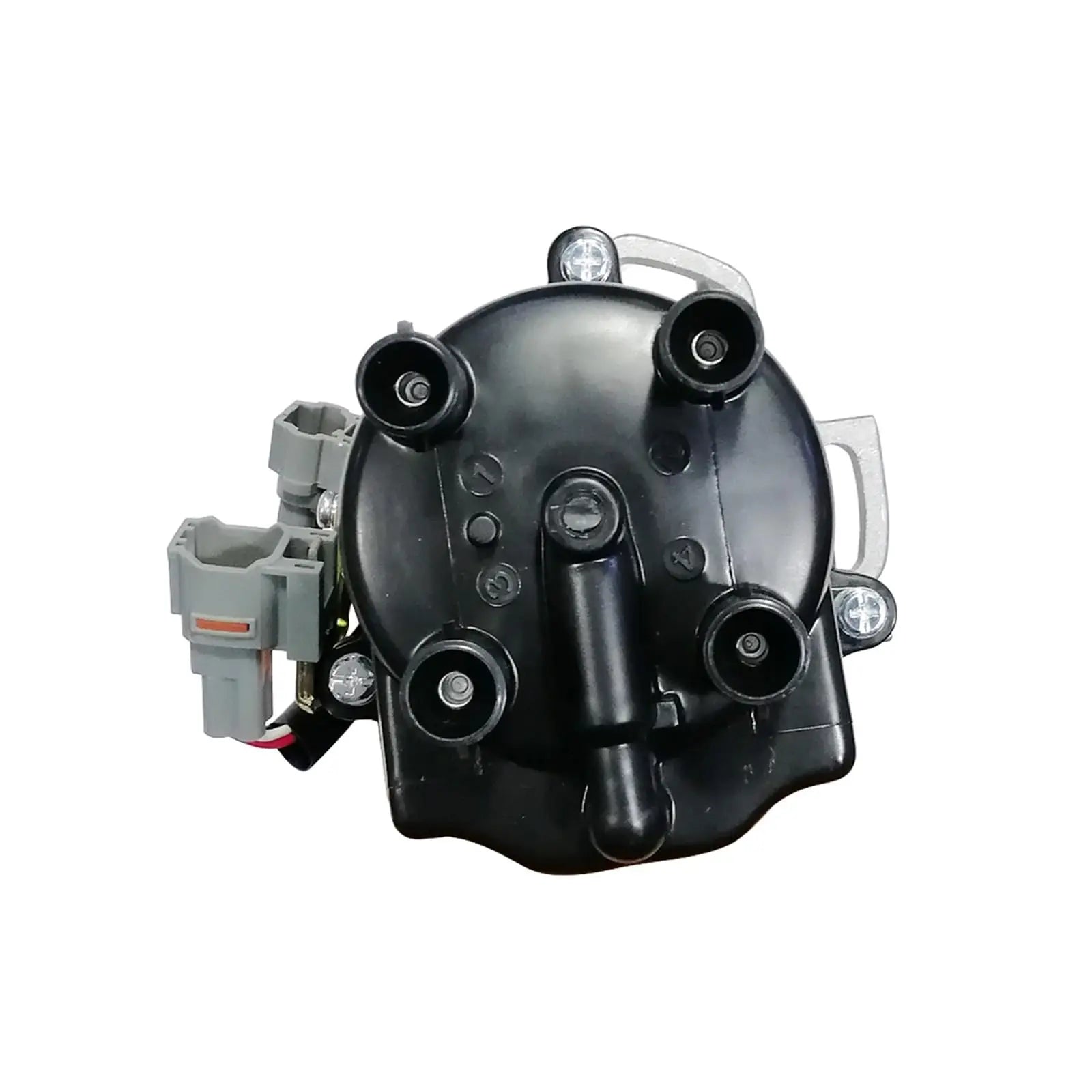
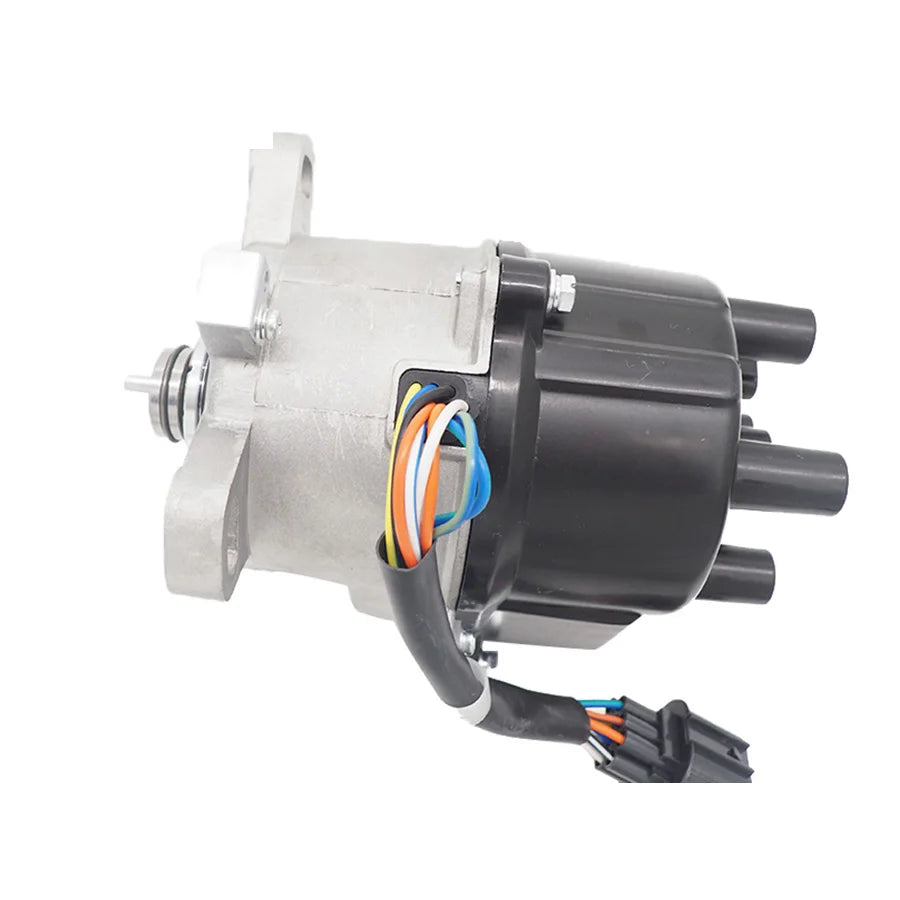
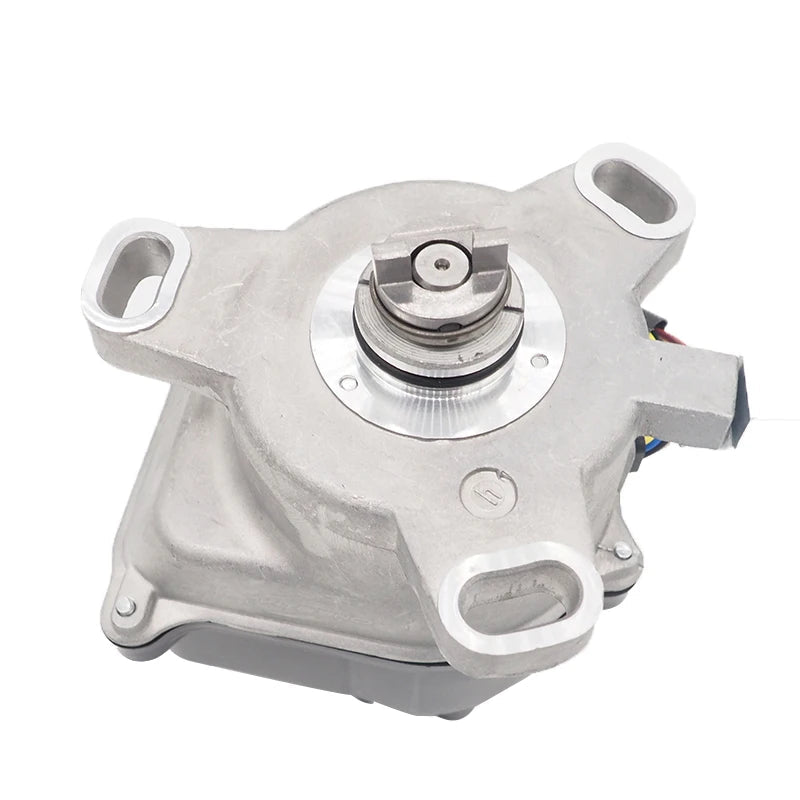
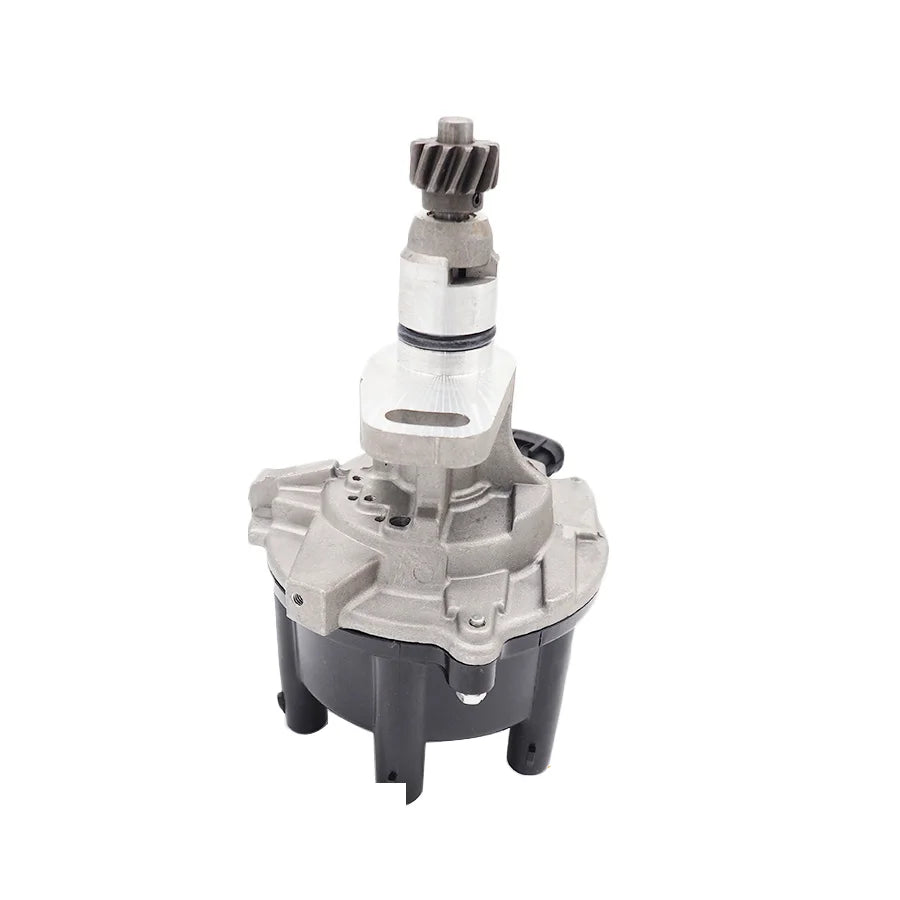
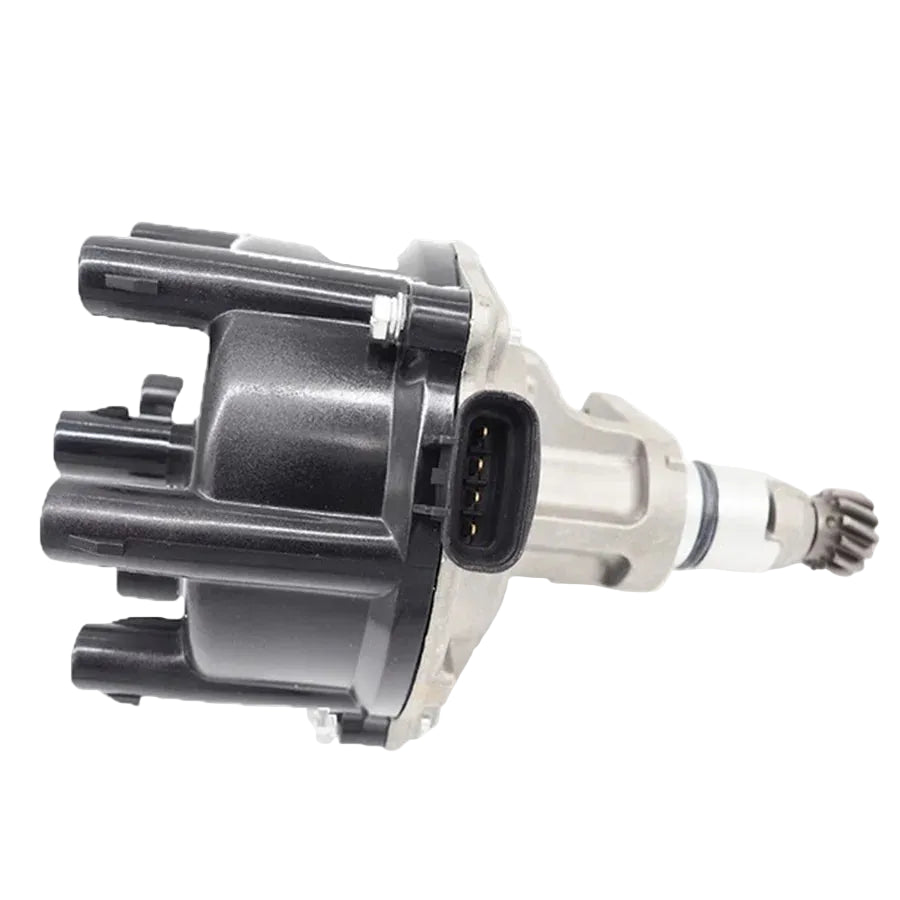
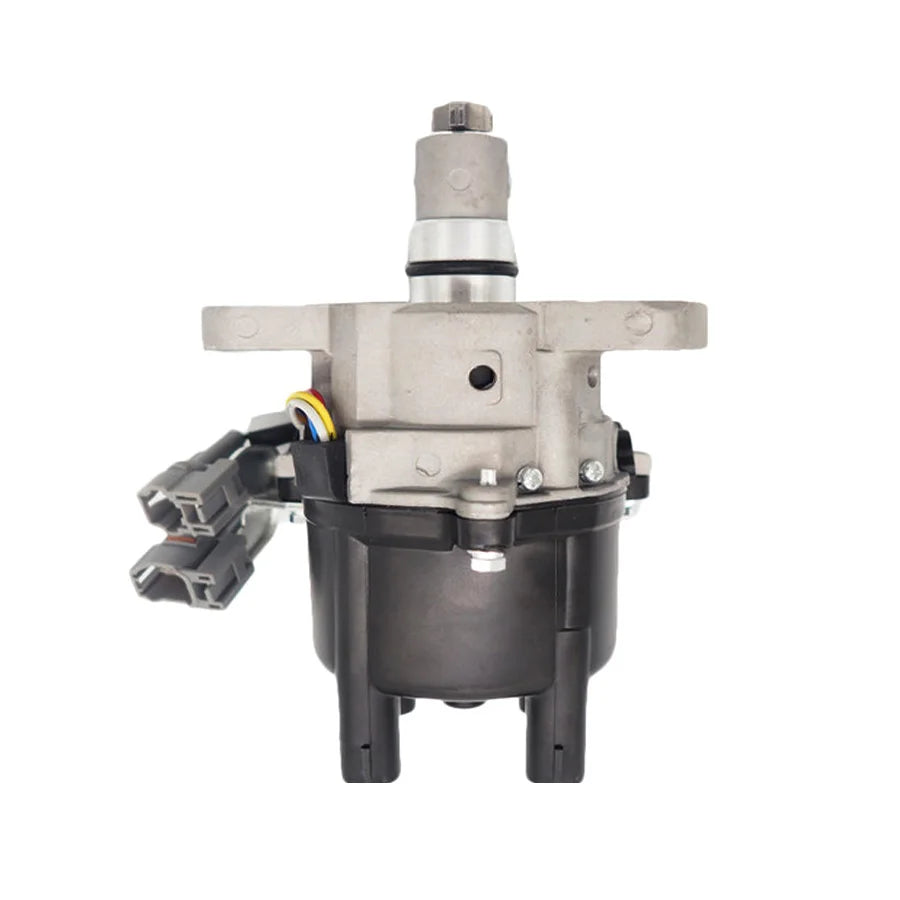
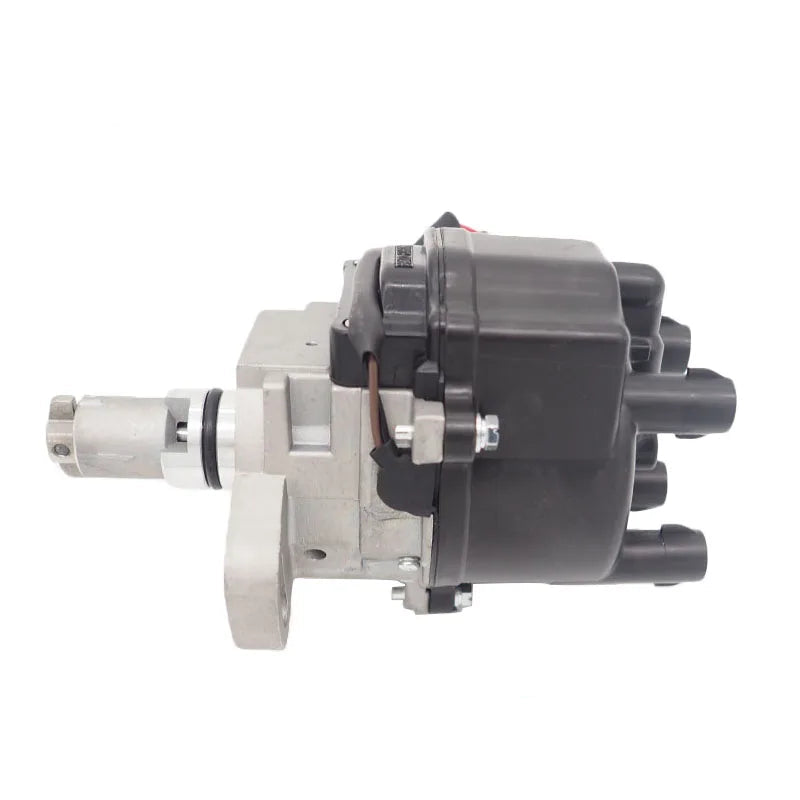
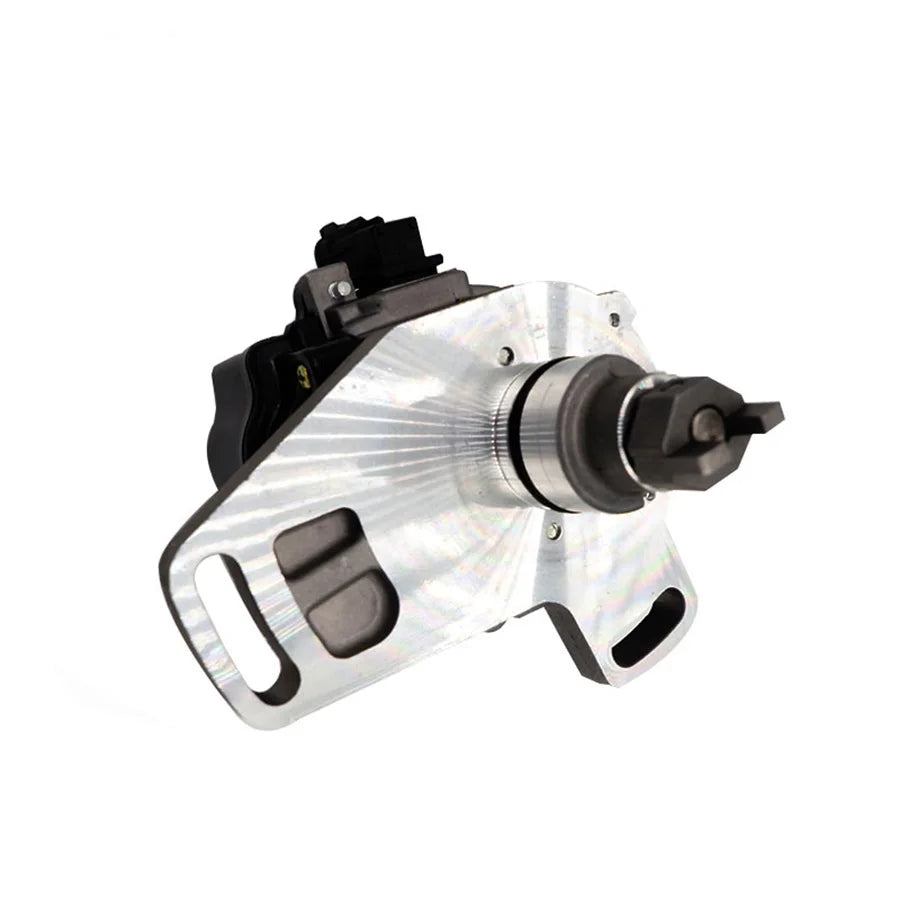
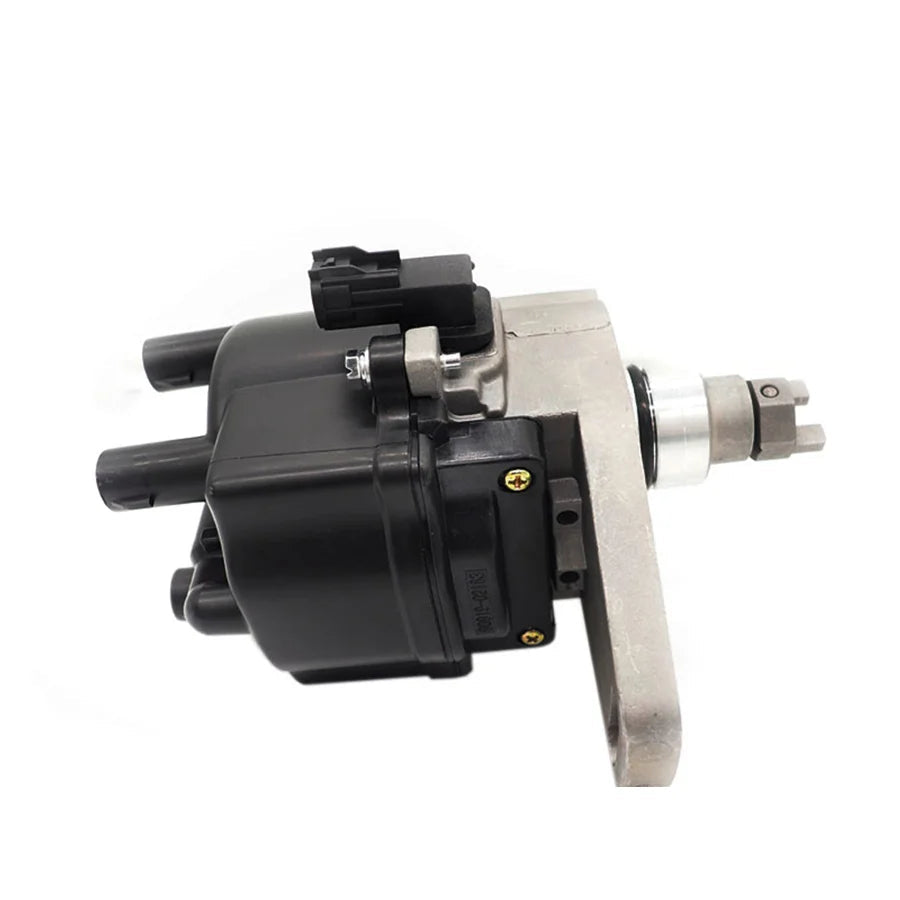
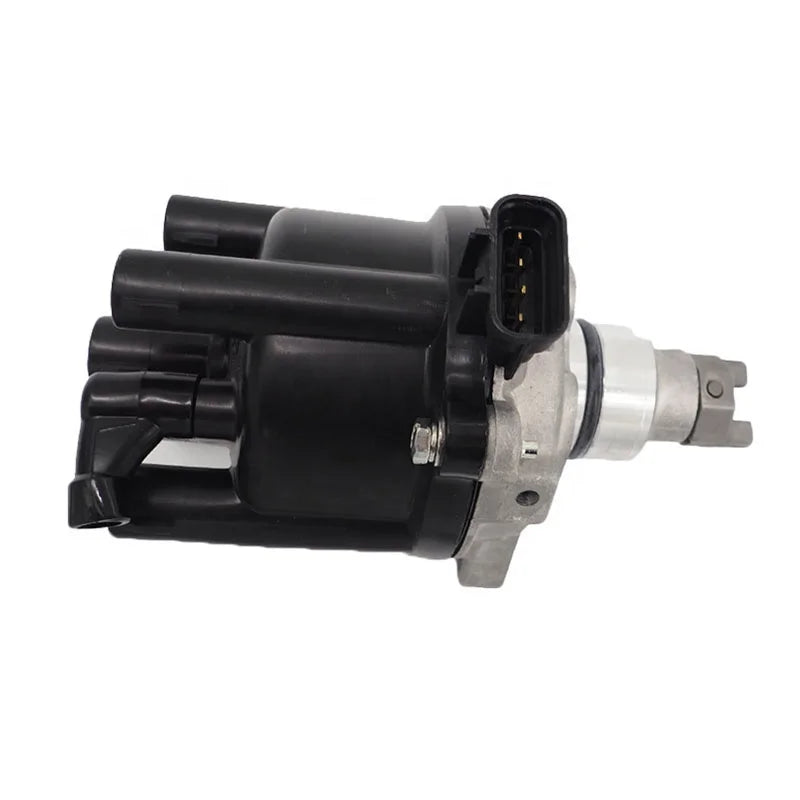
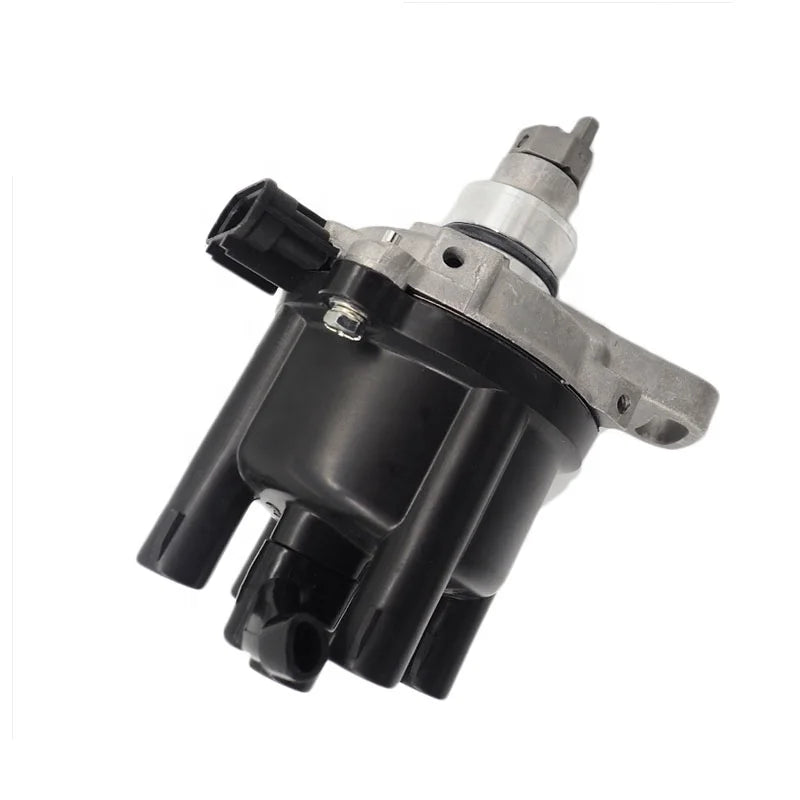
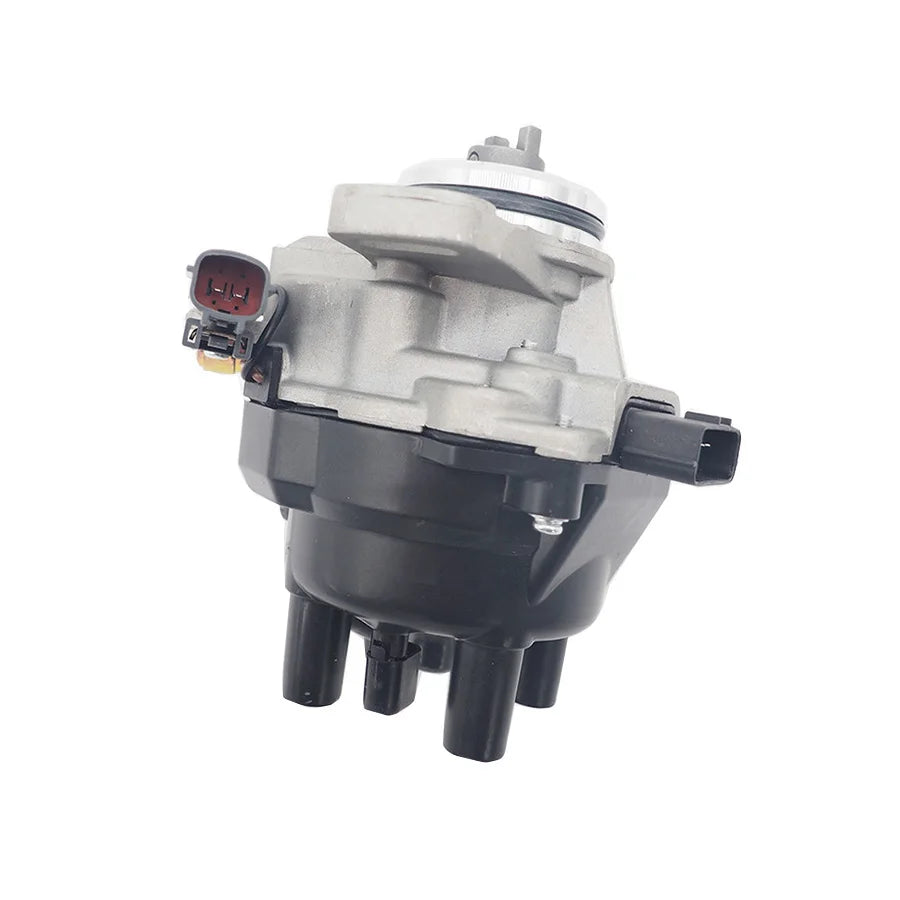
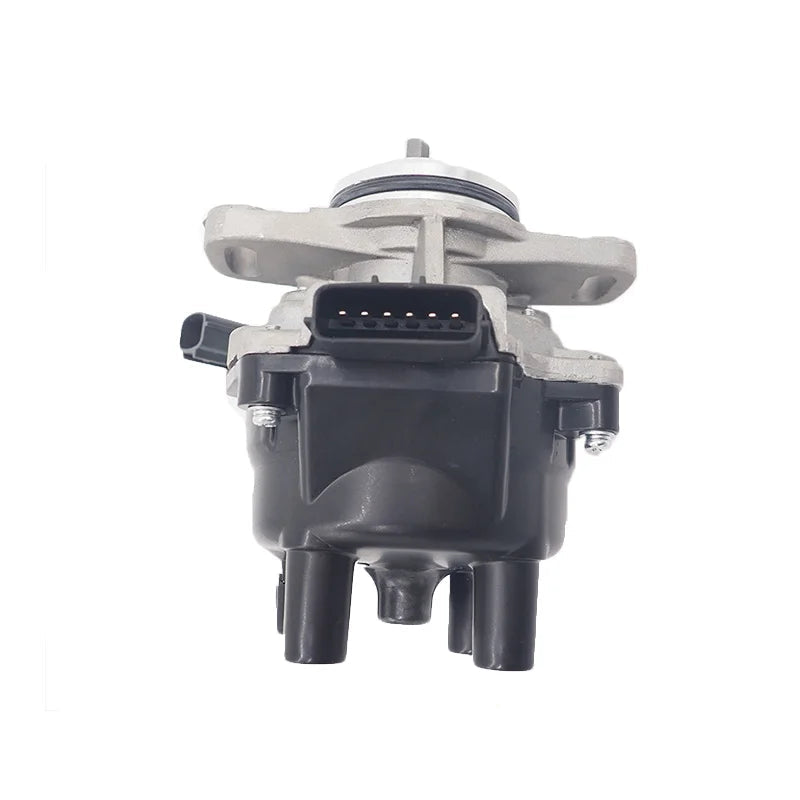
Distributor-based ignition systems, where a single coil feeds multiple cylinders through a rotating distributor cap and rotor, remain in service across older vehicle platforms. Distributors and ignition modules that govern them fall within the Electrical section of CBT Auto Parts, while the spark plugs and ignition coils that work within these systems are stocked here.
Platform Coverage: Spark Plugs, Glow Plugs & Ignition Coils We Supply
CBT Auto Parts stocks ignition system components across the following applications:
Petrol Platforms
- Toyota Corolla spark plugs: OEM-spec auto spark plugs covering the Corolla's most common engine codes across production generations, in copper, platinum, and iridium electrode specifications.
- Mazda 3 spark plugs: replacement car spark plugs for the Mazda 3 across the 2.0-litre and 2.5-litre petrol engine families in standard and extended-service electrode specifications
- CDI ignition system: capacitor discharge ignition coil and ignition component coverage for applicable smaller petrol engine applications
Diesel Platforms
- Glow plugs diesel: pencil, ceramic, and steel-sheathed glow plug options across a wide range of diesel passenger vehicle, commercial, and agricultural .applications
- Glow plug for diesel engine: dedicated platform coverage across common-rail and older indirect injection diesel engines where pre-heat specification varies between chamber design. generations
Ignition Coils
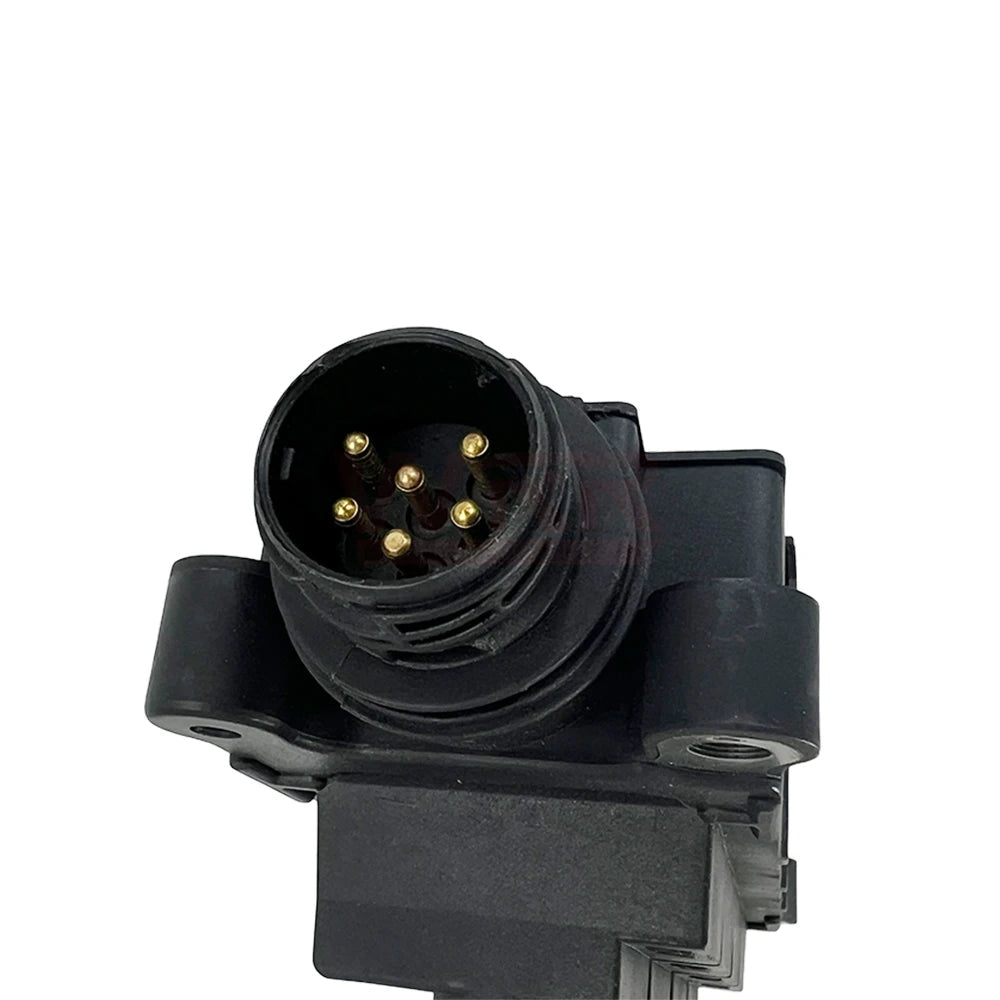
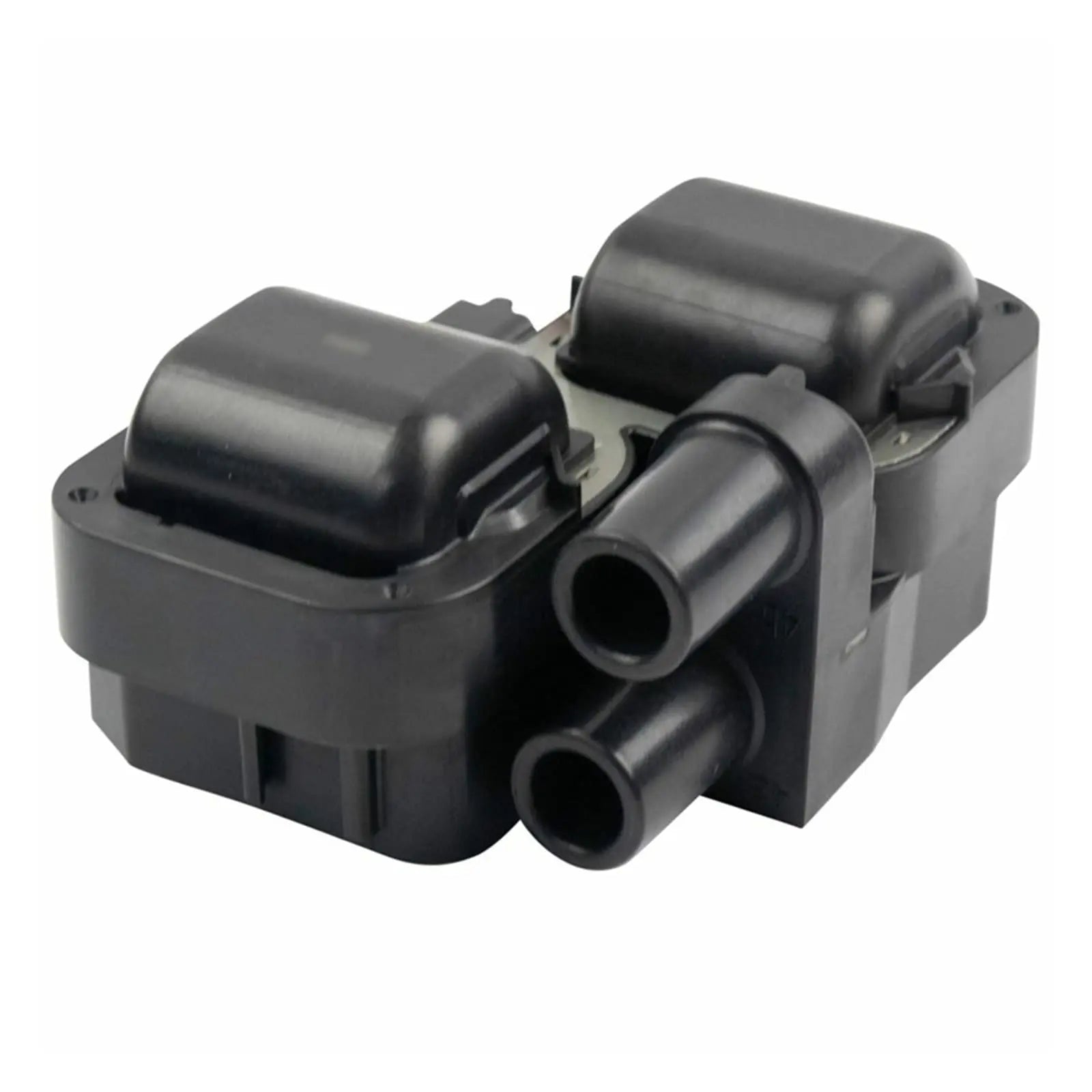
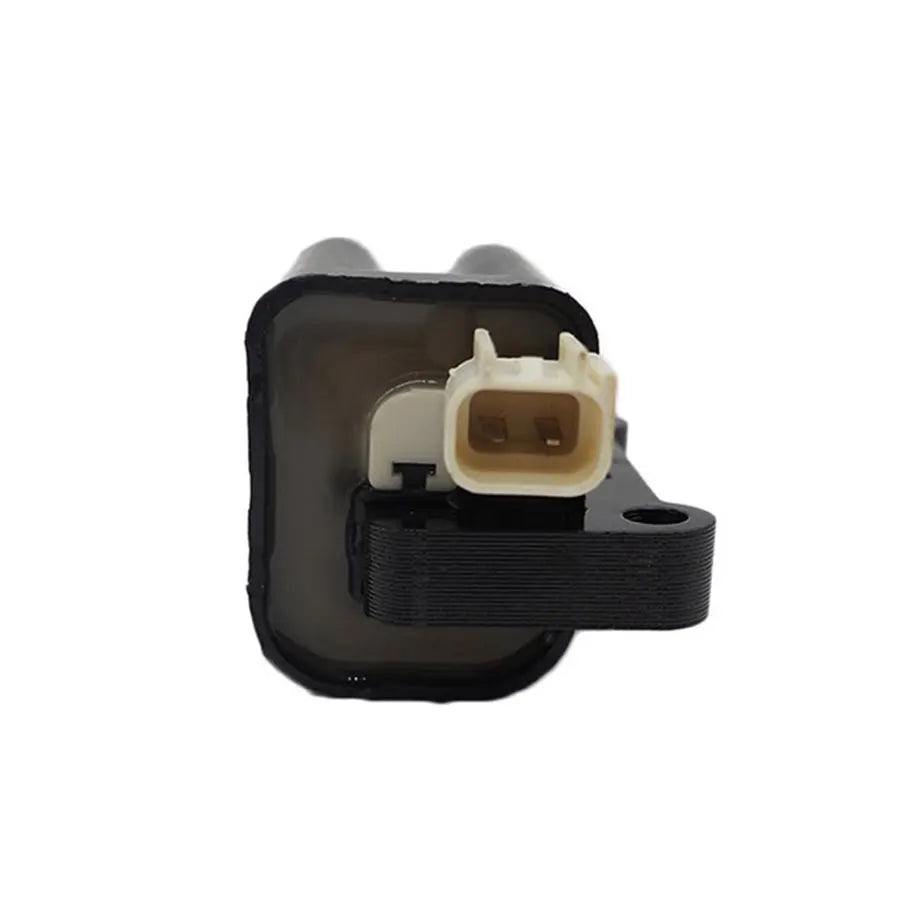
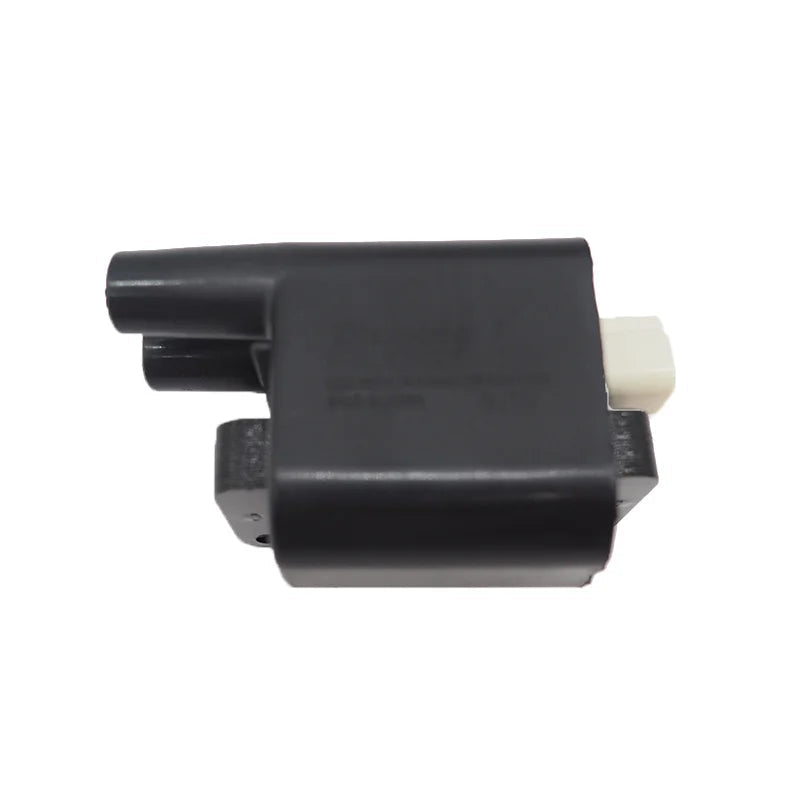
- Car ignition coil: coil-on-plug and coil pack options across mainstream petrol engine platforms in standard and performance specifications
- Coil ignition system: complete coil ignition component coverage for both coil-on-plug and distributor-adjacent applications across petrol platforms
For any platform not listed here, contact CBT Auto Parts with your vehicle make, model, year, and engine code. Ignition specifications are confirmed before any order is dispatched.
Spark Plug Replacement Cost
What the Job Actually Spark plug replacement cost is one of the most searched ignition-related queries, and for good reason. Spark plug replacement intervals vary significantly between electrode materials, and understanding the difference between a copper plug service interval and an iridium plug interval determines whether a vehicle is being serviced at the correct point or consuming plugs ahead of schedule.
- Copper-core plugs: the shortest service life at approximately 30,000 kilometres; the least expensive per plug but the highest total cost over a vehicle's life when replacement frequency is accounted for
- Platinum-tipped plugs: service intervals extending to approximately 60,000 to 80,000 kilometres; a meaningful step up in service life at moderate additional cost
- Iridium-tipped plugs: the longest available service life at 100,000 to 120,000 kilometres in most applications; the correct specification for any engine where the manufacturer originally fitted iridium plugs and where maintaining that interval is the objective
The labour cost to replace spark plugs varies more by engine configuration than by plug specification. Horizontally-opposed and V-configuration engines frequently require intake manifold or coil pack removal to access rear cylinders, adding substantially to the job time compared to inline engines where all plugs are accessible from the front or top of the engine.
What to Source Alongside Ignition System Components
Ignition system components operate within a wider engine management circuit, and the sensor inputs that time the spark are as important as the components that deliver it:
-
Engine Sensors: The crankshaft sensor provides the primary timing signal that governs when each ignition coil fires relative to crankshaft position. A failing crankshaft sensor that produces an intermittent signal causes ignition timing variation that presents as random misfires across multiple cylinders, symptoms that are easily misattributed to spark plugs or ignition coils before the sensor is identified. Whenever ignition components are being replaced in response to misfire codes, confirming the crankshaft sensor and camshaft sensor signal quality eliminates the most common cause of repeat misfire faults after new plugs and coils have been fitted.
Both engine sensors and the full Engine & Powertrain Parts range are available at CBT Auto Parts.