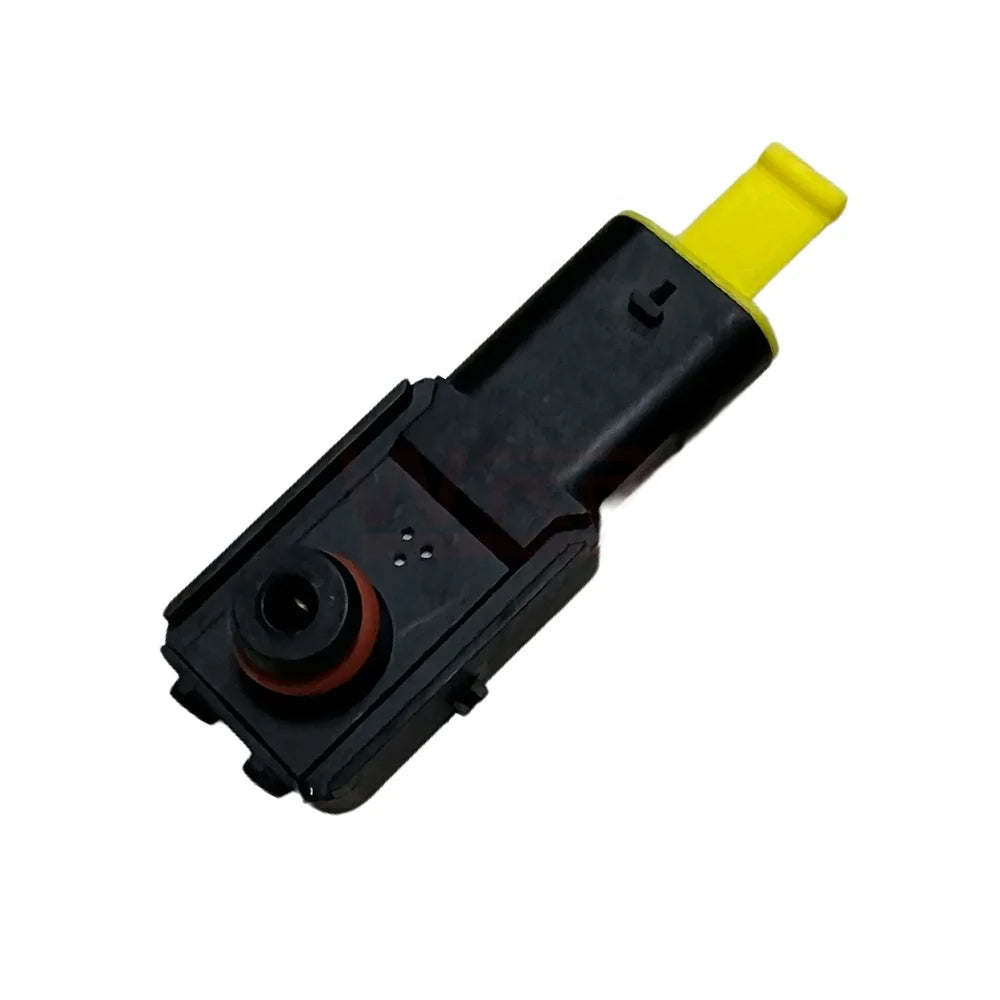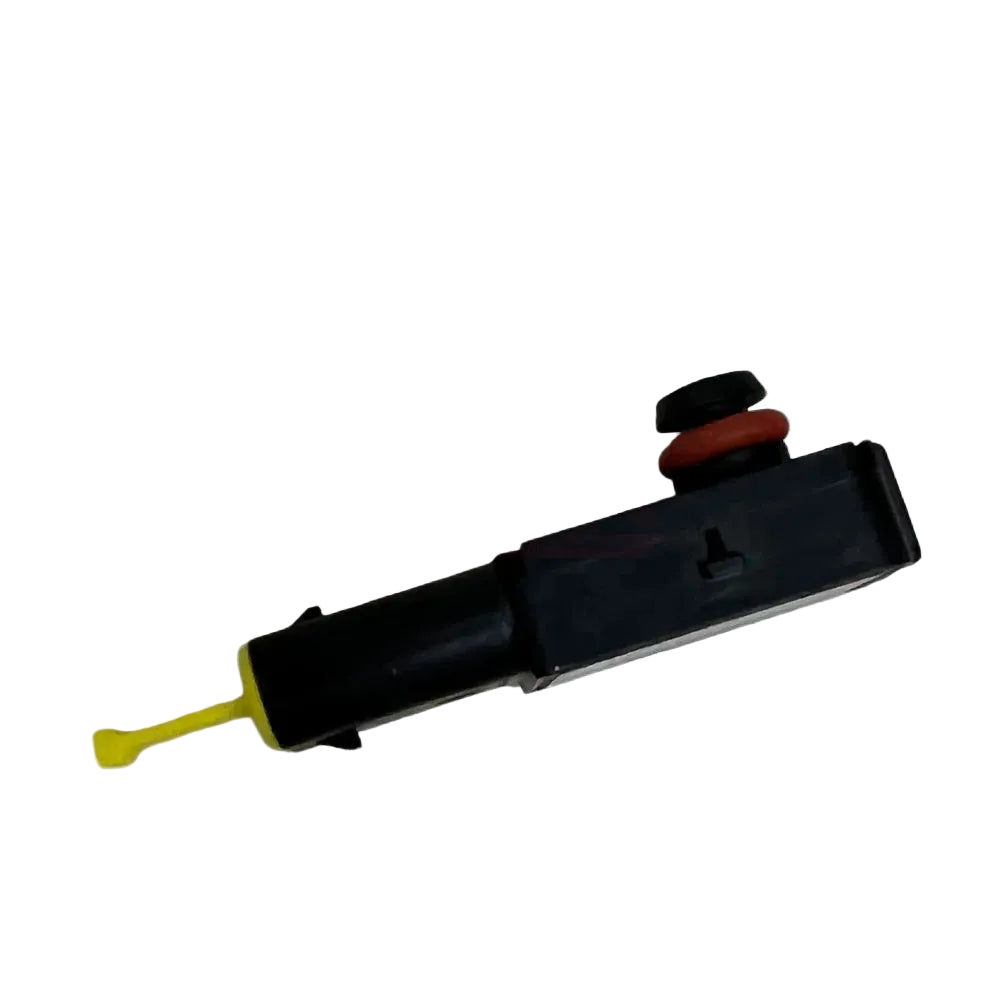
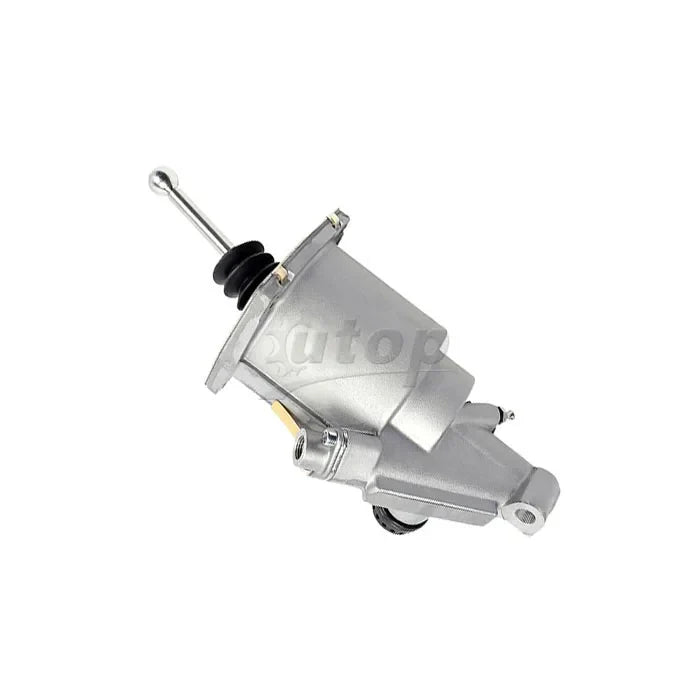
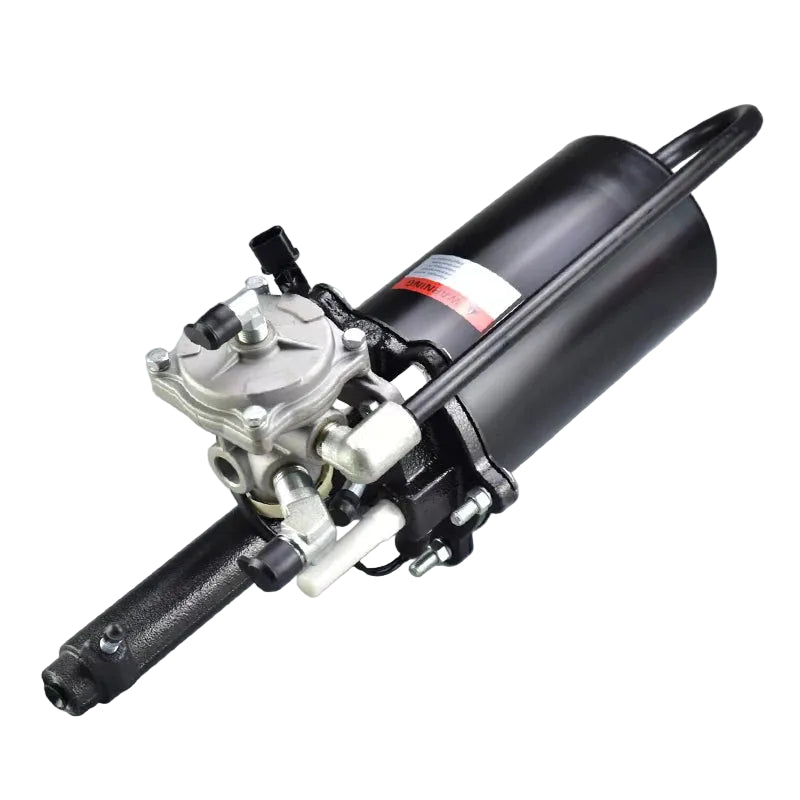
Brake Boosters & Brake Servo: Vacuum and Power Brake Booster Replacements
A brake booster, also called a brake servo, multiplies the force applied at the pedal using vacuum or hydraulic power assist, which is why pedal effort stays light even under hard braking. Most rely on engine vacuum, though hybrid and electric vehicles often use an electrically powered assist instead, and either type can fail gradually or suddenly.
CBT Auto Parts stocks brake booster units and rebuild kits from everyday family cars through to specific applications like the BMW E30 and 2010 Prius, sitting within the same braking system parts range as Brake Master Cylinders and Brake Repair Kits. Fitment is checked by make, model, and trim, with fast nationwide shipping.

5 products
Showing 1 - 5 of 5 products
What a Brake Booster Does, and How Vacuum vs Power Assist Differ
A vacuum brake booster uses the natural vacuum created by the engine's intake to amplify pedal pressure, storing a reserve in a diaphragm chamber so a couple of pedal presses still work even with the engine off. A power brake booster, sometimes called a hydraulic or hydro-boost system, draws assist from power steering pump pressure instead, which suits diesel engines and some performance applications where engine vacuum is weak or inconsistent. A vacuum power brake booster setup blends elements of both in some designs, though the core job stays the same across every type, turning light pedal pressure into strong, controlled clamping force at every wheel.
How Long Do Brake Boosters Last
A brake booster typically lasts the life of the vehicle under normal conditions, since the diaphragm and valves inside sit largely undisturbed unless a vacuum leak elsewhere in the engine bay starts drawing contaminants into the chamber. A perished vacuum hose, a leaking intake gasket, or even a failing PCV valve can all shorten booster life indirectly, since each one allows dirt or oil vapour to reach a component designed to run clean. Hydraulic and power assist units depend instead on the condition of the power steering pump and fluid feeding them, so a neglected fluid change schedule tends to shorten their service life faster than mileage alone would suggest. Once a diaphragm does fail, it rarely partially recovers, which is why most booster issues present as a sudden, noticeable change rather than a gradual decline.
Signs of a Failing Brake Servo
A booster losing its assist still allows the vehicle to stop, just with noticeably more effort and less margin for a quick reaction.
- A pedal that suddenly feels hard or wooden, especially noticeable right after starting the engine.
- A hissing sound from the engine bay when the pedal is pressed, often a sign of a leaking diaphragm.
- The pedal sinking slowly to the floor while held under steady pressure at a stop.
- A rough or uneven idle that changes the moment the brake pedal is pressed.
Brake Booster Replacement vs Rebuild Kit
A brake booster rebuild kit replaces the internal diaphragm, valves, and seals inside an existing housing, which works well when the outer shell and pushrod assembly are still in good condition. A power brake booster rebuild kit follows the same logic for hydraulic assist units, swapping worn internal components without sourcing an entirely new unit. Full brake booster replacement becomes the better option once the housing itself is dented, corroded, or the mounting studs are damaged, since no seal kit can correct a problem with the shell itself.
Common Brake Booster Applications We Stock
Booster fitment varies more than almost any other braking component, since mounting style, pushrod length, and vacuum or hydraulic connection all differ between makes and even between model years of the same vehicle. An e30 brake booster, for the classic BMW 3 Series, remains in steady demand from owners maintaining or restoring these now decades-old cars, while a 2010 Prius brake booster covers Toyota's electronically controlled hybrid assist unit, a system built around brake-by-wire technology rather than a traditional vacuum chamber. A PBR VH44 brake booster repair kit, covering one of the most widely fitted booster units across Australian-delivered vehicles, rounds out the range alongside dozens of other make and model-specific applications.
Replacing a Brake Booster and Master Cylinder Together
Replacing brake booster and master cylinder components together is common, since the master cylinder bolts directly onto the front of the booster and both share the same pushrod connection to the pedal. A tired booster can mask a master cylinder that is also due for replacement, since reduced pedal assist sometimes hides the early signs of an internal seal starting to bypass fluid. A master cylinder stock matched to the same vehicle and booster combination sits in its own dedicated category, making it straightforward to source both halves of the assembly in one order.
Brake Boosters and Repair Kits: Finishing the Job Right
Once a booster has been removed for inspection or rebuild, a repair kit covering the master cylinder seals, brake line fittings, and bleeding equipment usually finishes the job in one sitting rather than a second visit once air enters the hydraulic circuit. A fresh bleed is essential after any booster or master cylinder work, since trapped air behind the booster's pushrod connection produces the same spongy pedal feel as a failing component, even when the new parts themselves are working correctly.
Why Buy Brake Boosters from CBT Auto Parts
A booster failure removes the comfort margin from every stop, which is exactly where sourcing the right part matters most.
- Vacuum, power, and hydro-boost units stocked alongside rebuild kits for everyday and specific model applications.
- Deep coverage of harder-to-source fitments, including classic, hybrid, and Australian-delivered vehicles.
- Most orders dispatched within 24 hours with tracked nationwide shipping.
- A fitment guarantee and straightforward returns process on every order.