Cabin Air Filter and Car Cabin HEPAer Replacements for Cars and Trucks
A cabin air filter cleans the air that actually reaches you and your passengers, sitting in the intake path before vents or the blower motor rather than anywhere near the engine. CBT Auto Parts stocks cabin air filters and cabin filter options for cars, trucks, and SUVs.
The cabin filter here is OEM grade or built to OEM specification, so dimensions and pleating density match the original. Confirm fitment by year, make, and model, then add a blower motor from the wider Cooling, HVAC and Climate Control Parts range. Orders ship fast worldwide, with support on hand if you're unsure which filter fits.

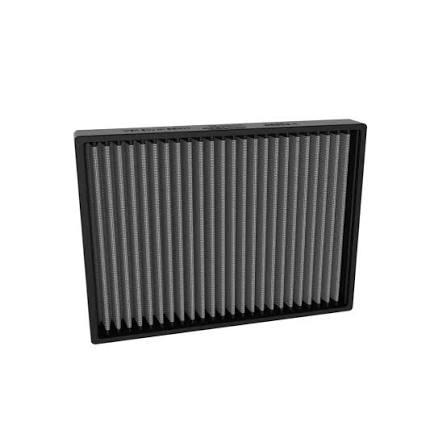
6 products
Showing 1 - 6 of 6 products
Cabin Air Filter vs Engine Air Filter: Two Completely Different Parts
A cabin air filter and an engine air filter are easy to confuse since both are filters with similar names, but they protect completely different things. A cabin air filter sits in the HVAC intake path and cleans the air blowing into your cabin through the vents, while an engine air filter sits near the engine bay and cleans the air the engine actually burns during combustion. Using the wrong one, or assuming a single filter covers both jobs, is a common mistake; the two are sized differently, shaped differently, and st. The entirely separate parts of this site, engine air filters, are covered under our Fuel & Air range. Enginethan here.
Signs Your Cabin Air Filter Needs Replacing
A clogged cabin filter rarely causes a dramatic failure, just a gradual decline that's easy to miss. Watch for:
- Weaker airflow at every fan setting, even on high, with no other HVAC symptoms present.
- A musty or stale smell when the AC or heat first kicks on, especially after the vehicle has been sitting.
- Visible dust or debris on the filter itself during a quick glove box or under hood inspection, depending on where your vehicle mounts it.
Standard, Activated Carbon, and HEPA Cabin Filters
A standard cabin filter uses pleated paper or synthetic media to catch dust, pollen, and larger particles, which covers most daily driving needs at the lowest cost. An activated carbon cabin filter adds a layer of carbon that absorbs odors and some airborne chemicals in addition to filtering particles, useful for anyone sensitive to exhaust smell in traffic or living somewhere with strong outdoor odors. A HEPA cabin air filter goes further still, rated to capture a higher percentage of fine particles, including some allergens and fine dust, at the tradeoff of slightly restricting airflow compared to a standard filter and needing more frequent replacement in heavy dust conditions.
Cabin Air Filters for Trucks: AC Cabin Filter and Cabin Air Filter Truck Searches
An AC cabin filter search and a cabin air filter search both AC scribe the same part; the AC system and heating system share the same filter and intake path in nearly every vehicle. A cabin air filter truck search reflects that larger trucks sometimes use a bigger filter housing than a passenger car, and extended or crew cab trucks occasionally run a second filter for rear seating areas. Checking your specific cab configuration before ordering matters more on trucks than on most passenger vehicles for this reason.
Cabin Air Filter Replacement: What's Involved
Cabin air filter replacement is one of the simpler maintenance jobs on most vehicles, typically accessed behind the glove box or under the hood near the base of the windshield rather than requiring any real disassembly. Removing the old filter and noting which way the airflow arrows point on its frame before installing the new one in the same orientation is the only step worth being careful about; installing it backward restricts airflow even with a brand-new filter.
Cabin Air Filter Location: Where to Find Yours
Cabin filter location varies more between manufacturers than almost any other maintenance item; some vehicles place it behind the glove box where it's accessible. Some tuck it under a minute, others tuck it under the hood near the base of the windshield, and a smaller number bury it under the dashboard or even beneath a seat. Checking your owner's manual or a quick search by your specific year, make, and model before assuming a universal access point saves time, since guessing wrong means disassembling the wrong area first. Vehicles with rear climate control sometimes run a second filter for that system too, located separately from the front cabin filter.
How Often Should You Replace a Cabin Air Filter
Most manufacturers recommend replacing a cabin filter every 12,000 to 15,000 miles, or roughly once a year for typical driving, though dusty climates, heavy traffic, or frequent dirt road driving can shorten that interval considerably. Unlike an engine air filter, there's little downside to replacing a cabin filter slightly early; the part is inexpensive, and the only real cost of waiting too long is reduced airflow and cabin air quality in the meantime.
What Pairs With Your Cabin Air Filter
If airflow stays weak even after installing a fresh filter, the blower motor itself is the next part worth checking, since a struggling motor can produce symptoms similar to a clogged filter. There's no other part of the cooling or climate system that typically needs replacing alongside a cabin filter under normal circumstances.
Ordering and Fitment
Listings here show year, make, and model coverage, along with filter type, standard, activated carbon, or HEPA, where more than one option exists for your vehicle. Most filters ship within one business day, and a filter that doesn't fit is accepted for return without hassle. If you're not sure which filter type best suits your situation, our support team can help you choose based on climate and typical driving conditions. Each filter is packaged to arrive flat and undamaged, since a bent frame can prevent a proper seal in the housing even if the filter media itself is fine.


