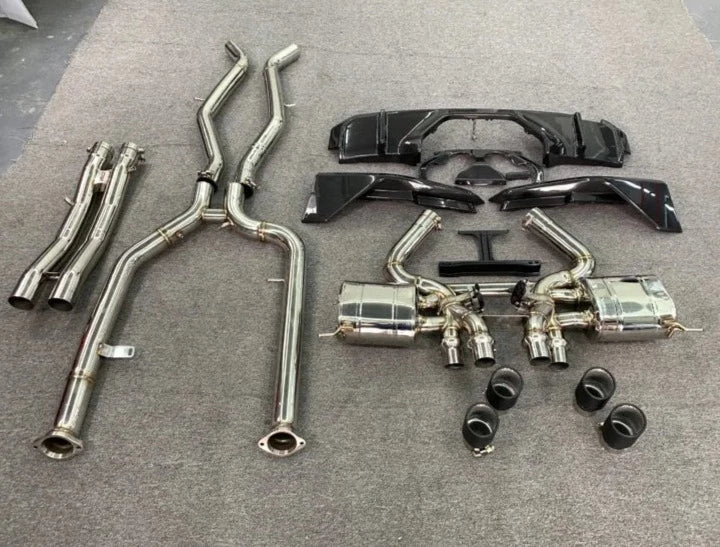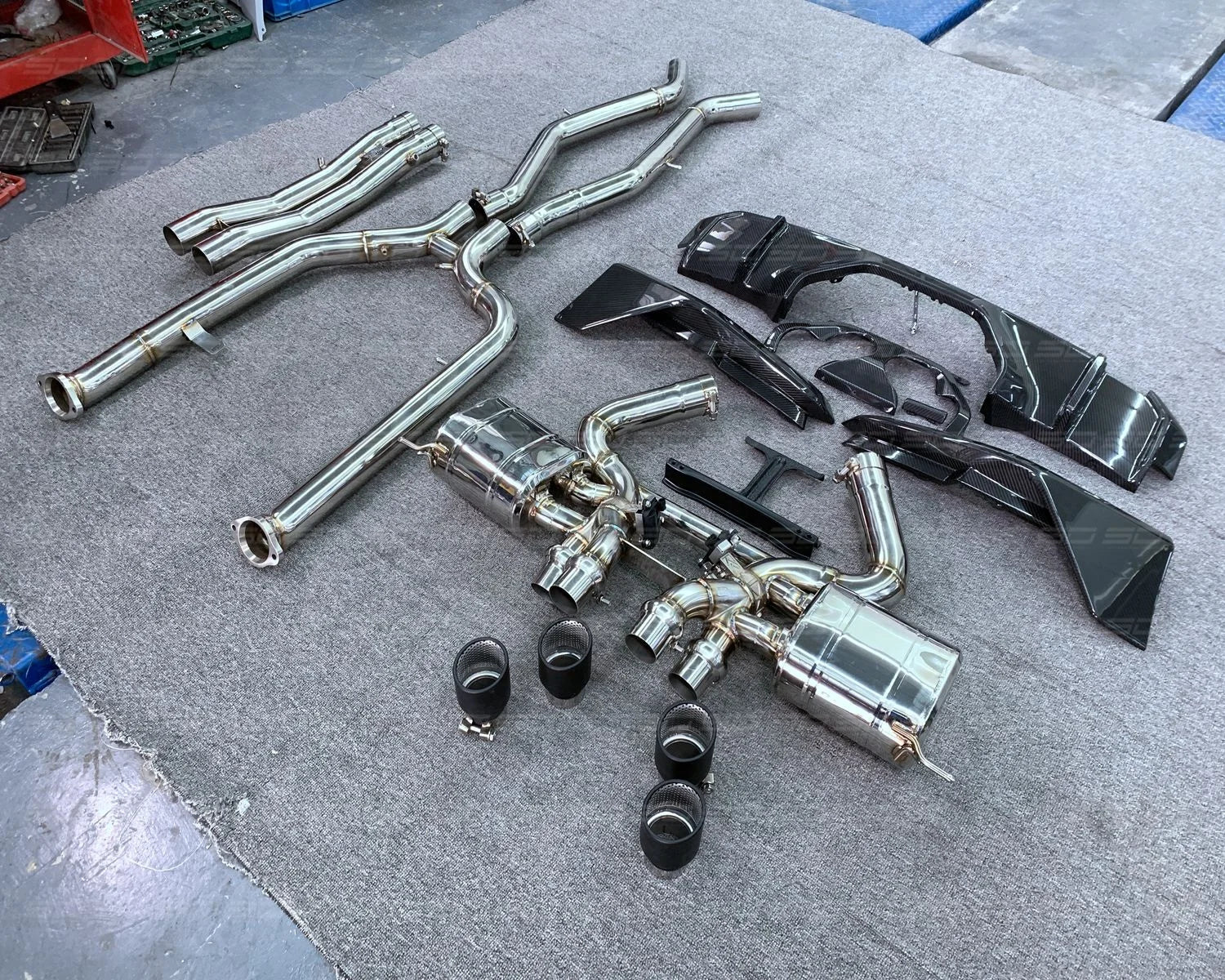
Exhaust Pipes: Stainless, OEM & 304 Stainless Steel Sections
An exhaust pipe is the connective tissue of your entire exhaust system, carrying gases from the manifold through every component in between before they exit at the tailpipe. When a section corrodes through or cracks at a joint, the result is usually a sudden increase in noise, a noticeable drop in performance, and, in many regions, an automatic emissions test failure.
CBT Auto Parts stocks exhaust pipe sections within our Exhaust & Emission Control Parts range, including stainless steel exhaust pipe builds and 304 stainless steel exhaust pipe options built for long-term corrosion resistance, each checked against OEM dimensions before listing. Every pipe for exhaust connects cleanly to your manifold, resonator, and muffler, with fitment data matched to your vehicle and fast nationwide shipping.
4 products
Showing 1 - 4 of 4 products
Why Exhaust Pipes Fail: Corrosion, Cracks & Physical Damage
An exhaust pipe on a car sits low to the ground and takes a beating from road debris, moisture, and temperature swings that most other components never face. Understanding the failure pattern helps decide whether a section needs patching or full replacement.
- Corrosion is the most common failure mode, particularly in regions with road salt exposure, and typically starts as surface rust before progressing to pinhole leaks.
- Physical damage from road debris, curb strikes, or off-road use can dent or crack a pipe section instantly, regardless of its age or material.
- Joint and flange failure happens where sections connect, often due to a degraded exhaust pipe flange gasket rather than the pipe material itself.
- Heat cycling stress over years of repeated expansion and contraction eventually fatigues metal at welds and bends, even on well-maintained vehicles.
Material Matters: Aluminized Steel vs. 304 Stainless Steel Exhaust Pipe
The material an exhaust pipe of a car is built from directly determines how long it lasts before corrosion becomes a problem.
Aluminized steel is the standard factory material on many vehicles, offering reasonable corrosion resistance at a lower manufacturing cost. It typically holds up well for several years but eventually succumbs to rust, particularly at weld points.
304 stainless steel exhaust pipe sections resist corrosion dramatically better, often outlasting aluminized alternatives by years, which is why exhaust pipe stainless upgrades are popular among owners planning to keep a vehicle long term or living in harsher climates. The tradeoff is a higher upfront cost, though the reduced replacement frequency often closes that gap over time.
Understanding Exhaust Pipe Diameter and Flow
Pipe diameter isn't arbitrary. A section that's too narrow restricts exhaust flow and can measurably reduce engine performance, while an oversized pipe on the wrong application can actually hurt low-end power and change exhaust tone in ways owners don't expect. Manufacturers engineer diameter around the engine's displacement and intended power output, so matching your replacement section to factory specification, rather than assuming bigger is always better, keeps the whole system working as designed.
The Role of Flange Gaskets and Sensor Bungs
A pipe section rarely works alone at its connection points. An exhaust pipe flange gasket seals the joint between two pipe sections or between a pipe and another component like a manifold or catalytic converter, and a worn gasket here is one of the most common sources of an exhaust leak that gets mistakenly blamed on the pipe itself. Many pipe sections also include a welded bung for an exhaust pipe sensor, typically an oxygen sensor, and confirming your replacement section includes the correct bung placement avoids an awkward retrofit later.
Choosing Between Direct Fit and Universal Exhaust Pipe Sections
Two very different approaches exist for replacing a damaged section, and picking the right one matters:
- Direct fit sections are engineered to match your exact vehicle's bends, mounting points, and diameter, installing without cutting or welding in most cases.
- Universal sections are straight or mildly bent lengths of pipe for exhaust work, requiring cutting, fitting, and often welding to install correctly.
- Direct fit costs more upfront but saves significant labor time, making it the more practical choice for most owners without fabrication experience.
- Universal sections make sense primarily for custom builds or older vehicles where direct-fit parts are no longer manufactured.
How Exhaust Pipes Connect the Rest of Your System
An exhaust pipe section doesn't function in isolation; it's the physical link between your manifold, catalytic converter, resonator, and muffler, meaning a single damaged section can be the reason an otherwise healthy system starts leaking or running loud. Corroded pipe sections also frequently affect nearby components, since a leak upstream of an oxygen sensor throws off readings that look like an unrelated sensor fault. CBT Auto Parts lists exhaust pipes within the same fitment-checked catalog as our manifolds, mufflers, resonators, and clamps, making it straightforward to address a full section replacement without chasing mismatched parts from separate suppliers.