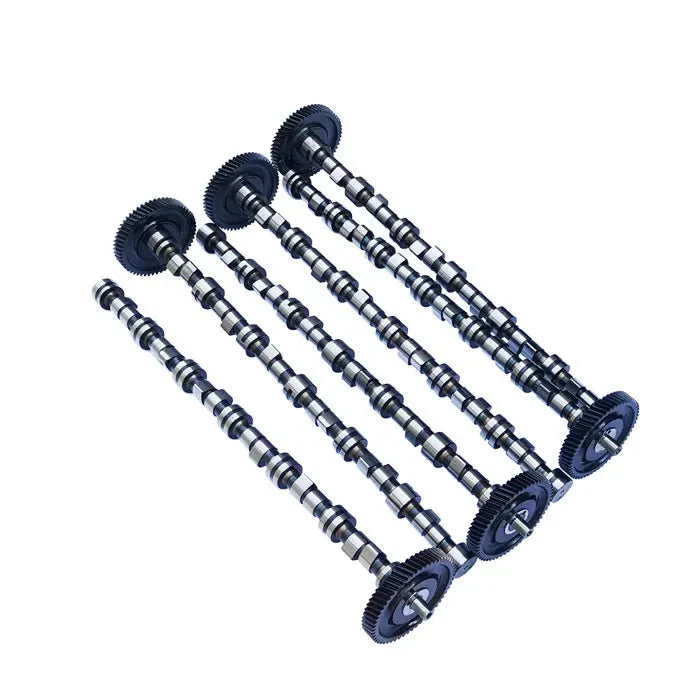
Camshafts | Performance & Aftermarket Engine Cams
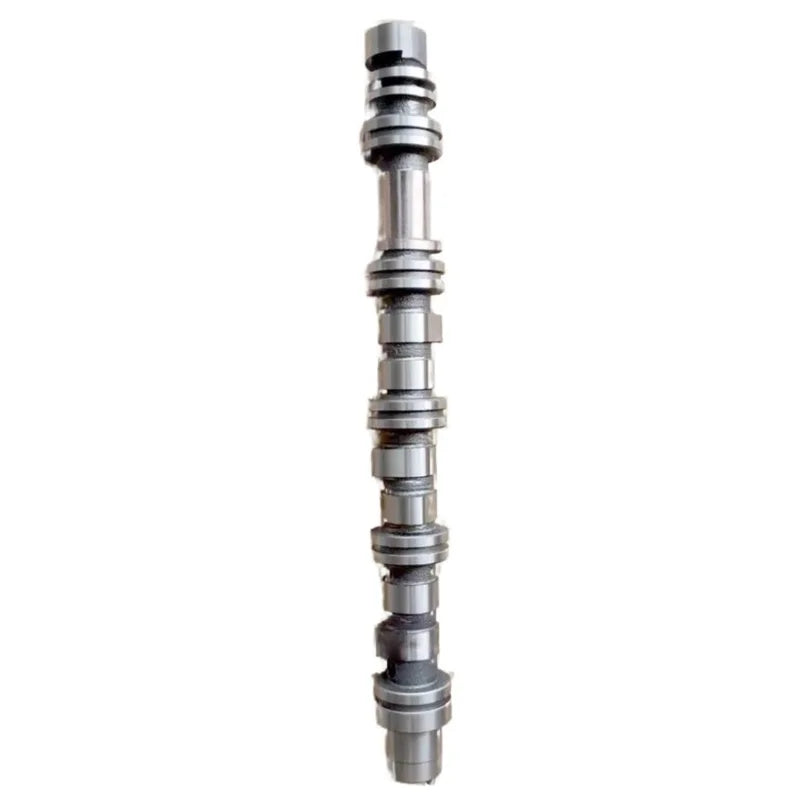
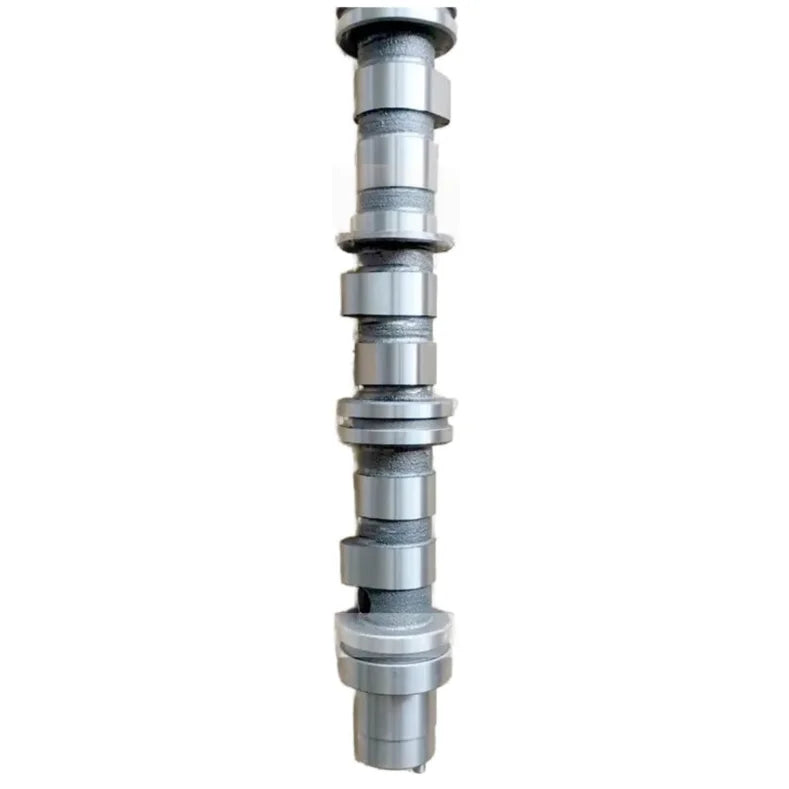
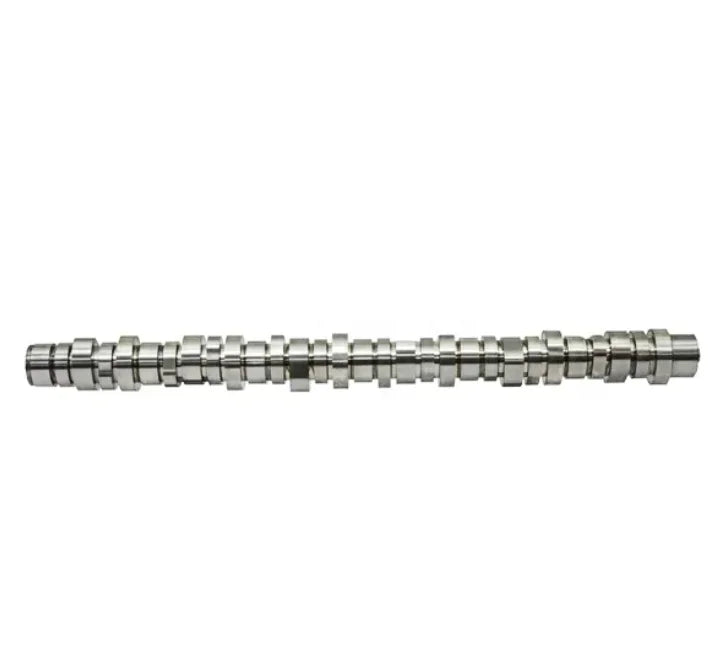
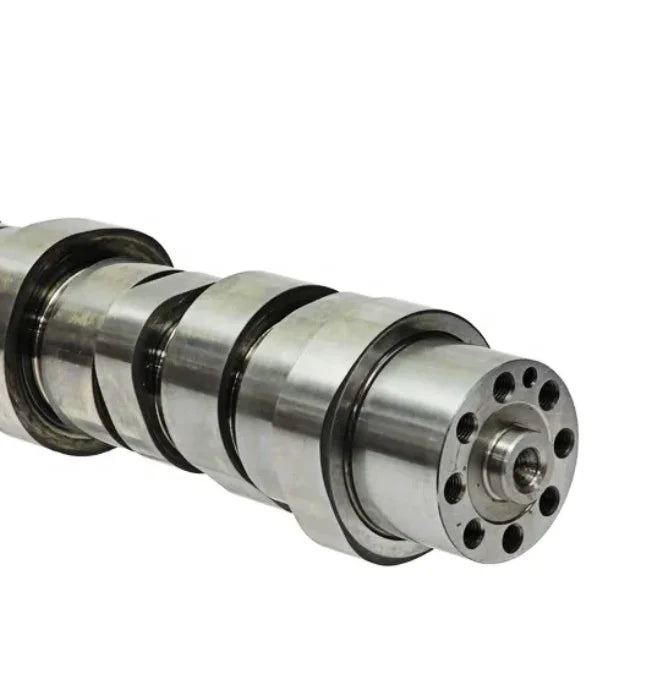
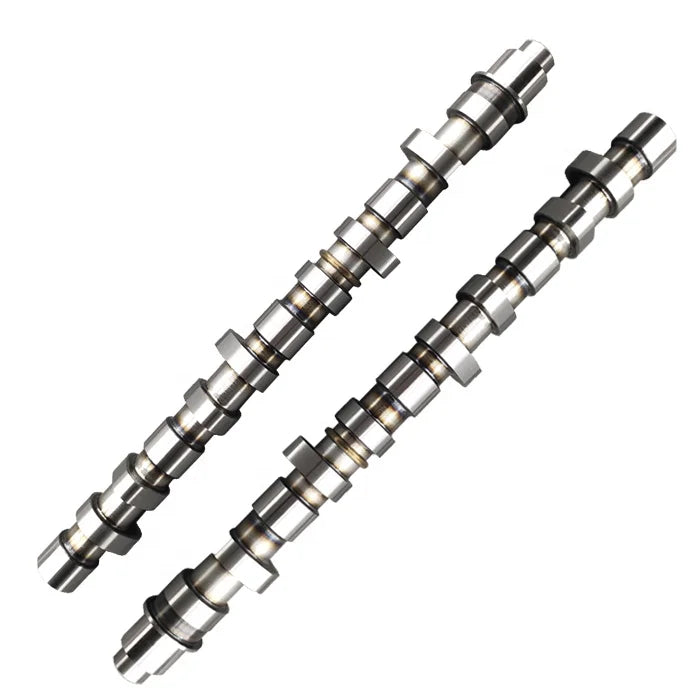
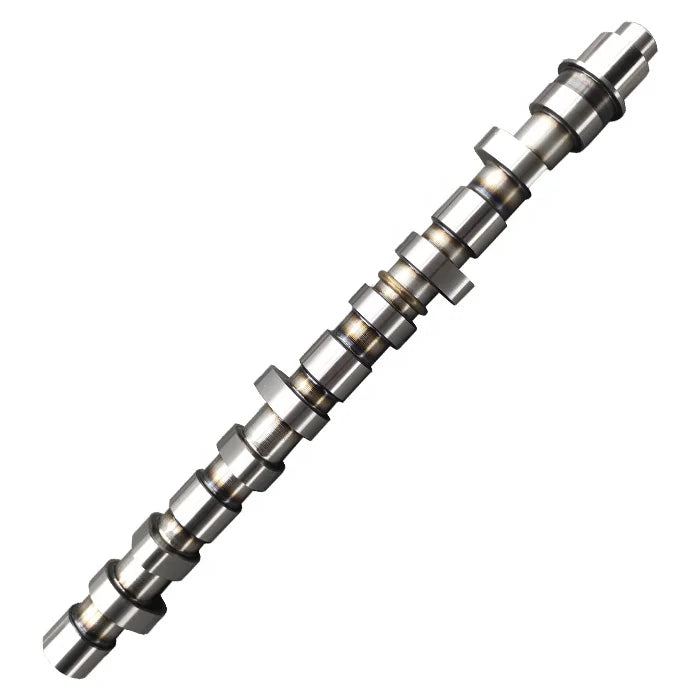
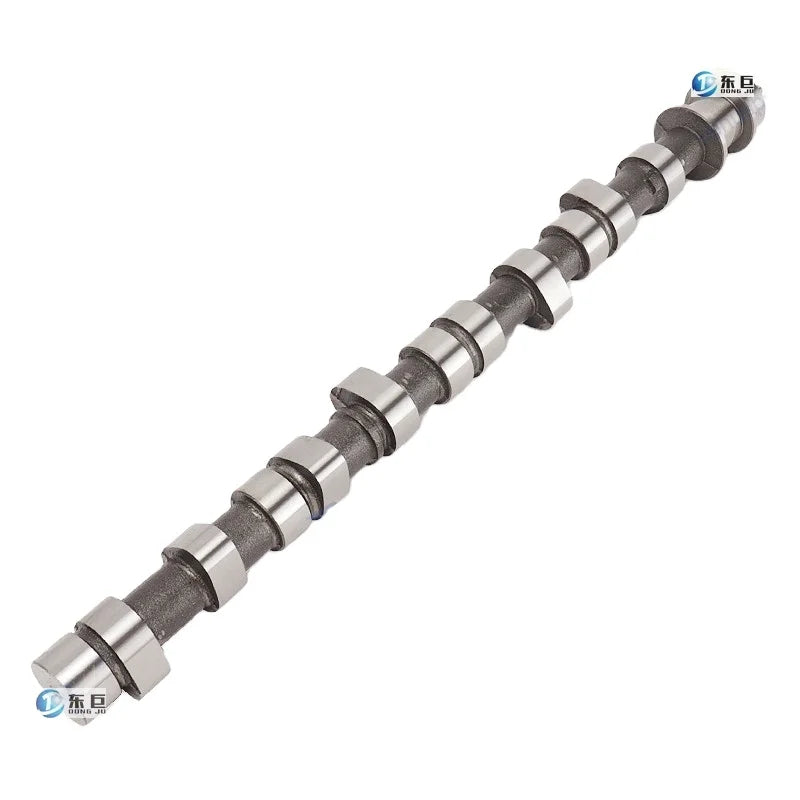
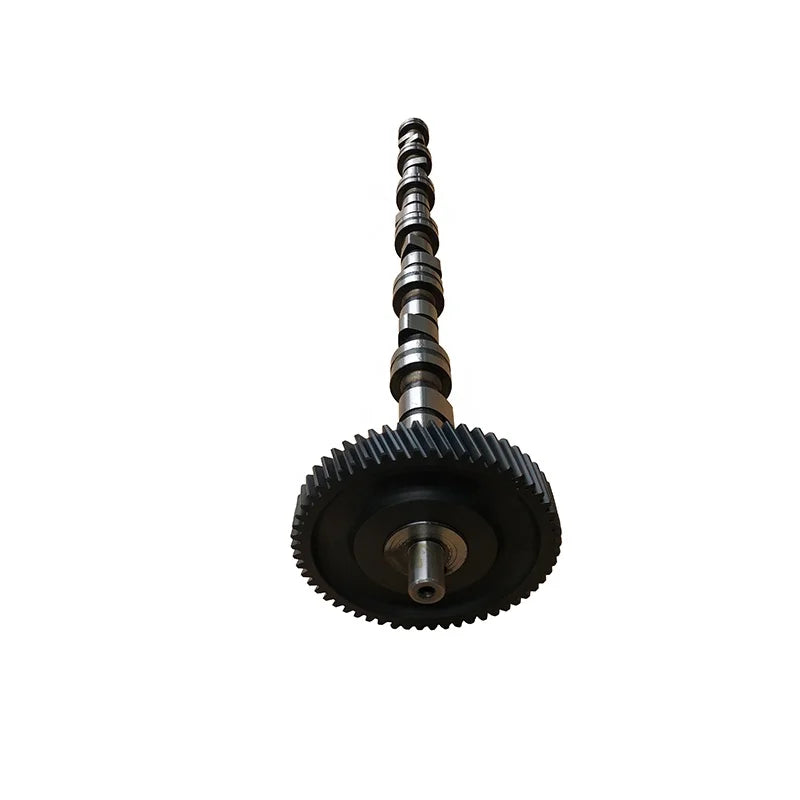
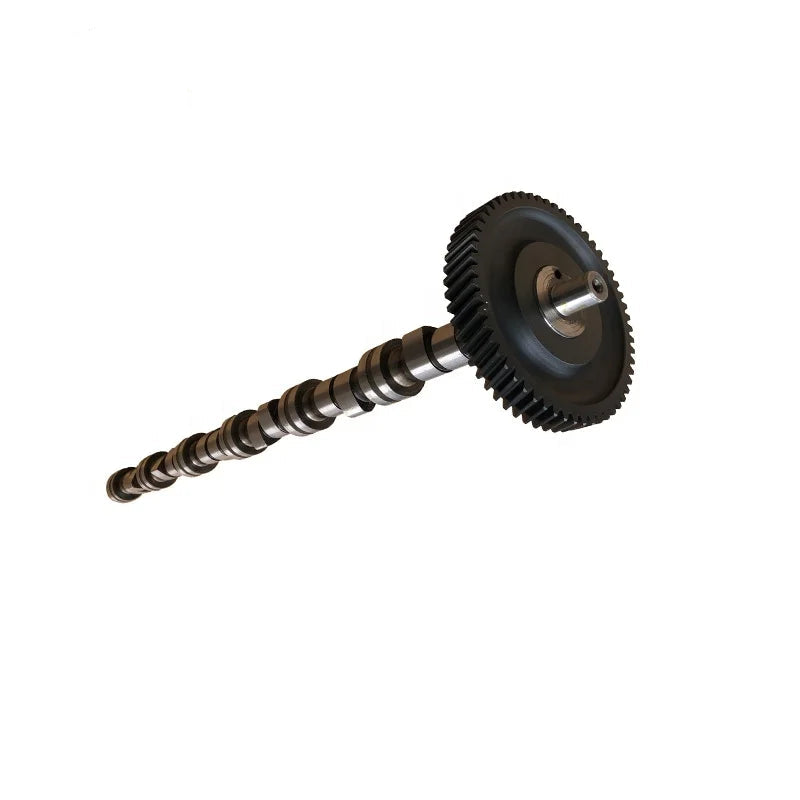
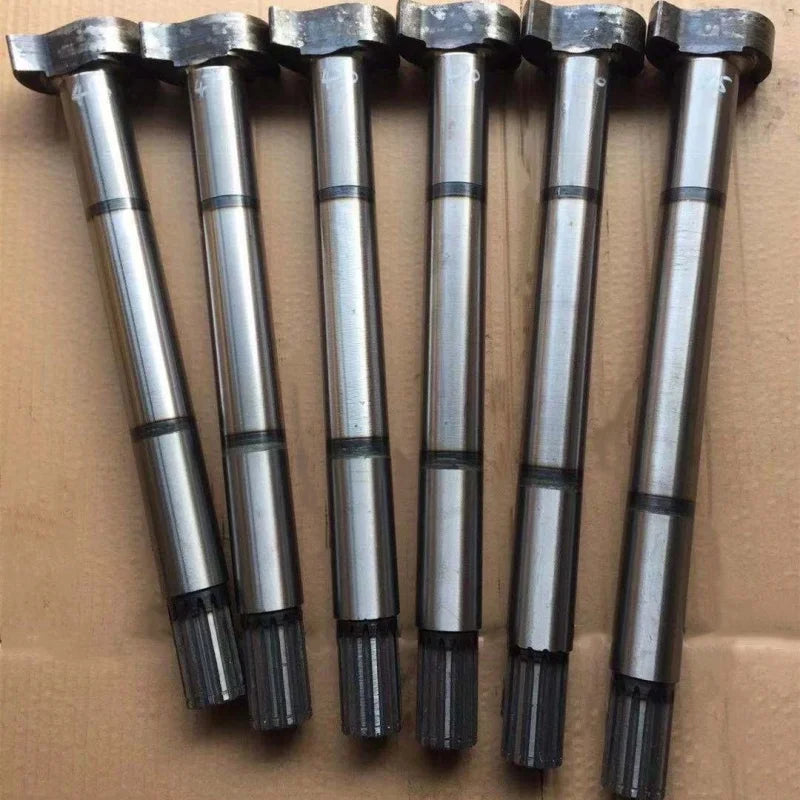
The camshaft is the engine's timing conductor, controlling the precise opening and closing of every intake and exhaust valve across each combustion cycle. CBT Auto Parts stocks OEM-quality camshafts and performance aftermarket camshafts for diesel and petrol engines, ground to specification for your application and ready to fit correctly from the outset.
Sitting within our Engine & Powertrain Parts catalogue alongside timing belts and chains, valve train parts, and engine rebuild kits, our camshafts cover platforms including LS truck, Chevy Silverado, 12 valve Cummins, Dodge RAM V10, and LM7 applications. VVT camshafts and aftermarket camshafts are both stocked. Orders ship worldwide with fast dispatch, and your build timeline stays intact.

21 products
Showing 1 - 21 of 21 products
Lift, Duration, and Lobe Separation: The Three Numbers Behind Every Camshaft
A camshaft is not simply a rotating shaft with lobes. Every dimension of each lobe is a deliberate engineering decision that determines how the engine breathes, where its power band sits, and how it behaves from idle to wide-open throttle. Three specifications govern all of this, and understanding them is what separates an informed camshaft purchase from an expensive mistake.
Valve Lift
Lift is the distance a valve travels from its closed seat to its fully open position, determined directly by the lobe height of the camshaft. Greater lift allows more air and fuel into the cylinder or more exhaust gas out within the same time window. In naturally aspirated engines, lift is one of the primary determinants of peak power, and increasing it beyond the OEM figure is the most common starting point for an aftermarket camshaft upgrade.
Duration
Duration is the number of crankshaft degrees for which a valve remains open during each cycle. A camshaft with longer duration holds the valves open further into each rotation, allowing more time for cylinder filling and exhaust evacuation. Longer duration moves the engine's power band higher up the RPM range, which is why a performance camshaft for a truck that produces more peak power can feel less responsive below its powerband in daily use.
Lobe Separation Angle
Lobe separation angle LSA is the angular distance between the intake and exhaust lobe centrelines on the same cylinder. A wider LSA delivers a smoother idle, stronger low-end torque, and reduced valve overlap. A tighter LSA increases overlap, raises peak power potential, and produces the rough, loping idle associated with aggressive aftermarket camshaft grinds. Selecting the correct LSA for the intended application is what separates a well-resolved build from one that works against itself.
OEM Replacement vs. Aftermarket Camshafts: Choosing the Right Specification
The decision between an OEM replacement and an aftermarket camshaft comes down to one question: what is the engine being asked to do once the build is complete?
For engines returning to standard specification daily drivers, diesel trucks running factory output, work vehicles requiring reliability above all else, an OEM-quality engine camshaft is the correct choice. It restores the original valve timing events, maintains compatibility with existing valve train components, and delivers the fuel economy and idle quality the engine was designed around.
For engines being modified for increased output, an aftermarket camshaft regrounds the lobe profiles to shift the power band, increase peak lift, or extend duration beyond the factory grind. The BTR 5.3 hot rod camshaft is a well-known example purpose-designed for LS 5.3 builds where idle smoothness is traded for a substantially wider and higher power band above 3,000 RPM. The same principle applies to the LS 6.0 camshaft upgrade path and most serious LS truck camshaft performance builds.
The consistent rule regardless of platform: a performance camshaft for a truck or working vehicle should be selected with the operating RPM range in mind, not peak power figures alone.
VVT Camshafts: Variable Valve Timing and What It Means at Replacement
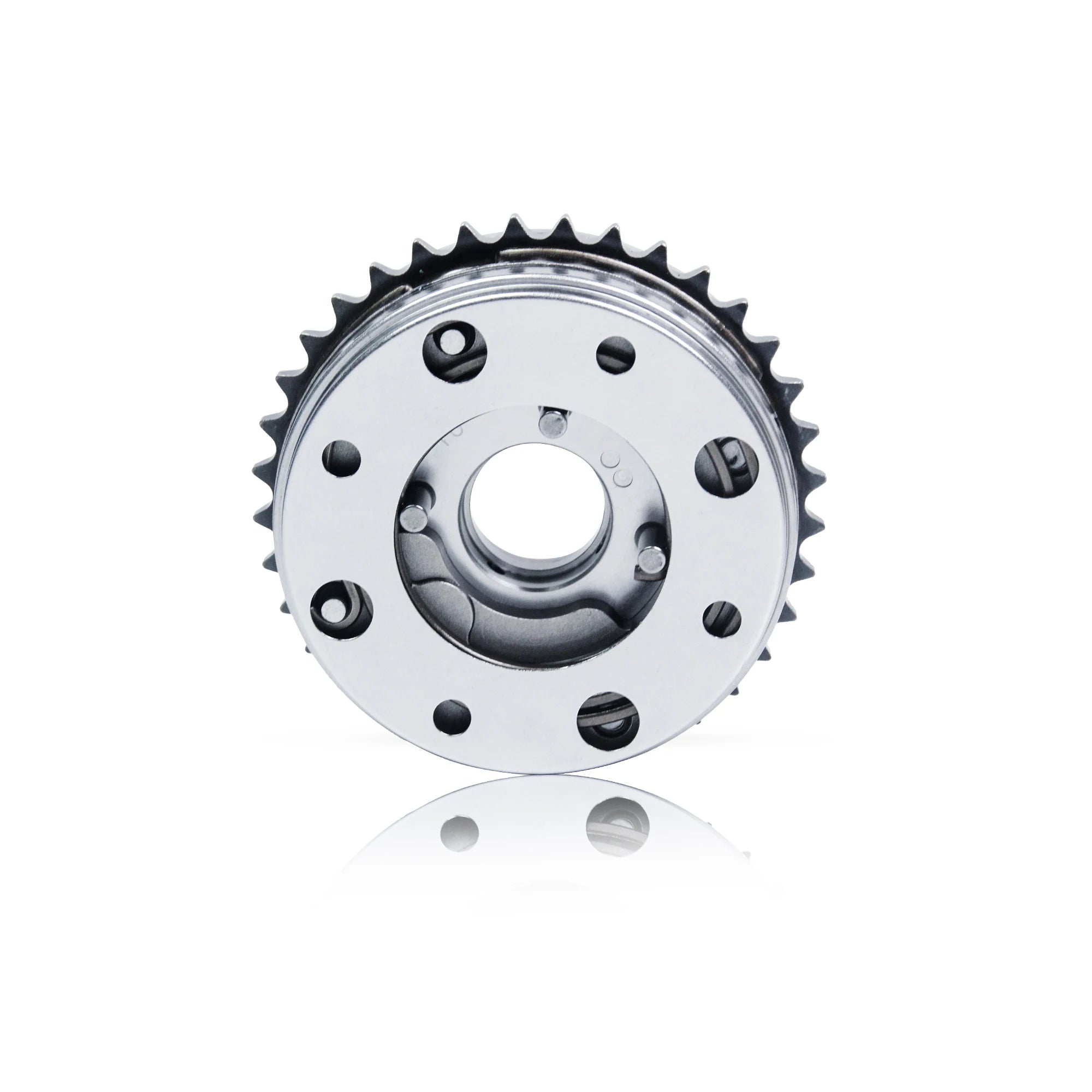
Variable valve timing systems (VVT) adjust camshaft phasing relative to crankshaft position in real time, allowing the engine to optimise valve timing events across different load and speed conditions. A VVT camshaft is not a standard fixed-lobe unit. It is engineered to function within a hydraulically controlled phasing system, and replacement requires a part dimensionally and functionally matched to that system.
Fitting a standard engine camshaft in place of a VVT camshaft will not interface correctly with the phaser mechanism. The result is a permanent loss of variable timing function along with the fuel economy, emissions performance, and low-end torque that the system delivers. When replacing a VVT camshaft, the correct specification is a manufacturer-matched unit that restores the original phasing range and interfaces properly with all related components.
CBT Auto Parts stocks VVT camshaft replacements for applicable platforms. If your engine uses variable valve timing, specify this when ordering to ensure the correct unit is confirmed for your application.
Camshaft Platforms We Supply
The CBT Auto Parts camshaft inventory covers the most widely rebuilt diesel and petrol platforms across performance and OEM replacement applications:
LS and GM V8 Platforms
- LS truck camshaft: OEM-spec and performance aftermarket options for LS-based V8 truck engines, covering both standard rebuilds and modified output builds
- Chevy Silverado camshaft: replacement and performance engine camshafts for the Silverado V8 lineup across common build specifications
- LS 6.0 camshaft: covering LQ4 and LQ9 variants used in heavy-duty GM truck and SUV applications
- LM7 camshaft: OEM-spec replacements and performance grinds for the 5.3-litre LM7 across high-volume GM truck production years
- BTR 5.3 hot rod camshaft: BTR's purpose-built aftermarket camshaft for LS 5.3 builds targeting significant power increases with compatible valve train upgrades
Diesel Platforms
- 12 valve Cummins camshaft: replacement camshafts for the first-generation 5.9-litre Cummins, a widely rebuilt platform for both work and performance diesel builds
- Dodge RAM V10 performance camshaft: covering the 8.0-litre V10 used in heavy-duty Dodge RAM truck applications
For platforms not listed above, contact CBT Auto Parts with your engine code and application details. Fitment and specification are confirmed before any order is dispatched.
What to Source Alongside Your Camshaft
A camshaft does not operate independently. Several components interact directly with it on every engine cycle, and replacing the camshaft without assessing what surrounds it is the most consistent way a build returns to the workshop before its time.
The components that work directly with any engine camshaft include:
- Valve Train Parts: The camshaft drives the valve train through its lobes, acting on lifters, pushrods, and rocker arms in pushrod designs, or directly on followers in overhead cam applications. When an aftermarket camshaft is fitted, the valve train must be assessed and, in most performance builds, upgraded to match the new cam specification, particularly valve spring rate relative to the increased lift figure.
- Timing Belts and Chains: The timing belt or timing chain connects the crankshaft to the camshaft, maintaining the phasing relationship between valve events and piston position. Any camshaft replacement is the correct occasion to inspect the timing belt or chain, tensioners, and guides, and replace them if service life cannot be confirmed.
- Engine Rebuild Kits: For complete overhauls that include camshaft replacement, a rebuild kit consolidates the gasket sets, seals, and related components into a single order so nothing critical is discovered missing mid-assembly.
All of these are available through the Engine & Powertrain Parts range at CBT Auto Parts.