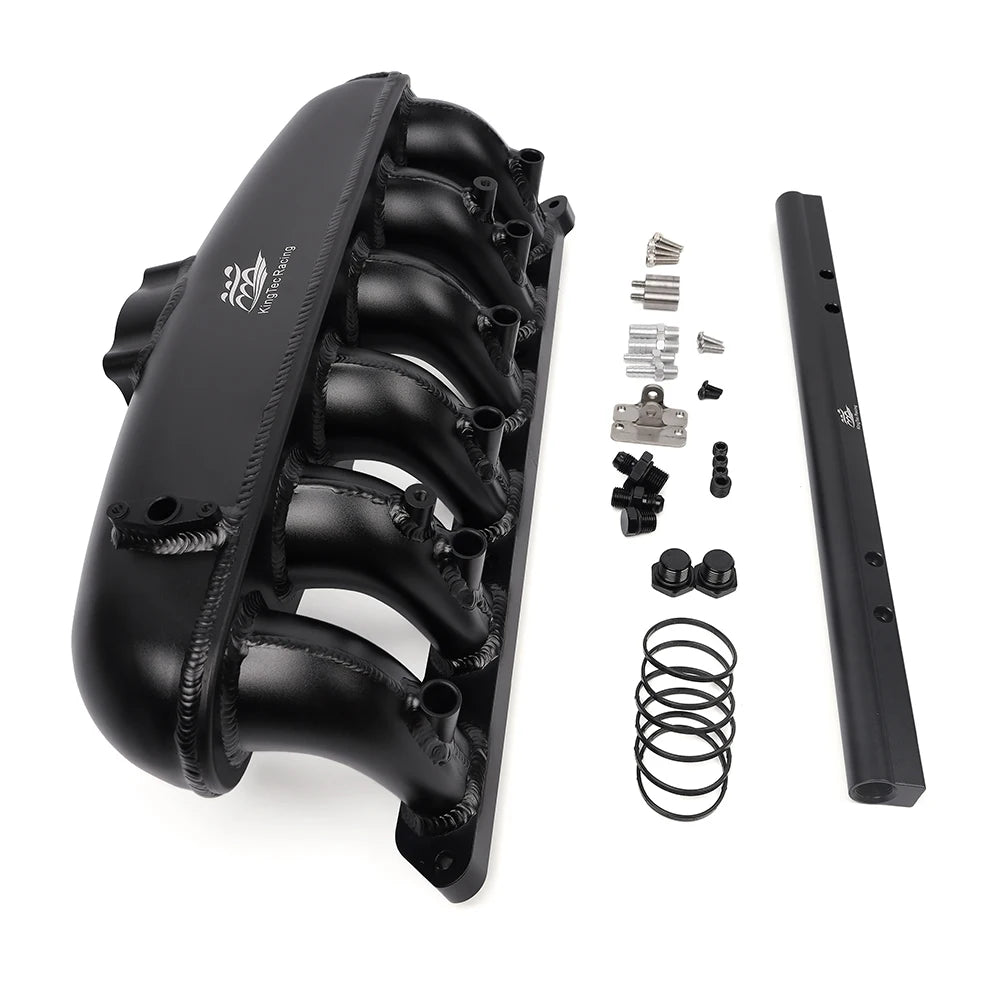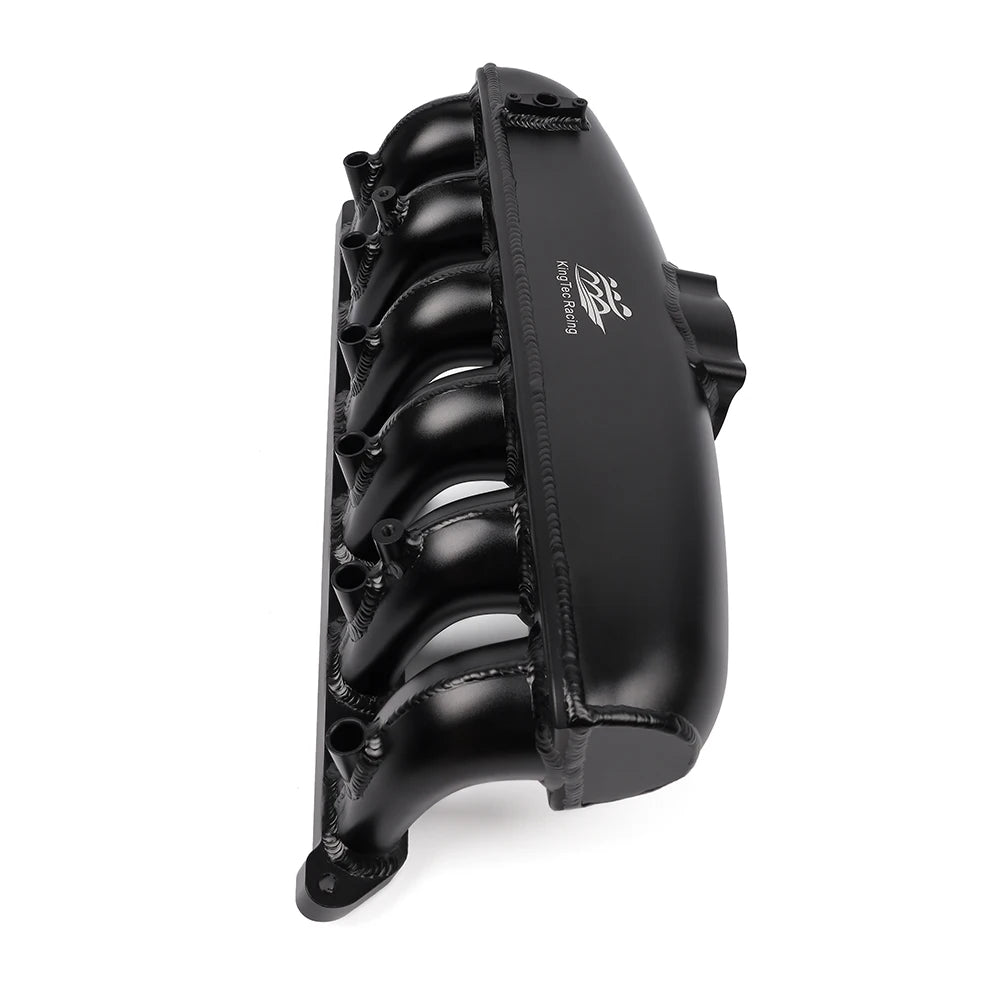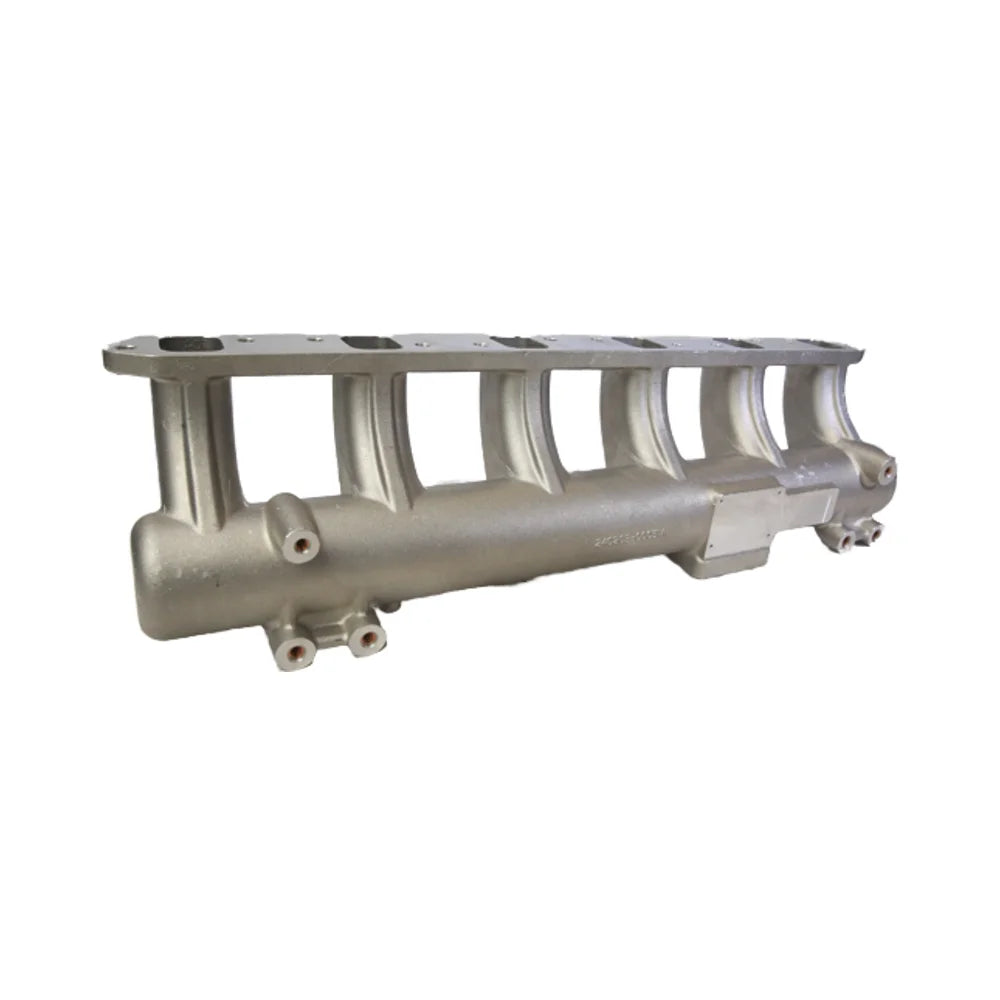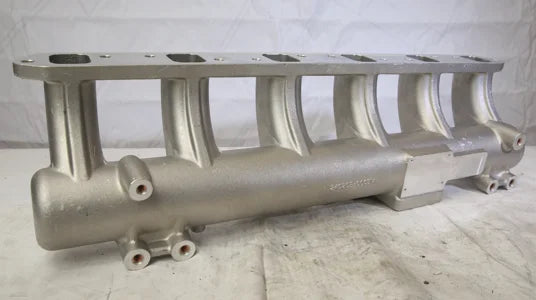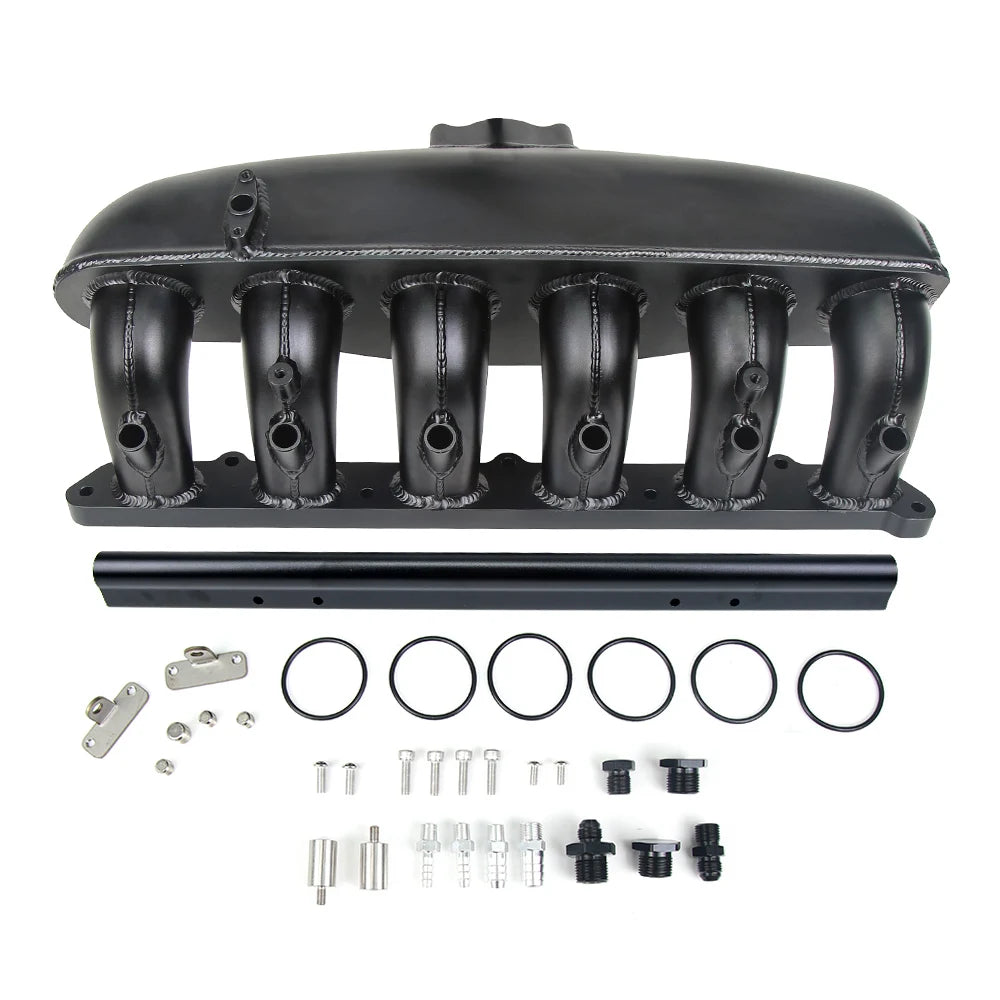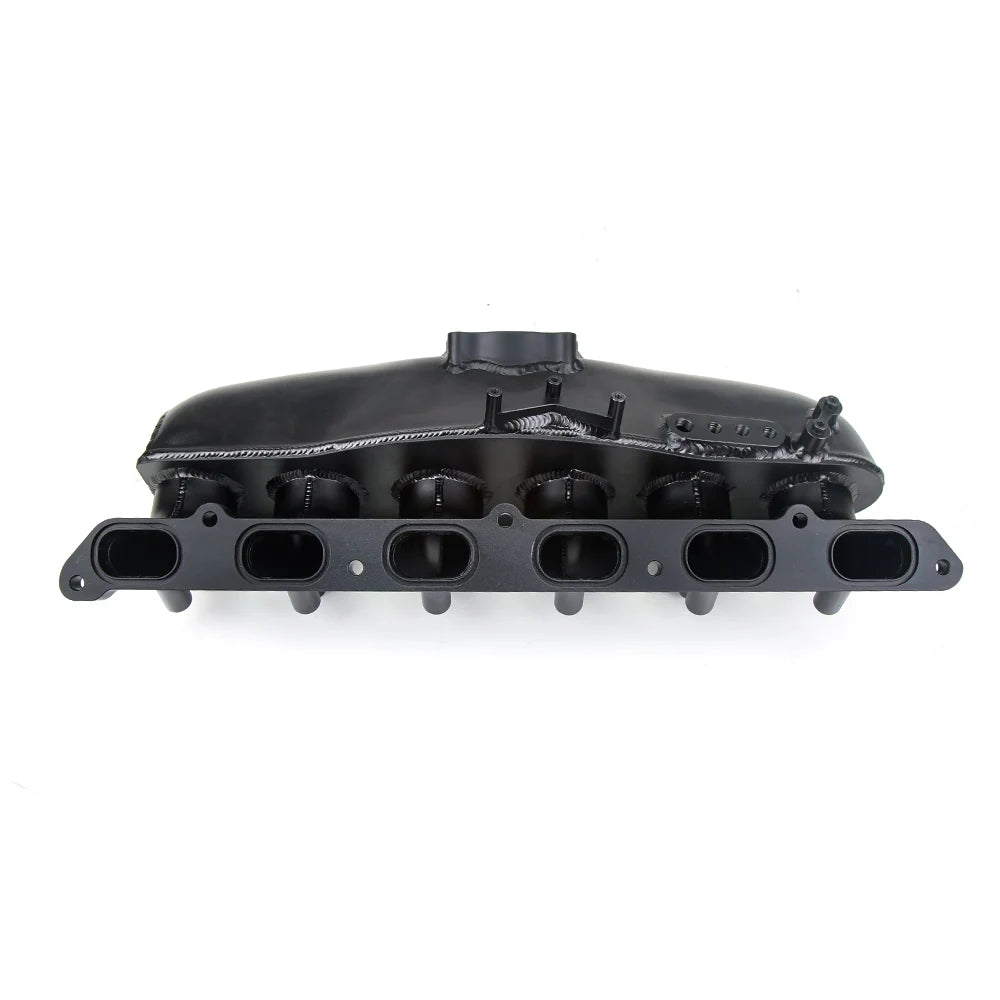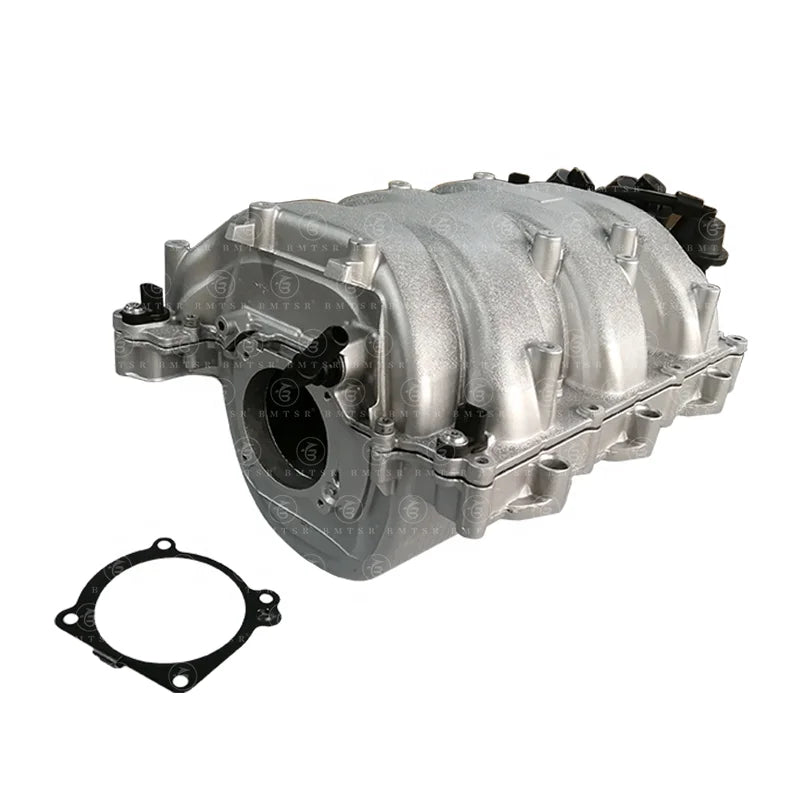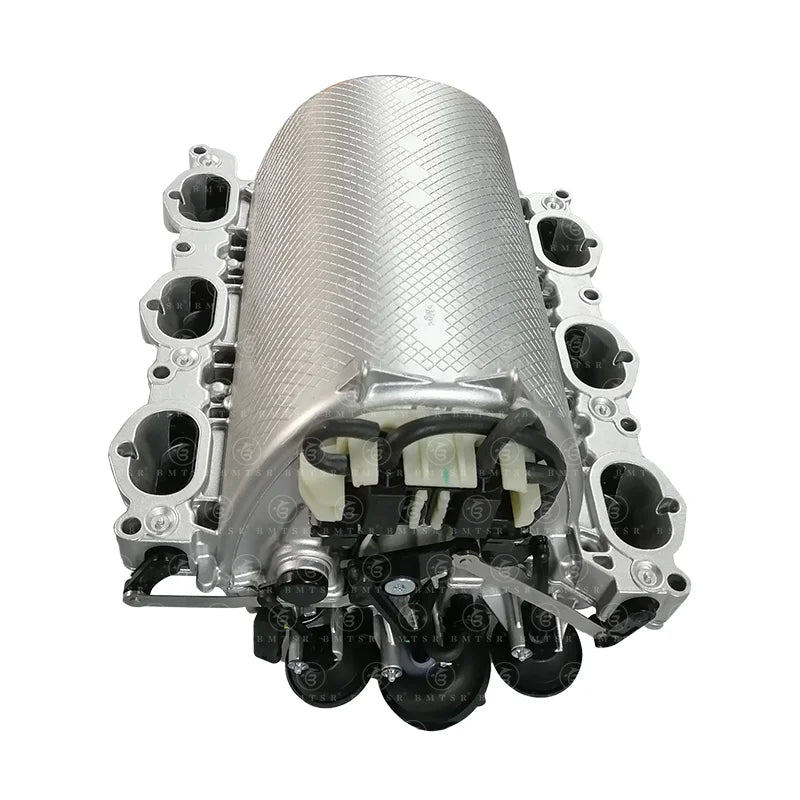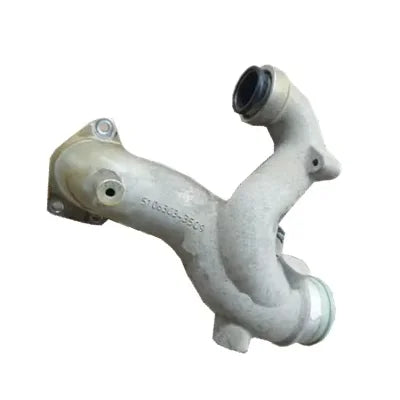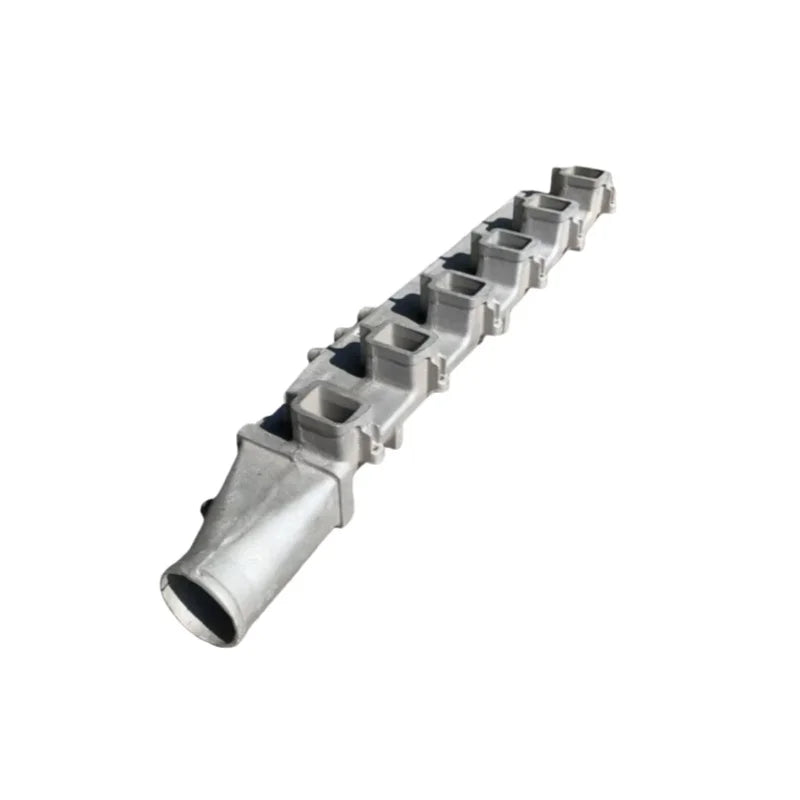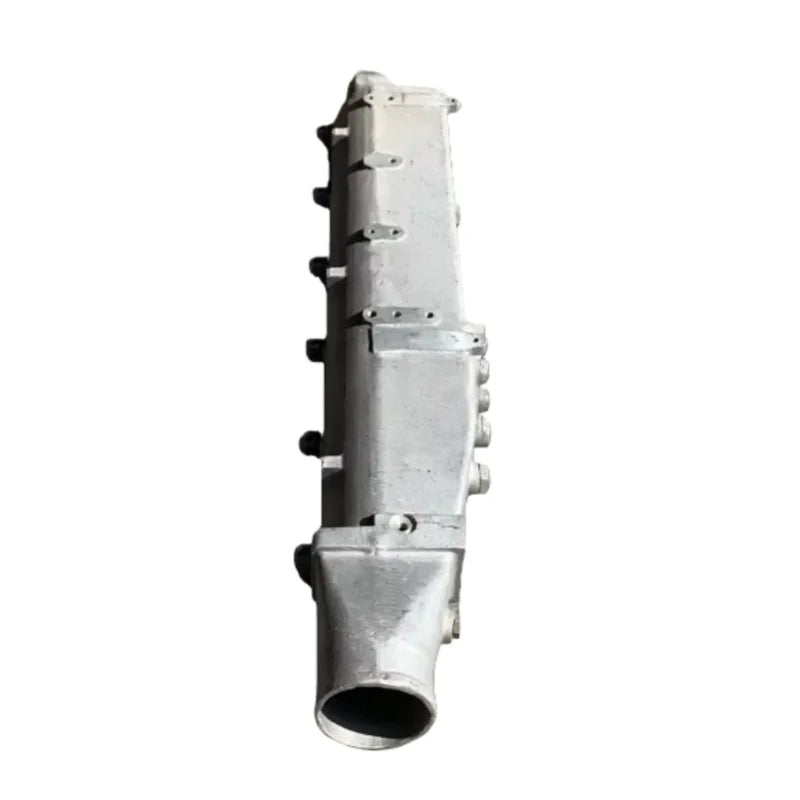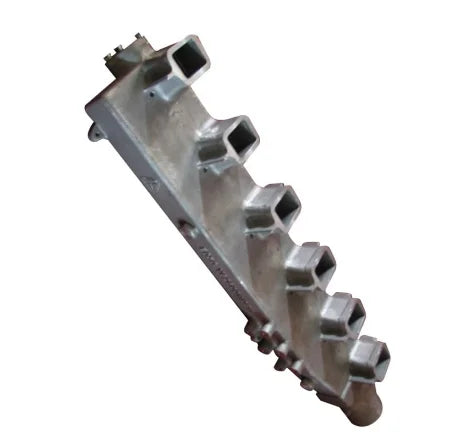
Intake Manifolds | Performance & OEM Engine Inlet Manifolds
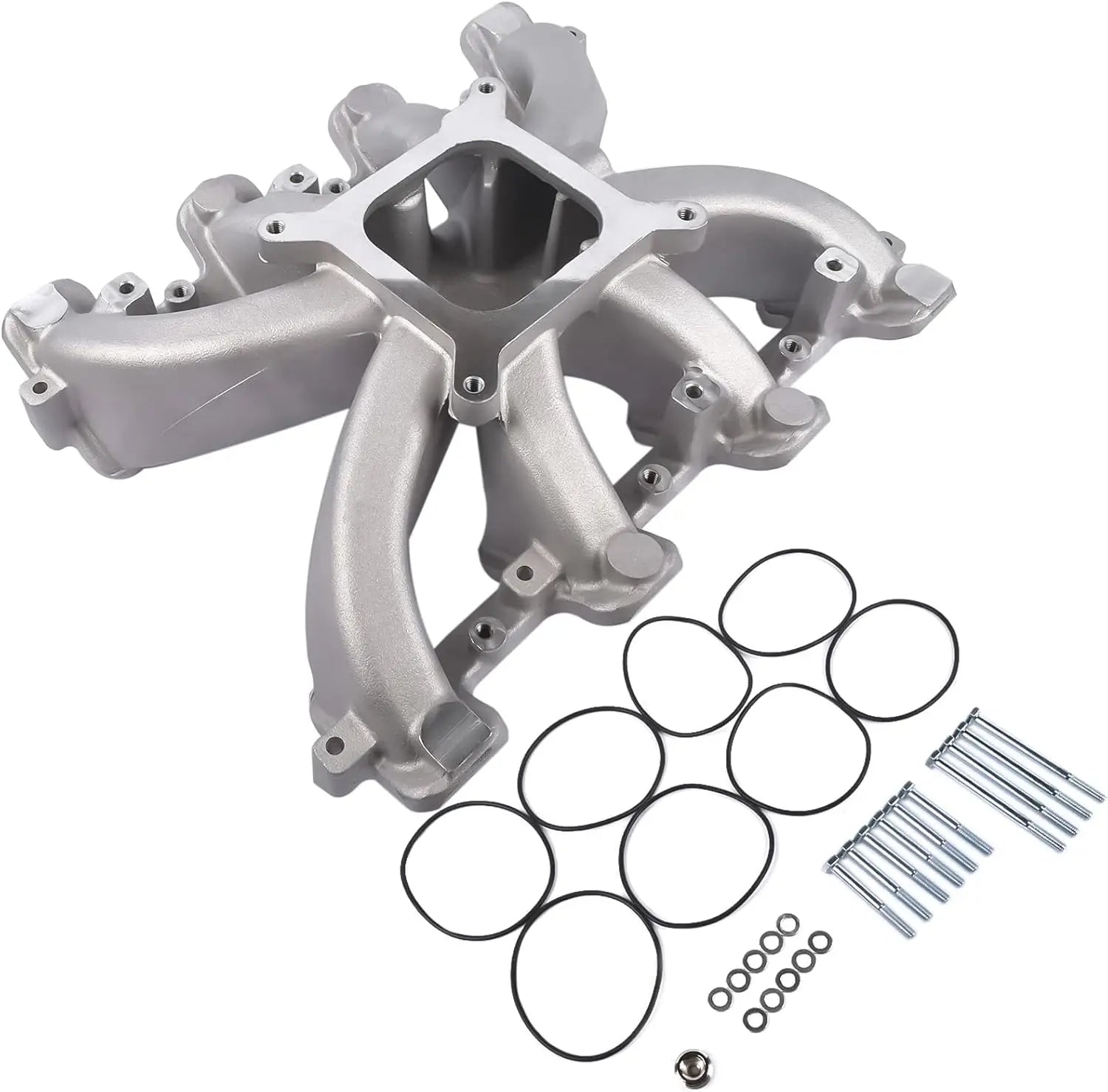
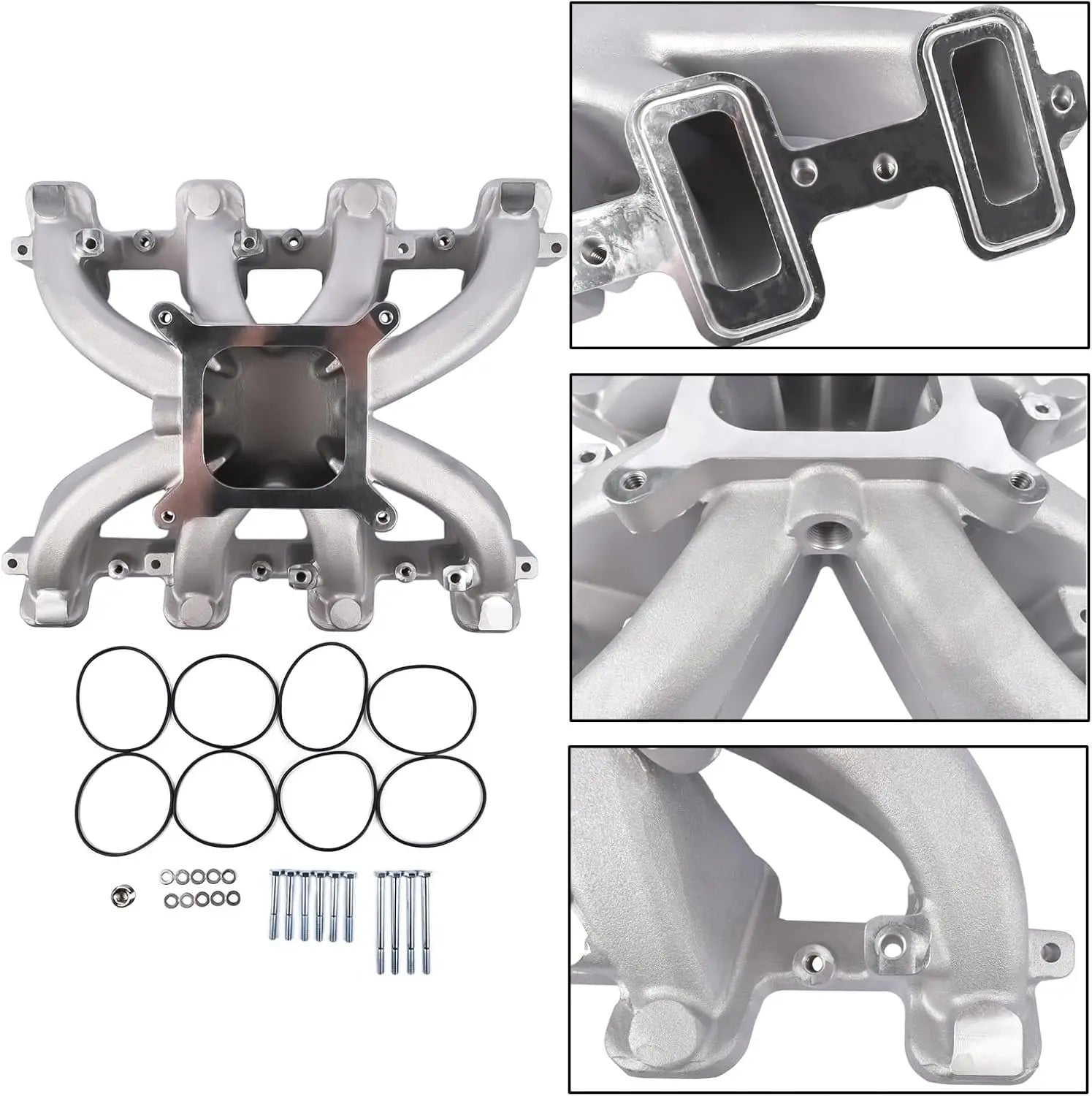
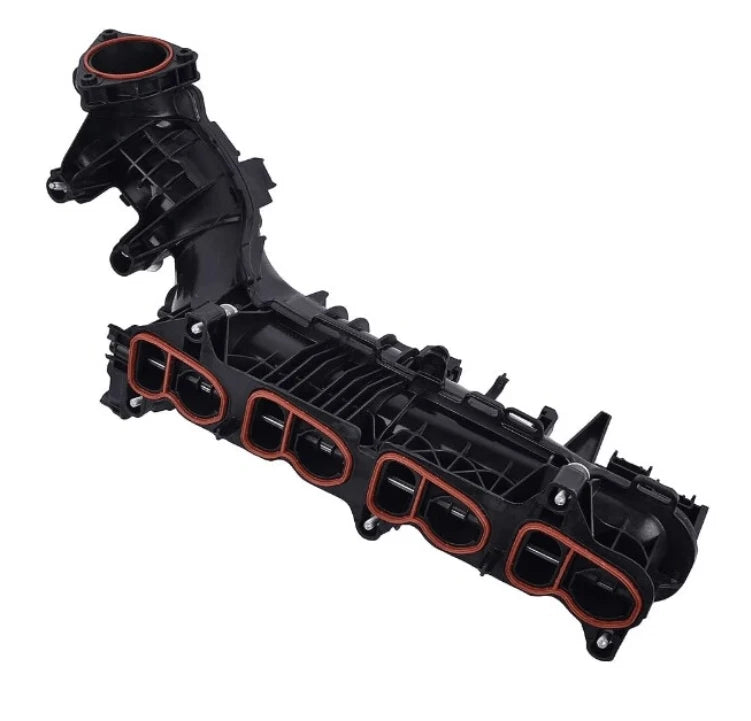
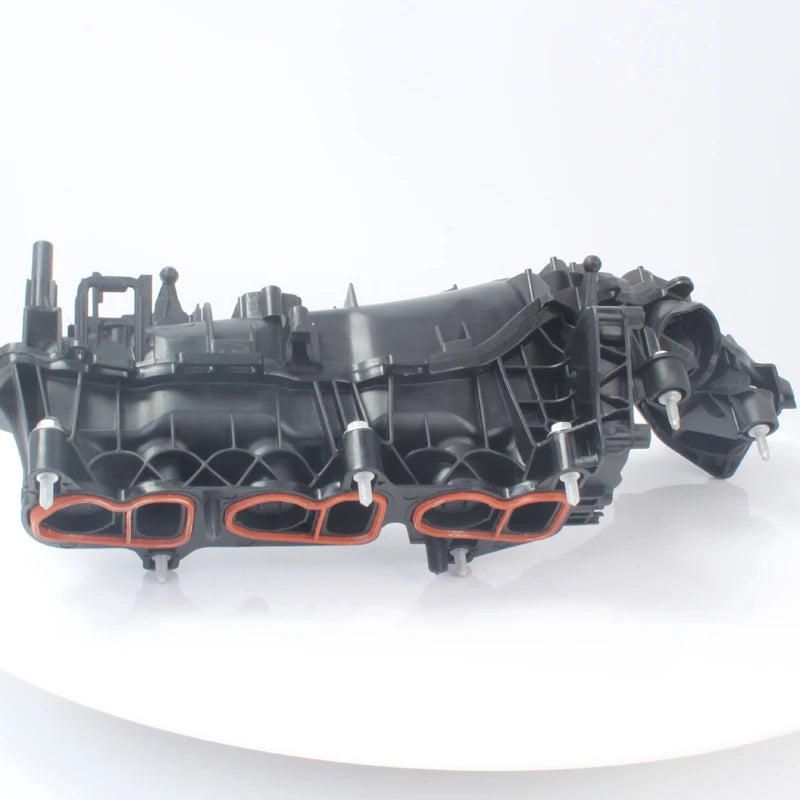
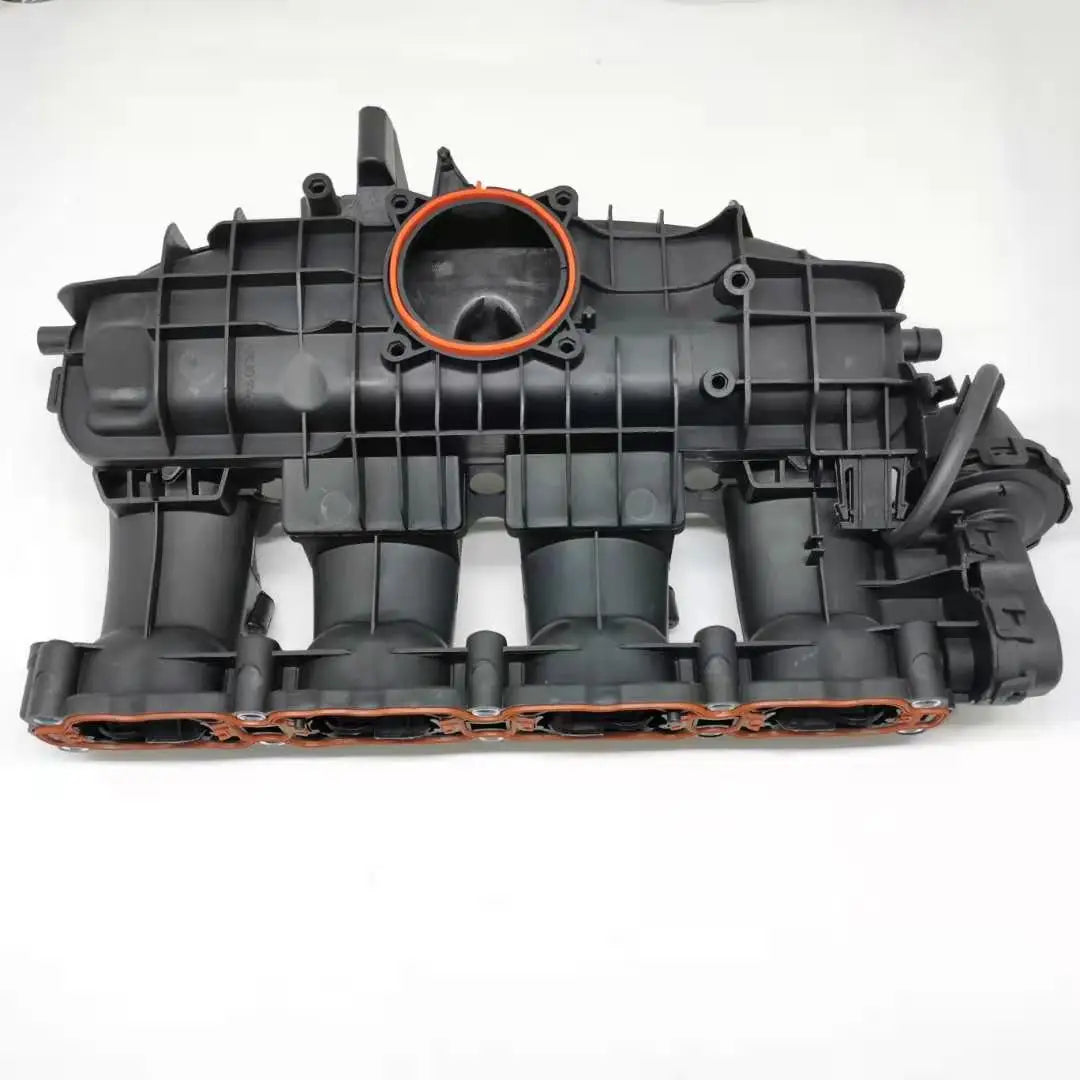
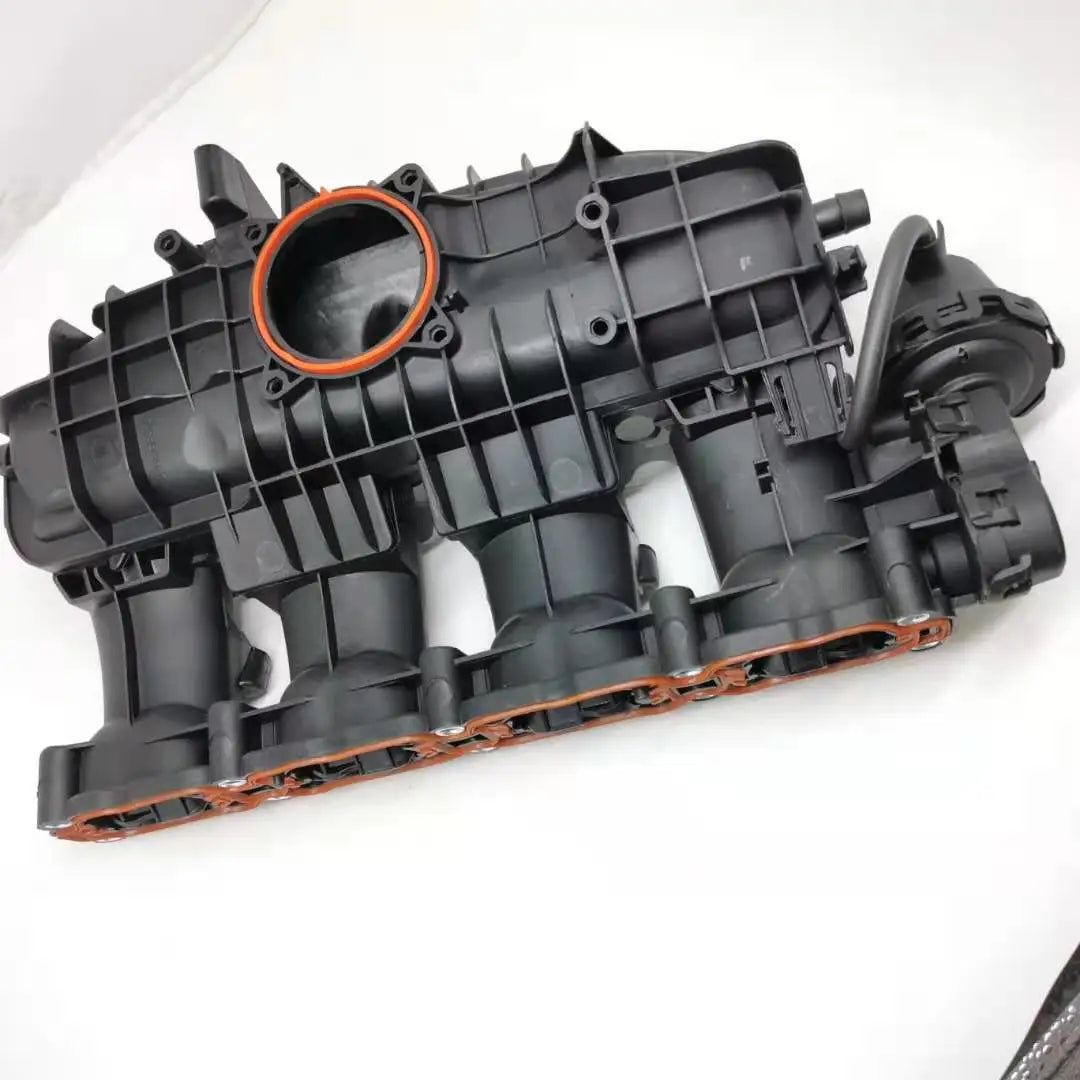
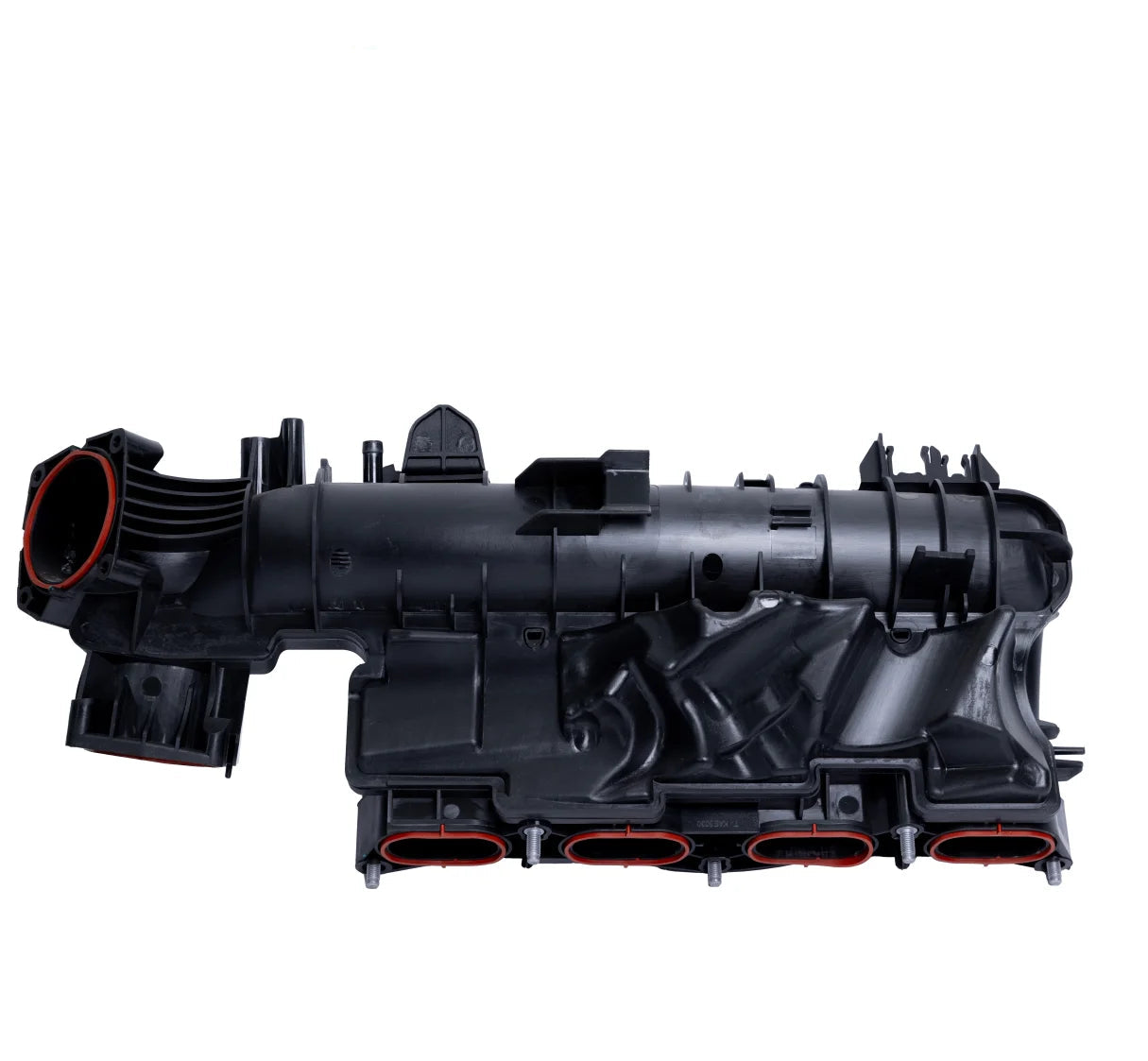
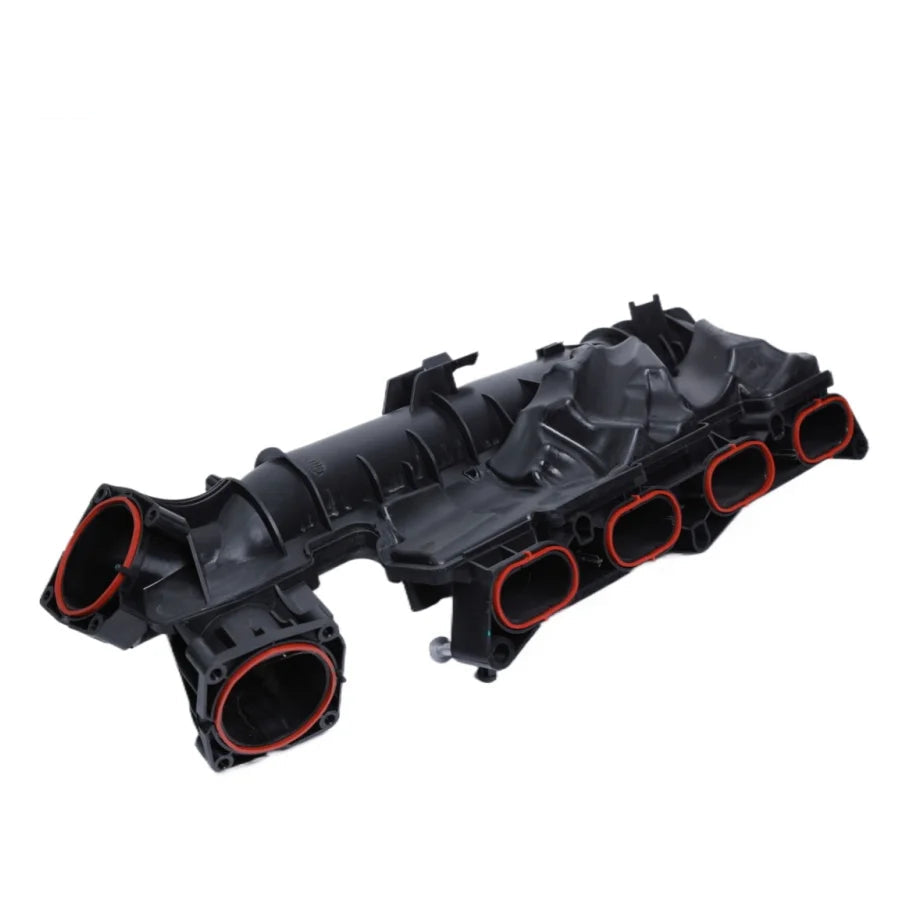
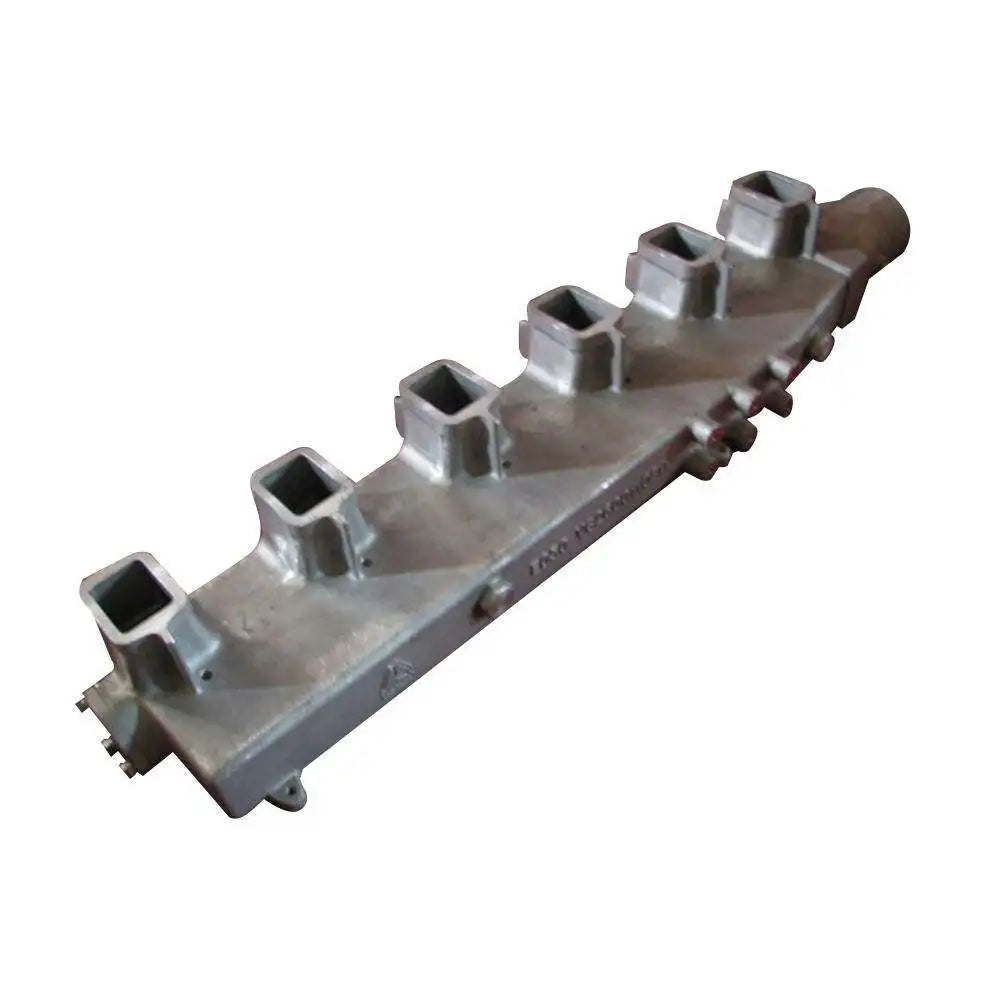
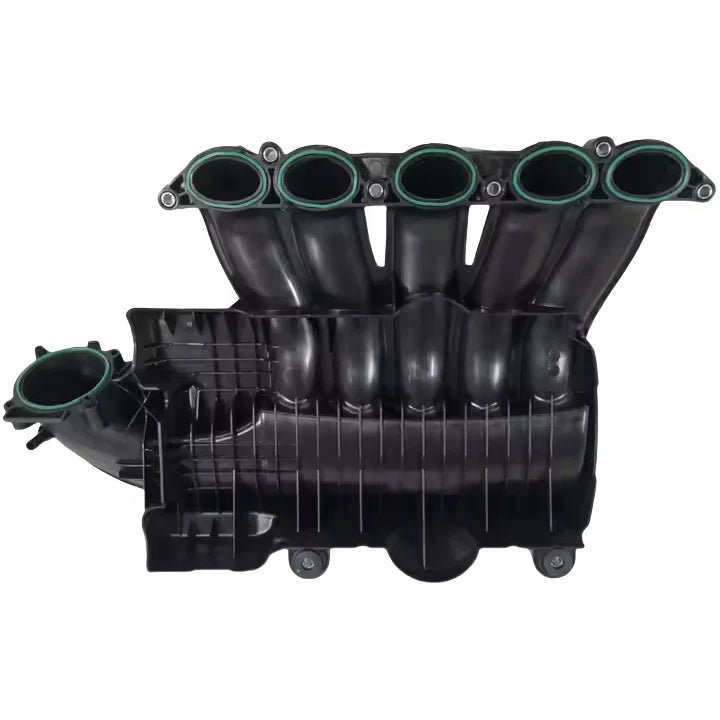
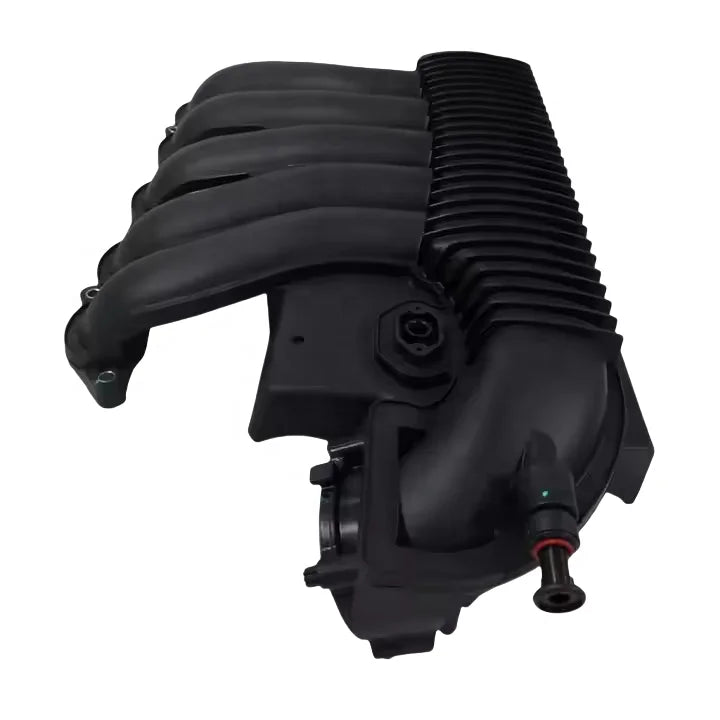
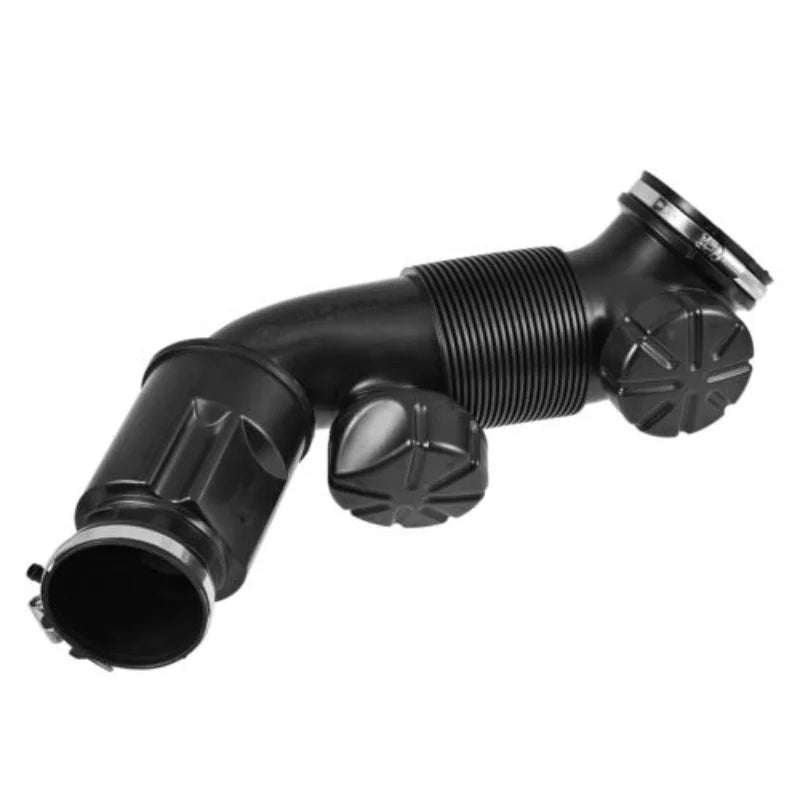
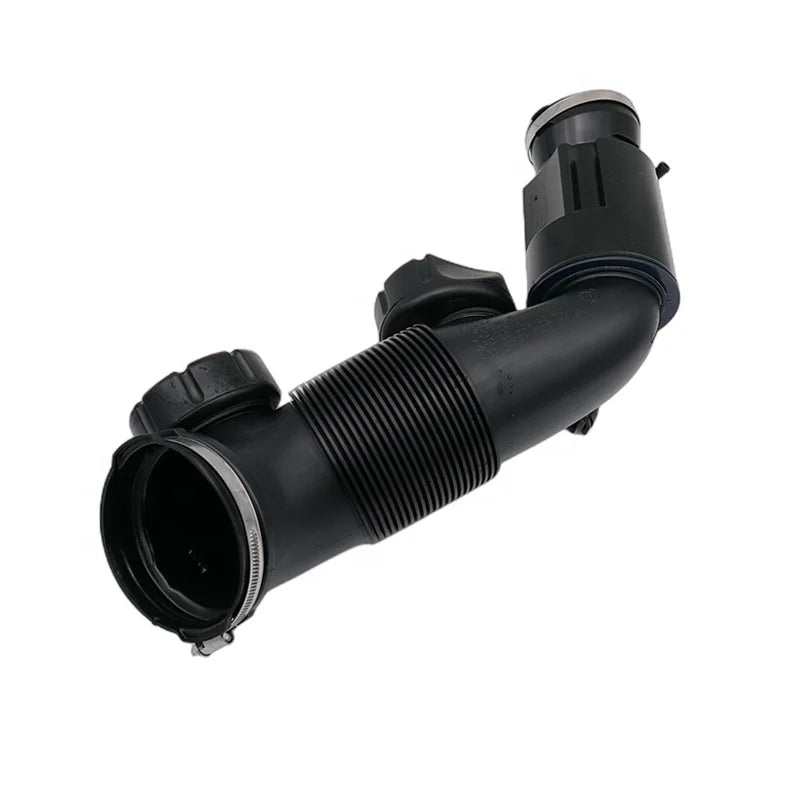
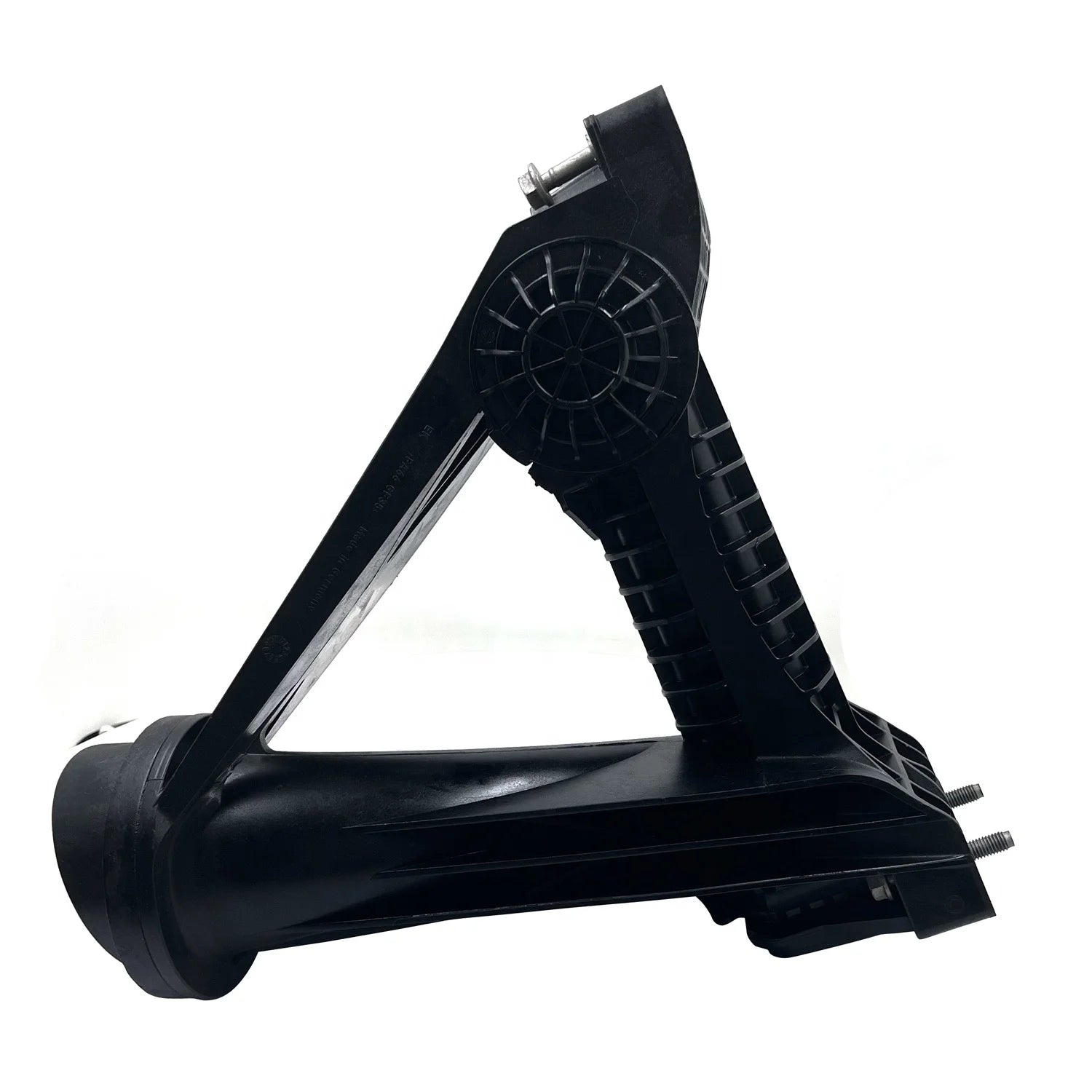
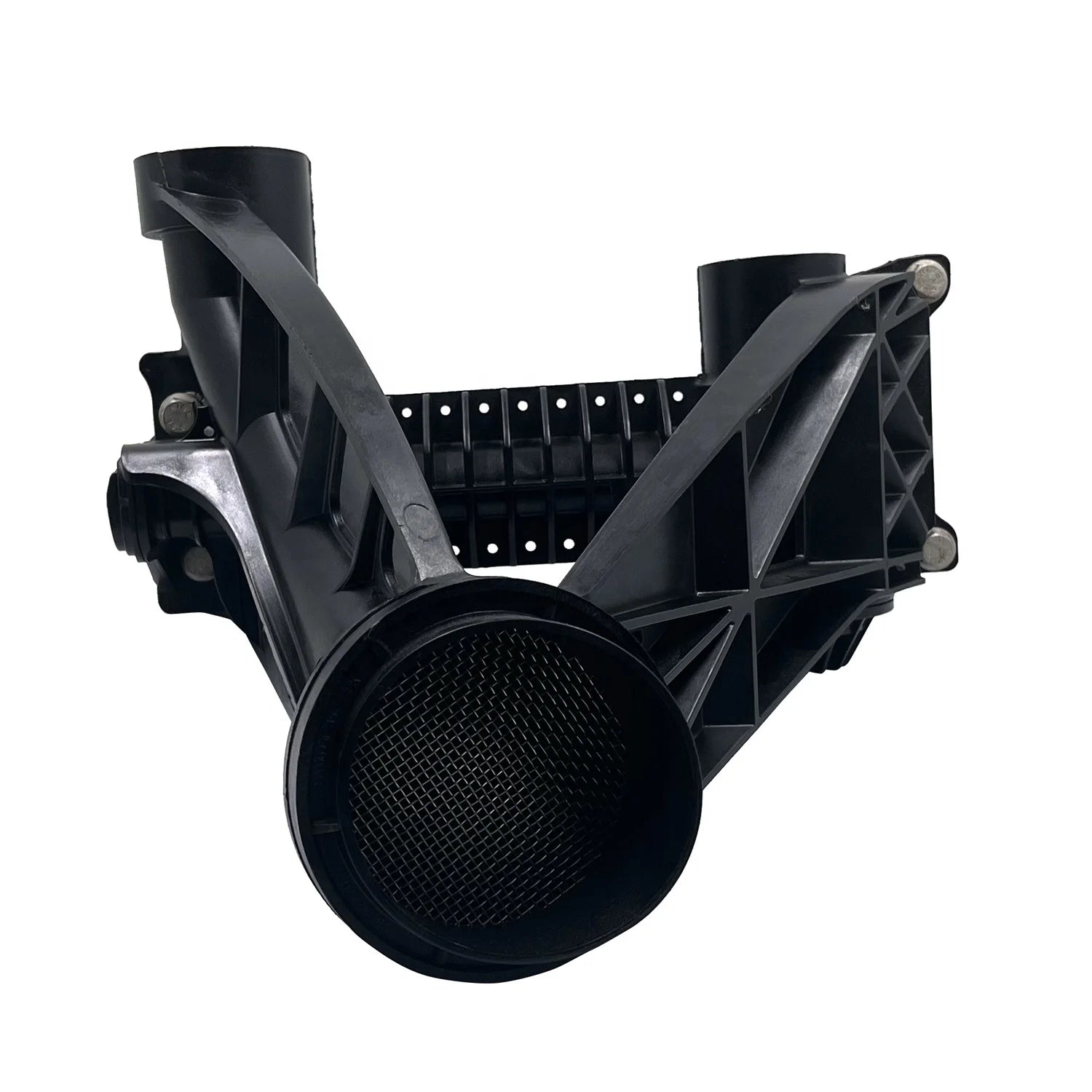
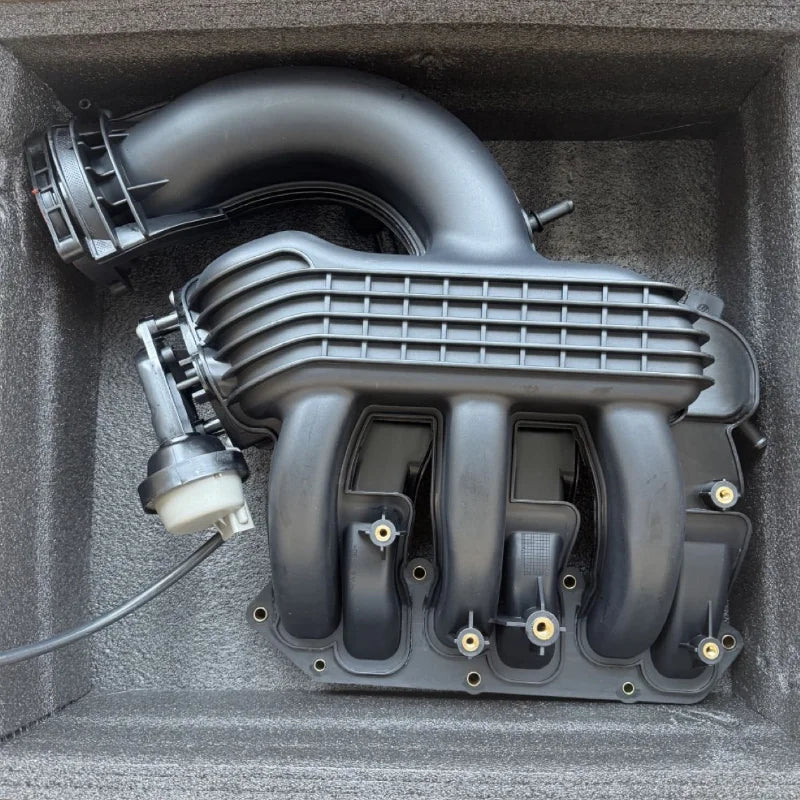
The intake manifold routes air from the throttle body or turbocharger to each cylinder's intake port, distributing the charge evenly across the engine on every intake stroke. CBT Auto Parts stocks OEM-quality and performance intake manifolds for diesel and petrol engines, built to correct port geometry for efficient airflow to every cylinder.
Part of our Engine & Powertrain Parts catalogue alongside turbochargers and superchargers, our intake manifolds cover12-valvee Cummins, RAM EcoDiesel, BMW, VR6, Holley, and Ford 302 platforms. Performance and inlet manifold options are stocked alongside OEM-spec replacements. Aftermarket car intake manifolds meet OEM airflow specifications. We ship worldwide with fast dispatch, and your build stays on schedule.

22 products
Showing 1 - 22 of 22 products
Runner Length, Plenum Volume, and Port Geometry: The Engineering Decisions Inside Every Intake Manifold
An intake manifold appears passive from the outside. The geometry inside it is where every significant airflow decision has already been made and where those decisions change when a performance intake manifold is fitted. Three geometric variables govern what the manifold delivers to each cylinder.
Runner Length
Each runner is the individual tube that routes air from the plenum to its corresponding cylinder intake port. Runner length determines where the engine's power band sits.
A long runner creates a tuned inertia effect: the column of air moving through a longer tube arrives at the intake port with greater momentum at the precise RPM the runner was designed for, increasing volumetric efficiency and torque at that operating point. Long runners favour low-RPM torque, which is why diesel intake manifolds, where torque at working RPM is the primary objective, use longer runner geometries than high-revving petrol equivalents.
A short runner reduces inertia effect at low RPM but allows the engine to breathe more freely at high RPM, where the long runner's standing wave has moved out of phase with the intake event. Performance intake manifolds for high-revving petrol engines use shorter runner designs to push the power band higher.
Plenum Volume
The plenum is the central reservoir from which each runner draws its air charge. A larger plenum acts as a pressure buffer, smoothing the pressure pulses created by each cylinder's intake event and ensuring that one cylinder's intake stroke does not reduce available air pressure for adjacent cylinders still filling.
For diesel engines and large-displacement petrol engines with high airflow demand, adequate plenum volume is a baseline requirement. A plenum undersized for the engine's airflow rate creates a pressure drop under sustained load, reducing cylinder filling efficiency precisely at the operating points where the engine is working hardest.
Port Matching
At the exit of each runner, the manifold port must align precisely with the intake port opening in the cylinder head. A step or misalignment between the manifold exit and head port creates a turbulence point that disrupts the laminar airflow the runner geometry was designed to deliver. Port matching through correct manifold selection or through machining when fitting an aftermarket unit determines whether the runner geometry produces its full intended effect or is partially negated at the last inch before the cylinder.
OEM Replacement or Performance Intake Manifold: Where the Decision Sits
OEM-Specification Intake Manifolds
An OEM-spec inlet manifold restores the original runner geometry, port dimensions, and sensor mounting positions to an engine returning to standard output. It is the correct choice when:
- The fuel and air delivery system is being restored without modification to throttle body sizing, turbocharger output, or fuelling specification
- A diesel intake manifold has been damaged by carbon accumulation, heat cracking, or EGR circuit contamination beyond what cleaning can address.
- The intake manifold gasket compatibility, sensor port positioning, and runner geometry must match the original engine management calibration precisely.
OEM-spec car intake manifolds account for the majority of replacements and are the correct, cost-effective choice for any unmodified engine.
Performance Intake Manifolds
A performance intake manifold reconfigures runner length, plenum volume, or both to shift the engine's airflow characteristics beyond what the factory manifold was designed to deliver. It is the correct specification when:
- The engine has been modified with a larger throttle body, upgraded turbocharger output, or a camshaft profile that has shifted the operating RPM range above the factory design point
- A specific power band shift is the target: shorter runners and a larger plenum for peak power, or longer runners for torque retention at lower RPM in a modified diesel build.
- The original inlet manifold has become the restriction point in an otherwise upgraded fuel and air system.
Holley intake manifold options are among the most widely referenced performance manifolds across American V8 and LS platforms, covering single-plane and dual-plane designs for different RPM target ranges. Correct Holley manifold selection depends on the engine's target operating range rather than peak flow figures alone.
Carbon Accumulation in Diesel Intake Manifolds: When Cleaning Is No Longer the Answer
Carbon build-up in the diesel intake manifold is one of the most predictable service issues on EGR-equipped diesel engines. The EGR system recirculates a portion of exhaust gas back through the intake circuit to reduce combustion temperatures and NOx emissions. That exhaust gas carries unburnt hydrocarbons and particulate matter that accumulate progressively on the manifold's internal surfaces, particularly at the runner entries and any restriction points within the plenum.
Heavy carbon accumulation measurably reduces the effective runner cross-section. An intake manifold flowing at its designed capacity when the engine left the factory may be operating at a fraction of that capacity in a high-mileage diesel without a single mechanical component failing. Symptoms include:
- Reduced power under load, particularly above mid-range RPM where airflow demand is highest
- Elevated exhaust temperatures from reduced volumetric efficiency causing incomplete combustion
- Increased black smoke on acceleration from the air-fuel ratio being pushed rich by restricted intake volume
Cleaning a diesel intake manifold through chemical soak, media blasting, or ultrasonic methods is a valid and cost-effective intervention when the manifold body and port surfaces remain structurally intact. Diesel intake manifold cleaning cost is substantially lower than replacement and is the correct first approach when carbon accumulation is the only issue present.
Replacement becomes necessary when:
- The manifold has cracked at a runner or port face from thermal cycling a common failure mode on aluminium manifolds subjected to sustained high exhaust temperatures
- EGR gas contamination has caused internal corrosion of the runner walls beyond what cleaning can restore
- The 12V Cummins intake manifold or 12 valve Cummins intake manifold has warped at the head mating face, preventing a flat seal with the intake manifold gasket regardless of torque sequence
Platform Coverage: Intake Manifolds We Supply
CBT Auto Parts stocks intake manifolds and inlet manifold components across the following platforms:
Diesel Platforms
- 12 valve Cummins intake manifold: OEM-spec and performance inlet manifold replacements for the first-generation 5.9-litre Cummins, the most widely rebuilt Cummins platform globally
- 12V Cummins intake manifold: dedicated manifold coverage across both standard and performance specifications for the 12-valve Cummins generation
- RAM EcoDiesel intake manifold replacement inlet manifolds for the 3.0-litre EcoDiesel V6, a platform with a documented carbon accumulation pattern from its EGR system configuration
European Platforms
- BMW intake manifold: OEM-spec and performance inlet manifold options across BMW's most commonly rebuilt petrol and diesel engine families
- VR6 intake manifold: replacement intake manifolds for Volkswagen's VR6 narrow-angle six-cylinder, covering standard and performance specifications across applicable Golf, Passat, and Corrado applications
American Platforms
Holley intake manifold single-plane and dual-plane performance intake manifolds across American V8 and LS applications, covering a range of power band and runner length specifications for different build objectives
- Ford 302 intake manifold: OEM-spec and performance replacement manifolds for the Ford 302 Windsor, one of the most widely built American V8 platforms across multiple production decades
For any platform not listed here, contact CBT Auto Parts with your engine code, current throttle body sizing, and whether the engine has been modified. Port geometry and fitment compatibility are confirmed before any order is dispatched.
What to Source Alongside Your Intake Manifold
The intake manifold interfaces with the induction system upstream and the cylinder head downstream. Both connections must be assessed when the manifold is removed.
- Turbochargers and Superchargers: On boosted diesel and petrol engines, the turbocharger or supercharger is the upstream air source feeding the intake manifold. A cracked or restricted manifold on a turbocharged engine forces the turbo to work against that restriction, producing elevated boost pressure readings that can mask the manifold issue until the manifold is removed and inspected directly. Whenever a diesel intake manifold is removed from a turbocharged application, the turbo outlet connection and charge pipe condition must be checked before a replacement manifold is fitted. Turbochargers and superchargers across applicable diesel and petrol platforms are stocked within the Engine & Powertrain Parts range at CBT Auto Parts.