Valve Train Parts | Rocker Arms, Lifters, Springs & Tappets
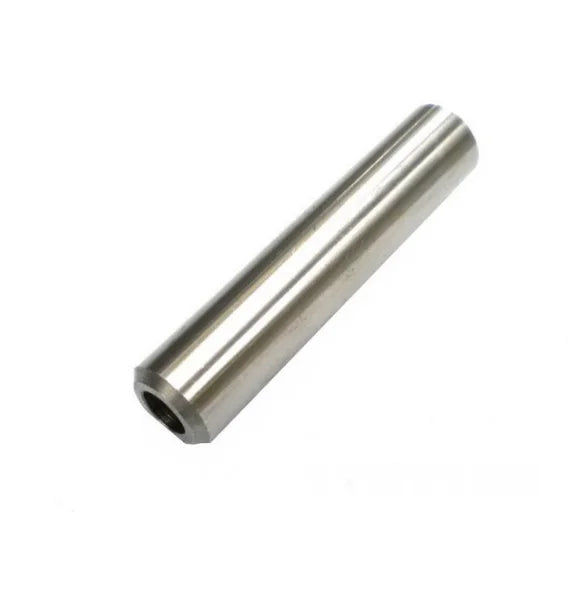
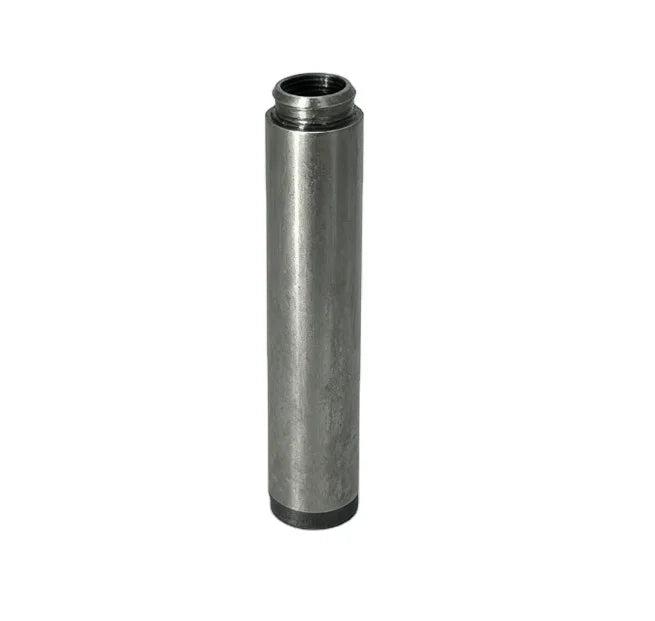
Valve train parts govern how your engine breathes, controlling the lift, timing, and duration of every intake and exhaust valve event through each combustion cycle. CBT Auto Parts stocks rocker arms, valve lifters, valve springs, pushrods, and tappets for diesel and petrol engines, each built to OEM specification.
Part of our Engine & Powertrain Parts catalogue alongside camshafts and cylinder heads and gaskets, our valve train parts cover diesel platforms including 12-valve Cummins, 24V Cummins, and 5.9 Cummins, plus a wide range of petrol applications. Billet and standard tappet cover options are stocked. Aftermarket parts meet OEM specification and ship worldwide fast.
9 products
Showing 1 - 9 of 9 products
The Valve Train Is a System; Every Component Drives the Next
What separates a valve train job from most engine repairs is this: no component in the valve train operates in isolation. Each part transfers motion, load, or force to the next in the sequence, and the condition of one directly determines how long the others last. A worn rocker arm transfers uneven load to the valve stem tip. A fatigued valve spring allows valve float at high RPM. A tappet that has lost its correct geometry produces a chain of incorrect lift events across the entire valve timing profile.
This is why correct diagnosis, not just part replacement, is the starting point for any valve train service. Understanding what each component does and how it wears is what makes the difference between a repair that holds and one that returns to the bench.
Rocker Arms
Rocker arms transmit opening force from the camshaft lobe or from the pushrod in overhead valve engines to the valve stem tip. The rocker pivots at a central fulcrum, converting the upward motion of the cam lobe into a downward push against the valve. Wear occurs at three points:
- The contact pad at the valve stem tip, which wears from continuous sliding contact and begins producing asymmetric stem loading once the surface deteriorates
- The pivot point, which depends on sustained oil supply in the first minutes of a cold start before oil pressure builds, is the highest-risk period for rocker arm wear across any engine.
- The body of the rocker itself is in high-load diesel applications, where combustion firing loads are substantially higher than petrol equivalents of the same displacement
Valve Lifters and Tappets
Valve lifters referred to interchangeably as tappets across different platforms and regional conventions sit between the camshaft lobe and the rest of the valve train, translating the rotational lobe profile into linear opening motion. Two types are in common use:
- Solid lifters require periodic manual valve clearance adjustment as components wear. They are the standard specification in many performance applications and older diesel engines where precise valve timing control is essential, including the Cummins platform.s
- Hydraulic lifters use engine oil pressure to self-adjust continuously, eliminating the need for scheduled clearance setting. A hydraulic lifter that ticks under warm running conditions signals internal wear or oil circuit restriction, not a clearance adjustment issue.
Valve Springs
Valve springs perform two functions: holding each valve closed against combustion pressure between events, and returning the valve to its seat after the cam lobe passes. Fatigue in a valve spring is one of the least visible failure modes in the valve train and one of the most consequential:
- A fatigued spring loses installed height and seat pressure, reducing the force holding the valve closed and increasing the risk of combustion blow-by at the valve seat
- At sustained high RPM, an under-rate spring can no longer return the valve to its seat quickly enough, producing valve float, where the valve remains partially open past its closing point, causing power loss and accelerating valve seat wear
- 24V Cummins valve springs are among the most frequently replaced in the Cummins diesel family, particularly on engines where extended high-load operation has accelerated spring fatigue beyond OEM service limits
Pushrods
Pushrods connect the valve lifter to the rocker arm in overhead valve engine designs, carrying the lifting motion from the lifter gallery in the block up through the cylinder head to the rocker. Their condition is easy to overlook and critical to the valve train's function:
- A bent pushrod is the most common indicator of a lifter that has pumped up excessively, or an engine that was cranked with insufficient oil pressure. Always inspect pushrods individually for straightness on any valve train service.
- Pushrod length must match the installed valve train geometry; when an aftermarket camshaft changes the lift specification, pushrod length may need to be recalculated to maintain the correct rocker arm geometry.y
- Many OHV pushrods are hollow, carrying oil from the lifter gallery to the rocker arm and valve stem tip; any blockage in the pushrod oil passage directly causes accelerated wear at the rocker contact pad.
OHV vs. OHC: How Your Engine Layout Determines Which Valve Train Parts Apply
The valve train architecture of your engine defines which components are present in the system and what the parts list for any service looks like. Ordering without understanding this distinction produces incorrect parts at the worst possible stage of the job.
Overhead valve engines house the camshaft inside the engine block. The valve train runs from the cam lobe, through the lifter, up the pushrod, and across the rocker arm to the valve. Every component in the sequence lifters, pushrods, and rocker arms is part of the parts list for any complete valve train service. This architecture applies to most American V8 engines and the full Cummins inline-six diesel family across all generations.
Overhead cam engines single overhead cam and dual overhead cam configurations position the camshaft directly in or above the cylinder head, eliminating pushrods and, in many designs, eliminating conventional lifters. Valve train parts in OHC applications centre on bucket tappets or cam followers, valve springs, and rocker arms where the design uses them. The reduced component count does not simplify the service; it redirects it, and correct component identification for the specific OHC design is essential before ordering.
Cummins Valve Train Parts: Full Coverage Across Every Generation
The Cummins inline-six family is among the most actively rebuilt diesel platforms globally across commercial trucking, agricultural machinery, and performance diesel builds. CBT Auto Parts stocks dedicated valve train parts for the complete Cummins range:
- 12-valve Cummins: valve springs, rocker arms, and pushrods for the first-generation 5.9-litre Cummins in both standard-replacement and performance specifications
- 24V Cummins valve springs: OEM-spec and uprated valve springs for the second-generation 24-valve Cummins, including options compatible with performance camshaft upgrades
- Cummins tappet cover: standard and billet tappet cover options across applicable Cummins generations, where the factory cover has cracked, warped, or is being replaced as part of a rebuild
- Billet tappet cover: fully machined billet aluminium replacements offering improved sealing integrity and durability over the original cast factory unit
- 5.9 Cummins tappet cover gasket: replacement tappet cover gaskets for the 5.9 Cummins, a high-frequency service item on high-mileage engines where the original gasket compresses out and begins weeping oil at the cover joint
- Cummins valve spring compressor: the correct tool specification for valve spring removal and installation during Cummins valve train service
For platforms and applications not listed here, contact CBT Auto Parts with your engine code and build specification. Parts are confirmed against fitment data before any order is dispatched.
What to Source Alongside Valve Train Parts
Valve train components operate between two assemblies: the camshaft above and the cylinder head below. Any valve train service that does not account for the condition of both is working with incomplete information.
- Camshafts: Cam lobe wear is the most common cause of valve train damage in a high-mileage engine. The lobe drives every component downstream, and a worn lobe produces incorrect lift across the full valve train sequence. Whenever valve train wear is identified, cam lobe height must be measured before new parts are ordered because fitting new valve train components against a worn camshaft reproduces the failure in a fraction of the original service life.
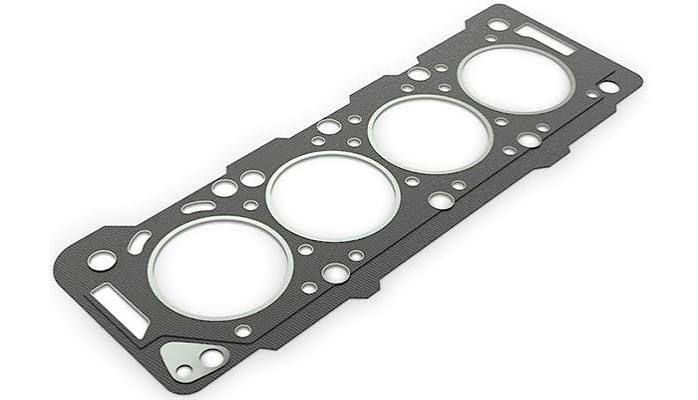
- Cylinder Heads and Gaskets: Valve guides, seats, and stem seals are integrated into the cylinder head assembly and become fully accessible when the valve train is removed. A thorough valve train service that includes valve removal is the correct occasion to inspect and address guide and seat condition, and to confirm the cylinder head gasket before everything is reassembled.