Timing Belts & Chains | Cambelt & Timing Kit Replacement
The timing belt or timing chain is the synchronisation link between your crankshaft and camshaft, keeping valve events and piston position in precise phase throughout every engine cycle. CBT Auto Parts stocks replacement timing belts, timing chains, and complete timing kits for diesel and petrol engines, matched to specification and ready to fit.
Part of our Engine & Powertrain Parts catalogue alongside camshafts, engine rebuild kits, and cylinder heads and gaskets, our timing belt and chain range covers Hyundai i30, Hyundai Getz, Toyota Hilux, Ford Ranger, Subaru, and VE Commodore applications. Cambelt and timing chain kits are both stocked. Aftermarket parts meet OEM specifications and ship worldwide fast.

25 products
Showing 1 - 24 of 25 products
Timing Belt or Timing Chain: What Your Engine Uses and Why It Matters
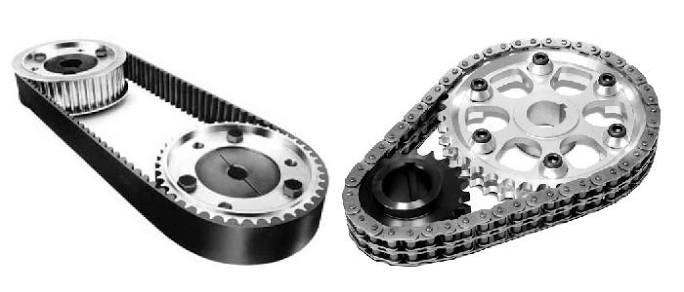
Timing belts and timing chains are not interchangeable concepts. They are two different engineering approaches to the same mechanical requirement, and knowing which your engine uses changes everything about how the replacement is managed, including when it must happen and what the consequences of missing the interval are.
Timing Belts: Scheduled Replacement, No Exceptions
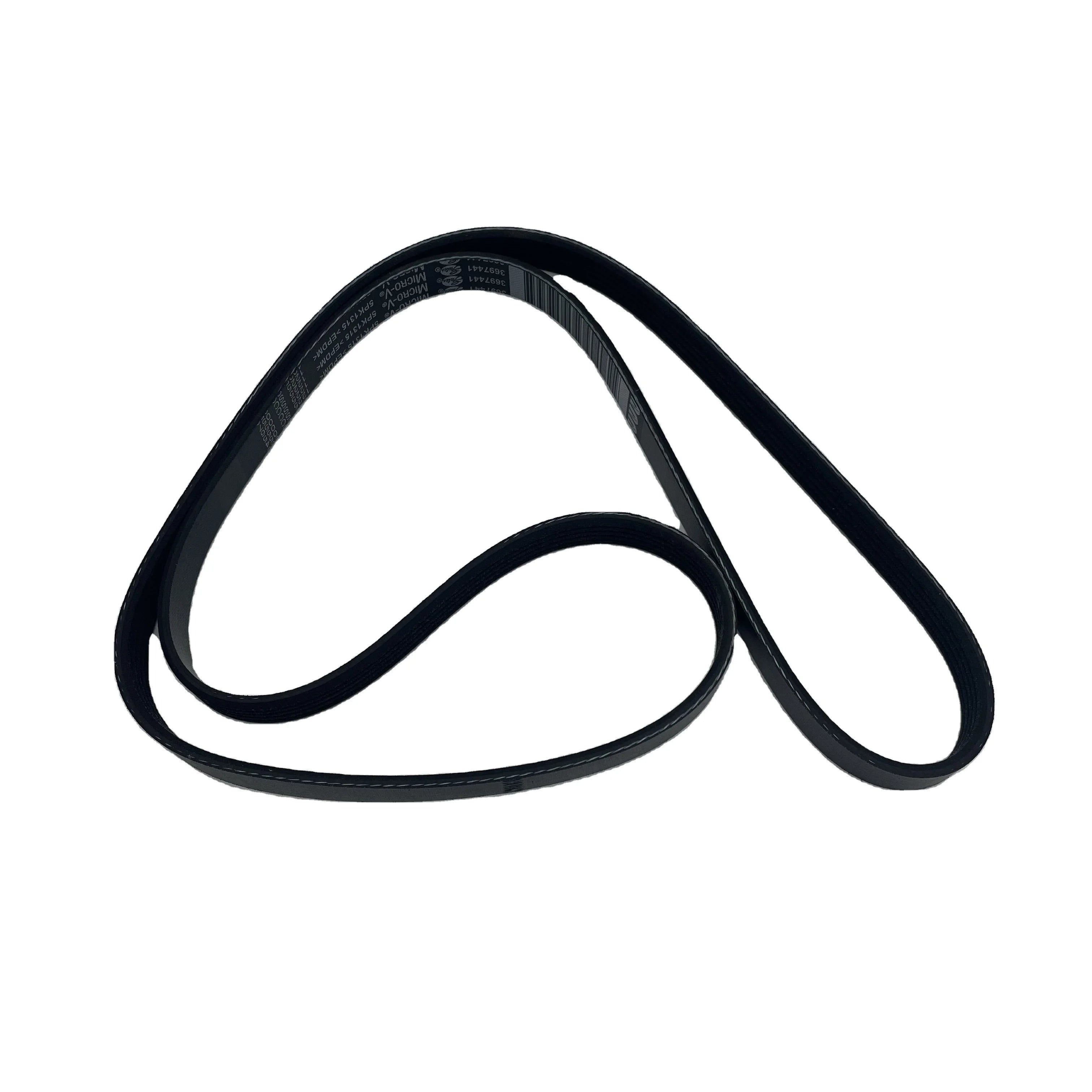
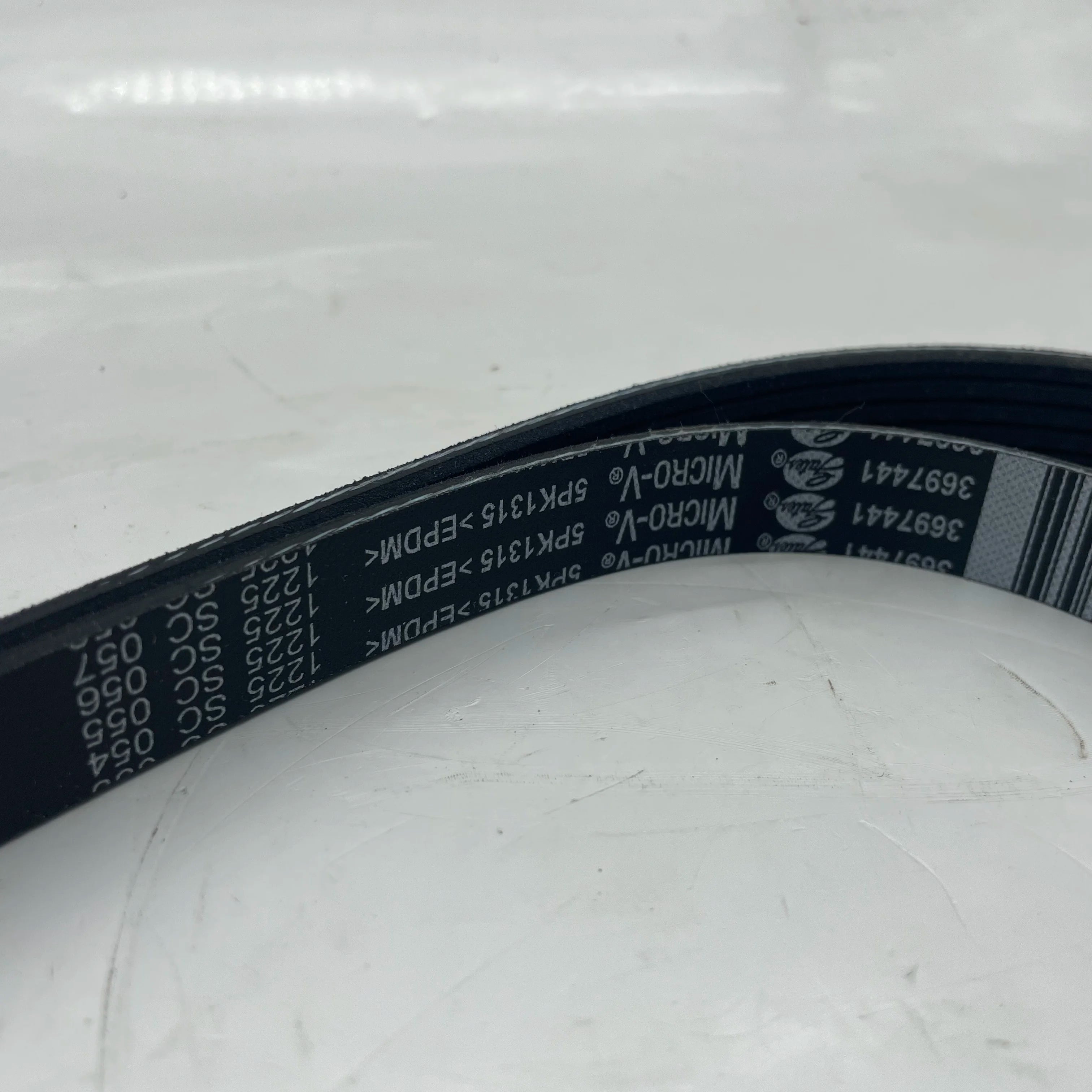
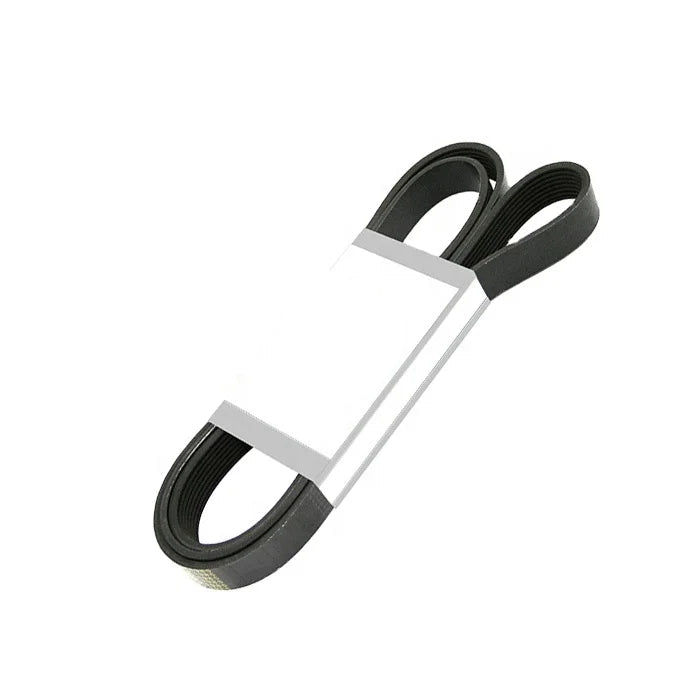
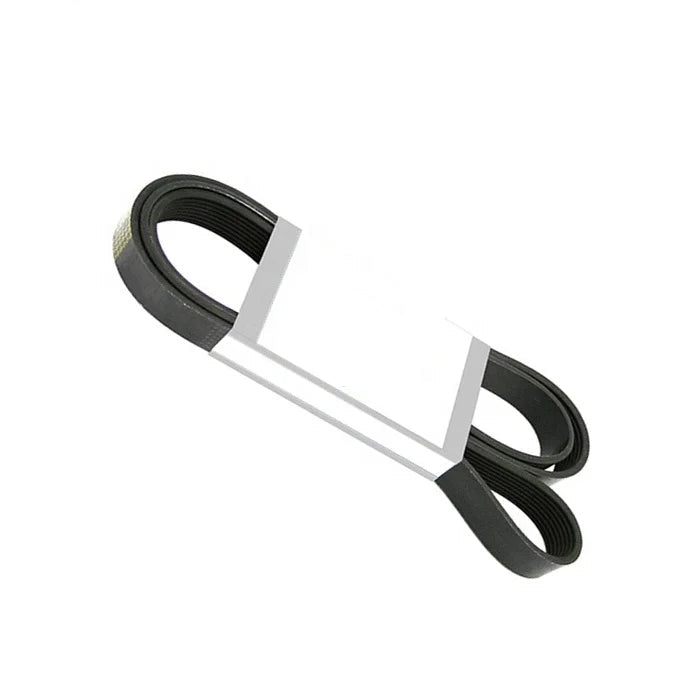
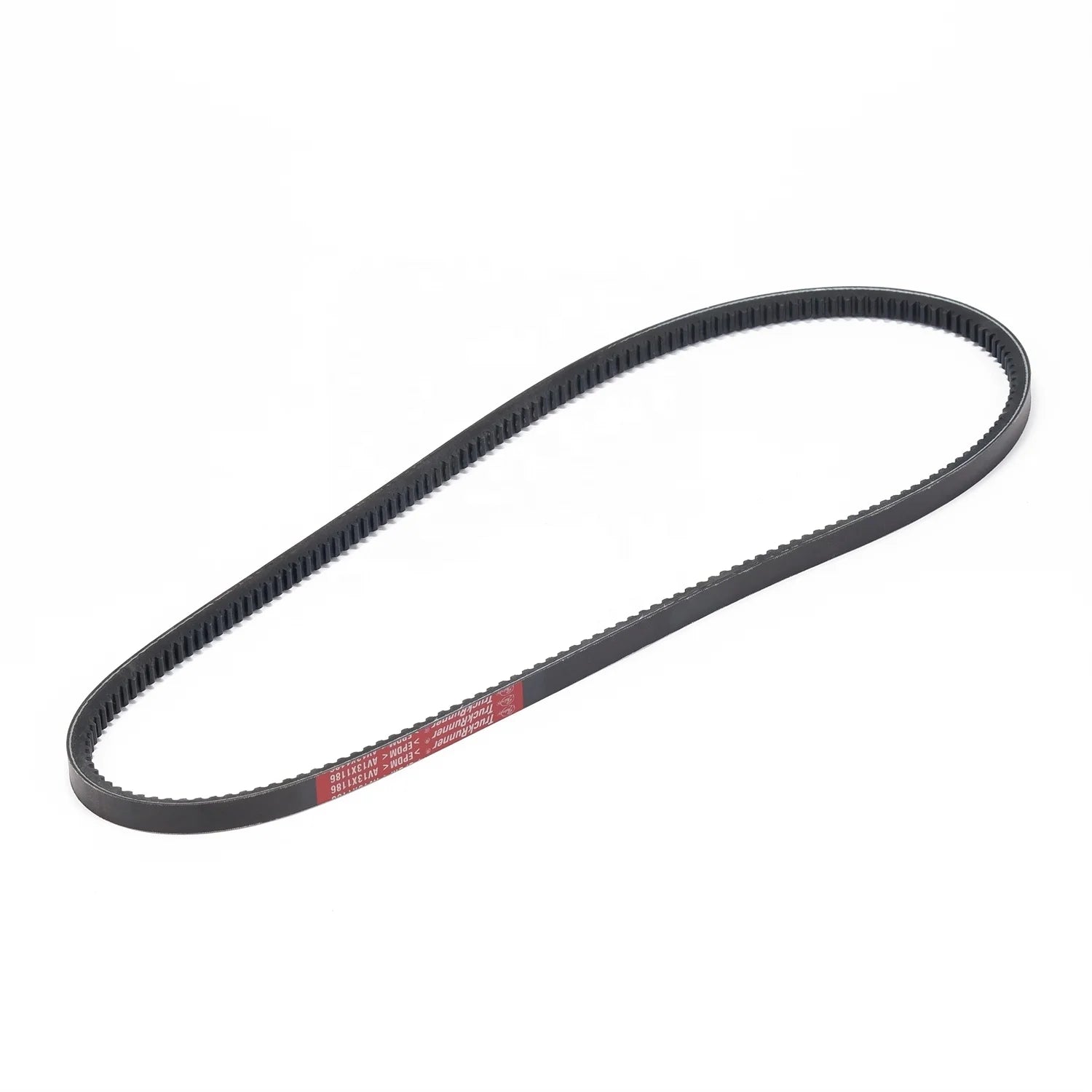
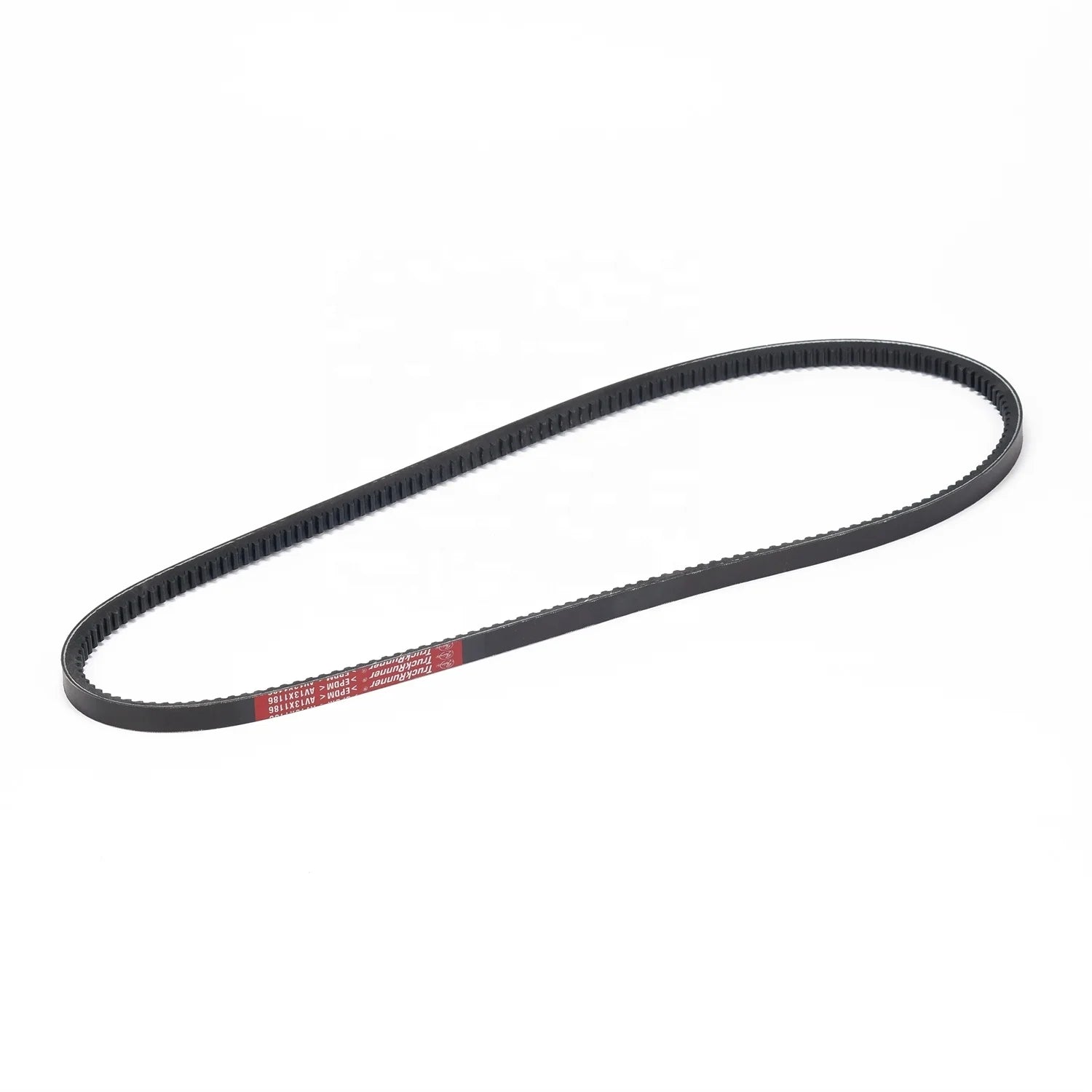
A timing belt is a toothed rubber and reinforced fibre belt running externally in a sealed cover between the crankshaft and camshaft sprockets. It is quieter than a chain, lighter, and requires no lubrication from the engine oil circuit. Its limitation is service life. A timing belt degrades from the inside out; the rubber compound hardens and the fibre reinforcement fatigues with heat and mileage regardless of outward appearance. Key points:
- Replacement intervals are defined by the manufacturer in kilometres or years, whichever arrives first; neither condition can be deferred
- A worn timing belt does not announce itself before it fails. Belt failure is sudden, and in an interference engine where valves and pistons occupy overlapping travel the result is valve and piston contact, requiring cylinder head work at minimum and a full engine rebuild at worst
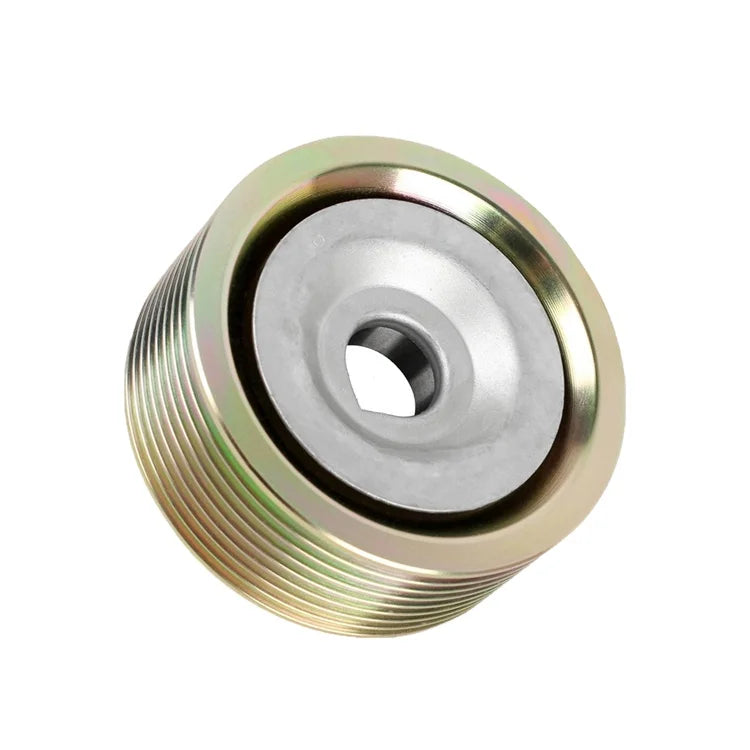
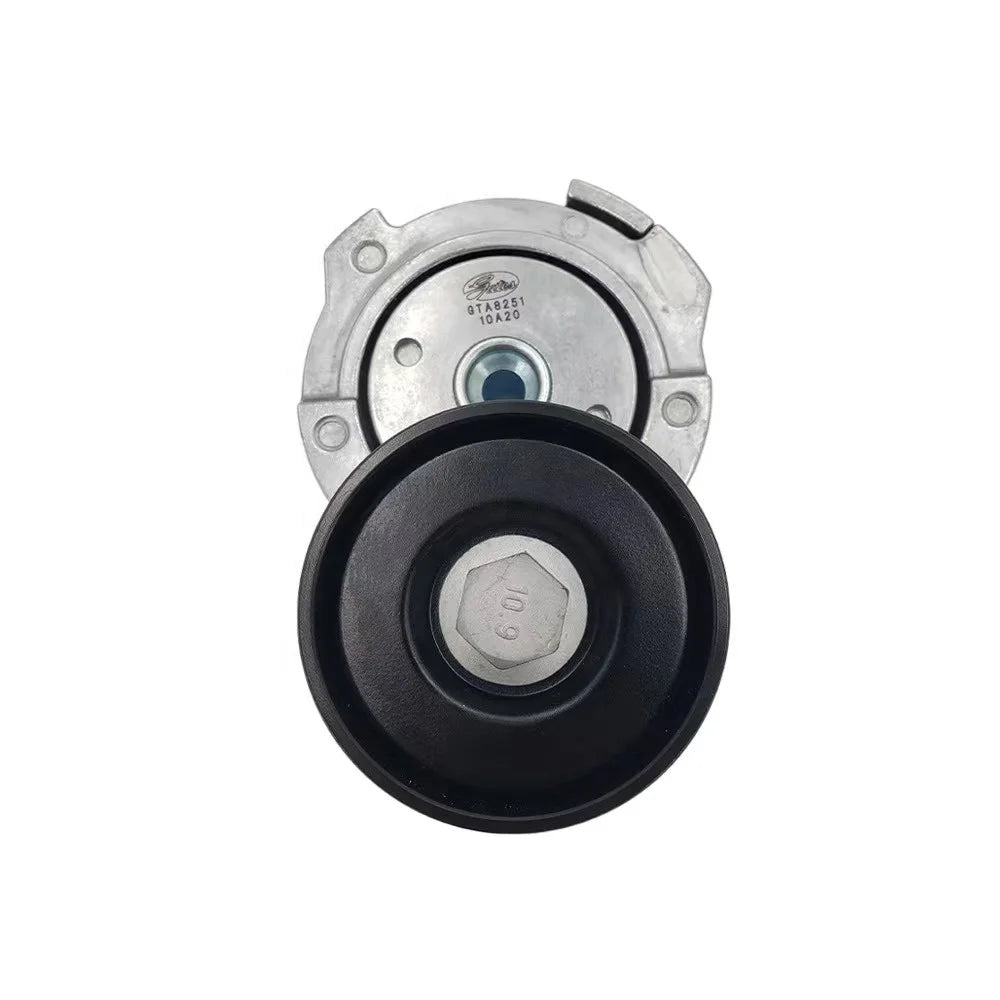
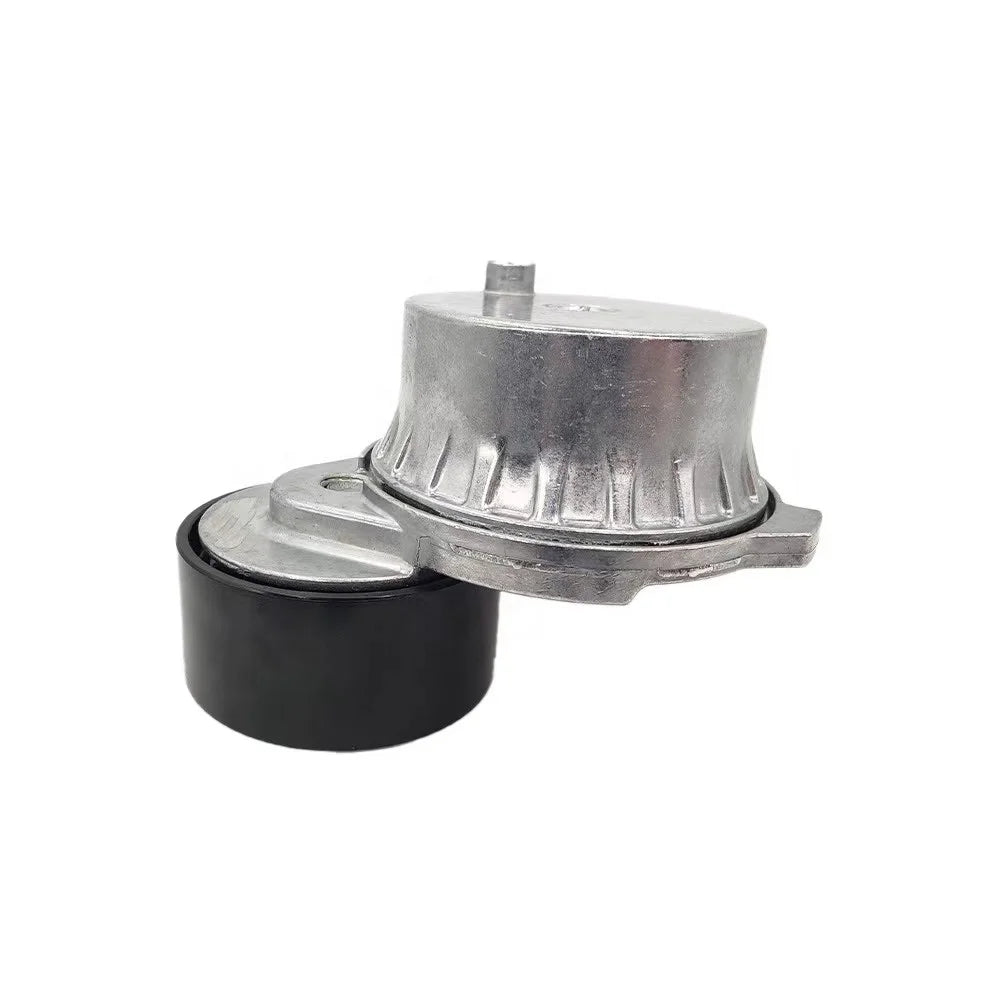
- Tensioners, idler pulleys, and the water pump, where engine-driven, are replaced at the same service interval. On most applications a timing kit covering all components is the correct scope for a timing belt replacement, not the belt alone
- cam belt and cambelt are the same component under different names. The terminology varies by region and manufacturer, but the part and the service requirement are identical
Timing Chains: Longer Life, But Not Maintenance-Free
A timing chain is a metal link chain running inside the engine and lubricated directly by the engine oil circuit. It is inherently more durable than a rubber belt and carries no manufacturer-defined replacement interval on most applications. This leads to a widespread assumption that timing chains are a fit-and-forget component an assumption that produces expensive failures.
Timing chains wear progressively through elongation. As individual link pins and rollers wear, the chain stretches beyond the adjustment range of the tensioner, introducing timing retard that affects fuel economy, power output, and emissions. Beyond a point, the chain jumps a tooth on the sprocket, producing a sudden and severe timing error that damages valves and pistons in an interference engine with the same consequences as belt failure. Warning signs that a timing chain is approaching replacement include:
- A rattling or clattering sound from the front of the engine at cold start, diminishing as oil pressure builds the signature of a worn chain on a slack tensioner
- Timing codes stored in the engine management system relating to camshaft position deviation from expected values
- Measurable chain stretch when the tensioner is removed, and chain slack is checked against the manufacturer's service limit.
Timing chain replacement is not a routine service item, but it is a defined repair, and when the chain reaches the end of its service li,fe the replacement components chain, tensioner, guides, and sprockets should be addressed together.
Timing Kit vs. Individual Component: The Scope Decision That Determines the Result
The single most common timing job mistake is replacing only the worn component rather than the complete timing kit. It is understandable the chain or belt is the component that failed or reached interval, and replacing just that part is cheaper in the short term. The problem is what surrounds it.
A timing belt that has reached replacement interval has been running against tensioners and idler pulleys for the same period. Those components carry the same heat cycling and wear history as the belt. Fitting a new timing belt against worn tensioners transfers the load of a new, correctly tensioned belt onto bearings that are already at or beyond their service life. The tensioner bearing fails, belt tension is lost, and the engine loses timing. The cost of that sequence is not the price of a tensioner; it is the cost of a second strip-down, a new belt, and potentially a head rebuild if timing is lost in an interference engine.
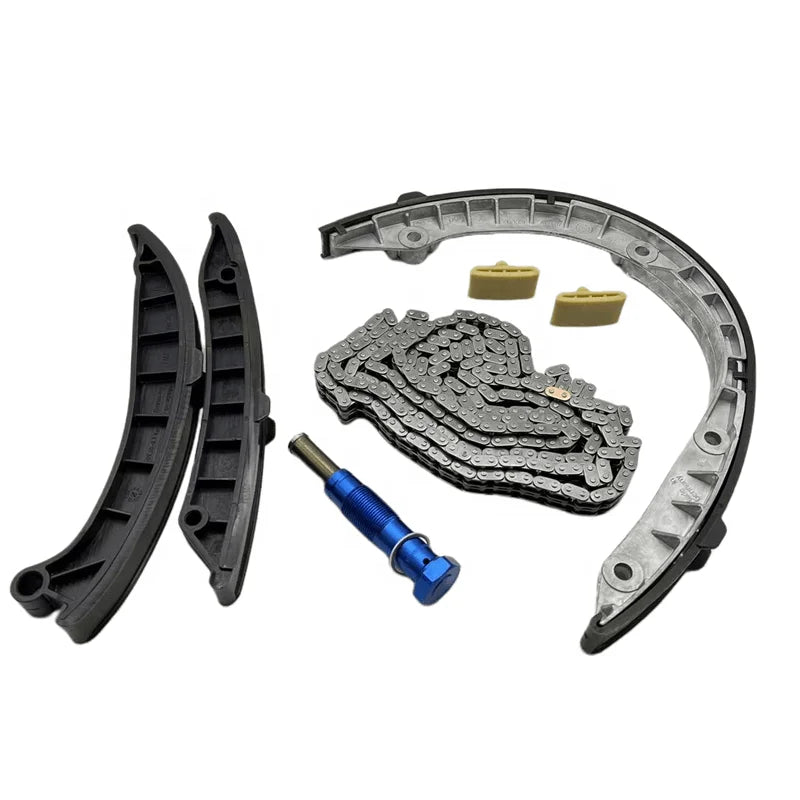
A complete timing kit addresses this by bundling:
- The timing belt or timing chain as the primary drive component
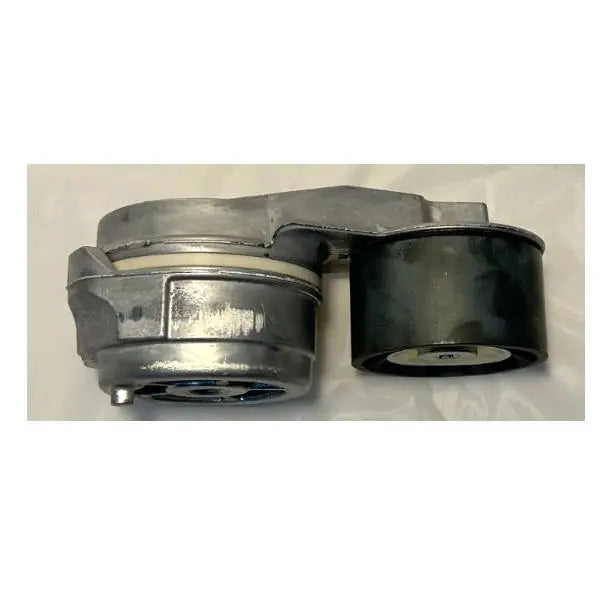
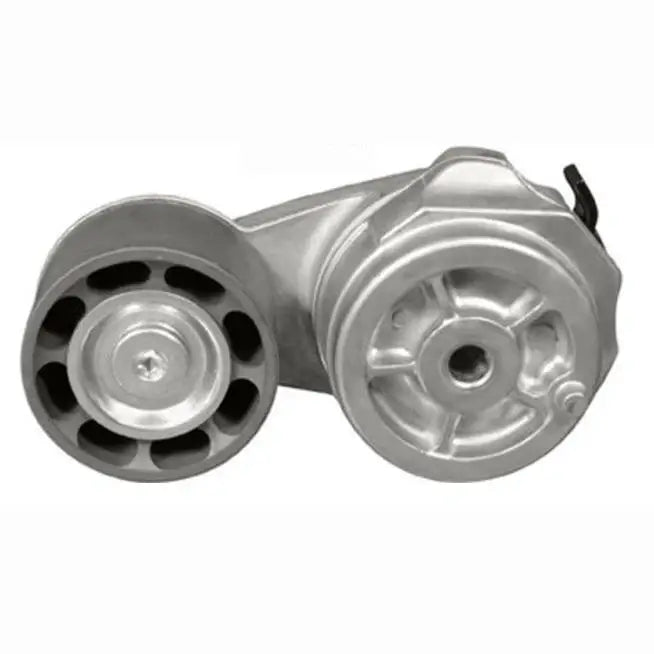
- The belt tensioner or chain tensioner and all associated hydraulic or mechanical tensioner components
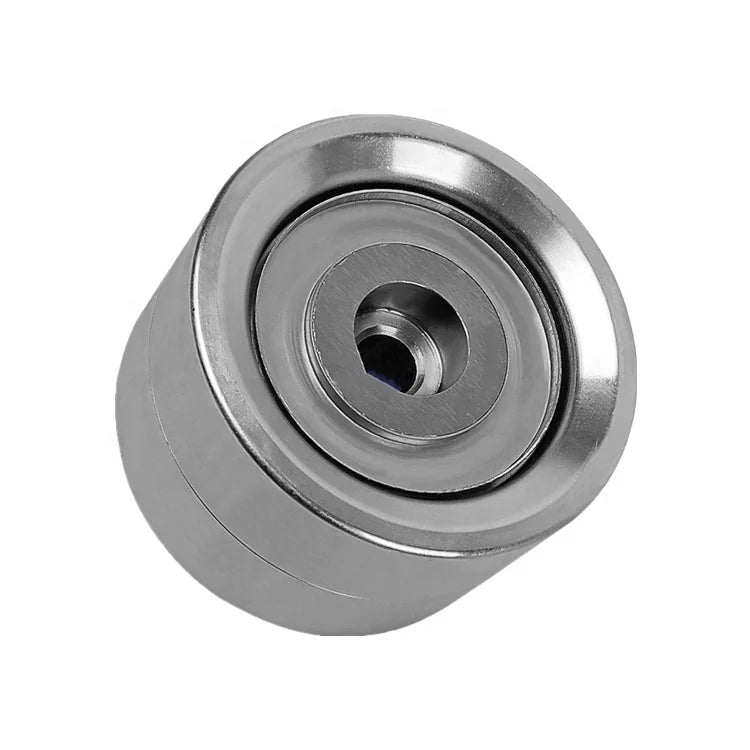
- Idler pulleys on belt-driven applications
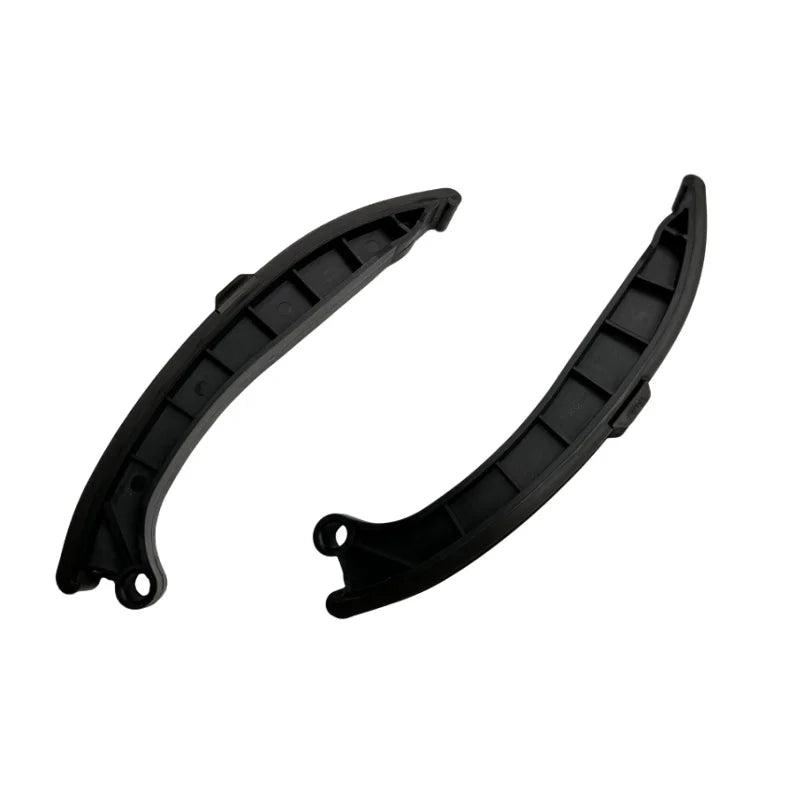
- Timing chain guides and the upper and lower guide rails on chain-driven applications
- The water pump on applications where it is engine-driven and accessible during the timing job; replacing it at this interval avoids the full strip-down cost of an isolated water pump failure
The labour cost of a timing job is the dominant expense. A complete timing kit uses that sunk labour cost to address every component exposed during the job. Individual component replacement defers that cost without eliminating it.
Platform Coverage: Timing Belts and Chains We Supply
CBT Auto Parts stocks timing belts, timing chains, and complete timing kits across the following platforms:
Asian Platforms
- Hyundai i30 timing belt: OEM-spec replacement belts and complete timing kits for the i30 covering the most common engine codes across production years
- Hyundai Getz timing belt: replacement timing belts for the Getz, a widely maintained small car with a defined belt replacement schedule
- Toyota Hilux timing belt replacement: complete timing kits for the Hilux diesel and petrol engines, one of the most frequently serviced platforms across working vehicle fleets
- Subaru timing belt: replacement belts and timing kits for Subaru's horizontally-opposed EJ engine family, which carries a well-documented requirement for accurate belt interval management
Australian and European Platforms
- Ford Ranger cambelt: OEM-spec timing belts and complete cambelt kits for the Ford Ranger diesel across applicable production years
- Timing chain VE Commodore: timing chain and guide replacement components for the VE Commodore V6 and V8 engine families where chain stretch and tensioner wear are confirmed failure points
Other Applications
- Car timing belt: broad coverage across mainstream Japanese, European, and American petrol engines carrying a manufacturer-defined belt replacement interval
- Replace timing belt: if you are sourcing parts for a scheduled replacement across any platform not listed, contact CBT Auto Parts with your engine code and production year for confirmation before ordering.
What to Source Alongside Your Timing Belt or Chain
A timing job opens access to several components that share the same service exposure as the timing drive and are expensive to address in isolation. The correct approach is to confirm what is accessible during the job and address it while the engine is open.
Components to assess and source alongside any timing belt or chain replacement include:
- Camshafts: The timing belt or chain drives the camshaft directly. If the engine has covered high mileage and cam lobe wear is suspected, a timing replacement is the most accessible opportunity to inspect and replace the camshaft while the front of the engine is already opened and the timing components are removed.
- Cylinder Heads and Gaskets: On engines where coolant loss or overheating has preceded the timing service, the cylinder head gasket should be inspected before the timing components are refitted. A timing replacement that reseals the head at the same visit avoids a repeat strip-down in the near term.
- Engine Rebuild Kits: Where a timing replacement is being carried out as part of a broader engine overhaul, a complete engine rebuild kit consolidates all gaskets, seals, and internal consumables into a single order, so the timing and the overhaul can be completed in one uninterrupted job.
All of these are available through the Engine & Powertrain Parts range at CBT Auto Parts.