Ball Joints: Car Ball Joint, Upper and Lower Ball Joints, and Truck Ball Joint Replacement
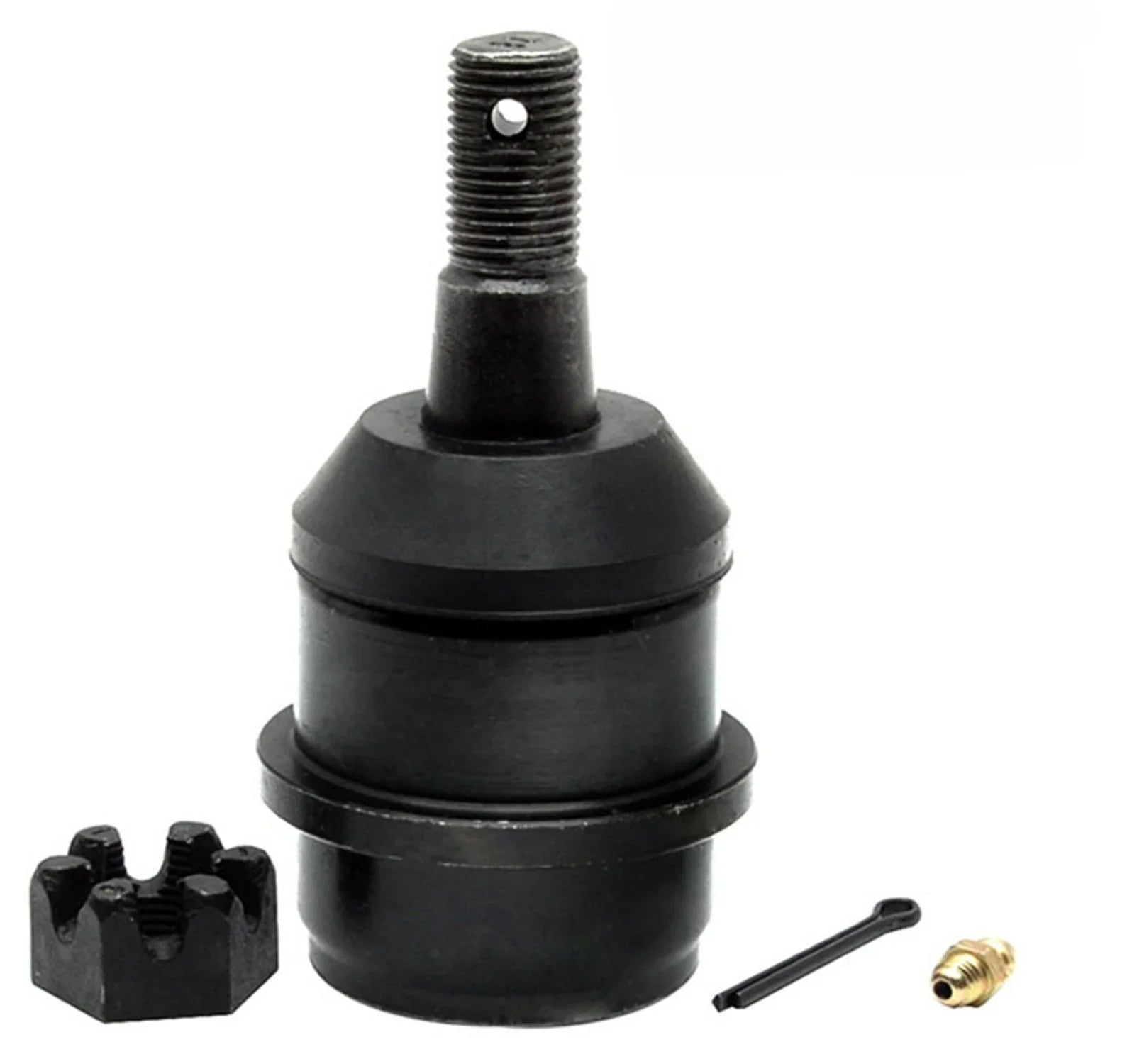
A ball joint is the pivoting connection between your control arm and steering knuckle, letting the wheel turn while carrying the full weight and motion of the suspension. When a ball joint fails, the wheel can detach from the vehicle without warning.
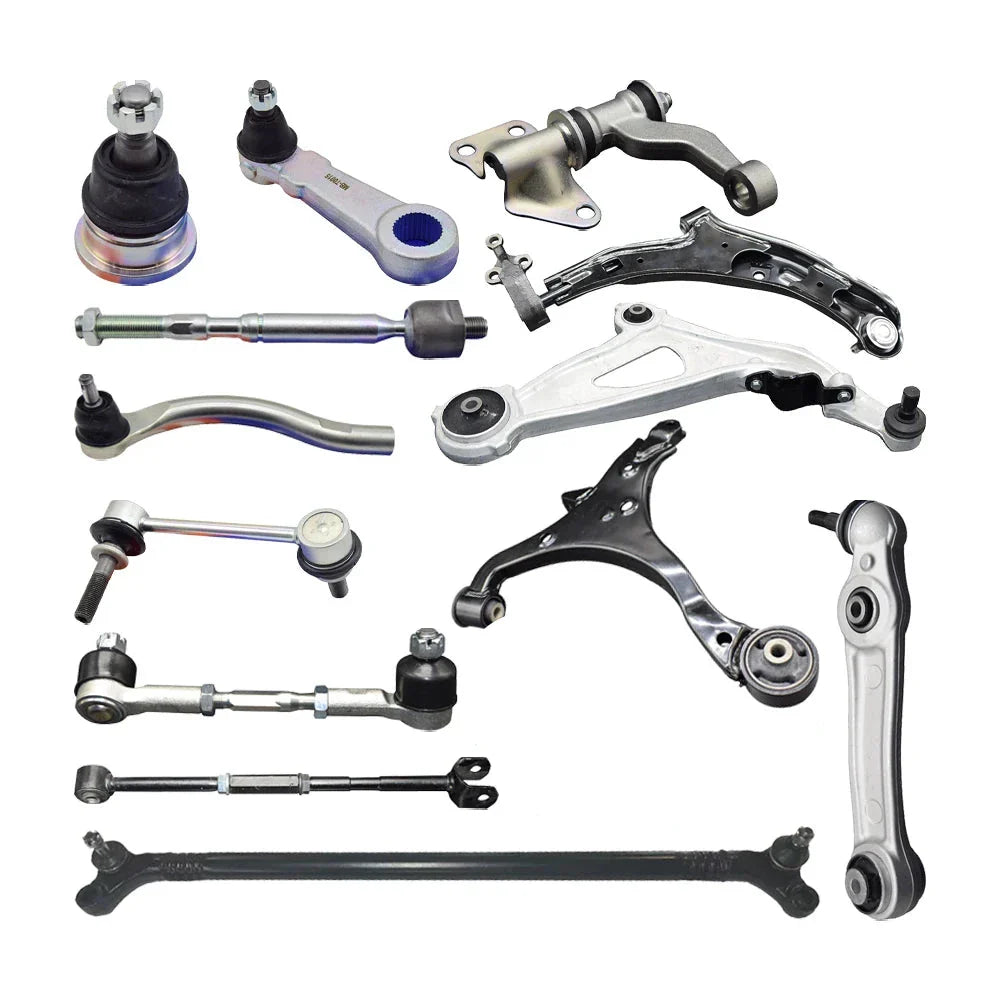
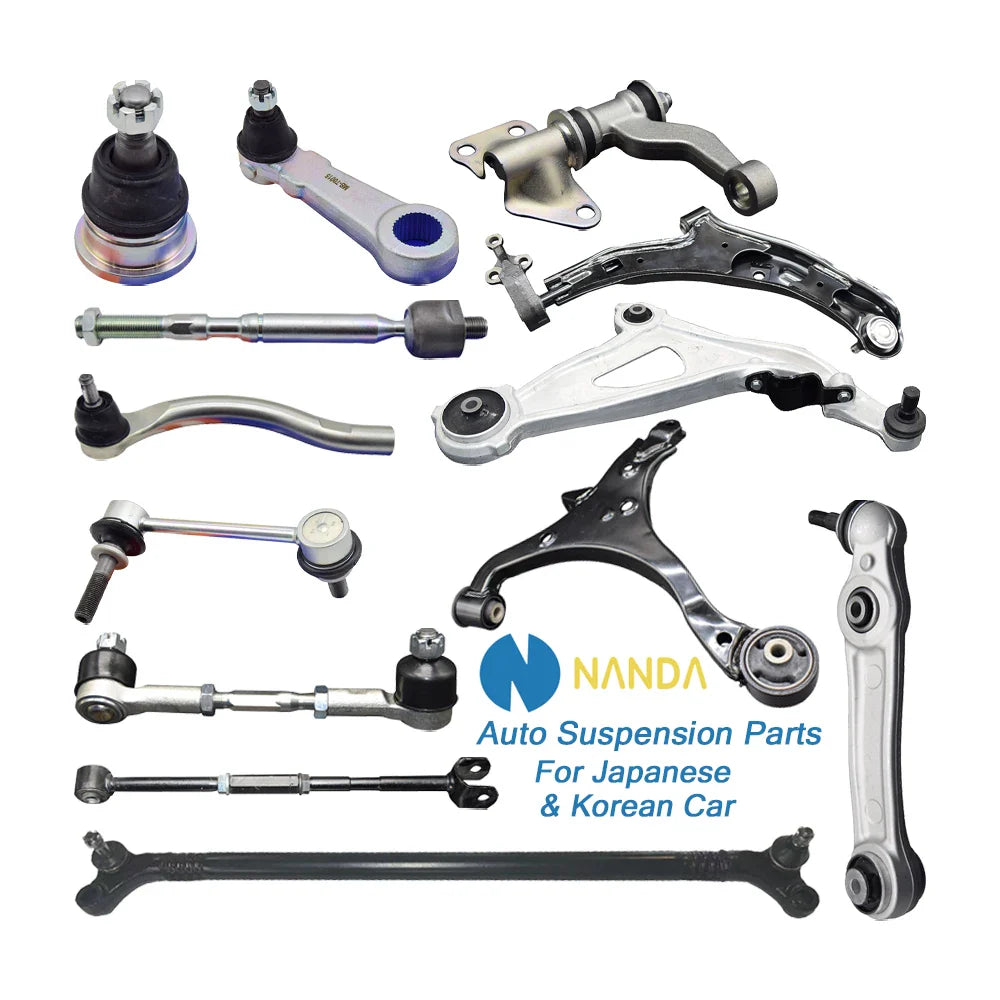
At CBT Auto Parts, we stock car ball joints and truck ball joints, including upper and lower ball joints for Ford Territory, F250, and RAM 2500, within our Suspension & Steering Parts range alongside Control Arms and Steering Knuckles. OEM and aftermarket ball joint replacement options are confirmed for fitment; aftermarket is fully accepted, and fast shipping keeps your repair moving.

13 products
Showing 1 - 13 of 13 products
Why Ball Joints Are a Safety Component, Not Just a Wear Item
Most suspension parts wear gradually and give you a long runway between the first symptom and a serious problem. Ball joints behave differently. The ball joint is the rotational pivot allowing the wheel to steer and articulate through suspension travel simultaneously, and it carries that load through a small ball and socket housed in a wear-prone bushing.
When a ball joint reaches the end of its service life, the failure mode is not always a slow decline. Excessive play can progress to complete separation of the stud from the socket, and at that point,t the wheel can lose its connection to the control arm entirely. This is the single biggest reason ball joints should never be left to wear past the point of detection. Where other components affect comfort or handling feel, a failed ball joint affects whether the wheel stays attached to the car.
Upper and Lower Ball Joints: How Their Roles Differ
Vehicles with double wishbone or multi-link front suspension run both an upper and lower ball joint per side, each doing a different job. Vehicles with a MacPherson strut front end typically run only a lower ball joint, since the strut itself performs the role an upper ball joint would otherwise fill.
Lower Ball Joint
The lower ball joint is the load-bearing joint in almost every suspension design. It sits at the outer end of the lower control arm and supports the majority of the vehicle's weight at that corner, while still allowing the steering knuckle to pivot freely. Because it carries a continuous load rather than just guiding movement, the lower ball joint is the one that wears first and is checked first during any suspension inspection.
Upper Ball Joint
Where fitted, the upper ball joint connects the upper control arm to the top of the steering knuckle. It carries far less static load than the lower joint but is essential for maintaining camber angle and geometry control through cornering and braking. Upper and lower ball joints should always be assessed together during inspection, since wear in one often accelerates wear in the other through altered geometry.
How to Tell a Ball Joint Is Worn: The Inspection Method
Ball joint wear produces specific, identifiable symptoms rather than the vague discomfort associated with bushing or shock wear. The following checks are what a workshop actually looks for:
- A clicking or popping sound during slow, full-lock turns in a car park or driveway.
- A distinct knock from the front end over bumps or expansion joints, more sudden than a dull thud.
- Visible vertical play when the wheel is jacked off the ground, and the tyre is rocked top to bottom by hand.
- Uneven tyre wear concentrated on the inner or outer tread edge, pointing to altered camber from joint play.
- A torn or missing grease boot on greasable joints, which allows contamination and accelerates wear rapidly once breached.
- Steering that feels looser or more vague at speed than it did previously, often dismissed as "normal ageing."
A dry park test, performed with the wheels on the ground and the steering wheel rocked while someone watches the joint, is the quickest way to confirm play without raising the vehicle. If any of the above are present, both ball joints on that axle should be inspected, not only the side producing the symptom.
Pressed-In Ball Joints vs Bolt-In Replacement: Working With Your Control Arm
Not every ball joint is a standalone, replaceable part. How your specific platform is designed determines whether you are buying a ball joint on its own or as part of a larger assembly.
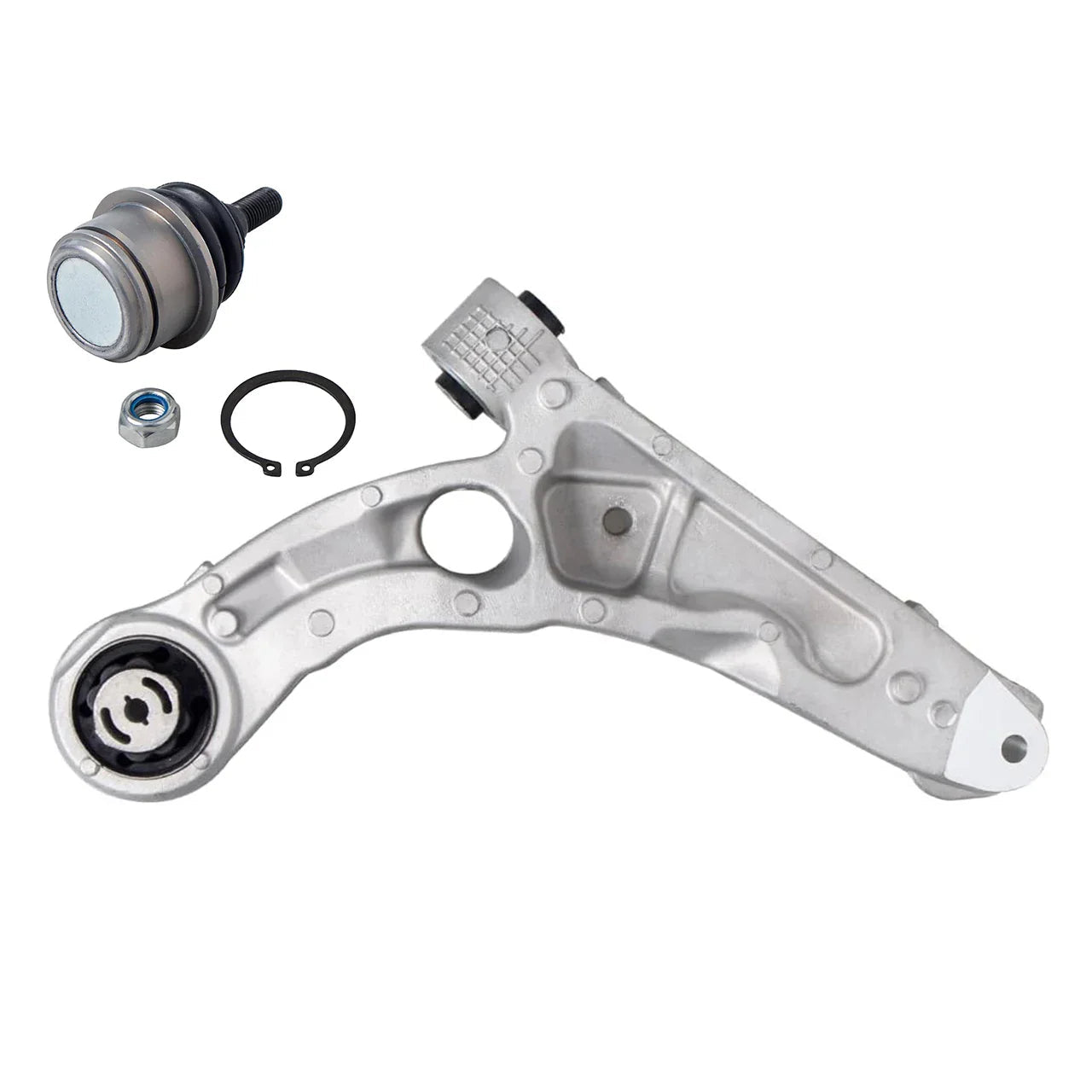
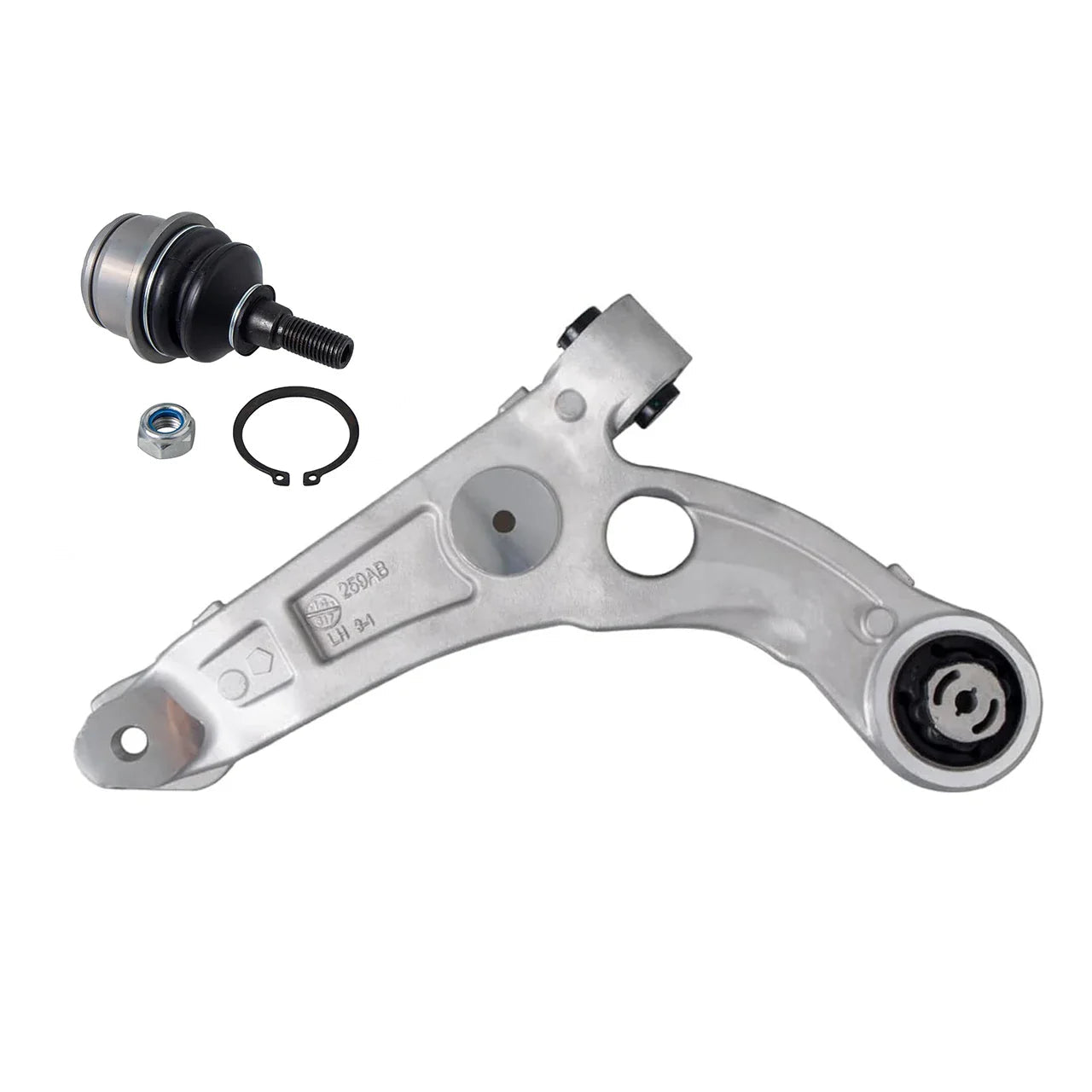
On many platforms, the ball joint bolts into the control arm as a separate, replaceable component, and a worn joint can be swapped without disturbing the arm itself. On other platforms, the joint is pressed or riveted into the control arm at the factory, meaning a control arm with a ball joint configuration cannot be separated into two parts. In this second case, a control arm lower ball joint that has failed requires replacing the full arm, and a ball joint and control arm assembly is sold and fitted as one unit.
There is no disadvantage to this design. A factory-matched control arm and ball joint assembly arrives correctly torqued and avoids a press-fit step that is a common source of installation error when done outside a proper workshop press. If your platform uses this configuration, our Control Arms range carries the complete assembly, so the correct part is sourced the first time, and the upper connection point at the steering knuckle remains within factory tolerance.
Truck and SUV Ball Joints by Platform
Truck ball joints work under load conditions a passenger car joint never sees: towing, payload, corrugated roads, and repeated full-lock manoeuvring in tight spaces. This is reflected in the heavier-duty specification most truck-fitment ball joints are built to.
Ford Territory Ball Joint
The Ford Territory is a common platform for ball joint replacement,t given its SUV ride height and the additional leverage that is placed on the lower joint during cornering. A Ford Territory ball joint failure typically presents first as a knock over speed humps, and both upper and lower options are stocked to suit the specific generation and trim of the vehicle.
F250 Ball Joints
Heavy-duty trucks like the F250 place a substantial load through the front suspension, particularly when fitted with a snow plough, tray, or regular towing duty. F250 ball joints in our range are specified for this load profile rather than adapted from a lighter-duty passenger car part, and both front upper and lower positions are covered.
RAM 2500 Ball Joints
The RAM 2500 carries significant front axle weight as a heavy-duty platform, and RAM 2500 ball joints see accelerated wear when the truck regularly tows or carries a heavy tray. We stock OEM-specification and reinforced aftermarket options for this platform, suited to both standard use and sustained heavy-load applications.
OEM vs Aftermarket Ball Joints: What Actually Matters
The specification details matter more on a ball joint than on almost any other suspension component, given the consequences of failure. OEM ball joints replicate the factory stud taper, socket tolerance, and boot material precisely, making them the right call when warranty terms or unmodified handling characteristics are a requirement.
Aftermarket ball joints are not automatically a lesser option, but quality varies more in this category than most. The details worth checking before buying are:
- A forged rather than cast stud, which resists bending under sustained load.
- A reinforced rubber boot that resists cracking from heat and road debris.
- A greasable design with a fitted nipple, allowing future maintenance to extend service life.
- Confirmed torque specification and stud taper matching your specific control arm or knuckle.
Quality aftermarket ball joint replacement parts meeting these standards are used daily in professional workshops without issue. Given how directly this part affects wheel retention, this is one category where it is worth checking the specification sheet rather than buying on price alone.