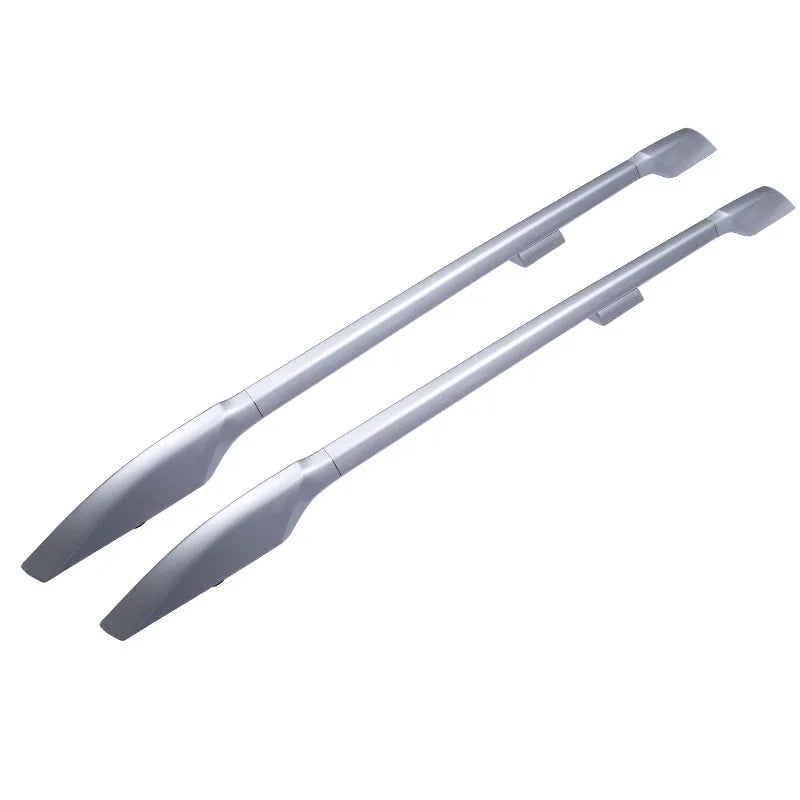
Roof Rack, Car Roof Bars, Roof Rack Platform, and Flat Roof Rack Systems
A roof rack turns wasted space above your vehicle into usable capacity, whether that means a kayak strapped down for the weekend or a canopy roof rack loaded for a camping trip. CBT Auto Parts stocks car roof bars, roof rack platform setups, and flat roof rack designs, alongside Side Steps and Tow Bars inside Body and Exterior Parts.
Every roof rack here is checked against your exact vehicle and roof type before it ships, so aftermarket never means a wobbly, incorrectly rated fit. Load ratings and mounting style are confirmed before dispatch, and most orders leave within 24 to 48 hours, tracked across Australia.
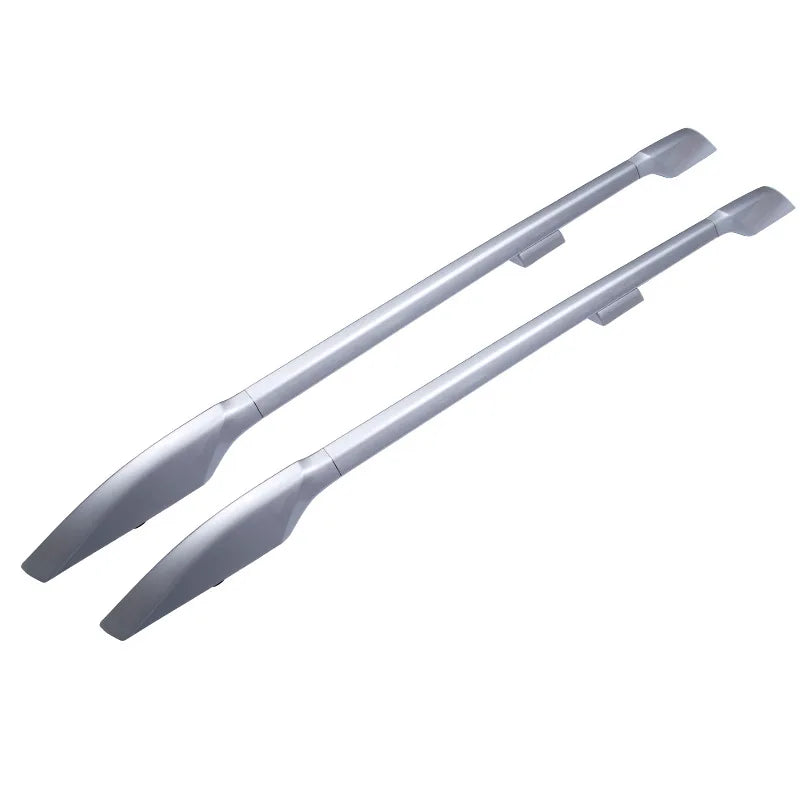
1 product
Showing 1 - 1 of 1 product
Roof Rack Styles: Platform, Basket, Flat, and Canopy
Roof rack systems come in several distinct shapes, and choosing the right one depends heavily on what you actually plan to carry:
- A roof rack platform, a flat mesh or tray-style base that suits rooftop tents, general cargo and modular accessories.
- A roof rack basket, a raised edge design better suited to loose or irregularly shaped gear like camping equipment.
- A flat roof rack, low-profile bars sitting close to the roofline, best for kayaks, bikes, and roof boxes.
- A canopy roof rack, mounted to a ute canopy or tray rather than the cabin roof, for tradies and touring setups needing extra load capacity.
Cargo roof rack setups often combine a platform or basket base with accessories like tie-down points, awning brackets, or a second tier for additional gear. Some listings use the shorter term roof platform interchangeably with roof rack platform, referring to the same flat mesh or tray-style base.
Car Roof Bars: The Foundation of Every Setup
Car roof bars are the load-bearing crossbars that everything else attaches to, whether that is a roof rack platform, a roof box, or a kayak carrier. These roof rack bars generally mount in one of three ways: into factory roof rails, onto flush-fitting points built into the roofline, or via clamps that grip the door frame on vehicles without factory mounting points. Getting the mounting type right matters more than almost any other choice in this category, since the wrong bar type simply will not attach securely regardless of load rating.
Weight Ratings: Static vs Dynamic Load
Every roof rack and set of car roof bars carries two separate weight ratings that are frequently confused. Static load rating applies while the vehicle is parked, relevant for rooftop tents where people are standing or sleeping on the roof. Dynamic load rating applies while driving and is almost always considerably lower than the static figure, since it accounts for braking, cornering, and road vibration acting on the load. Always check the dynamic rating against your actual travelling load, not just the static figure advertised for the rack.
Kayak, Cargo, and Bike Roof Racks
A kayak roof carrier typically uses either padded J cradles or saddle-style cradles mounted to a flat roof rack or car roof bars, distributing weight along the hull rather than concentrating it at one point. Cargo roof rack accessories, including boxes and baskets, suit bulkier gear like luggage or camping equipment where weatherproofing matters as much as capacity. Bike carriers generally mount either directly to roof bars via a fork or wheel mount, or via a roof rack platform using universal clamps, and are one of the more common accessories fitted alongside a general-use rack.
4x4 and 4WD Roof Rack Considerations
A 4x4 roof rack or roof rack 4wd setup is typically built to a higher load rating than a standard passenger vehicle system, since touring and camping loads tend to be heavier and more varied. Canopy roof rack systems are especially common in this segment, mounted directly to a ute tray canopy to keep weight lower and further back than a cabin-mounted rack. Aluminium roof rack construction has become popular across the 4WD market for its strength-to-weight ratio, reducing overall vehicle weight compared with older steel rack designs while maintaining a similar load rating.
Custom Roof Rack Builds
A custom roof rack is typically specified for vehicles without a standard off-the-shelf fitment, unusual accessory combinations, or specific load configurations such as multiple rooftop tents, extended awnings, or non-standard tie-down layouts. Custom builds generally start from a standard platform or basket base, with brackets, tie downs, and accessory mounts added to suit the exact touring or work setup required. This route usually costs more and takes longer to fulfil than a standard fitment, so it is worth confirming your exact requirements before committing.
A Note on Kings and Other Branded Roof Racks
Some drivers search specifically for King's roof racks, referring to a well-known Australian 4WD-branded rack system. Brand-specific stock and availability can vary, so it is worth confirming with our team whether a genuine branded fitment or an equivalent alternative suits your vehicle and load requirements before ordering.
Fitting a Roof Rack
- Confirm your roof type first: factory rails, flush points, or bare roof, since this determines the correct bar and mounting kit.
- Torque all mounting bolts to the manufacturer's specification, since undertightening is a common cause of movement or noise at speed.
- Recheck bolt tension after the first few hundred kilometres, particularly on a new fitment.
- Distribute load evenly and secure it with rated straps, regardless of how well rated the rack itself is.
Why Buy Your Roof Rack From CBT Auto Parts
- Fitment checked against your exact vehicle, roof type, and intended load before dispatch.
- Platform, basket, flat, and canopy styles available, covering everyday, touring and work use.
- Roof rack orders ship within 24 to 48 hours, tracked door to door across Australia.
- Sits alongside Side Steps and Tow Bars, useful for a full touring or work vehicle setup.
- Support team available to confirm static and dynamic load ratings before you order.