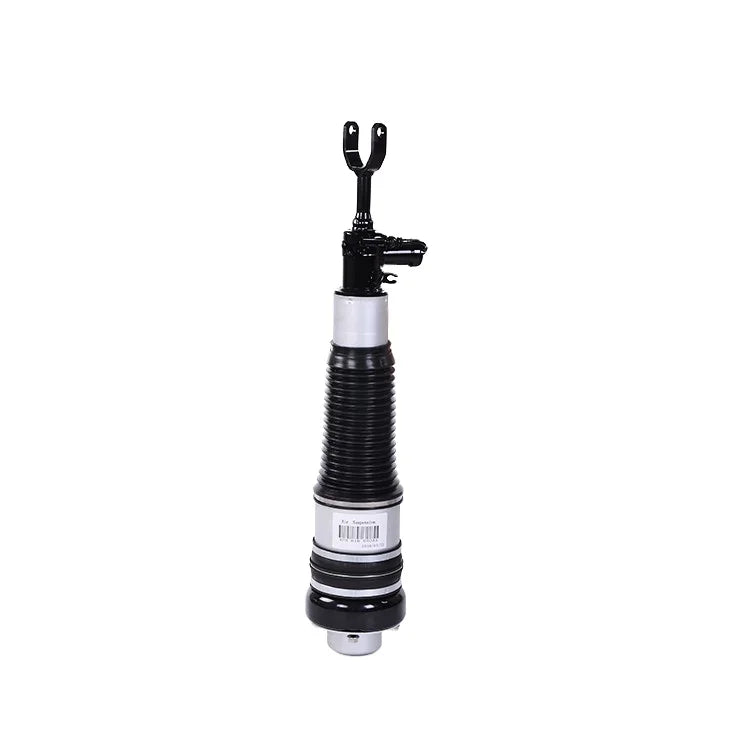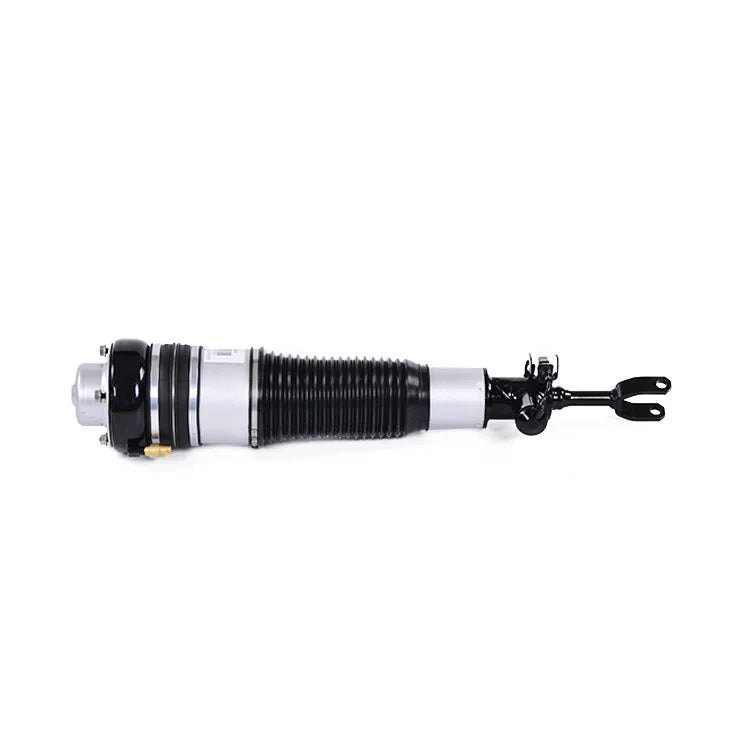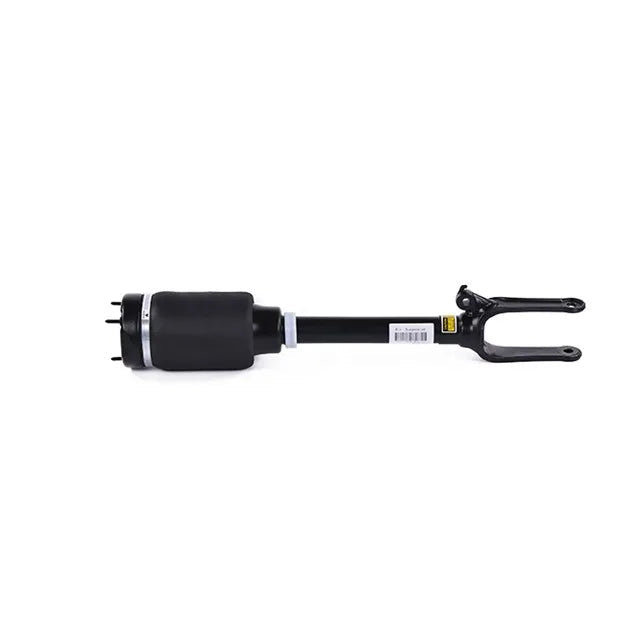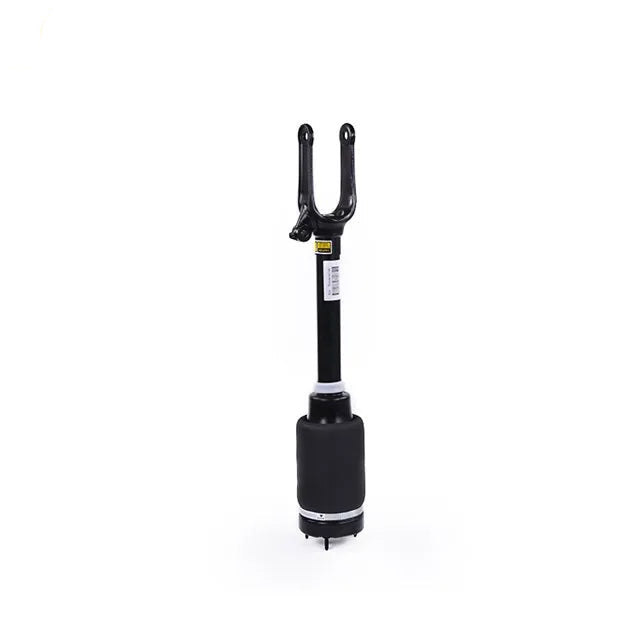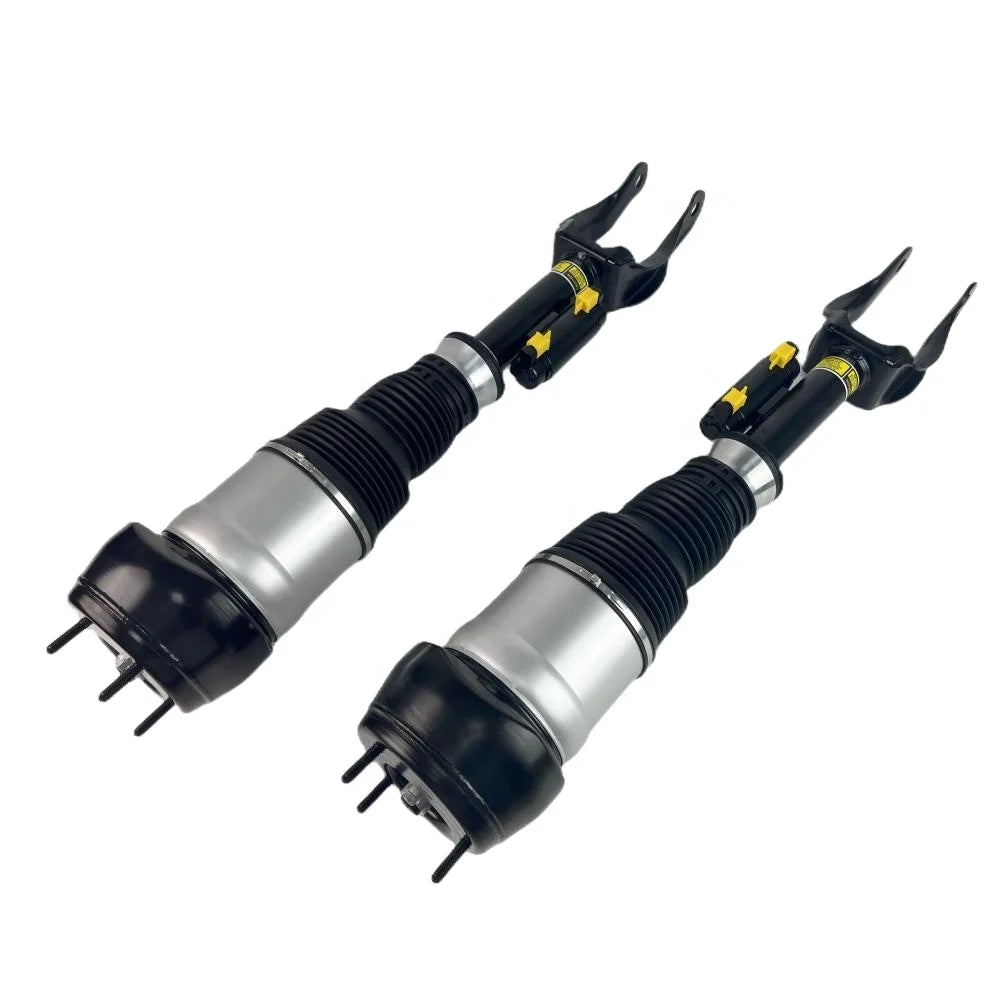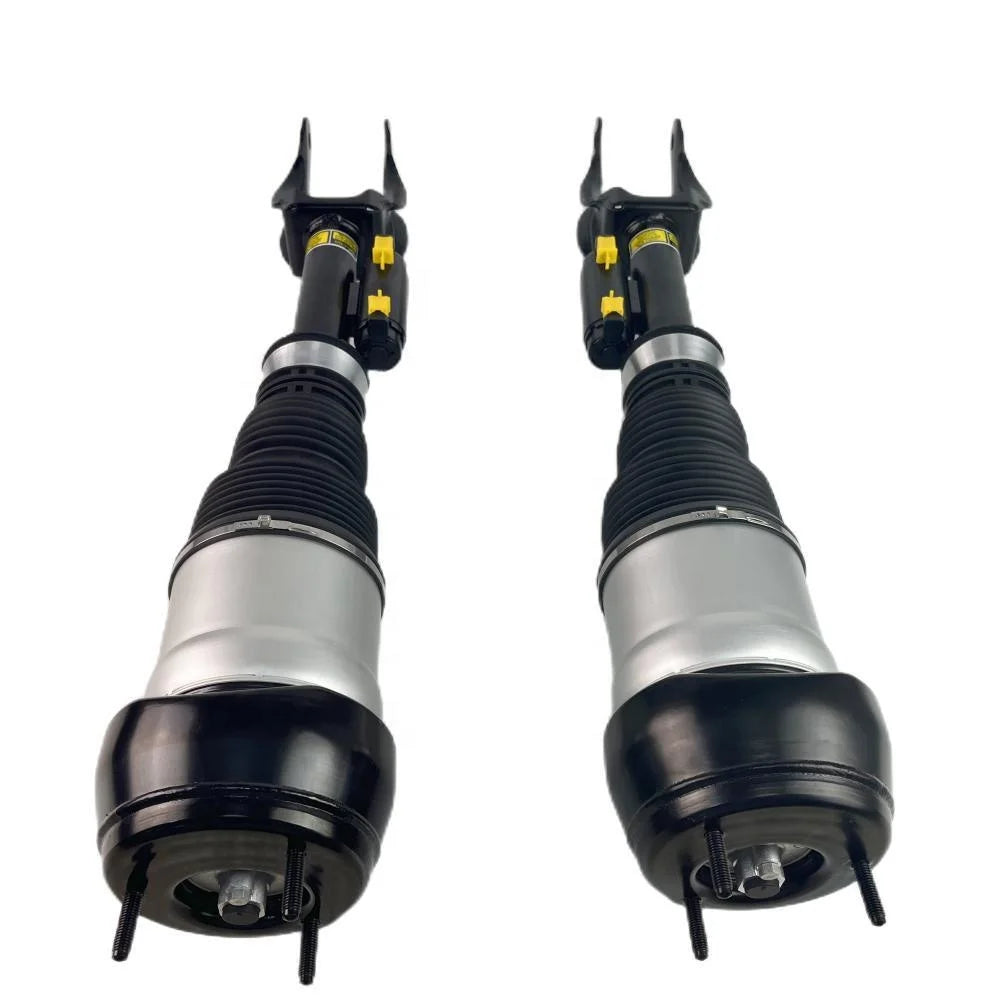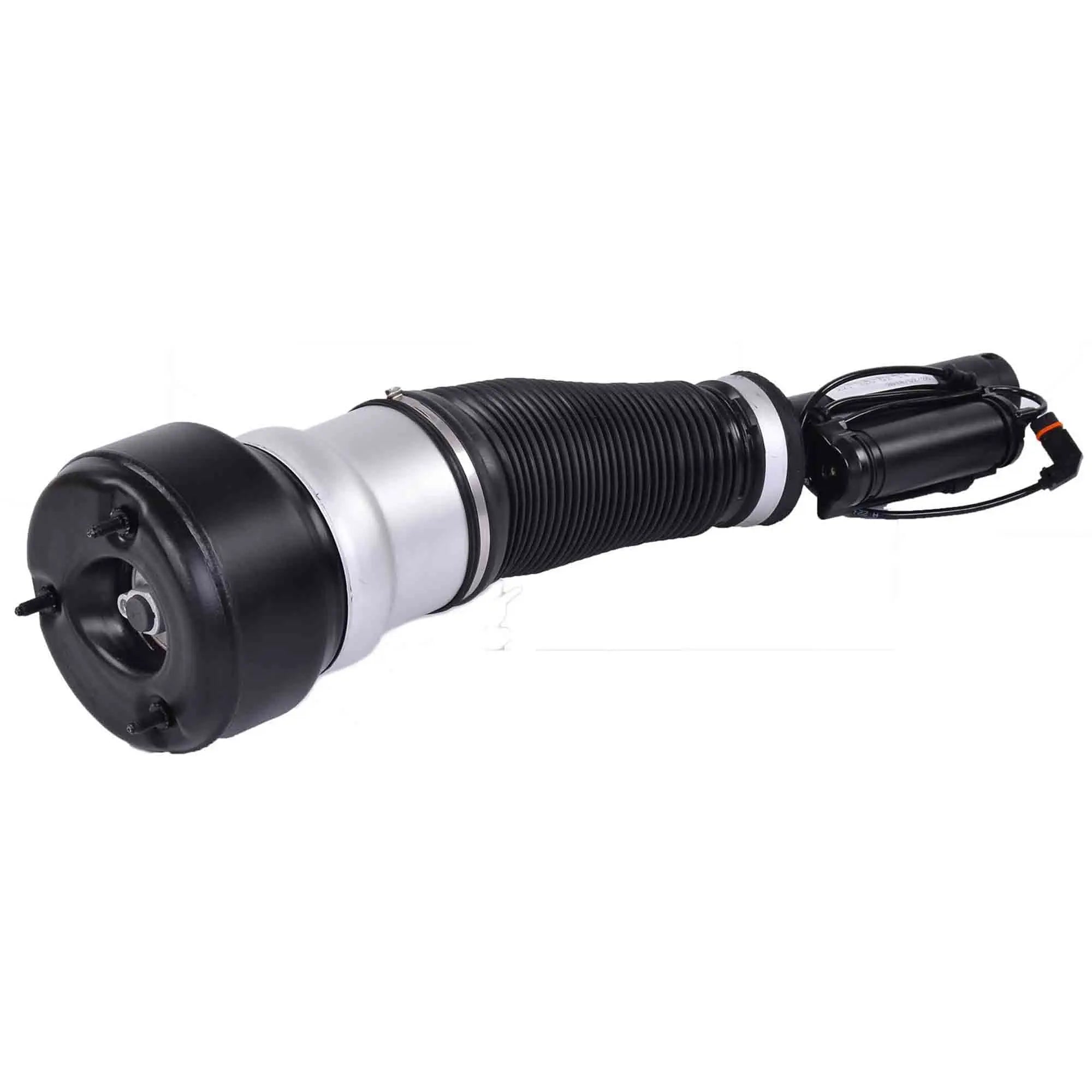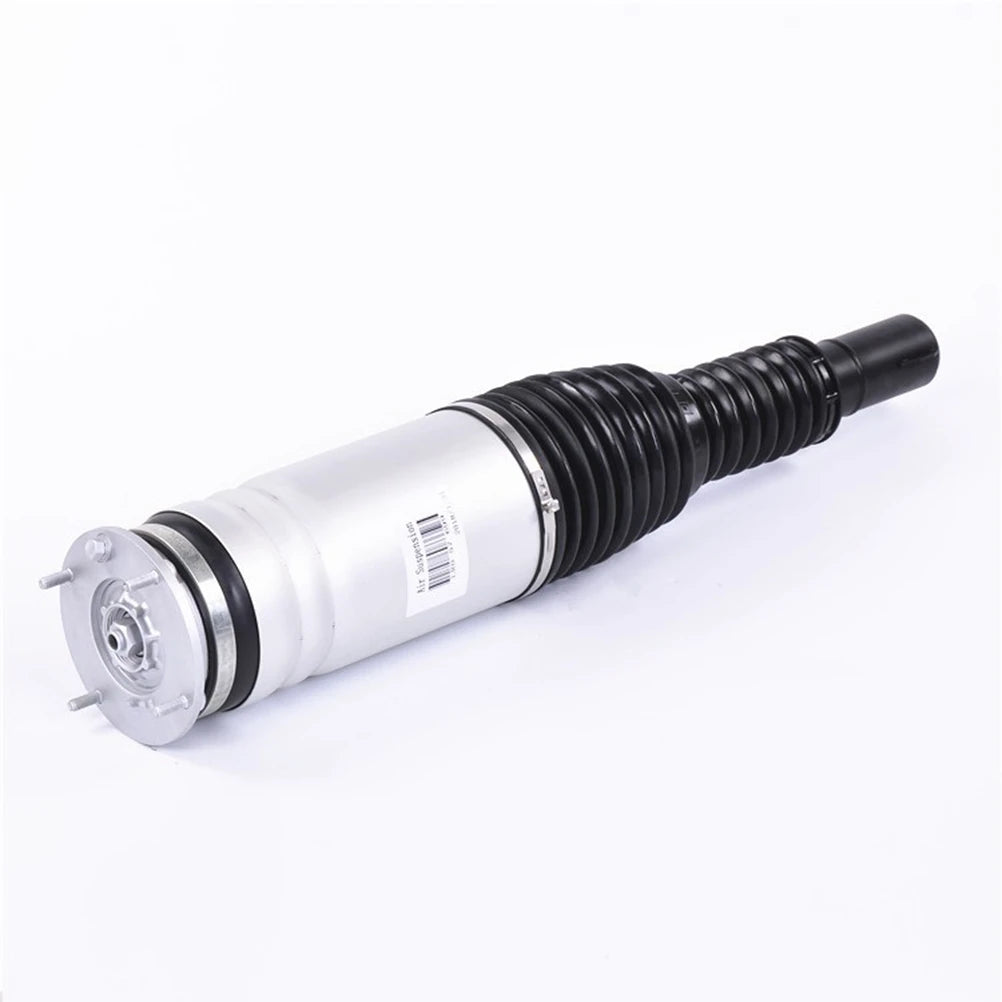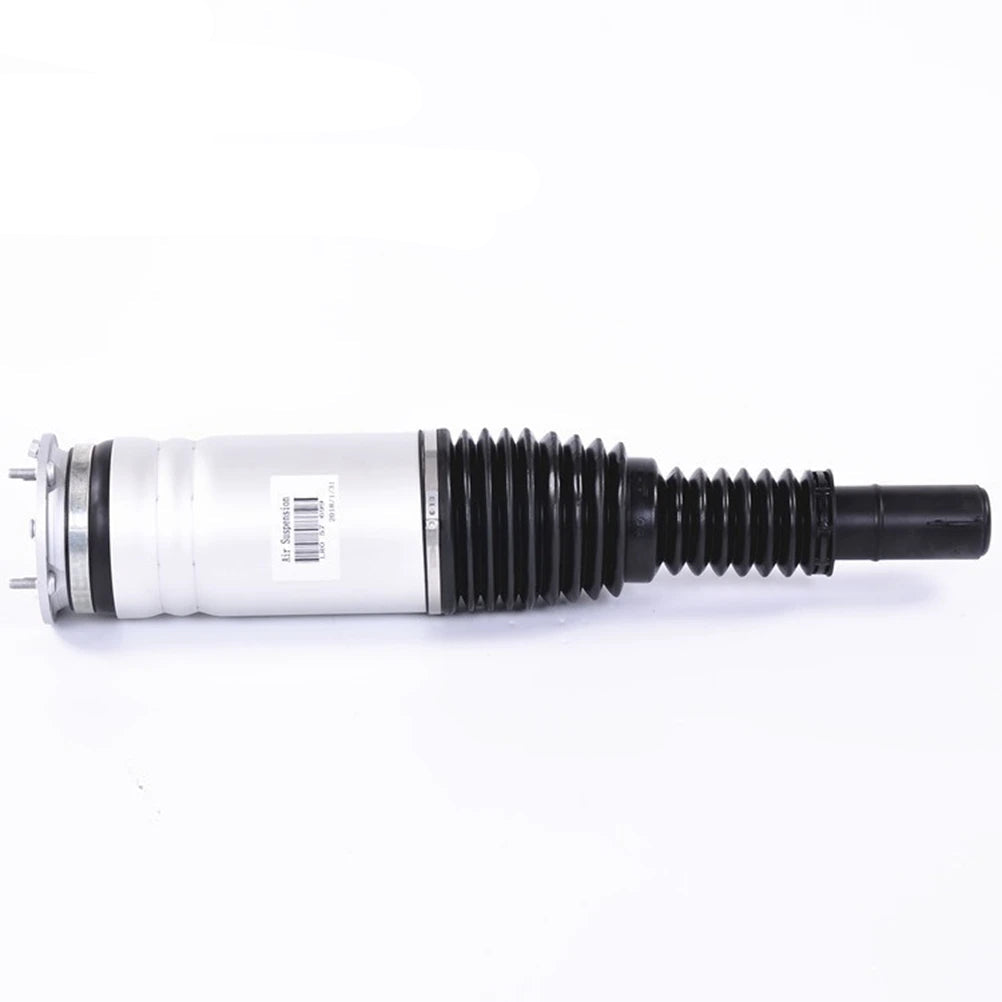
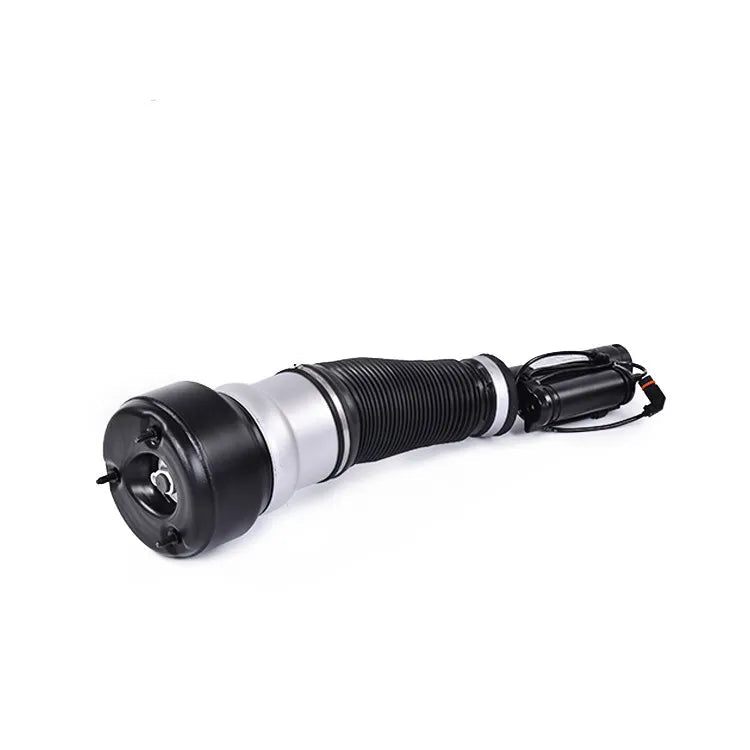
Struts: Front Struts, MacPherson Strut Assemblies, and Strut Replacement Parts
A strut is more than just a damper. It is a structural load-bearing component in your vehicle's suspension system, carrying body weight while controlling road movement. When a strut wears out, the failure affects ride quality, steering precision, and driver safety simultaneously.
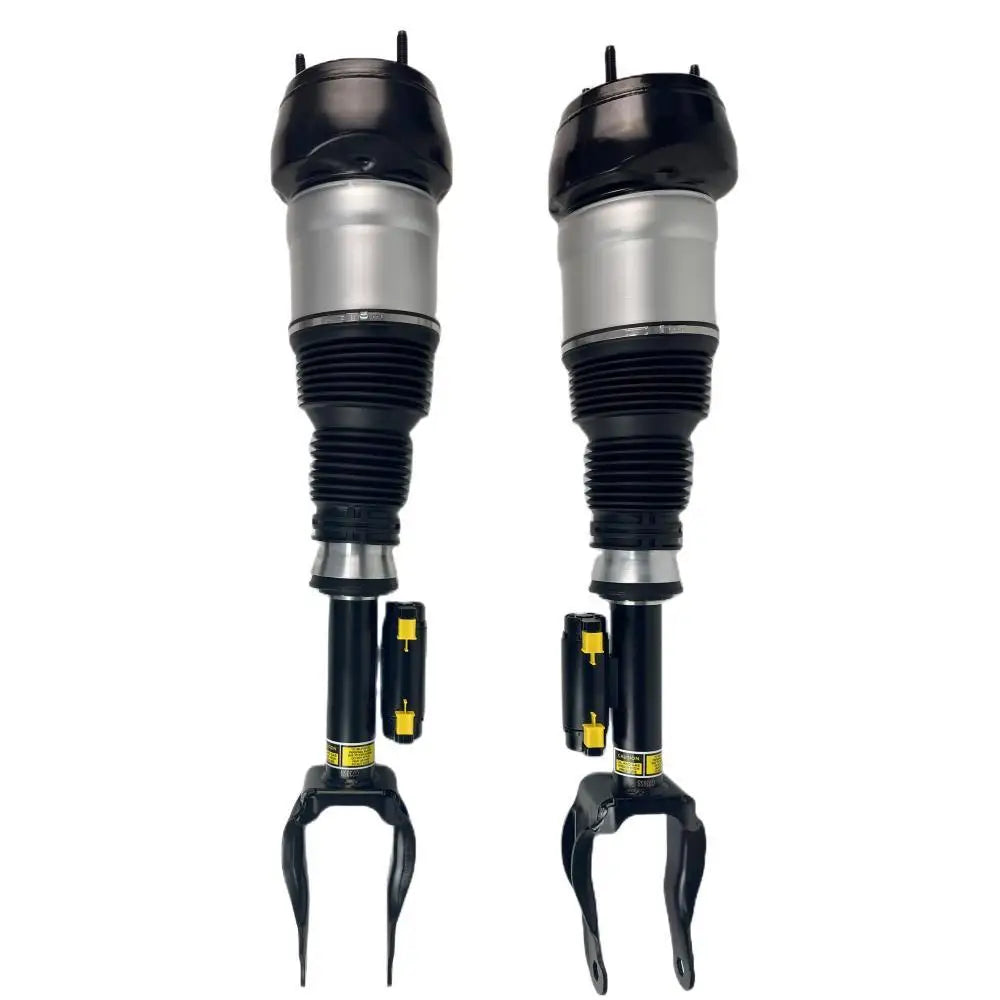
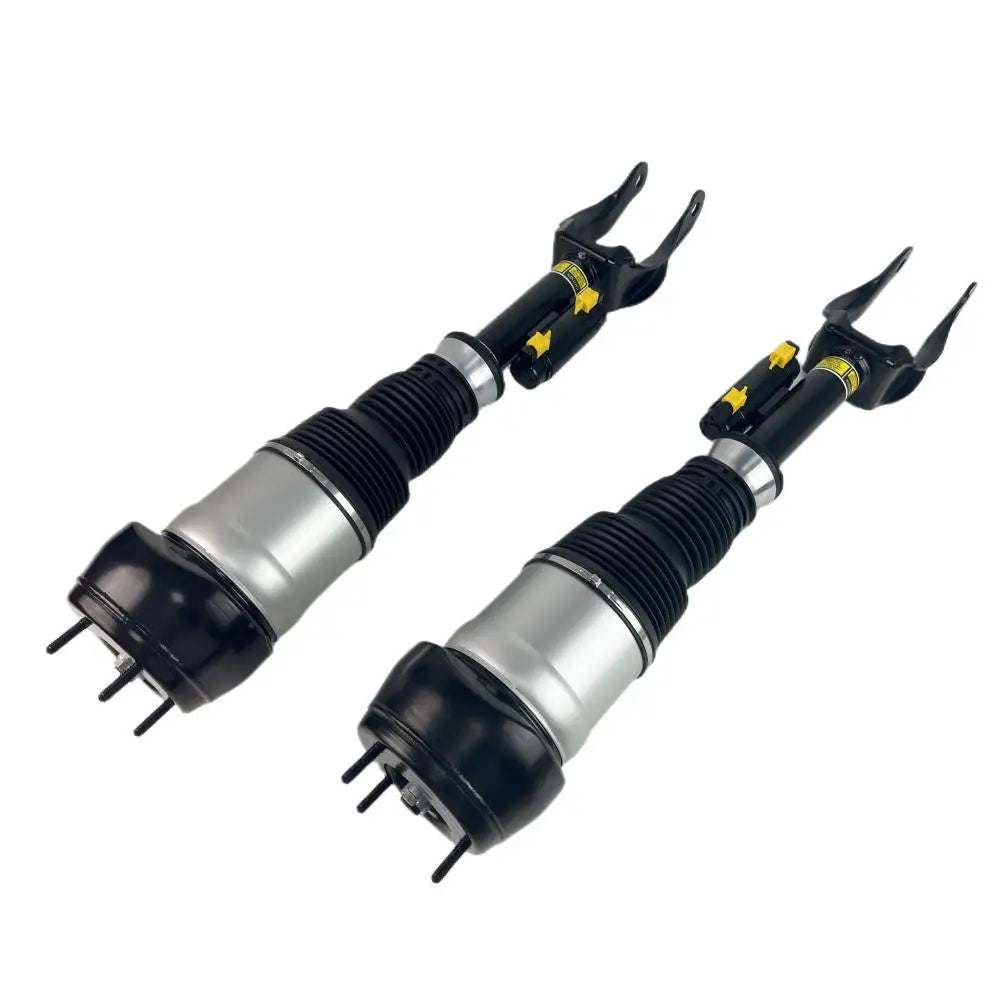
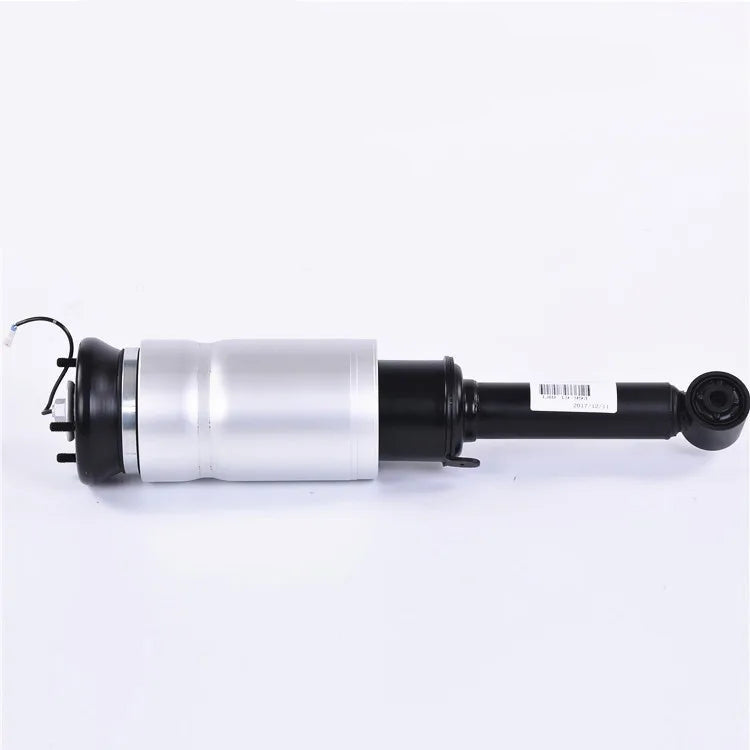
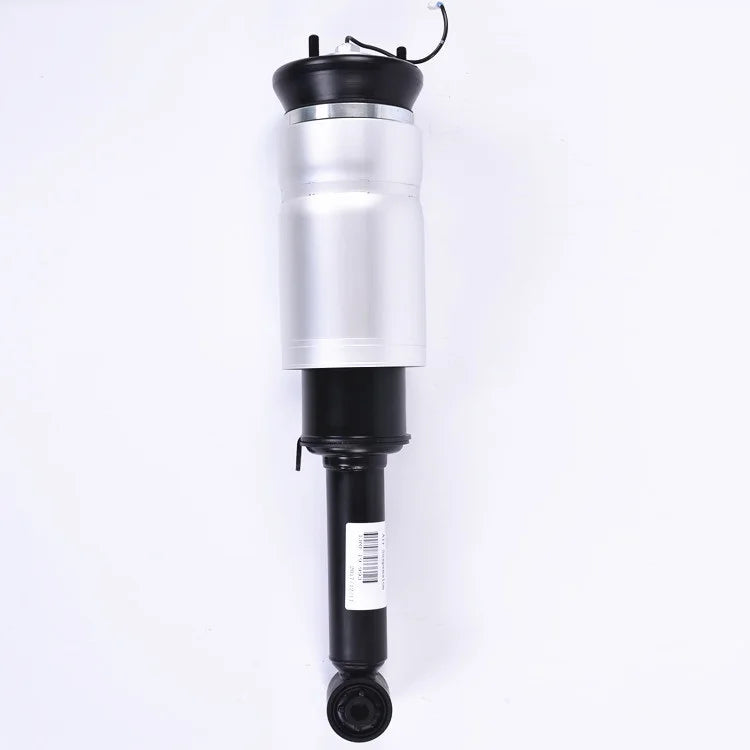
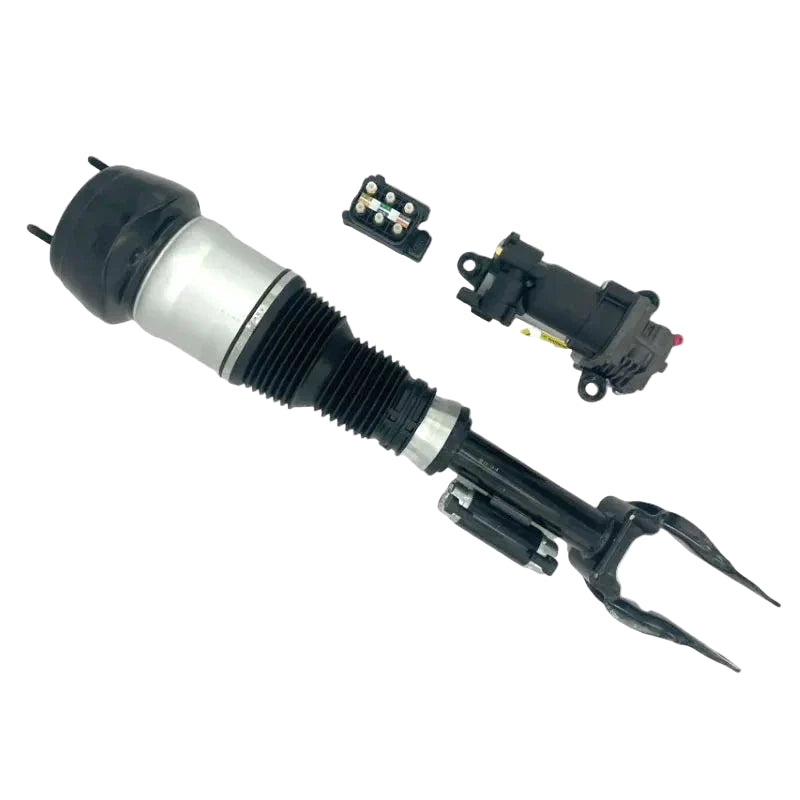
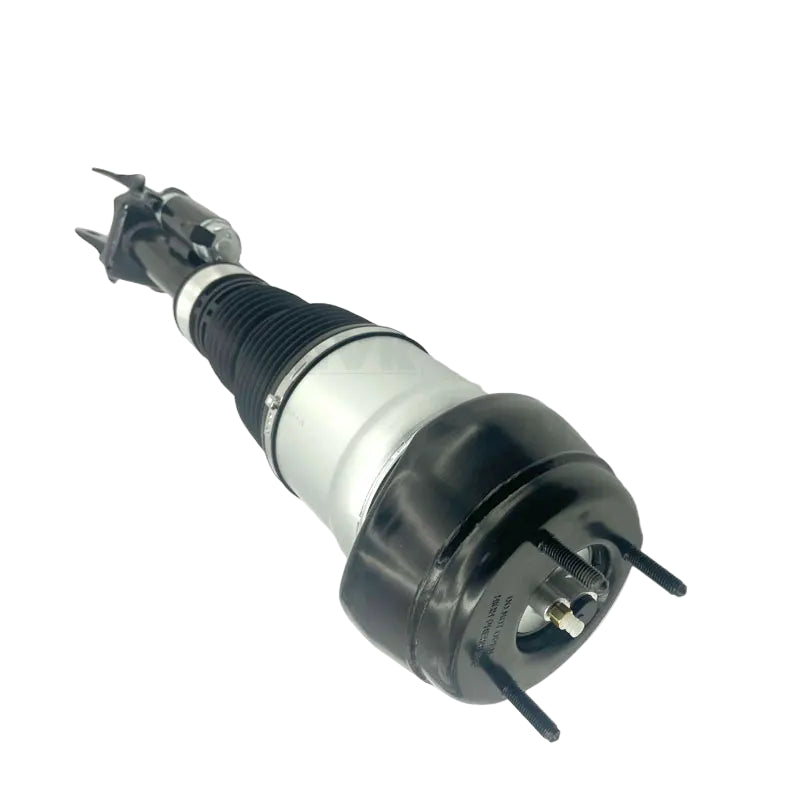
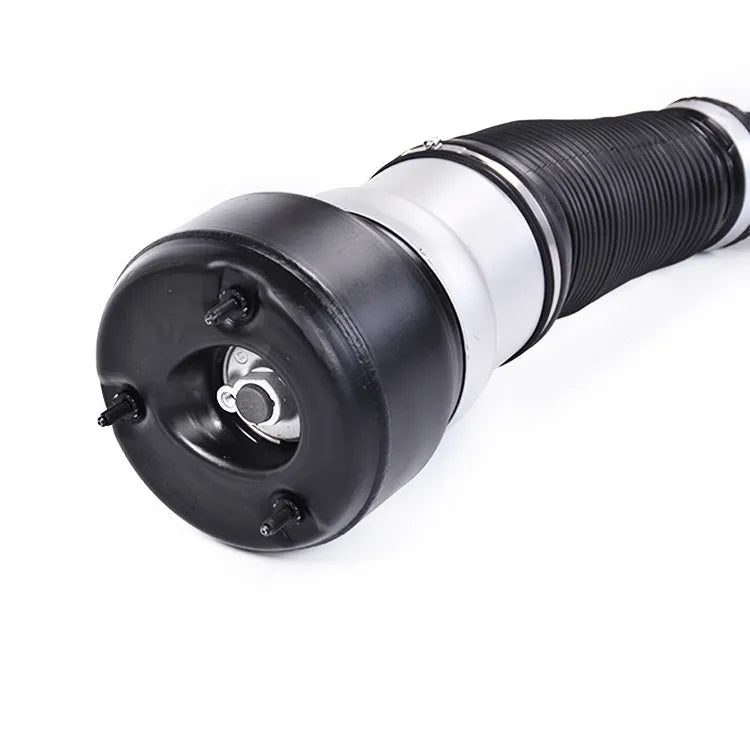
At CBT Auto Parts, we stock front struts, rear strut assemblies, and complete MacPherson strut assembly options built to OEM quality standards, all part of our broader Suspension & Steering Parts range. Both OEM and aftermarket options are available to suit your vehicle and budget; every unit is matched for exact fitment, aftermarket parts are fully accepted, and fast shipping means your repair does not wait.

10 products
Showing 1 - 10 of 10 products
Struts and Shock Absorbers: Understanding the Difference
One of the most common points of confusion in suspension is whether a strut and a shock absorber are the same thing. They are not. A shock absorber is a standalone component that controls spring oscillation and can be removed without affecting wheel alignment or geometry. A strut, by contrast, is a structural element of the suspension itself. It forms part of the vehicle's steering pivot axis, meaning the strut determines how the wheel is positioned and how it responds to steering input at all times.
Because of this dual structural and damping role, strut replacement is a more involved process than a shock absorber swap, and the consequences of running a worn strut are more immediate. Connected components, including coil springs, suspension repair kits, and upper mounts, all share service life with the strut, and their condition should be assessed at the same time.
What Makes the MacPherson Strut Assembly the Industry Standard
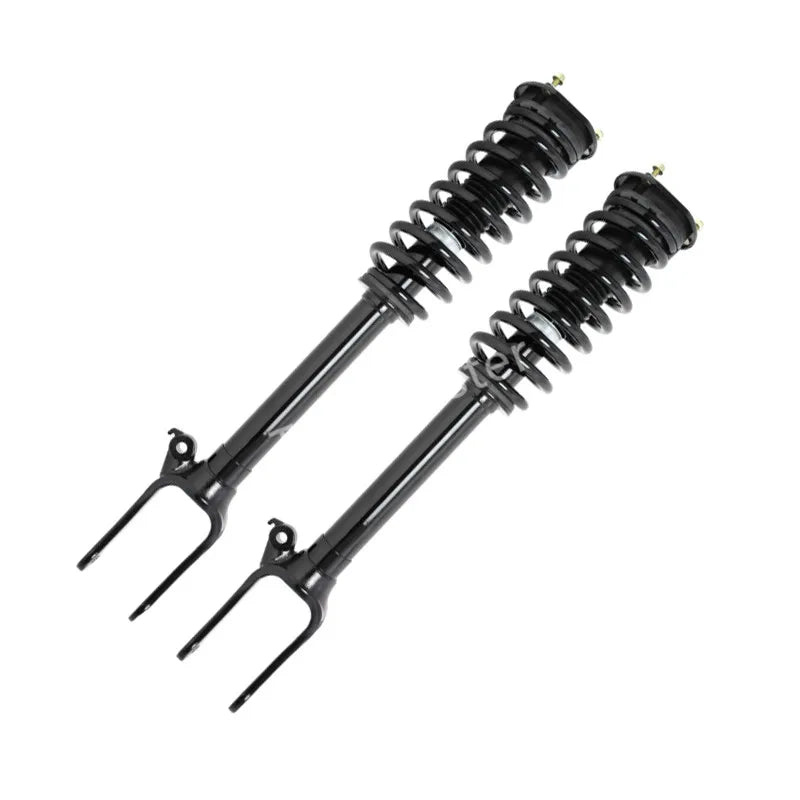
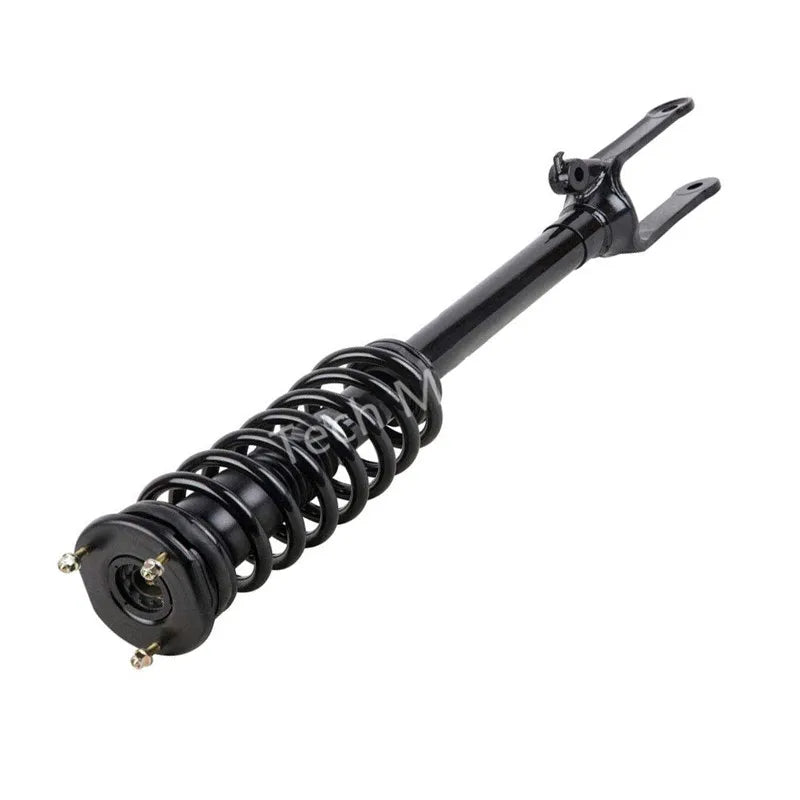
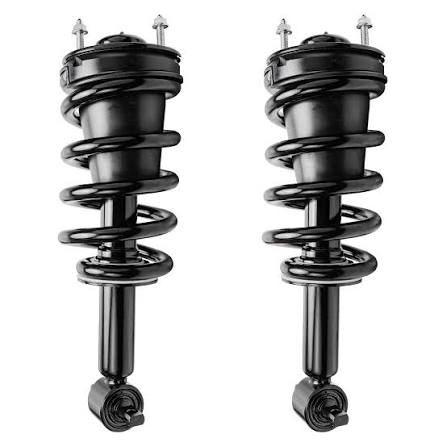
The MacPherson strut is the most widely used front suspension design in modern passenger vehicles. It packages the strut, coil spring, and upper mount into a single unit, simplifying the suspension architecture and reducing the total number of components at each wheel corner. This is why MacPherson strut assembly designs dominate the front suspension of most mainstream cars, crossovers, and light commercial vehicles on the road today.
How a MacPherson Strut Assembly Works
The MacPherson strut assembly pivots on a lower ball joint at the control arm and an upper strut mount at the wheel arch. Steering input rotates the entire strut assembly around this axis. This is why the strut's structural integrity is directly tied to steering response. A worn or damaged strut does not just affect ride comfort. It affects how precisely and how quickly your vehicle responds to steering inputs, particularly during emergency manoeuvres.
When MacPherson Strut Replacement Is Required
MacPherson strut replacement becomes necessary when damping performance degrades, when oil leakage is visible on the strut body, when the upper or lower mount develops play, or when physical damage to the strut body is present. Because the spring and mount are part of the same assembly, replacing the complete MacPherson strut assembly rather than individual elements ensures all components are at matching service life and avoids a return repair in short order.
Front Struts and Rear Struts Fitment, Function, and Replacement Frequency
Not every vehicle uses struts at all four corners. Many platforms run a MacPherson strut design at the front axle and a separate suspension format at the rear, while others use struts at both ends. Understanding which position is affected determines the scope of the repair.
Front struts carry the majority of braking load and govern all steering geometry. Front strut replacement is the more common and more alignment-sensitive of the two positions. After front strut replacement on any vehicle, a full wheel alignment is always the correct next step.
Rear struts manage body stability under braking, load distribution, and rear passenger comfort. Rear strut bushing condition should be inspected at replacement because worn rear strut bushings on a new unit will shorten its service life and leave handling partially compromised.
Axle-pair replacement applies to both positions. Front struts c: car owners commonly make the mistake of replacing only the failed side. Replacing a single strut on one side creates an immediate damping imbalance that affects the vehicle's behaviour under braking and cornering. Both units per axle should always be replaced together.
Warning Signs That Strut Replacement Is Due
Strut wear is gradual, which makes it easy to normalise over time. By the time the most obvious symptoms present themselves, the vehicle has usually been running on compromised suspension for a significant period. The following are the clearest indicators that strut replacement should be assessed without delay:
- Excessive nose-dive under braking or pronounced body squat during acceleration.
- Steering that feels vague, slow to respond, or pulls in one direction on a straight road.
- Cupped or uneven tyre wear, often concentrated on the inner or outer tread edge.
- Visible oil residue running down the length of the strut body.
- Knocking, clunking, or rattling sounds from the wheel area over rough surfaces or speed bumps.
- The vehicle leans noticeably to one side during cornering at normal speeds.
If front strut bushing or rear strut bushing wear accompanies any of the above, the mounts and bushings must be addressed alongside the strut itself. Installing new struts on degraded mounts significantly shortens the service life of the replacement and leaves the root cause of the problem unresolved.
OEM and Aftermarket Struts at CBT Auto Parts
Whether the objective is an exact factory replacement or an equivalent aftermarket option, the right strut is in our range.
OEM struts replicate the original factory specification precisely. They are the correct choice for newer vehicles, warranty-sensitive situations, and drivers who want factory ride characteristics maintained without adjustment. For specific fitments such as 2011 Hyundai Sonata front struts, our listings include both confirmed OEM and verified compatible aftermarket options, so the right unit can be identified before the order is placed.
Aftermarket struts are a fully accepted and widely used alternative across the automotive industry. Quality aftermarket strut assemblies meet the same structural and damping requirements as OEM units and are used daily by professional workshops without issue. For drivers comparing cost against performance, aftermarket front struts and rear strut options deliver reliable results at a more accessible price point.
Complete strut assembly options are stocked for the most common platforms. These combine the strut, spring, and upper mount in a single pre-assembled unit, which eliminates the need to compress and transfer the spring during installation and reduces the total time the vehicle is off the road.