Fuel Lines: Braided, OEM, and Fitting Options
A cracked or brittle fuel line is not a component to leave until the next service, since a leak here sits close to heat and ignition sources and worsens quickly once it starts. CBT Auto Parts stocks fuel line options spanning classic restorations, daily drivers, and heavy trucks, sitting within the fuel system parts collection alongside the fuel tanks and fuel pumps that fuel lines connect directly between.
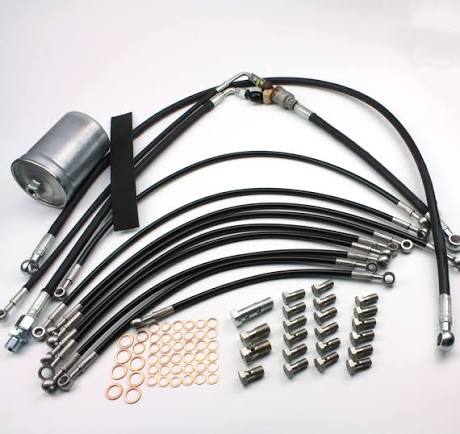
This range covers braided fuel line for performance and show quality builds, OEM specification rubber and metal line for factory correct replacements, and the banjo fittings and connectors needed to complete the job properly rather than leave it half finished. Coverage spans classic platforms including the Fox Body Mustang and E30, daily-driven Jeep YJ and PT Cruiser applications, and commercial fitments for Kenworth trucks and Detroit Diesel DD15 engines. Every fuel line in car applications listed here is matched to chassis and engine code before it goes live, and orders ship quickly worldwide with tracking from dispatch.

14 products
Showing 1 - 14 of 14 products
Signs a Fuel Line Needs Replacing
- Visible cracking or brittleness along the line, especially near fittings
- A noticeable fuel smell that intensifies after the engine has been running
- Fuel staining or dampness along the line's routing under the vehicle
- Reduced fuel pressure reaching the engine with no other obvious cause
- Soft or spongy sections on the rubber line are a sign that the material is breaking down internally
Rubber lines degrade from the inside out over time, particularly on older vehicles, so a line that looks intact externally can still be close to failure.
Braided Fuel Line for Performance and Restoration Builds
Braided fuel line offers better resistance to heat, abrasion, and pressure than standard rubber line, which is why it shows up so consistently on performance builds and restorations where reliability under load matters. It is a common choice on Fox Body Mustang and E30 builds specifically, platforms where original rubber lines have typically long since perished and where owners are often upgrading fuel delivery alongside other performance work.
OEM Fuel Line Fitments by Platform
- Fox Body Mustang: Popular restoration platform where the factory line has usually degraded well past its service life
- Jeep YJ: A common daily-driven and off-road platform with specific routing and fitting requirements
- BMW E30: Classic platform where correct line diameter and fitting type matter for factory fitment
- PT Cruiser: Everyday application where OEM replacement is generally the more practical choice over braided upgrades
Fuel Line Fittings: Getting the Small Parts Right
A fuel line is only as reliable as the fittings holding it in place, and banjo fittings in particular are a common point of confusion when ordering. This range includes:
- Banjo fittings sized correctly for common applications, including Detroit Diesel DD15 platforms
- Quick connect fittings for late model vehicles using push fit fuel systems
- Compression and flare fittings for classic and restoration builds
- Clamps and retaining hardware sized to match the line diameter being installed
Mismatched fitting sizes are one of the most common causes of a fuel line leak that appears immediately after installation rather than developing over time.
Commercial and Heavy Duty Fuel Line Applications
Kenworth trucks and platforms running Detroit Diesel DD15 engines see specific demand in this category, largely because commercial fuel lines run longer distances and endure more vibration and heat exposure than passenger vehicle applications. Fitment here accounts for that increased demand, with line and fitting combinations suited to the routing these platforms require.
Fuel Line Replacement: What to Check Before Ordering
- Confirm the exact line diameter rather than assuming based on vehicle size, since diameter varies even within the same model across years
- Match the fitting type precisely, since banjo, compression, and quick-connect fittings are not interchangeable
- Consider a braided line for any application already seeing performance upgrades elsewhere in the fuel system
- Inspect the full length of the line during replacement, not just the section showing obvious damage, since degradation is often more widespread than one visible failure point


