
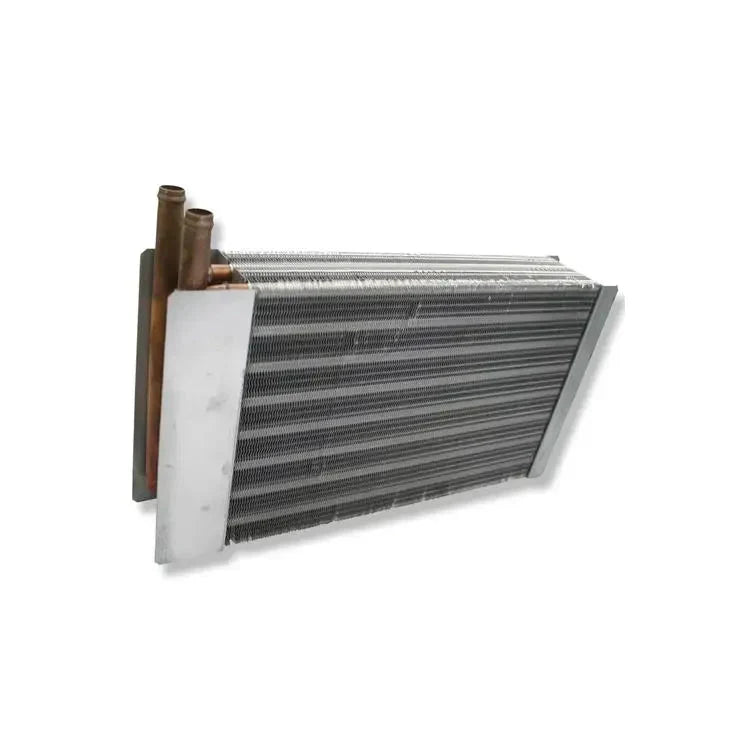
Car Heater Core and Heater Core Replacement Parts for Every Vehicle
A heater core works like a small radiator tucked behind your dashboard, using hot engine coolant to warm the air blowing through your vents. CBT Auto Parts stocks heater cores and car heater core units for cars, trucks, and classic vehicles alike.
Every heater core replacement here is OEM grade or OEM-grade specification, and the mounting tabs match the original. Confirm fitment by year, make, and model, then add a heater hose or blower motor from the wider Cooling, HVAC and Climate Control Parts range. Orders ship fast worldwide, with support on hand if you're unsure which core fits.

13 products
Showing 1 - 13 of 13 products
What a Heater Core Does, and Why It's Behind the Dash
A heater core works like a miniature radiator mounted inside your HVAC housing behind the dashboard, with hot engine coolant flowing through it so the blower motor can push warm air across it and into the cabin. Because it sits buried behind the dash rather than out in the open, replacing one is typically one of the more labor-intensive parts of the entire cooling and climate system, often requiring significant dashboard disassembly just to reach it.
Why Heater Cores Fail: Corrosion From the Inside
Most heater cores fail from internal corrosion rather than external damage, since they're typically built from thin aluminum or brass tubing optimized for heat transfer rather than durability. Electrolysis, a small electrical current passing through the coolant due to a poor ground connection elsewhere in the vehicle, can accelerate this corrosion well beyond what normal age alone would cause. Using the coolant type specified for your vehicle, rather than whatever's on sale, also matters more here than on tougher components like the radiator, since a heater core's thinner walls have less margin for the wrong coolant's chemistry to wear through over time.
Heater Core and Evaporator: Why the Two Get Confused
A heater core and evaporator usually sit inside the same HVAC housing, only inches apart, one warming air with coolant and the other cooling and drying air with refrigerant. An evaporator and heater core search, or a heater core evaporator search, all describe this same physical relationship rather than a single combined part; the two remain separate components even when they're replaced together. Because reaching either one typically requires opening the same housing, many shops recommend replacing both at once if the dash is already being taken apart for one of them.
Signs of a Failing Heater Core
A failing heater core tends to show up as a combination of smell and moisture rather than just weak heat. Watch for:
- A sweet smell inside the cabin, the unmistakable scent of leaking coolant rather than anything related to fuel or oil.
- Fog or a film building up on the inside of the windshield, especially with the defroster running, as leaking coolant evaporates onto the glass.
- Coolant level is dropping with no visible leak under the vehicle, since a heater core leak drips inside the cabin or down into the floor pan rather than onto the ground.
Miniature Heater Cores for Custom Builds and Tight Engine Bays
A miniature heater core is built smaller than a standard factory unit, intended for custom builds, classic car restorations, or any project where the original heater box doesn't exist or won't fit the available space. These units trade some heat output for a significantly smaller footprint, which matters more in a hot rod or kit car build than in a daily driver where factory dimensions were never a constraint. Matching core capacity to cabin size still matters even at this scale; undersizing a miniature core in a larger cabin leaves you with weak heat regardless of how well it's installed.
Vehicle Specific Heater Cores: Miata, Wrangler, and Cherokee
A Miata heater core reflects how compact, tightly packaged platforms like the Miata can make this already labor-intensive, with less room to maneuver behind a smaller dashboard. A 2013 jeep wrangler a 2010 jeep wrangler to two different Wrangler generations that don't necessarily share the same core despite looking similar, while a 2001 Jeep Cherokee dates back to the older XJ platform. Jeep models, in general, are a frequent DIY repair search across this entire collection.
Heater Core Replacement: What's Involved
Heater core replacement usually starts with draining the coolant system, then working through whatever dashboard or center console disassembly your specific vehicle requires just to access the HVAC housing. Some vehicles make this relatively quick; others can take the better part of a day, even for an experienced technician, which is the main reason labor dominates this repair's total cost far more than the part itself. Pressure testing the new core briefly before fully reassembling the dashboard is worth the extra step; catching a leak before the dash goes back together saves redoing hours of disassembly.
What Pairs With Your Heater Core
A new heater core is often installed alongside fresh heater hoses, since both are accessed during the same repair and old hoses are easy to overlook once the dashboard is already apart. If the blower motor nearby shows any signs of wear, replacing it during the same repair avoids a second round of dashboard disassembly for a separate issue later. Fresh coolant matched to your vehicle's specification should always go back in once the new core is installed.
Ordering and Fitment
Listings here show year, make, and model coverage, including which trims share the same core where a vehicle offers more than one HVAC configuration. Most heater cores ship within one business day, and a core that doesn't fit is accepted for return without hassle. Given how labor-intensive, our support team can help confirm fitment against your VIN before you order, rather than after the dashboard is already partway apart. Each heater core also ships with new O-rings or an O-ring kit where the original design calls for one.


