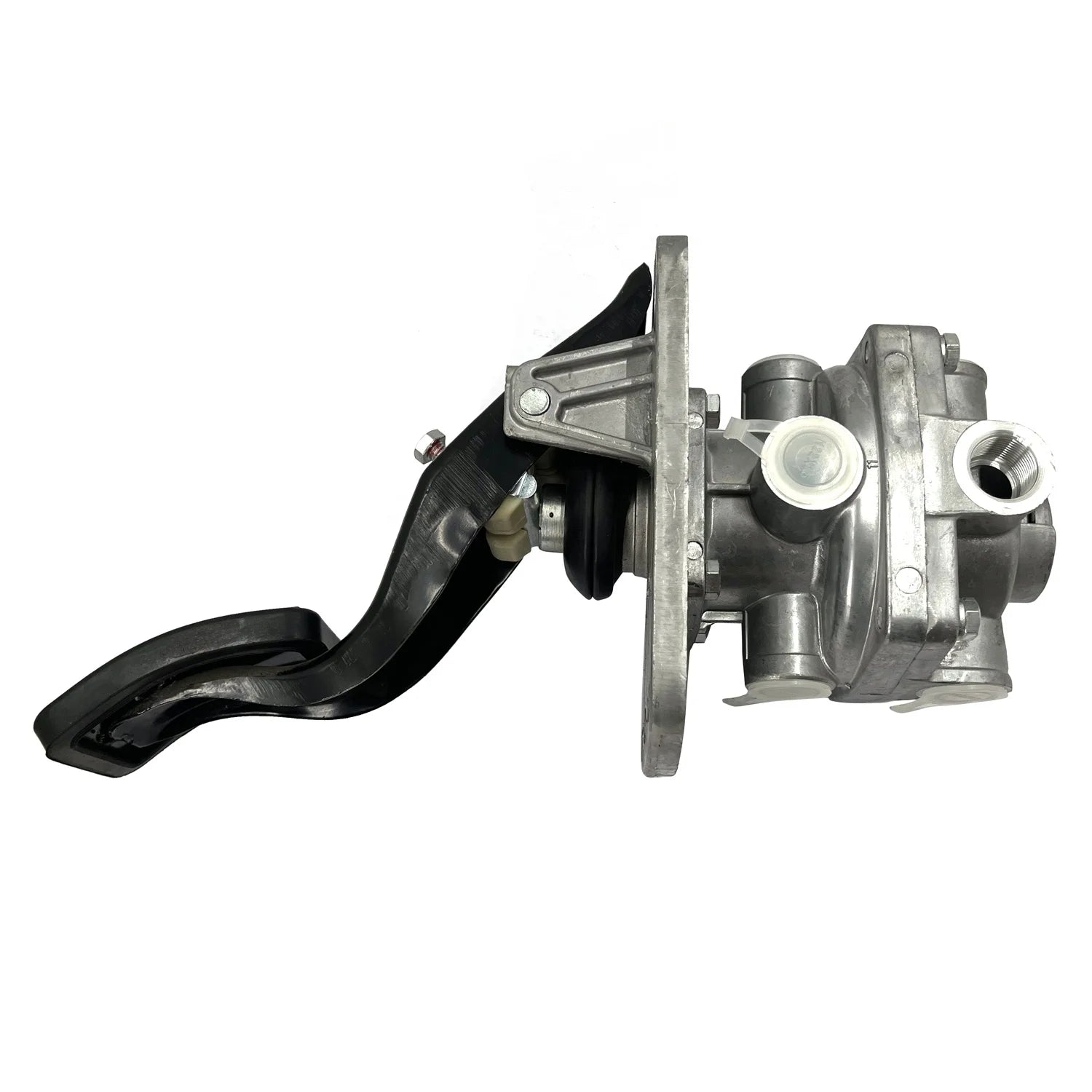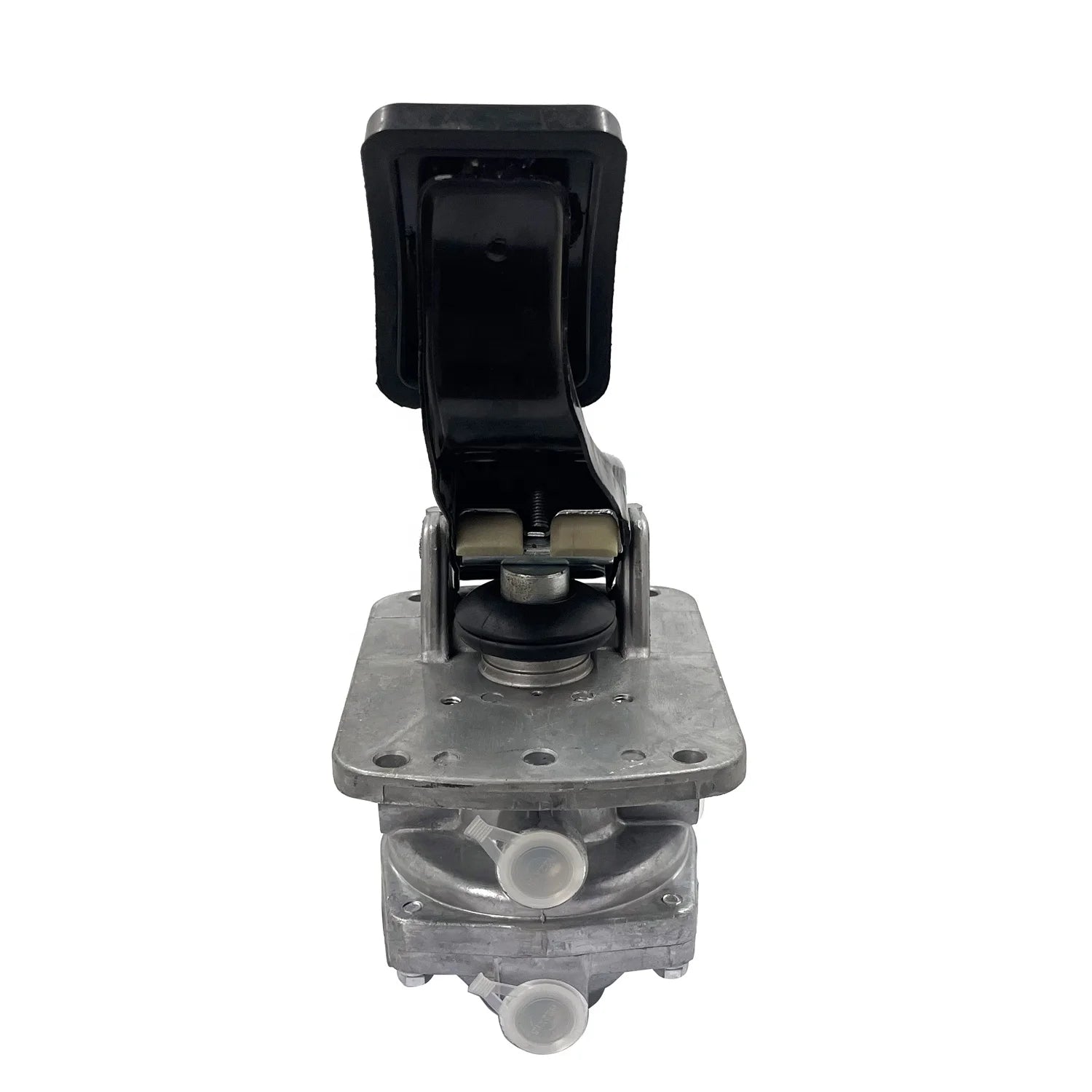
Brake Master Cylinders & Master Brake Pump Replacements for Every Vehicle
A brake master cylinder converts pedal pressure into hydraulic force, pushing fluid through the lines to every caliper and wheel cylinder on the vehicle. Most modern vehicles use a dual circuit design, splitting fluid into two separate paths so a single seal failure does not remove braking at all four corners simultaneously.
CBT Auto Parts stocks brake master cylinder units from OEM, Brembo, and Wilwood suppliers, sitting within the same braking system parts range as Brake Boosters, Brake Lines, and Brake Repair Kits for one matched order. Bore size, mounting pattern, and port configuration are checked against your exact make and model, with fast nationwide shipping.
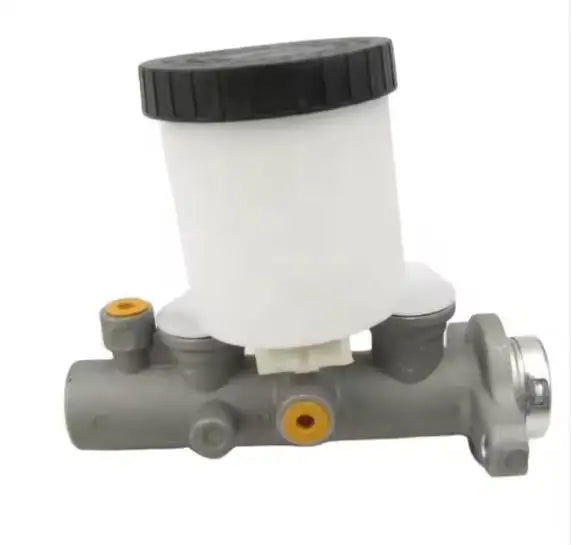
2 products
Showing 1 - 2 of 2 products
What a Brake Master Cylinder Does
Acting as the master brake pump for the entire hydraulic system, the cylinder houses one or two pistons that push fluid out through the ports the moment the pedal is pressed, with the booster multiplying that initial force beforehand. A dual-circuit cylinder keeps the front and rear, or diagonally split, hydraulic paths completely separate, so a leak or seal failure in one circuit still leaves a reduced but functional braking path through the other. This split design is why a failing cylinder often produces a gradually softening pedal rather than a complete and sudden loss of brakes.
Signs of a Failing Brake Master Cylinder
A failing brake master cylinder component rarely fails without warning, and the signs are usually felt at the pedal before anything else changes.
- A brake pedal that sinks slowly to the floor under steady, held pressure.
- The brake fluid reservoir level drops without any visible external leak.
- A dashboard brake warning light, sometimes paired with an ABS light, illuminating together.
- A spongy or inconsistent pedal feel that does not improve after bleeding the system.
- Discoloured or contaminated fluid in the reservoir, often a sign of internal seal breakdown.
Brake Master Cylinder Replacement Cost
Brake master cylinder replacement cost depends on a few specific factors rather than a single number across every vehicle.
- Single versus dual circuit design, since dual circuit units carry more internal components and generally cost more than older single circuit designs.
- Brand and bore size, with OEM, Brembo, and Wilwood units priced differently depending on application and performance rating.
- Bleeding labour, since any cylinder swap opens the hydraulic system and requires a full bleed at every corner afterward.
- Paired parts, such as a booster or proportioning valve replaced at the same time, which changes the total beyond the cylinder alone.
Repair, Rebuild, or Full Replacement
A brake master cylinder repair using a seal kit can resolve early bypass or weeping symptoms, provided the bore itself is not pitted or corroded internally. A full brake master cylinder rebuild goes further, replacing pistons, seals, and the reservoir cap together, which suits cylinders where the housing is still sound but several internal components have worn out together. Changing brake master cylinder units entirely, rather than repairing the existing one, is the more reliable route once bore corrosion is present, since no seal kit can restore a scored cylinder wall. Whether the job involves changing brake master cylinder work on a daily driver or replacing a brake master cylinder on a project car, the bleeding procedure afterward stays largely the same.
OEM, Brembo, and Wilwood Master Cylinders Compared
OEM cylinders match the factory bore size and port layout exactly, keeping pedal feel identical to how the vehicle left the factory and remaining the safer default for daily driving. A Brembo brake master cylinder typically pairs with upgraded calipers and rotors as part of a broader braking upgrade, offering firmer, more consistent pedal feel under repeated hard use. A Wilwood master cylinder leans further into performance and off-road builds, often featuring a larger bore and remote reservoir mounting for vehicles where space or layout rules out a standard OEM-style unit.
Master Cylinders, Boosters, and Brake Lines: One Connected System
A master cylinder never works alone, since it bolts directly onto the booster at one end and feeds every brake line and hose at the other, making it the literal centre of the hydraulic system. A tired booster can make a healthy cylinder feel weak through reduced pedal assist, while a perished line or hose elsewhere in the system can mimic the exact same spongy symptoms as an internal cylinder seal failure. Booster and line stock matched to the same vehicle sits in its own dedicated category, useful whenever more than one of these connected parts needs attention at once.
Bleeding and Repair Kits After a Master Cylinder Job
Every master cylinder job introduces air into the hydraulic circuit, which must be fully bled out before the pedal returns to a firm, consistent feel. A repair kit covering bleeder valves, fittings, and fresh fluid usually finishes the job properly, since reusing old, moisture-contaminated fluid undermines the benefit of fitting a new cylinder in the first place. Bench bleeding the cylinder before installation, where practical, also reduces the number of bleeding cycles needed once it is back on the vehicle.
Why Buy Brake Master Cylinders from CBT Auto Parts
The master cylinder sits at the centre of the entire hydraulic system, so sourcing it correctly matters more than almost any other component.
- OEM, Brembo, and Wilwood master cylinder units stocked side by side, checked against bore size, port layout, and mounting pattern.
- Booster, line, and repair kit stock grouped within the same braking system parts range for one combined order.
- Most orders dispatched within 24 hours with tracked nationwide shipping.
- A fitment guarantee and straightforward returns process on every order.