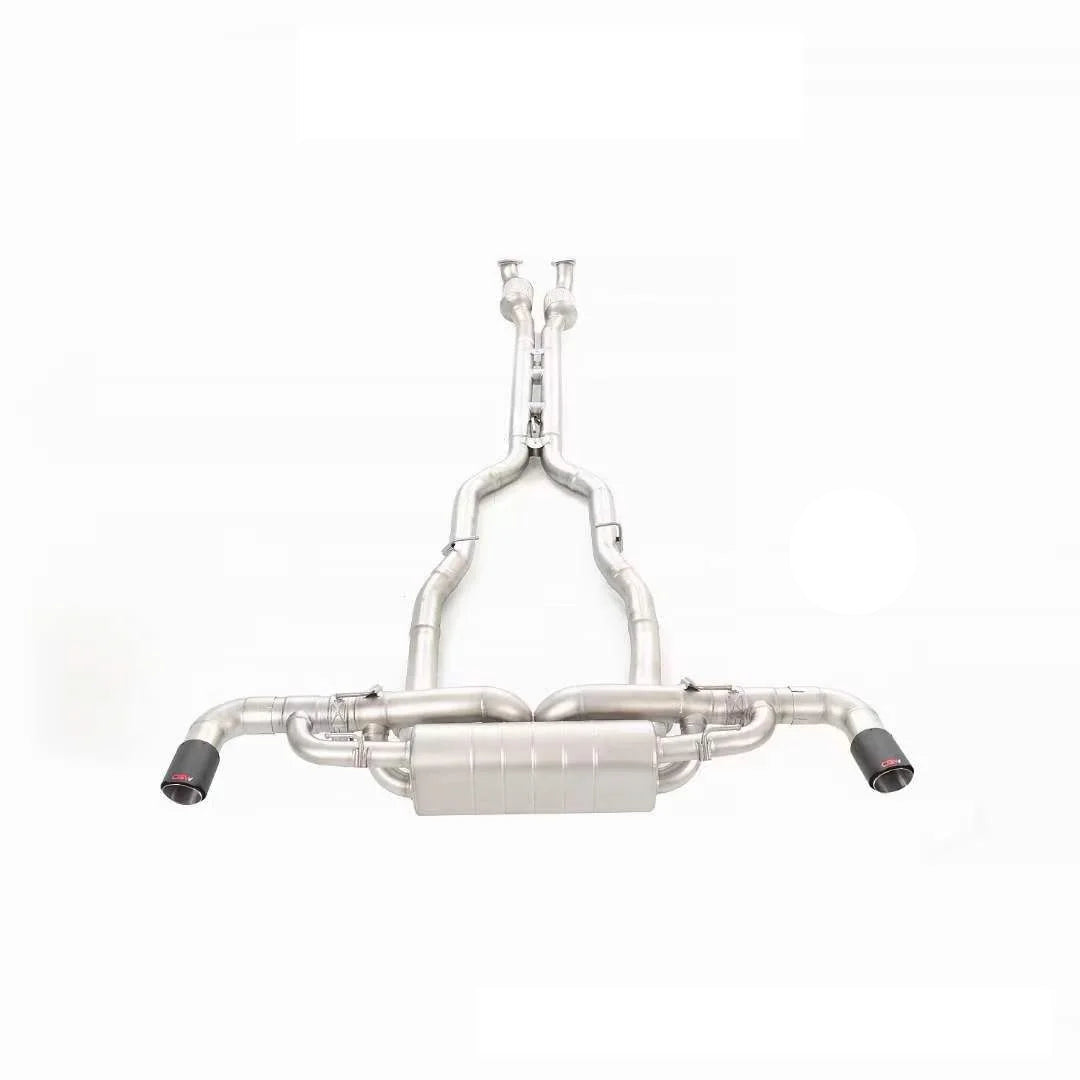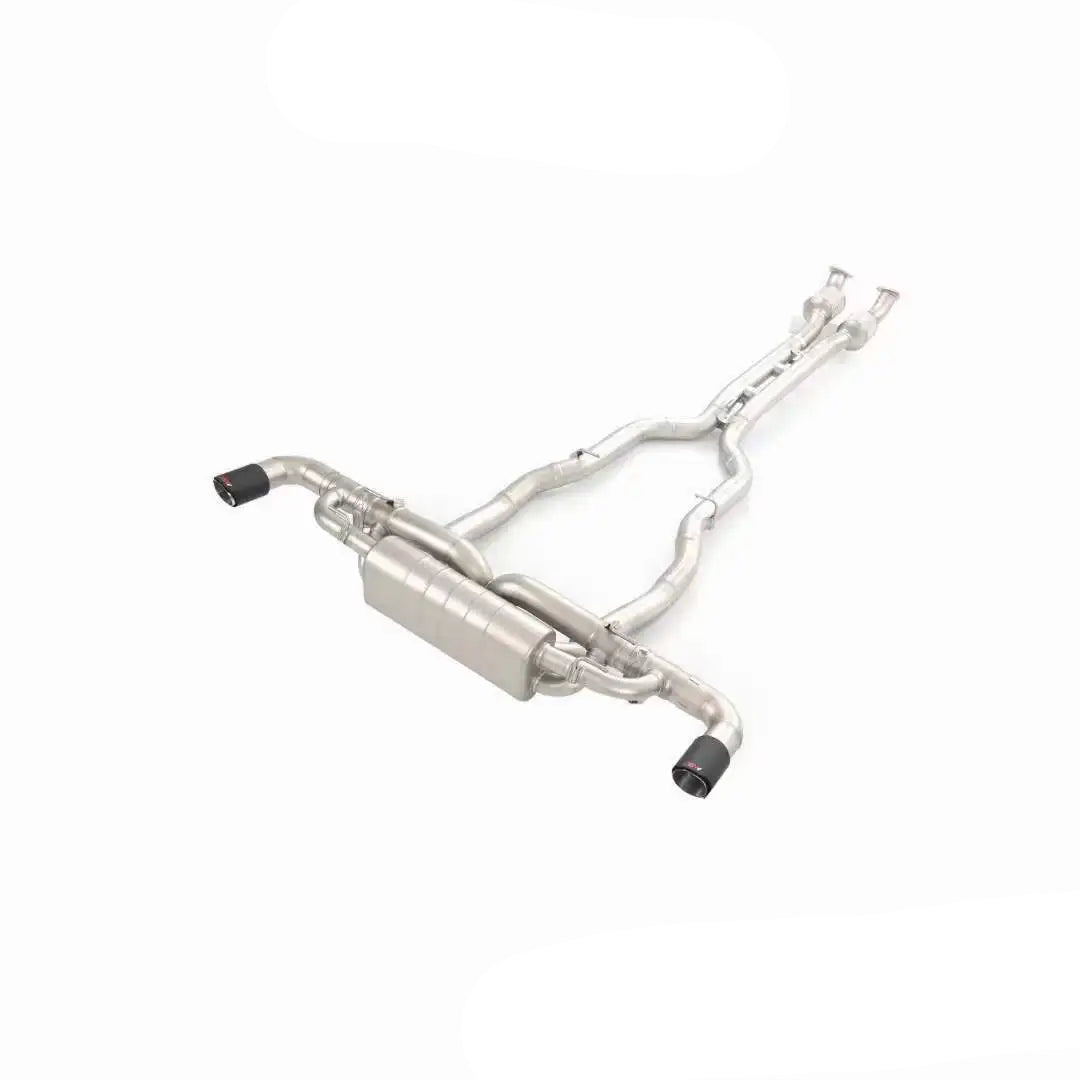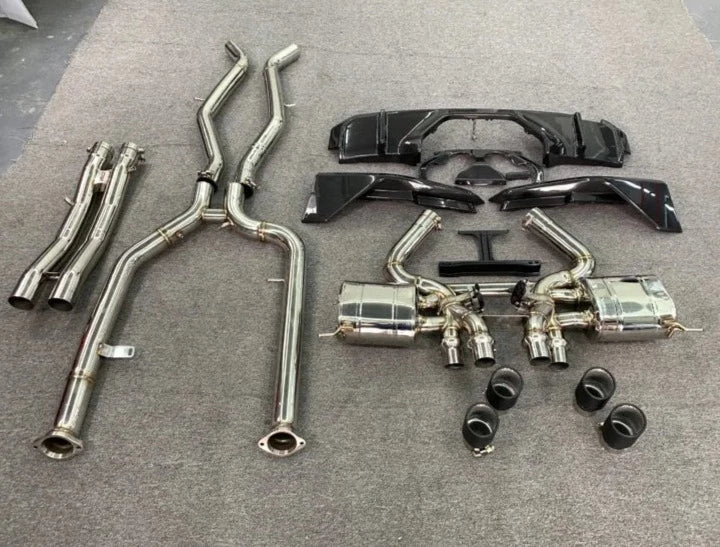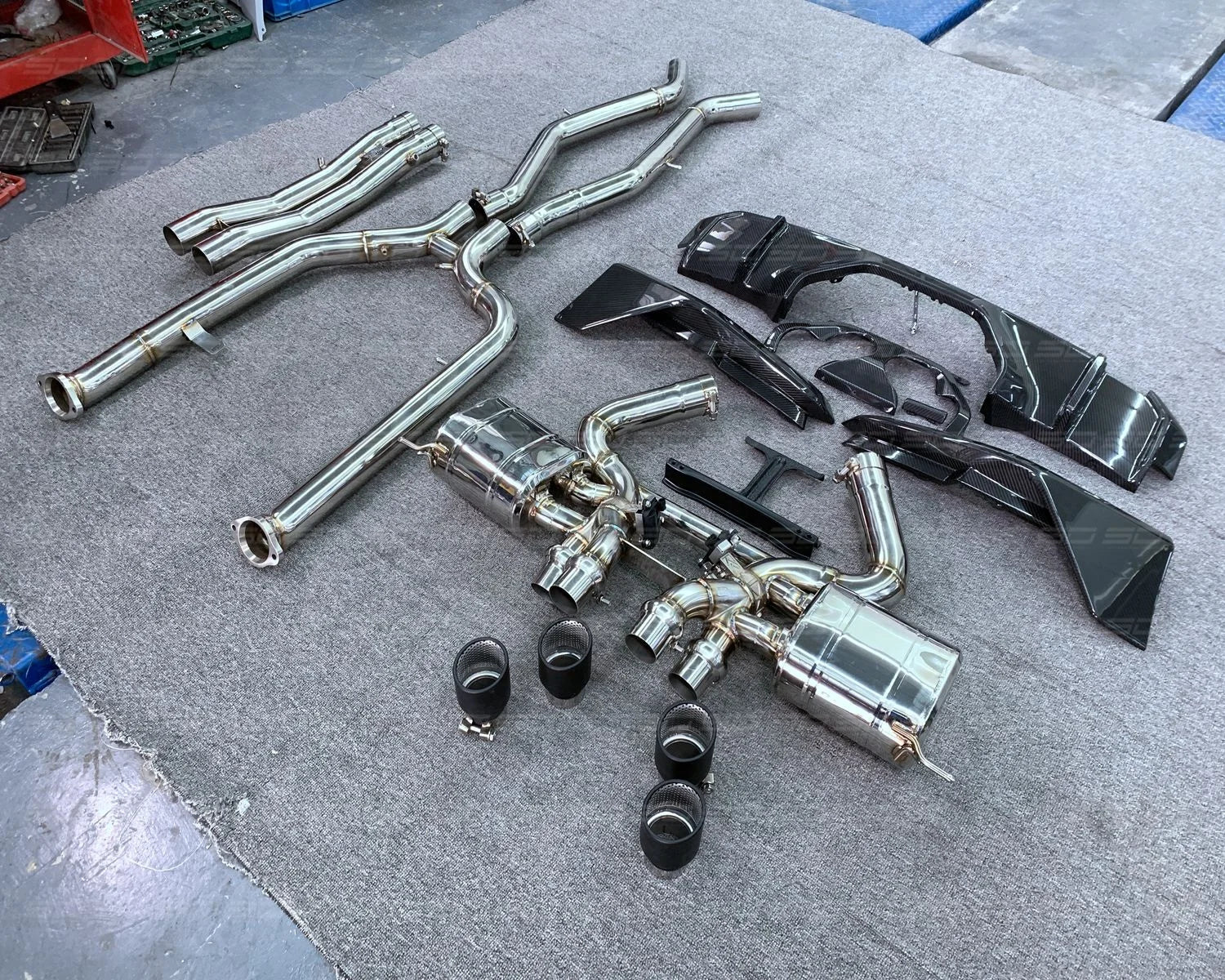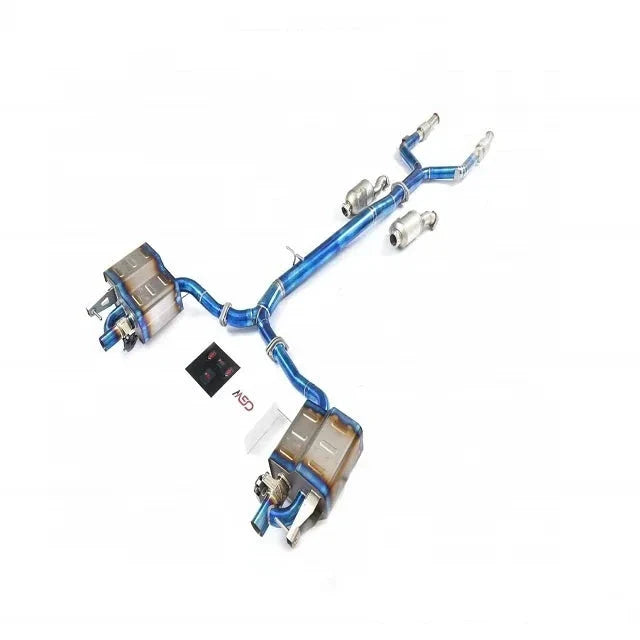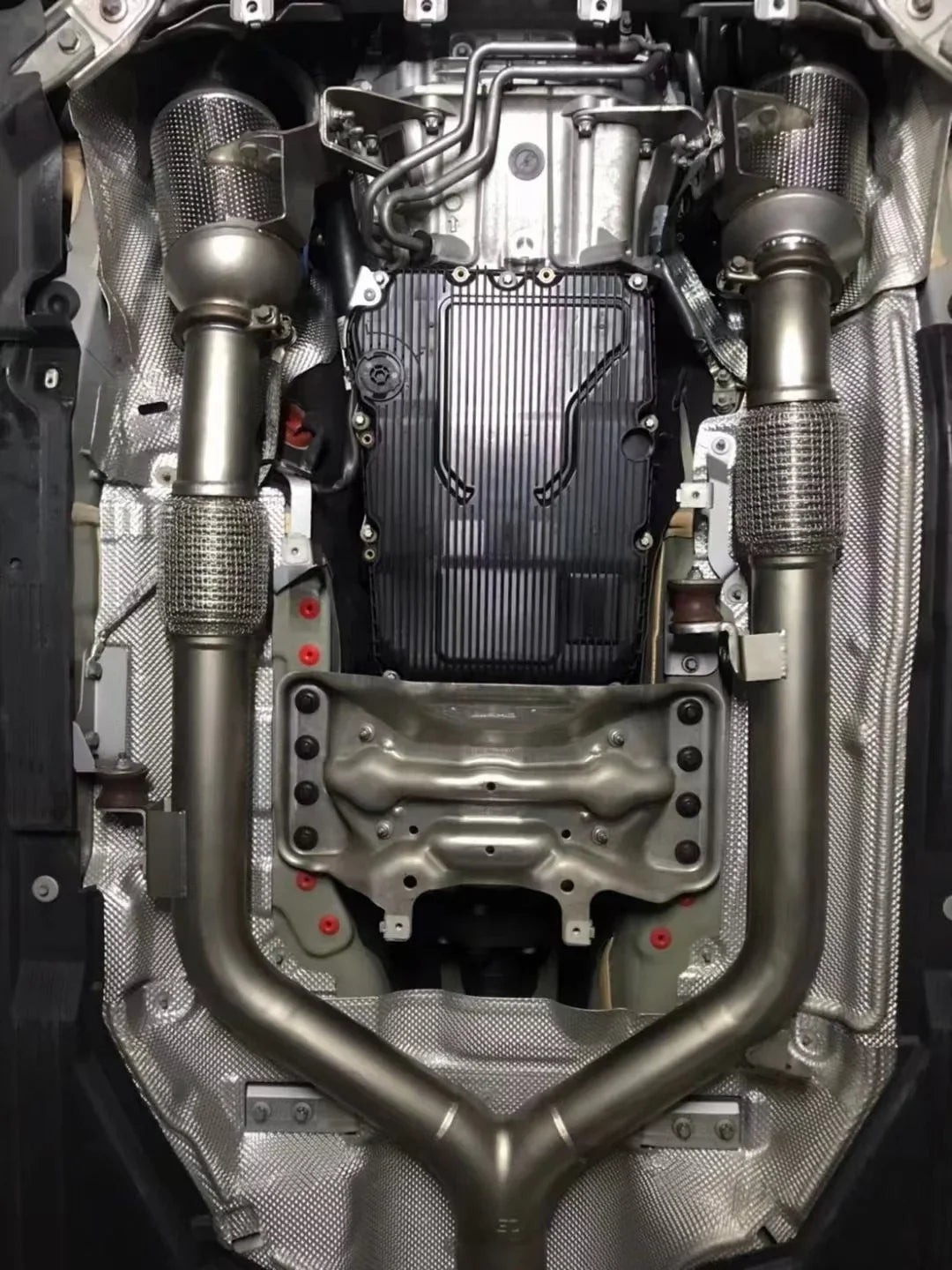
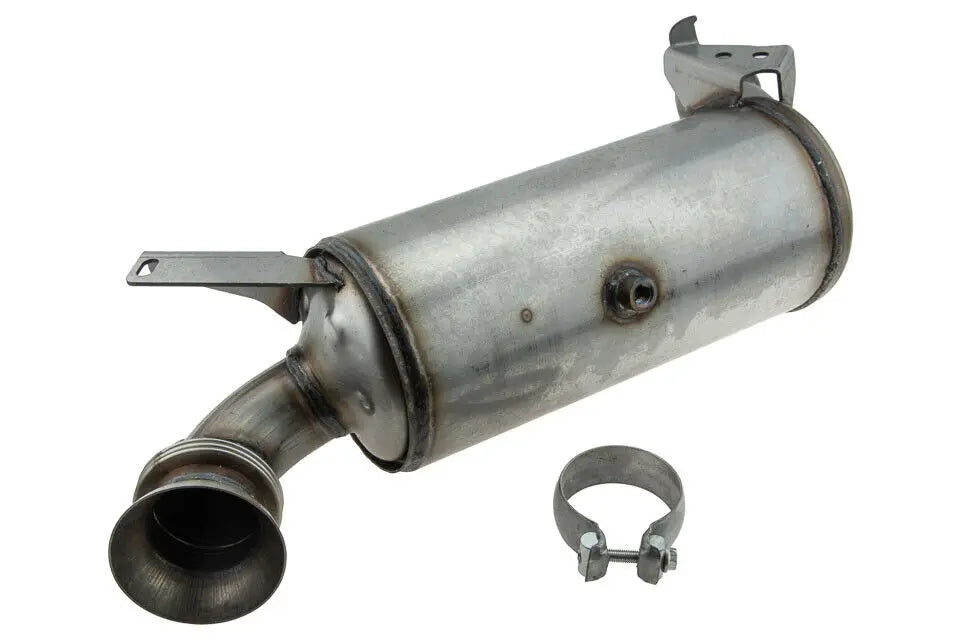
Mufflers for Cars, Trucks & Performance Builds
A muffler quiets your engine's exhaust note by routing gases through internal chambers that cancel out sound waves, sitting near the rear of your exhaust system just ahead of the tailpipe. When it rusts through or a baffle breaks loose, the result is a noticeably louder, often rattling exhaust and, in many areas, a straightforward path to failing a noise inspection.
CBT Auto Parts stocks car mufflers within our Exhaust & Emission Control Parts range, covering stock replacement, mufflers for trucks, and performance muffler builds, each checked against OEM dimensions before listing. Every muffler connects cleanly to your resonator and exhaust pipe sections, with fitment data matched to your vehicle so aftermarket never means a mystery fit, and orders ship fast nationwide.

9 products
Showing 1 - 9 of 9 products
What a Muffler Actually Does in an Automobile
A muffler in an automobile serves a purpose that's easy to underestimate until it stops working properly. Inside the housing, exhaust gas passes through a series of chambers and perforated tubes designed to cancel sound waves against each other, reducing what would otherwise be a raw, unfiltered engine roar down to a manageable level. This isn't just about comfort. Excessive exhaust noise is regulated in most regions, and a failing muffler is one of the most common reasons a vehicle fails a roadworthiness or noise inspection.
Recognizing a Failing Muffler
A few signs tend to show up well before a muffler fails completely:
- A sudden increase in exhaust volume, often accompanied by a rattling or metallic buzzing sound.
- Visible rust or flaking metal on the muffler housing, especially along seams and welds.
- A rattle that changes pitch with engine speed, usually pointing to a loose internal baffle.
- Reduced fuel efficiency, since a damaged muffler can alter back pressure across the system.
- Visible exhaust condensation pooling excessively beneath the vehicle after short drives, hinting at a hole in the housing.
Stock Replacement vs. Performance Mufflers
Not every muffler swap is about fixing a problem. Plenty of owners replace a perfectly functional stock muffler purely for sound.
Stock replacement mufflers restore the factory tone and back pressure characteristics your vehicle was engineered around. This is the right pick if your priority is quiet, reliable operation that matches how the car originally drove.
Performance mufflers are built with less restrictive internal chambers, delivering a deeper, louder exhaust note and often a small gain in flow. Owners chasing a specific sound profile, particularly on trucks or modified builds, tend to gravitate here, though it's worth checking local noise ordinances before committing to a louder setup.
Mufflers for trucks frequently differ from passenger car units in both size and mounting configuration, built to handle higher exhaust volume and, in diesel applications, different heat tolerances.
Stainless Steel vs. Aluminized Muffler Construction
Material choice affects how long a muffler lasts far more than most buyers realize. A stainless steel muffler pipe resists corrosion significantly better than aluminized steel, particularly in regions with road salt or high humidity, and typically outlasts standard construction by several years. Aluminized units cost less upfront but corrode faster over time, especially around weld points and low-hanging sections exposed to road spray. For anyone planning to keep a vehicle long term, the price difference on stainless usually pays for itself in avoided repeat replacements.
How Mufflers Fit Into the Full Exhaust Line
A muffler doesn't operate alone. Positioned after the resonator and connected via exhaust clamps to the surrounding exhaust pipe sections, it's the final component shaping your exhaust note before gases exit the vehicle. Because of this, a muffler replacement often surfaces issues elsewhere in the line, such as a corroded clamp, a cracked pipe joint, or a resonator nearing the end of its life. CBT Auto Parts lists mufflers within the same fitment-checked catalog as our resonators, clamps, and exhaust pipe range, making it straightforward to address the whole rear section in a single order rather than discovering a second problem a week later.
Finding the Right Fit Without Guesswork
Car line mufflers vary enormously even within a single manufacturer's range, since engine size, trim level, and even regional emissions specifications can all change mounting points and pipe diameter. A muffler shop working from a physical vehicle in front of them can measure and adjust on the spot; ordering online means fitment data has to do that work instead. That's why every muffler listing here includes verified year, make, and model compatibility, so you're not left improvising a fix in your driveway.