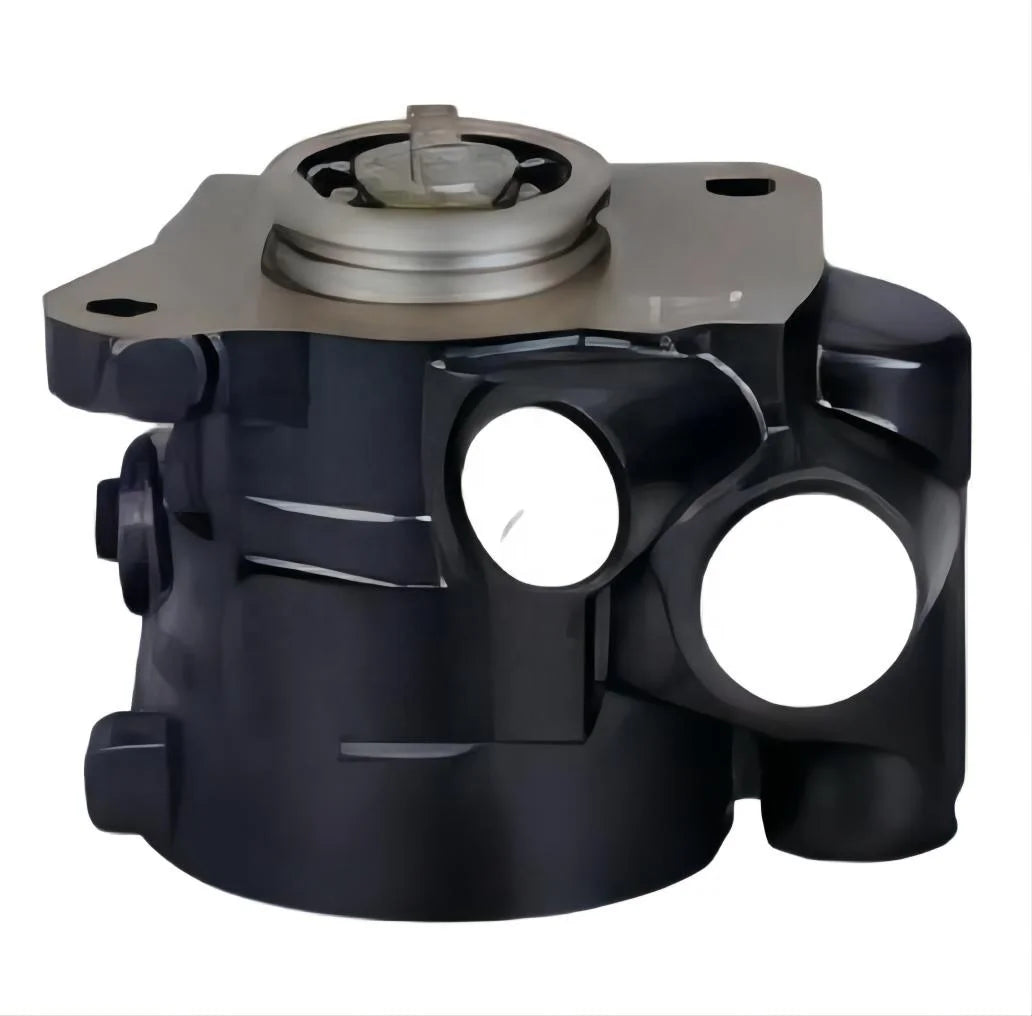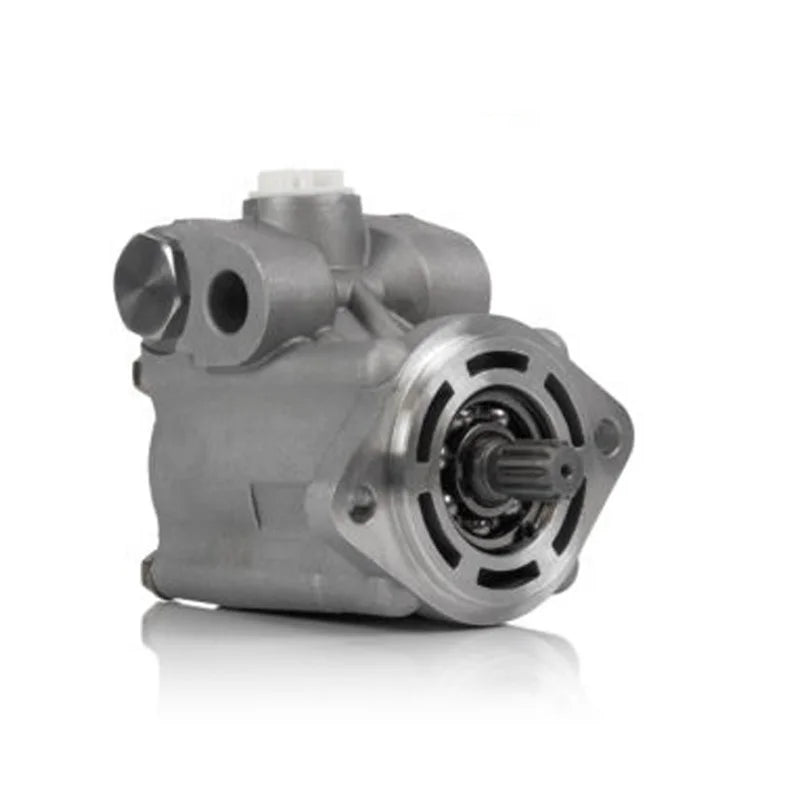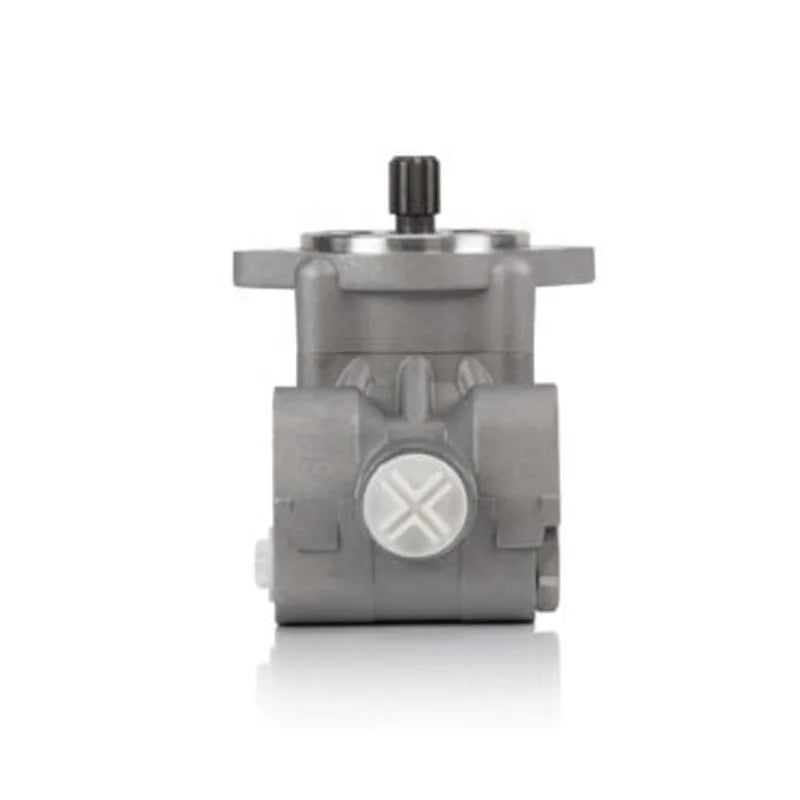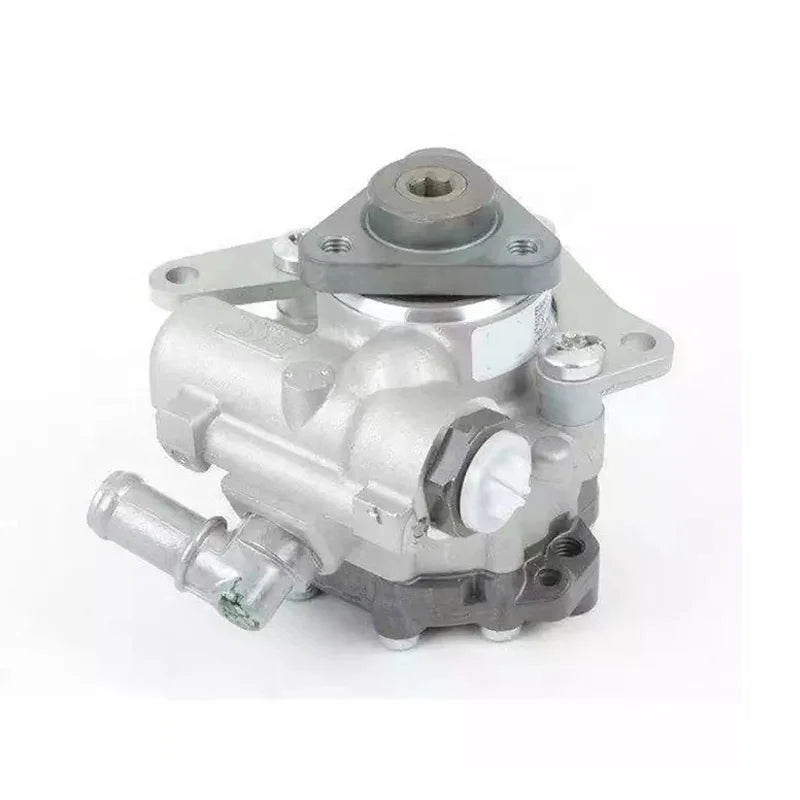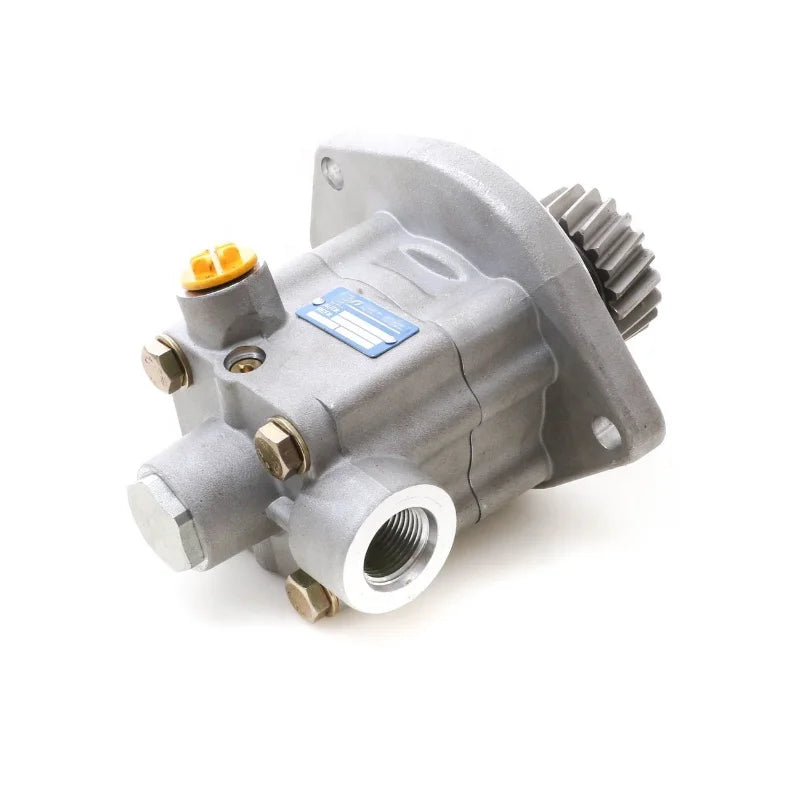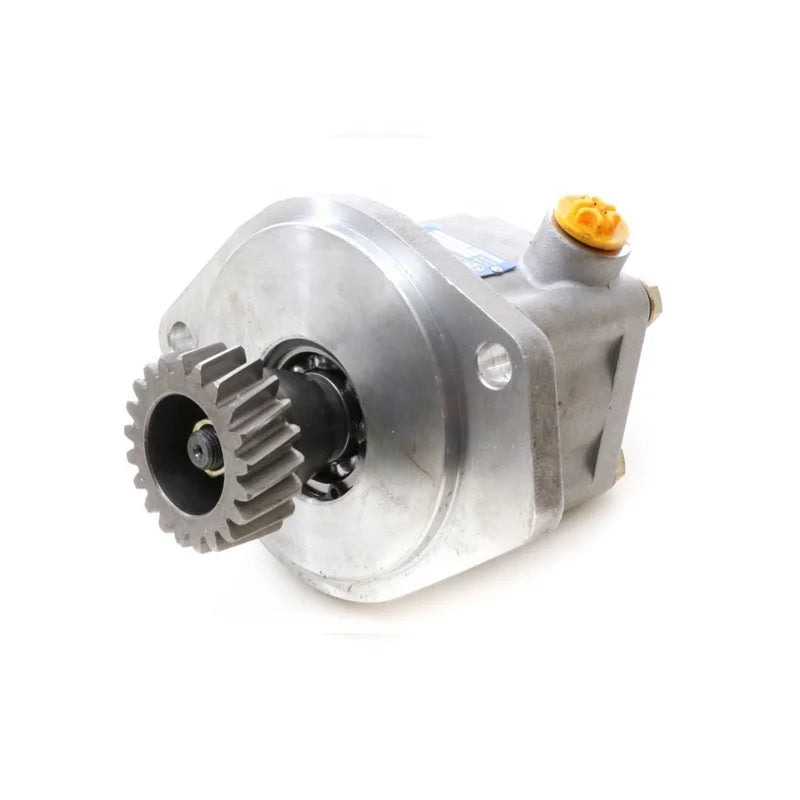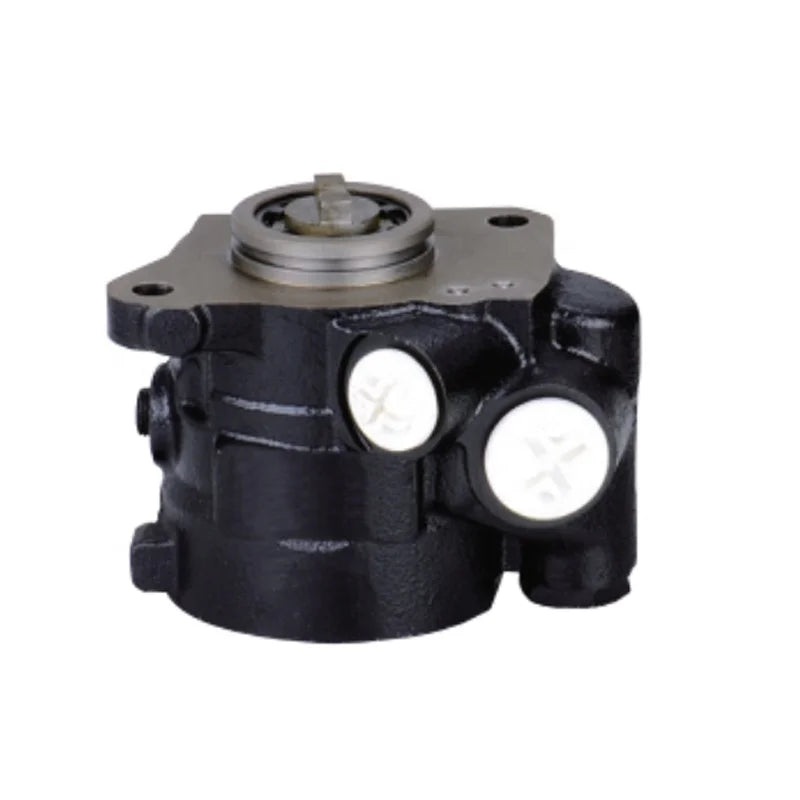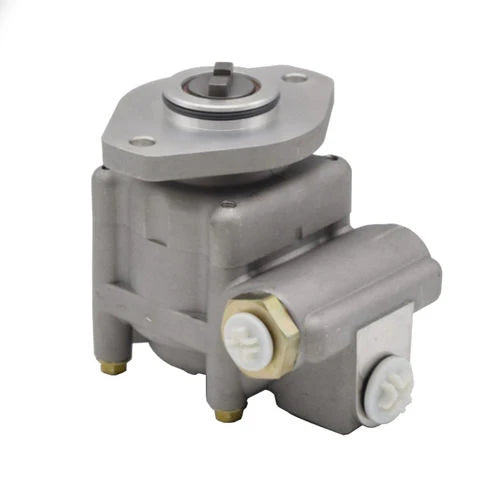
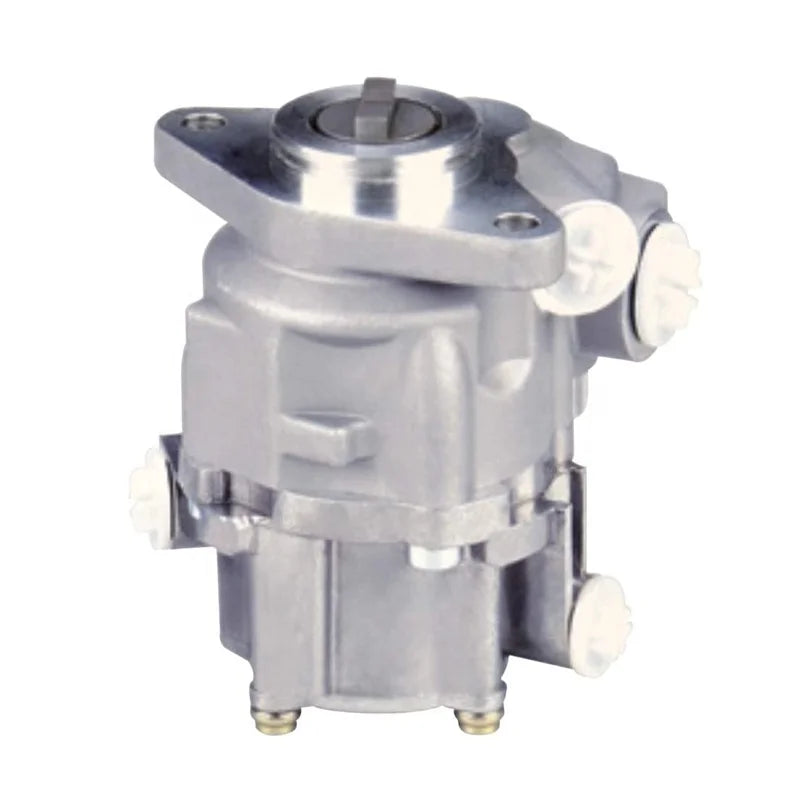
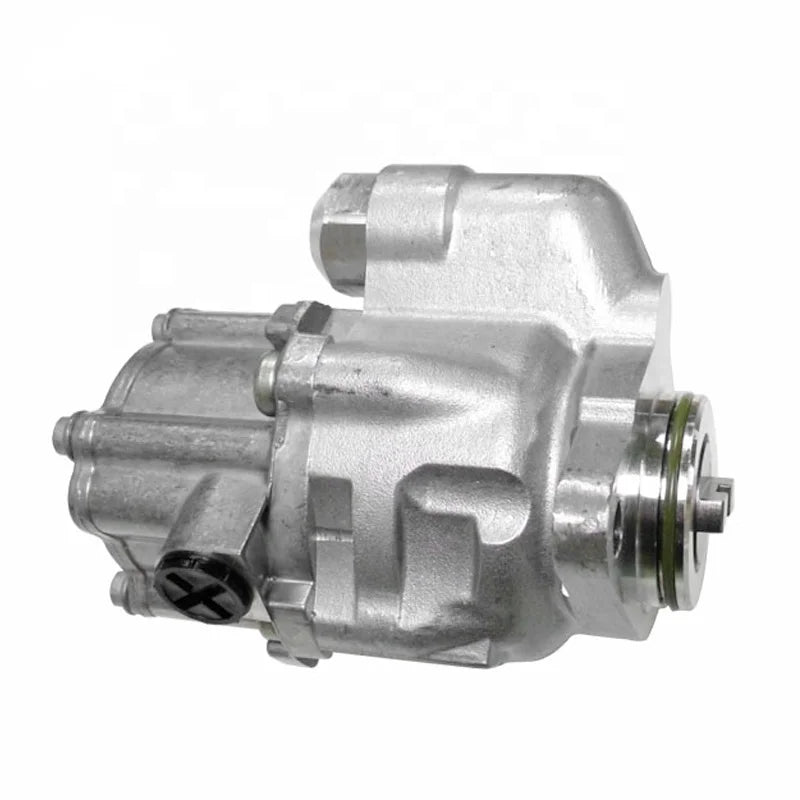
Power Steering Pumps & Hoses: Power Assisted Steering, Electric Pump and Hose Replacement Parts
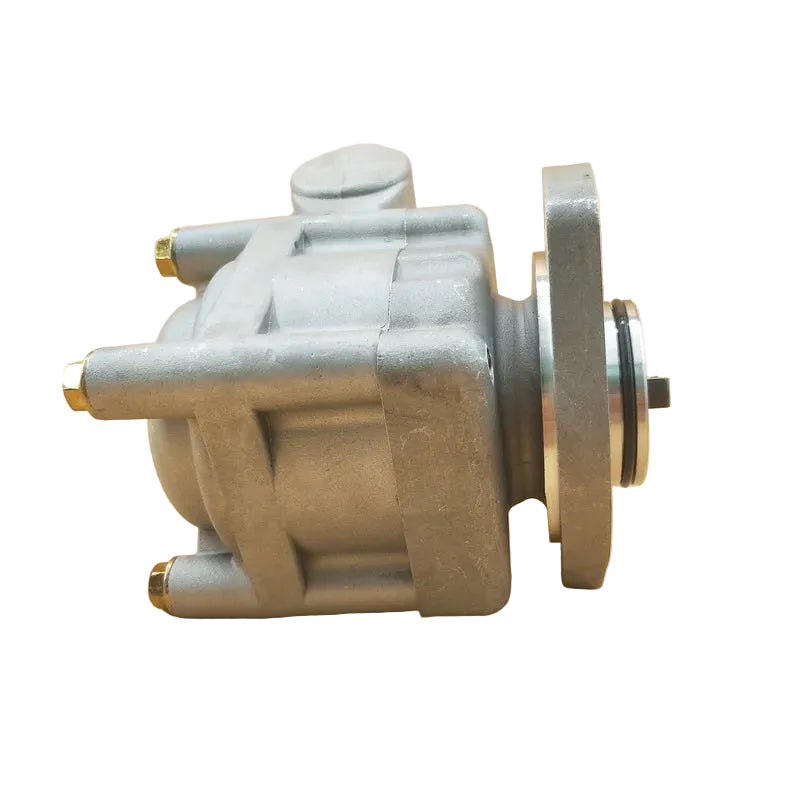
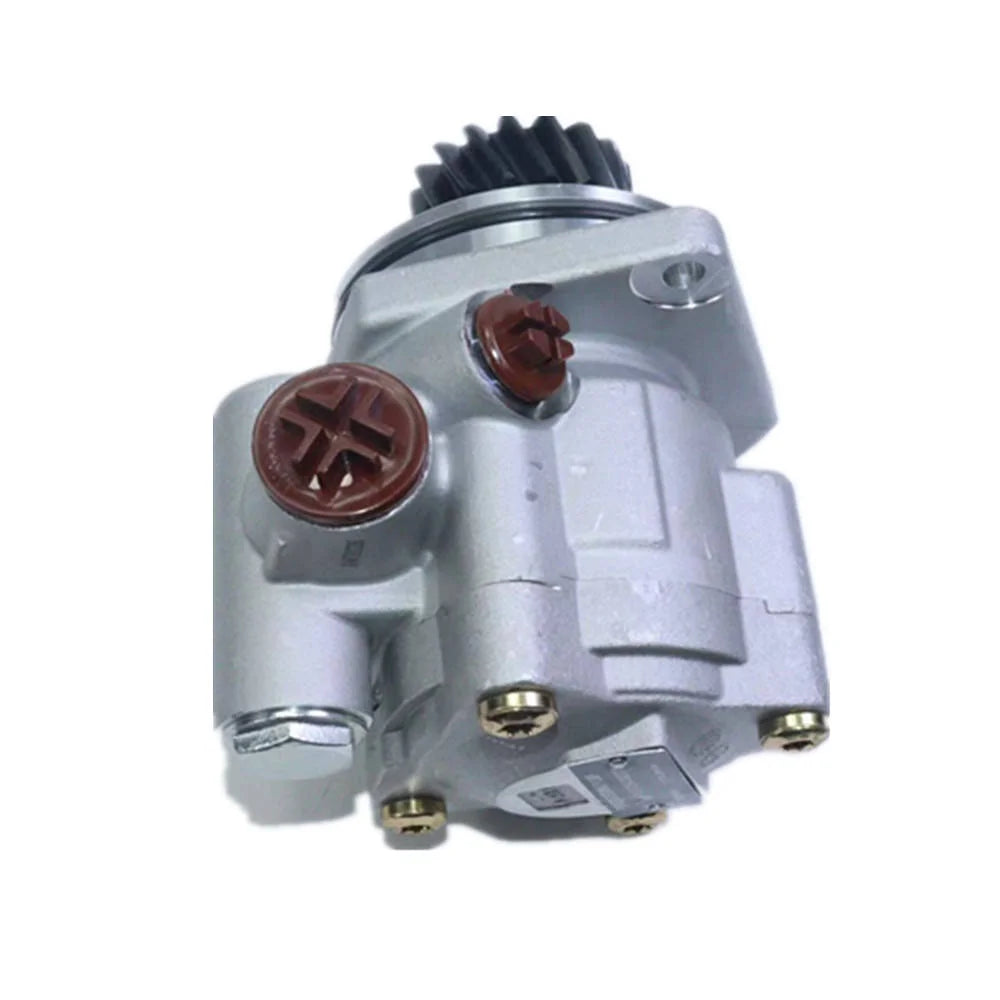
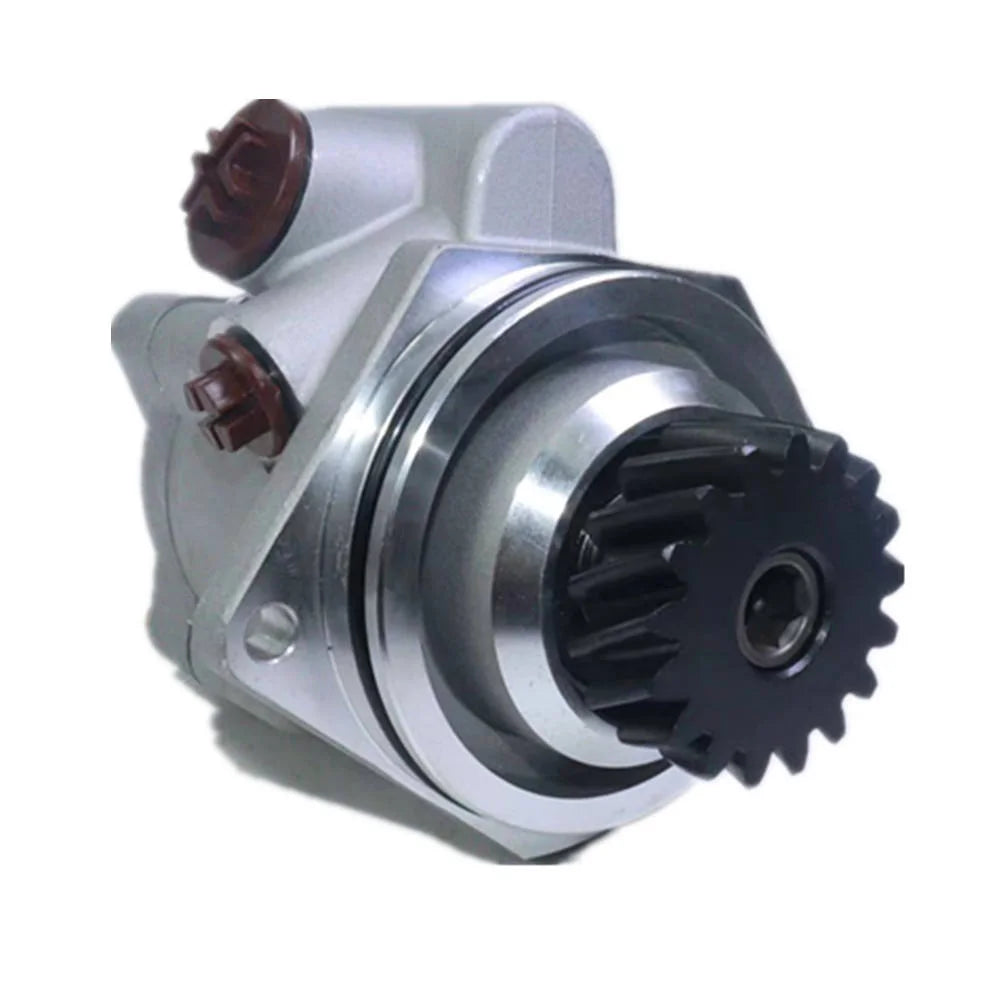
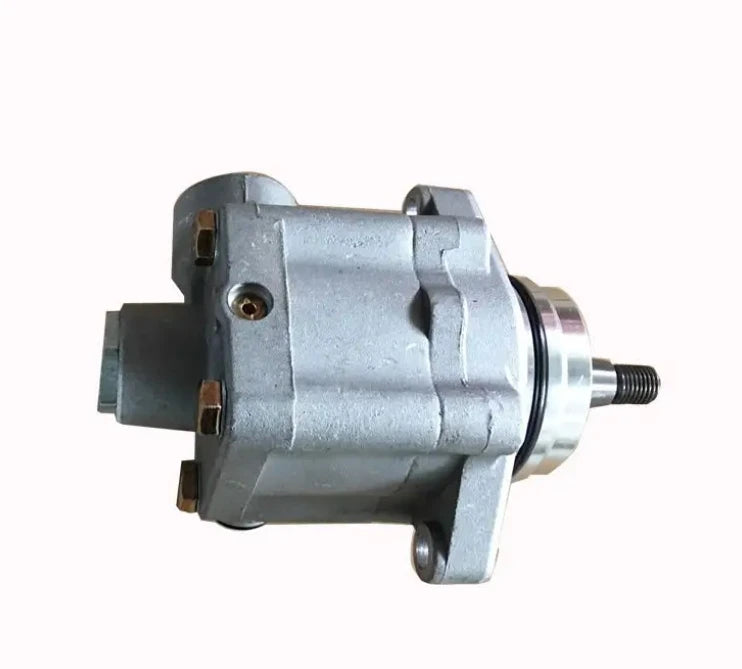
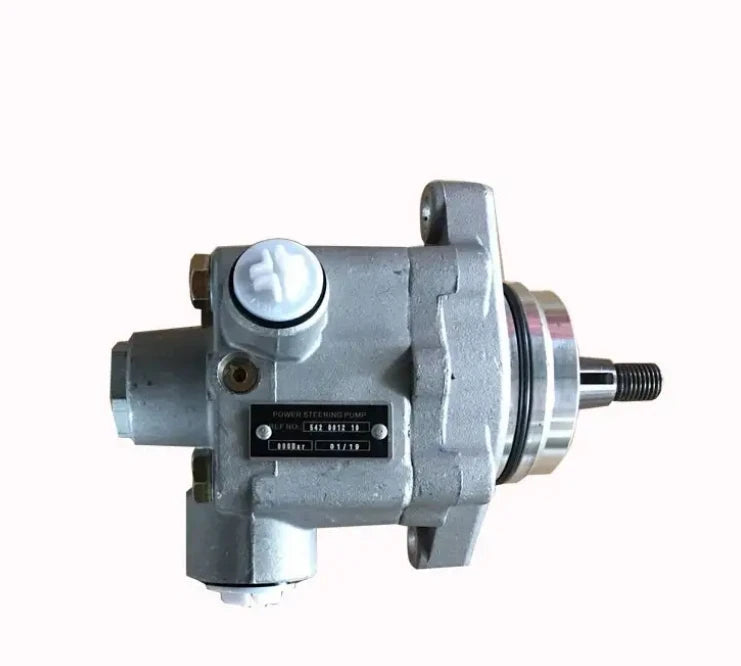
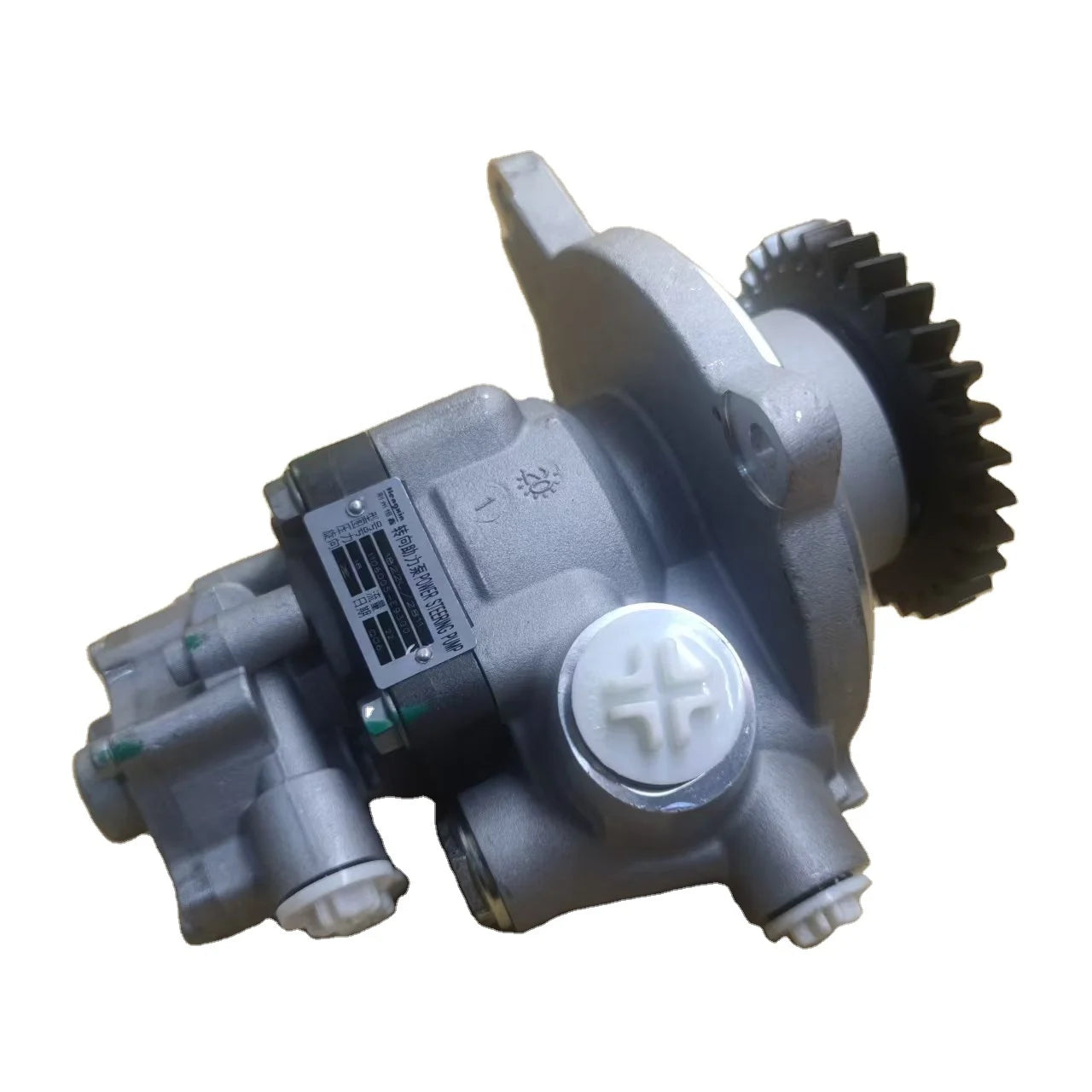
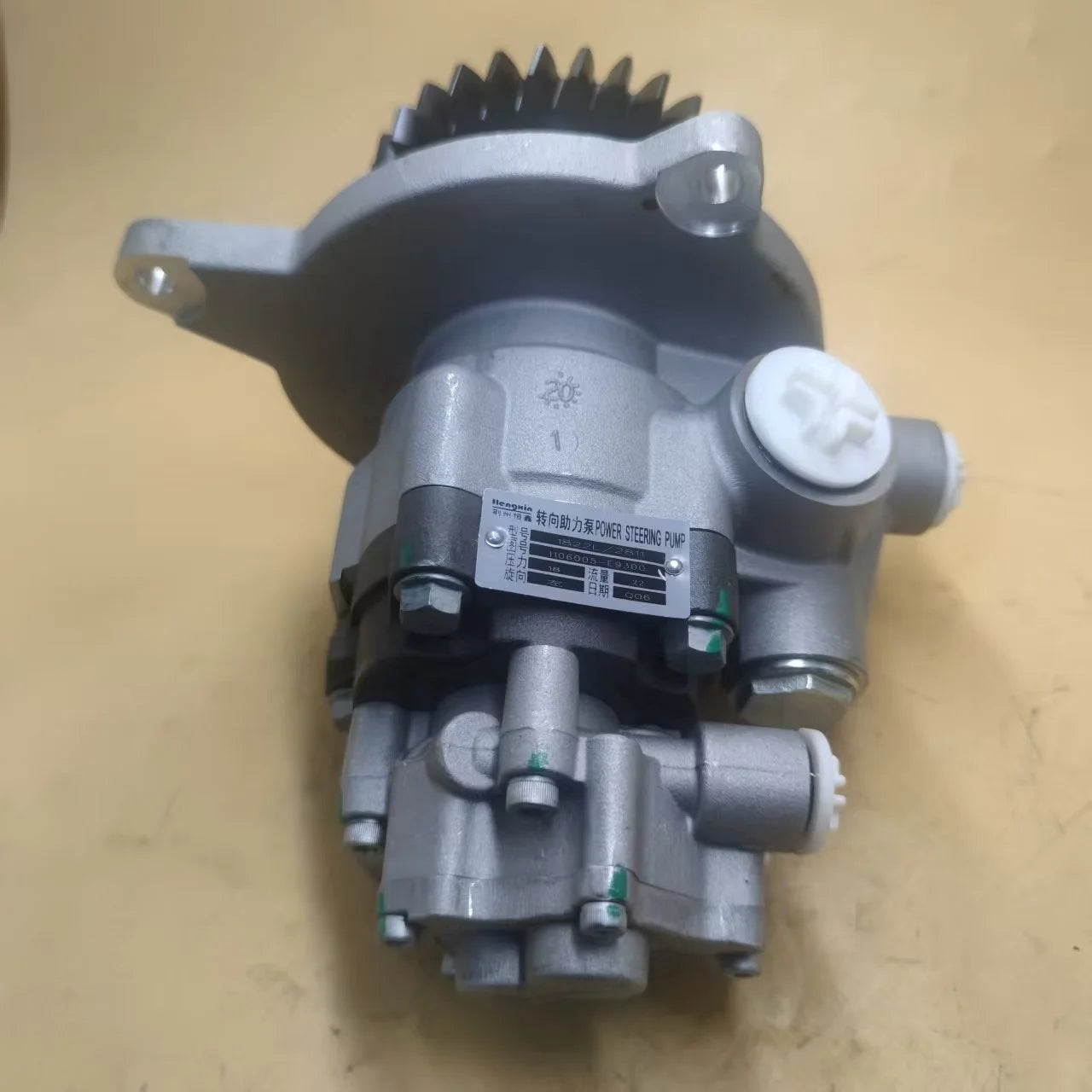
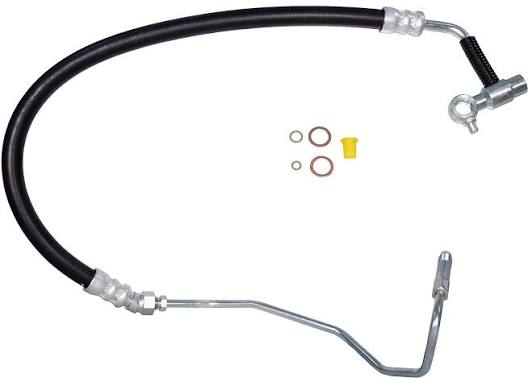
Power steering pumps generate the hydraulic pressure that makes steering manageable at low speeds and during parking, while power steering hoses carry pressurised fluid between the pump and the rack or box under constant load. A failing pump or a leaking hose turns routine steering into hard, fatiguing work almost overnight.
At CBT Auto Parts, we stock power steering pumps and power steering hoses, including ZF electric power steering pump units and semi-truck power steering pump replacements, part of our Suspension & Steering Parts range alongside Rack & Pinion Assemblies and Steering Columns. Aftermarket is fully accepted, fitment is confirmed, and fast shipping keeps your repair on schedule.

63 products
Showing 1 - 24 of 63 products
How a Power Steering Pump and Power Steering Hose Work Together
A power steering pump is the source of pressure in the system, but it cannot do anything on its own. It is connected to the rack or steering box through power steering hoses, which carry fluid out under pressure on one side and return it on the other in a continuous closed loop. Every time you turn the wheel, the pump pressurise fluid, the hose delivers it to the rack or box, and that pressure does the physical work of assisting your steering input.
This is why a fault in either component produces the same outward symptom: power-assisted steering that feels heavy, inconsistent, or noisy. A worn pump cannot generate enough pressure regardless of how sound the hoses are, and a leaking hose cannot deliver the pressure the pump is generating regardless of how healthy the pump is. Diagnosing which half of this pairing has actually failed is the first step before ordering a replacement.
Hydraulic vs Electric Power Assisted Steering: Two Systems, One Job
Power-assisted steering exists in two distinct forms, and knowing which one your vehicle runs changes everything about how the system should be diagnosed and repaired.
Hydraulic Power Steering Pump
A hydraulic power steering pump is driven directly off the engine by a belt, continuously circulating fluid through the system whenever the engine is running, whether the wheel is being turned or not. This constant operation is why hydraulic pumps are the more common source of whining noise, since the pump is always under some load, even when the steering input is minimal.
Electric Power Steering Pump
An electric power steering pump removes the belt-driven hydraulic pump entirely, replacing it with an electric motor that only draws power when steering assistance is actually needed. This design improves fuel efficiency and removes the engine-speed-linked whine associated with hydraulic systems, but it introduces a different failure pattern: rather than a gradual decline in pressure, an electric power steering pump tends to fail suddenly, often triggering a dashboard warning light the moment the fault occurs.
Signs Your Power Steering Pump or Hose Is Failing
Both components tend to signal trouble before a complete failure, provided you know what to watch for. The following are the clearest indicators that attention is needed:
- A whining noise that rises and falls with engine speed, most noticeable at low speed or full steering lock.
- Steering that feels noticeably heavier than usual, particularly when parking or manoeuvring at walking pace.
- Visible fluid pooling beneath the engine bay, often with a distinct reddish or amber colour.
- A grinding or groaning sound, specifically when the wheel is turned to full lock and held.
- The reservoir fluid level is dropping steadily over a short period without an obvious external leak.
- Steering assistance cuts out suddenly, particularly on vehicles running an electric power steering pump.
- If fluid loss and noise are both present, the hose is the more likely point of failure. If the fluid level remains stable but the noise and heaviness persist, the pump itself should be the primary suspect.
Power Steering Fluid: Types, Intervals, and Getting the Specification Right
Power steering fluid is not a single universal product, and using the wrong type is a common cause of premature pump wear that has nothing to do with part quality. Most hydraulic systems run a standard power-assisted steering fluid, but several manufacturers specify a particular fluid grade rather than a generic equivalent. Some platforms call for a specific fluid,d such as 11S power steering fluid, and substituting a generic fluid on these systems can affect seal compatibility and pump longevity over time.
A few points worth knowing:
- Fluid type is not interchangeable across all manufacturers. Always confirm the specified fluid grade before topping up or flushing the system.
- A fluid that has darkened or developed a burnt smell typically indicates the pump has been running hot, which accelerates internal wear.
- Persistently low fluid levels, even without a visible leak, usually point to a slow leak at a hose fitting or seal rather than fluid simply evaporating.
- Flushing old fluid at the time of pump or hose replacement removes contamination that would otherwise shorten the life of the new component.
Power Steering Pumps by Platform: AU Falcon, ZF Electric, and Semi Truck Applications
Pump design and specification vary considerably between a small passenger car, a European platform running electric assistance, and a heavy commercial vehicle. Our range is matched to make, model, and application accordingly.
AU Falcon Power Steering Pump
The AU Falcon remains a commonly serviced platform among classic and daily-driven Ford enthusiasts, and AU Falcon power steering pump replacement is a frequent request given the vehicle's age and ongoing use. Both standard replacement and remanufactured options are stocked for this platform, matched to the correct pulley configuration and pressure specification for the model year.
ZF Electric Power Steering Pump
ZF is a recognised name in electric power assistance systems, and a ZF electric power steering pump is found across a range of European platforms using column or rack-mounted electric assistance. These units integrate closely with the vehicle's electronic control systems, making confirmed compatibility essential before ordering a replacement.
Semi Truck Power Steering Pump
Heavy commercial vehicles place sustained, high-volume demand on their steering systems, and a semi truck power steering pump is built to a substantially higher duty cycle than any passenger car equivalent. These pumps typically run larger displacement and heavier-duty seals to cope with constant operation across long-haul driving, and replacement options are stocked specifically for this commercial-grade specification.
Power Steering Hoses: The Wear Item Often Overlooked
Power steering hoses are frequently treated as an afterthought when a pump fails, yet hose failure is one of the more common reasons a freshly replaced pump still does not resolve the original symptom. Hoses operate under continuous pressure cycling and heat from their position near the engine, which causes the internal lining to degrade well before any external cracking becomes visible.
Replacing power steering hoses at the same time as the pump, rather than reusing the existing hoses, is the more reliable approach in most cases. A hose that is already beginning to perish internally will introduce contamination into a brand-new pump almost immediately, undermining the repair before it has had a chance to prove itself.
Rack and Pinion Power Assisted Steering: How the Pump Connects to the Rack
On vehicles running a rack and pinion power-assisted steering setup, the pump and hoses supply pressurised fluid directly into the rack housing itself, where that pressure is used to reduce steering effort at the point of mechanical movement. This is a different arrangement from a steering box system, where pressure assists a recirculating ball mechanism rather than a sliding rack.
Because the pump, hoses, and rack form one connected hydraulic circuit on this setup, a fault in any one of the three can present with very similar symptoms. If pump and hose inspection rules out both components and the noise or heaviness persists, internal wear within the rack itself may be the underlying cause, covered in detail on our Rack & Pinion Assemblies page.
OEM vs Aftermarket Power Steering Pumps
OEM power steering pumps replicate the original pressure output, pulley ratio, and fluid specification precisely, the right choice where unmodified steering feel and manufacturer fluid compatibility are a priority.
Aftermarket and remanufactured power steering pumps are fully accepted across professional workshops and frequently tested to the same pressure tolerances as new OEM units at a more accessible price point. For commercial and classic platforms in particular, quality aftermarket options are often more readily available than increasingly scarce OEM stock.