TCU & Mechatronic Units: Transmission Control Unit & DSG Mechatronic Replacements for Volkswagen, Audi & More
When an automatic or DSG gearbox starts behaving erratically, shifting late, entering limp mode, or refusing to engage a ratio, the fault is not always mechanical. In electronically governed transmissions, the mechatronic unit or transmission control unit is the intelligence layer sitting between the driver's input and the gearbox's physical response. When that layer fails, the entire transmission system becomes unpredictable regardless of how sound its mechanical components are.
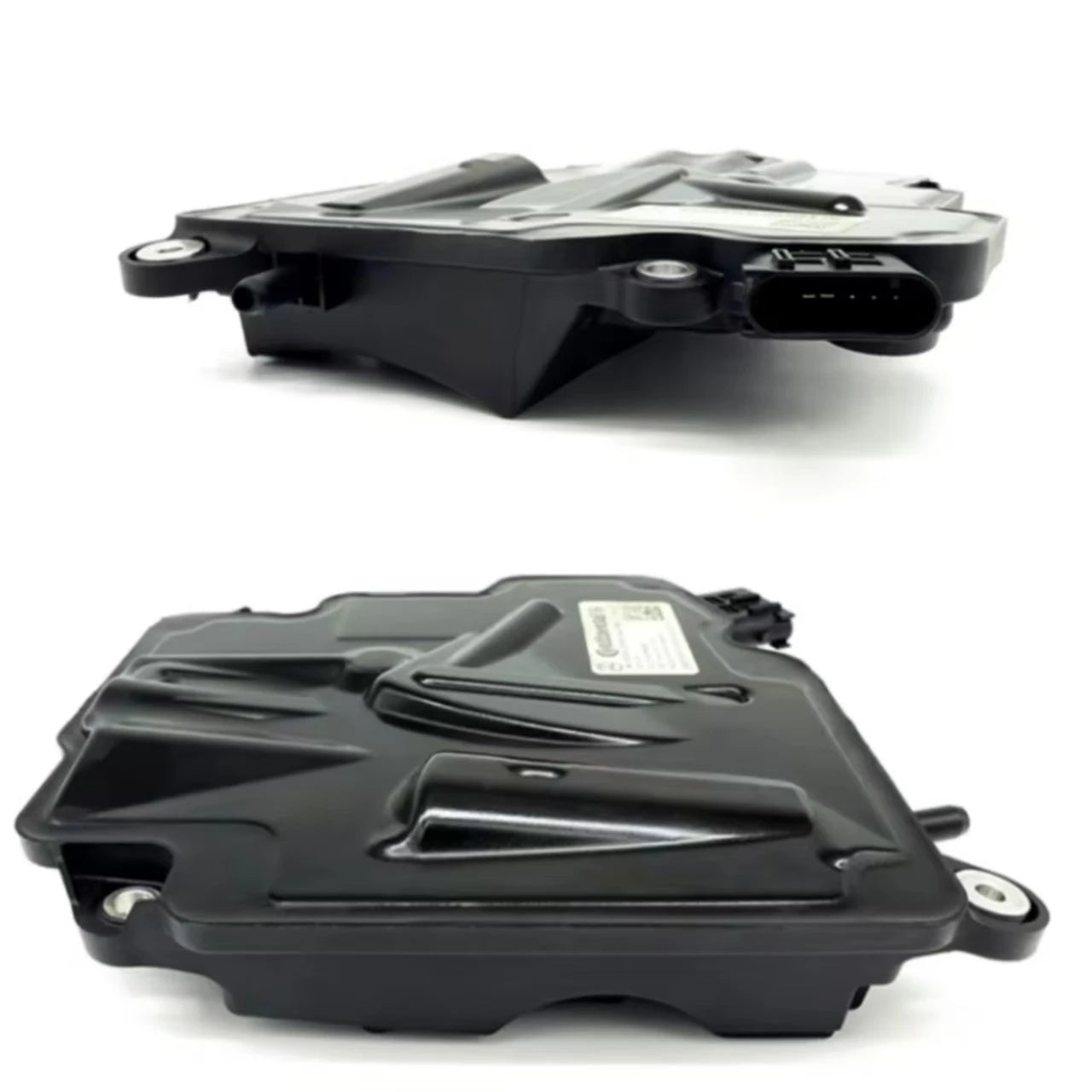
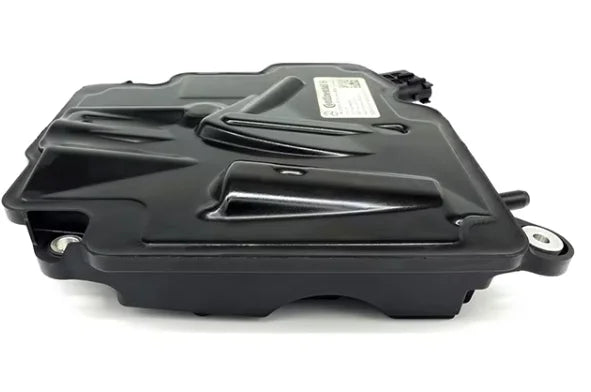
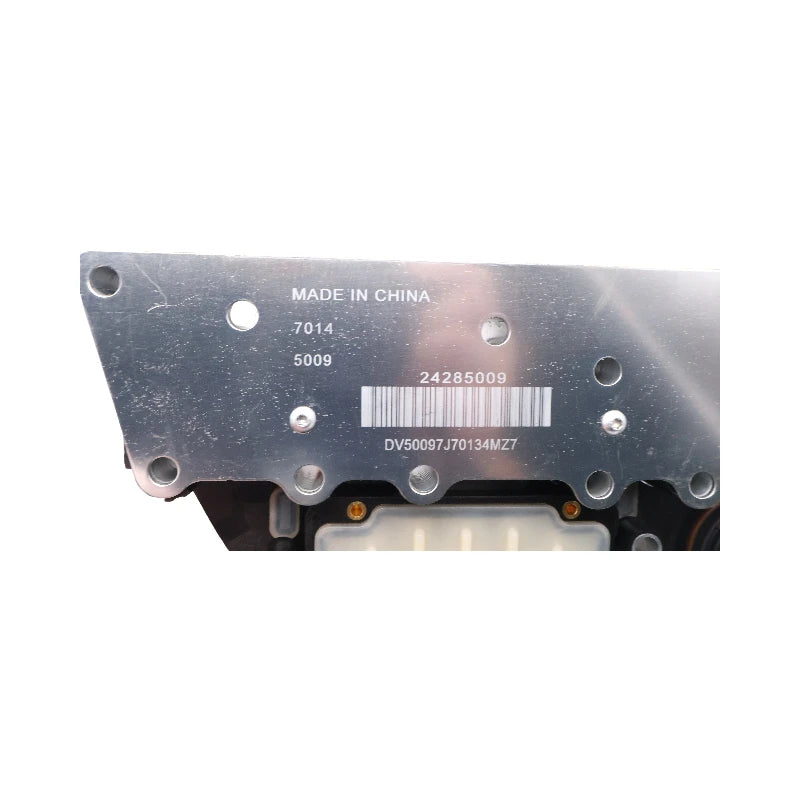
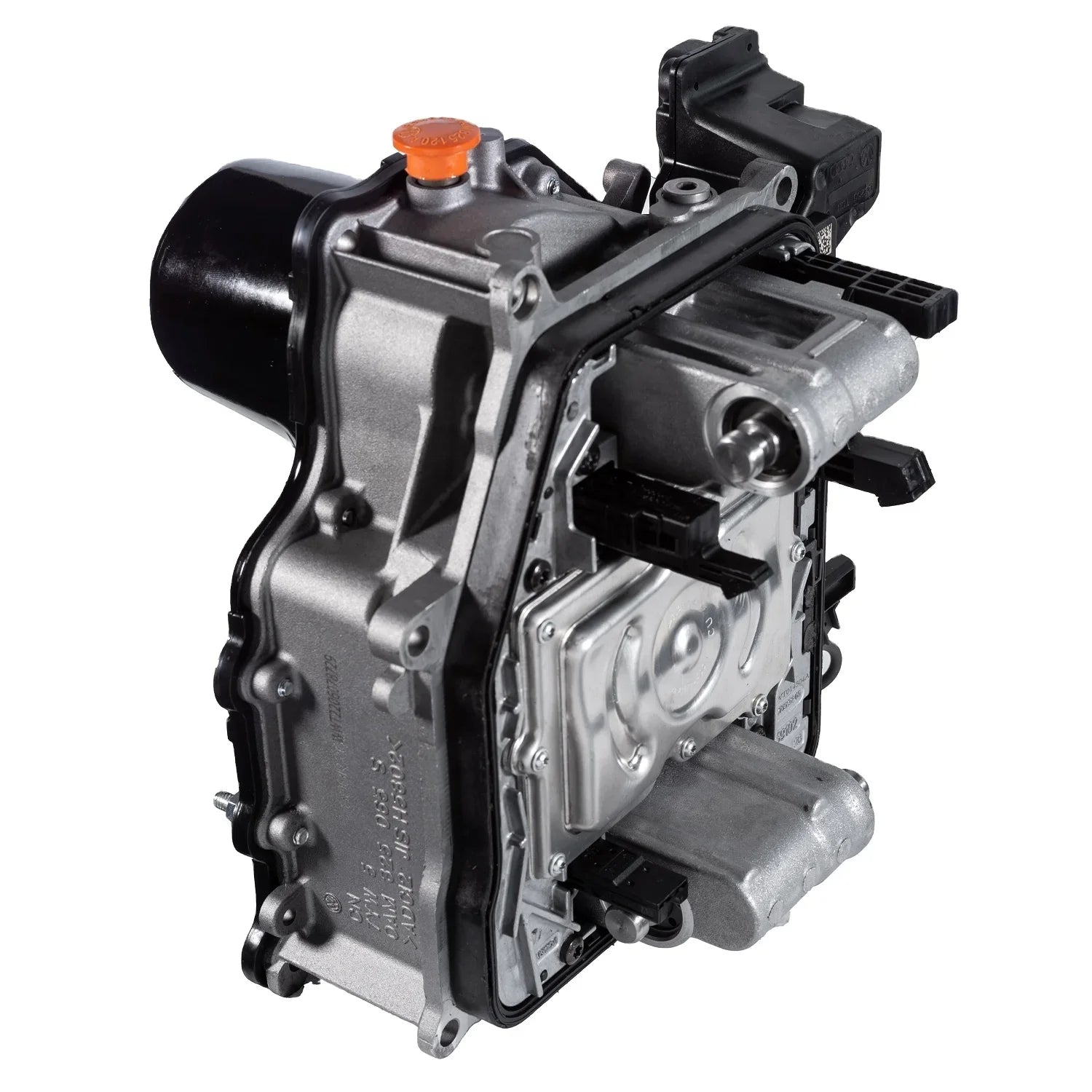
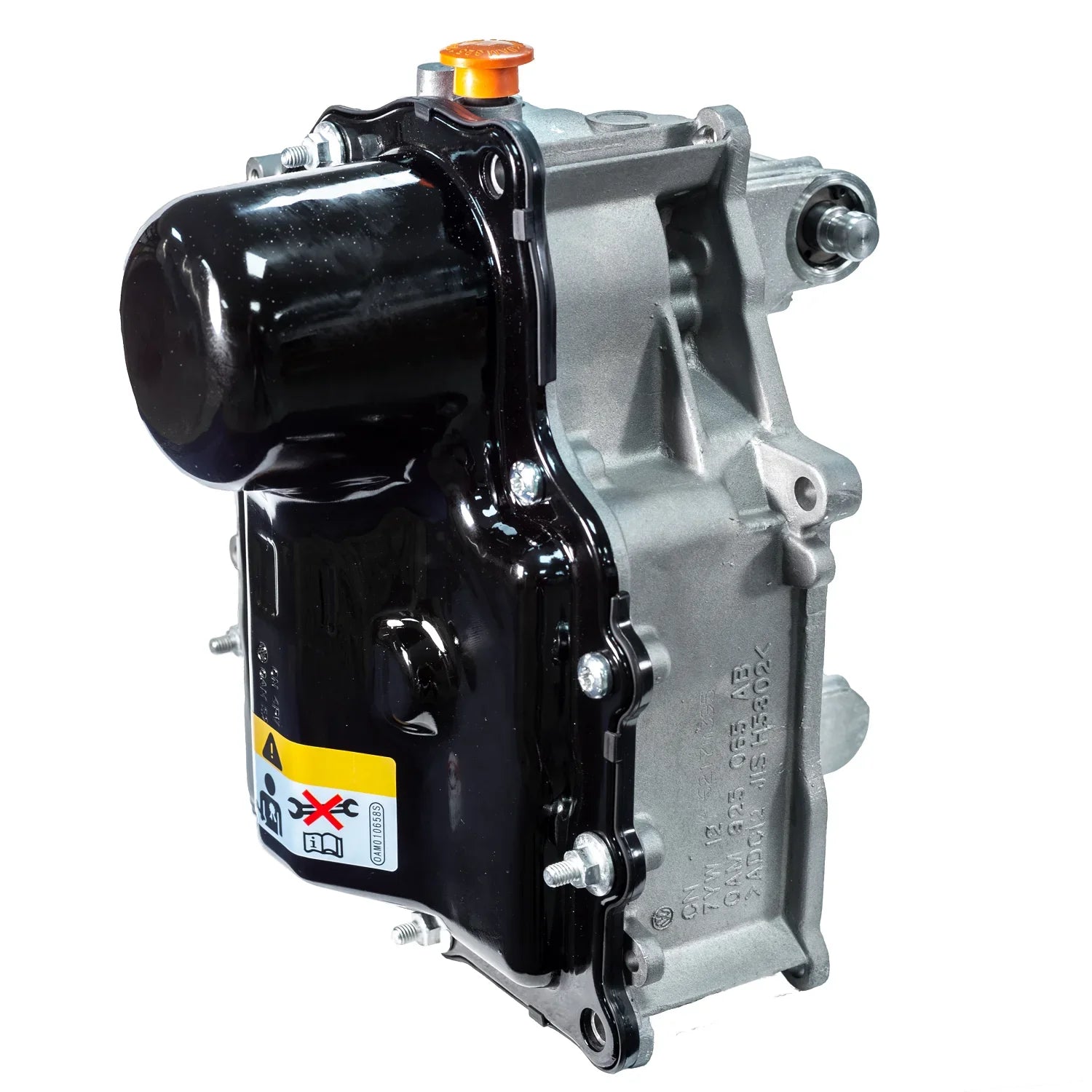
CBT Auto Parts supplies mechatronic unit and transmission control unit replacements as part of our Transmission and Drivetrain Parts range. Our stock covers Volkswagen Golf, Audi A3, and a range of DSG-equipped VW Group platforms including the DQ250 mechatronic and related units. OEM-grade quality, dispatched from confirmed stock, delivered locally and internationally with no extended back-order delays.

47 products
Showing 25 - 47 of 47 products
TCU vs Mechatronic Unit: Two Names, Two Different Architectures
These two terms are frequently used interchangeably by drivers experiencing electronic transmission faults, and while both govern automatic gearbox operation electronically, they represent fundamentally different engineering solutions. Understanding the distinction before ordering a replacement component prevents an incorrect part from arriving for a job that cannot proceed with it.
Transmission Control Unit: The Standalone Electronic Module
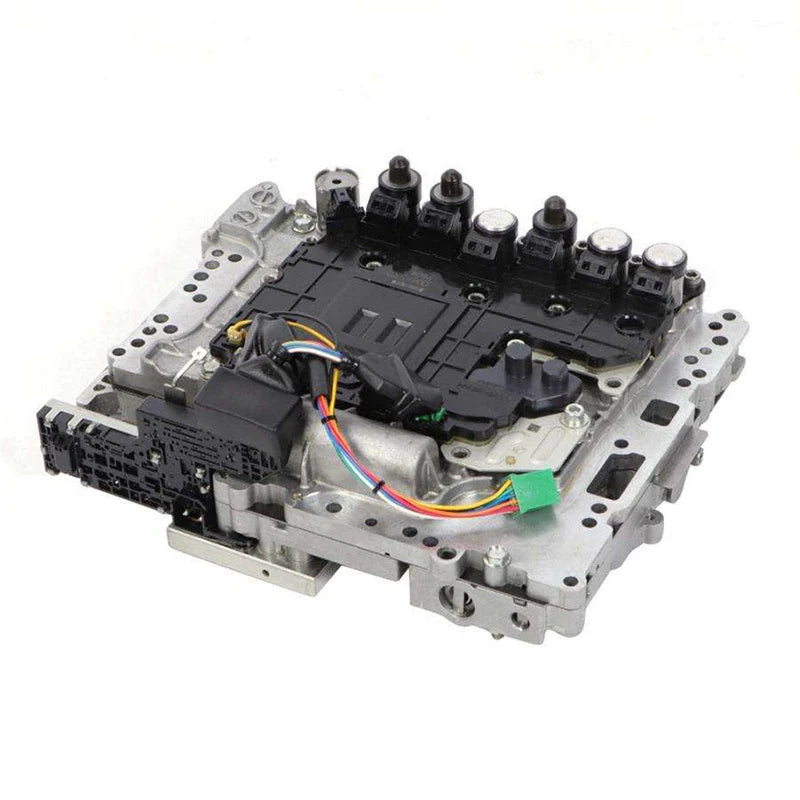
The transmission control unit, commonly abbreviated as TCU or gearbox TCU, is a dedicated electronic control module that governs automatic transmission behaviour from a location outside the gearbox housing itself. It receives data from wheel speed sensors, throttle position sensors, engine load signals, and transmission output shaft speed sensors and uses that data to determine shift timing, torque converter lockup engagement, and hydraulic pressure commands that it sends to the solenoids within the valve body via a wiring harness.
Because the TCU is an external module, it can in most applications be accessed, diagnosed, and replaced without gearbox disassembly. This separation of electronic control from the mechanical transmission also means that a TCU fault can be confirmed with a diagnostic scan tool before any component is removed and the repair can proceed with a clear, confirmed fault code rather than a presumptive diagnosis. It is worth confirming that the fault is genuinely in the TCU module itself rather than in the wiring harness, the solenoid pack it commands, or the sensor inputs it depends on, all of which can produce identical fault codes to a failed module.
Mechatronic Unit: Control and Hydraulics Combined
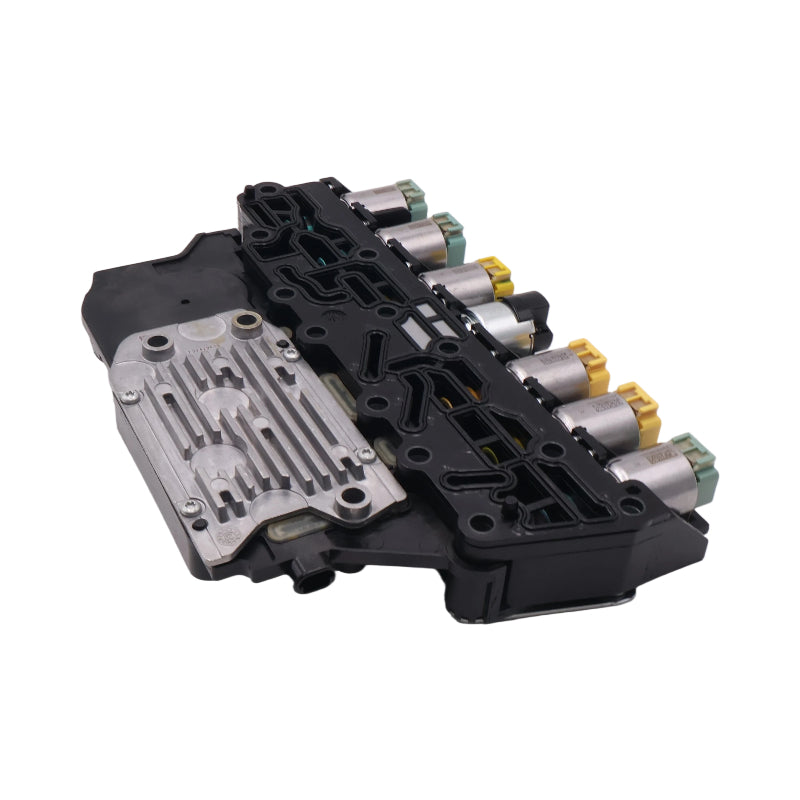
The mechatronic unit takes a fundamentally different approach. Rather than separating electronic control from hydraulic actuation, the mechatronic unit integrates both functions into a single assembly that mounts directly within the gearbox housing, typically within the valve body or directly adjacent to it. The unit combines the electronic control circuitry, the solenoid pack, the hydraulic valve body passages, and, in DSG applications, the clutch pack pressure control circuits into one precision-engineered assembly.
This integration is what makes the DSG gearbox as used across the Volkswagen Group platform family capable of sub-100-millisecond gear changes without the response lag inherent in a system where electronic commands must travel through a harness to a separate solenoid body. It is also what makes mechatronic unit failure more complex to manage than a standalone TCU replacement. Because the hydraulics and electronics are inseparable within the same unit, a failure in either domain requires replacement of the complete mechatronic assembly; partial repair is not possible in the field.
Why Mechatronic Units Fail and What Triggers the Fault
The mechatronic unit operates in one of the most hostile environments in the entire vehicle, submerged in transmission fluid inside a gearbox casing that cycles between extreme heat under load and ambient temperature at rest. Every component within it is subject to that thermal cycling, and the failure modes reflect it.
These are the primary causes of mechatronic unit and TCU failure across the platforms we cover:
- Thermal stress on the circuit board: repeated heat cycling causes micro-fractures to develop in the solder joints on the mechatronic unit's control board. These fractures produce intermittent faults, initially symptoms that appear under load and disappear when the gearbox cools, before progressing to permanent open-circuit failure
- Fluid contamination of the electronics: the internal sealing of a mechatronic unit maintains separation between the fluid side and the electronics side of the assembly. Seal degradation allows transmission fluid to migrate into the electronics cavity, producing corrosion on control board contacts and progressive short-circuit damage
- Solenoid failure within the mechatronic assembly: individual solenoids within the unit that govern clutch pack pressure, gear selection, and torque converter lockup are high-cycle components. In high-mileage DSG applications, specific solenoid channels degrade before the overall unit reaches end of life, but because the solenoids are integrated into the mechatronics unit, individual solenoid replacement is not possible without full unit replacement
- Software corruption in the TCU: in standalone TCU applications, the control software can be corrupted by a voltage spike, a battery replacement without memory retention, or an incomplete software update during a dealer service. In these cases, the module hardware remains functional, but the control mapping requires reprogramming, which in some applications is achievable without unit replacement
- Fluid contamination from a blocked transmission filter: a degraded automatic gearbox filter allows contaminated fluid carrying friction material particles and metallic debris to circulate through the mechatronic unit's hydraulic passages, blocking the precision-tolerance passages within the valve body section and triggering hydraulic pressure faults that the electronics then register as mechatronic unit failures. This is one of the most common scenarios where a mechatronic unit is replaced when a transmission filter service was the missing prior maintenance step
Fault Symptoms: What a Failing TCU or Mechatronic Unit Actually Presents As
Electronic transmission faults produce a cluster of symptoms that are distinctive enough to point toward the control system rather than the mechanical gearbox, provided the diagnosis is approached systematically. The overlap between mechatronic failure and solenoid pack wear, valve body contamination, and clutch pack deterioration makes scan tool data essential before any component is ordered.
Watch for these presentations specifically:
- Limp mode engagement: the gearbox locks into a single ratio, typically third gear in most automatic platforms, and refuses to shift regardless of vehicle speed or throttle input. This is the transmission's self-protection response to a detected fault in the control circuit. Limp mode with a confirmed TCU or mechatronic fault code is one of the clearest diagnostic indicators that the control unit, rather than the mechanical gearbox, is the origin of the fault.
- Harsh or jerky shifts with no mechanical warning signs: the gearbox shifts, but shift quality has deteriorated significantly. Upshifts feel abrupt, downshifts are delayed or accompanied by a jolt, and in DSG applications the characteristic smooth dual-clutch engagement has been replaced by a lurching power transfer. No grinding, no slipping simply degraded shift execution.
- Specific ratios that refuse to engage: the DSG mechatronic unit governs separate clutch packs for odd and even gears. A fault in one clutch circuit produces an inability to engage every alternate gear odd gears only, or even gears only which is a symptom presentation almost unique to DSG mechatronic failure and immediately distinguishes this fault from a conventional automatic gearbox problem.
- Shudder during low-speed engagement from rest: in DSG applications specifically, shudder during take-off from a standstill points toward deterioration of the wet clutch engagement pressure control within the mechatronic unit. This is frequently the first symptom to present in a unit approaching end of service life.
- Warning lights without drivability impact initially: in early-stage TCU faults, the transmission warning light or check engine light illuminates with a stored transmission code, but shift quality remains largely normal. This window between the first fault code and the onset of drivability symptoms is the optimal point at which to investigate and address the fault.
Platform Coverage: TCU and Mechatronic Units at CBT Auto Parts
Our mechatronic unit and TCU inventory is built around the Volkswagen Group platforms that generate the most consistent replacement demand globally, where DSG gearbox technology creates the highest concentration of mechatronic replacement requirements:
- VW mechatronic unit: the Volkswagen mechatronic unit covers the DQ250, DQ200, and related dual-clutch transmission families fitted across Golf, Passat, Tiguan, Caddy, and Touran platforms. The VW mechatronic unit is the single highest-volume mechatronic replacement application in the global aftermarket, driven by the widespread deployment of DSG technology across the VW model range from the mid-2000s onward.
- DQ250 mechatronic: the DQ250 is the wet-clutch DSG variant used in higher-torque VW Group applications, primarily those powered by 2.0 TDI and larger petrol engines. The DQ250 mechatronic is a distinct assembly from the dry-clutch DQ200 unit and is not interchangeable with it. Our DQ250 mechatronic range covers the full production span of this gearbox across multiple model applications.
- Mechatronic unit VW Golf: the Golf platform is the highest-volume single application within our mechatronic unit range, spanning the Golf 5, Golf 6, and Golf 7 generations across both the DQ250 and DQ200 transmission variants. Generation and DSG type must both be confirmed before ordering to ensure the correct unit is supplied.
- Audi A3 mechatronic unit: the Audi A3 shares its platform architecture with the Golf and uses the same DSG transmission family, making the mechatronic Audi A3 application a direct cross-reference with the Golf mechatronic range in many cases. The Audi A3 mechatronic unit price reflects this platform overlap, with strong parts availability across the A3 8P and 8V generations specifically.
- Mechatronic VW: beyond Golf and the Audi A3, our mechatronic Volkswagen coverage extends across Seat, Skoda, and additional Audi model lines that share the same DSG transmission platforms. Confirm the specific gearbox code rather than simply the vehicle model; the same vehicle model can carry different DSG variants in different markets and production years.
DSG Mechatronic Repair Cost vs Replacement: What the Numbers Actually Look Like
The DSG mechatronic repair cost question comes up in almost every conversation about this fault because the mechatronic unit carries a parts cost that is meaningfully higher than most other individual drivetrain components, and the labour to access it requires gearbox removal on most platforms.
The total cost picture involves three elements: the mechatronic unit itself, gearbox removal and refitting labour, and in most markets a mandatory dealer or specialist calibration procedure after the replacement unit is installed. The calibration step is not optional on electronically controlled DSG platforms; a mechatronic unit that is not calibrated to the vehicle after fitment will not deliver correct clutch pressure mapping, which produces the same shift quality complaints the replacement was intended to resolve.
Where the VW mechatronic unit price appears to vary significantly between suppliers, the variation almost always reflects one of two differences: whether the unit is new or remanufactured, and whether the calibration requirement is acknowledged in the supplier's fitment guidance. CBT Auto Parts supplies mechatronic units to a verified specification and is transparent about calibration requirements for each platform at the point of sale, ensuring buyers have the complete cost picture before committing to a purchase.
Sourcing the replacement unit through CBT Auto Parts before presenting the vehicle to a workshop gives the buyer full visibility and control of the parts cost independently of the labour quote, the approach that consistently produces the most transparent total repair cost.