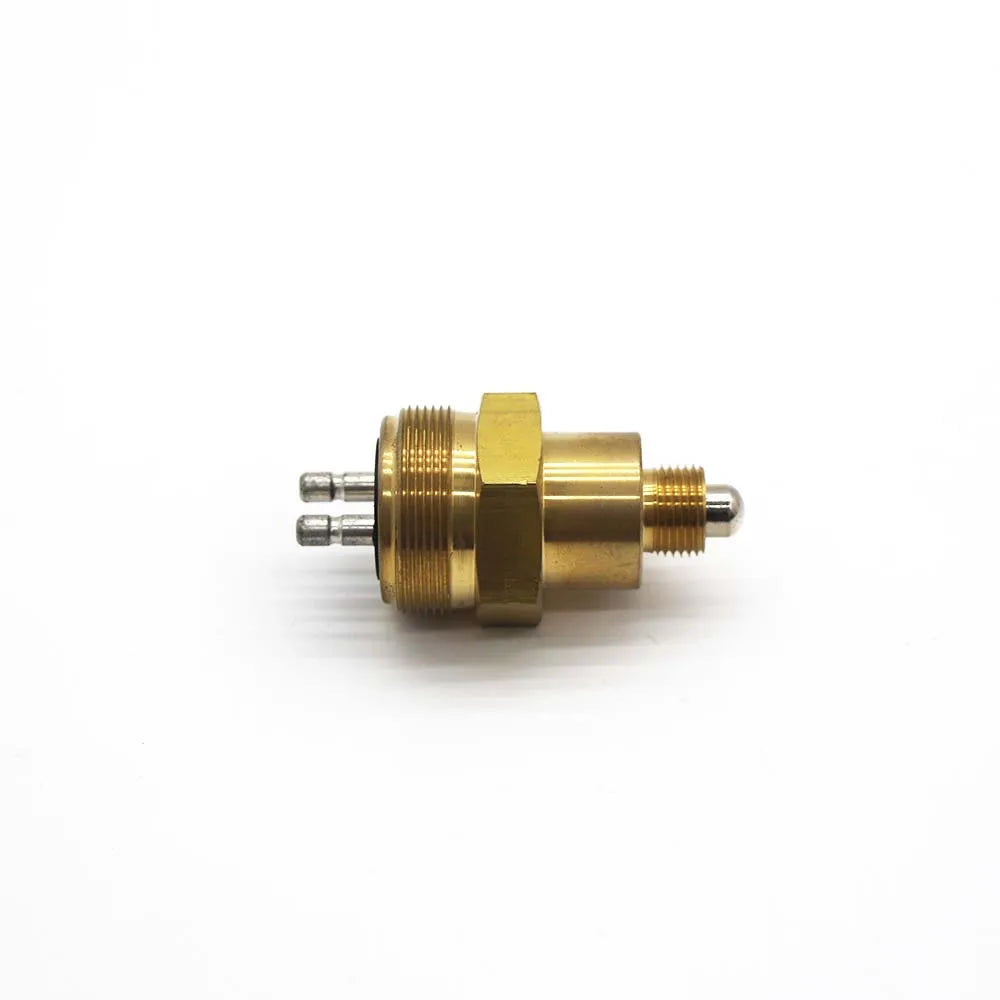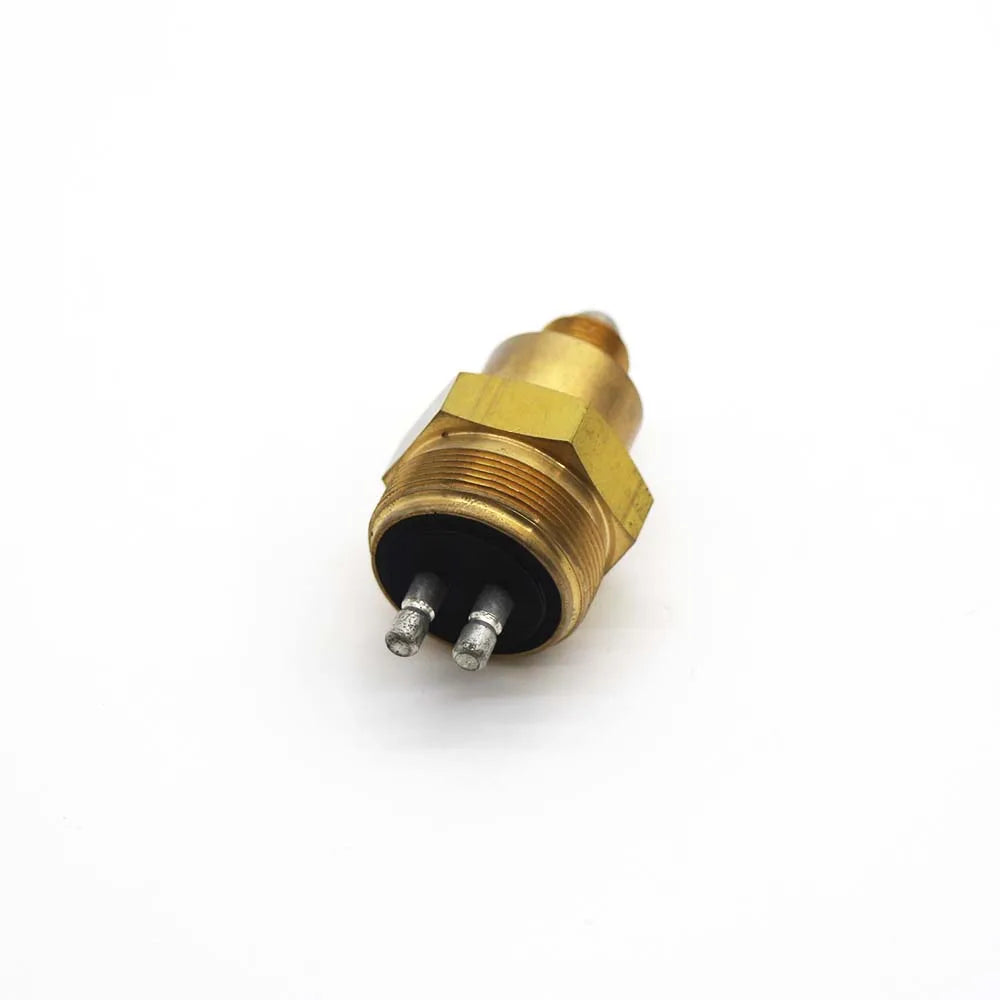
Reverse Lights: LED Reversing and Backup Light Kits for Cars, Utes and 4WDs
A reverse light only switches on for a few seconds at a time, which is exactly why a failed one so often goes unnoticed until it causes a genuine problem backing out of a dark driveway or car park. CBT Auto Parts stocks reverse lights, reversing light housings, and backup light kits for a wide range of local and imported vehicles, each checked against real fitment data before it is listed.
Aftermarket reverse lights are a straightforward, accepted swap once wiring and output match your factory setup, and every part here does. This range sits closely alongside Tail Lights, since reverse lights frequently share a housing with the rear cluster, and Brake Lights, since all three functions are often diagnosed together during a rear lighting check. Both belong to our wider Lighting & Signaling Parts family. Most orders ship within twenty-four hours.
1 product
Showing 1 - 1 of 1 product
Why a Reverse Light Failure Is Easy to Miss
Unlike a headlight or brake light, a reverse light only activates when the vehicle is in reverse gear, which for most drivers adds up to a small fraction of total driving time. That limited activity window means a blown bulb or failed connection can sit unnoticed for weeks, since the driver rarely watches their own reverse light from inside the cabin the way they might glance at a dashboard warning. Most drivers only discover the fault the same way as a brake light failure, through someone else pointing it out, or during a low-light reversing manoeuvre where the missing white glow suddenly matters. Because the fault is invisible from the driver's seat, a periodic check alongside routine brake and tail light inspections is the only reliable way to catch it early.
Reversing Light Versus Tail Light Versus Brake Light: Telling Them Apart
Rear lighting functions blur together for a lot of drivers, and reverse lights are often mistaken for one of the other two.
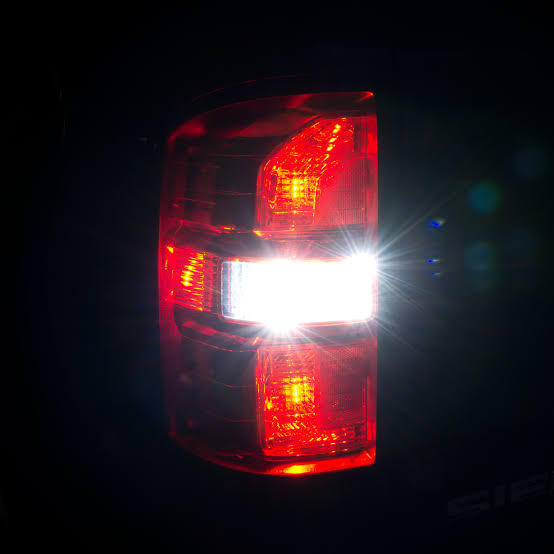
- Reverse lights glow white and only activate when the vehicle is in reverse gear, giving both the driver and anyone behind extra visibility during a backward manoeuvre.
- Tail lights glow red continuously whenever headlights or park lights are on, marking the vehicle's rear position rather than signalling any particular action.
- Brake lights glow red and brighter than the taillight, specifically when the brake pedal is pressed, warning of deceleration rather than position or reversing intent.
If the white light at the rear of your vehicle has failed, that is the reverse light function specifically, and the fix belongs here rather than in either of the other two categories.
Diagnosing a Reverse Light Fault
A few checks narrow down the cause before ordering a replacement part.
- Confirm the fault by checking both sides, since a fault affecting only one reverse light usually points to a blown bulb rather than a wiring issue.
- If both reverse lights fail simultaneously, the reverse light switch, often mounted on the transmission itself, is a more likely cause than two bulbs failing together.
- Check the lens for cracking or fogging, since a damaged housing scatters light regardless of bulb condition.
- On manual vehicles, confirm the clutch is fully engaged when testing, since some reverse light circuits are wired through the clutch switch as a safety interlock.
Testing with a known working bulb first is the fastest way to rule out the cheaper fix before assuming a switch or wiring fault.
Fitment Notes Across Popular Local and Imported Models
Reverse light housings vary considerably across different vehicle brands and generations, and this is more pronounced than in some other lighting categories due to the mix of local and imported vehicles on Australian roads. Popular utes and dual cab models, including Triton reverse lights and Nissan Navara reverse light setups, often integrate the reverse function into the same housing as the tail and brake light, meaning a full assembly may be needed rather than a standalone Breverse unit. European imports, including VW Golf reverse light, VW Caddy reverse light, and VW Amarok reverse light fitments, frequently use a different bulb standard and housing shape compared to Japanese or Australian-delivered vehicles. Larger 4WDs, including LC200 reverse lights, sometimes fit a separate standalone reverse light unit distinct from the main tail light cluster, which simplifies replacement considerably compared to an integrated housing.
When the Fix Is a Bulb, Not the Full Housing
Most reverse light problems come down to a single blown bulb rather than a housing fault, and confirming this before ordering saves both time and money. If the lens is intact and clear, a straightforward globe replacement from our Relay & Bulb Assemblies range solves the issue in most cases. A full reverse light or combination housing only becomes necessary once the lens has cracked, clouded internally, or the reverse function is integrated into a tail light assembly that has failed for a different reason entirely. Confirming which scenario applies avoids paying for a full unit when a bulb swap would have done the job.
Shipping and Support on Every Reverse Light Order
Most reverse light orders dispatch within twenty-four hours, with metro delivery typically landing in two to four business days and regional addresses taking a little longer. Tracking is emailed as soon as your order leaves the warehouse. If a reverse light or backup light kit arrives and the plug does not match your harness, our lighting and electrical returns team handles the exchange directly.