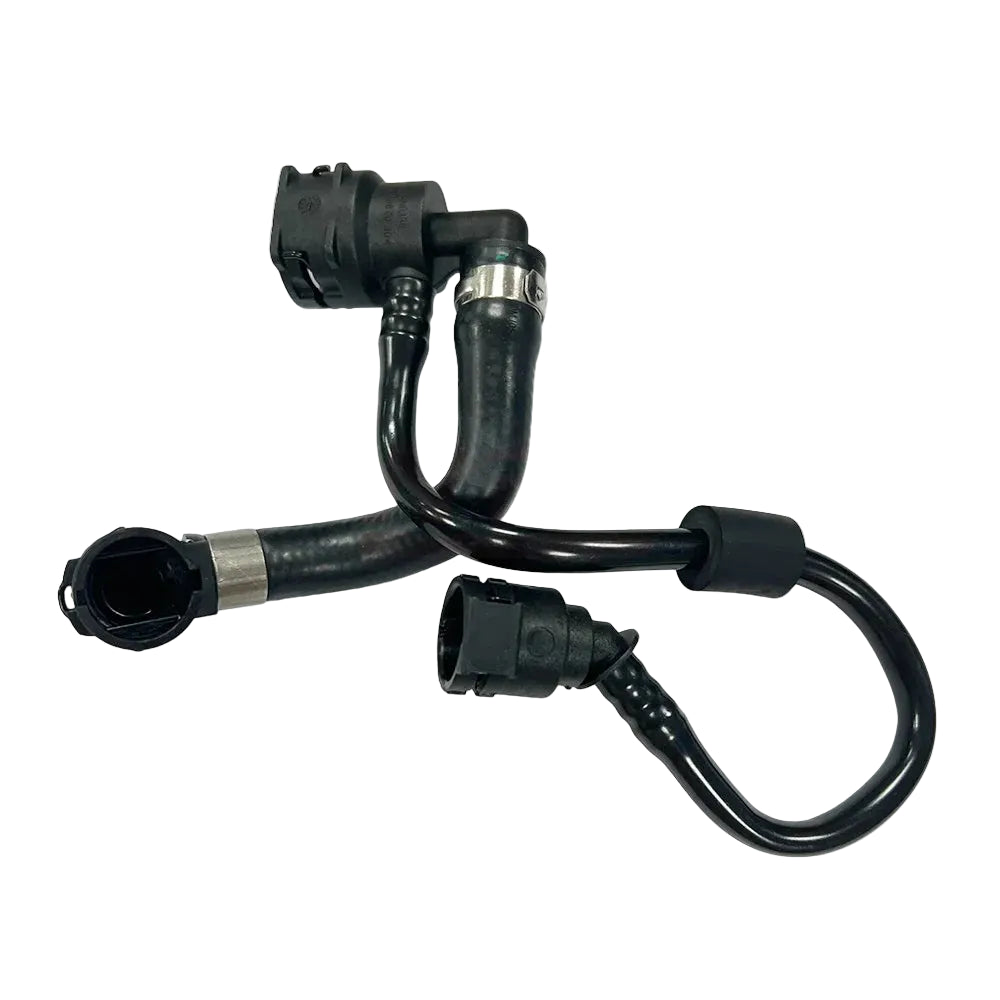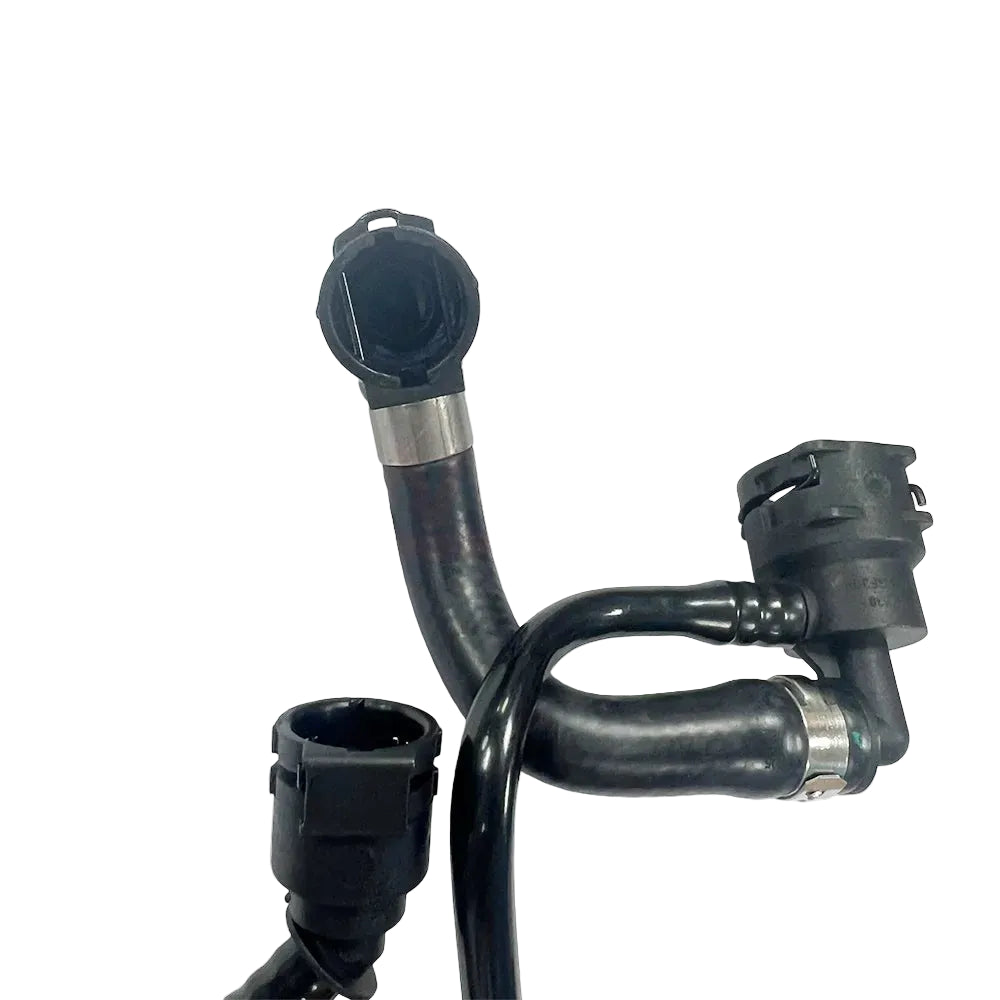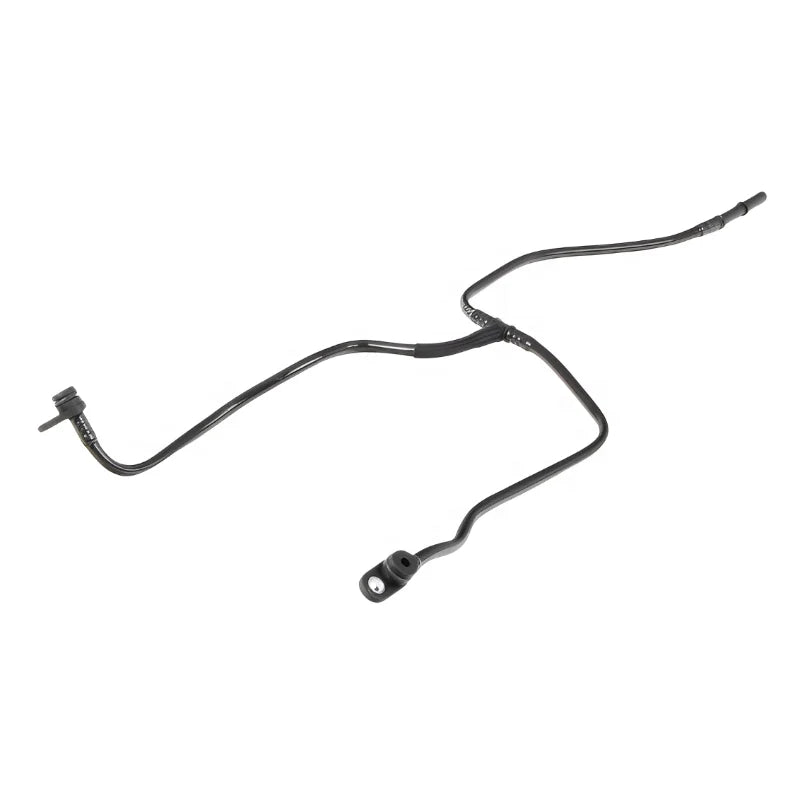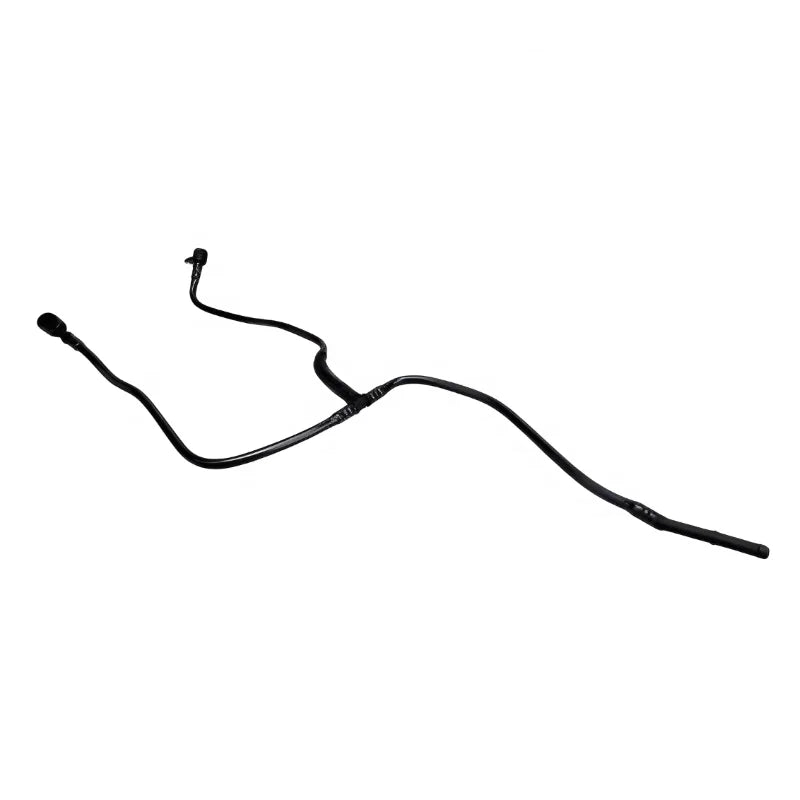
Radiator Hoses, Rad Hose Kits, and Silicone Radiator Hoses for Cars and Trucks
Radiator hoses carry coolant between the engine and radiator under constant heat and pressure, and they tend to fail from the inside out, where wear isn't visible. CBT Auto Parts stocks radiator hoses and rad hose kits in rubber and silicone, sized for cars, trucks, and SUVs.
Every hose here is OEM grade or built to OEM specification, so bend angles and fitting sizes match the original routing. Confirm fitment by year, make, and model, then add a water pump or thermostat from the wider Cooling, HVAC and Climate Control Parts range. Orders ship fast worldwide, with support on hand if you're between rubber and silicone radiator hoses.
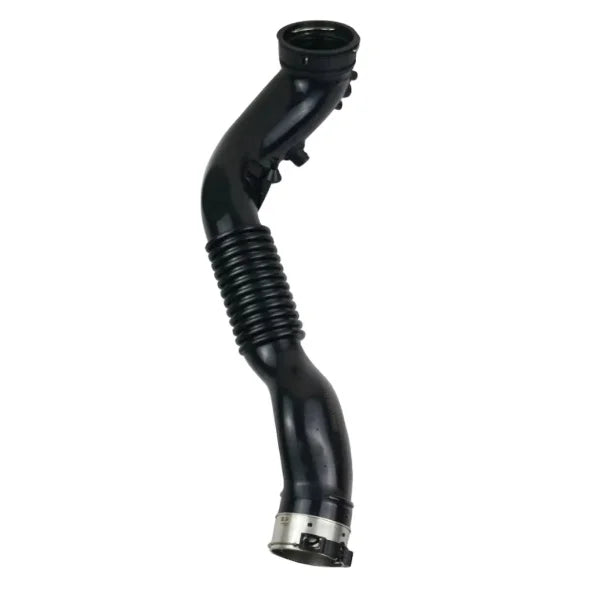
3 products
Showing 1 - 3 of 3 products
Upper and Lower Radiator Hoses: What Each One Does
A top radiator hose carries hot coolant from the engine down to the radiator, while a lower radiator hose returns the cooled coolant to the water pump to start the cycle again. The upper hose typically runs hotter and softens first with age, while the lower hose collapses more easily under vacuum if it weakens, since the water pump is actively pulling coolant through it rather than pushing. Both are sold separately here, since they're rarely the same shape or length even on the same vehicle.
Signs a Radiator Hose Is About to Fail
A hose rarely fails without giving some warning first, even if that warning is easy to miss during a quick under-hood glance. Worth checking for:
- A soft, mushy feel when you squeeze the hose cold, healthy rubber should feel firm with a slight give, not spongy.
- Cracking or a glazed, shiny texture near the clamps, where heat and flexing concentrate the most stress.
- A sweet smell or a faint white residue along the hose length, both signs of a slow seep rather than an active leak.
Rad Hose Material: Rubber, Silicone, and Braided Options
Standard rubber rad hose construction is the factory default on most vehicles, affordable and perfectly adequate for normal driving and temperatures. Silicone radiator hoses cost more but resist heat and ozone degradation far longer, which is why they show up often on performance builds and vehicles that see sustained high engine bay temperatures. A braided radiator hose adds an outer reinforcement layer over silicone or rubber, mainly for abrasion resistance in tight engine bays where a hose might rub against another component. A flexible radiator hose, sometimes listed as a flexible rad hose, trades some of that structure for the ability to bend around obstacles a rigid molded hose can't follow.
Hose Clamps: Spring vs Screw Type
Most factory radiator hoses use spring-type clamps, which apply consistent pressure as the hose expands and contracts with temperature, but they're harder to reuse once removed since the spring tension can weaken. Many aftermarket and universal installs switch to worm gear, screw-type clamps instead, which are easier to install and adjust but need periodic rechecking since they don't self-adjust the way a spring clamp does. Either style works fine on most engines; the key is matching clamp width to hose diameter rather than just using whatever's in the toolbox. An undersized clamp can cut into the hose, while an oversized one won't seal evenly.
Universal Radiator Hose Kits v. Vehicle-Specific Hoses
A universal radiator hose kit is built from flexible, cuttable material rather than a fixed molded shape, which makes it useful for older vehicles, engine swaps, or unusual routing that a vehicle-specific hose was never designed around. The tradeoff is installation time; a universal kit needs to be measured, cut, and clamped correctly, while a vehicle-specific hose simply bolts into the original routing. For a stock daily driver, the vehicle-specific option is almost always the better fit; the universal route makes more sense for anything outside a standard configuration.
Changing a Radiator Hose: What's Involved
Changing a radiator hose starts with draining enough coolant to get below the hose's connection points, then loosening the clamps at each end before working the old hose free, which often takes more force than expected if it's bonded to the fitting with age. A light twist while pulling helps break that bond without damaging the connection underneath. Once the new hose is seated fully onto both fittings, clamps should be tightened evenly rather than as hard as possible; overtightening can cut into the hose material over time just as easily as a loose clamp can leak.
Radiator Hoses vs Heater Hoses: Not the Same Part
Radiator hoses run between the engine and the radiator and carry the full volume of coolant the cooling system moves. Heater hoses are smaller-diameter lines that branch off to feed the heater core inside the cabin, carrying a much smaller flow just for cabin heat. The two are often confused since both carry coolant and sit in the same engine bay, but they're sized differently and covered separately; heater hoses are stocked in our dedicated Heater Hoses range rather than here.
What Pairs With Your Radiator Hoses
New radiator hoses are commonly installed alongside a water pump, since both are removed to access similar areas and a pump replacement often requires draining the same coolant anyway. If the radiator itself shows any sign of age, replacing hoses around the same time avoids reopening the system again within the next year.
Ordering and Fitment
Listings here show year, make, and model coverage, along with hose position, upper or lower, where a vehicle uses more than one. Most hoses ship within one business day, and a hose that doesn't fit is accepted for return without hassle. If you're piecing together a universal kit rather than ordering a vehicle-specific hose, our support team can help confirm the diameter and length you'll need before you cut anything. Each vehicle-specific hose ships with new clamps included where the original design uses them, so a missing clamp never holds up an otherwise finished job.