Car Pedal Assemblies, Brake, Clutch & Accelerator Pedal Sets
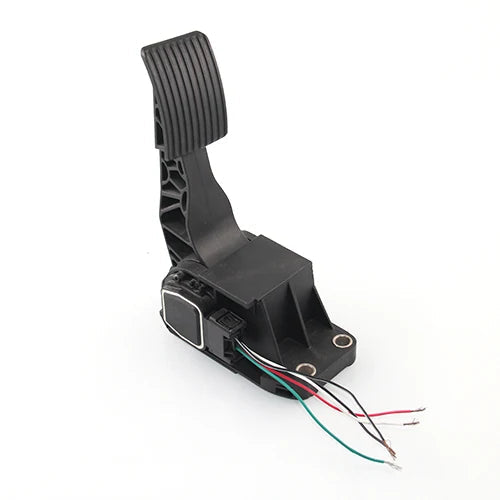
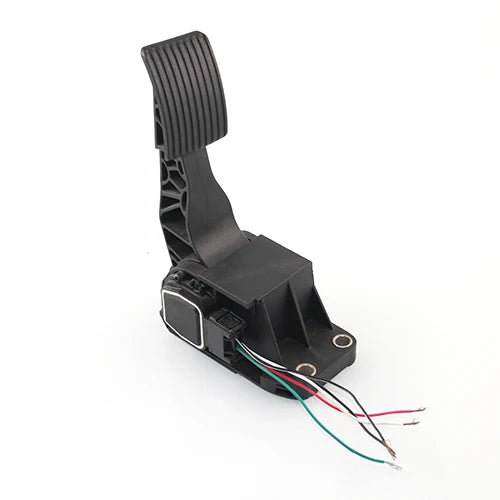
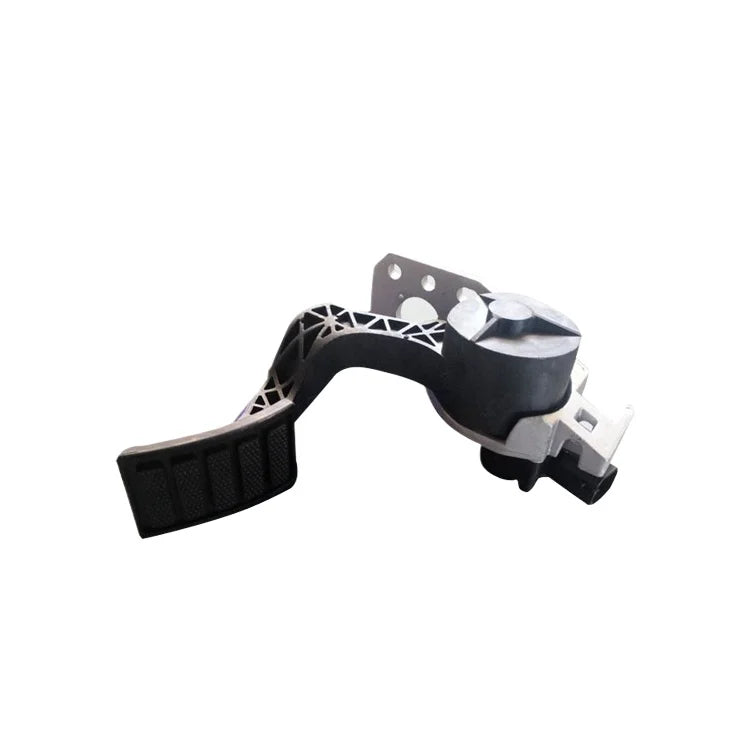
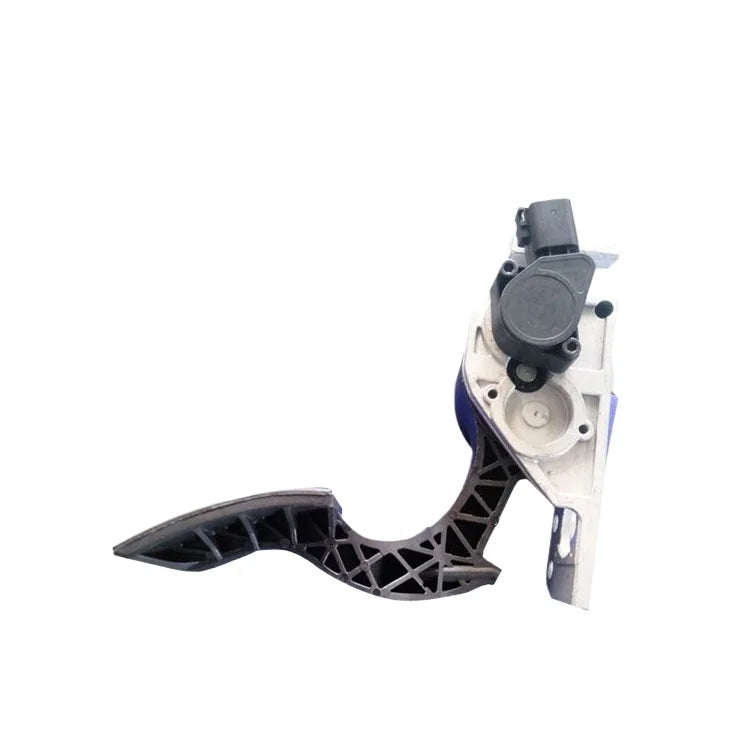
A spongy brake pedal, a slipping clutch feel or a worn accelerator pedal often signals the pedal assembly, not a deeper fault. CBT Auto Parts stocks car pedals, pedal assemblies, and brake pedal assembly kits within the Interior and Cabin Parts range, built for daily drivers through to hot rods.
Every pedal set is checked against OEM brackets before listing, so accelerator and clutch pedal replacements bolt onto your floor pan without fabrication. Race car and rat rod assemblies sit beside daily units, tested for strength and grip, giving builders a dependable choice either way. Orders are dispatched within one to two business days; tracking is sent once pedals leave the warehouse.
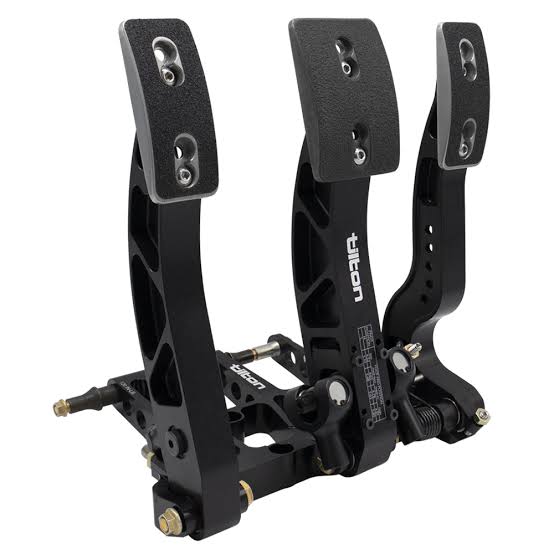
3 products
Showing 1 - 3 of 3 products
Common Pedal Wear and What It Signals
A pedal assembly wears in a handful of predictable ways, and the symptom usually points to a specific component rather than the whole unit needing replacement.
- A worn accelerator pad leaves the surface smooth and prone to slipping under a wet shoe.
- Excess play or wobble in the brake pedal before resistance is felt is often a worn pivot bushing rather than a hydraulic fault.
- A clutch pedal that feels inconsistent or springy compared to how it engaged when new, pointing to a worn pivot or return spring.
- Squeaking or grinding at the pivot point during normal operation, usually solved with a bushing replacement rather than a full assembly swap.
- Cracked or broken pedal arms on older vehicles, typically from metal fatigue after decades of use.
Most of these issues are pedal assembly specific and resolved with a car pedal replacement rather than pointing to a hydraulic or mechanical fault elsewhere in the braking or clutch system.
Pedal Assemblies for Hot Rods and Custom Builds
Hot rod and rat rod builders make up a significant share of pedal assembly buyers, and this category reflects that with a strong range of under-dash and floor-mounted options built for custom applications. An under-dash brake pedal assembly suits hot rod builds where floor space is at a premium or where a firewall-mounted setup matches the period-correct look a builder is after. Universal clutch and brake pedal assembly kits are popular among builders fabricating a custom floor pan from scratch, since these are designed to be positioned and mounted to suit the specific vehicle rather than bolting to a single factory pattern.
Race car pedal assembly setups differ again, typically prioritising adjustability and a lighter overall weight over the comfort features found in a daily driver pedal box. CBT Auto Parts stocks all three approaches: factory replacement, universal hot rod kits, and race-focused assemblies, recognising that pedal buyers range from someone fixing a daily commuter to someone fabricating a one-off build from the ground up entirely on their own terms.
Matching Pedals to Specific Vehicles
Some buyers know exactly what they are after down to the model year, and pedal assemblies for specific classic and muscle car applications, such as a 2005 Mustang clutch pedal assembly, are stocked alongside more universal options for builders who prefer to fabricate rather than bolt on a direct replacement. Sourcing the correct assembly for a specific model year matters here in the same way it does for other classic car categories, since pedal ratios, pivot positions, and mounting patterns can differ meaningfully even between closely related model years of the same vehicle.
How Pedal Assemblies Relate to the Braking System
A pedal assembly is the mechanical linkage that transfers foot pressure into the braking or clutch system, but it is a distinct component from the hydraulic parts further down the chain, a distinction worth understanding before assuming a fault lies elsewhere. Brake master cylinders convert the pedal's mechanical force into hydraulic pressure, and while pedal feel can sometimes hint at a master cylinder issue, a spongy or inconsistent pedal is more often a pivot or bushing problem within the pedal assembly itself. Buyers experiencing persistent brake pedal issues after replacing the pedal assembly should look toward the master cylinder next, since ruling out the mechanical linkage first is the more cost-effective diagnostic step.
Choosing the Right Pedal Assembly for Your Vehicle
Pedal ratio, pivot spacing, and mounting pattern vary considerably across manufacturers, vehicle types, and custom build requirements.
- Confirm your vehicle's make, model, and year, since pedal ratios and mounting patterns can differ between closely related model years.
- Decide between a factory replacement and a universal kit if building a custom floor pan or under-dash setup.
- Confirm whether your vehicle is manual or automatic, since clutch pedal assemblies are not required on automatic transmission vehicles.
- Measure your existing firewall and floor mounting points before ordering an under-dash assembly for a custom build.
Getting the pedal ratio correct matters particularly for brake applications, since an incorrect ratio can noticeably affect pedal feel and stopping performance.
Caring for Your Pedal Assembly Over Time
A pedal assembly lasts considerably longer with a small amount of routine attention, particularly around the pivot point where most wear eventually concentrates. Applying a light lubricant to the pivot bushing every few months keeps the pedal moving smoothly and reduces the squeaking and grinding that otherwise develops as the bushing dries out over time. Checking accelerator and clutch pad wear periodically catches a smooth, slippery pad before it becomes a genuine safety concern, particularly relevant for anyone driving frequently in wet conditions where grip matters most.
For hot rod and custom builds using an under-dash or firewall-mounted assembly, periodically checking the mounting bolts for tightness is worth doing, since vibration over time can gradually loosen hardware that was correctly torqued during initial fabrication. This is particularly true in the first few months after a new build, when components are still settling into their final position under regular use.