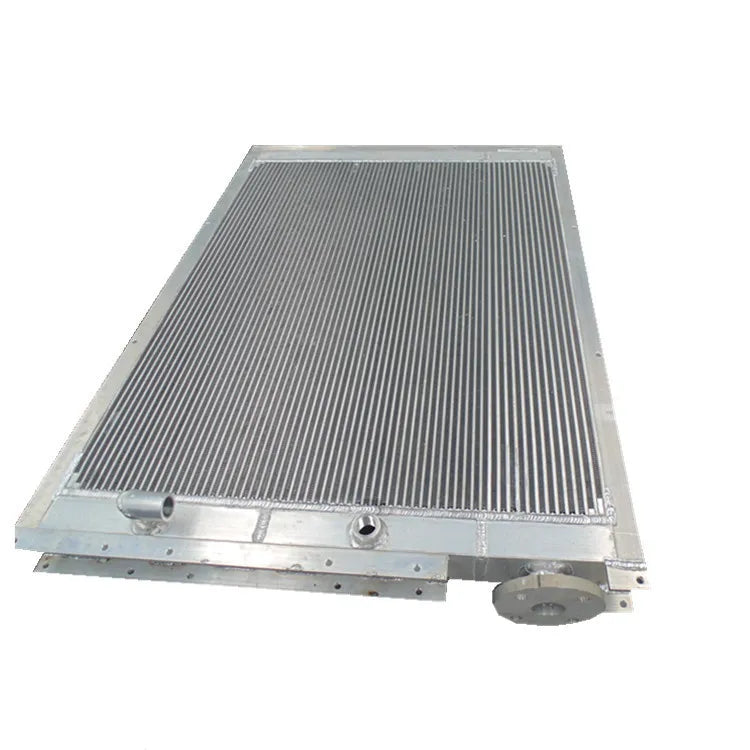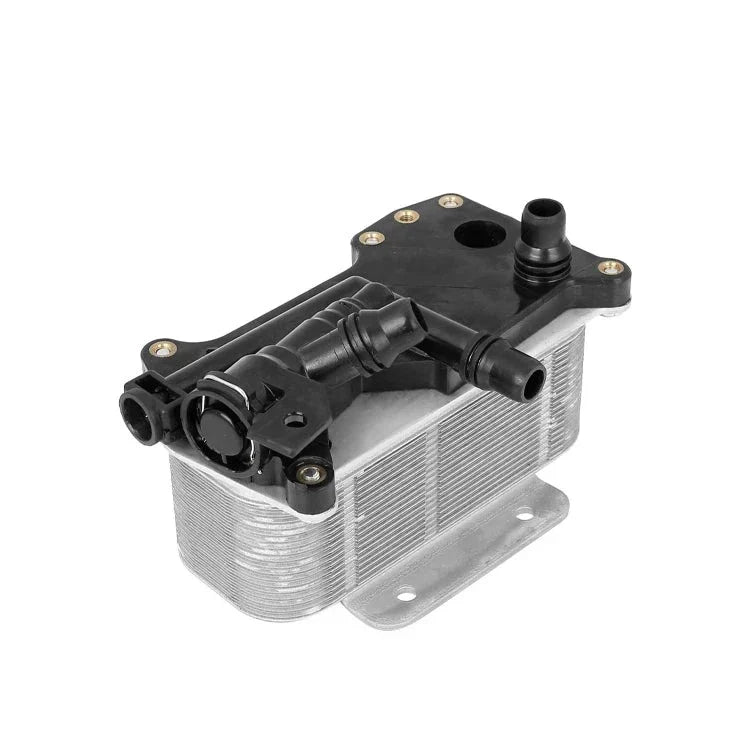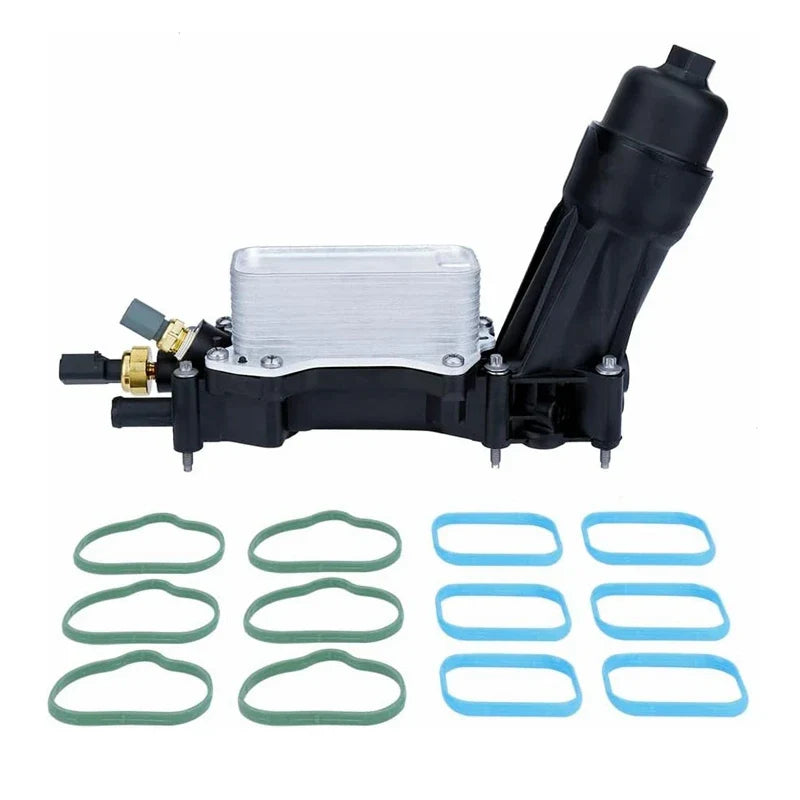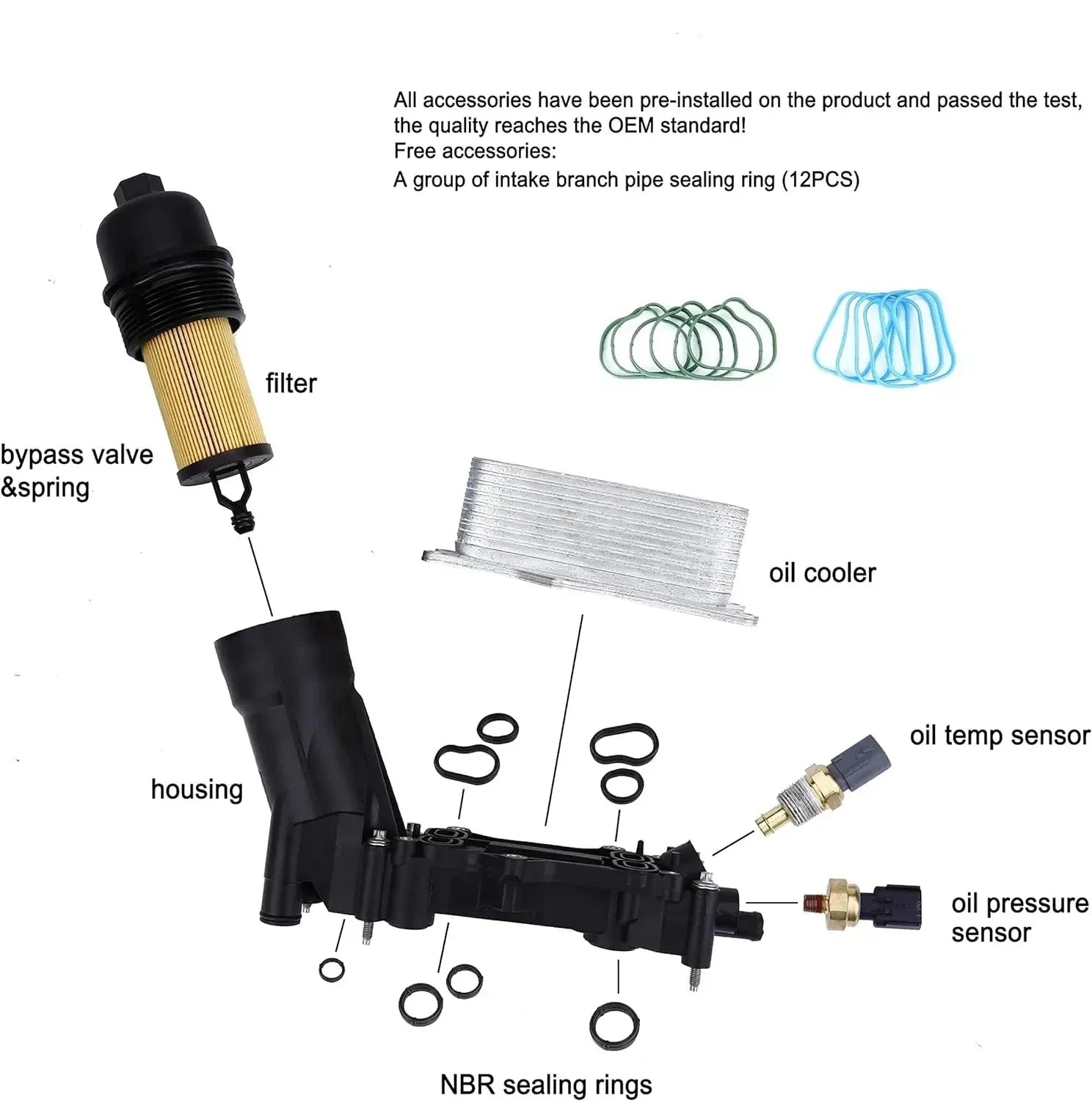
Engine Oil Cooler and Transmission Oil Cooler Kits for Diesel Trucks
An oil cooler pulls excess heat out of engine or transmission oil before that heat breaks down lubrication and shortens the life of everything the oil touches. CBT Auto Parts stocks oil cooler and oil cooler kit options for cars, trucks, and heavy-duty diesel engines.
Every diesel oil cooler here is OEM grade or built to OEM specification, so coolant and oil fittings match the original. Confirm fitment by engine or transmission model, then add a radiator from the wider Cooling, HVAC and Climate Control Parts range. Orders ship fast worldwide, with support on hand for fleet and owner-operator accounts.
4 products
Showing 1 - 4 of 4 products
What an Oil Cooler Does, and Why Heat Matters
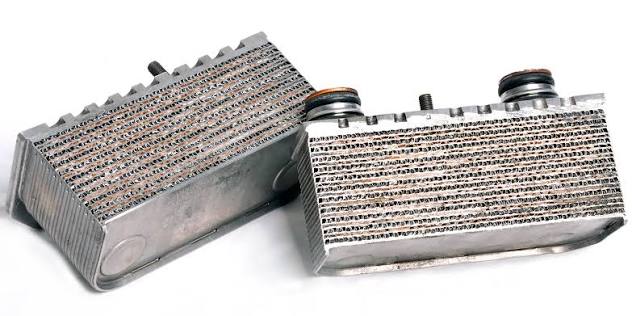
An oil cooler works like a small radiator dedicated to oil rather than engine coolant, pulling excess heat out of engine or transmission oil before that heat breaks down the oil's lubricating properties and accelerates wear on everything it touches. Oil that runs too hot for too long loses viscosity and protective additives faster than its rated service interval accounts for, which is part of why heavy-duty and towing applications, where oil temperature climbs fastest, rely on a dedicated cooler that a typical passenger car never needed.
Oil Cooler vs Oil Pump: Two Different Jobs
An oil cooler and an oil pump are easy to mix up since both deal with the same oil, but they do completely different jobs. The oil pump circulates oil under pressure throughout the engine, while the oil cooler removes heat from that oil once it's already moving. A failing pump causes pressure and lubrication problems, while a failing cooler causes oil temperature problems; the symptoms rarely overlap. Oil pumps are stocked separately under our Engine range rather than here.
Engine Oil Cooler vs Transmission Oil Cooler
An engine oil cooler manages engine lubricant temperature, while a transmission oil cooler does the same job for transmission fluid, a separate fluid circuit entirely, even though both often mount near the radiator. Transmission fluid that runs hot breaks down and loses its ability to protect transmission components long before the transmission itself shows obvious damage, which is why towing-focused vehicles frequently add or upgrade a transmission oil cooler specifically. This is also a different part from a transmission filter, which removes debris from the fluid rather than managing its temperature; the filter is covered under our Transmission range instead.
Signs Your Oil Cooler Has Failed
An oil cooler rarely fails quietly, especially in a heavy-duty application. Watch for:
- Oil temperature gauge readings are climbing under load or during towing, even when coolant temperature itself stays normal.
- Oil or coolant mixing together, a milky appearance in either fluid, which points to an internal leak inside the cooler itself.
- Visible external leaks at the cooler's fittings or lines, often more obvious on an externally mounted cooler than an internally mounted, radiator-integrated design.
Heavy Duty Diesel Oil Coolers: DAF, Cummins, and Detroit Diesel
A daf oil cooler reflects this collection's reach into European heavy truck brands alongside North American platforms, sized around that manufacturer's specific engine block. A Cummins transmission oil cooler and a Cummins ISX engine oil cooler search both point to Cummins applications, but to entirely different fluid circuits; the ISX engine cooler manages engine oil, while a transmission-specific cooler handles a separate fluid system entirely, even on the same truck. A D13 oil cooler points to the Detroit Diesel D13 block, the same engine family that showed up in our Fan Clutches collection, a recurring platform across this entire heavy-duty section.
Cummins ISX Oil Cooler Thermostat: A Common Failure Point
A Cummins ISX oil cooler thermostat is a bypass valve built into the oil cooler housing on that engine family, routing oil around the cooler entirely until it reaches operating temperature, then directing it through the cooler once the engine is warmed up. This thermostat element is a documented wear point on the ISX platform specifically, often failing independently of the cooler core itself, which is why some ISX oil cooler issues are resolved by replacing just the thermostat rather than the entire cooler assembly.
EGR Coolers and Oil Coolers: Related But Different Parts
An EGR oil cooler search likely reflects how closely EGR coolers and oil coolers are discussed together on diesel platforms; both are common failure points on the same emissions-equipped engines and often get diagnosed in the same repair visit. They remain separate components with separate jobs, though: an EGR cooler cools recirculated exhaust gas for emissions purposes, while an oil cooler manages lubricant temperature. The two aren't interchangeable, and a search combining both terms is worth double-checking against your actual symptoms before ordering either part.
Dodge Ram and 5.9 Cummins Oil Coolers
A Dodge Ram oil cooler search covers one of the most common pairings in this collection, since Ram trucks running a Cummins diesel are frequently used for towing where oil temperature management matters most. A 5.9 Cummins oil cooler specifically points to the well-known 5.9-liter Cummins engine that powered Ram trucks for nearly two decades, a platform with a large enough installed base that oil cooler searches for it remain consistently high.
What Pairs With Your Oil Cooler
If the oil cooler is integrated into or mounted near the radiator, checking the radiator itself for age or damage during the same repair is worth doing, since both share coolant and a failing radiator can mask or mimic an oil cooler problem. Towing-focused vehicles often benefit from upgrading to a larger capacity cooler at the same time, rather than replacing with an identical factory-sized unit that runs into the same heat limits.
Ordering and Fitment
Listings here show engine or transmission application clearly, since fitment depends more on the specific engine or transmission model than on the vehicle's year and make alone. Most coolers ship within one business day, with fleet and owner-operator accounts able to order in volume without losing fitment accuracy. A cooler that doesn't match your engine or transmission combination is accepted for return, the same as any other part in this collection.