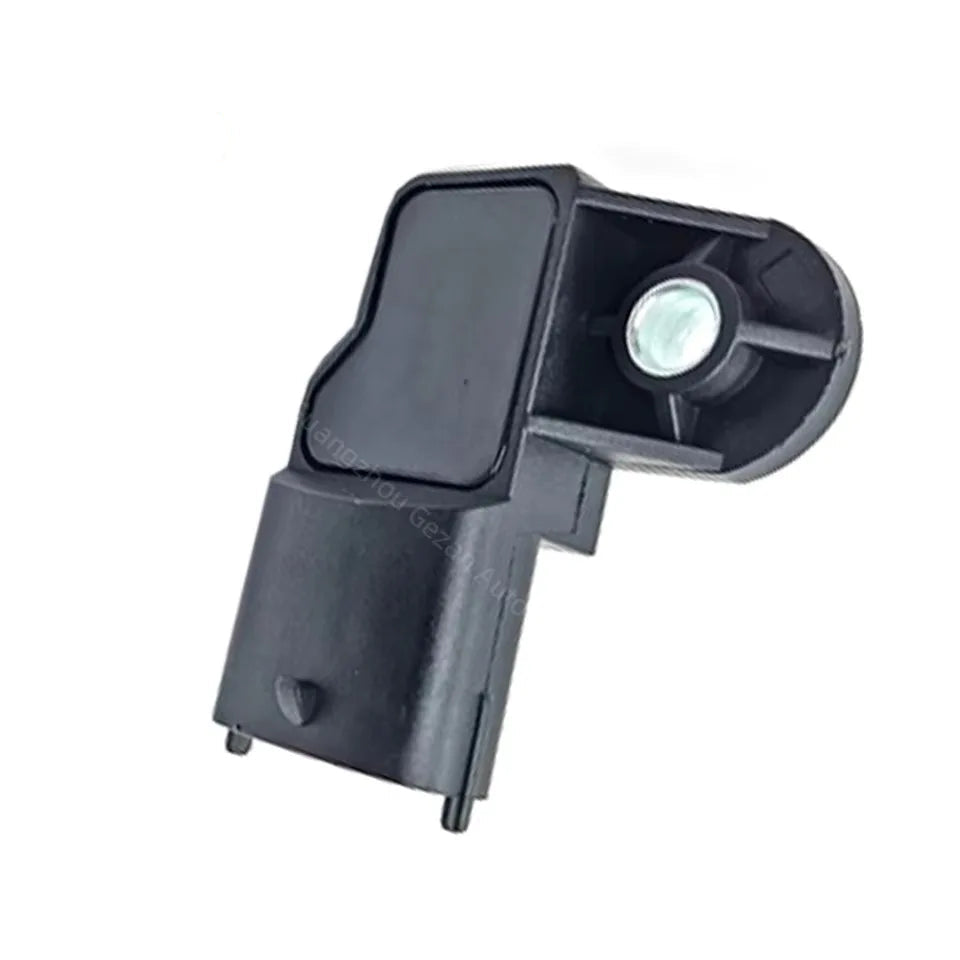
MAP Sensors: Manifold Absolute Pressure Replacement
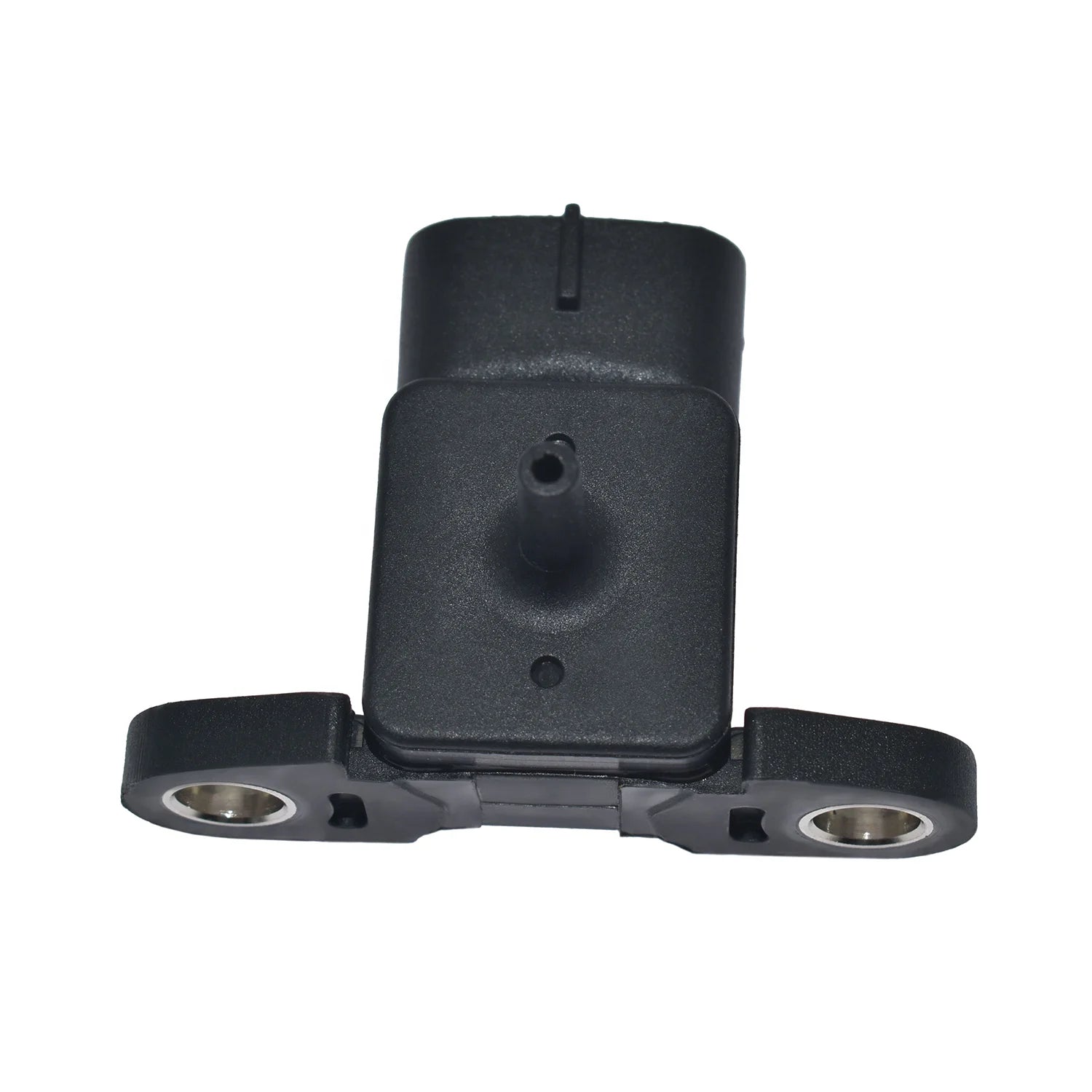
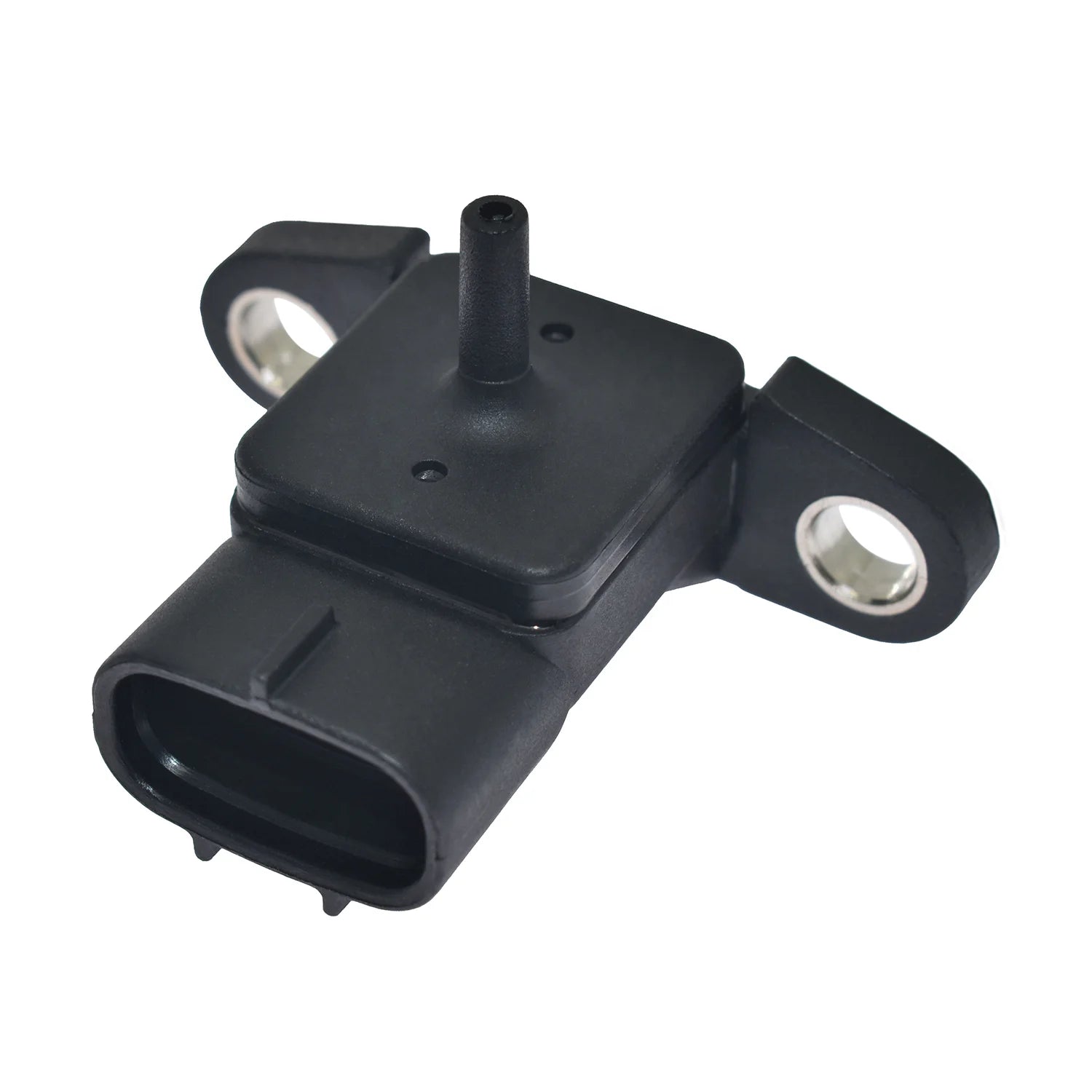
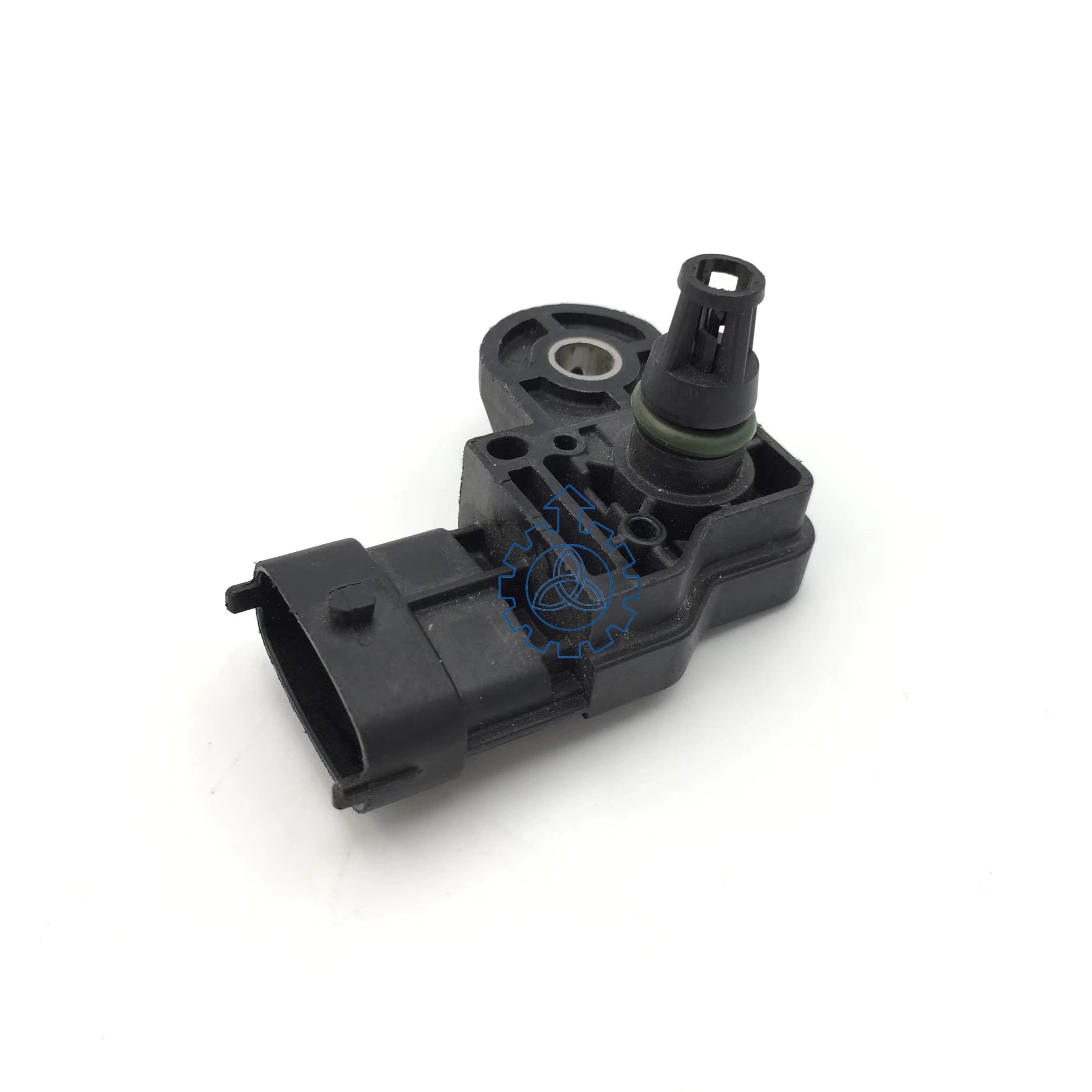
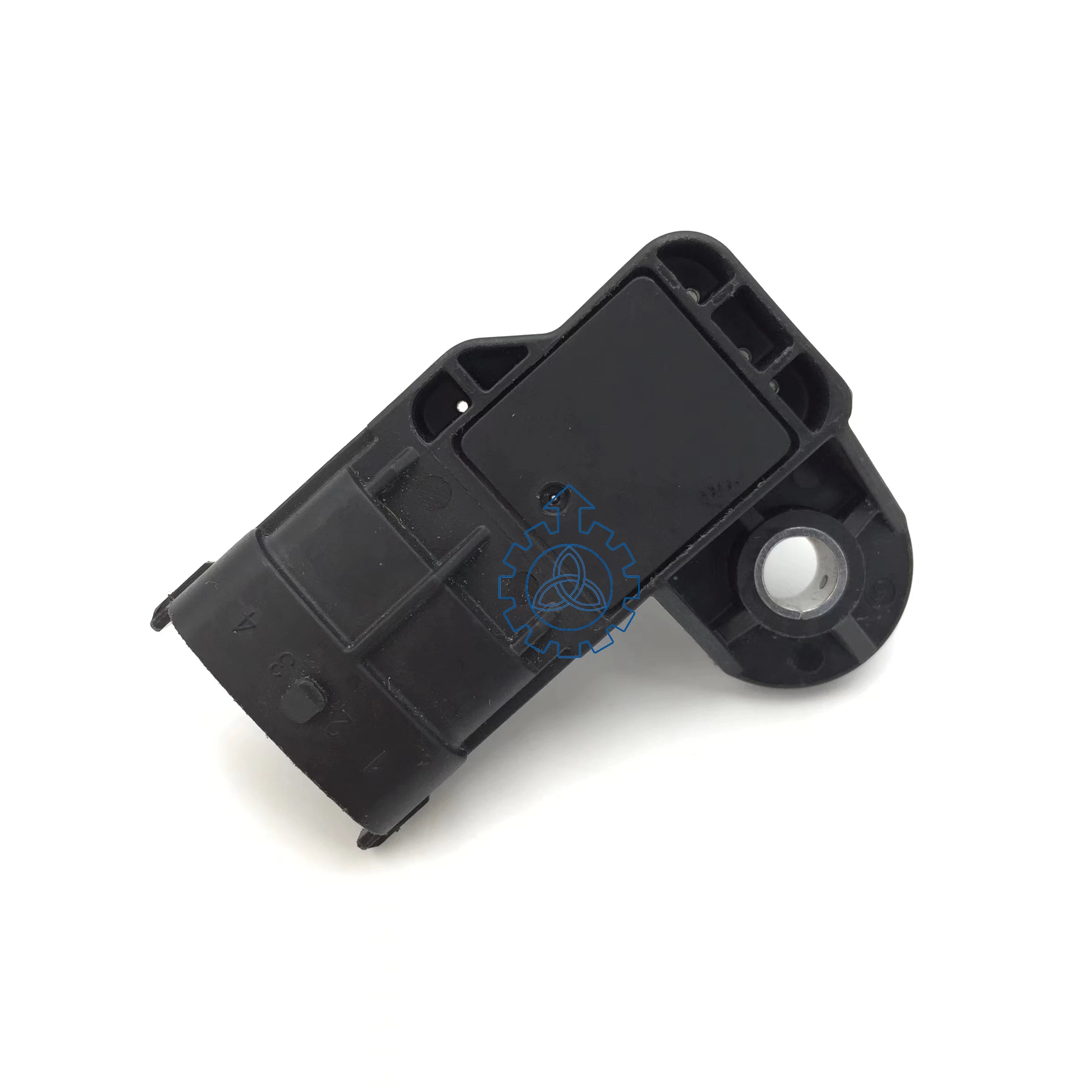
A MAP sensor reporting inaccurate pressure data throws off the engine's fuel calculations just as thoroughly as a failed airflow sensor, yet the two get confused constantly despite measuring entirely different things. CBT Auto Parts stocks map sensor replacement options for both petrol and diesel applications, sitting within the fuel system parts collection alongside the mass air flow sensors and intake manifolds it works alongside directly.
This range covers the manifold absolute pressure sensor across a range of platforms, with MAP sensor diesel applications forming a meaningful share of demand alongside petrol fitments. Every sensor here is matched to the engine code before it goes live, since a MAP sensor is rarely a generic, one-size-fits-all part despite how similar units can look side by side. Fitment accuracy is checked before listing, and orders ship quickly worldwide with tracking from dispatch.

4 products
Showing 1 - 4 of 4 products
What a MAP Sensor Actually Measures
Mounted on or near the intake manifold, the manifold absolute pressure sensor measures pressure inside the manifold rather than the volume of air passing through it. That pressure reading lets the engine computer calculate load and adjust fuel delivery accordingly, particularly on engines that rely on pressure-based rather than volume-based measurement to manage the air-fuel ratio.
MAP Sensor Versus MAF Sensor
These two are commonly confused, but they measure fundamentally different things. A MAF sensor measures the actual volume of air flowing into the engine, positioned earlier in the intake tract. A MAP sensor instead measures pressure inside the manifold itself, positioned further downstream. Some engines use one or the other exclusively, while some use both together for a more complete picture of engine load, so confirming which your platform relies on matters before ordering.
Common MAP Sensor Symptoms
- Rough or unstable idle that fluctuates without a clear pattern
- Reduced power under load or during acceleration
- Poor fuel economy that develops without another clear explanation
- A check engine light referencing a manifold pressure fault code
- Failed emissions testing despite the engine otherwise running normally
Because these symptoms overlap with several other sensor and vacuum-related issues, confirming a MAP sensor fault code before replacement avoids paying for the wrong part.
MAP Sensor Diesel Applications
Diesel engines rely on manifold pressure readings somewhat differently from petrol engines do, often working alongside turbocharger boost pressure to manage fuel delivery accurately under varying load. A MAP sensor diesel fitment therefore needs to account for the wider pressure range these engines typically operate across, and this range is built with that distinction in mind rather than treating diesel and petrol sensors interchangeably.
MAP Sensor Location and Replacement
The sensor is typically mounted directly on the intake manifold or connected to it via a short vacuum hose, making it relatively accessible on most platforms compared to some other sensors in the fuel and air intake system. Replacement generally involves disconnecting the electrical connector, removing the sensor from its mounting point, and fitting the new unit with a fresh seal where applicable, since a poor seal here can introduce a vacuum leak that produces symptoms of its own.