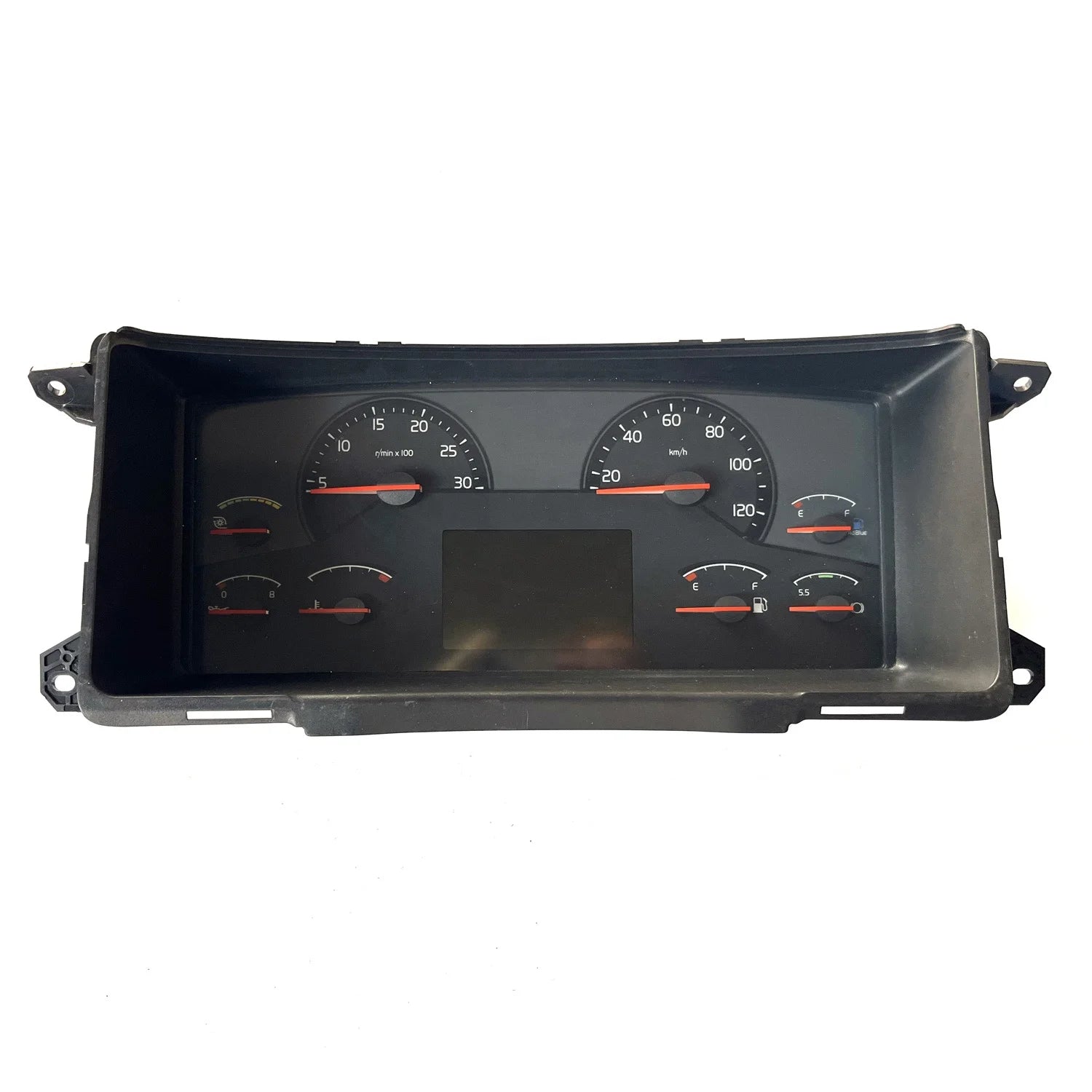
Instrument Cluster & Digital Dash Cluster Replacements
Blank, flickering, or erratic gauges make a vehicle genuinely harder to drive safely, and an instrument cluster fault is one of the more disruptive electrical issues to live with day to day. CBT Auto Parts stocks instrument cluster and digital dash cluster replacements across a wide range of makes, including specialist coverage for older Mercedes platforms.
Every speedometer cluster we list is matched to your vehicle's exact chassis code, since instrument clusters, particularly digital ones, are rarely interchangeable even within the same model family. We supply both direct replacement and refurbished dash cluster options, with most orders shipping fast from our Australian warehouse and support ready to confirm the correct chassis match before you order.
9 products
Showing 1 - 9 of 9 products
Signs Your Instrument Cluster Is Failing
- Gauges dropping to zero or freezing mid-drive, then recovering unexpectedly
- Pixel dropout or dead sections on a digital instrument cluster display
- Backlighting failing partially or completely, even with other electrics working normally
- Warning lights that stay illuminated regardless of the actual vehicle condition
- A dash cluster that flickers briefly at startup before settling, often an early warning sign
Mercedes Applications We Specialise In
Certain Mercedes chassis codes are known for instrument cluster faults as they age, particularly around pixel failure and backlighting, and we've built dedicated stock around these specific platforms rather than a generic catalogue entry.
- W220 instrument cluster units for the S-Class generation are known for early digital display issues
- W221 instrument cluster replacements for the following S-Class generation, addressing similar backlighting and pixel faults
- W210 instrument cluster stock for the E-Class model that introduced more electronics-dependent gauge displays
- W211 instrument cluster units for the later E-Class generation, where digital dash cluster faults are a well-documented issue
If your Mercedes falls outside these specific chassis codes, our team can still confirm compatibility using your VIN.
Digital vs Analogue Clusters
A digital instrument cluster relies entirely on electronic displays for speed, revs, and vehicle information, and when it fails, the loss of information is often total rather than partial. Analogue speedometer cluster designs with physical needles tend to fail more gradually, with individual gauges dropping out before the whole unit stops working. Knowing which type your vehicle uses affects both diagnosis and repair options, since digital clusters more often need full replacement while analogue units sometimes allow individual gauge repair.
Instrument Cluster and Wiring, a Common Pairing Fault
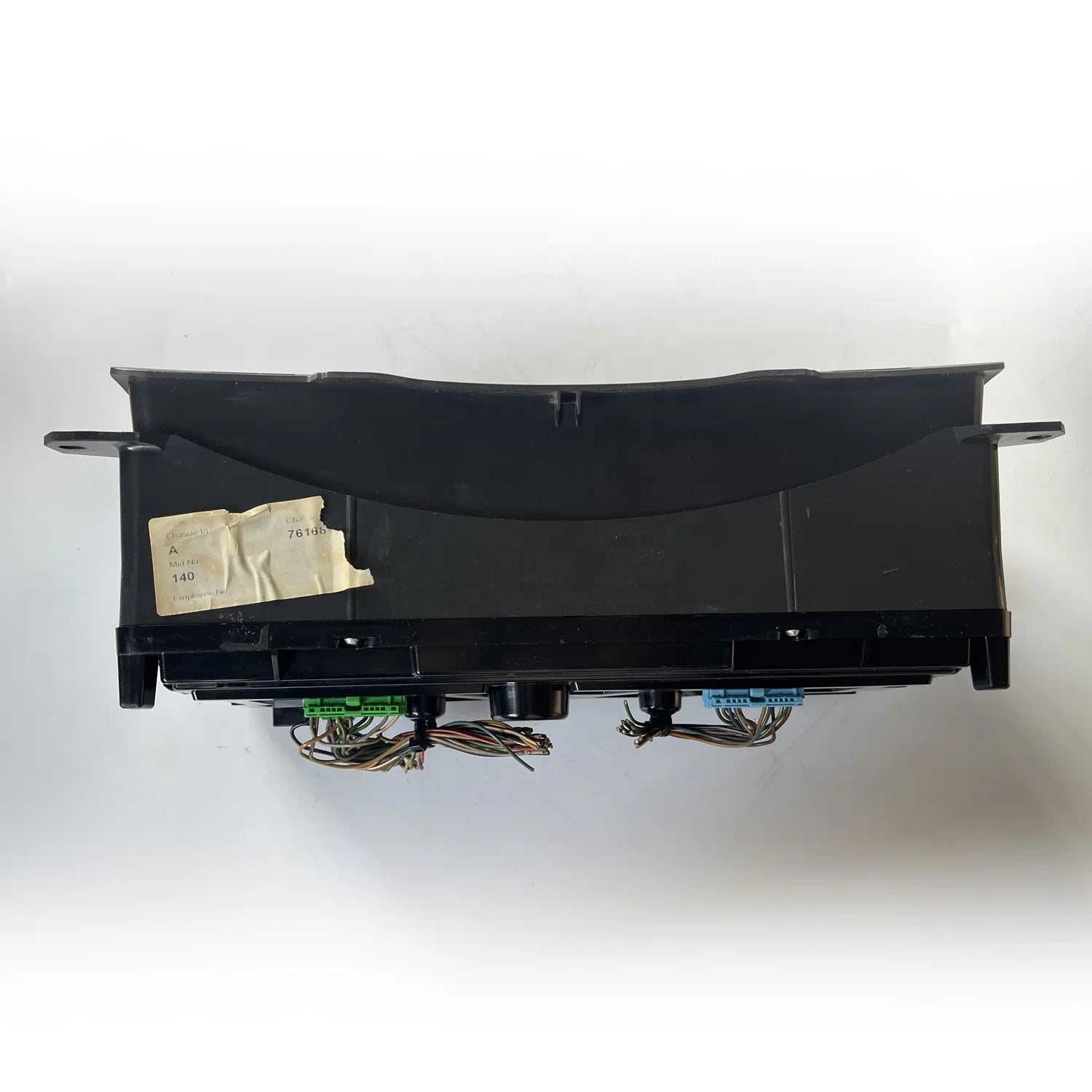
A cluster that behaves erratically isn't always faulty on its own. The instrument cluster wiring harness connecting it to the vehicle's main loom can develop corrosion or loose pins that mimic cluster failure entirely. Before committing to a full dash cluster replacement, checking this connection is worth the few minutes it takes, since a wiring fault here is a considerably cheaper fix than the cluster itself.
Replacement vs Repair
- Confirm whether the fault is isolated to specific gauges or affects the whole display. Isolated faults sometimes allow component-level repair
- Check for available firmware or mileage correction requirements before fitting a replacement cluster; some vehicles require this step
- On common faults like Mercedes pixel dropout, a refurbished dash cluster replacement often resolves the issue at a lower cost than new one
- Where the cluster is tied to an immobiliser or security systems, confirm coding requirements before ordering
- Always match your exact chassis code and options package, even within compatible platforms; connector pinouts can differ
Fitment and Coding Support
Send us your VIN or chassis code, and our team will confirm the correct instrument cluster, including whether your vehicle needs mileage transfer, coding, or immobiliser matching after installation, a step that's easy to overlook and often the difference between a working replacement and one that throws new fault codes.