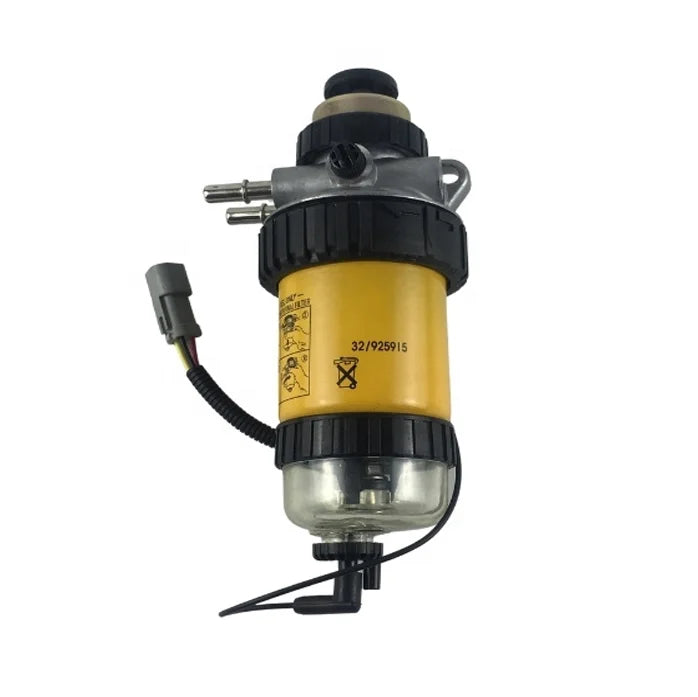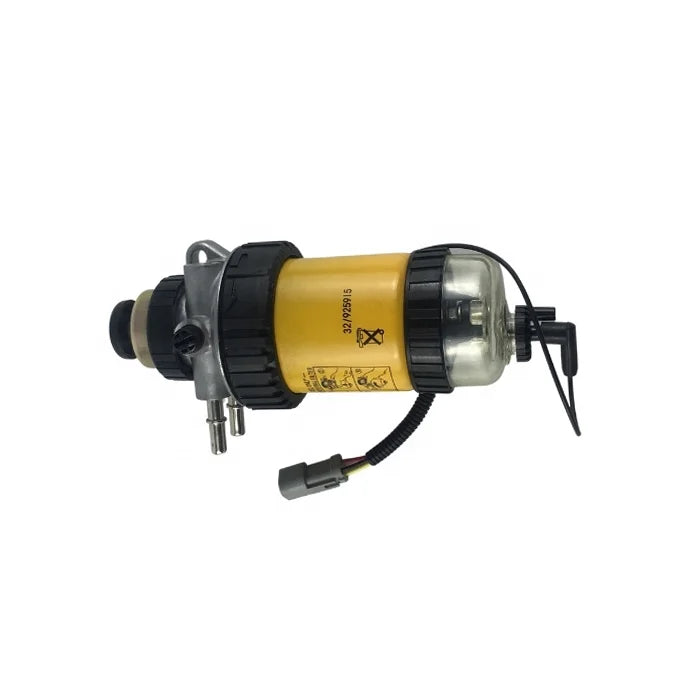
Fuel Water Separators for Diesel Trucks and Commercial Fleets
Water in diesel fuel does far more damage than most drivers expect, corroding injectors and starving the injection pump of the clean, dry fuel it needs to function. CBT Auto Parts stocks fuel water separator options built specifically for this problem, sitting within the fuel system parts collection alongside the fuel filters and diesel lift pumps that work alongside them.
This range is built around commercial and heavy-duty demand, with dedicated fitments for Volvo D13 engines, Hino trucks, Kenworth and Freightliner platforms, and the Isuzu NPR, a common target for water separator upgrades given its frequent use in wet or coastal operating conditions. Every separator listed is checked against the engine and chassis code before it goes live, so fleet operators are not left guessing whether a listing suits their truck. Diesel water separator technology here matches or exceeds OEM specifications, and orders ship quickly worldwide with tracking from dispatch.
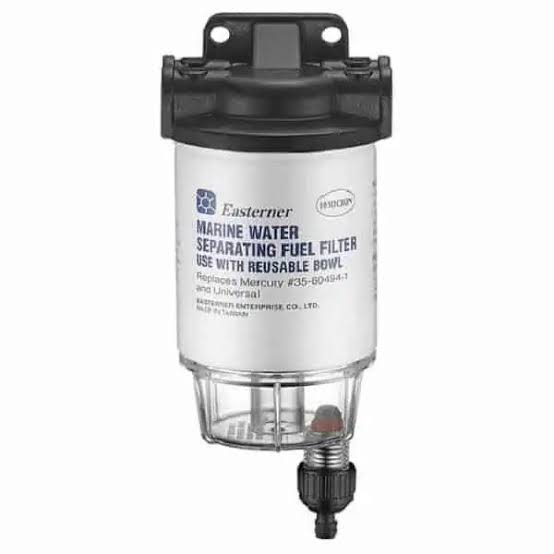
2 products
Showing 1 - 2 of 2 products
Why Diesel Engines Are So Vulnerable to Water Contamination
Diesel fuel attracts water more readily than petrol, largely through condensation forming inside partially filled tanks and through fuel quality inconsistencies at the pump. Because diesel injection systems run at far higher pressure than petrol equivalents, even small amounts of water reaching the injectors cause disproportionate damage, corroding precision components that are expensive to replace. A water separator filter exists specifically to catch that water before it gets anywhere near the injection system.
How a Water Separator Filter Works
Sitting ahead of the main fuel filter, a water separator uses the difference in density between fuel and water to let heavier water droplets settle out into a collection bowl, where they can be drained off before ever reaching the pump. This is a distinct function from standard fuel filtration, which targets particulate contamination rather than water.
Fitments for Commercial and Heavy Duty Platforms
- Volvo D13 and Volvo trucks generally: High demand fitment given the platform's widespread use in long haul operations
- Hino: Common across medium-duty fleet applications
- Kenworth: Long haul and heavy duty fitments
- Freightliner: Widely used across North American commercial fleets
- Isuzu NPR (including later model years): Particularly relevant for operators running in coastal or wet climate regions
Signs Your Water Separator Needs Draining or Replacing
- Rough running or misfiring that worsens after refuelling
- Visible water or sediment when the bowl is checked
- Reduced power under load, especially on long haul routes
- Corrosion visible around the separator housing itself
- Increased injector or lift pump failures without another clear cause
Fleet operators running regular routes benefit from checking the separator bowl on a set schedule rather than waiting for symptoms to appear, since damage to the injection system downstream is considerably more expensive than the separator itself.
Water Separator Versus Standard Fuel Filter
These two components are often confused, but they are not interchangeable, and both usually need to be present on a diesel commercial vehicle. A standard fuel filter removes particulate debris from fuel. A truck fuel water separator specifically targets water content, sitting earlier in the fuel line before the main filter. Running a separator without a downstream filter, or vice versa, leaves the system exposed to whichever contaminant the missing component was meant to catch.
Maintenance Recommendations for Fleet Operators
- Drain the separator bowl on a fixed schedule rather than reactively, particularly for vehicles operating in humid or coastal regions
- Replace the separator element alongside the primary fuel filter during scheduled services
- Monitor lift pump condition closely on platforms prone to water contamination, since a failing lift pump often surfaces around the same time as separator issues
- Source fuel from consistent, reputable suppliers where possible, since inconsistent fuel quality is a major contributor to water contamination