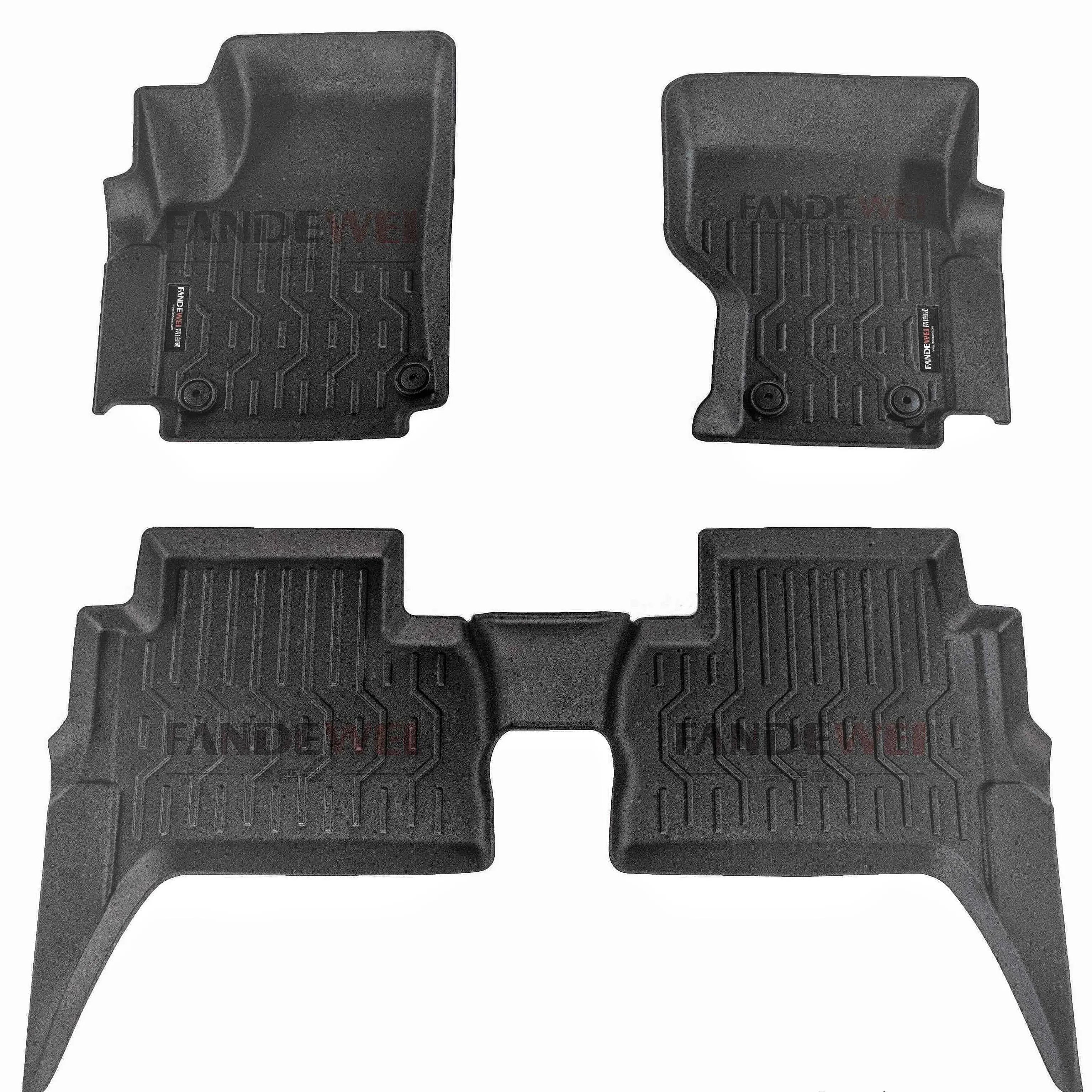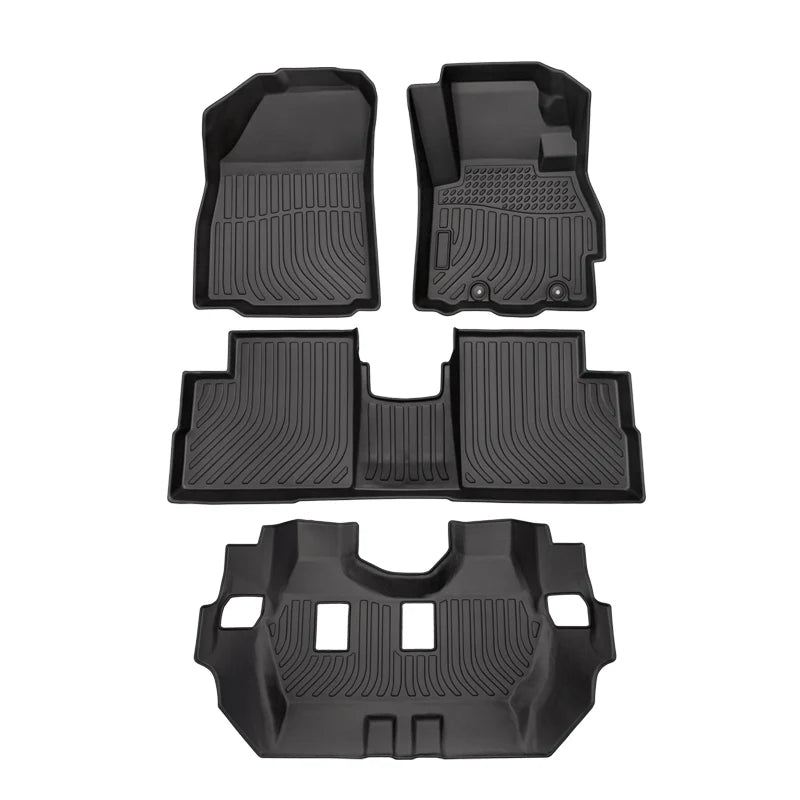
Car Mats, Car Floor Mats & Rubber Floor Mats for Every Vehicle
Worn, torn or grubby car mats take more daily damage than almost any cabin part, and replacing them lifts a tired interior fast. CBT Auto Parts stocks car mats, car floor mats, and auto mats within the Interior and Cabin Parts range, above the carpet.
Every mat set is checked against OEM floor shapes before listing, so rubber floor mats car buyers need to clip into factory anchor points without sliding. Moulded and universal car foot mats sit side by side, tested for wear and grip, giving drivers, tradies and families a dependable choice either way. Orders are dispatched within one to two business days; tracking is sent once mats leave the warehouse.
2 products
Showing 1 - 2 of 2 products
Rubber, Carpet and Moulded Car Mats: What Is the Difference
Car mats come in a few distinct formats, and choosing the right one depends more on how a vehicle is actually used than on price alone.
- Rubber floor mats car owners reach for most often in wet, muddy, or work environments, since rubber wipes clean in seconds and resists staining that would ruin a carpet equivalent.
- Carpet car mats suit buyers prioritising a factory, showroom appearance, offering a softer feel underfoot at the cost of being harder to clean after heavy use.
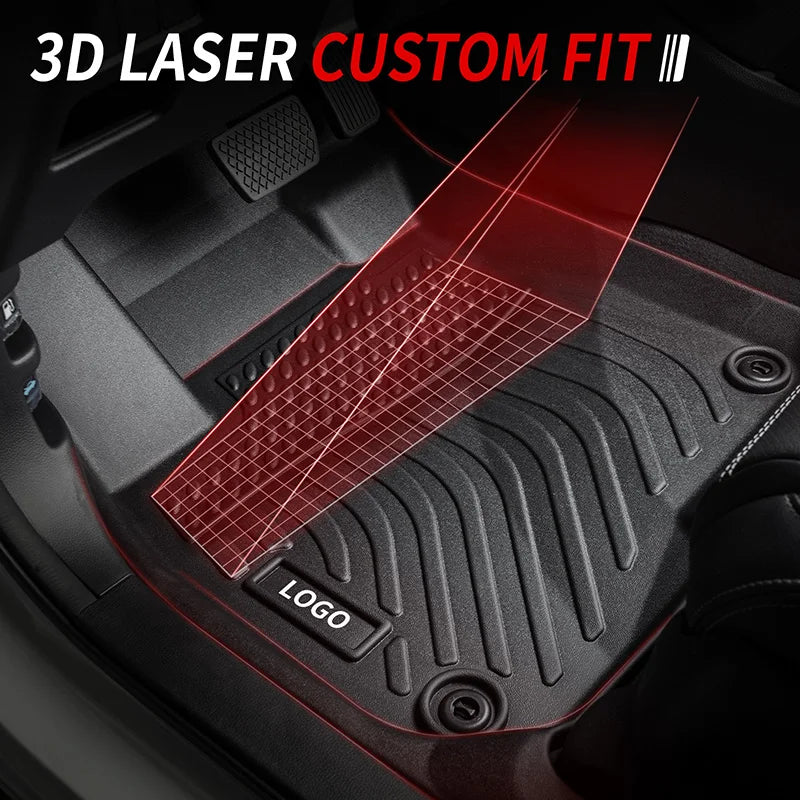
- Moulded mats are shaped to match a specific vehicle's floor pan exactly, including pedal cutouts and raised edges that contain spills and debris.
- Universal auto mats are a flat, trimmable option, offering a lower-cost fit across multiple vehicles at the expense of a precise factory match.
- All-weather mats, typically rubber with raised edges, are built specifically for mud, sand and heavy rain, popular among 4WD and ute owners across Australia.
Most buyers searching for car mats for cars want either a rubber set for practicality or a carpet set for appearance, and CBT Auto Parts stocks both across the widest possible range of vehicle fitments.
Why Car Mats Wear Out Faster Than Almost Anything Else in the Cabin
Car foot mats absorb more daily wear than nearly any other interior component, taking direct contact from shoes, dirt, sand, and spilled drinks every single time someone gets in or out of the vehicle. Driver's side mats typically wear fastest, since heel contact during pedal use wears through both rubber and carpet materials at a specific pressure point over time. UV exposure through the windscreen also fades and stiffens rubber mats left in direct sun for years, eventually causing cracking along the most flexed sections near the pedals. Understanding this wear pattern helps explain why floor mats are one of the highest-volume replacement categories across the entire cabin, well ahead of most trim or upholstery components.
Choosing the Right Colour and Material
Auto mats for cars are available in a range of colours and finishes, and this is worth more consideration than buyers often give it. Darker colours, particularly black, hide staining and wear far better than lighter tones, making them the practical default for most daily drivers and work vehicles. Car mats blue and other lighter or coloured options exist for buyers matching a specific interior trim or wanting a particular aesthetic, though these generally show dirt and wear more visibly over time. Plastic mats for car use, a simpler and more rigid alternative to rubber, are occasionally sought by buyers wanting maximum durability in high-wear commercial applications, though rubber remains the more common choice for its flexibility and superior grip underfoot.
How Floor Mats Relate to Carpets and Seats
Floor mats and carpet are frequently confused, and the distinction matters when deciding what actually needs replacing. Carpet is the fixed, glued, or clipped-in flooring beneath everything else in the cabin, while a car mat sits on top as a removable, replaceable layer designed to take the brunt of daily wear on the carpet's behalf. Replacing worn carpet without adding a set of car floor mats over the top means the new carpet begins absorbing wear again from day one, which is why most buyers pair the two together rather than treating them as separate purchases.
Seats also connect to this category more than most buyers expect, since seat rails run directly through the floor area where mats sit, and a mat cut incorrectly for a specific model can interfere with seat rail movement or pedal clearance if it does not match the factory floor pan shape precisely.
Choosing the Right Mats for Your Vehicle
Floor pan shape, pedal position, and mounting anchor points vary considerably across manufacturers, drivetrain configurations, and even between manual and automatic variants of the same model.
- Confirm your vehicle's make, model, year, and drivetrain, since floor pan shape often differs between two-wheel drive and Four Wheel Drive variants.
- Check whether your vehicle uses factory anchor points, since a mat without matching clips can slide forward and interfere with pedal operation.
- Decide between rubber, carpet, or all-weather material based on how the vehicle is actually used day to day.
- Measure your existing mats if opting for a universal set to keep coverage as close to the original footprint as possible.
Getting the anchor point pattern correct matters more than most buyers realise, since an unsecured mat sliding toward the pedals is a genuine safety concern rather than just a fitment inconvenience.