
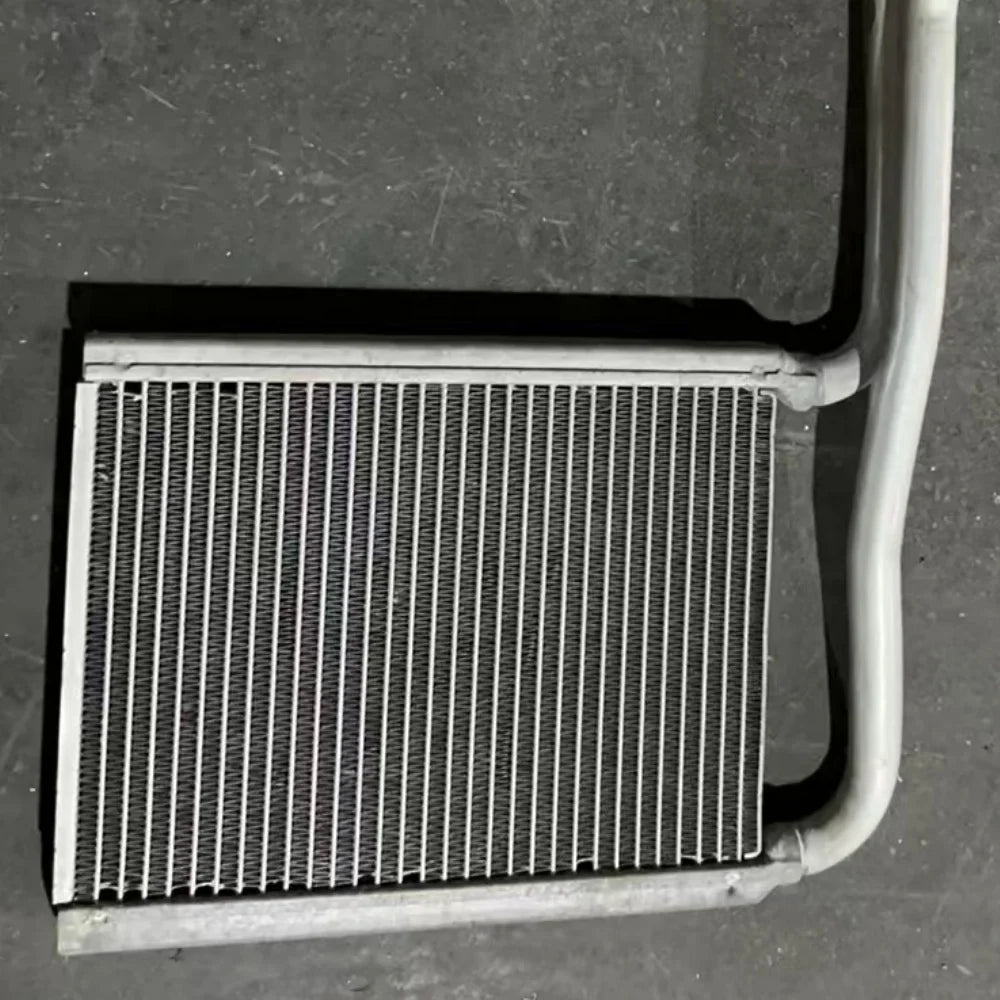
Evaporator Core and AC Evaporator Replacement Parts for Cars and Trucks
An evaporator core sits behind your dashboard, pulling heat and moisture from cabin air as refrigerant passes through it, which is why a failing one shows up as warm air or a damp, musty smell. CBT Auto Parts stocks evaporator cores and AC evaporator units for cars and trucks.
Every evaporator core assy here is OEM grade or built to OEM specification, so refrigerant fittings and mounting tabs match the original. Confirm fitment by year, make, and model, then add a condenser or expansion valve from the wider Cooling, HVAC and Climate Control Parts range. Orders ship fast worldwide, with support on hand if you're unsure which core fits.

15 products
Showing 1 - 15 of 15 products
What an Evaporator Core Does, and Why It's Behind the Dash
A car AC evaporator works like a small radiator in reverse, pulling heat and humidity out of the air blowing through your vents as refrigerant expands and absorbs that energy inside the core. Because it sits inside the HVAC housing behind the dashboard rather than out in the open like a condenser, replacing one is usually the most labor-intensive AC repair on a vehicle, often requiring partial dashboard removal just to reach it.
Evaporator and Heater Core: Why They're Often Replaced Together
An evaporator and heater core often sit inside the same HVAC housing, just inches apart, with one handling cooling and dehumidifying and the other handling cabin heat. Because reaching either one usually means opening the same housing, many shops replace both at the same time, even if only one has actually failed, since the labor to access them is the larger cost, not the parts themselves. If you're only dealing with a refrigerant leak and the heater core is still sound, it's worth asking your shop directly about replacing just the one rather than both by default.
Evaporator Core Assy: What's Actually Included
Evaporator core assy listings typically include the core itself along with the mounting case or housing half it seats into, rather than just the bare core on its own. Some kits also bundle the expansion valve or a new set of O-rings, which is worth checking before you order separately, since duplicating a part you already have wastes money on a job that's expensive enough in labor alone. Always check the listing description closely here, since assy coverage varies more between vehicles than most other AC parts.
Signs of a Failing Evaporator Core
A failing evaporator core tends to show up through the cabin rather than a warning light or gauge. Watch for:
- A musty or sweet smell from the vents, often refrigerant oil or mold building up around a slow leak.
- AC that takes longer to cool the cabin than it used to, even though the compressor and condenser both check out fine.
- A hissing sound from behind the dash right after the AC is turned on, sometimes audible refrigerant escaping a pinhole leak.
Front and Rear Evaporator Cores: Dual Zone Systems
Minivans, three-row SUVs, and some larger sedans run a second, smaller rear evaporator core to support rear seat climate control independent of the front system. A rear evaporator core typically sits under a rear seat or in a side panel rather than behind the dashboard, and it fails for the same reasons the front unit does, just with easier access in most layouts. Confirming which position you need before ordering matters here; the two aren't interchangeable even on the same vehicle.
Vehicle-Specific Evaporator Cores: Prius, Jeep, and Kenworth
A Prius evaporator core is shaped around that hybrid's particularly compact HVAC housing, which is part of why aftermarket fitment on hybrids tends to be less forgiving than on a conventional engine layout. A Jeep evaporator core and a Jeep XJ evaporator core search both point to Jeep-specific housings, with the XJ Cherokee chassis using a different core shape than newer Jeep platforms despite sharing a brand name. A Kenworth evaporator core shows that this isn't only a passenger car part; heavy truck cabs run their own AC system with an evaporator core sized for a much larger cab volume.
New vs Remanufactured Evaporator Cores
A new evaporator core is built from fresh materials throughout, while a remanufactured core reuses certain housing components after replacing the parts most likely to fail, the tubing and seals. New units generally cost more but remove any uncertainty about prior wear, which matters more here than on simpler parts given how much labor is involved in accessing the core again if something goes wrong early. For a vehicle you plan to keep long term, paying more for new is usually the better value once labor cost is factored in.
Flushing an Evaporator Core: When It's Needed
Flushing evaporator core debris and old refrigerant oil is standard practice anytime a compressor has failed internally, since metal particles from a damaged compressor can travel through the entire AC system and damage a brand new evaporator within months if they're not cleared out first. It's also worth doing after any major contamination, like a refrigerant blend that shouldn't have been mixed. Skipping this step to save time is one of the more common reasons a freshly replaced evaporator fails again quickly.
What Pairs With Your Evaporator Core
A new evaporator core is commonly paired with a new expansion valve, since the valve meters refrigerant directly into the core, and a worn one can starve or flood a perfectly good replacement. If the condenser ahead of it in the system shows any sign of restriction or leak, addressing that at the same time avoids reopening the AC system again soon after.
Ordering and Fitment
Listings here show year, make, and model coverage, along with front or rear position where a vehicle offers both. Most evaporator cores ship within one business day, and a core that doesn't fit is accepted for return without hassle. Given how labor-intensive installation is, our support team can help confirm fitment against your VIN before you order, rather than after the dashboard is already partway apart.


