Connecting Rods | Con Rods for Diesel & Petrol Engines
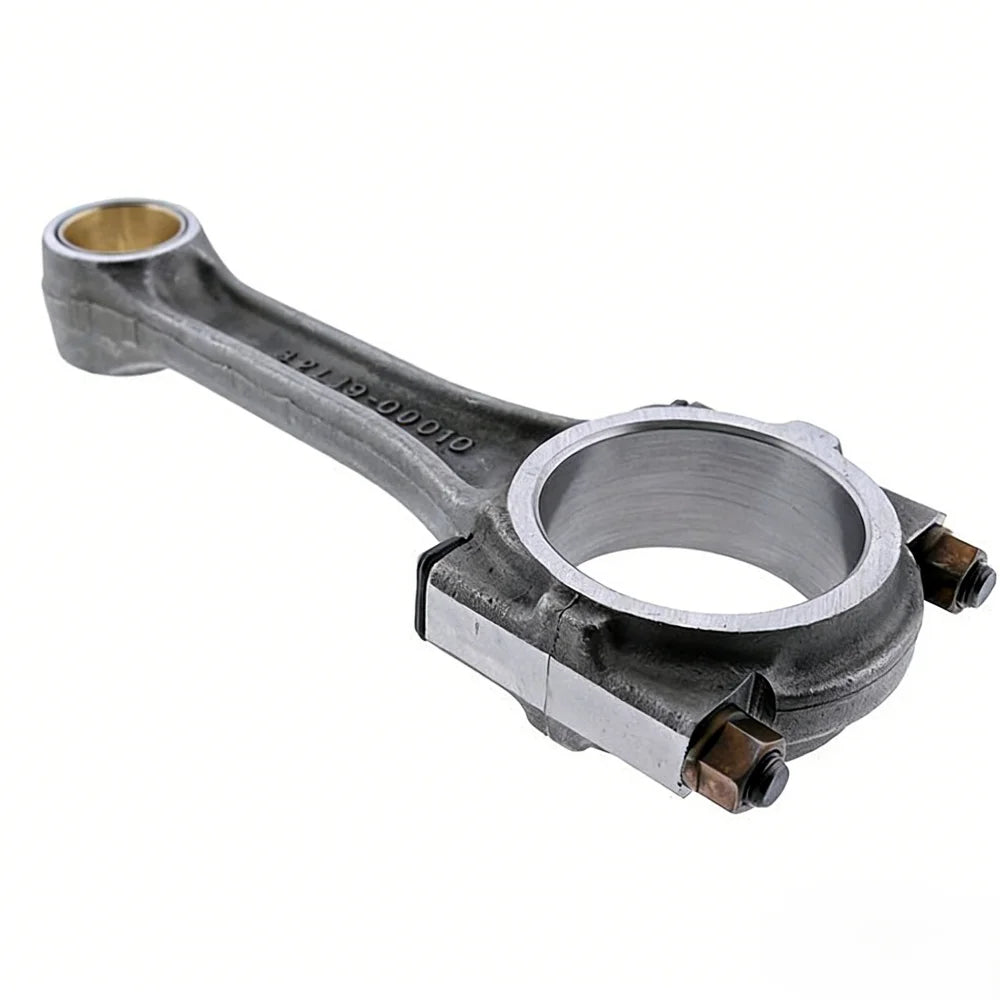
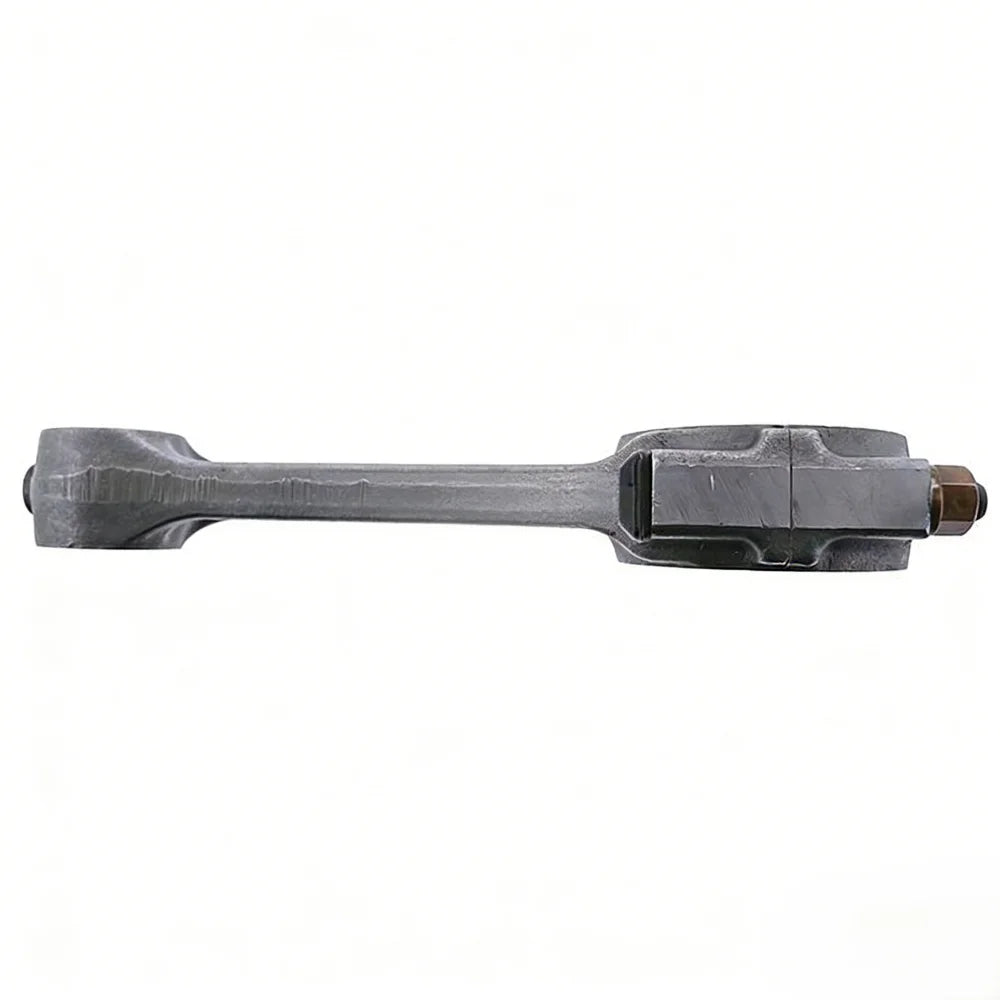
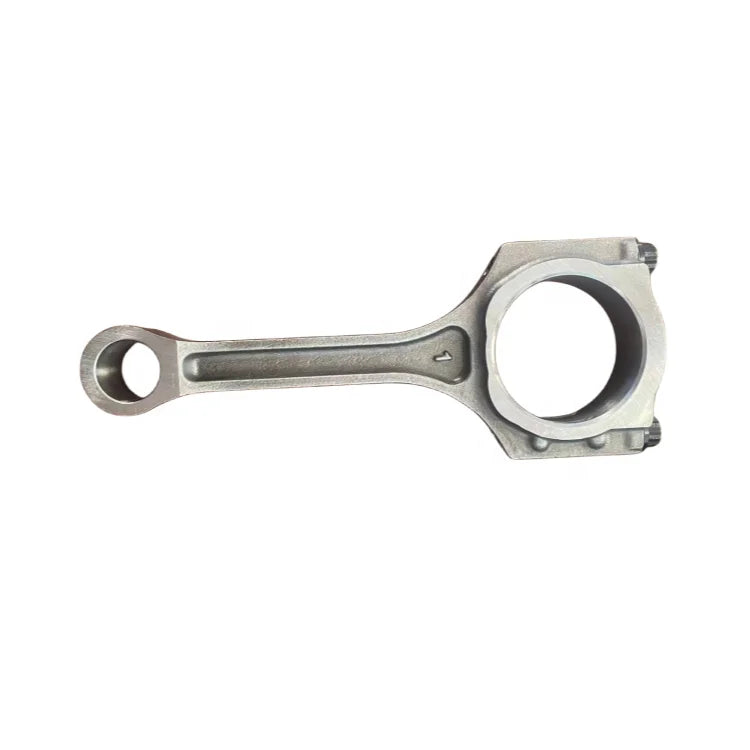
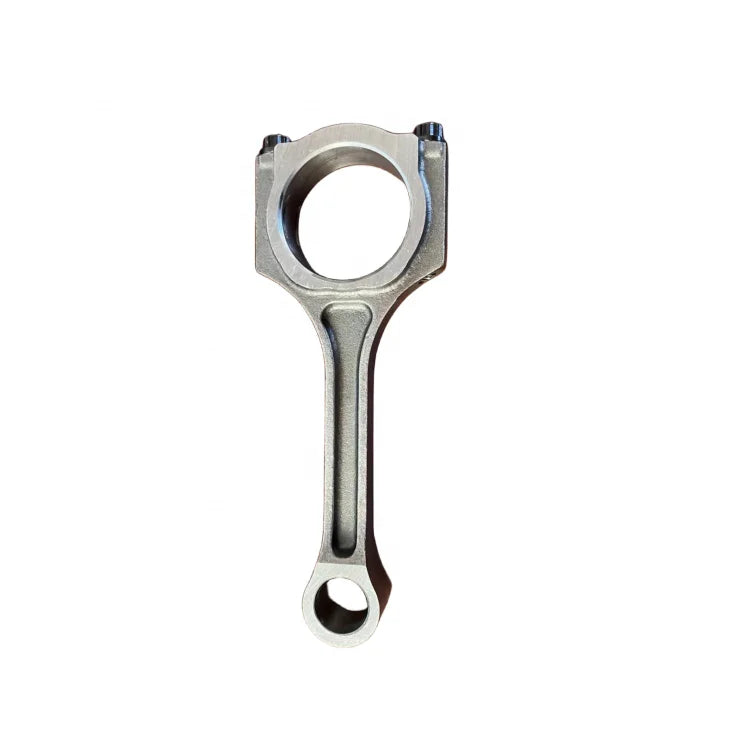
Connecting rods link your engine's pistons to the crankshaft, converting combustion force into the rotational power that drives your vehicle. CBT Auto Parts stocks OEM-quality engine connecting rods for diesel and petrol engines, precision-machined to exact tolerances for a correct fit. The right con rods for your build are right here.
Part of our Engine & Powertrain Parts catalogue alongside pistons, crankshafts, rod bearings, and engine rebuild kits, our connecting rods include H-beam and I-beam forged options covering platforms like 5.9 Cummins, 7.3 Powerstroke, and BMW M57. Aftermarket con rods here meet OEM specifications. We ship worldwide; orders are dispatched fast, and your rebuild stays on track.
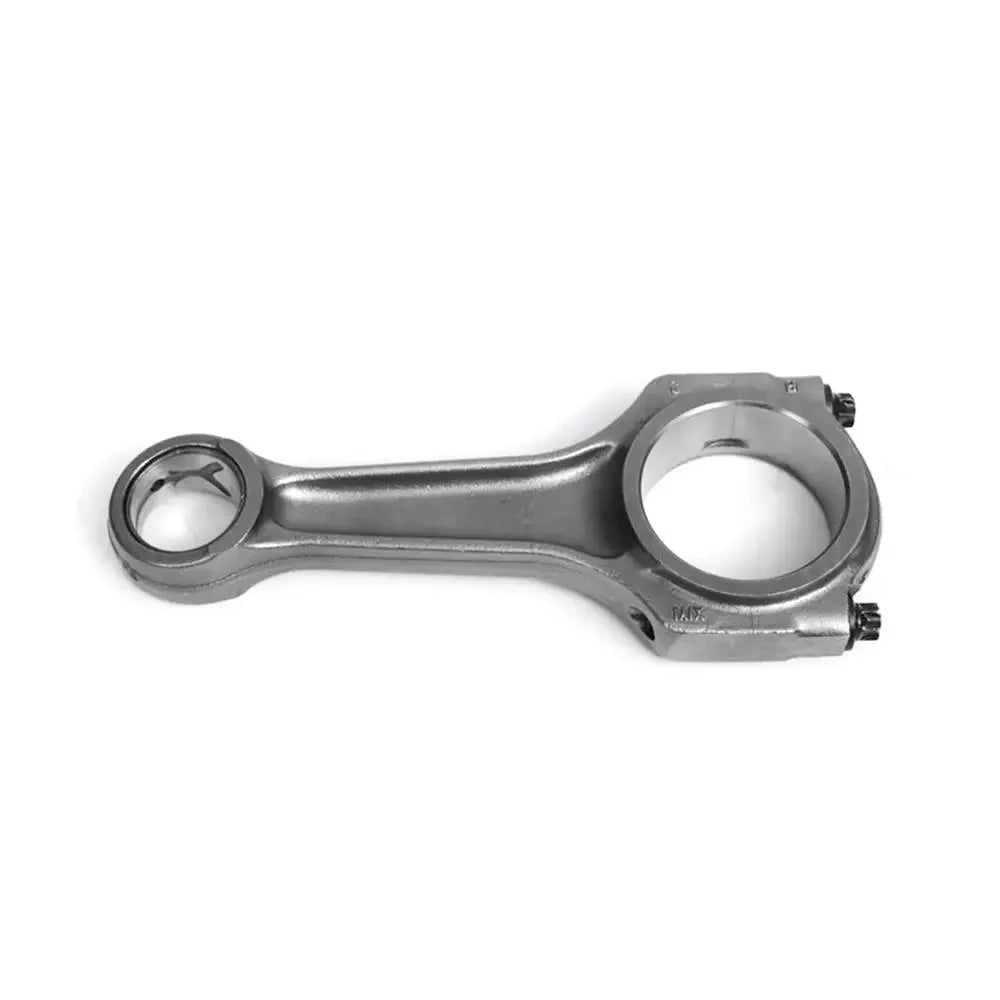
3 products
Showing 1 - 3 of 3 products
H-Beam vs. I-Beam Connecting Rods: Know Your Build Before You Buy
Selecting the wrong rod profile is a mistake that surfaces at exactly the wrong moment. Whether you are returning an engine to factory specification or pushing beyond it, the geometry of your con rods matters. Both H-beam and I-beam engine connecting rods have a defined role, and understanding which suits your application saves time, money, and the engine itself.
I-Beam Connecting Rods
I-beam rods carry the cross-sectional shape of the letter "I" and represent the standard factory configuration across most OEM diesel and petrol engines. They are the benchmark against which performance upgrades are measured. Key characteristics include:
- Lighter construction, which reduces reciprocating mass and improves efficiency in naturally aspirated engines
- Excellent fatigue resistance within the load range they were designed for, making them ideal for standard rebuilds
- Correct fitment for stock-specification engines being returned to original operating parameters
- The most common profile across diesel platforms including Cummins and Ford Powerstroke applications where standard output is maintained
For a straightforward engine rebuild to OEM specification, I-beam engine connecting rods deliver the right combination of weight, durability, and dimensional accuracy.
H-Beam Connecting Rods
H-beam rods take their name from their cross-sectional profile and are forged specifically to handle the stresses that come with elevated power output. These are not a factory default; they are a deliberate engineering choice. What sets them apart:
- Manufactured from high-tensile alloy steel, forged under higher pressure for improved grain structure and fatigue life
- Designed to withstand the additional bending loads generated in turbocharged, supercharged, or otherwise modified engines
- Heavier than their I-beam counterparts, but that weight comes with a significantly higher tensile strength rating.
- The correct specification when your engine is producing power well above its factory-rated output
Forged connecting rods in H-beam form are the go-to upgrade for any serious diesel build or modified petrol application where the standard rod is the weakest point in the bottom end.
Platform Coverage: Diesel and Petrol Applications We Supply
The CBT Auto Parts inventory is built around the engines that matter most to the markets we serve. Below is a reference guide for the most frequently requested platforms:
Diesel Engines
- 5.9 Cummins connecting rods: stock-replacement I-beam and performance H-beam options for one of the most widely rebuilt diesel engines on the market
- 6.7 Cummins connecting rods: OEM-quality forged rods for the later-generation inline-six Cummins found in RAM trucks
- 7.3 Powerstroke connecting rods: both I-beam and H-beam variants covering Ford's IDI and Power Stroke diesel lineups
- BMW M57 connecting rods: precision-spec replacements for the M57 turbodiesel, one of Europe's most durable and frequently rebuilt diesel engines
Petrol Engines
- OEM-spec and forged con rods across a broad range of Japanese, European, and American petrol engines
- High-strength forged connecting rods for turbocharged or highly modified petrol builds where the factory rod is no longer adequate.
If your engine is not listed here, contact CBT Auto Parts with your engine code, displacement, and application. Our team cross-references fitment data before any order is confirmed.
Five Things That Separate a Quality Connecting Rod from a Compromise
Not all diesel connecting rods or petrol con rods are manufactured to the same standard, and the consequences of a substandard component inside a running engine are severe. Rod failure typically means a destroyed block, crankshaft, and piston set often simultaneously. Here is what a quality connecting rod must deliver:
- Correct material grade: OEM and quality aftermarket rods use alloy or micro-alloyed steel, heat-treated to precise hardness specifications. Inferior rods often begin with lower-grade billets and compensate with added weight rather than better metallurgy.
- Dimensional accuracy across all critical surfaces: Big end bore, small end bore, rod length, and straightness must all fall within the manufacturer's tolerance. Oversized bores cause premature connecting rod bearing set wear and increase the risk of spun bearings under load.
- Weight matching within a set: On multi-cylinder engines, mass variation between individual connecting rods introduces rotational imbalance. Professional-grade rod sets are weight-matched and marked to keep variance within strict limits.
- Bearing journal surface finish: The internal surface of the big end bore directly affects how rod bearings seat, bed in, and wear through their service life. A correctly finished bore extends bearing life and maintains oil film integrity at high RPM.
- Fatigue rating matched to the application: Every connecting rod has a rated fatigue limit. Running a rod beyond its rated output, regardless of how it looks or feels, is the most common cause of con rod failure in rebuilt engines.
At CBT Auto Parts, connecting rods are sourced to meet these criteria. Aftermarket options in our range go through quality verification, and OEM-quality parts are matched directly to factory specifications.
Building the Complete Bottom End: What Connects to Your Con Rods
Connecting rods do not function as stand-alone components. A complete engine rebuild depends on every element of the bottom end working in concert, and sourcing from the same supplier reduces the risk of specification mismatches mid-job.
The components that work directly with connecting rods in any rebuild include:
- Pistons: The small end of the connecting rod connects to the piston via the wrist pin. Piston selection must account for bore diameter, compression ratio, and crown design relative to the rod specification.
- Crankshafts: The big end of the rod journals directly against the crankshaft. Whether the crankshaft is a factory-spec replacement or a forged performance unit, the rod's big end bore and overall length must match the crank's journal dimensions precisely.
- Rod Bearings: The connecting rod bearing set occupies the interface between the rod's big end and the crankshaft journal. Bearing clearance is a critical measurement, and the bearing must be specified for both the rod bore and the crank journal diameter.
- Engine Rebuild Kits: For complete overhauls, a rebuild kit consolidates gasket sets, seals, bearings, and related components into a single order, reducing the chances of discovering a missing part when the engine is already apart.
Every one of these components sits within the Engine & Powertrain Parts range at CBT Auto Parts, which means your bottom end build can be sourced and shipped together.