Bushings: Suspension Bushings, SuperPro and Polyurethane Bushes for Every Pivot Point
Suspension bushings are the rubber or polyurethane sleeves fitted at every pivot point across your suspension, from control arms to sway bars to leaf spring shackles. They absorb vibration and stop metal components from grinding against each other under load. Worn bushings rarely fail in one moment. They degrade quietly until handling feels loose everywhere at once.
At CBT Auto Parts, we stock suspension bushes across SuperPro and polyurethane bushings, plus OEM rubber options, part of our Suspension & Steering Parts range alongside Control Arms, Leaf Springs, and Sway Bars. Every bushing is matched to its mount point, aftermarket is fully accepted, and fast shipping means your fix does not wait.
6 products
Showing 1 - 6 of 6 products
Why Bushings Wear Out Long Before the Metal Part Around Them
A bushing is the soft, sacrificial layer in an otherwise metal connection. Wherever two suspension components pivot against each other, a bushing sits between them, cushioning the movement and stopping bare metal from contacting bare metal under load. This is a deliberate piece of engineering, not a weak point. The bushing is designed to be the part that wears and gets replaced, protecting the far more expensive metal arm, bracket, or bar around it.
Rubber and polyurethane both degrade through the same combination of factors: heat cycling, exposure to road oils and ozone, and the simple mechanical fatigue of being compressed and released thousands of times on every drive. Bushes in car suspension systems are rarely all replaced at once. They wear in sequence, starting wherever load and movement are greatest, which is why a vehicle can develop a vague, generally loose feeling without any single dramatic fault pointing to the cause.
Rubber vs Polyurethane Bushings: The Decision That Shapes Everything Else
Before choosing a specific bushing for a specific mount point, the bigger decision is which material the vehicle should run on. The two options behave differently enough that this choice affects ride quality, noise, and service life across the board.
OEM Rubber Bushings
Standard rubber bushings are the factory default on almost every vehicle, chosen because rubber absorbs vibration exceptionally well and keeps noise transmission into the cabin to a minimum. The trade-off is service life. Rubber compresses, cracks, and loses its original shape faster than polyurethane, particularly under sustained heat or heavy use, which is why rubber bushing replacement tends to be a recurring item over a vehicle's life rather than a one-time fix.
Polyurethane Bushings
Polyurethane bushings trade a small amount of vibration absorption for a significant gain in durability and precision. Because polyurethane resists compression set far better than rubber, the suspension geometry it supports stays closer to its intended specification for longer, which is part of why polyurethane bushings are the standard upgrade for anyone chasing sharper, more consistent handling. The remaining vibration transmitted into the cabin is the one genuine compromise, and it is usually described as a slightly firmer, more direct feel rather than outright harshness.
SuperPro Bushes: The Benchmark Polyurethane Brand
SuperPro is one of the most established names in performance and replacement bushings, and SuperPro bushes are engineered specifically to address the weaknesses of factory rubber rather than simply copying it in a harder material. Variable durometer formulations across the SuperPro range allow different sections of the same bushing to be tuned for both compliance and durability, which is a level of engineering that factory rubber bushings are not designed to match.
For owners comparing SuperPro vs OEM, the practical difference shows up most clearly over time rather than immediately after fitting. A SuperPro bushing installed today will typically still be holding its shape and geometry years after an equivalent rubber bushing would have softened, cracked, or begun to allow unwanted movement in the joint.
Bushings by Application: Where They're Doing the Work
Bushings are not one universal part. Each mount point across the suspension uses a bushing sized and shaped for that specific job, and the failure symptoms differ depending on which one has worn.
Control Arm Bushing
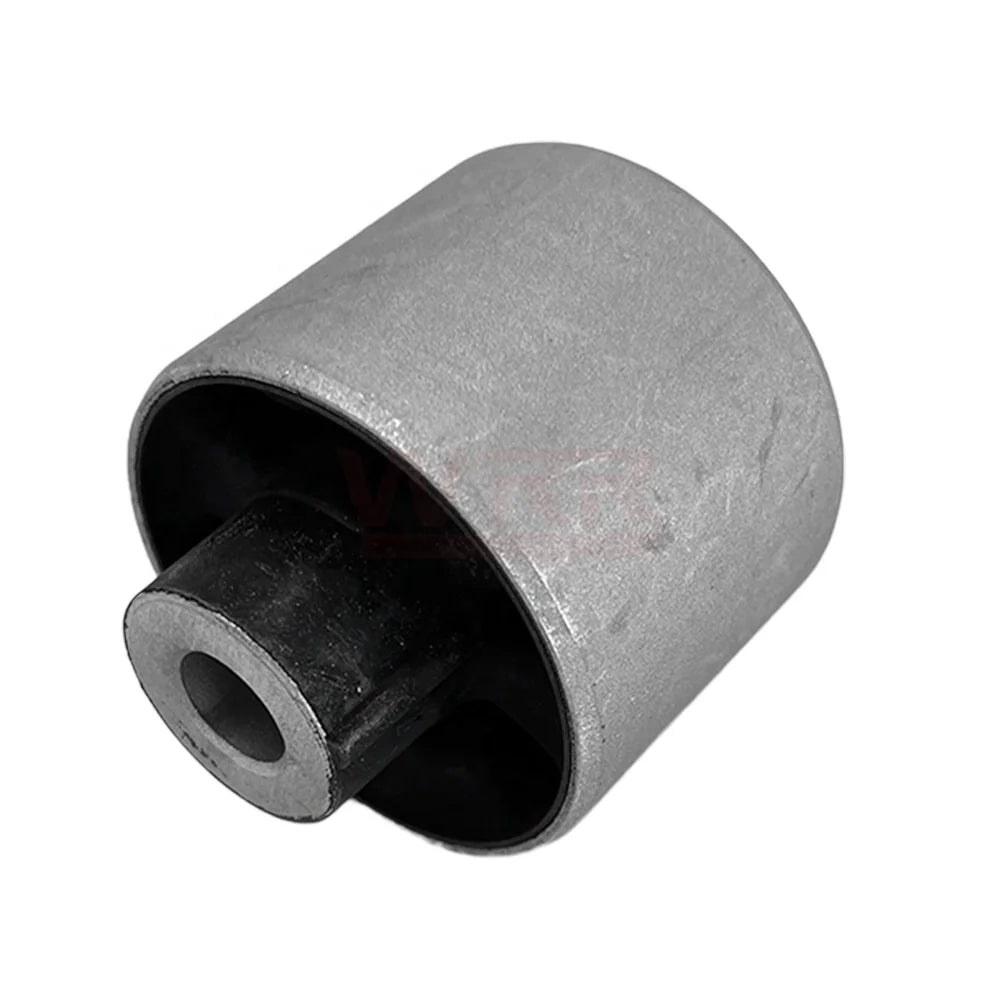
A control arm bushing sits at the chassis pivot point of the control arm, allowing the arm to move through its suspension travel while staying fixed to the body. Lower arm control bushing wear is the most common bushing failure across most vehicle types, since the lower arm carries the bulk of the load and impact from the road. Standalone lower control arm bushing kits let the rubber be replaced without sourcing a completely new arm, provided the metal arm itself is still structurally sound. Where the full control arm assembly is due for replacement instead, our Control Arms page covers that repair, since replacement arms arrive with a new bushing already fitted.
Leaf Spring and Shackle Bushings
Leaf spring bushings sit at the spring eyes where the leaf pack connects to the chassis, while shackle bushings specifically support the shackle link that allows the spring to flex and change length under load. Both wear from the same combination of constant flex and exposure to dirt and moisture that affects every other bushing on the vehicle, but trucks and trailers running heavy or frequent loads see this wear accelerate noticeably faster. For vehicle-specific leaf spring bushing fitments by platform, our Leaf Springs page covers model-matched options in detail.
Sway Bar Bushings
Sway bar bushings mount the bar to the chassis and, separately, to the link at each end. A perished sway bar bushing produces a knock that is frequently mistaken for a worn link or a damaged bar, when the actual fault is the comparatively inexpensive bushing alone. Our Sway Bars page covers this specific symptom and diagnosis path in more detail.
Rear Differential Bushings
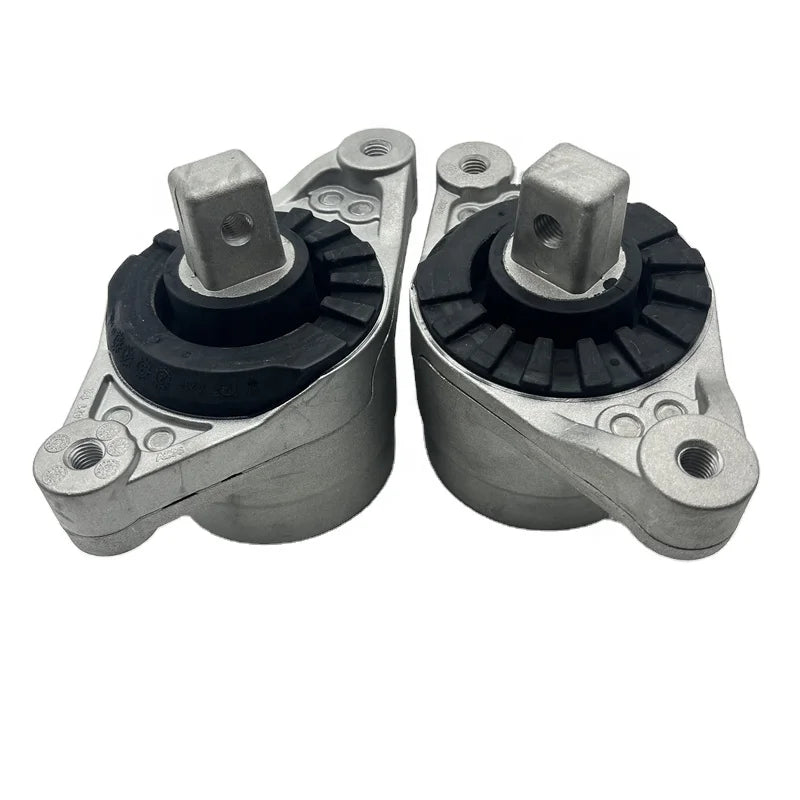
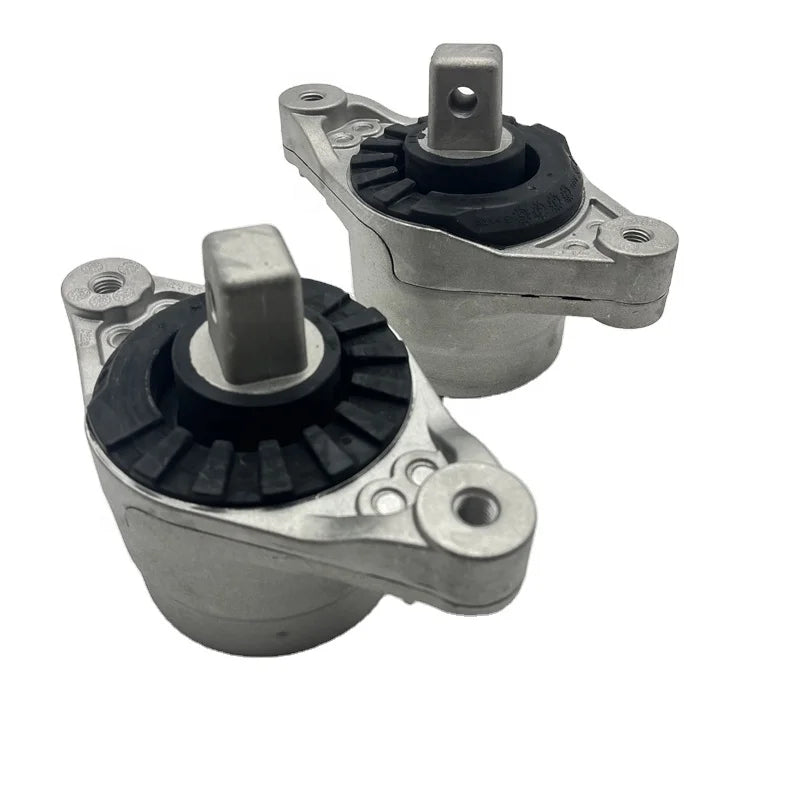
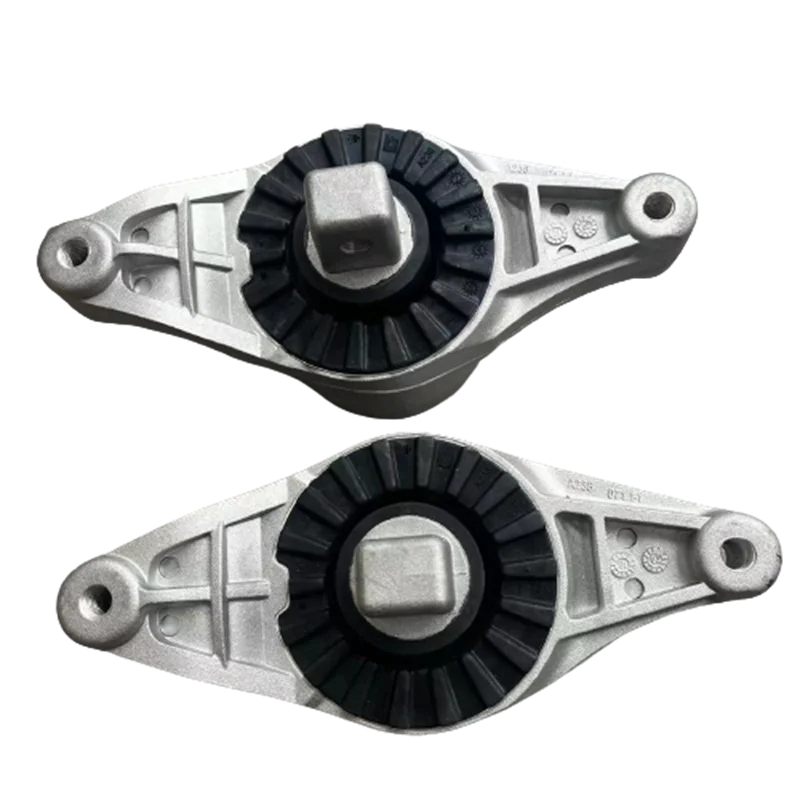
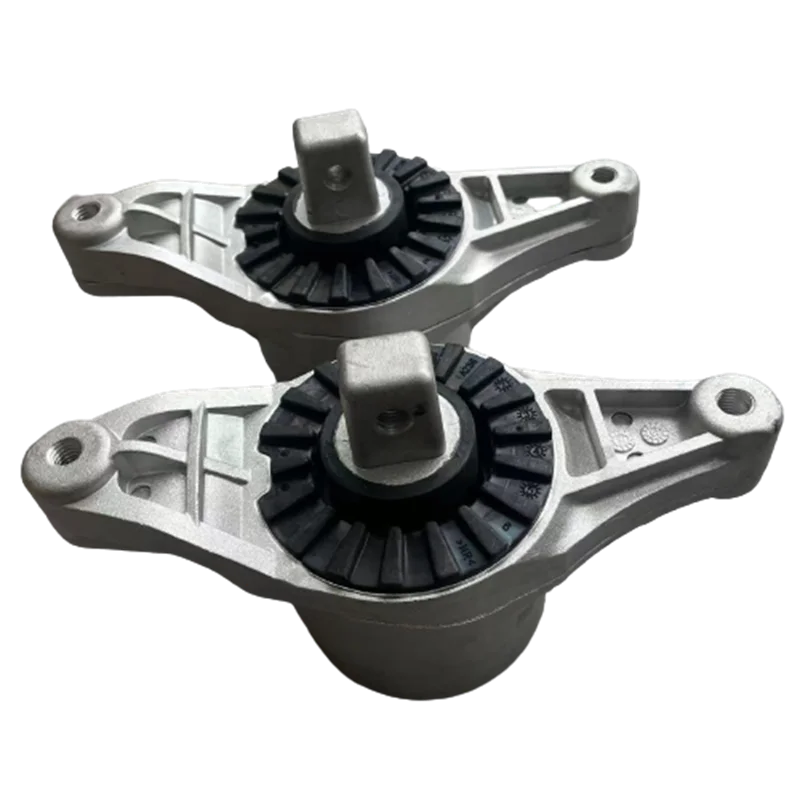
Rear diff bushes mount the differential housing to the chassis or subframe, isolating drivetrain vibration and managing the small amount of movement the diff makes under load and acceleration. Worn rear diff bushes typically present as a clunk during gear changes or under hard acceleration, distinct from the steering-related knocks produced by worn suspension bushings elsewhere on the vehicle.
Signs Your Bushings Are Worn
Bushing wear builds gradually across multiple points, which is why the signs below are worth checking together rather than in isolation.
- A general looseness or vagueness in handling that cannot be traced to one specific component.
- Clunking or knocking sounds occur over bumps, speed humps, or during acceleration and braking.
- Visible cracking, splitting, or perishing of the rubber where it meets a metal mount.
- A rattle that appears specifically at low speed over rough or corrugated surfaces.
- Uneven tyre wear that does not correspond to a known alignment issue.
- Increased road noise or vibration is transmitted into the cabin compared to when the vehicle was new.
If several of these are present at once, it is worth inspecting bushings across multiple mount points rather than assuming a single failed part is responsible.
Confirming Fitment: Vehicle Bushings and Bushings for Suspension by Mount Point
Bushing fitment depends on the exact mount point being replaced, not just the vehicle model. The same car can use several different bushing sizes and shapes across its control arms, sway bar, and rear axle, and a bushing for suspension at one location will not necessarily fit another point on the same vehicle.
Every bushing car listing on our site specifies the exact mount point and vehicle fitment, so the correct part is confirmed before the order is placed rather than discovered during installation. Where a bushing kit covers multiple mount points for one vehicle, that is noted clearly in the listing to avoid any confusion about what is included.
OEM vs Aftermarket Bushings: Making the Right Call
OEM rubber bushings are the right choice when factory ride characteristics and noise levels need to stay unchanged, or where warranty terms call for original specification parts.
Aftermarket polyurethane bushings, including SuperPro, are fully accepted across professional workshops and routinely outperform factory rubber in both durability and handling precision. For vehicles used for towing, off-road driving, or performance applications, polyurethane is generally the more appropriate choice rather than simply the longer-lasting one, since it holds geometry under load in a way ageing rubber increasingly cannot.