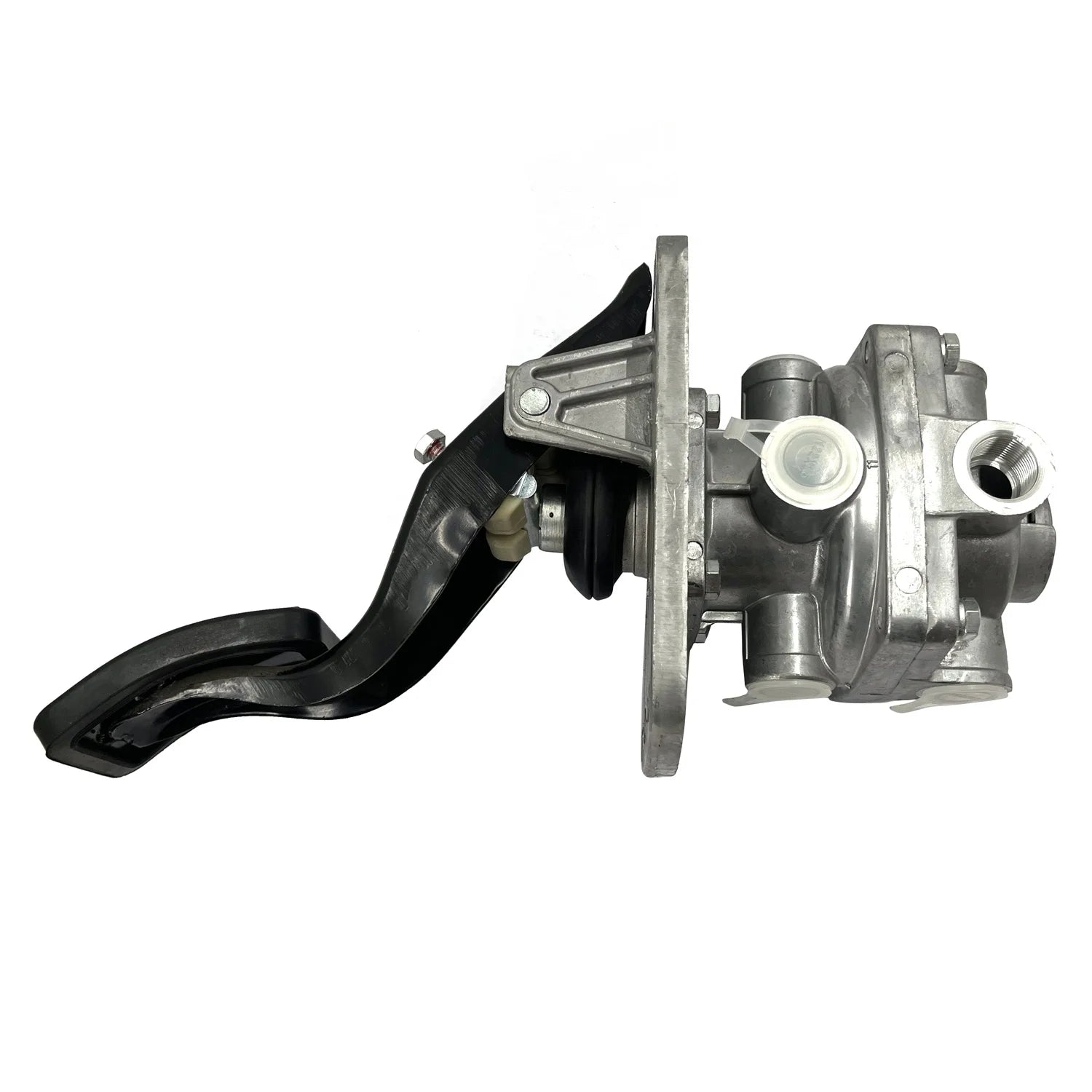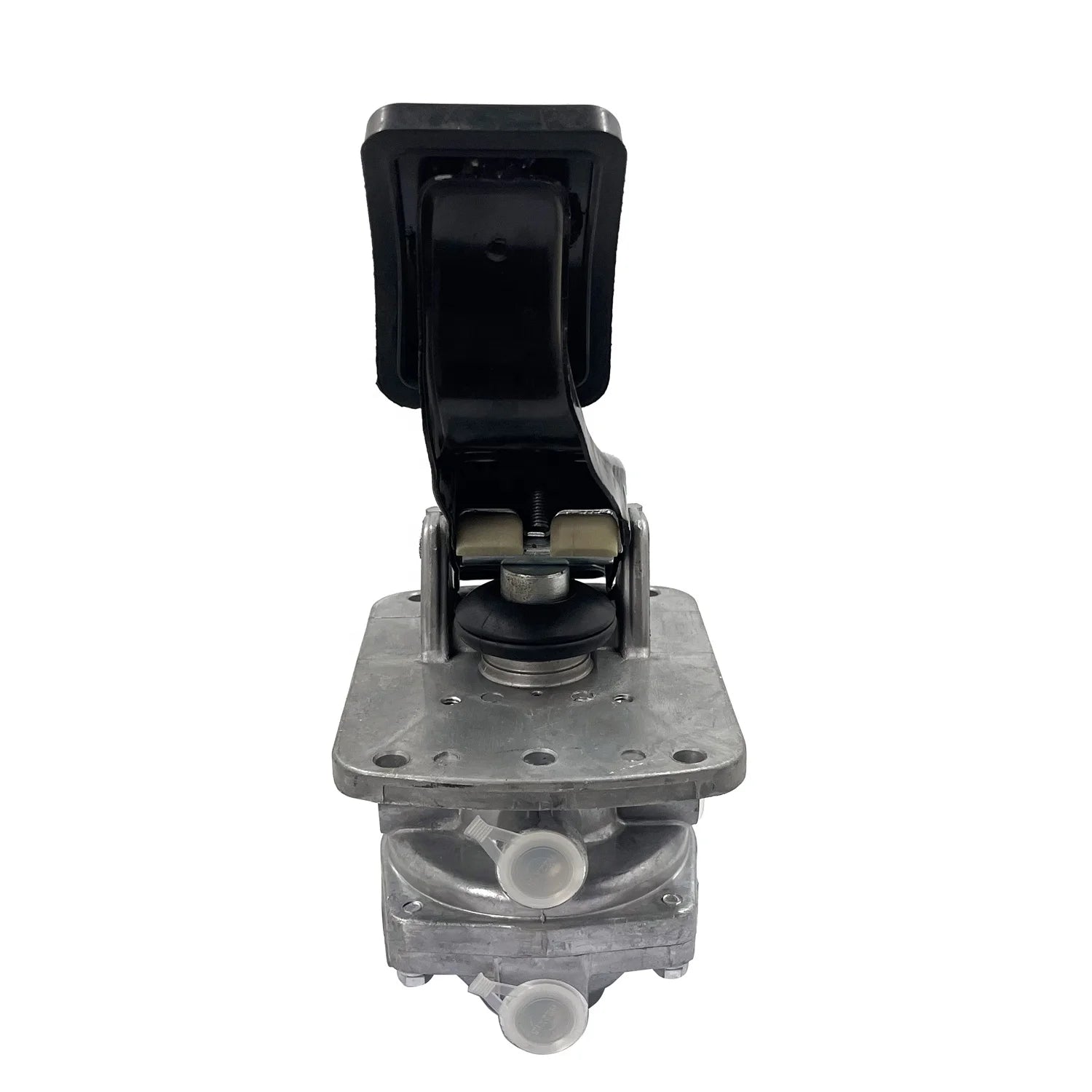
High Quality Braking System Parts for Safe Stopping
Braking system parts are essential for every vehicle. They help slow down and stop safely. A strong system gives the driver full control in all driving conditions.
At CBT Autoparts, we supply reliable car braking components for many vehicle types. Our wide range includes durable brake system parts, OEM brake parts, and aftermarket brake upgrades. We serve cars, trucks, and commercial vehicles.
Each product supports strong stopping power, stable braking force, and long service life. Our goal is simple, we help you maintain brake safety performance with trusted components.
156 products
Showing 145 - 156 of 156 products
How a Hydraulic Braking System Works
Most modern vehicles use a hydraulic braking system. When the driver presses the brake pedal, the master cylinder creates hydraulic pressure inside the brake fluid.
This pressure travels through brake lines to each wheel. At the wheel, the brake caliper presses the brake pads against the brake rotor. The friction generated slows the wheel and reduces vehicle speed.
This process converts motion into heat, which is why brake friction components must handle high temperatures while maintaining consistent braking performance.
A properly functioning braking system provides:
-
Smooth speed reduction
-
Stable vehicle control
-
Balanced braking force
-
Shorter stopping distance
-
Reliable brake safety performance
Regular inspection ensures the hydraulic braking system continues to perform safely.
Core Brake Friction Components
Brake friction components generate the force that slows the vehicle.
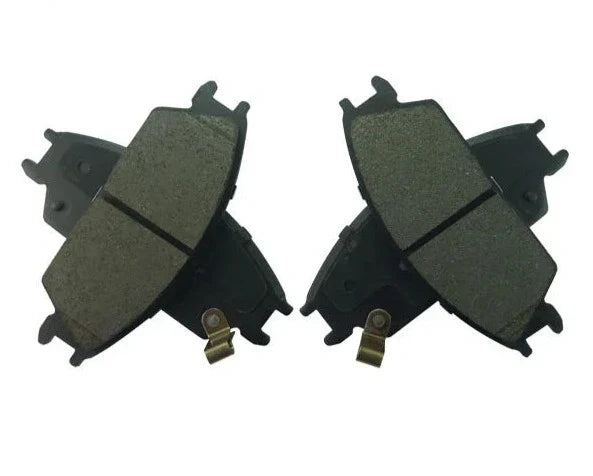
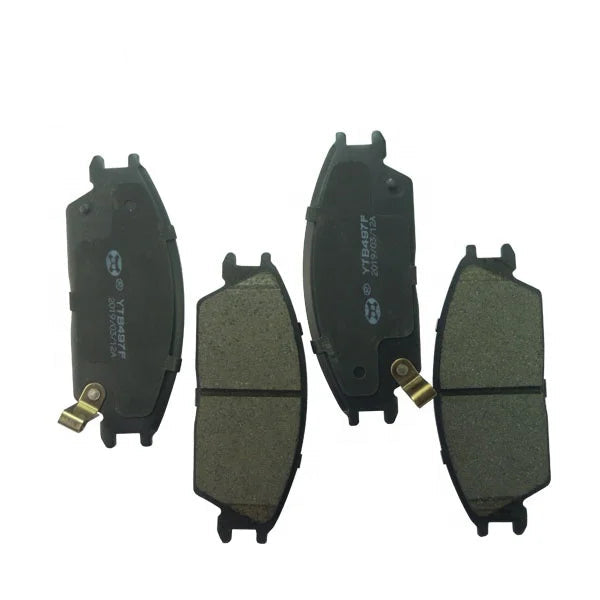
Brake Pads
Brake pads press against the rotor to create friction that slows the wheel. Over time, brake pads wear down due to constant heat and pressure. Replacing worn pads helps maintain stopping power and protects other braking components.
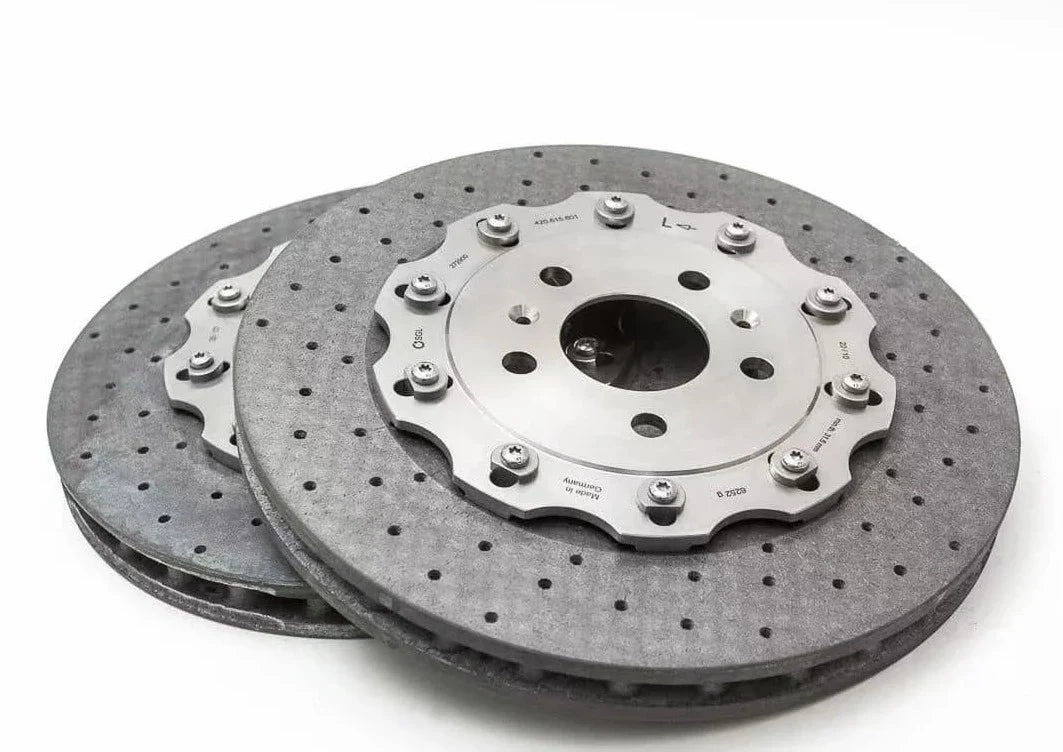
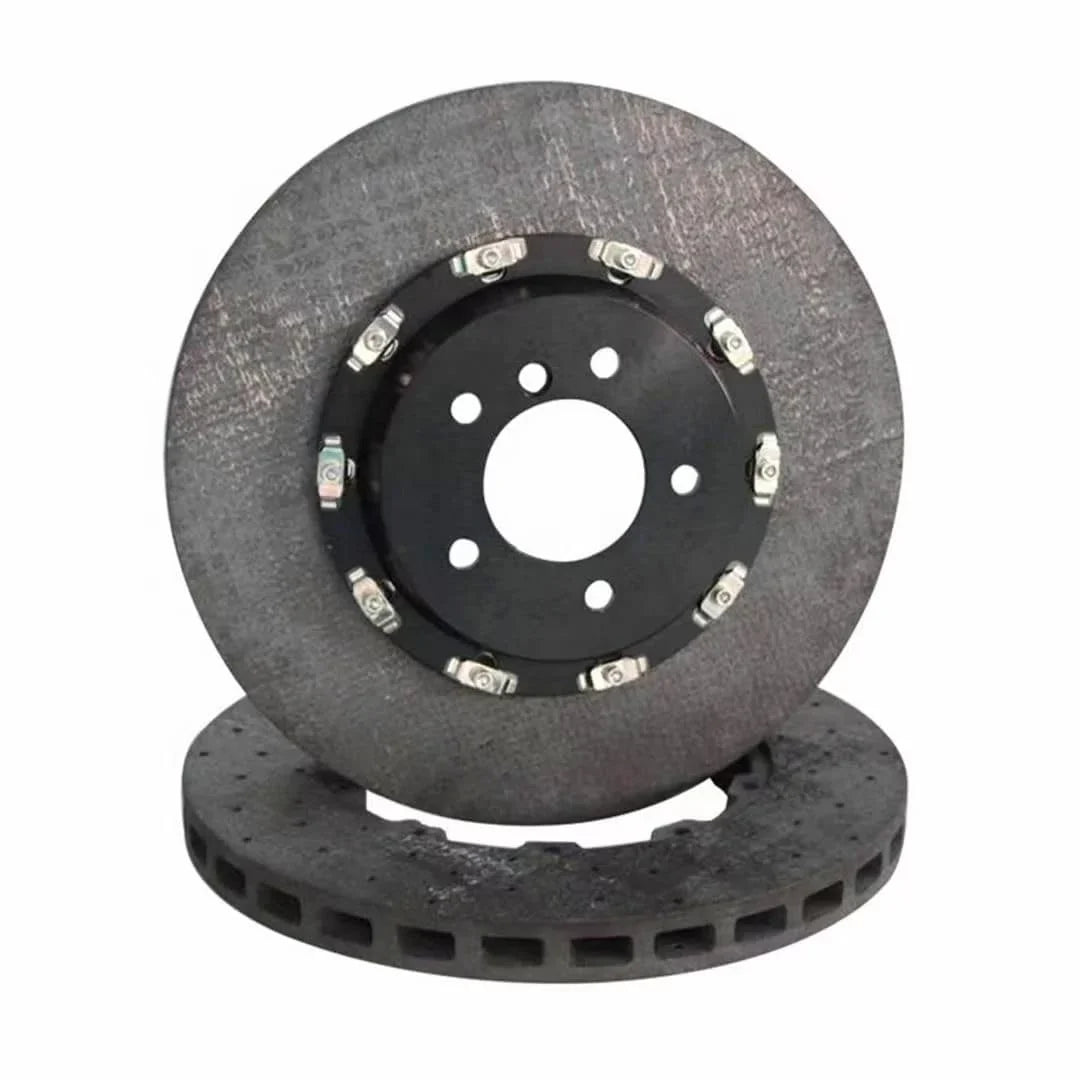
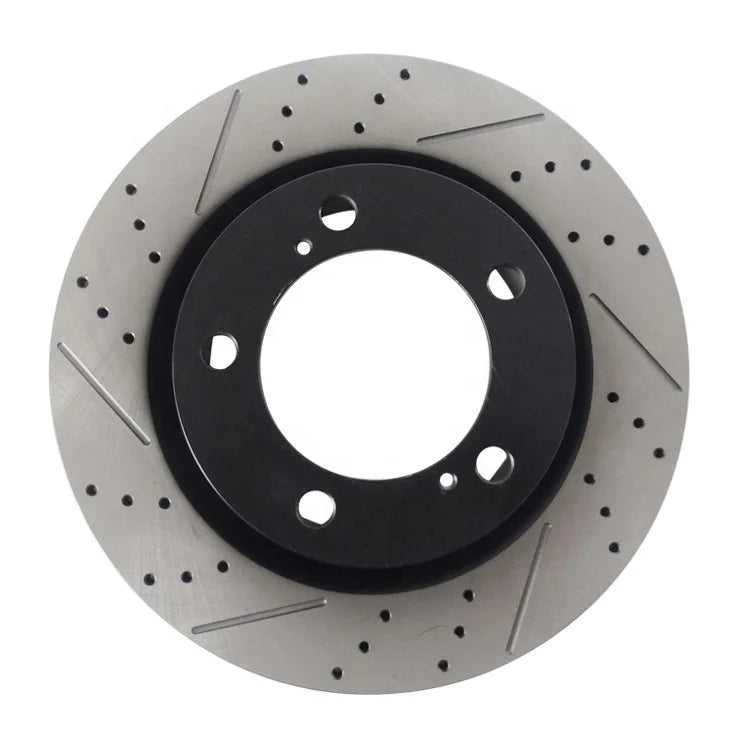
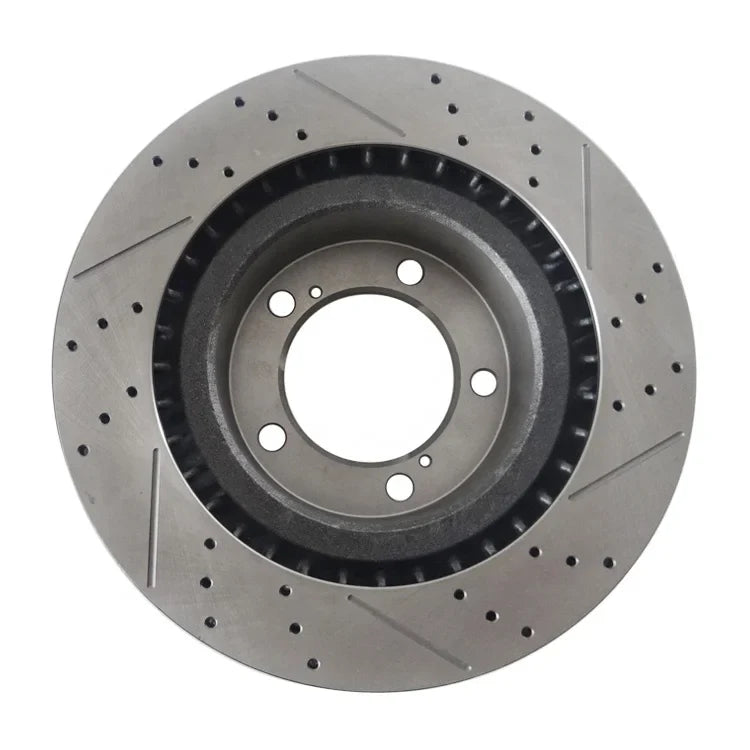
Brake Rotors
Brake rotors rotate with the wheel and provide the surface that brake pads press against. High-quality rotors manage heat effectively and maintain smooth braking under repeated use.
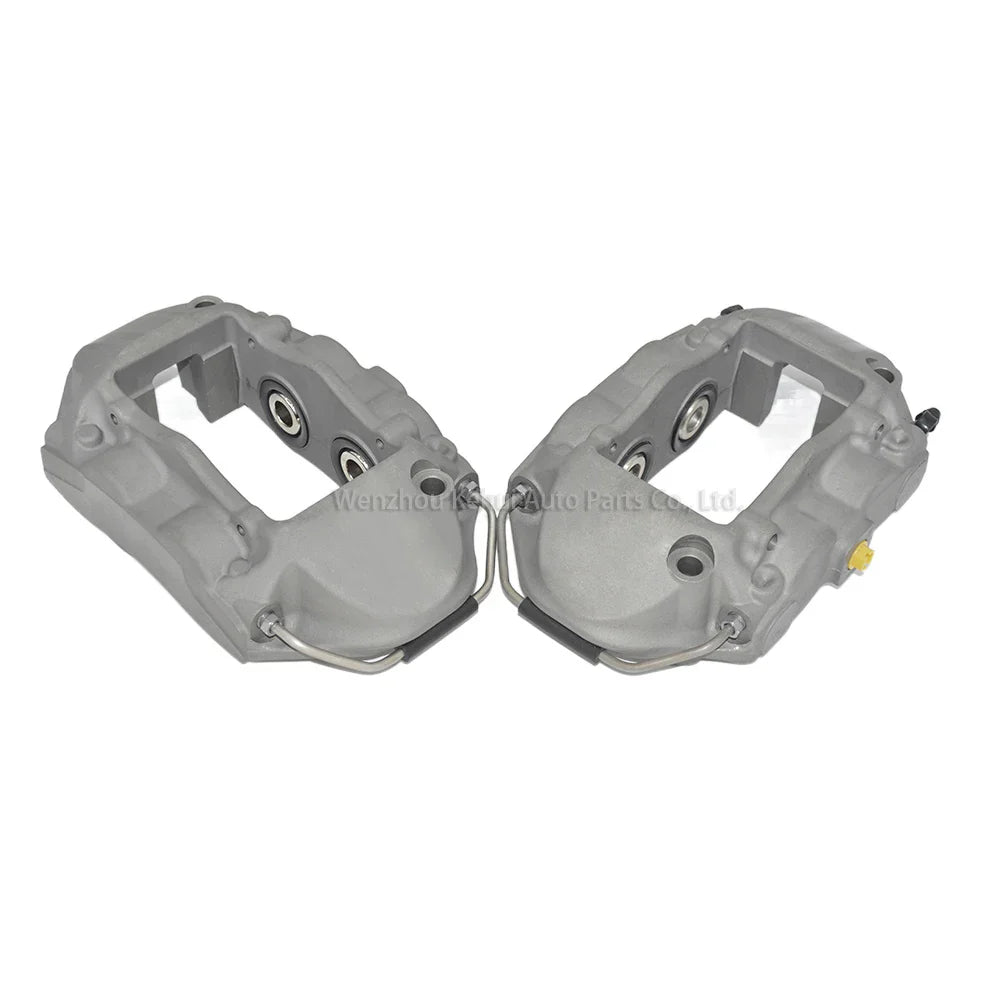
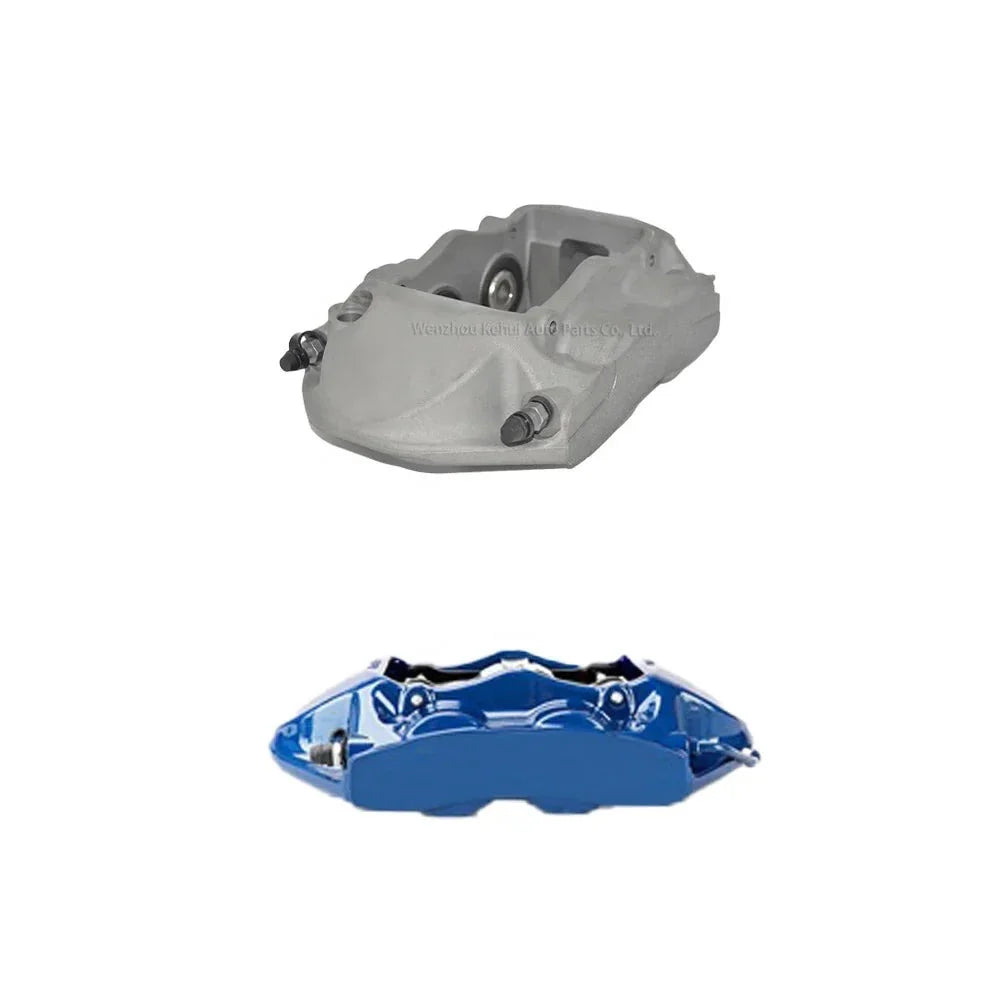
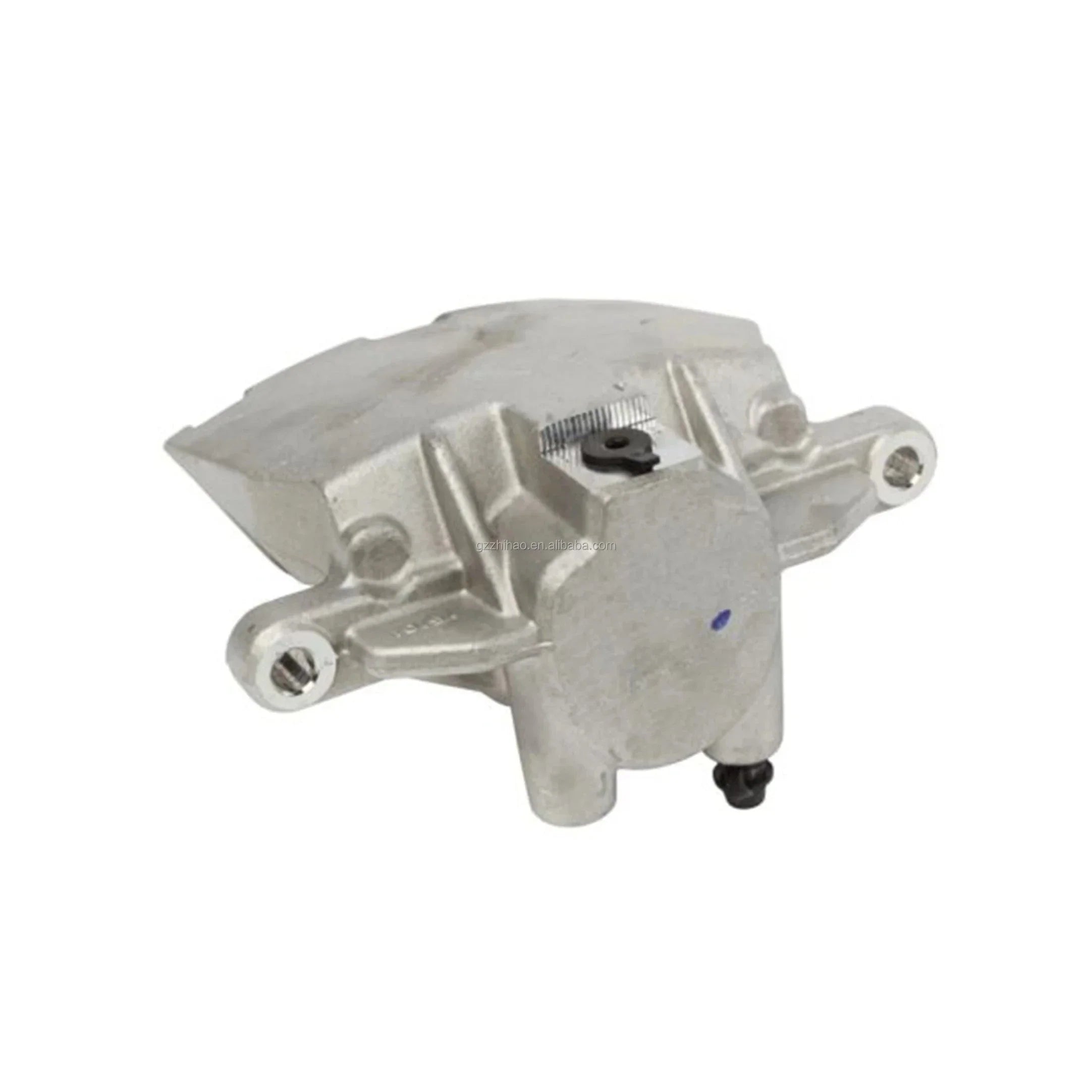
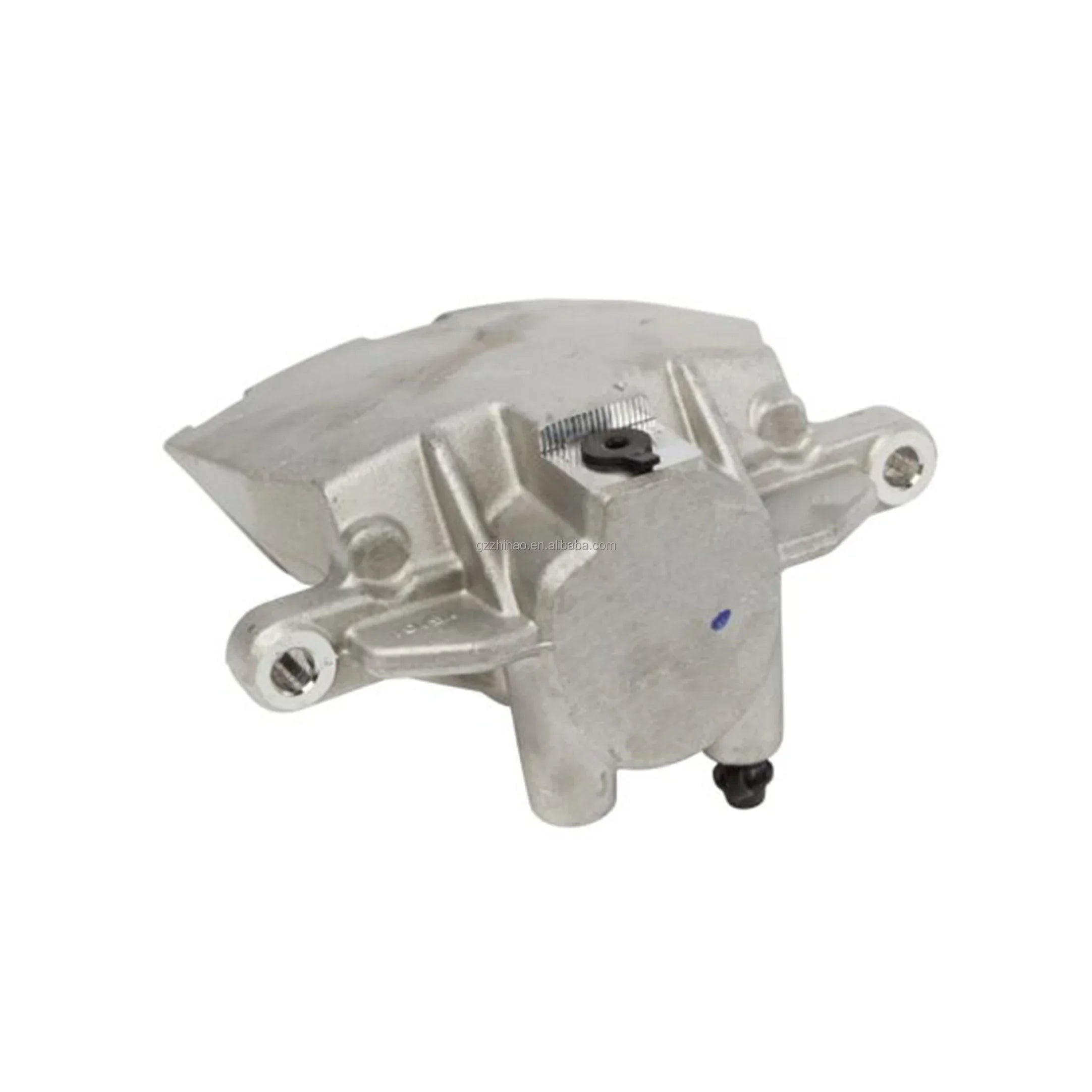
Brake Calipers
Brake calipers house the brake pads and apply pressure using hydraulic force. A properly functioning caliper ensures even pad contact with the rotor and consistent braking efficiency.
Drum Brake Components
Some vehicles use drum brake systems, especially in rear wheel braking setups.
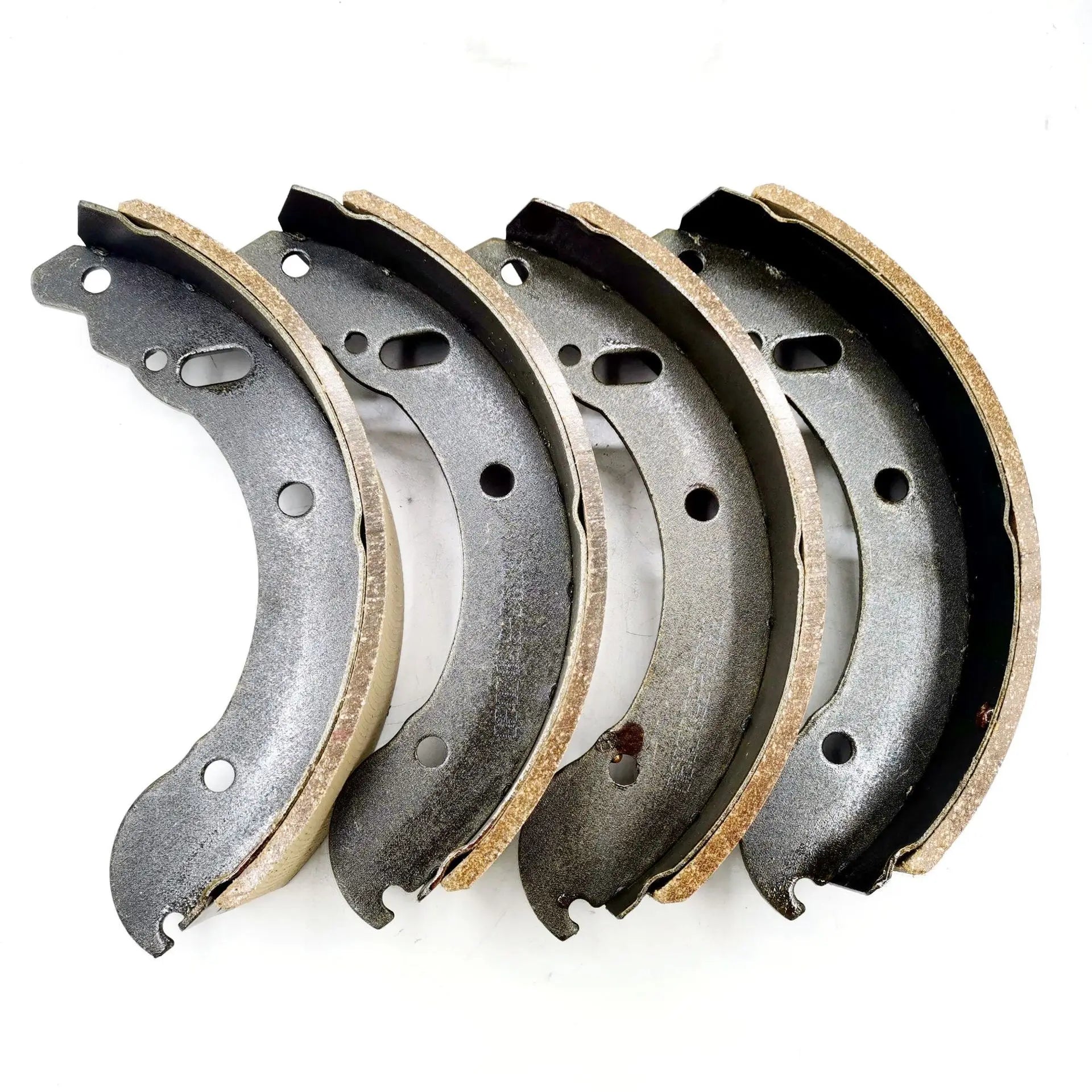
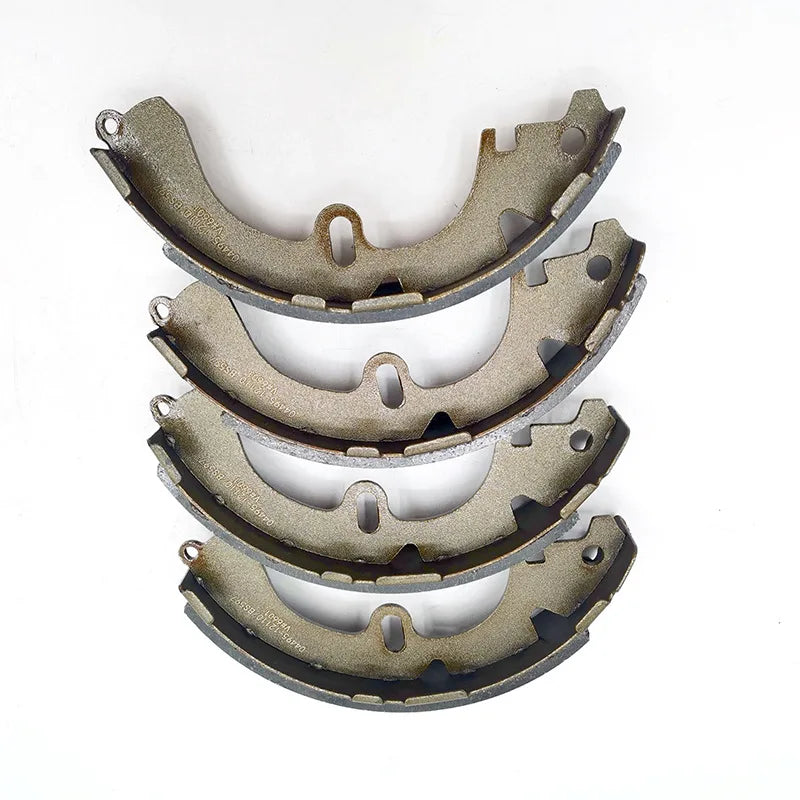
Brake Shoes
Brake shoes create friction inside the brake drum. When activated, they press outward against the drum surface to slow the wheel.
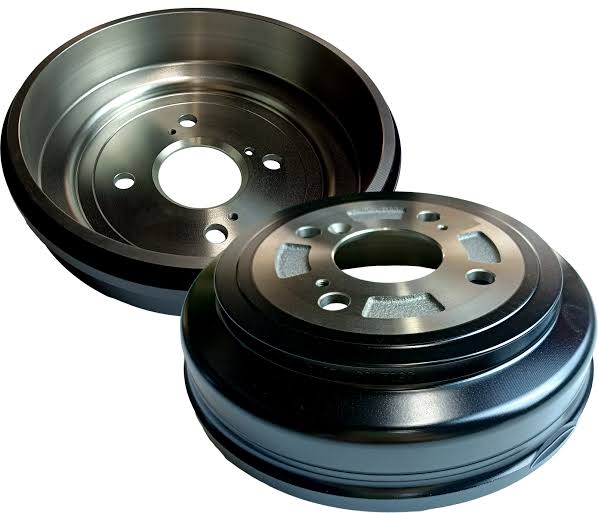
Brake Drums
Brake drums rotate with the wheel and work with brake shoes to generate braking force. Durable drum components ensure reliable stopping performance in vehicles using drum brake systems.
Hydraulic Brake Control Components
Hydraulic components manage brake pressure and distribute braking force throughout the system.
Brake Lines and Hoses
Brake lines and hoses carry brake fluid from the master cylinder to each wheel. Strong, leak-free lines are essential for maintaining hydraulic pressure and preventing brake failure.
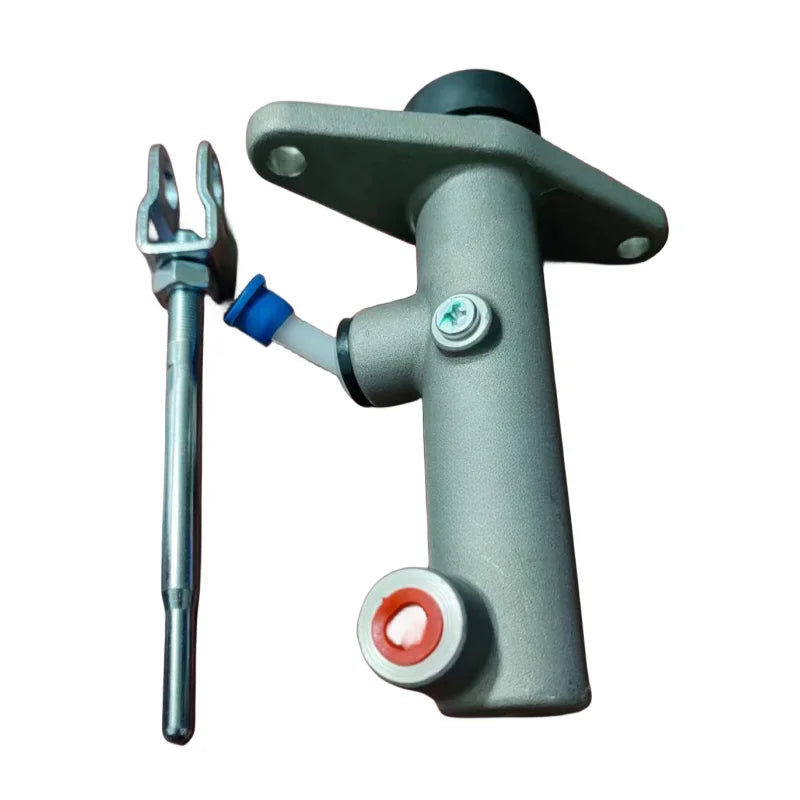
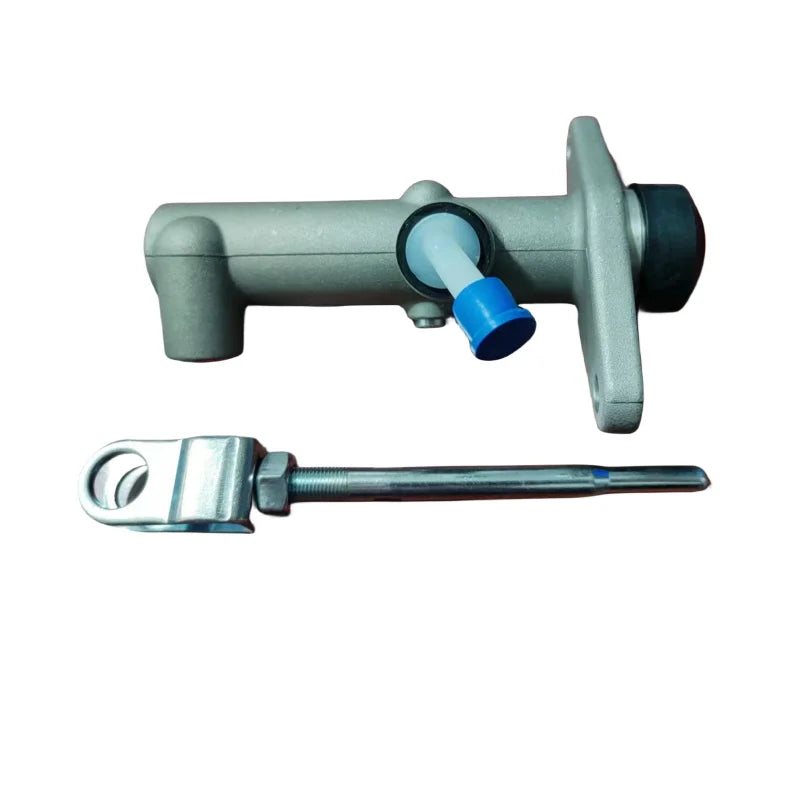
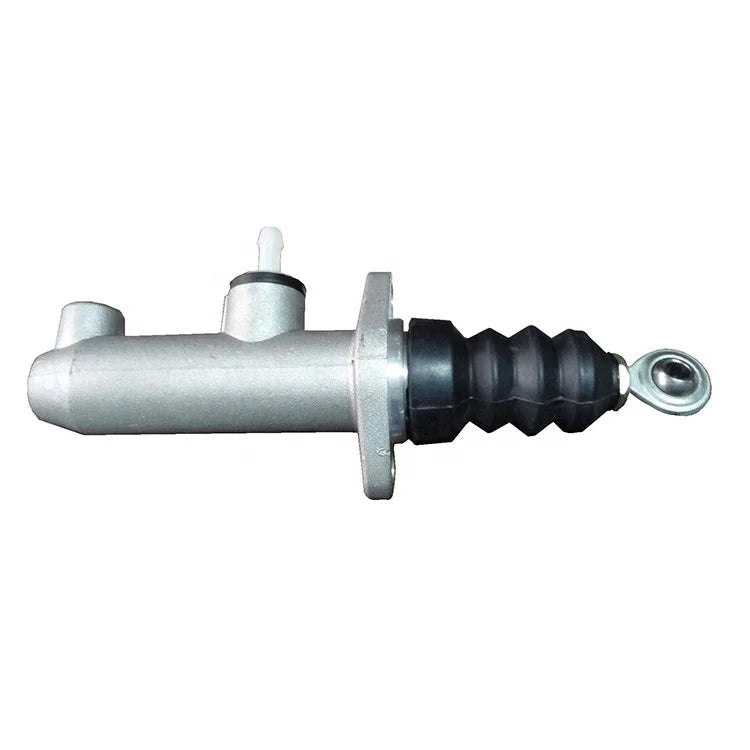
Master Cylinder
The master cylinder generates hydraulic pressure when the brake pedal is pressed. This pressure drives brake fluid through the system and activates braking at each wheel.
Brake Booster
The brake booster multiplies pedal force to make braking easier for the driver. Vacuum or hydraulic boosters reduce pedal effort while maintaining strong braking power.
Brake Proportioning Valve
Brake proportioning valves control how hydraulic pressure is distributed between the front and rear brakes. This balance prevents rear wheel lockup and improves braking stability.
Electronic Brake Control Systems
Modern braking systems also include electronic safety components.
ABS Modules
Anti-lock braking system (ABS) modules monitor wheel speed and adjust brake pressure to prevent wheel lockup during sudden stops. ABS improves vehicle stability and allows drivers to maintain steering control during emergency braking.
Performance Brake System Upgrades
Performance braking systems are designed for vehicles that operate under demanding conditions such as towing, high-speed driving, or heavy commercial use.
Upgraded braking systems often include:
-
High-performance brake pads
-
Reinforced brake rotors
-
Improved caliper designs
-
Heat-resistant brake lines
These components provide improved heat management and consistent stopping power during repeated braking.
Commercial braking systems often rely on performance upgrades to handle heavy loads and extended driving hours.
Braking Systems for Cars, Trucks, and Commercial Vehicles
Different vehicles require different braking strength and system design.
Passenger vehicles depend on balanced braking systems for everyday driving comfort and safety.
Light trucks require stronger braking components to support added cargo weight.
Commercial vehicles rely on reinforced braking systems designed to handle heavy loads, long driving hours, and demanding road conditions.
Selecting the correct braking system parts ensures reliable stopping performance for each vehicle type.
Importance of Brake Maintenance and Inspection
Routine brake inspections help identify wear before it becomes a safety risk.
Technicians typically inspect:
-
Brake pad wear
-
Rotor thickness
-
Brake line leaks
-
Hydraulic pressure levels
-
Wheel cylinder operation
-
Parking brake function
Regular maintenance improves braking efficiency and reduces the risk of brake system failure.
Why Choose CBT Auto Parts for Braking System Parts?
At CBT Auto parts, we focus on safety, reliability, and long-term performance.
Each product is designed to provide strong stopping power, stable braking force, and dependable performance.
We help drivers and fleet operators maintain safe braking systems across many vehicle types.