Brake Calipers & Front Brake Calipers: Replacement, Rebuild, and Repair Parts
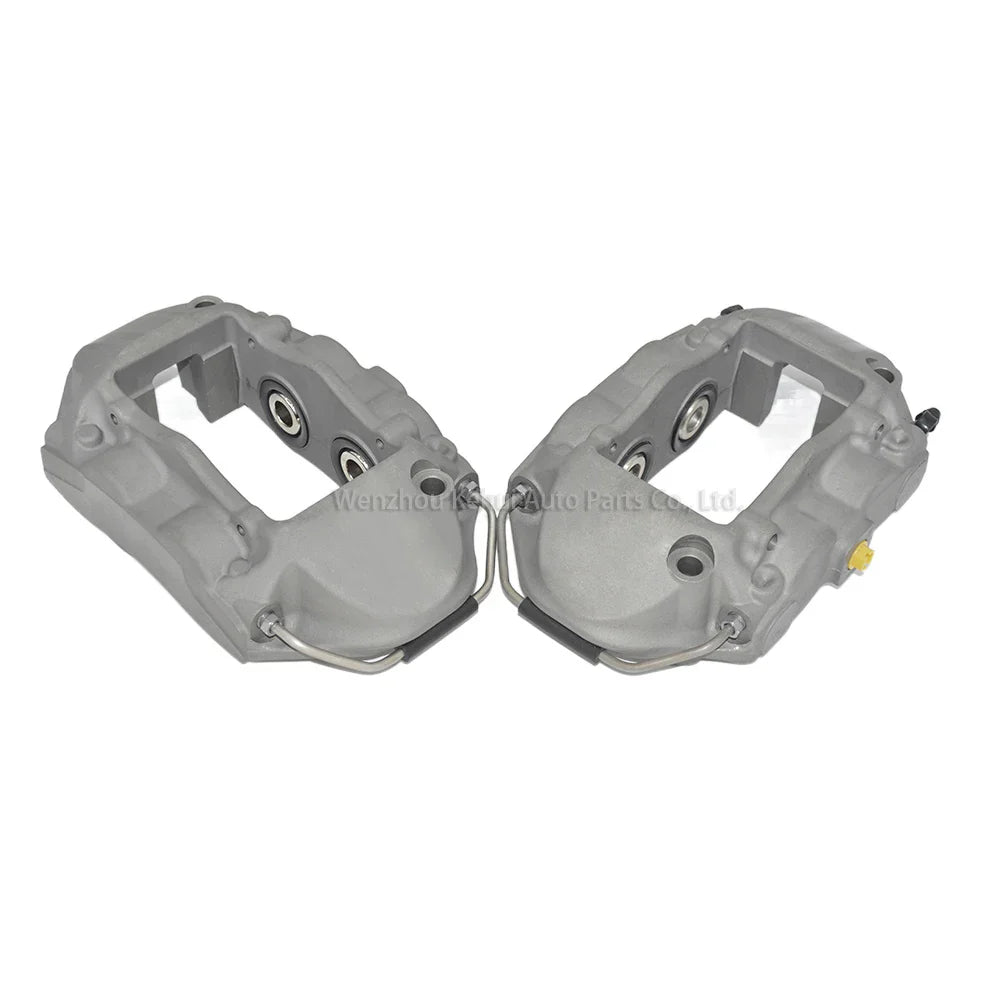
A brake caliper is the clamping unit that pushes the pads against the rotor every time the pedal is pressed, using hydraulic pressure from the master cylinder. Calipers fail slowly through a stuck slide pin, a seized piston, or a worn seal, long before a driver notices anything beyond uneven pad wear or a pull to one side.
CBT Auto Parts stocks brake caliper units from Brembo and OEM suppliers, within the same braking system parts range as Brake Pads, Brake Rotors, and Brake Repair Kits for a matched order. Front and rear calipers, loaded or bare, are checked for fitment by make, model, and trim, with fast nationwide shipping.
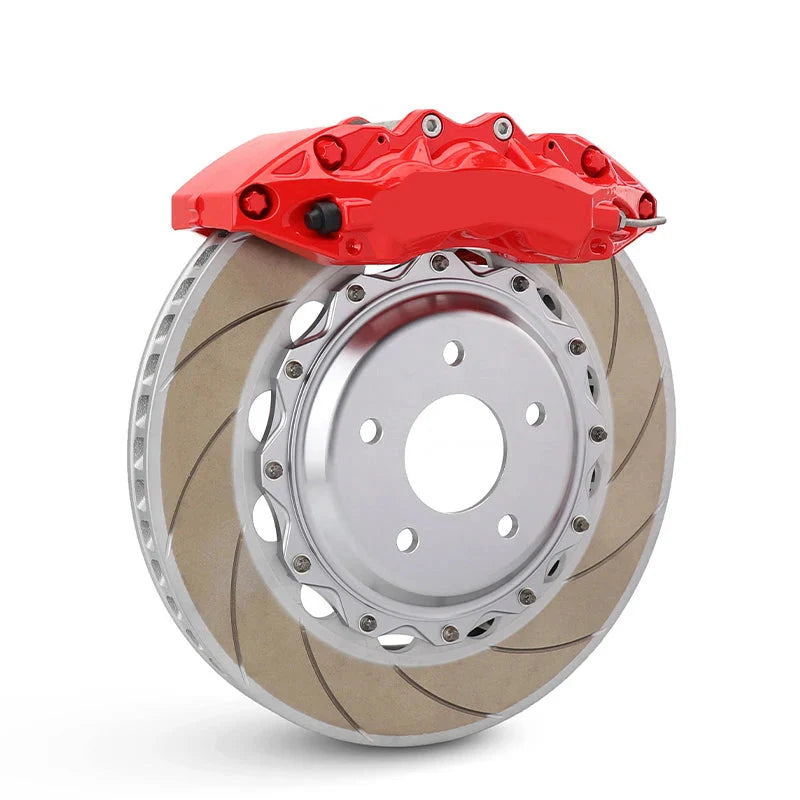
2 products
Showing 1 - 2 of 2 products
What a Brake Caliper Does, and Why It Fails
Hydraulic pressure pushes a piston inside the caliper housing outward, clamping the pad against the rotor and converting pedal pressure into stopping force. The parts most likely to fail are not the housing itself but the smaller components around it: the rubber seal that keeps fluid contained, the slide pins that let the caliper float and centre itself, and the dust boot that keeps grit out of the piston bore. Once any one of these wears out, the caliper either sticks partly closed, dragging the pad against the rotor, or leaks fluid and loses clamping force altogether.
Signs You Need Brake Caliper Replacement
A failing caliper rarely announces itself the same way twice, but a few patterns show up consistently across most vehicles.
- The vehicle pulls noticeably to one side under braking, usually toward the caliper that is dragging.
- One pad wears down much faster than its opposite number on the same axle.
- A visible fluid leak or wet residue around the caliper housing or wheel.
- A grinding or knocking noise from one corner that does not match the others.
- A spongy or low pedal that does not improve after a standard bleed.
Brake Caliper Replacement Cost: What Changes the Price
Brake caliper replacement cost moves on a few clear factors rather than being a single fixed figure across every vehicle.
- Loaded versus bare: a loaded caliper arrives with pads and hardware fitted, while a bare caliper needs those parts sourced separately.
- One side versus a pair: calipers are sometimes replaced individually, but a pair keeps breaking balanced across the axle.
- Brake fluid and bleeding: any caliper job opens the hydraulic system, so fluid and bleeding labour factor into the cost of replacing a brake caliper alongside the part itself.
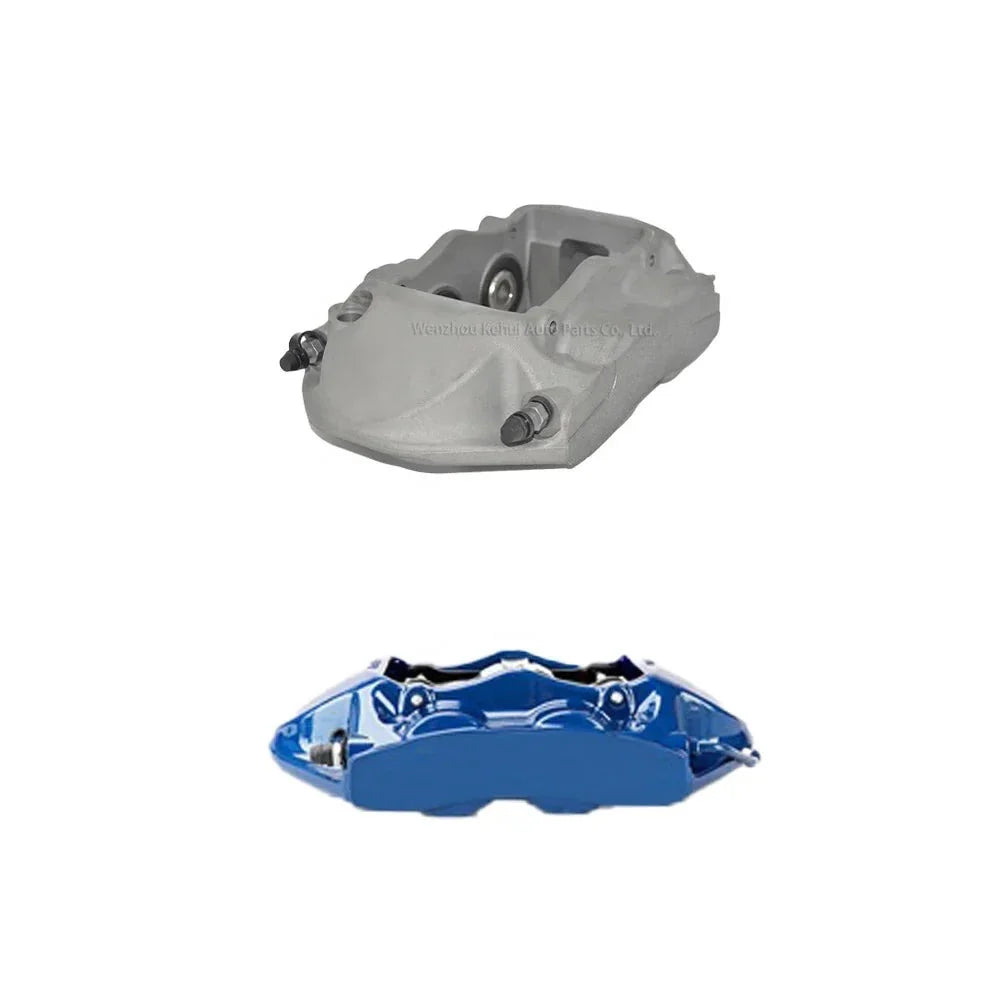
- Vehicle type: performance and four-piston calipers generally sit above standard single-piston units on price.
Repair, Rebuild, or Replace: Choosing the Right Fix
A sticking slide pin or a worn dust boot can often be fixed with a brake caliper repair kit, covering new seals, boots, and pins without replacing the housing itself. A full brake caliper rebuild kit goes a step further, including the piston seal needed when fluid has been contaminated or a piston has started to corrode in the bore. Some buyers search using the British spelling, looking for a brake calliper repair kit, and others search for a brake calliper refure kit, both describing the same category of seal and hardware kits stocked here. Once the housing itself is scored, cracked, or corroded beyond a seal kit's reach, a full caliper change becomes the more reliable option over a repair.
Front vs Rear Brake Calipers
Front brake calipers carry the larger share of stopping force on most vehicles, since weight transfers forward under braking, which is why fronts are usually larger, often multi-piston, and wear out sooner than rear units. Rear calipers tend to be simpler single-piston designs, though on many newer vehicles, they also house the electric parking brake mechanism, which adds a motor and gear assembly that a front caliper does not need. Matching the correct caliper to its axle position matters as much as matching it to the vehicle itself, since front and rear units are rarely interchangeable even within the same model.
Brembo and OEM Brake Calipers Compared
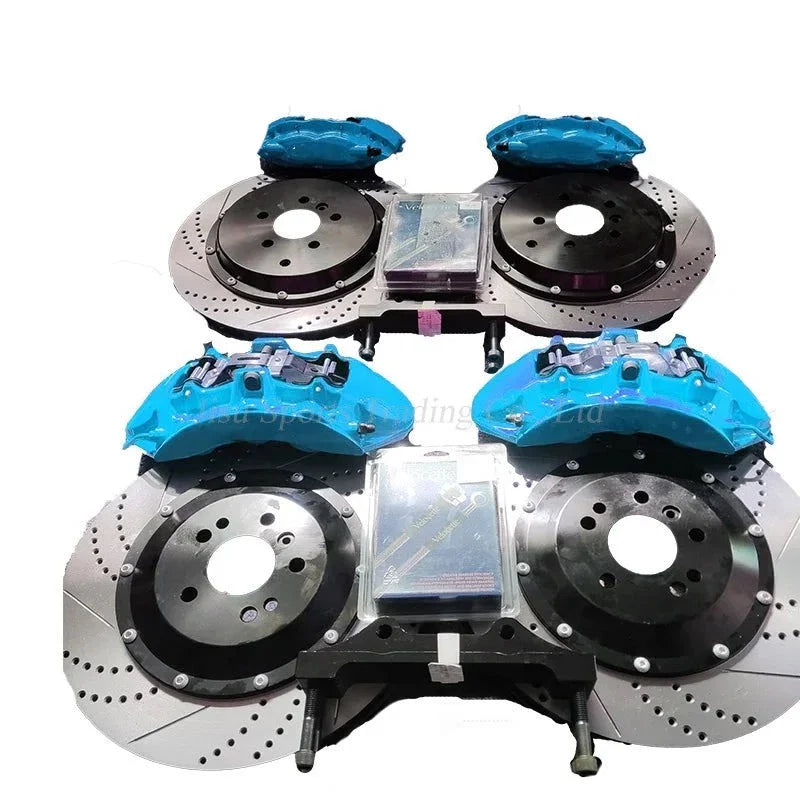
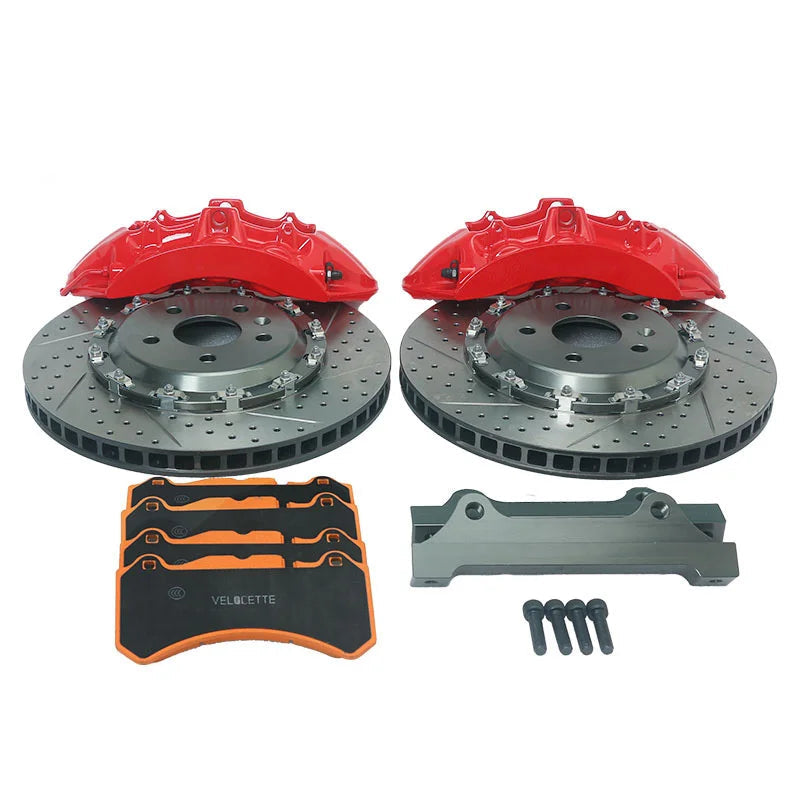
A Brembo brake caliper brings a stronger, more performance-oriented clamping feel, often paired with larger rotors and used where towing or spirited driving puts extra demand on the system. OEM calipers match the factory specification exactly, which keeps pedal feel and bite consistent with how the vehicle originally drove, and remain the safer default for daily driving where no performance upgrade is needed. Both ranges are checked against the same fitment data here, so neither choice carries a fitment risk over the other.
Calipers, Pads, and Rotors: Replacing as a System
A caliper rarely fails in isolation from the parts it works against, so a caliper job is a good moment to inspect the rest of the corner rather than treating it as a standalone repair. A dragging caliper accelerates pad wear and can score a rotor that would otherwise still have life left in it, while a rotor already near its minimum thickness puts extra strain back onto a freshly fitted caliper. Pad and rotor stock matched to the same vehicle sits in its own dedicated category, making it straightforward to order all three corners of the job together when a caliper change is already underway.
Why Buy Brake Calipers from CBT Auto Parts
Calipers carry real hydraulic pressure, so getting the part and the fitment right matters more here than on almost any other braking component.
- Brembo and OEM brake caliper units stocked side by side, loaded or bare, checked against make, model, and trim.
- A full range of caliper repair and rebuild kits, covering seals, slide pins, boots, and hardware for a same-day fix.
- Most orders are dispatched within 24 hours with tracked nationwide shipping.
- A fitment guarantee and straightforward returns process on every order.