Axles: Front & Rear Axle Shafts, Solid Axle Replacements & Car Axle Components
The axle shaft is the final link in the drivetrain chain: the rotating steel component that carries torque from the differential to the wheel hub. Without a functioning axle, drive cannot reach the road regardless of how well the gearbox, driveshaft, and differential are performing. When an axle shaft fails, it fails without warning, and the vehicle stops.
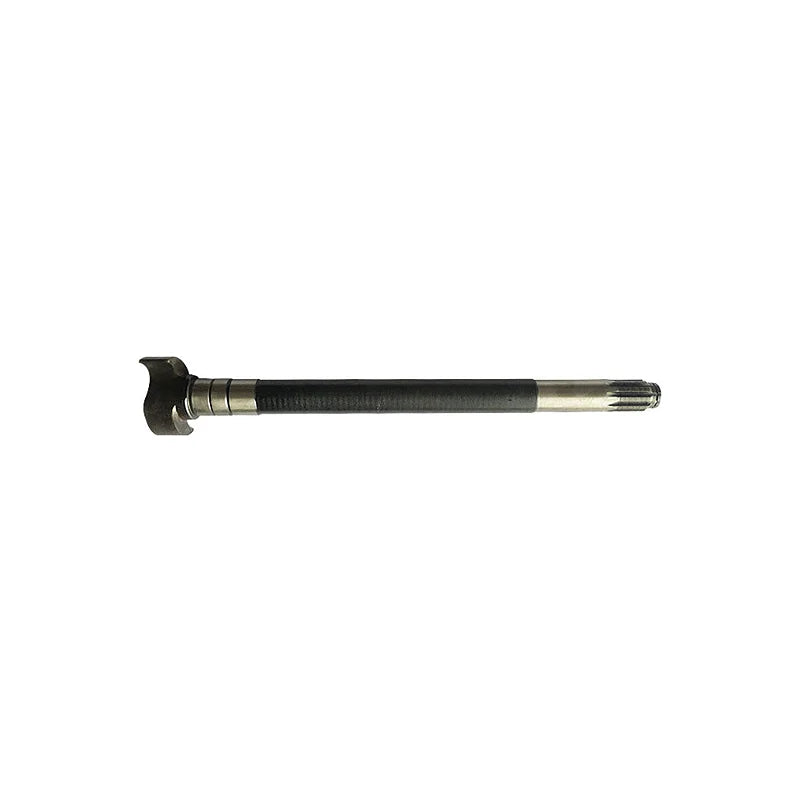
CBT Auto Parts supplies front axle and rear axle shaft replacements as part of our Transmission and Drivetrain Parts range within the Engine and Powertrain Parts catalogue. Our stock covers Toyota HiLux solid axle, Suzuki Jimny, Suzuki Samurai, Ford F150, and GKN axle applications among a wide range of passenger, 4x4, and commercial platforms. OEM-grade units are dispatched from confirmed stock, shipped locally and internationally, with real availability on the high-demand applications that other suppliers consistently back-order.
9 products
Showing 1 - 9 of 9 products
Solid Axle vs Independent Suspension: How Your Vehicle's Axle Configuration Determines What You Need
Before any axle shaft replacement is ordered, the most important distinction to establish is whether the vehicle runs a solid axle configuration or an independent suspension setup. These two architectures use fundamentally different axle shaft designs, and the replacement process differs significantly between them in both parts specification and installation complexity.
Solid Axle Configuration
A solid axle, also referred to as a beam axle or live axle, uses a single rigid housing that spans the full width of the vehicle between both wheel hubs. The axle shafts inside this housing rotate within the axle tubes, transferring drive from the differential centre section to each hub. Because the housing itself is a rigid unit, both wheels on the axle move together as a single assembly relative to the chassis. Solid axles are the dominant design in working 4x4 trucks, heavy commercial vehicles, and older passenger platforms specifically because their robustness under sustained high-load operation is unmatched by independent designs. The Toyota HiLux solid front axle and the Suzuki Samurai front axle are two of the most actively replaced solid axle applications in our range of platforms used in agricultural, off-road, and commercial working conditions where axle durability under repeated extreme loading is a non-negotiable operating requirement.
Independent Suspension Axle Shafts
In independent suspension vehicles, each wheel moves independently of the other on the same axle, which means the axle shaft connecting the differential to the wheel hub must accommodate constant changes in angle as the suspension compresses and extends through its travel. This angular accommodation is provided by CV joints integrated into the axle shaft assembly at each end. These applications are catalogued separately under our CV Joints range to ensure fitment clarity, since the friction and articulation characteristics of a CV axle shaft differ entirely from those of a solid axle shaft. When ordering for an independent suspension vehicle, confirm the drivetrain position and suspension configuration to land on the correct component category.
The Transaxle Configuration
The transaxle is a combined gearbox and differential assembly used in front-wheel-drive vehicles where both the transmission and drive axle functions are integrated into a single housing. The 6-speed manual t6-speede configuration common in performance front-wheel-drive vehicles routes drive directly to the front axle shafts from within the combined unit. While the transaxle itself is not an axle shaft component, the axle shafts exiting the transaxle are replaceable items that fall within our axle range for the correct application.
How Axle Shafts Fail and What the Vehicle Tells You
Axle shaft failure is not always dramatic, but when it does occur dramatically, it is unmistakable. The more common pattern is a gradual deterioration that presents through a recognisable sequence of symptoms before the shaft reaches complete failure. Knowing that sequence prevents what should have been a straightforward axle replacement from becoming a complex recovery situation.
Watch for these indicators across both solid and independent suspension axle applications:
- A clicking or clunking sound from one side of the vehicle during tight cornering: this is the clearest indicator of wear at the inner or outer joint of the axle shaft, particularly in independent suspension configurations where joint angle increases sharply through steering lock
- Vibration felt through the floor or seat that is specific to one side of the vehicle: a bent axle shaft, a shaft with a damaged spline engagement, or a shaft running with insufficient bearing preload all produce a side-specific vibration that helps isolate the fault to one axle position.
- Grease thrown onto the inner wheel.l rim or surrounding suspension components: on axle shafts fitted with CV boots, a torn or cracked boot allows grease to escape and contaminate surrounding components. This is a maintenance-level warning that precedes joint damage rather than a symptom of failure already in progress.
- A grinding or growling noise from the axle tube area that changes with load: worn axle bearings within the housing of a solid axle configuration produce a load-sensitive grinding that changes character when the vehicle is cornering, braking, or accelerating. Bearing wear of this type allows the axle shaft to develop lateral movement within the tube, which accelerates wear on the axle seal and differential side gear.
- Drive that cuts in and out on one side: In advanced axle failure, a shaft with a worn or cracked spline engagement slips in and out of positive drive under load. This produces an inconsistent drive feel that may initially be attributed to a traction control or differential fault before the axle shaft itself is identified as the source.
Platform Coverage: Axle Shafts at CBT Auto Parts
Our axle shaft inventory is built around the working vehicle, 4x4, and performance platforms that generate the most consistent replacement demand globally. These are not catalogue entries built around theoretical fitment; they are the applications our buyers search for most frequently across both individual and trade procurement:
- HiLux solid front axle: the Toyota HiLux solid front axle is one of the most heavily loaded axle shaft applications in the global 4x4 market, operating under the combined demands of steering articulation, suspension movement, and full drivetrain torque in vehicles used for agricultural, mining, and off-road purposes daily. Both the Hilux solid axle and the complete front axle assembly are available across multiple generation ranges.
- Suzuki Jimny front axle: the Jimny front axle operates in a compact 4x4 platform used extensively in urban, rural, and recreational off-road conditions. The Jimny's solid front axle configuration makes it a capable off-road vehicle with a well-documented axle replacement history, particularly in markets where this platform is used for regular difficult-terrain operation rather than primarily on-road driving.
- Suzuki Samurai front axle: the Samurai front axle shaft is a high-demand replacement item in the off-road and overlanding community globally, where this platform is actively modified and used in serious off-road applications that place significant sustained demand on the front axle assembly. Both standard replacement and uprated axle shaft options are relevant for this application.
- Ford 9-inch rear end axles: the Ford 9-inch rear end is widely considered the most capable and most frequently upgraded rear axle assembly in the classic American muscle and off-road truck market. Ford 9-inch rear end axles are available in both standard and heavy-duty specifications, covering the full range of OEM replacement and performance upgrade applications for this platform.
- 2018 F150 rear axle: the 13th generation Ford F150 rear axle covers both the standard half-floating configuration used in lighter-duty variants and the full-floating setup available in higher-payload specifications. The 2018 F150 rear axle is one of the most actively replaced rear axle shaft applications in the current-generation light truck market.
- 2015 F150 rear axle: the 12th generation F150 platform remains in wide active service, with rear axle replacement demand driven by the high accumulated mileage and working conditions that this generation of truck is regularly subjected to. Both 2WD and 4WD rear axle shaft configurations are covered in our range.
- GKN axle: GKN is one of the most widely recognised axle and driveline component manufacturers globally, supplying OEM axle shaft assemblies to multiple vehicle manufacturers. GKN axle components are available through CBT Auto Parts for applications where OEM-equivalent specification and manufacturing provenance are the determining factor in parts selection.
Solid Axle Shaft Types: Full-Floating vs Semi-Floating
Within solid axle configurations, there is a further distinction between full-floating and semi-floating axle shaft designs that directly affects what happens when an axle shaft fails in service and why the distinction matters before ordering a replacement.
Semi-floating axle shafts carry both the drivetrain torque and the vehicle's corner weight simultaneously. The shaft itself supports the wheel bearing, which means that a semi-floating axle shaft failure under load can result in wheel separation from the vehicle, making this failure mode significantly more consequential than a shaft that simply stops transmitting drive. Semi-floating designs are standard in most passenger vehicles and lighter truck platforms where total weight and load demands do not justify the additional cost and complexity of a full-floating design.
Full-floating axle shafts carry drivetrain torque; only the vehicle's corner weight is borne by a separate outer bearing that supports the wheel hub independently of the axle shaft. In a full-floating system, a broken axle shaft does not affect wheel retention; the wheel remains attached to the vehicle through the hub bearing assembly, which is not dependent on the shaft for structural support. This is why full-floating rear axle configurations are standard in heavy-duty trucks, commercial vehicles, and serious off-road platforms where axle shaft failure in a remote location must not result in loss of vehicle control or wheel detachment.
When replacing an axle shaft, confirming the floating configuration of your specific axle assembly determines whether the replacement shaft is a structural load-bearing component or a torque-only component, and the specification must match accordingly.
What to Inspect Alongside an Axle Shaft Replacement
An axle shaft replacement presents the best access opportunity to inspect the components that share the axle housing or work in direct conjunction with the shaft. Addressing these at the same service visit avoids a second disassembly at short notice:
- Axle bearing condition: the bearing supporting the axle shaft within the housing should be inspected for roughness, play, and seal integrity. A bearing showing wear alongside a failed axle shaft has often contributed to the shaft failure through induced lateral loading.g
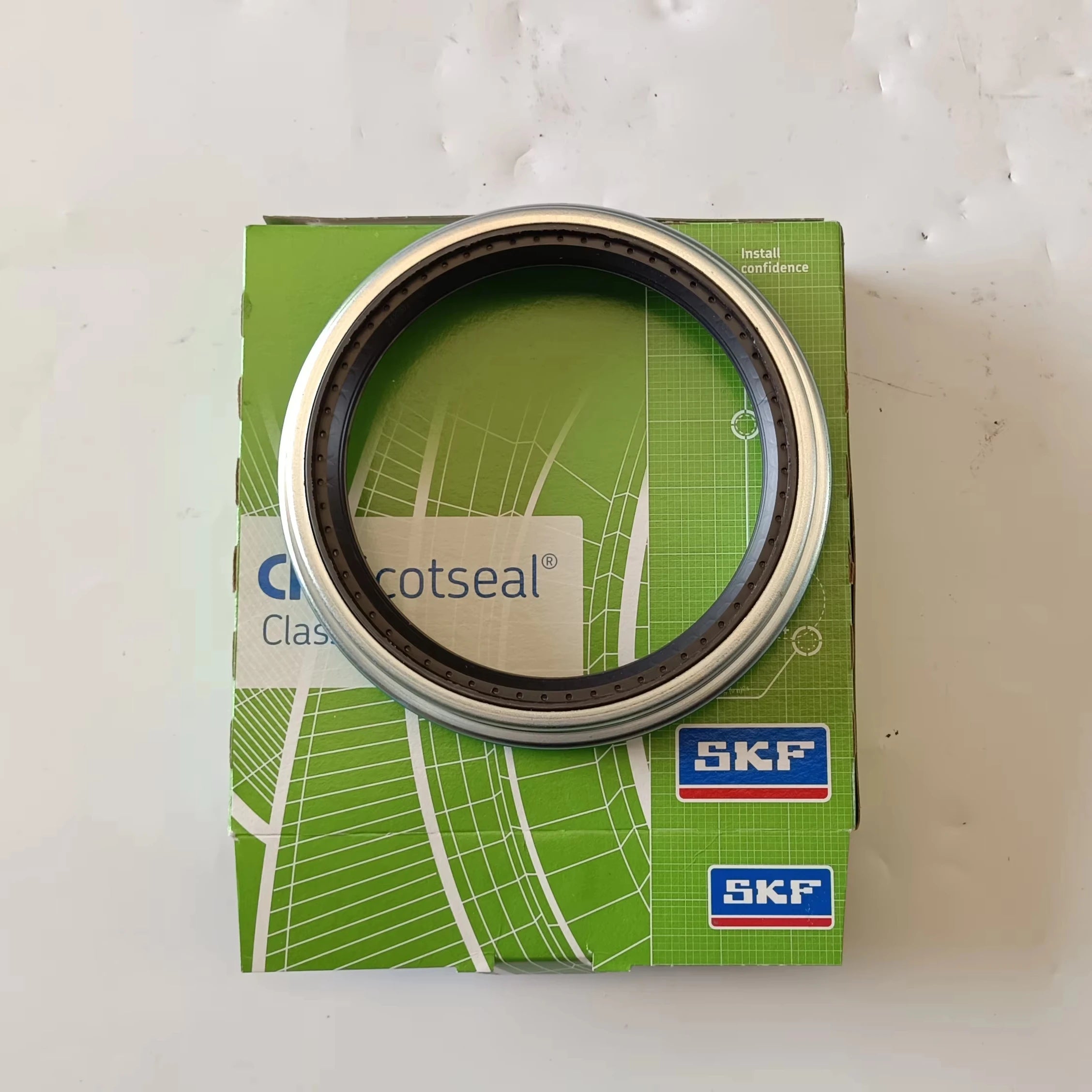
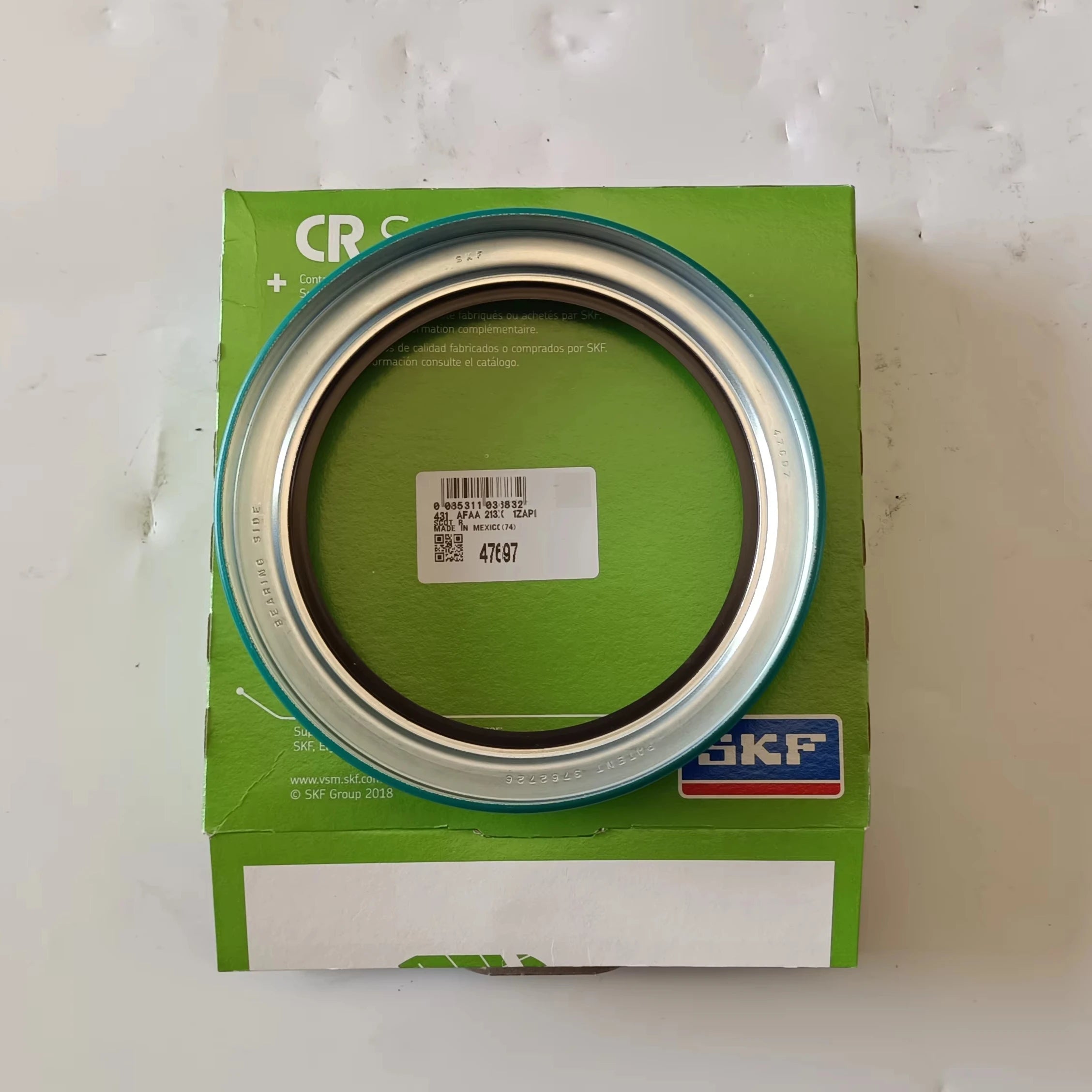
- Axle seal: the seal at the axle tube end prevents differential lubricant from migrating along the axle shaft toward the wheel hub and brake components. A weeping or contaminated seal is a straightforward replacement at this access point; significantly less straightforward once the vehicle is reassembled.
- Differential side gear condition: The spline engagement between the axle shaft and the differential side gear is a high-load interface. A shaft that has failed through spline wear may have left corresponding wear on the side gear it engaged with, which transfers the wear problem to the new shaft immediately if not addressed.d
- Differential lubricant: checking oil level and condition within the differential housing while the axle is removed adds negligible time to the job and confirms whether the axle failure was associated with lubricant loss from a compromised seal that has been allowing fluid to escape unnoticed.
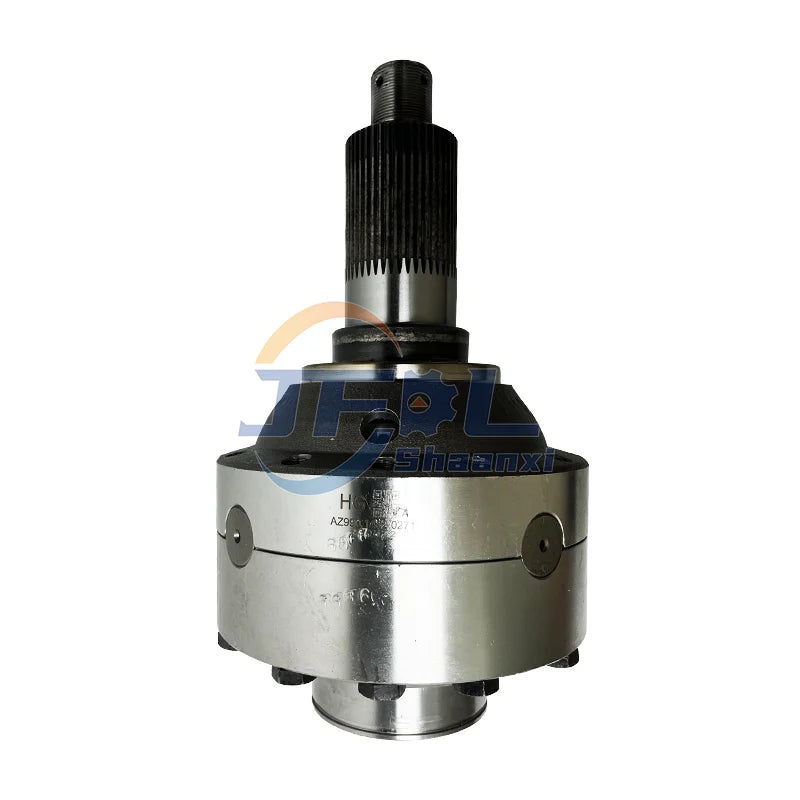
For vehicles requiring broader drivetrain attention alongside an axle shaft replacement, differentials and driveshafts are available within the same Transmission and Drivetrain Parts range, supporting a complete drivetrain restoration through a single supply source at CBT Auto Parts.