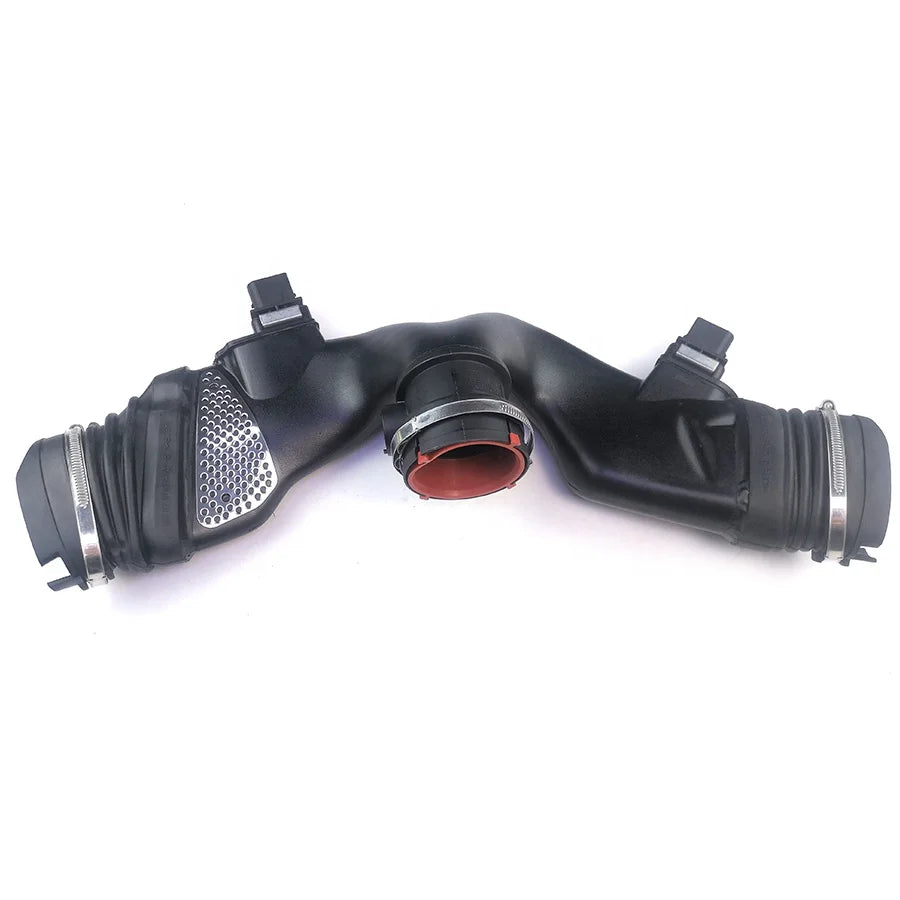
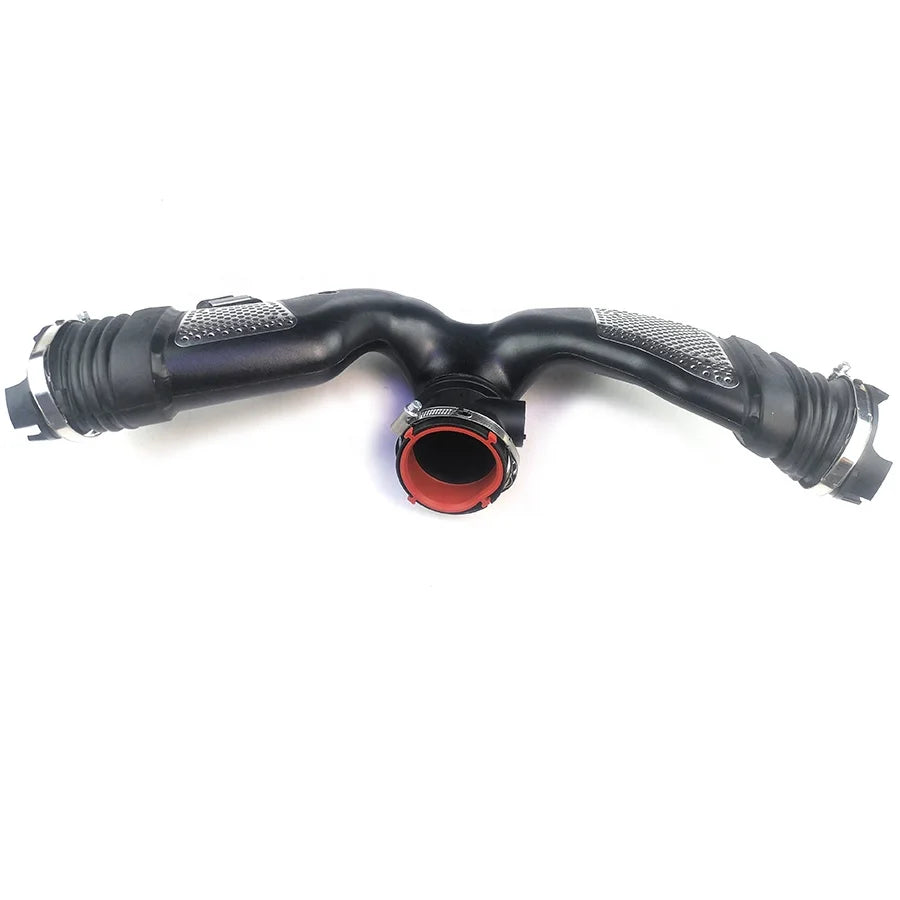
Air Intake Hoses: Silicone, Turbo, and Intercooler Options
A split or perished air intake hose leaks boost pressure before it ever reaches the engine, and on turbocharged platforms, that loss is immediate and noticeable rather than gradual. CBT Auto Parts stocks air intake hose options for performance and daily driven applications alike, sitting within the fuel system parts collection alongside the intercoolers and turbochargers to which this hose connects.
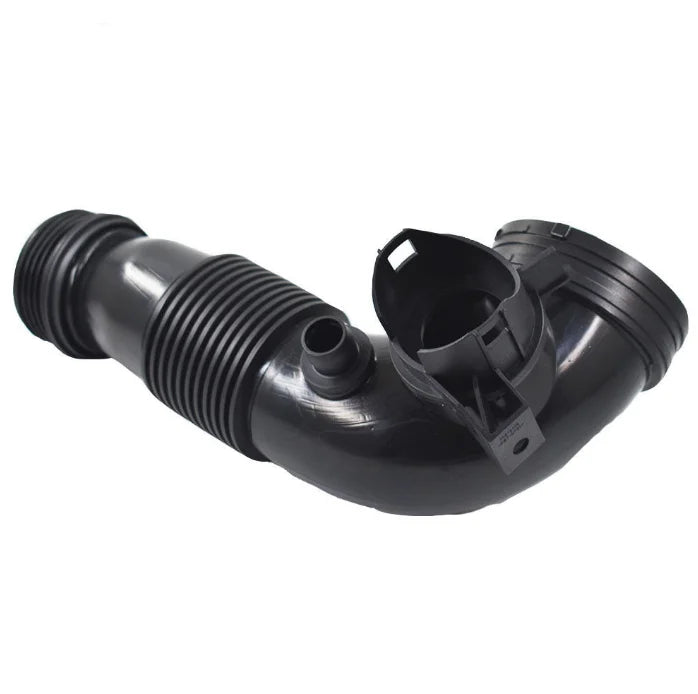
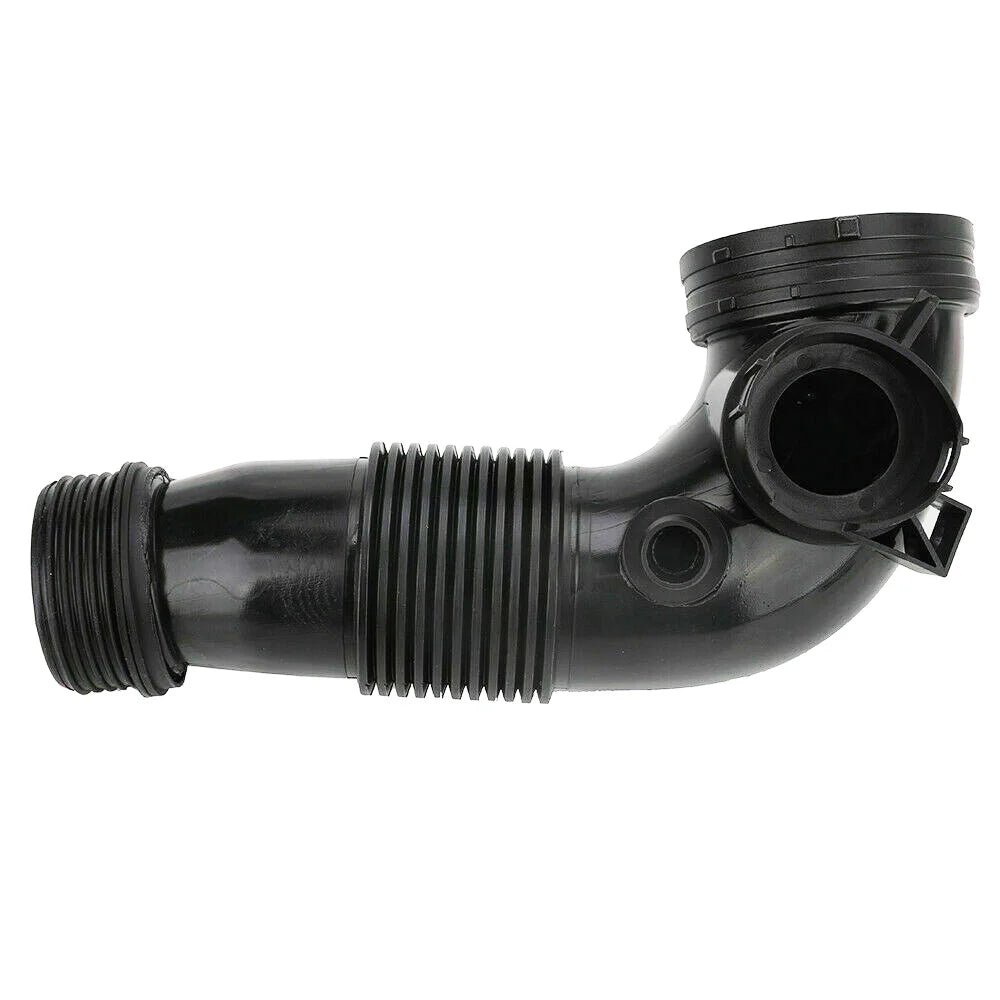
This range covers silicone intake hose upgrades built to outlast factory rubber, along with turbo intake hose and intercooler intake hose options sized for popular hot hatch platforms including the Golf R, MK7 GTI and Abarth. Flexible turbo intake hose sections are stocked separately for applications needing adjustable routing around tight engine bays, and every hose here is matched to the platform before listing. Boost-rated tolerances are held to spec throughout, and orders ship quickly worldwide with tracking from dispatch.

5 products
Showing 1 - 5 of 5 products
Why Intake Hose Condition Matters More on Boosted Platforms
On a naturally aspirated engine, a small intake leak is often a minor inconvenience. On a turbocharged platform, the same leak bleeds boost pressure directly, showing up as flat power delivery, a hissing noise under acceleration, or a boost gauge that will not hold its expected reading. Because this hose sits directly in the path between the turbo, intercooler, and throttle body, its condition affects performance immediately rather than developing quietly over time.
Silicone Intake Hose Versus Factory Rubber
Factory rubber hoses tend to harden and crack with age and heat cycling, particularly around clamped sections where stress concentrates. A silicone intake hose resists that heat degradation considerably better, holding its shape and seal over a longer service life, which is why it has become the standard upgrade choice on performance and boosted builds rather than a purely cosmetic swap.
Popular Hot Hatch and Performance Fitments
- Volkswagen Golf R: Strong aftermarket demand for silicone hose upgrades paired with intercooler work
- MK7 GTI: Shares significant platform overlap with the Golf R for intake hose fitment and routing
- Fiat Abarth: Smaller turbocharged platform where factory hose material is a common early failure point
Turbo Intake Hose and Intercooler Intake Hose: Knowing Which Section You Need
- A turbo intake hose typically connects the turbocharger to the intercooler, carrying compressed, heated air on the hot side of the system
- An intercooler intake hose carries air from the intercooler onward to the throttle body, on the cooler side, after heat has been dissipated
- A flexible turbo intake hose allows for adjustable routing in tight engine bays where a fixed geometry hose does not fit cleanly
Ordering the correct section for your platform, rather than assuming any intake hose fits any position, avoids a mismatch in diameter or routing once the part arrives.
Signs Your Air Intake Hose Needs Replacing
- Visible cracking, splitting, or perishing along the hose length
- A hissing or whistling noise under boost or acceleration
- Boost gauge readings that fall short of expected levels
- Reduced power that improves temporarily when the hose is manually checked for looseness
- Oil residue around clamped sections, suggesting a seal has failed under pressure
Fitting an Intake Hose Correctly
- Confirm the exact diameter and routing for your platform before ordering, since Golf R and GTI variants can differ slightly by model year
- Use quality clamps rated for boost pressure rather than reusing worn factory clamps
- Check surrounding hoses at the same time, since one perished section often signals age-related wear across the rest of the system
- Inspect the intercooler and turbo connections for looseness during installation, since a hose can be fitted correctly and still leak if the connection point itself is worn