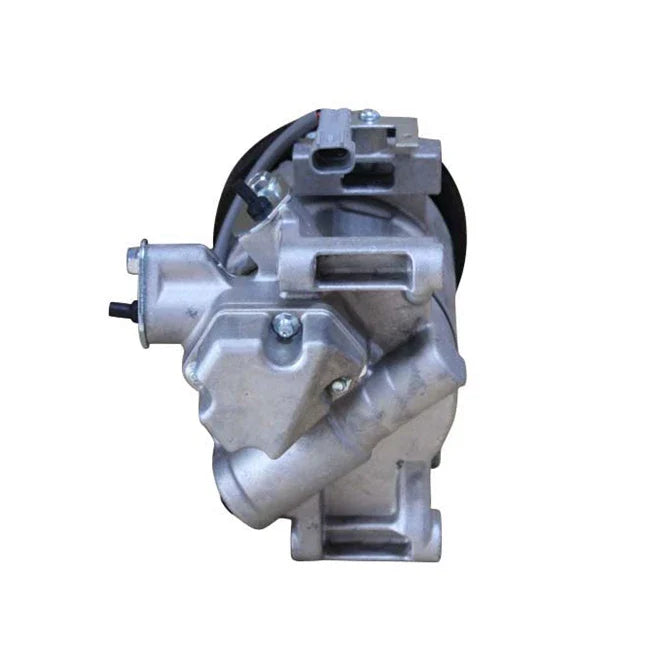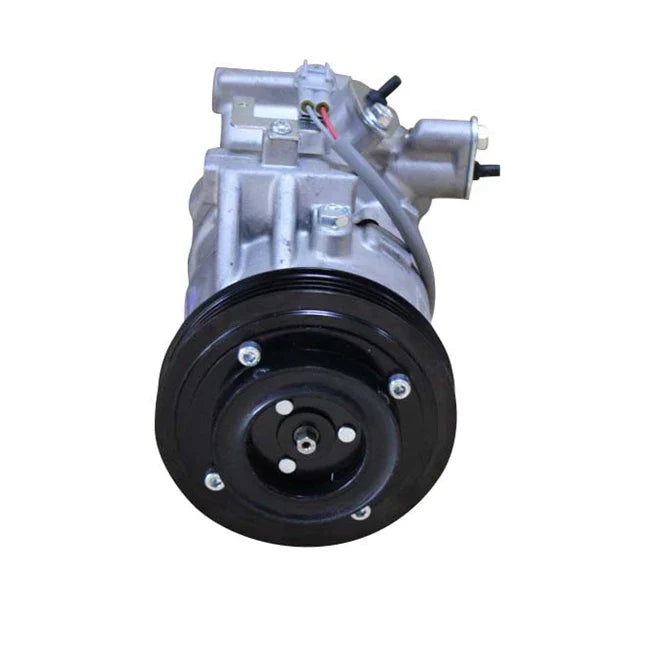
Car AC Compressor and Air Conditioning Compressor Parts for Cars and Trucks
A car AC compressor pre-conditions refrigerant and pushes it through your air conditioning system, and it's the most common point of AC failure across nearly every vehicle on the road. CBT Auto Parts stocks car AC compressors and air conditioning compressor units for sedans, SUVs, and trucks.
Every AC compressor here is OEM grade or built to OEM specification, so clutch engagement and mounting points match the original. Confirm fitment by year, make, and model, then add a condenser or expansion valve from the wider Cooling, HVAC and Climate Control Parts range. Orders ship fast worldwide, with support on hand if you're unsure which compressor fits.
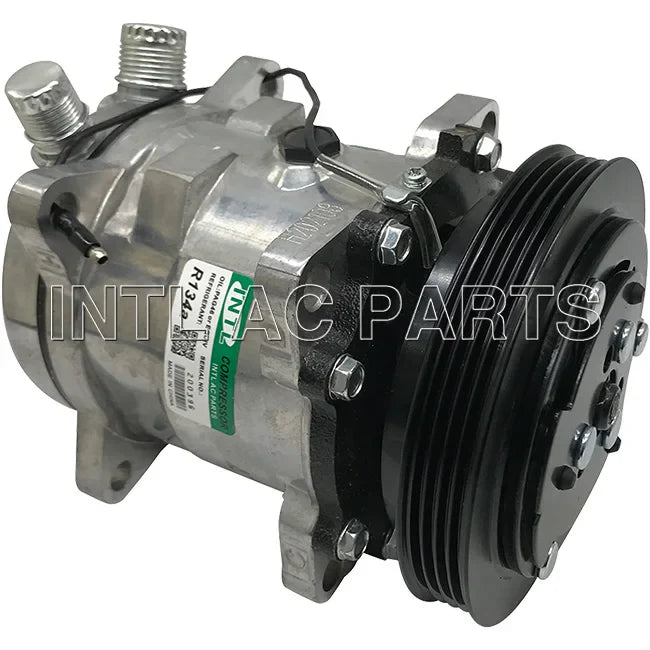
2 products
Showing 1 - 2 of 2 products
What an AC Compressor Does, and Why It Fails So Often
A car AC compressor takes low-pressure refrigerant gas and compresses it into a high-pressure, high-heat gas that the rest of the AC system can then cool and cycle through. It's driven directly off the engine via a belt and clutch, engaging and disengaging constantly as cooling demand changes, which puts more mechanical stress on it than most other AC components face. That constant cycling, combined with its dependence on refrigerant oil for internal lubrication, is a big part of why it's the most commonly replaced AC part across nearly every vehicle type.
Car Air Compressor: Two Very Different Things
A car air compressor search can mean two completely different products: a portable 12-volt unit used to inflate tires, or the air conditioning compressor that's actually stocked in this collection. If you're after a tire inflator, that's a different product category entirely and not something carried here. If you meant your AC system's compressor but used the more general term, you're in the right place; car air compressor and car AC compressor both land on the same listings in this collection. A compressor car AC search, word order swapped, lands on the same listings too.
Signs Your AC Compressor Is Failing
A failing compressor usually announces itself clearly rather than quietly. Watch for:
- A loud clutch engagement noise, a noticeable clunk when the AC first kicks on, and often the clutch bearing wearing out.
- A squealing or grinding noise, specifically when the AC is running, that disappears when it's switched off.
- Warm air from the vents paired with the compressor clutch never engaging at all, which usually means a refrigerant pressure switch has shut it down to protect a system that's already lost its charge.
Compressor Clutch and Cycling: Why It Turns On and Off
A compressor's clutch engaging and disengaging in short cycles, rather than running constantly, is normal behavior on most vehicles and not a sign of a problem on its own. The system is designed to cycle the compressor based on refrigerant pressure and cabin temperature demand, protecting against both low refrigerant damage and excess compressor wear. Rapid, very short cycling, on and off every few seconds rather than every minute or so, is the pattern actually worth worrying about, since it usually points to low refrigerant or a failing pressure switch rather than the compressor itself.
Compressor Oil and Refrigerant Type: Why They Matter
AC compressors are built around a specific refrigerant oil type, either PAG oil for most R134a systems or POE oil for many R1234yf systems, and the two aren't interchangeable without contaminating the entire AC system. Refrigerant type matters just as much; a compressor designed for R1234yf typically uses different seal materials than an older R134a unit, since the newer refrigerant behaves differently with certain elastomers. Installing the wrong compressor or topping off with the wrong oil during a repair is a common reason a freshly repaired AC system fails again within months rather than years. Checking your vehicle's underhood sticker for refrigerant type before ordering removes most of the guesswork here.
Vehicle-SpecificAC Compressors: Mazda, Hyundai, Innova, and Jaguar
A Mazda 3 AC compressor and a Jaguar XF AC compressor sit at opposite ends of the market, but both are sorted here strictly by year, make, and model rather than by general vehicle category, since mounting brackets and clutch design vary enough between brands that a close-looking part often isn't a correct fit. A Hyundai i20 AC compressor price and a Hyundai Tucson AC compressor price search will turn up different listings even within the same brand, since a compact hatchback and a compact SUV rarely share the same compressor despite both being Hyundai models. An Innova AC compressor search reflects this collection's reach beyond North American and European markets into vehicles popular across Asia and other regions.
What Pairs With Your AC Compressor
A new compressor is commonly installed alongside a new receiver drier or accumulator, since the old compressor's failure often sends metal debris through the system that needs to be filtered out before it reaches a new compressor. If the condenser or evaporator shows signs of restriction or contamination too, addressing all three together avoids a repeat failure within the same season. An expansion valve is also worth checking, since it meters refrigerant into the system and can be damaged by the same debris that took out the original compressor.
Ordering and Fitment
Listings here show year, make, and model coverage, along with engine size where a vehicle offers more than one AC system configuration, since two engines in the same model can use different compressor mounts. Most compressors ship within one business day, and a unit that doesn't fit is accepted for return without hassle. If you're not sure whether your compressor needs a full replacement or if the problem is actually elsewhere in the system, our support team can help you figure out what's actually needed before you order. Each compressor also ships with new O-rings at the fitting connections, so a missing seal never delays reassembly.