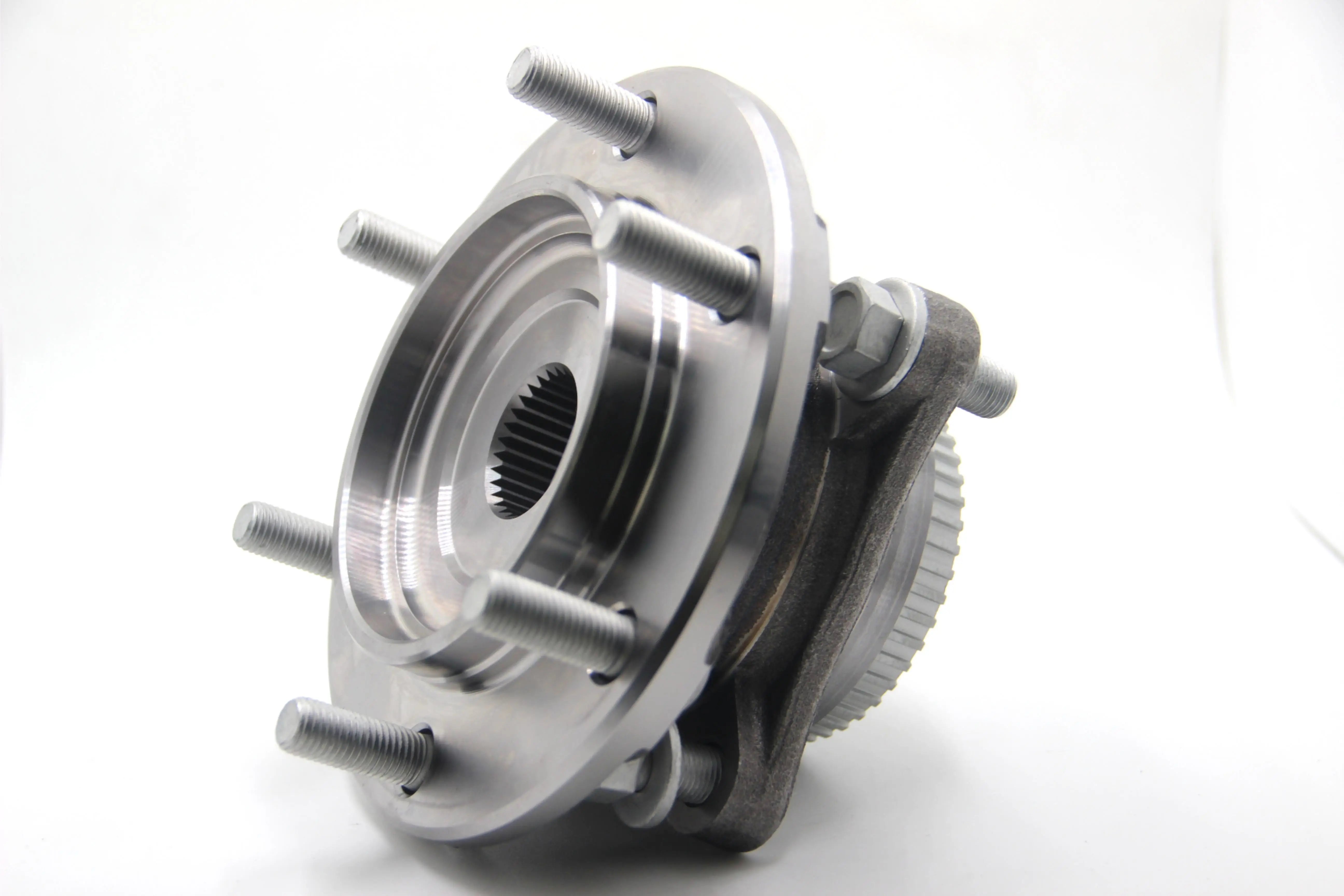
Wheel Hubs: Wheel Hub Assembly, Hub Assembly,y and Hub Assy Replacement Parts
A wheel hub is the structural flange your wheel actually bolts to, supporting the bearing and providing the mounting surface for both the rim and, on many vehicles, the brake rotor. When the hub itself fails, cracks, or strips a wheel stud, no amount of bearing replacement resolves the fault.
At CBT Auto Parts, we stock wheel hub assemblies and hub assembly options for cars, trucks, and trailers, part of our Suspension & Steering Parts range alongside Wheel Bearings and Suspension Repair Kits. OEM and aftermarket are both accepted, every listing is matched for exact fitment, and fast shipping keeps your repair moving without delay.

40 products
Showing 25 - 40 of 40 products
What a Wheel Hub Actually Is, Separate From the Bearing Inside It
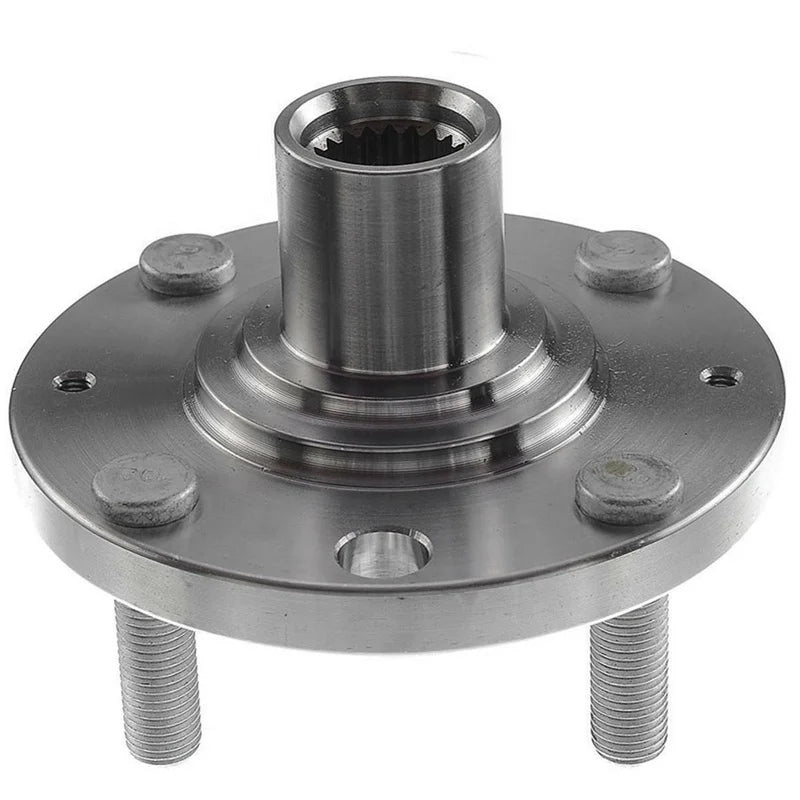
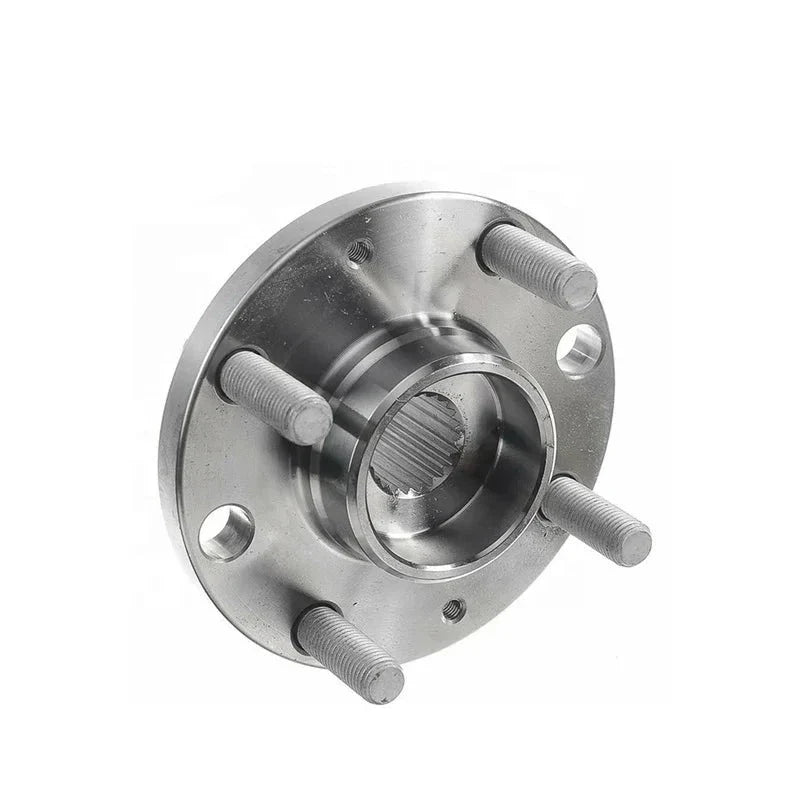
The hub and the bearing get talked about as one part so often that it is easy to forget they perform two entirely different jobs. The hub is the rigid metal flange that the wheel studs pass through, and the wheel itself clamps onto. It does not rotate on its own. It rotates because a bearing, pressed or seated inside or around it,t depending on the design, allows it to spin freely while staying fixed to the steering knuckle or axle housing.
This distinction matters because hub failure and bearing failure produce different symptoms and require different repairs. A worn bearing produces noise that grows with speed. A cracked or damaged hub produces a structural fault: a wheel that wobbles, studs that shear, or a rotor that no longer seats flat against the mounting face. On most modern vehicles, the two now arrive pre-assembled as a single wheel hub assembly, which is why the terms get used almost interchangeably even though the parts themselves are mechanically distinct.
Hub Assembly, Hub Assy and Wheel Hub Assembly: One Part, Several Names
Hub assembly, hub assy, and wheel hub assembly all describe the identical pre-built unit, and the shorthand "assy" is simply an abbreviation used heavily across parts catalogues, workshop manuals, and search queries rather than a different specification.
Why the Abbreviation Exists
Hub assy exists for the same reason most parts terminology gets shortened over time: speed. Mechanics typing a parts order or searching a catalogue default to the abbreviated form, and a hub assy wheel search returns the same product as a full wheel hub assembly search. Knowing this in advance saves time second-guessing whether the shorter term refers to something different. It does not.
What Comes Included in the Assembly
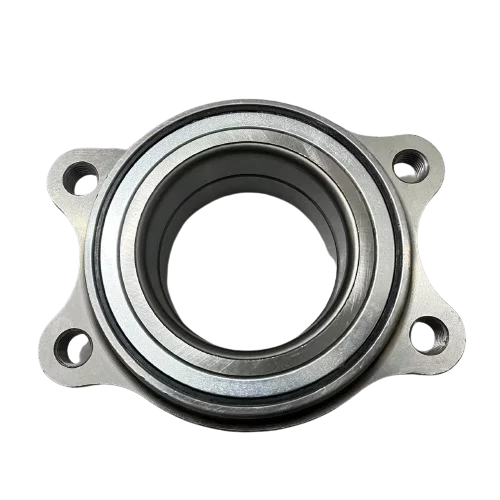
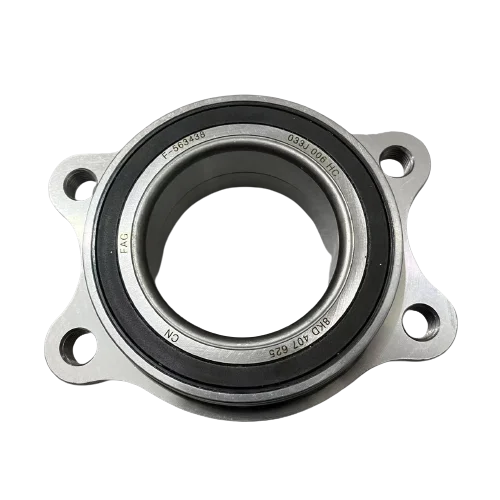
A complete hub assembly typically includes the hub flange, the bearing pressed into or onto it, the wheel studs, and, in many cases, an integrated ABS wheel speed sensor. Buying the assembly as a single wheel hub assembly rather than sourcing the hub and bearing separately is now the standard approach on the large majority of passenger vehicles, since the two components are no longer designed to be serviced independently.
Signs Your Wheel Hub Needs Replacing
Hub failure presents differently from bearing wear, and recognising the distinction early prevents a wheel from becoming loose or detaching while driving.
- A wheel that wobbles or shows visible runout when spun, even with the bearing confirmed to be sound.
- Cracking is visible around the wheel stud holes or across the hub flange itself.
- A wheel stud that has sheared or backed out, rather than simply loosened.
- The brake rotor is no longer sitting flush against the hub face after cleaning the mounting surface.
- A clunk, specifically when accelerating or decelerating, rather than a continuous speed-related hum.
- Visible corrosion or pitting at the hub face that prevents the wheel from seating correctly.
If the symptom is purely a rotational noise without any of the structural signs above, the fault is more likely the bearing rather than the hub itself, and our Wheel Bearings page covers that diagnosis path in detail.
Wheel Hub Assembly Bearing: Where the Two Parts Meet
The phrase wheel hub assembly bearing describes the bearing component specifically as it relates to the hub it sits within, and it comes up most often when someone is trying to confirm whether a single failed part can be replaced on its own.
On sealed cartridge designs, the answer is generally no. The hub assembly and wheel bearing arrive as one inseparable unit, and a fault in either component means replacing the complete assembly rather than attempting to service the bearing alone. On older serviceable platforms, the bearing can sometimes be replaced independently of the hub, but this is increasingly the exception rather than the rule on vehicles built within the last two decades.
Trailer Wheel and Hub Assembly: A Higher-Wear Application
Trailer applications place a different kind of stress on the hub than a powered vehicle does. A trailer wheel and hub assembly is asked to carry a full load at sustained highway speed, often after sitting unused for extended periods with no opportunity to flag a developing fault through gradual symptoms.
Heat is the dominant failure mechanism in this setting. A trailer hub running with insufficient grease, or a bearing nearing the end of its life, can generate enough heat under sustained load to damage the hub flange itself, not just the bearing inside it. For boat trailers, caravans, and box trailers used seasonally, inspecting the full wheel and hub assembly before any long trip catches a developing fault before it becomes a roadside failure.
Wheel Hub Assembly Replacement Cost: What Influences the Price
Wheel hub assembly replacement cost depends more on design complexity than on vehicle size alone, and a few factors typically drive the difference between a straightforward and a more expensive replacement:
- An assembly with an integrated ABS sensor costs more than a basic mechanical unit, since the additional electronics add to manufacturing complexity.
- Front hub assemblies are generally replaced more frequently than rear, reflecting the greater load carried through steering and braking at the front axle.
- Trailer and commercial hub assemblies vary significantly in price depending on load rating and whether a serviceable or sealed design is fitted.
- Sourcing the part through CBT Auto Parts rather than a dealership typically delivers a meaningful saving without any reduction in fitment accuracy or build quality.
OEM vs Aftermarket Wheel Hub Assemblies
OEM wheel hub assemblies replicate the original bearing tolerance, sensor specification, and stud pattern precisely. This is the right choice where ABS or traction control sensor compatibility is a concern, or wherever warranty terms call for original specification parts.
Aftermarket wheel hub assemblies and standalone hub assembly units are fully accepted across professional workshops and routinely match OEM tolerances at a more accessible price point. For older platforms where OEM stock is becoming harder to source, quality aftermarket wheel hub bearings and complete assemblies are often the more readily available option without any compromise to fitment or durability.