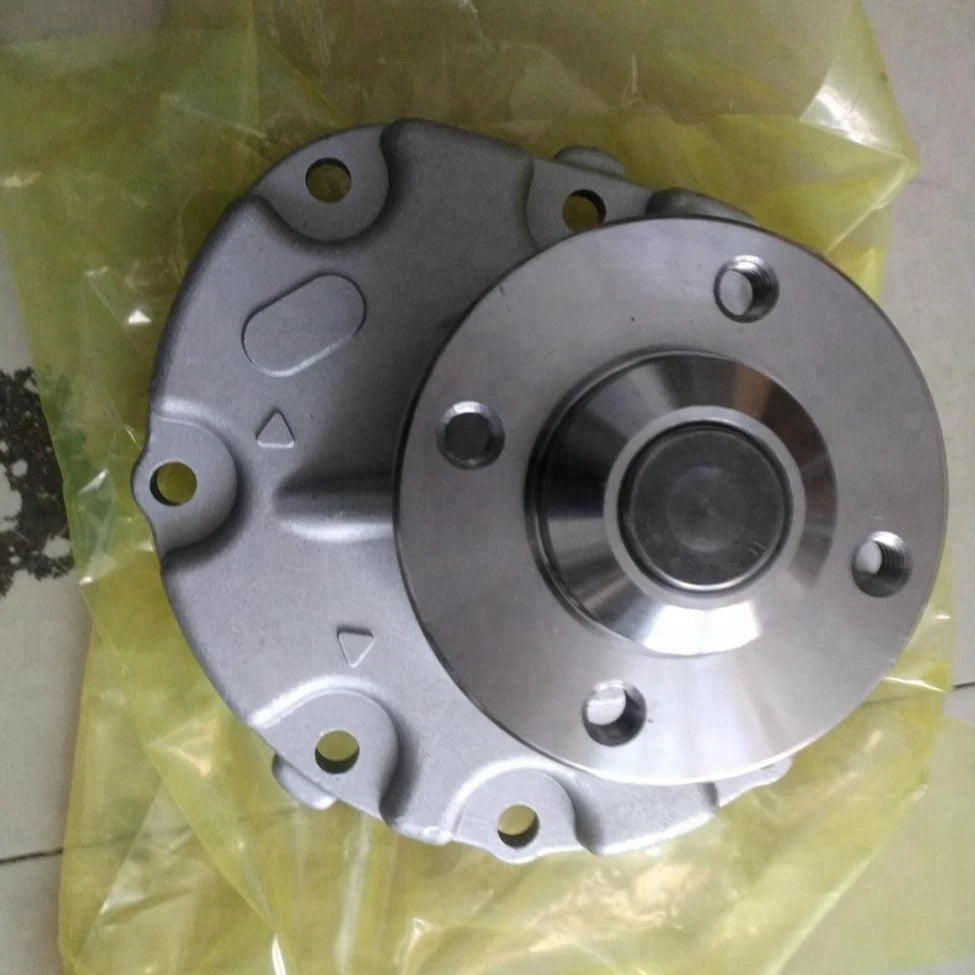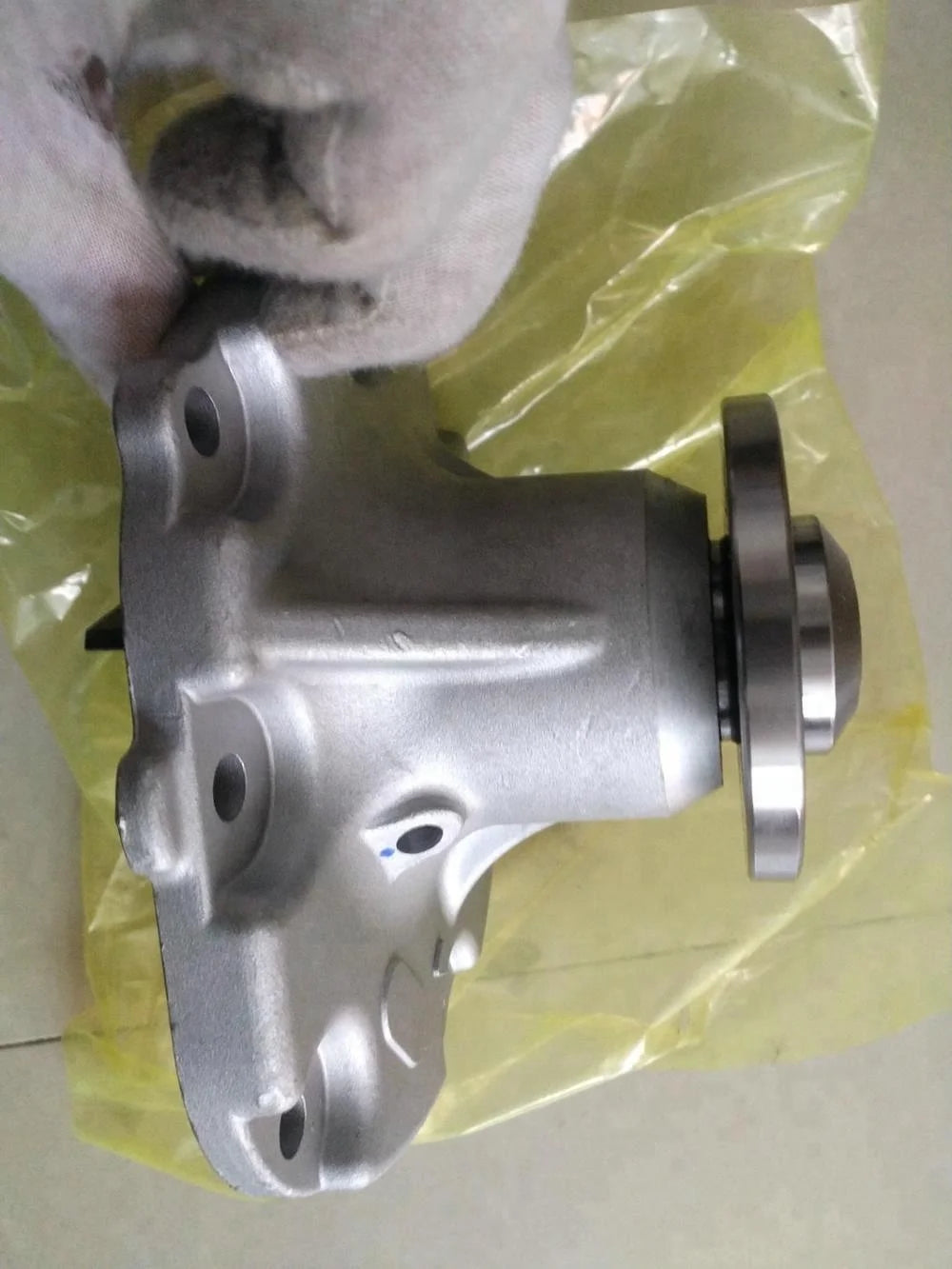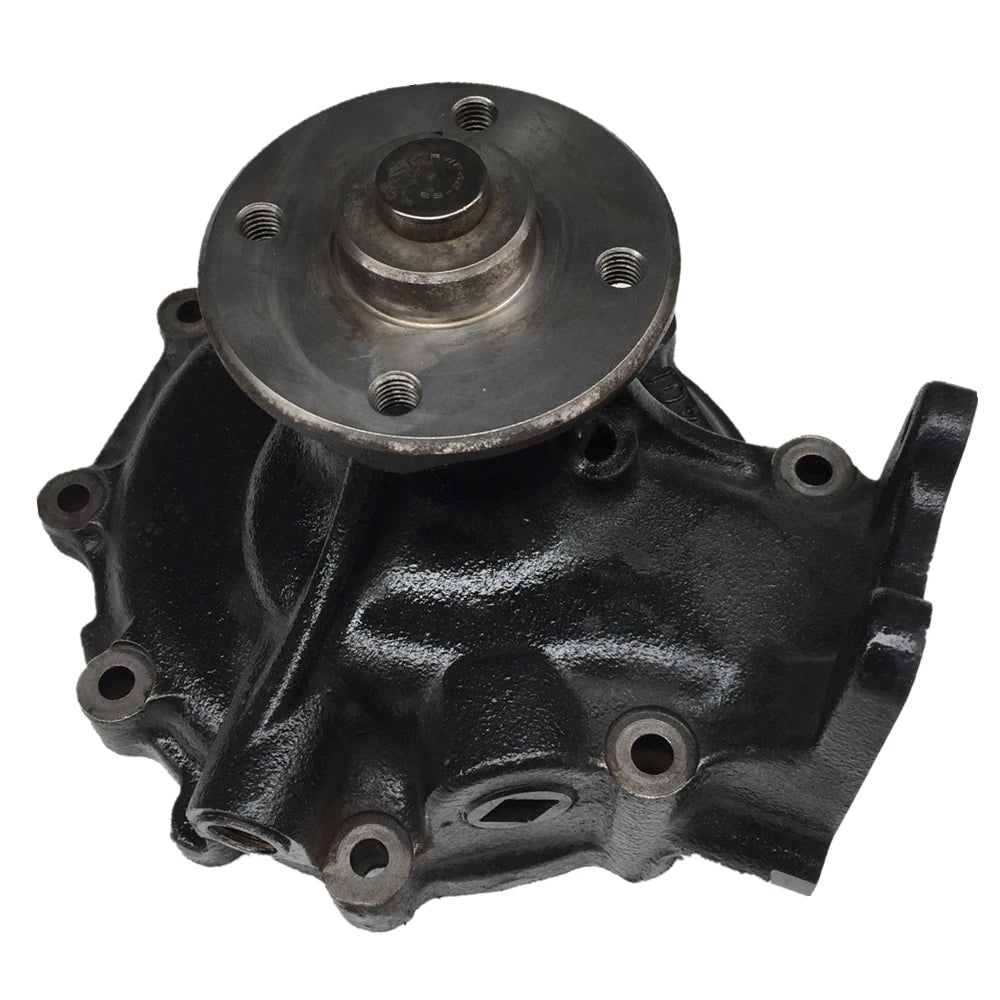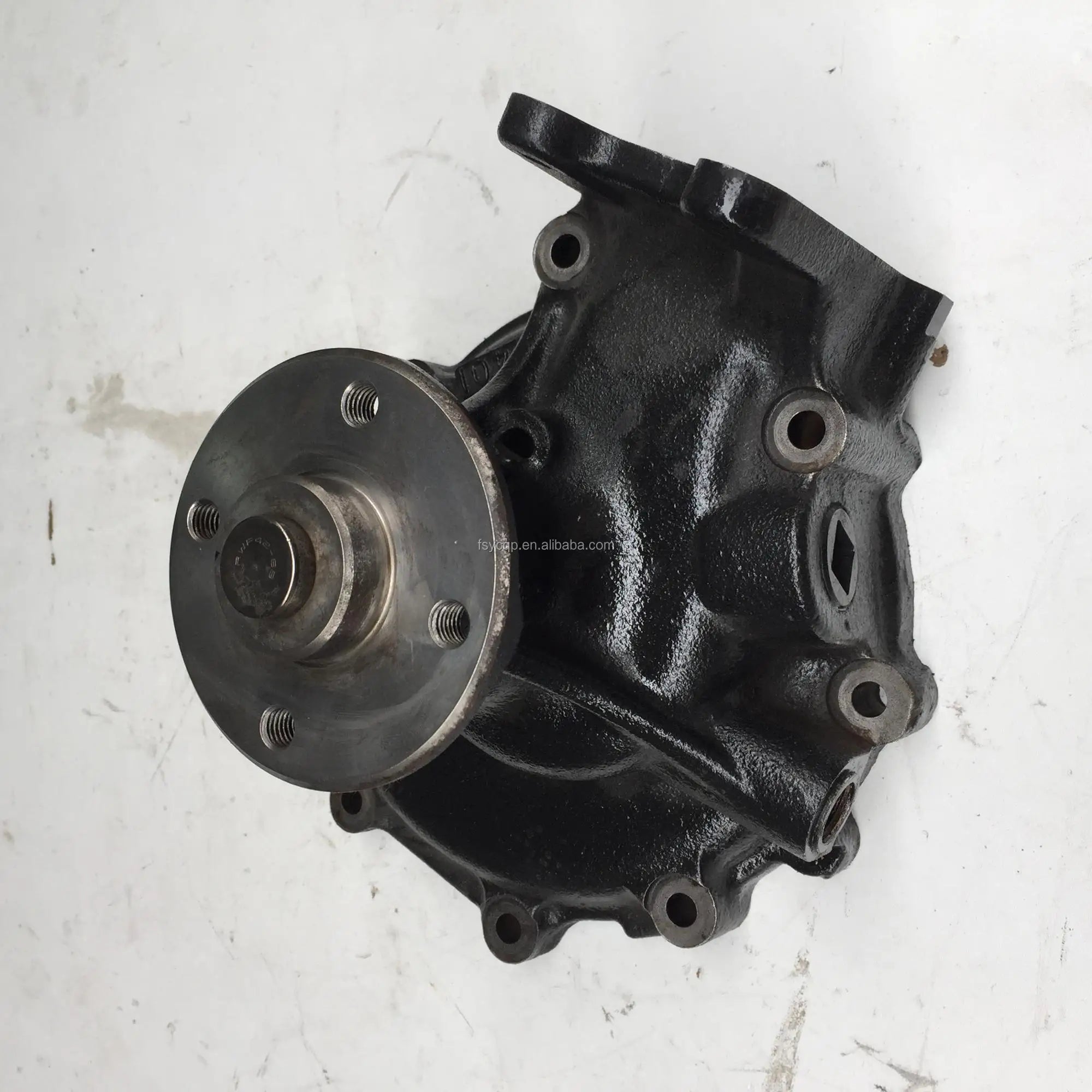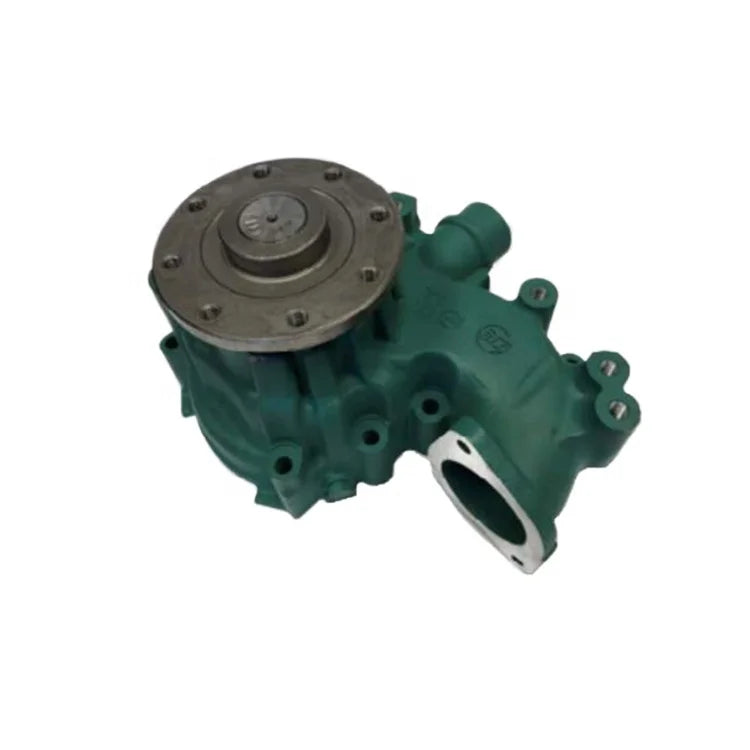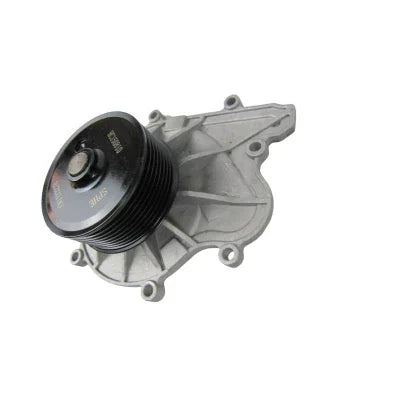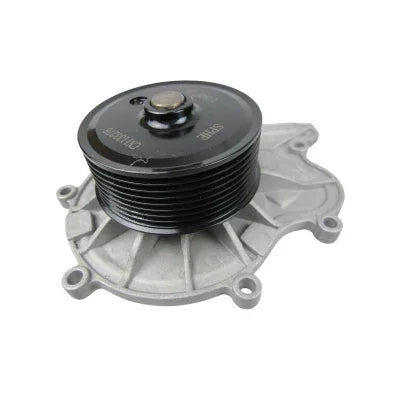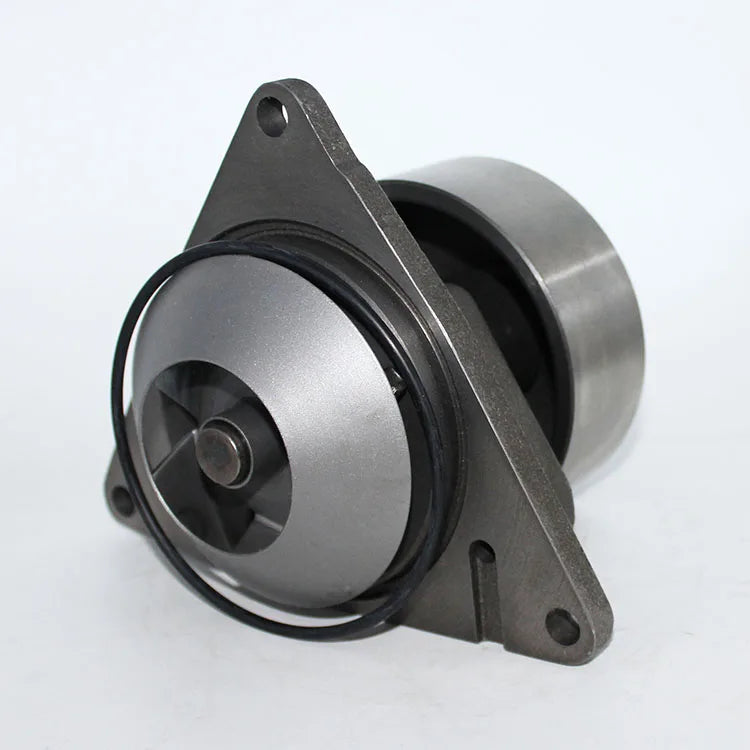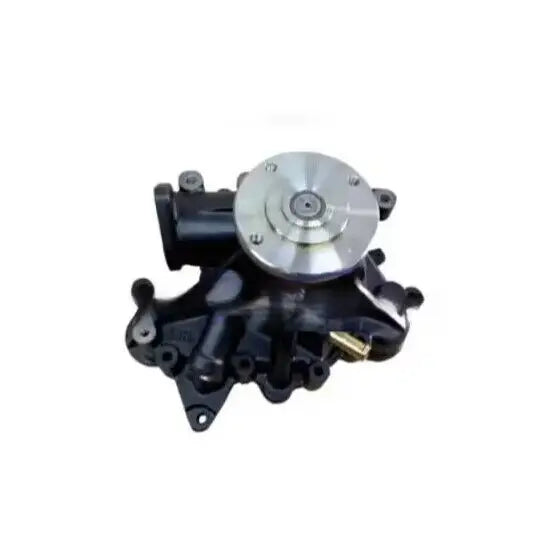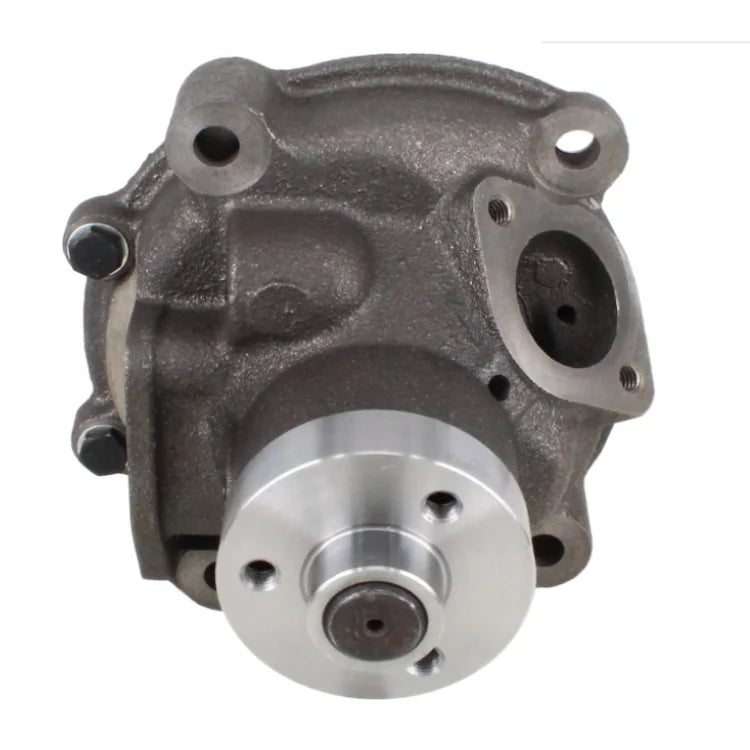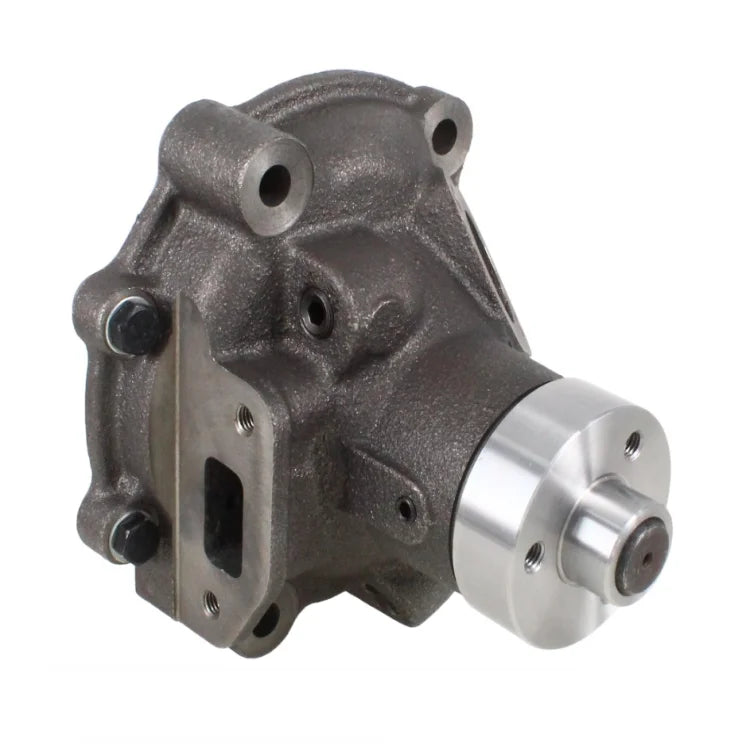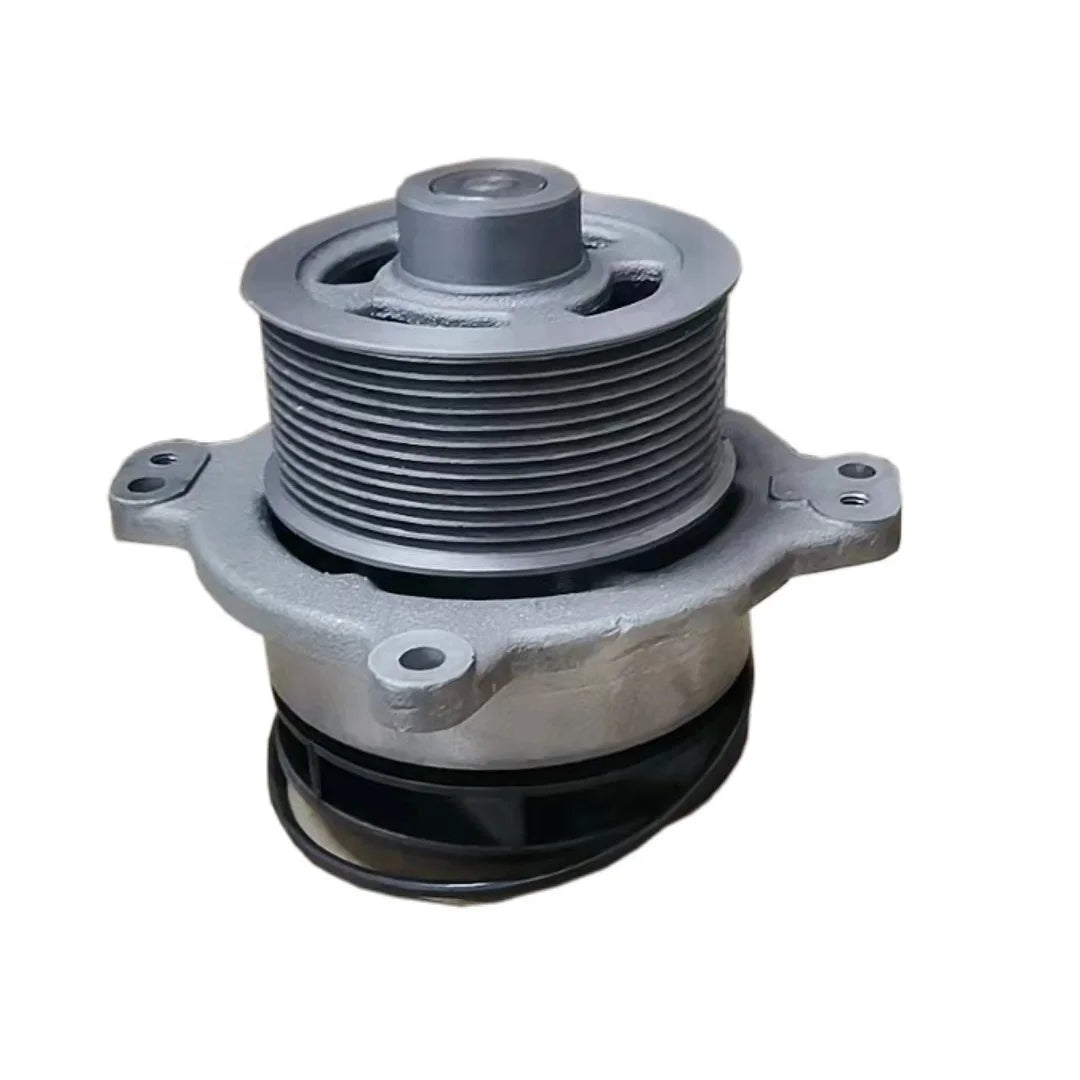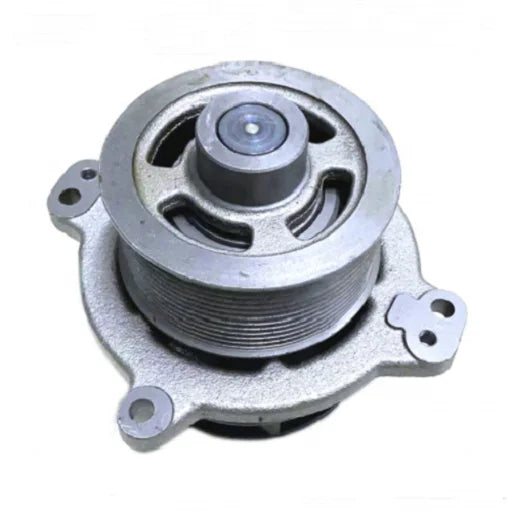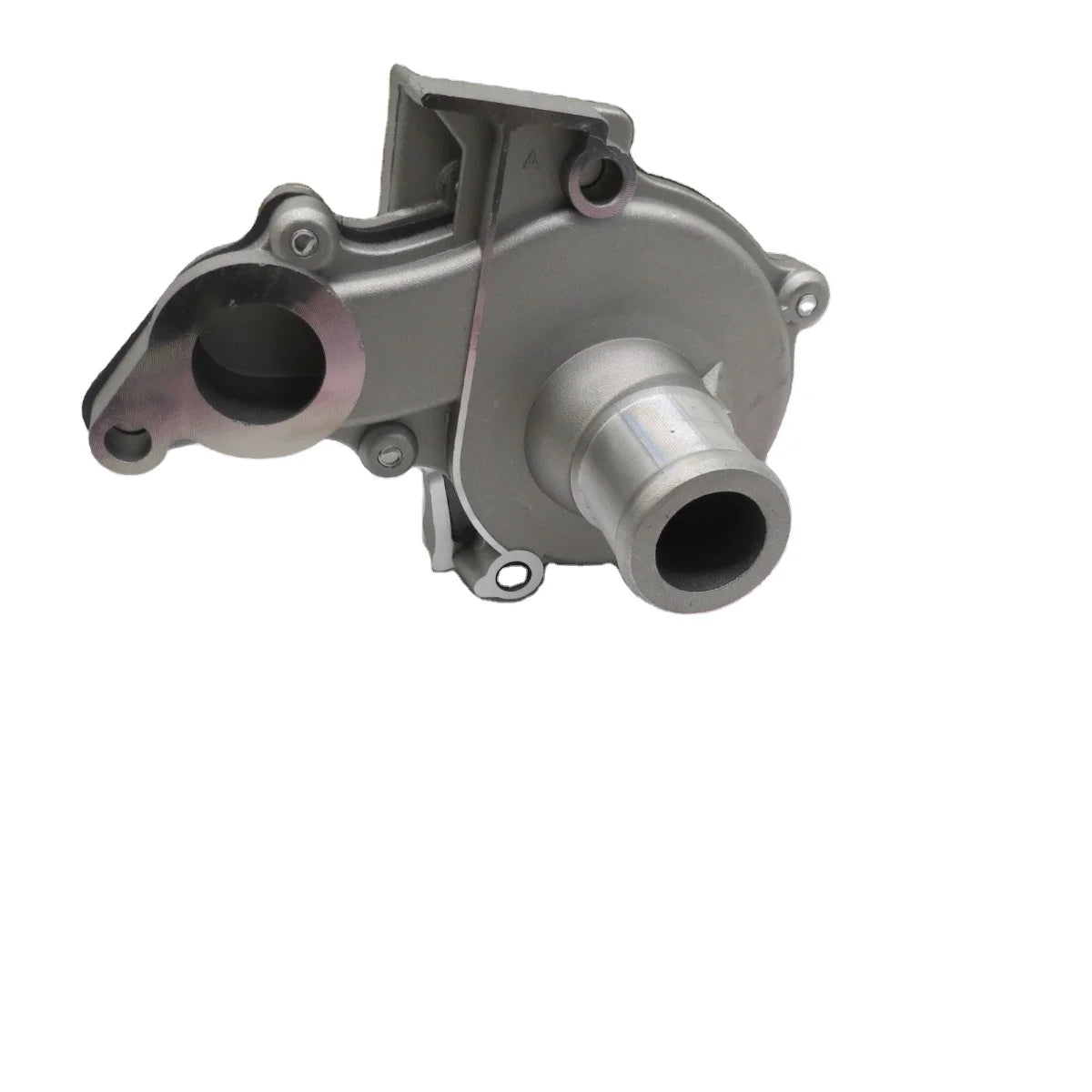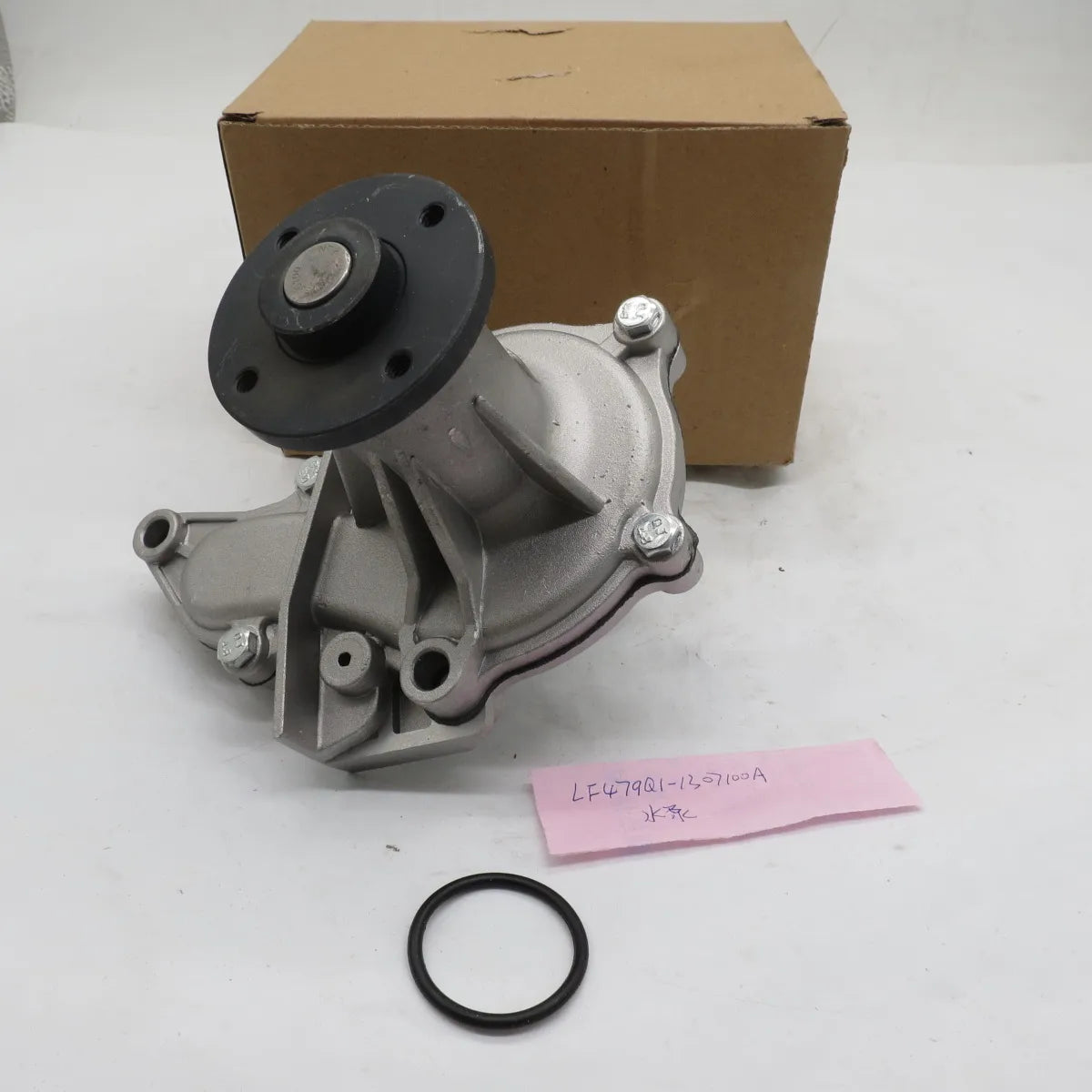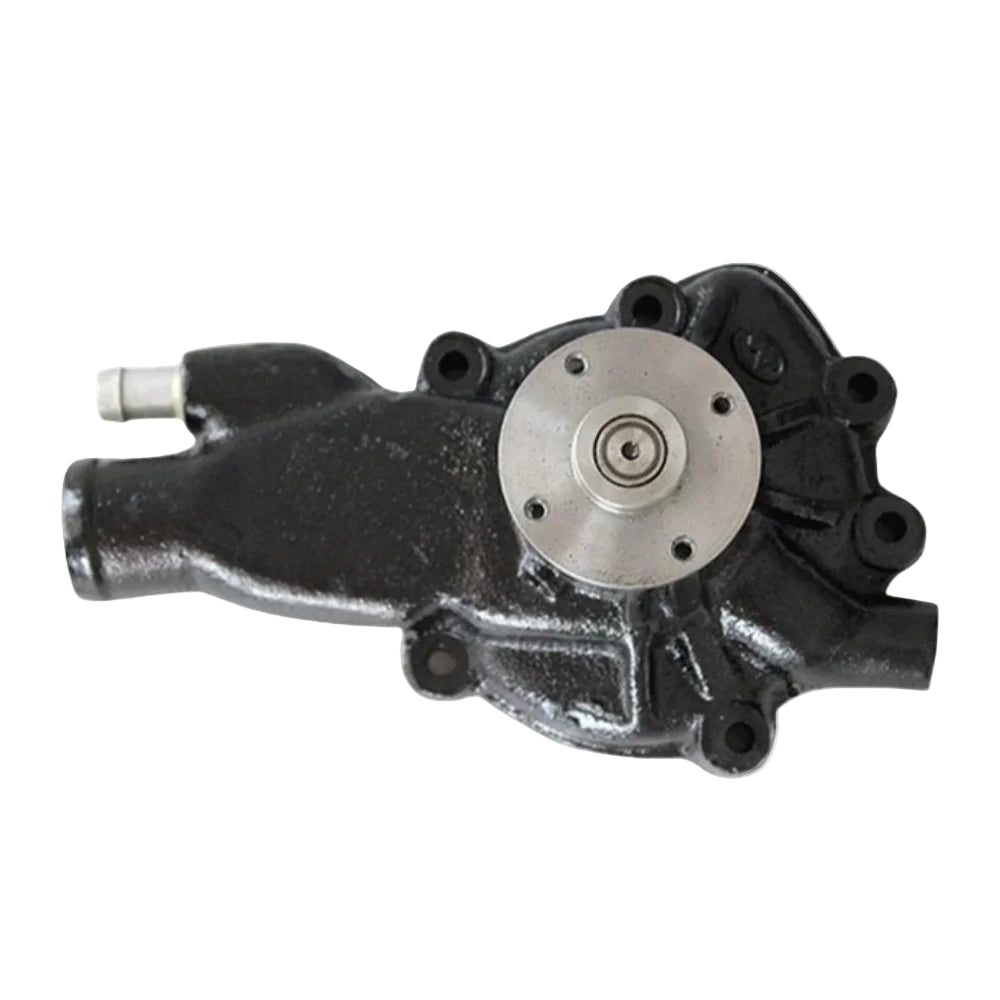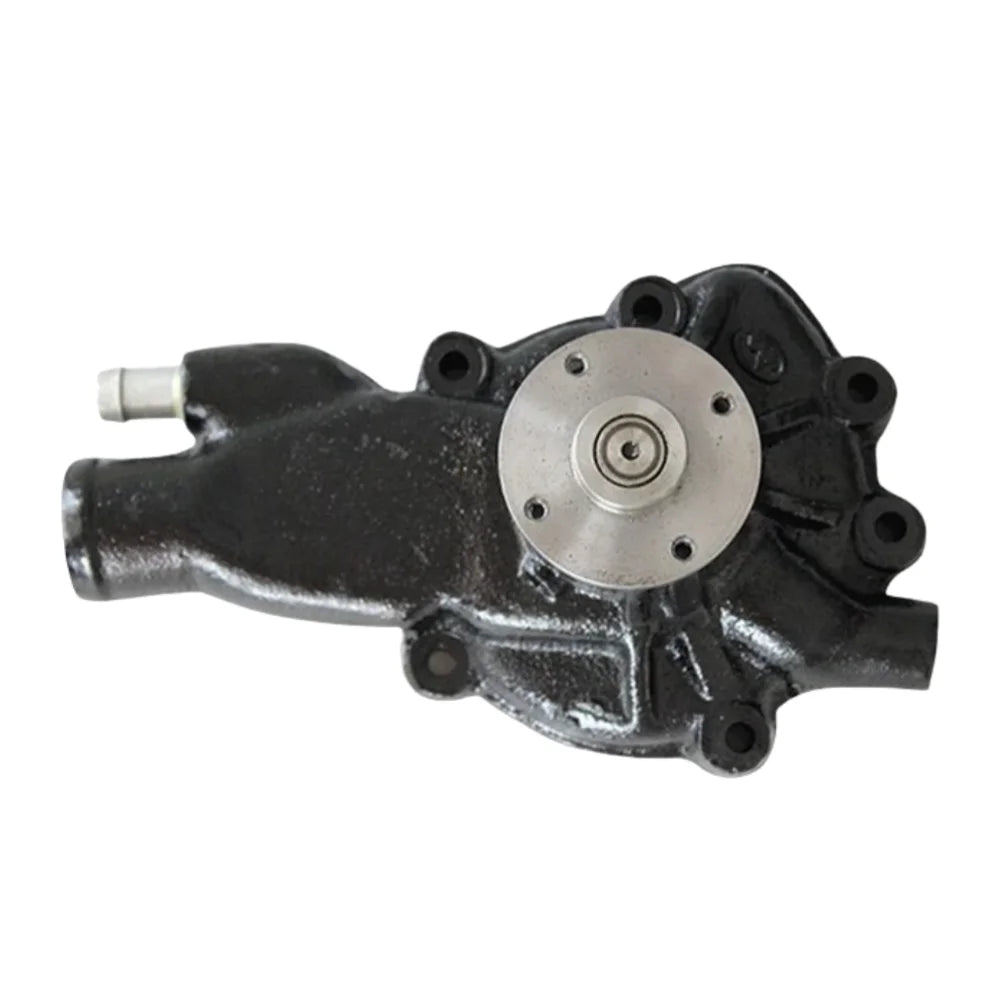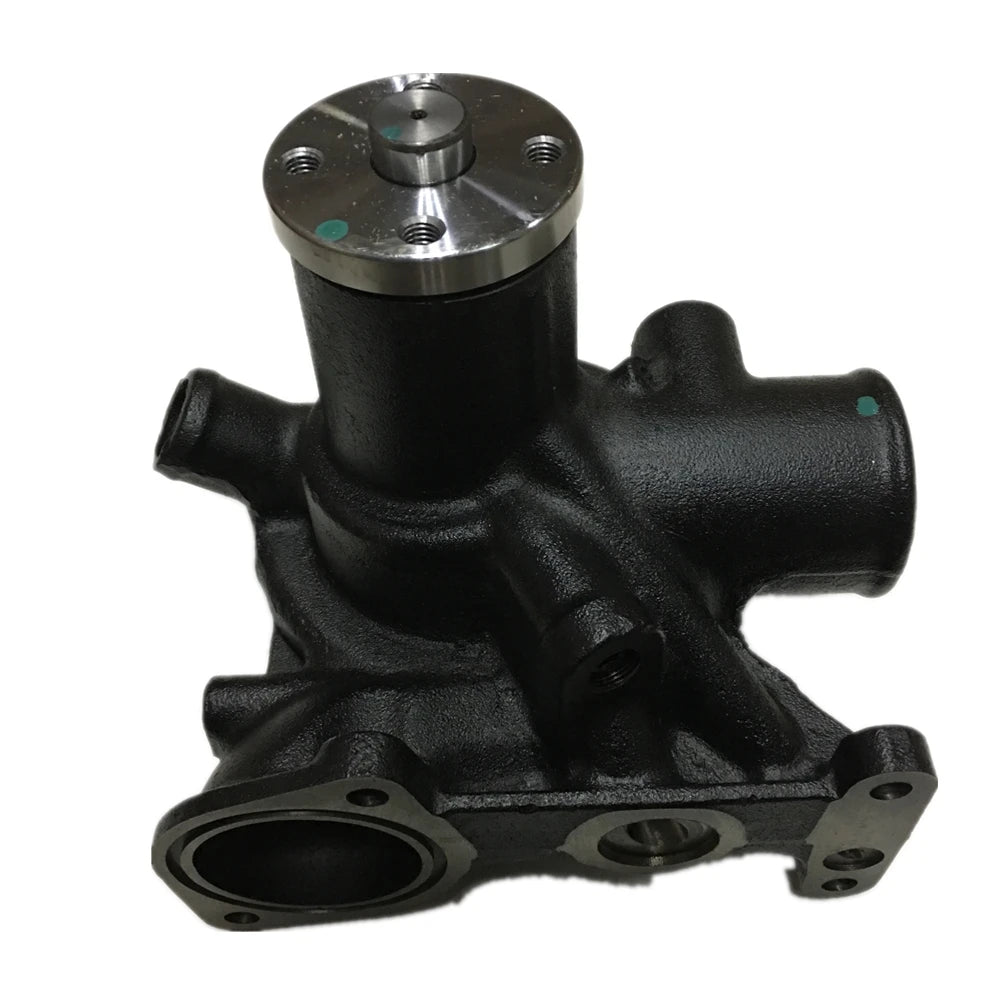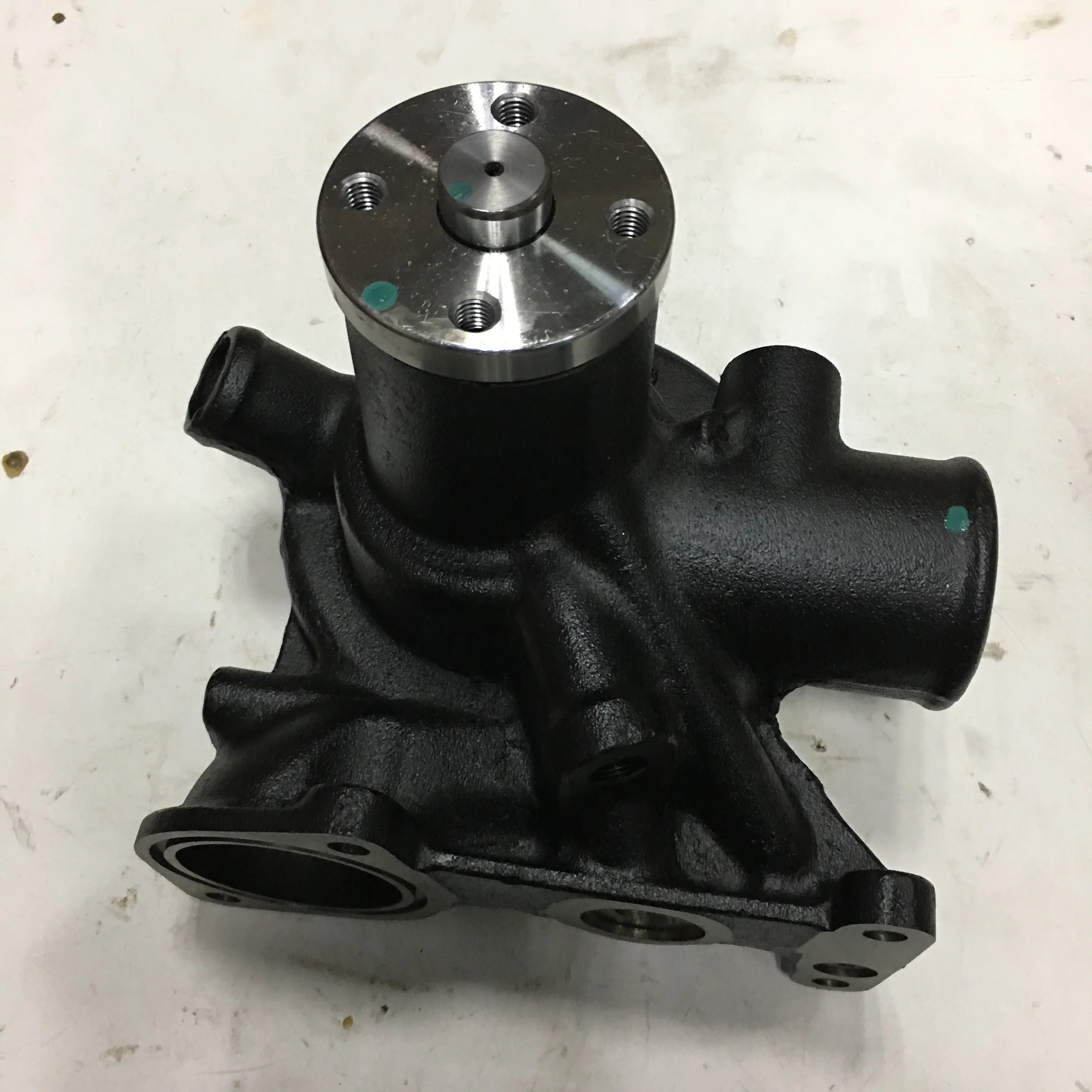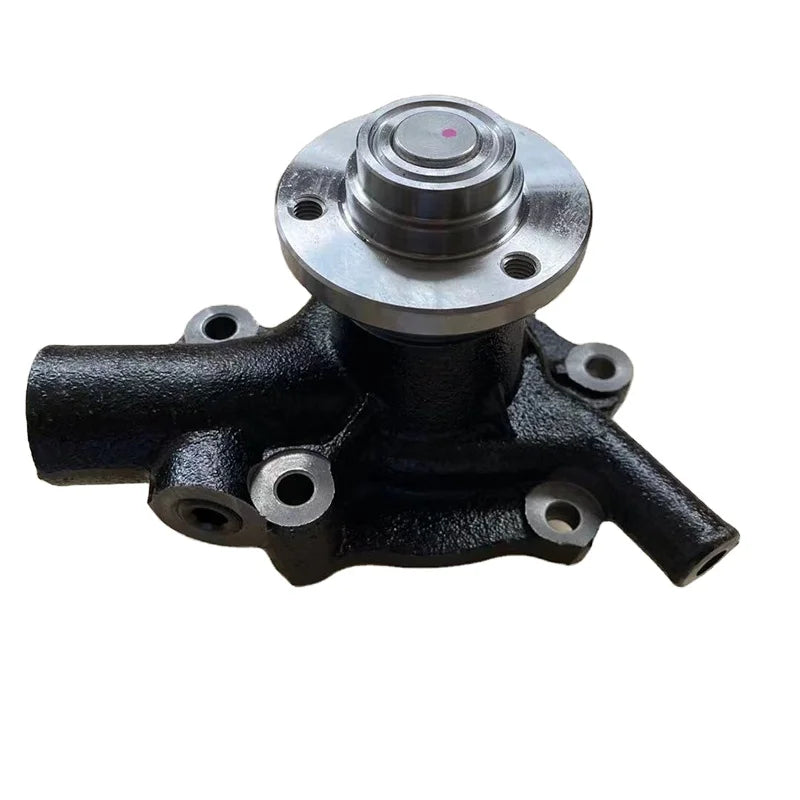
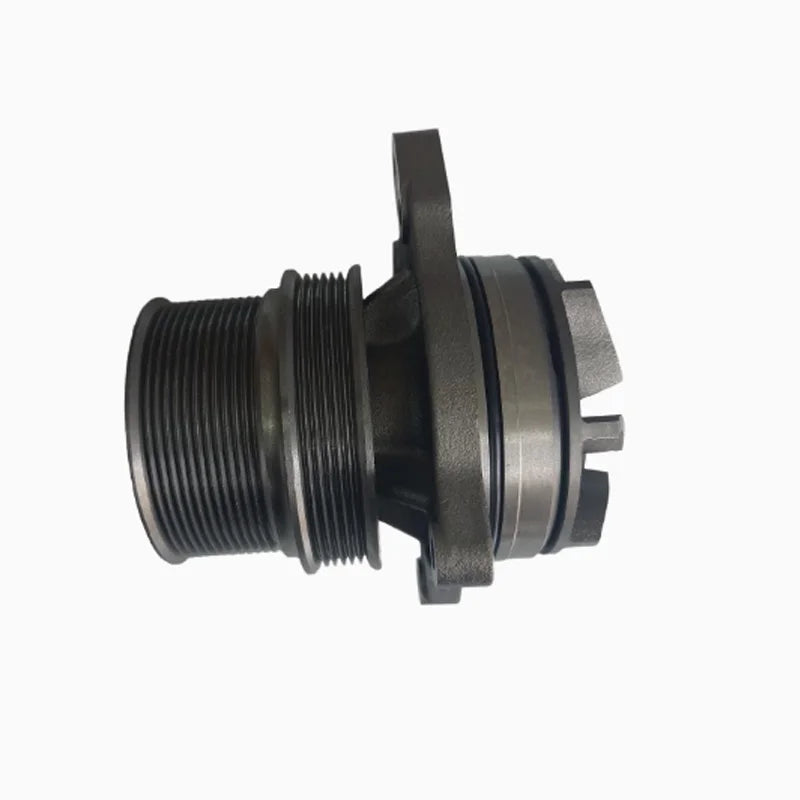
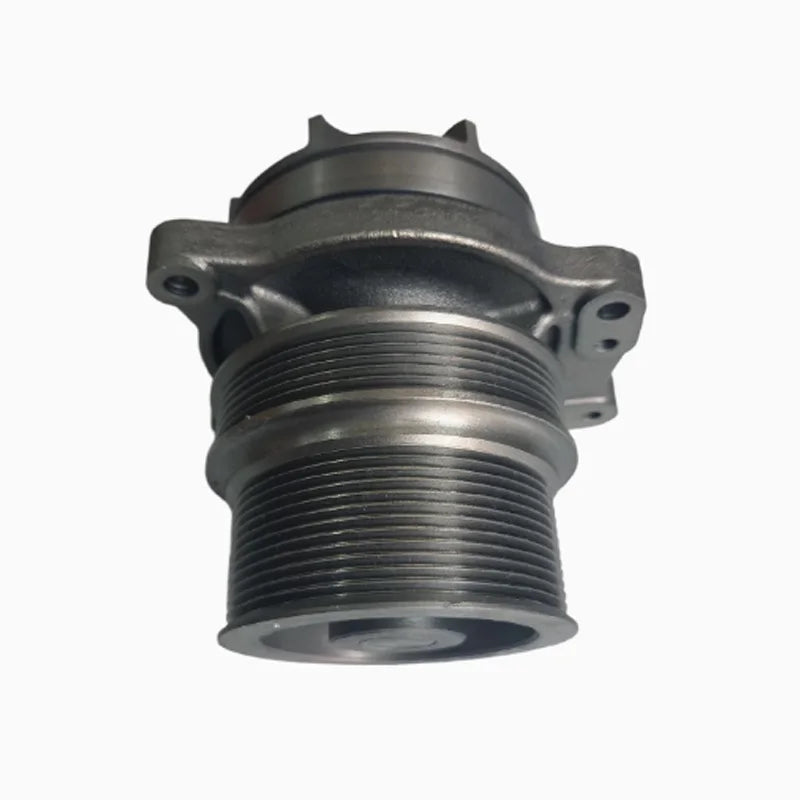
Water Pumps and Diesel Engine Water Pump Replacement Parts for Cars and Trucks
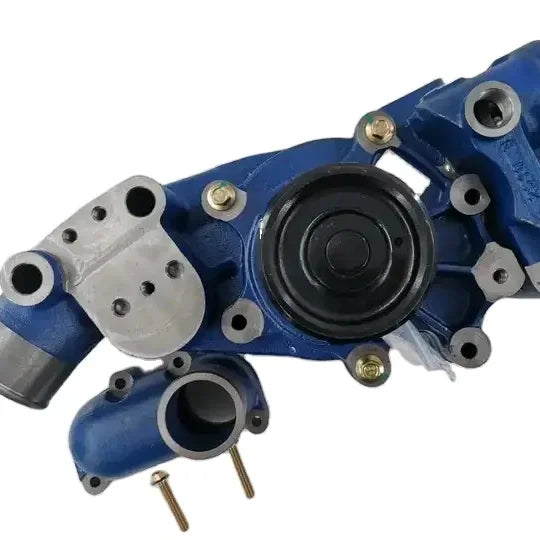
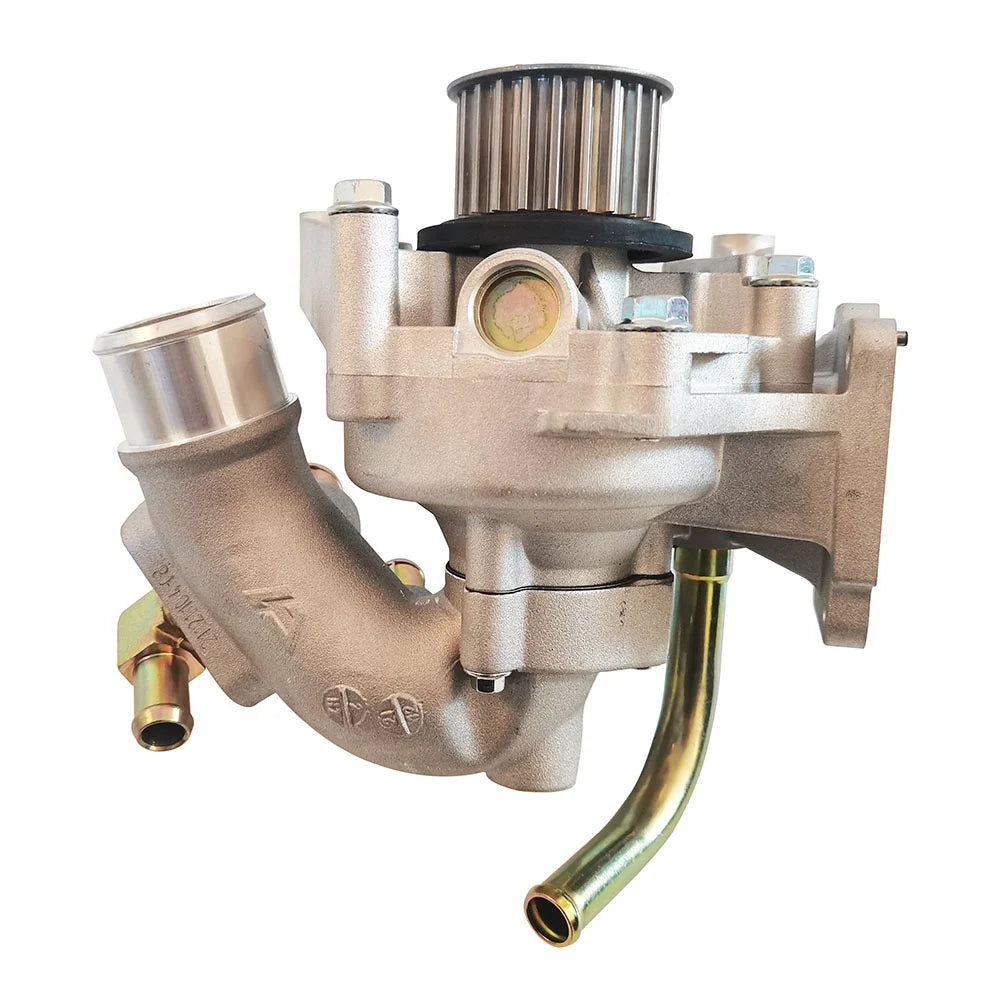
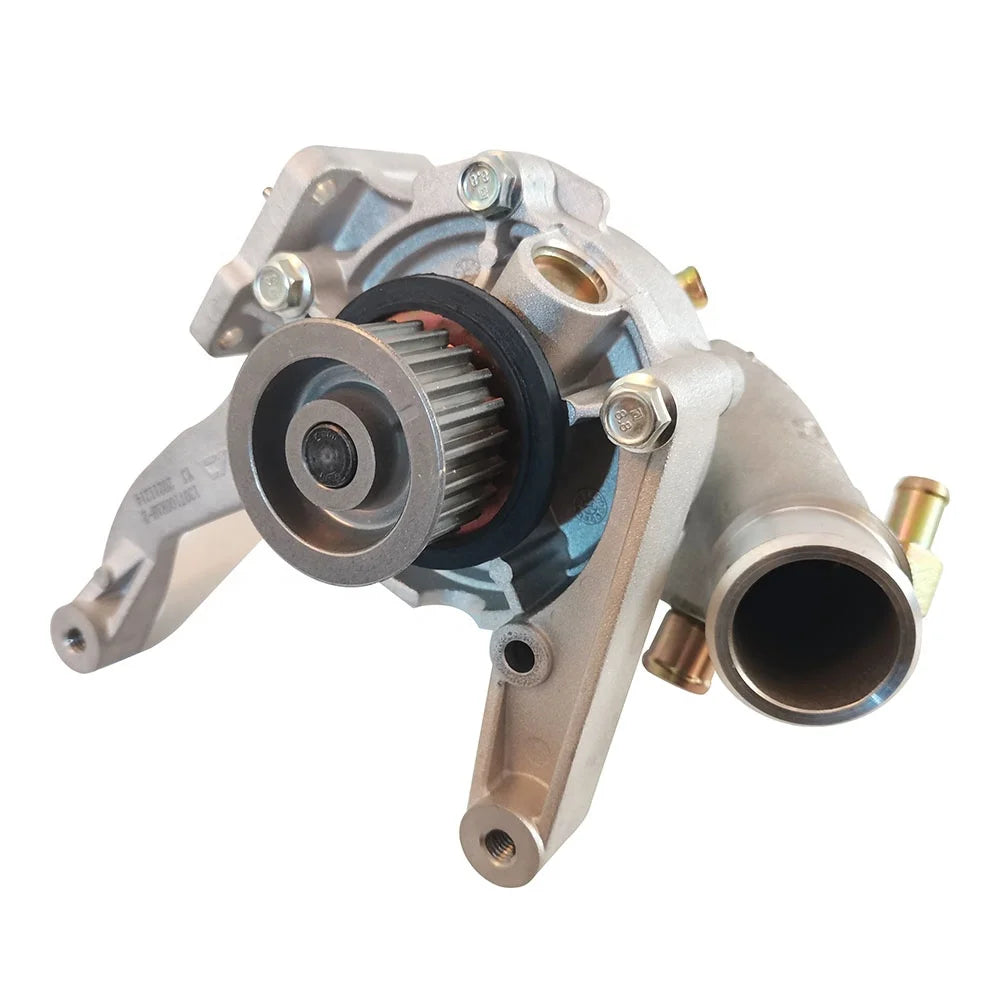
A water pump keeps coolant moving through your engine, and once it fails, overheating usually follows within minutes rather than hours. CBT Auto Parts stocks water pumps for cars, trucks, and diesel engines, including car water pumps and engine pumpsr pump variants.
Epumpsmp replacement here is OEM grade or sourced to OEM specification, so impeller design and mounting match the original. Confirm fitment by year, make, and model, then pair it with a new thermostat, radiator, or radiator hose from the wider Cooling, HVAC and Climate Control Parts range. Orders ship fast worldwide, with support on hand if you're unsure which pump fits.

131 products
Showing 97 - 120 of 131 products
What a Water Pump Does, and What Failure Looks Like
A water pump circulates coolant under pressure, driven off the timing belt, serpentine belt, or an electric motor, depending on the engine. Watch for these signals rather than waiting for a full breakdown:
- Coolant under the front center of the engine rather than off to one side, which usually points to the pump's weep hole rather than a hose.
- high-pitched whine that changes with engine speed, often the bearing rather than the seal.
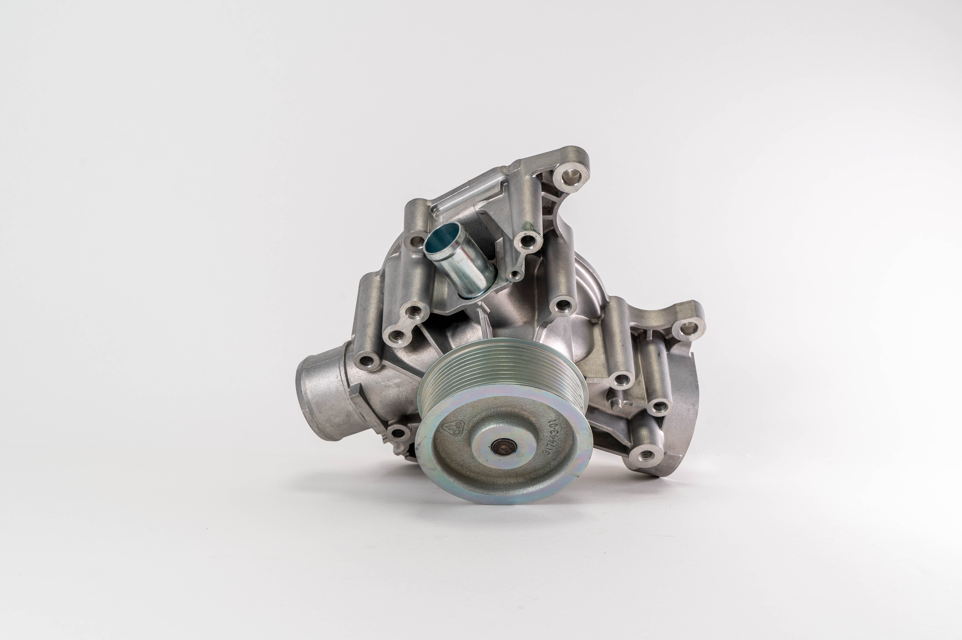
- Wobble felt when you grip the pulley with the engine off, a sign the bearing has worn loose.
- Overheating that comes on gradually over weeks rather than suddenly, suggesting a slow seep rather than a sudden failure.
Car and Truck Water Pumps vs Diesel Engine Water Pumps
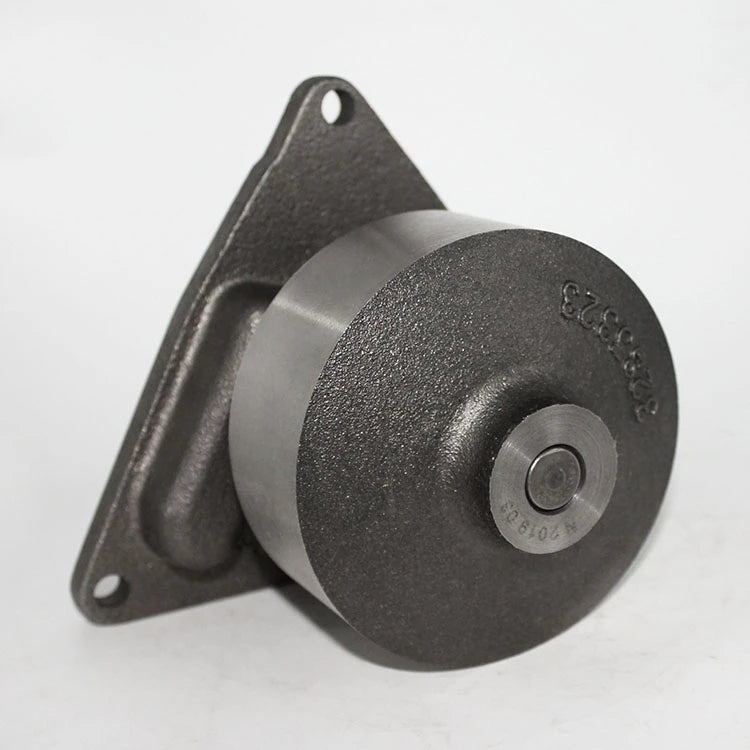
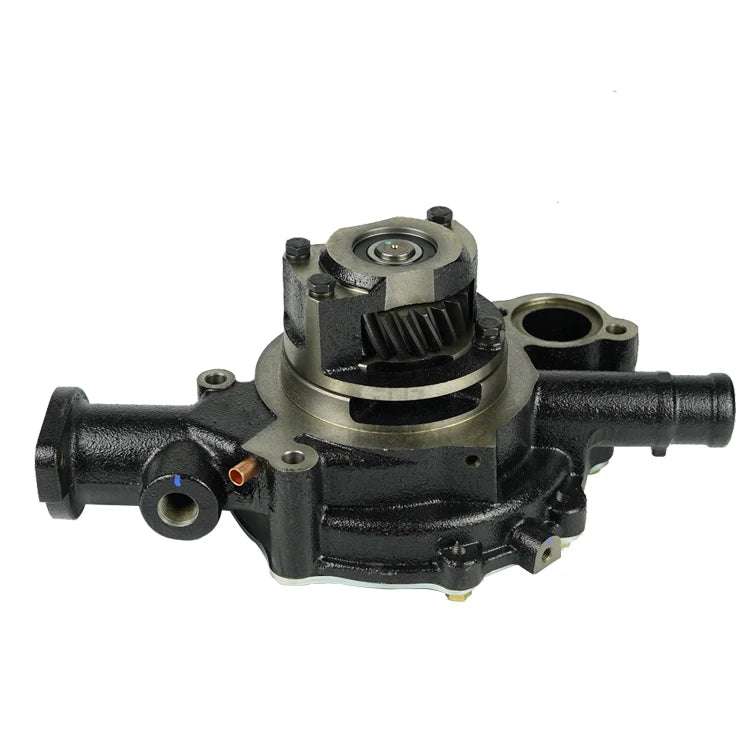
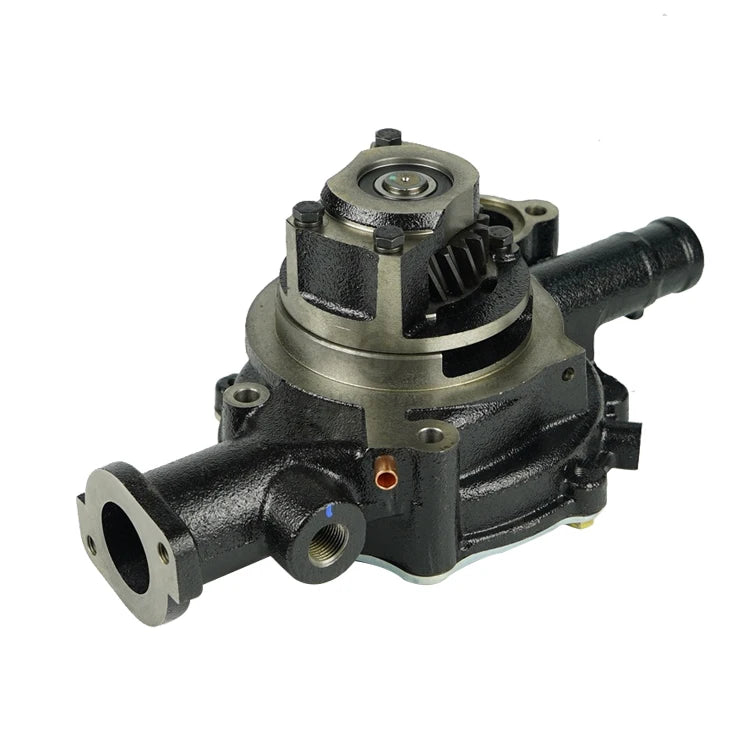
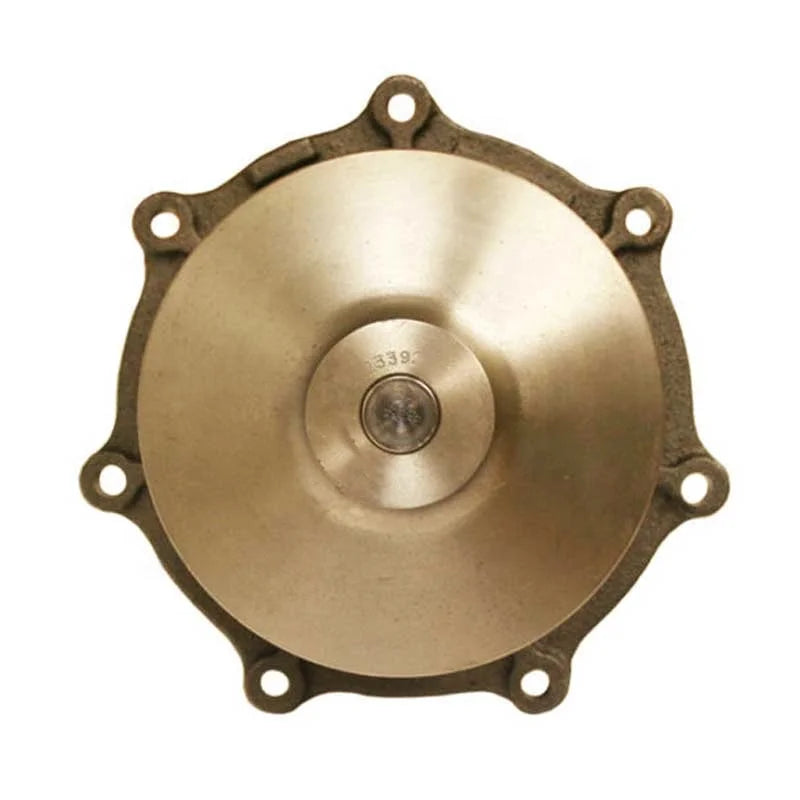
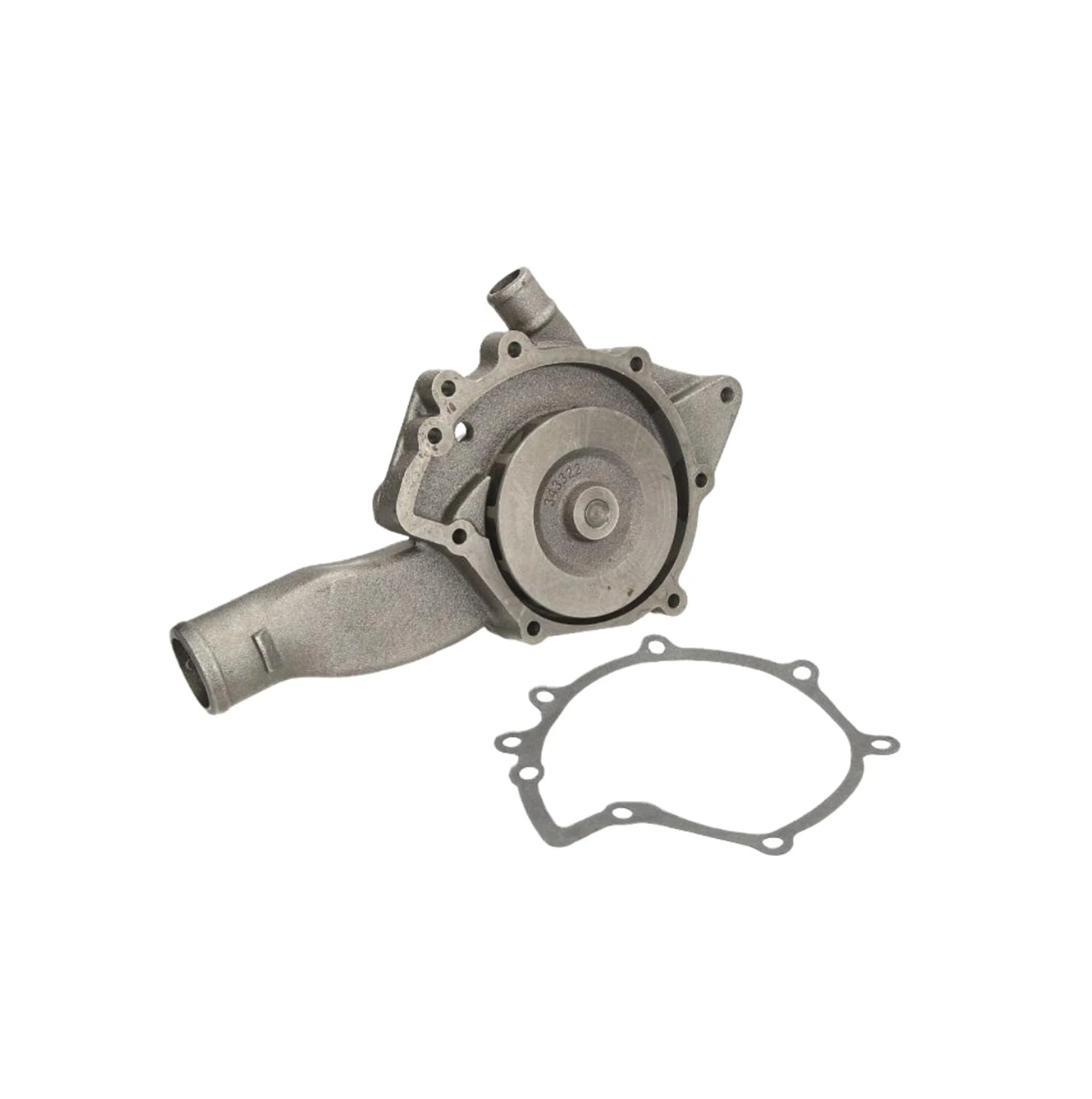
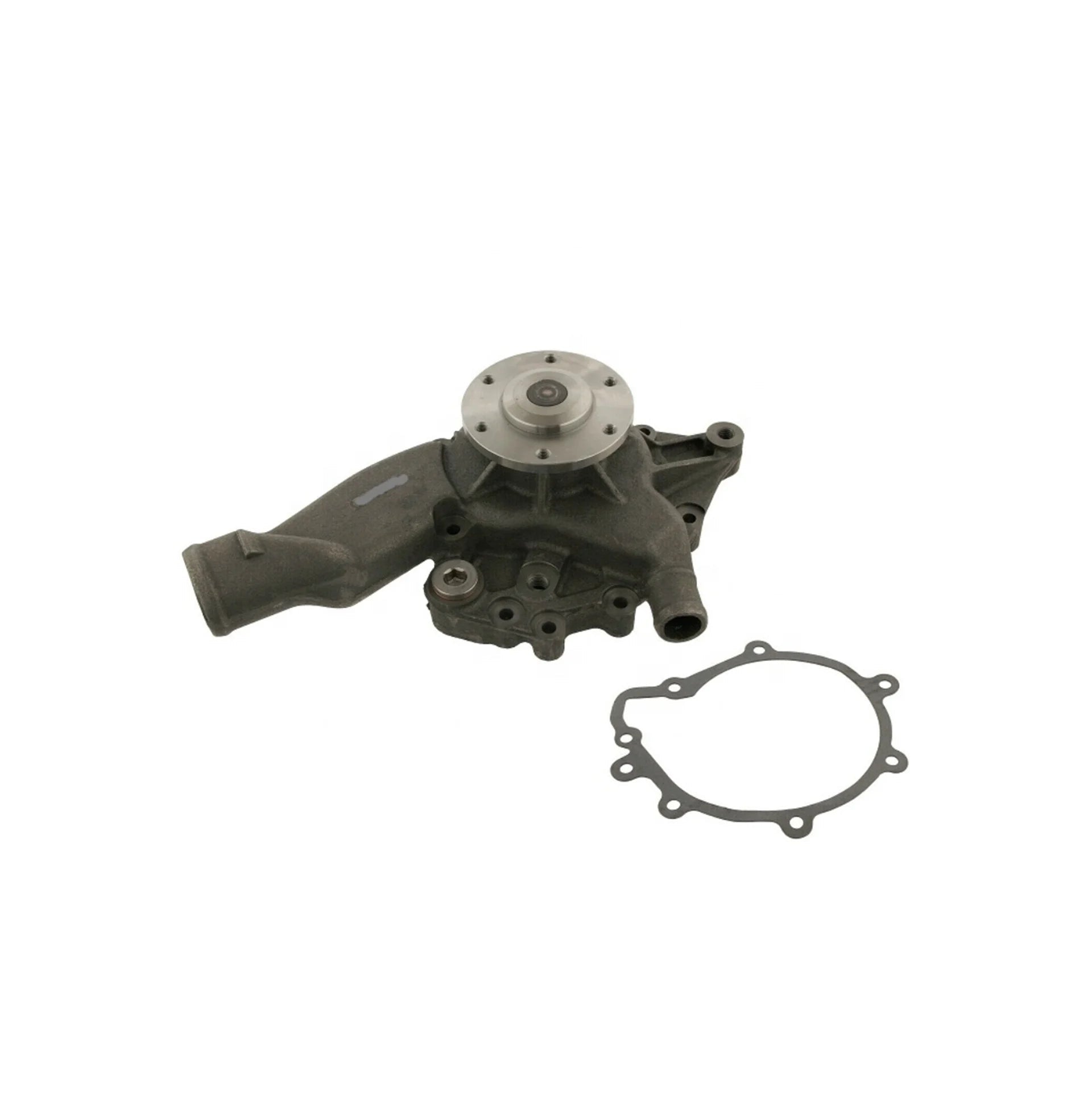
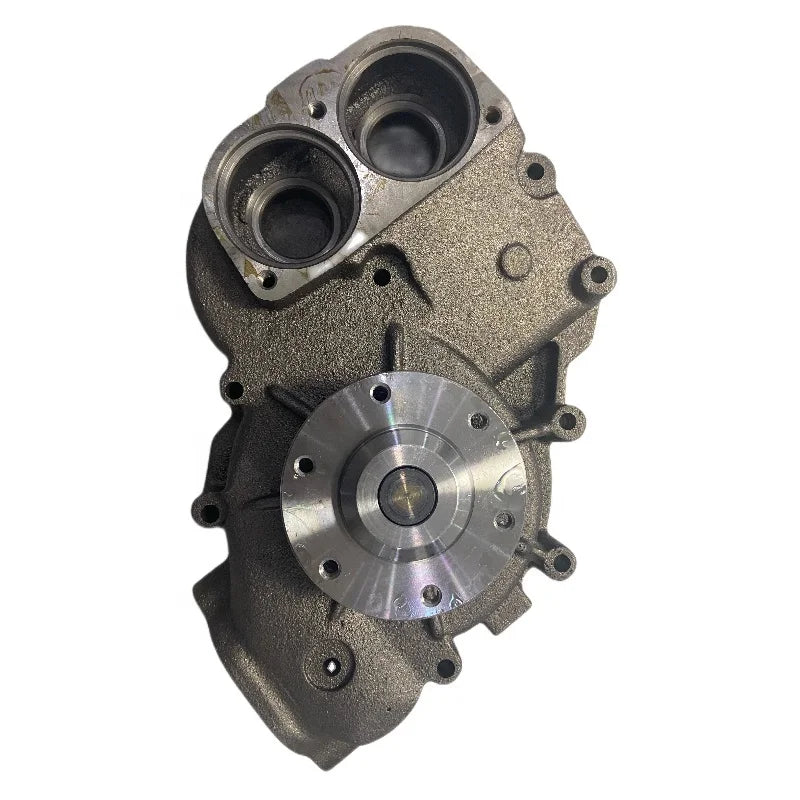
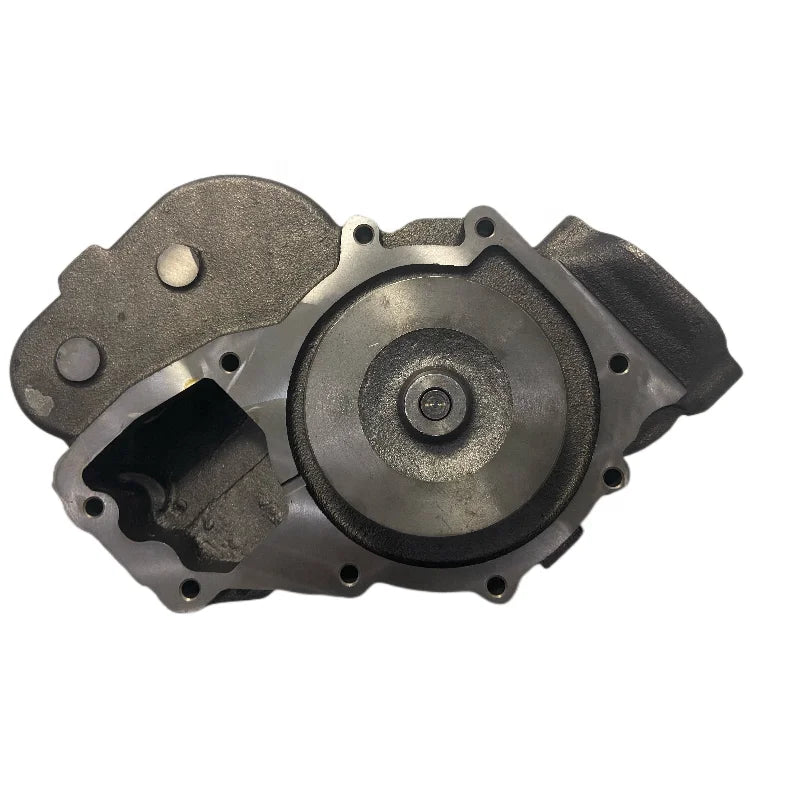
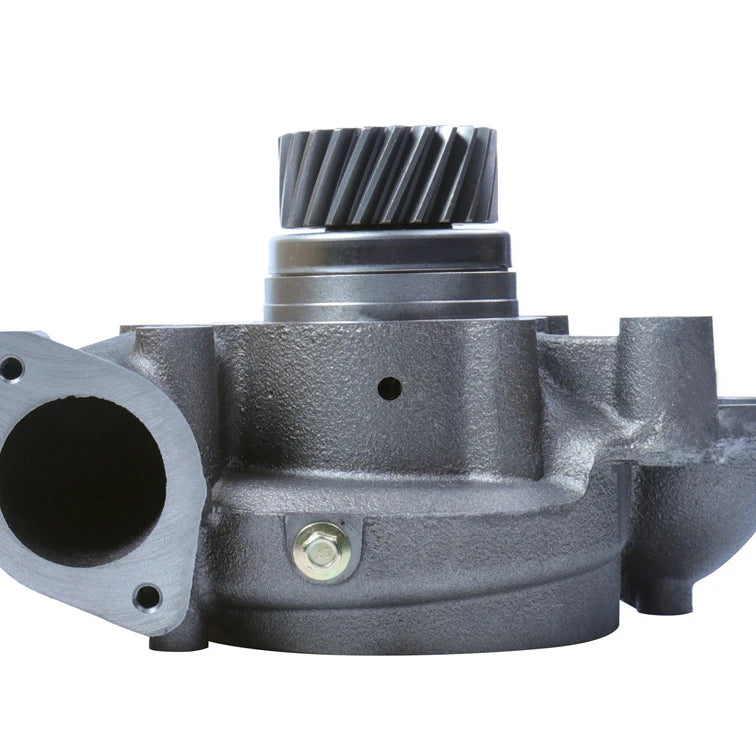
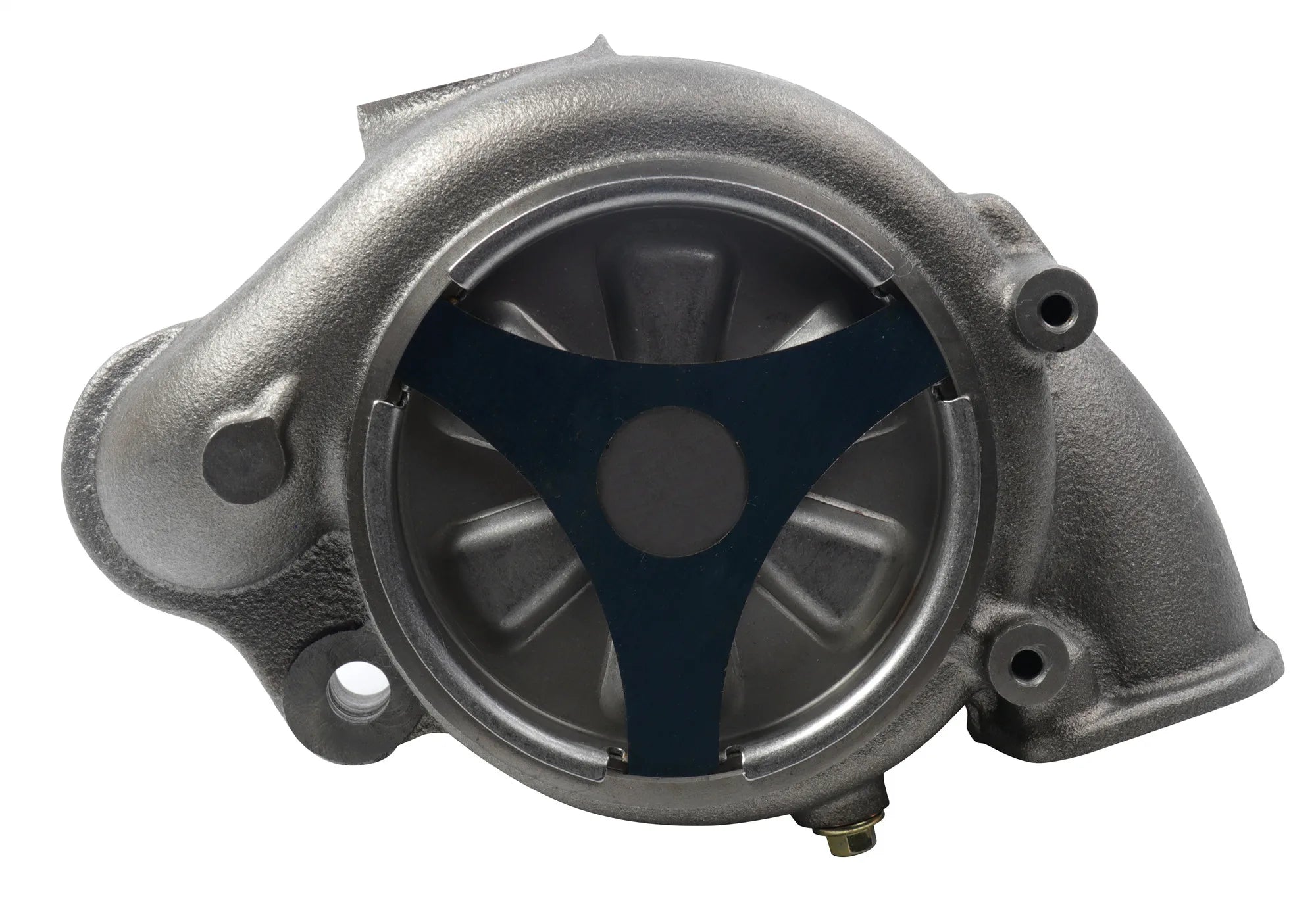
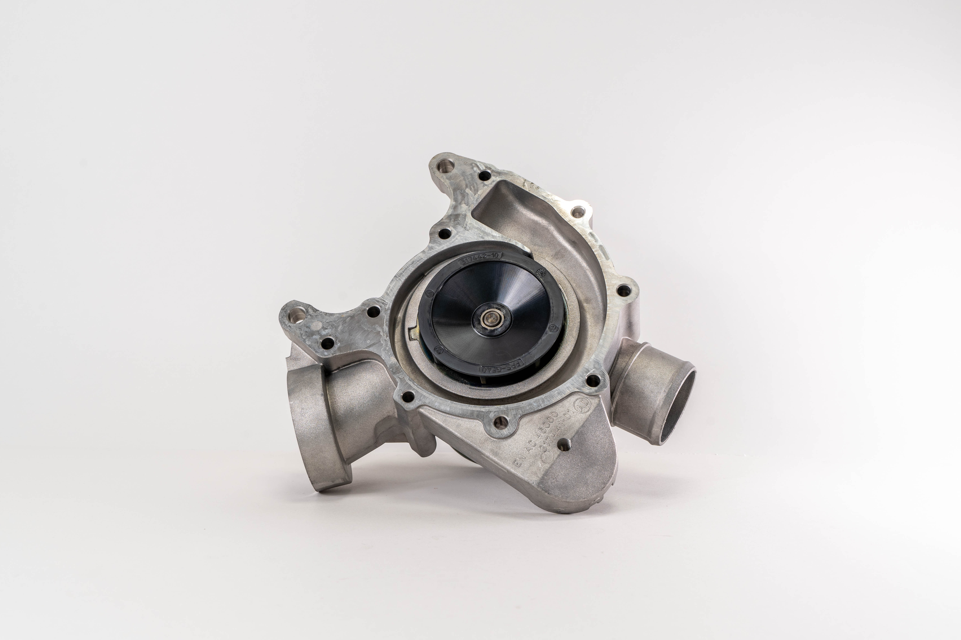
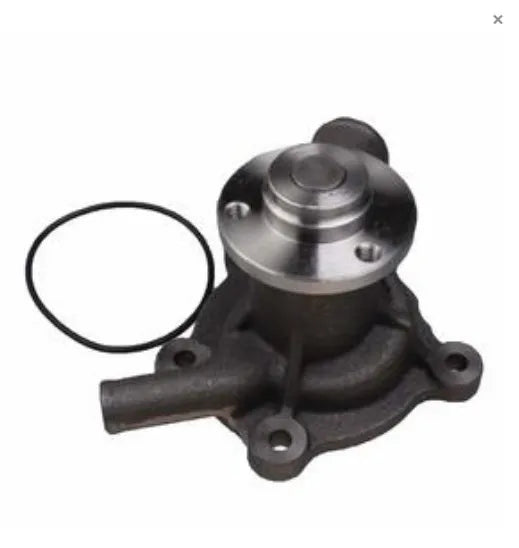
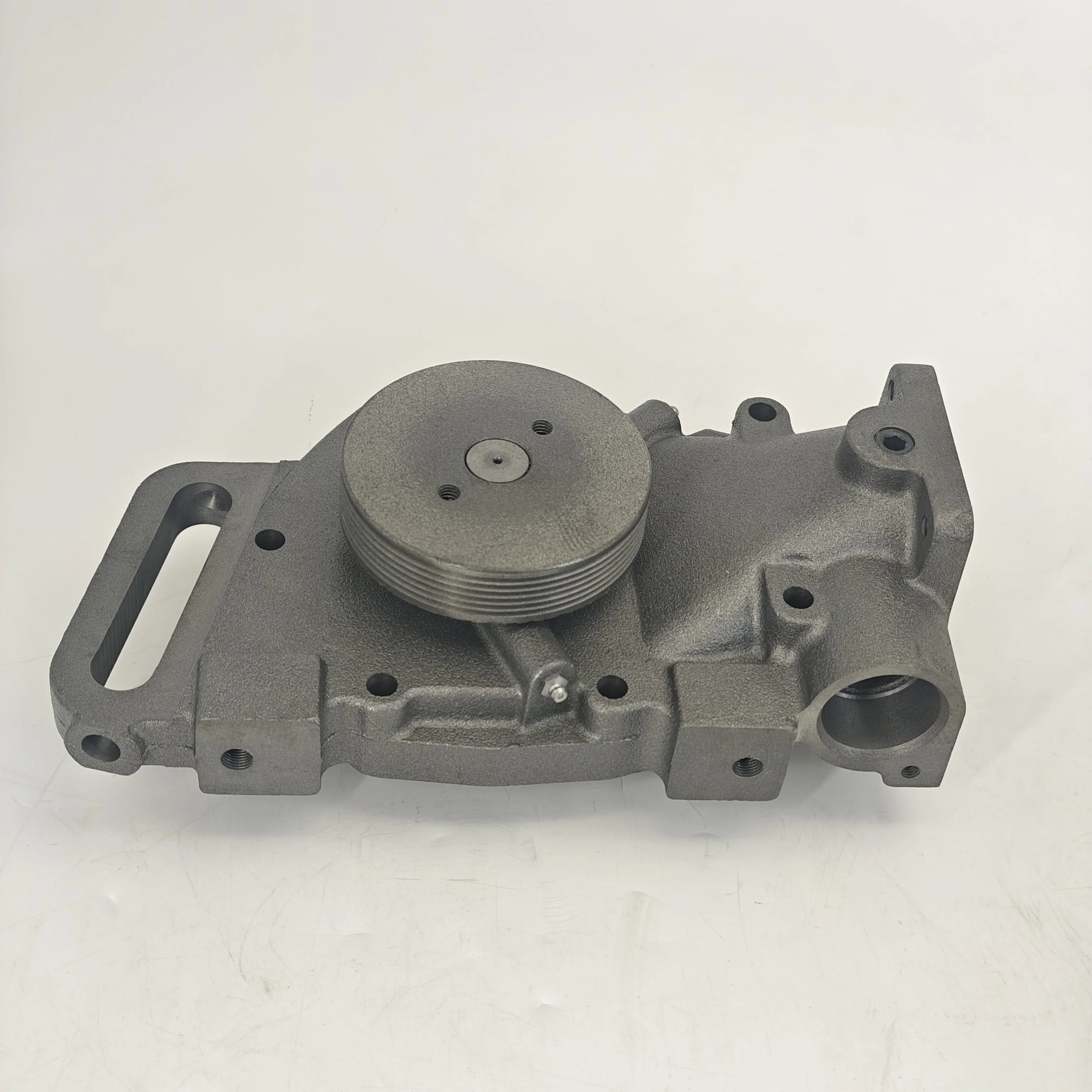
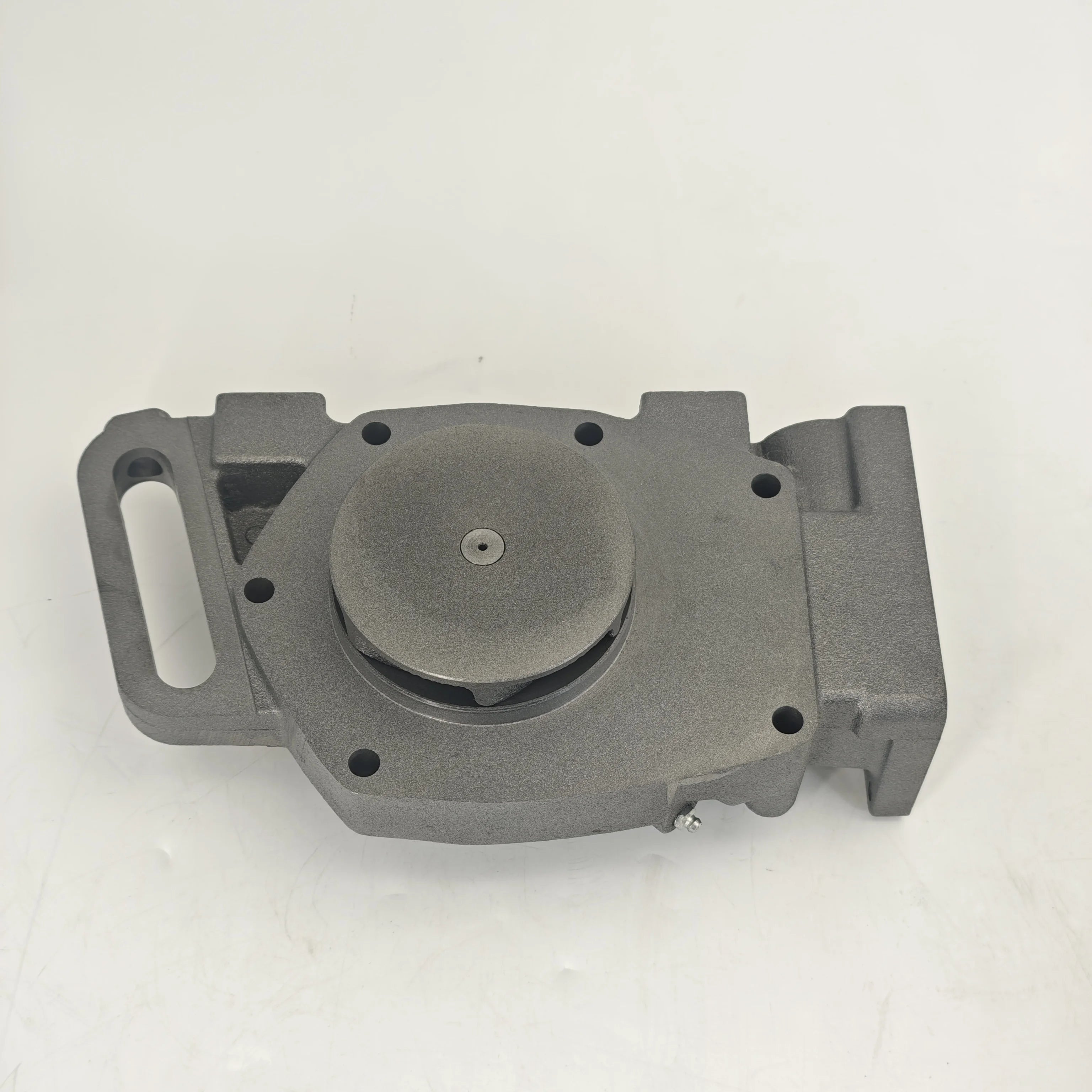
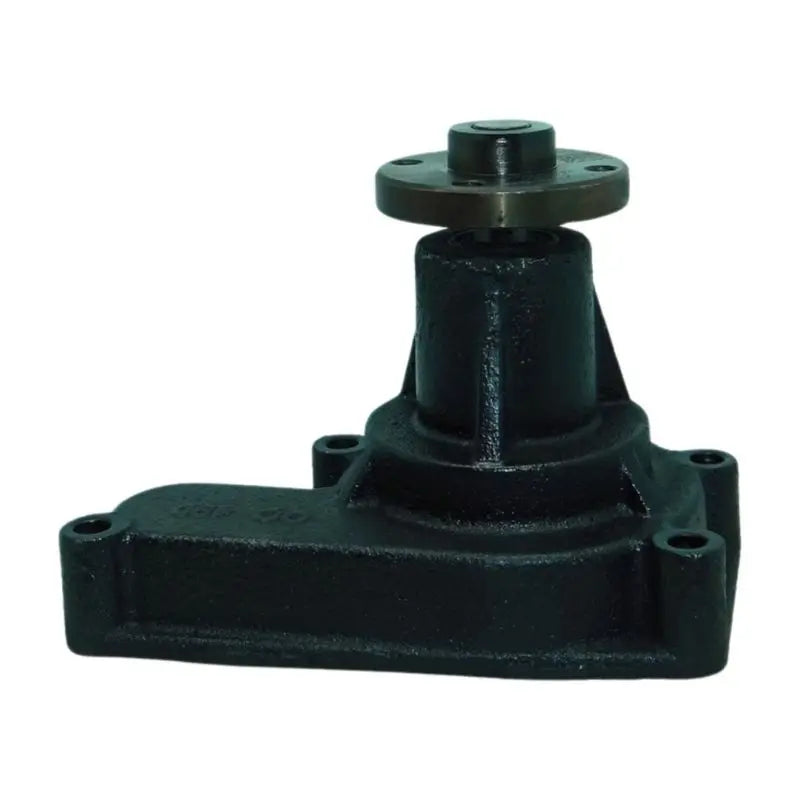
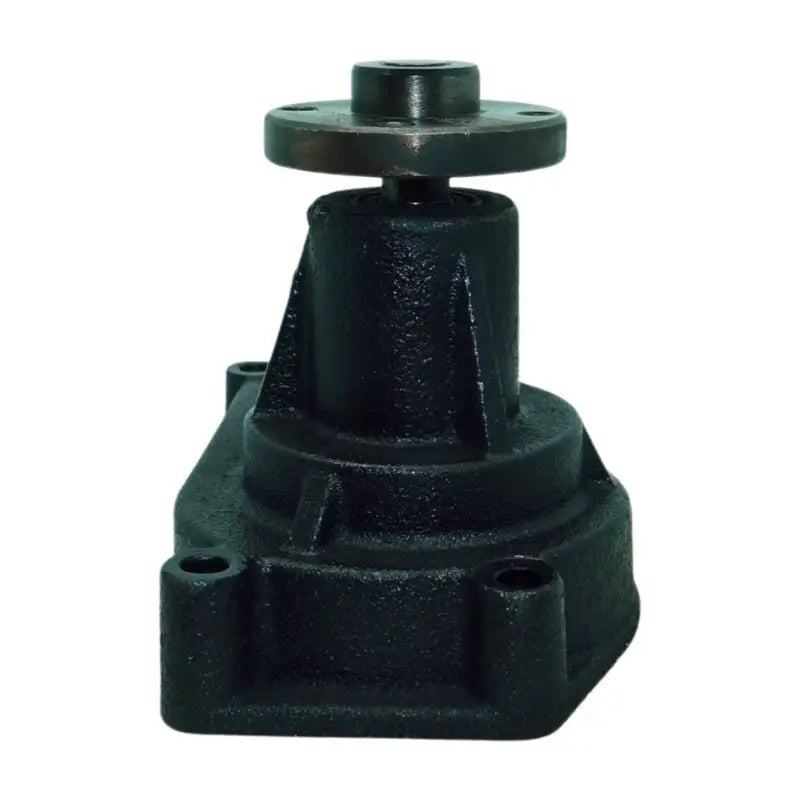
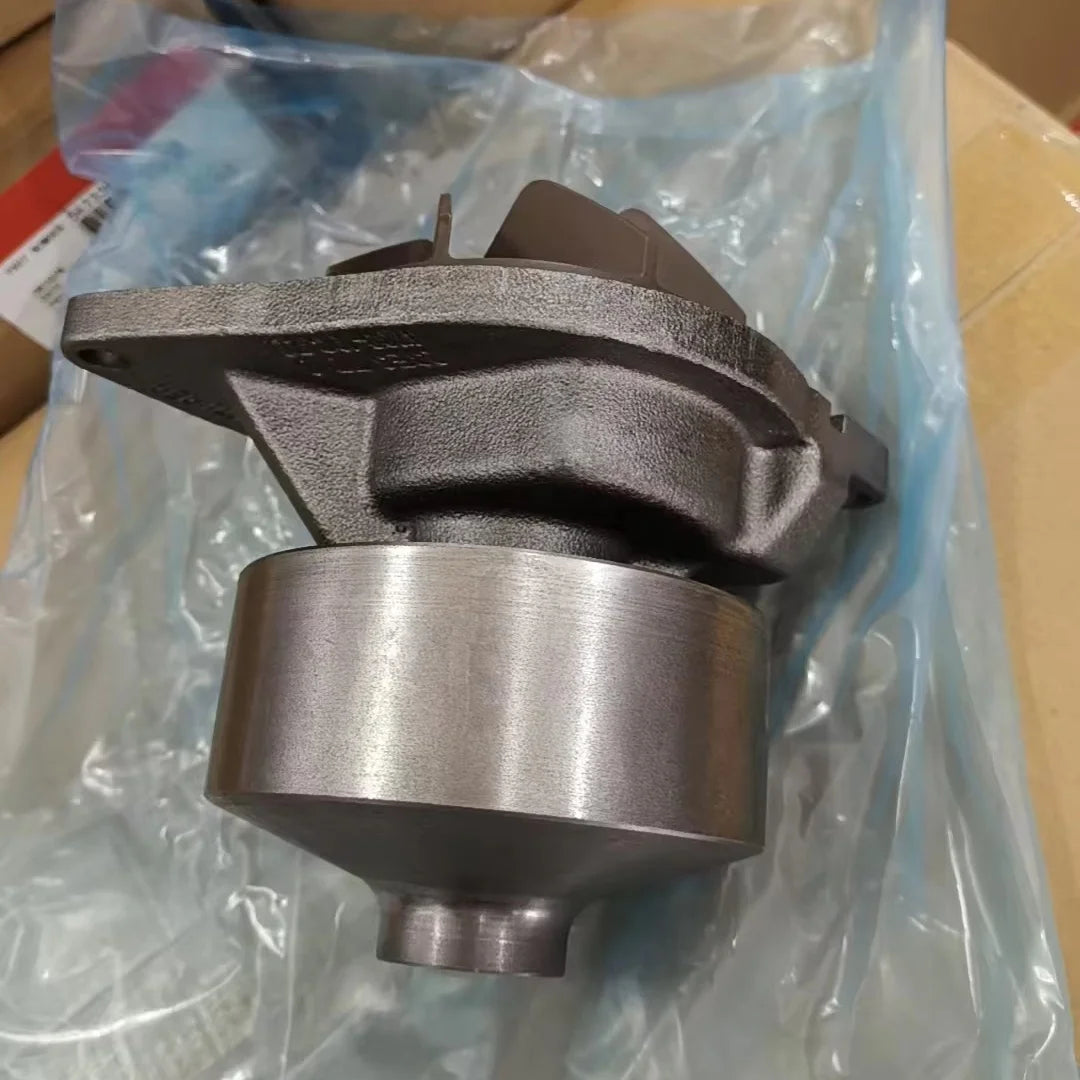
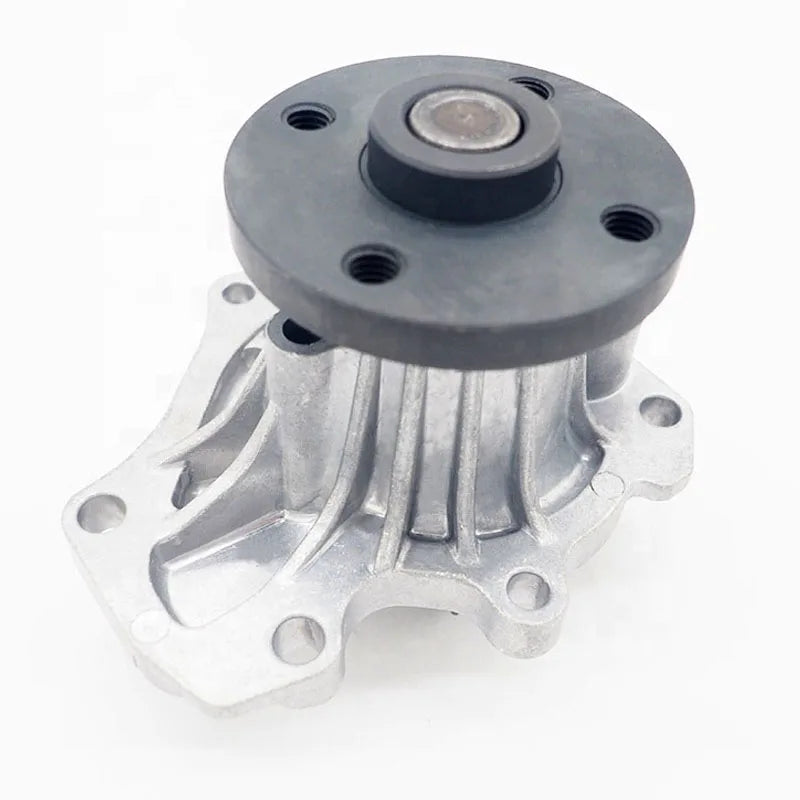
A car water pump is usually built around a composite or aluminum impeller sized for gasoline engine coolant flow, light, efficient, and matched to a specific belt routing. A diesel engine water pump tends to run a metal impeller and a larger housing, since diesel blocks generate more sustained heat and need higher coolant flow at low engine speed. Both categories sit in this collection, sorted so a truck or van running a diesel variant isn't mixed in with passenger car options that won't fit the mounting pattern.
Mechanical vs Electric Water Pumps
Most water pumps are still mechanical, turning with the engine via belt or gear drive, so flow rises and falls with engine speed. A growing number of newer engines instead use an electric water pump, controlled by the engine computer, so coolant keeps circulating at idle or even briefly after the engine shuts off. Electric pumps fail differently, often through a wiring or control fault rather than a worn bearing or seal, so a quick electrical check before assuming the pump itself is bad can save an unnecessary replacement. Stick with the same type the engine left the factory with; converting between the two isn't a straightforward swap.
Small Diesel Engine Water Pumps for Isuzu, Yanmar, and Equipment Use
A 10hp diesel engine water pump is a common size for portable generators, small tractors, and equipment built around compact diesel blocks. If you're after a small diesel engine water pump rather than a full automotive unit, the impeller and housing are sized down to match the lower coolant flow these engines need. An Isuzu diesel engine fuel pump is built around that brand's specific mounting bolt pattern and impeller pitch, which doesn't interchange with other diesel brands despite looking similar at a glance. A Yanmar engine water pump follows the same logic, sized and mounted specifically for Yanmar's compact diesel block design. Engines described as a self start dieseself-startater pump setup typically pair an electric starter diesel block with its cooling pump matched at the factory, rather than the hand crank start versions still common on older equipment.
Water Pump Replacement: What's Involved
A water pump replacement is rarely just the pump itself, if it's timing. If driven, the belt, tensioner, and idler are usually replaced at the same time since labor to access the pump is the larger cost, not the part. Gasket-style mating surface cleaned flat before the new gasket seats properly, while O-ring sealed is forgiving but still needs the correct ring thickness to avoid a seep. Either way, fresh coolant matched to the engine's specification goes back in once the job is done; mixing coolant types is a common reason a freshly replaced pump still overheats.
Water Pump Car Use: Matching the Pump to How You Drive
Daily commuting wears a water pump differently than towing, stop-start delivery, or fleet duty, and water pump car use patterns like these are worth considering before buying on price alone. A pump built for light commuting may run hotter than ideal under sustained towing, even if it bolts on without issue. Vehicles used for frequent short trips also benefit from a fresh thermostat alongside the pump, since the engine rarely reaches full operating temperature long enough to flush deposits on its own.
What Pairs With Your Water Pump
A new water pump is commonly installed alongside a thermostat, since both sit in the same coolant path and a worn thermostat can mask whether the new pump is actually circulating coolant correctly. Radiator hoses connected directly to the pump housing are worth inspecting at the same time, since removing them for access often reveals cracking that wasn't visible before. If the radiator itself is more than a few years old, replacing all three together avoids reopening the cooling system again within the next year.
Ordering and Fitment
Every listing here shows year, make, and model coverage, along with engine size where more than one option exists for the same vehicle. Most pumps ship within one business day, and our support team can confirm fitment against your VIN if your engine has more than one factory configuration. A pump that doesn't fit is accepted for return, no different from any other part in this collection. Each pump also ships with a fresh gasket or O-ring where the O-ring calls for one, so a missing seal never holds up an install that's otherwise ready to go.