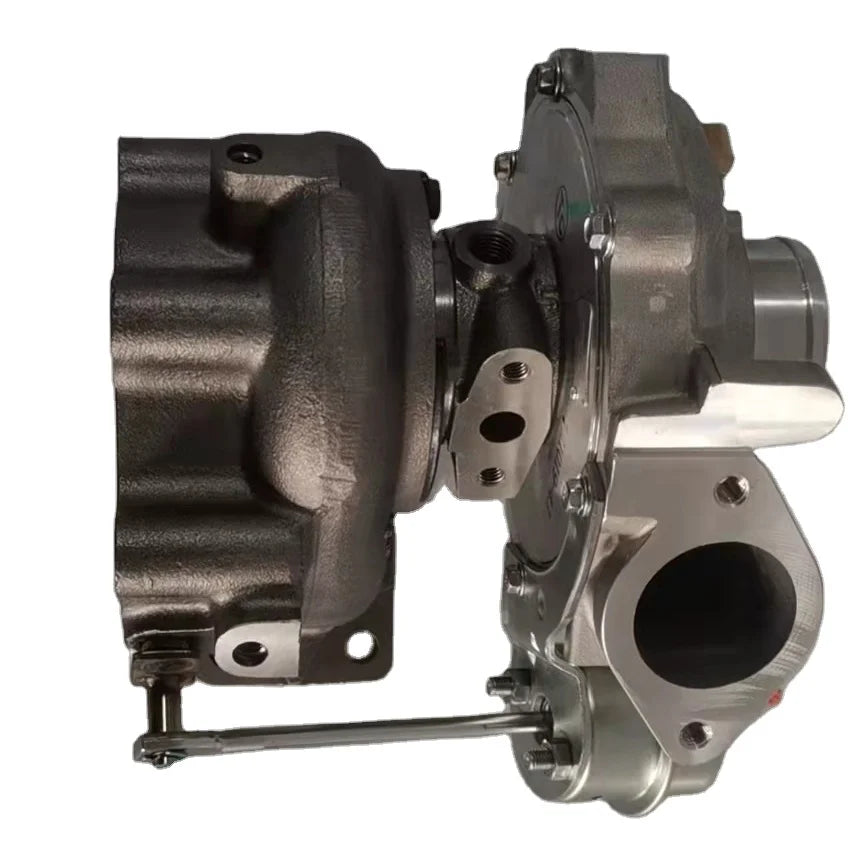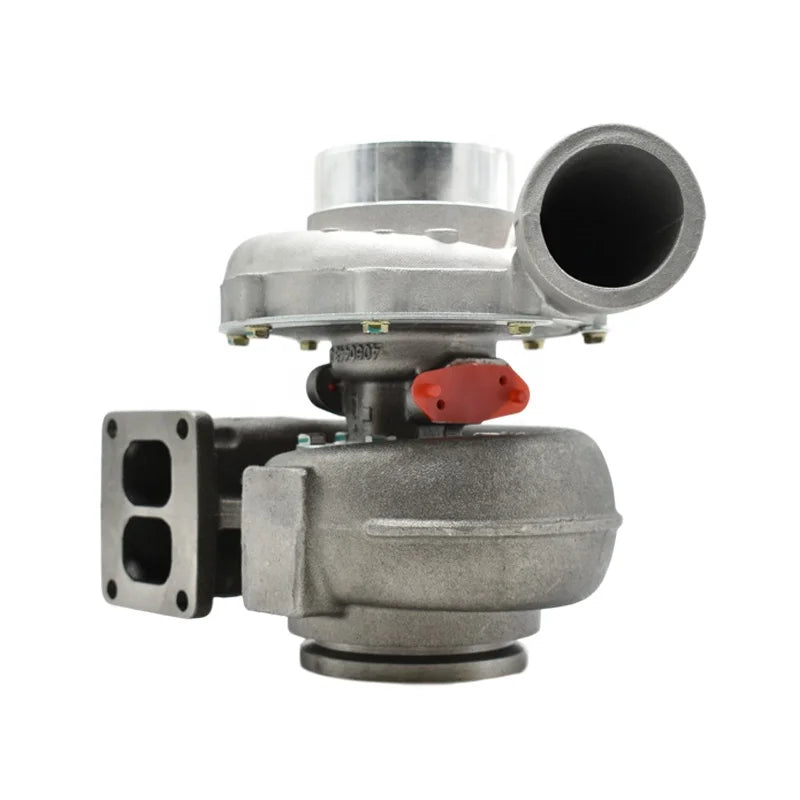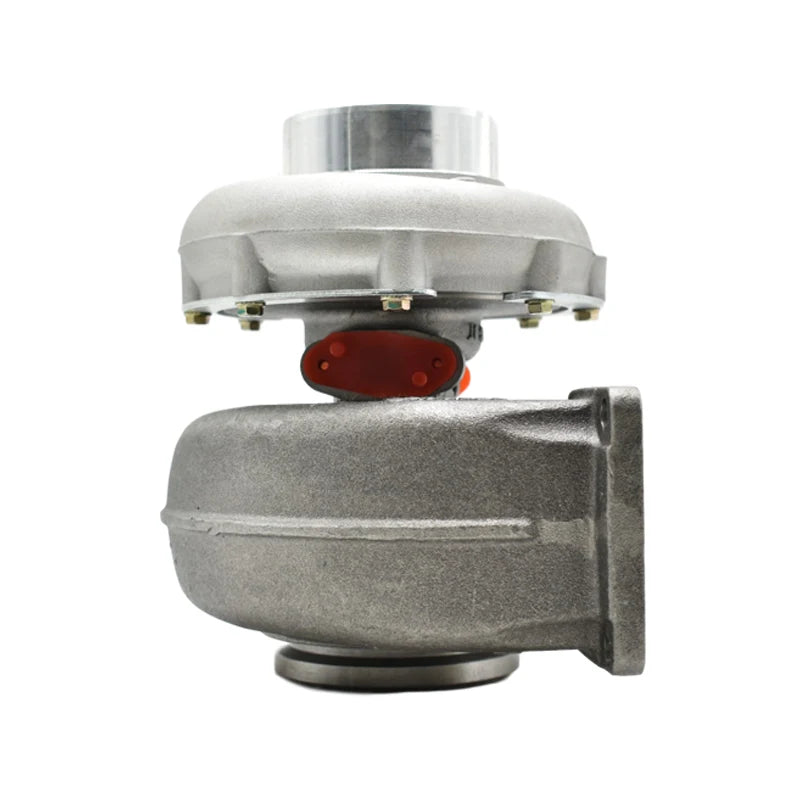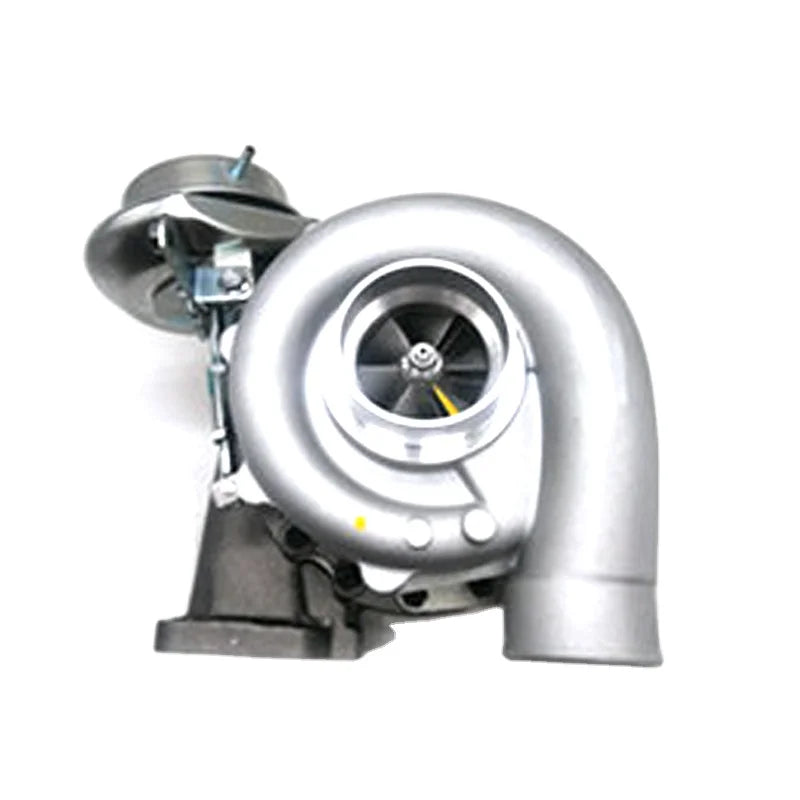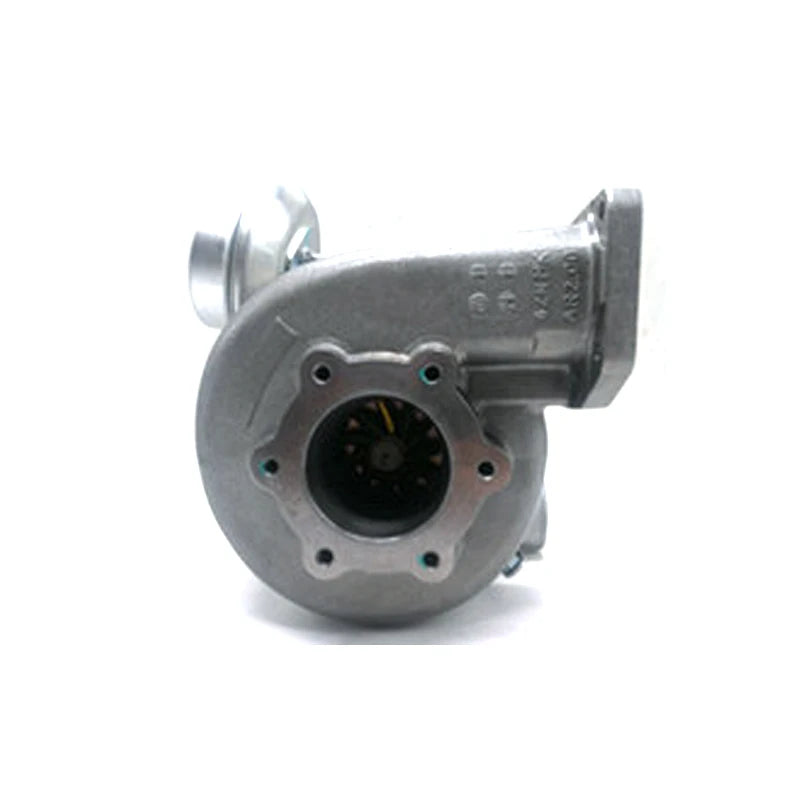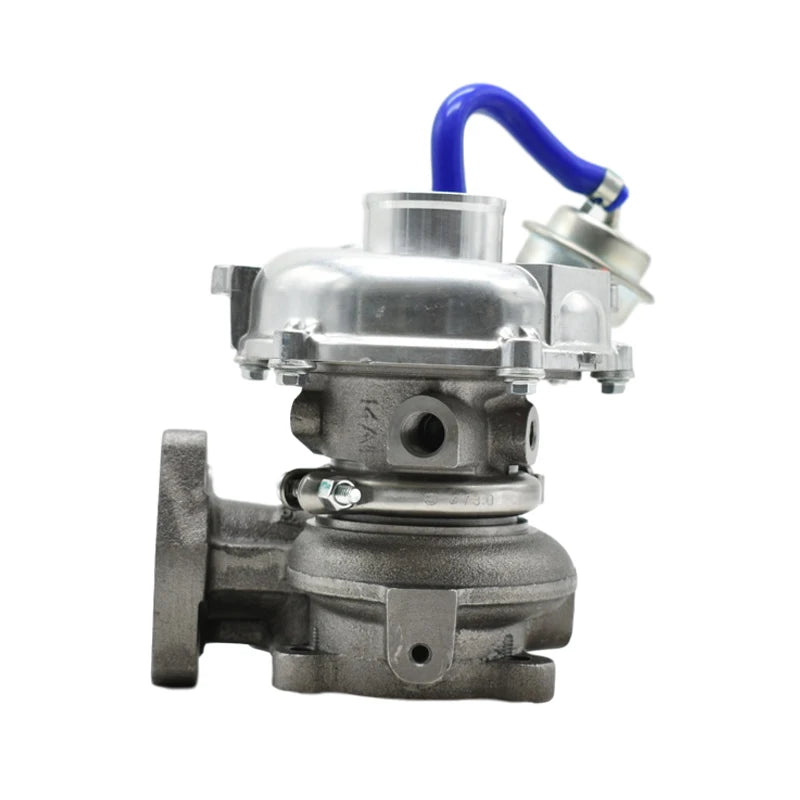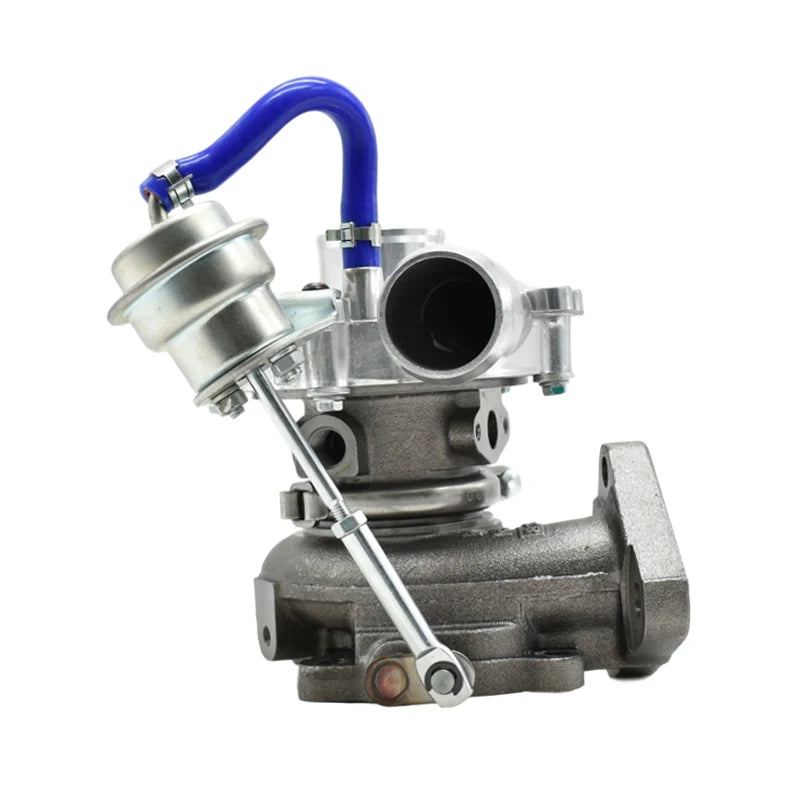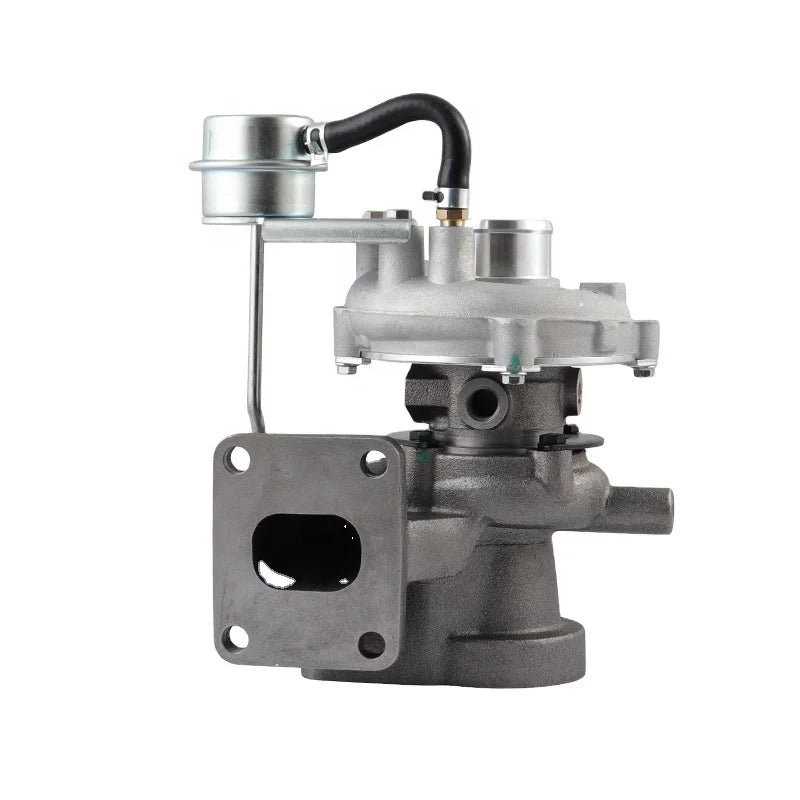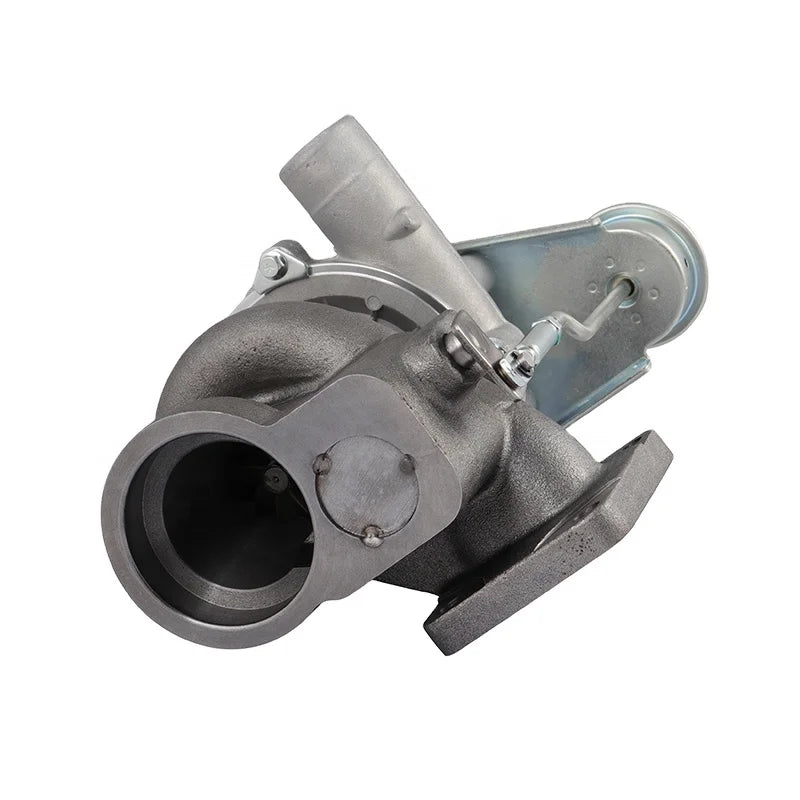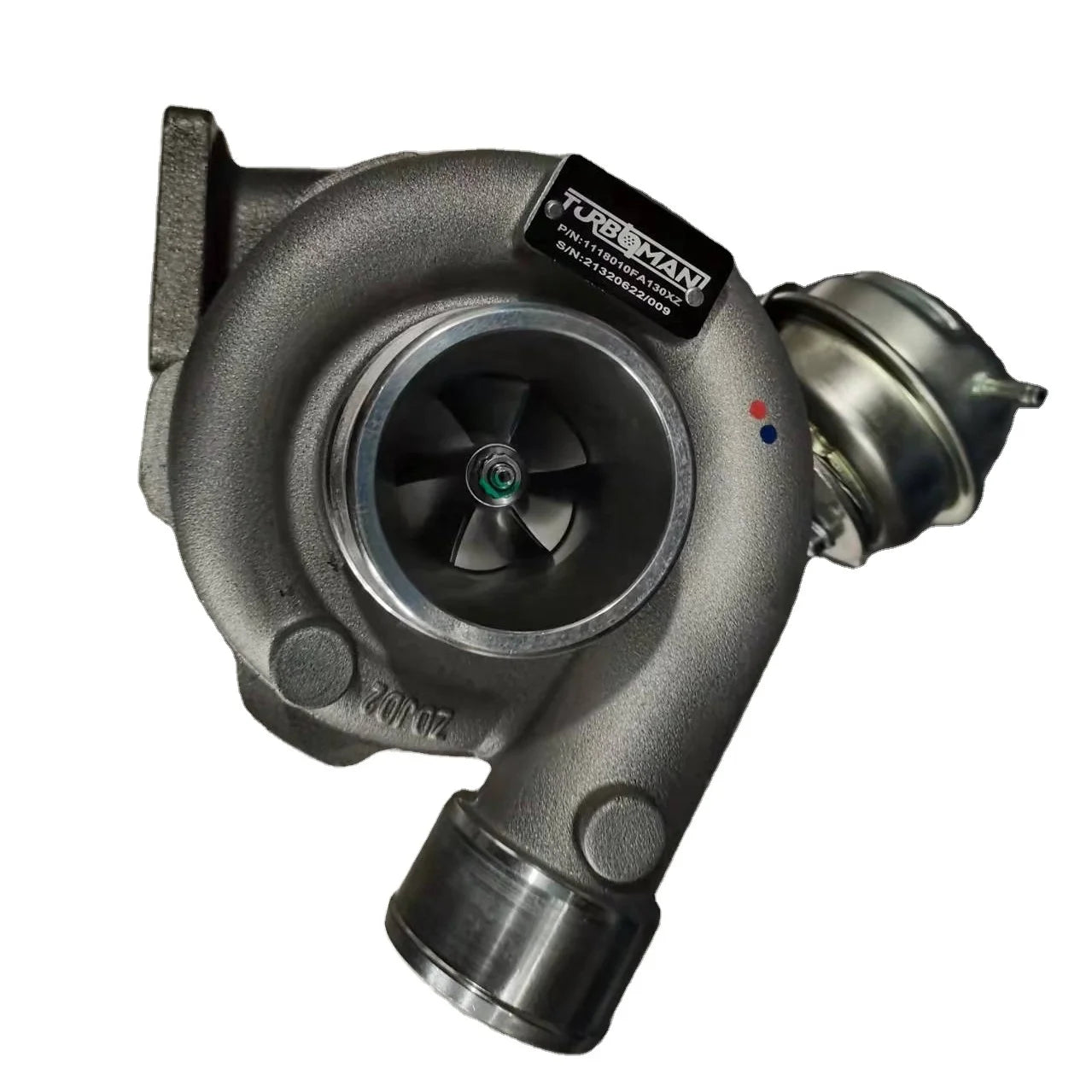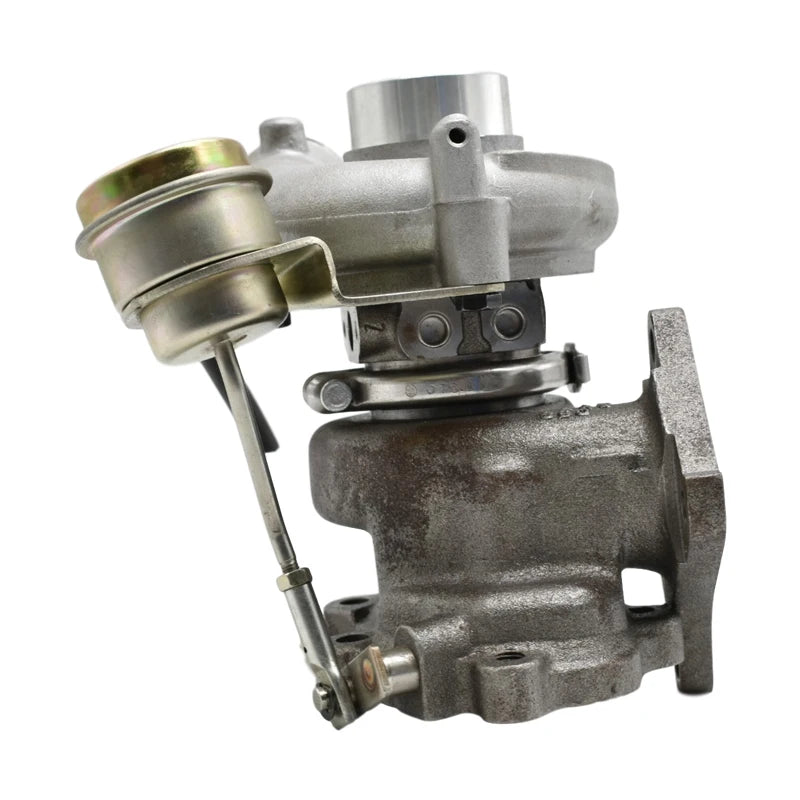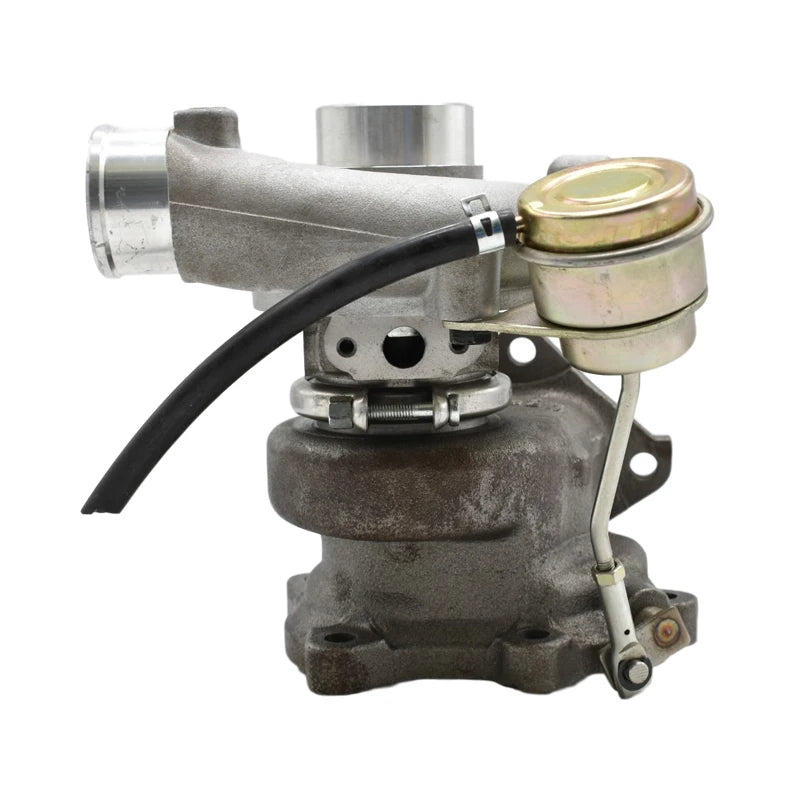
Turbochargers & Superchargers | Diesel & Petrol Turbo Kits
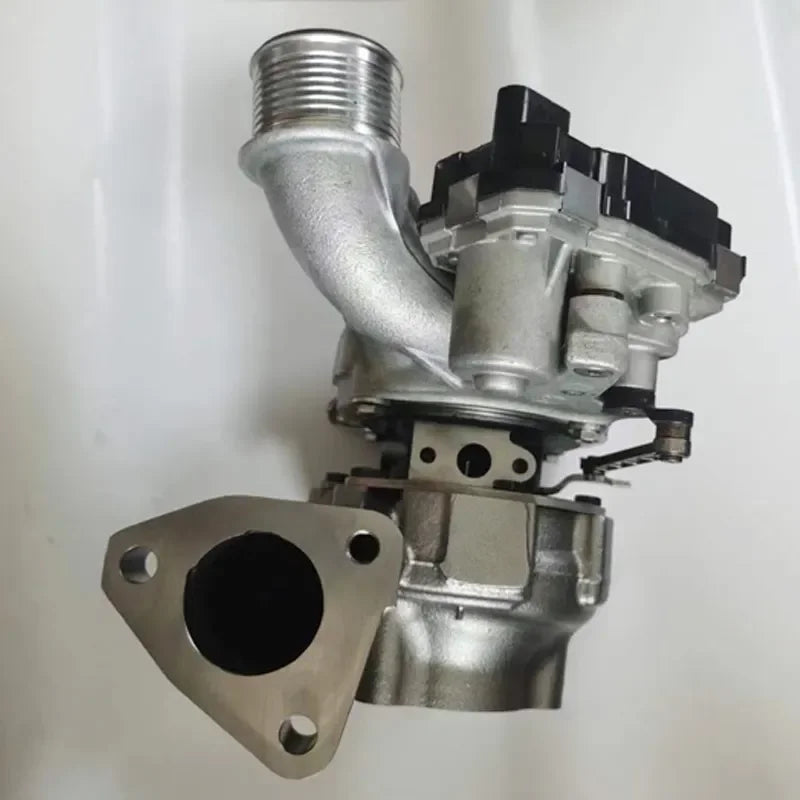
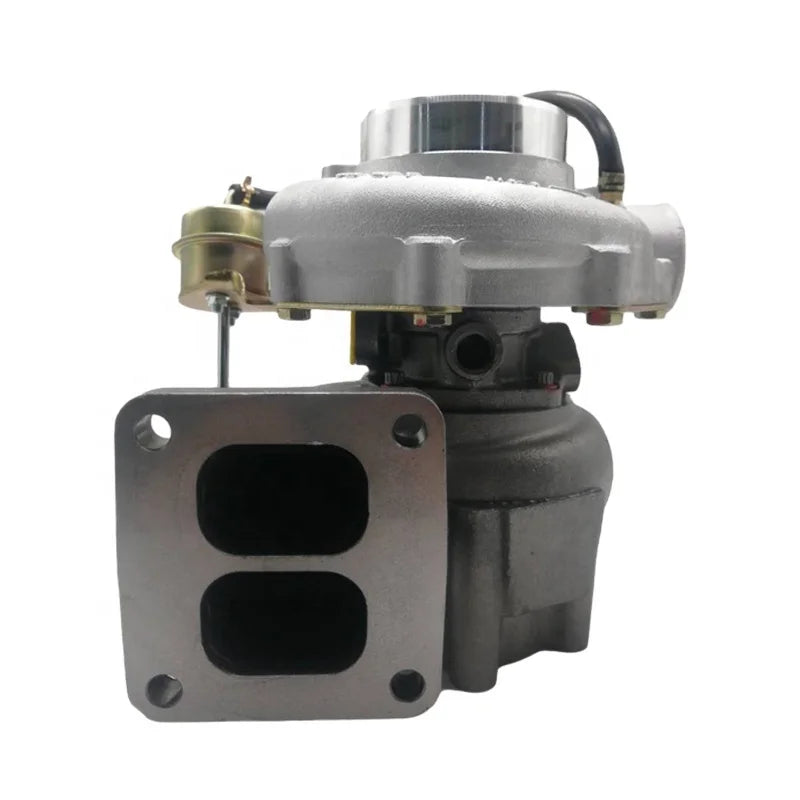
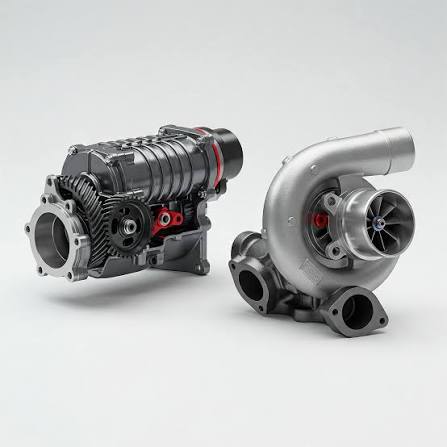
The turbocharger and supercharger are the two engineering solutions to forced induction, increasing cylinder air charge beyond what atmospheric pressure delivers. CBT Auto Parts stocks OEM-quality turbochargers and superchargers for diesel and petrol engines, built to the correct specification. From OEM replacements to performance turbo kits, the right solution is here.
Stocked within our Engine & Powertrain Parts range alongside intercoolers, intake manifolds, and fuel injectors, our turbocharger and supercharger options cover 5.9 Cummins turbo kits, 100 Series Land Cruiser, Chevy, VW, and Audi supercharger platforms. Variable nozzle turbocharger and diesel turbocharger units are both stocked. Aftermarket parts meet OEM output specifications, and all orders ship worldwide with fast dispatch.

71 products
Showing 49 - 71 of 71 products
Turbocharger vs. Supercharger: Two Forced Induction Philosophies, One Objective
Both the turbocharger and the supercharger increase an engine's power output by forcing more air into the combustion chamber than the engine can draw on its own. The way each achieves that result is fundamentally different, and those differences define which technology suits which application.
Turbochargers
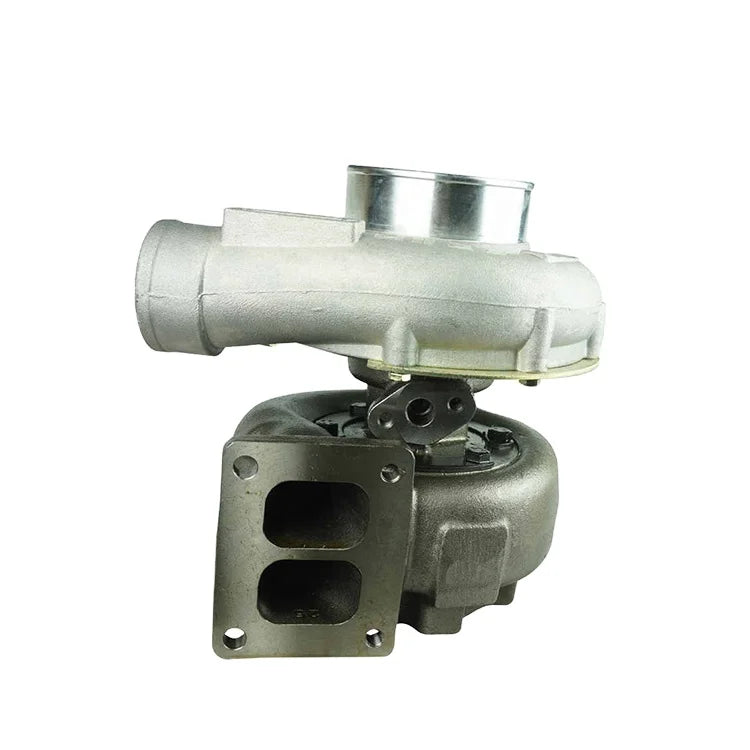
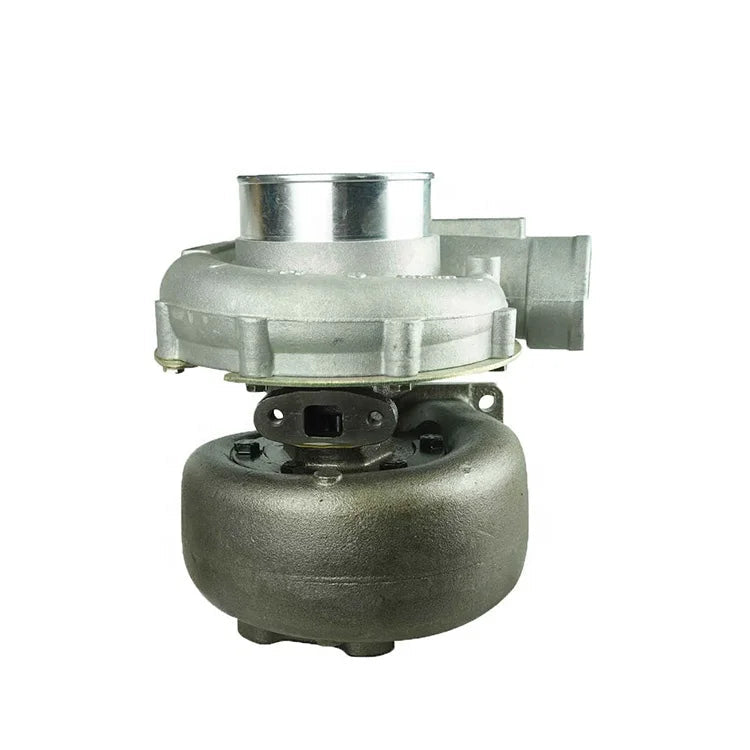
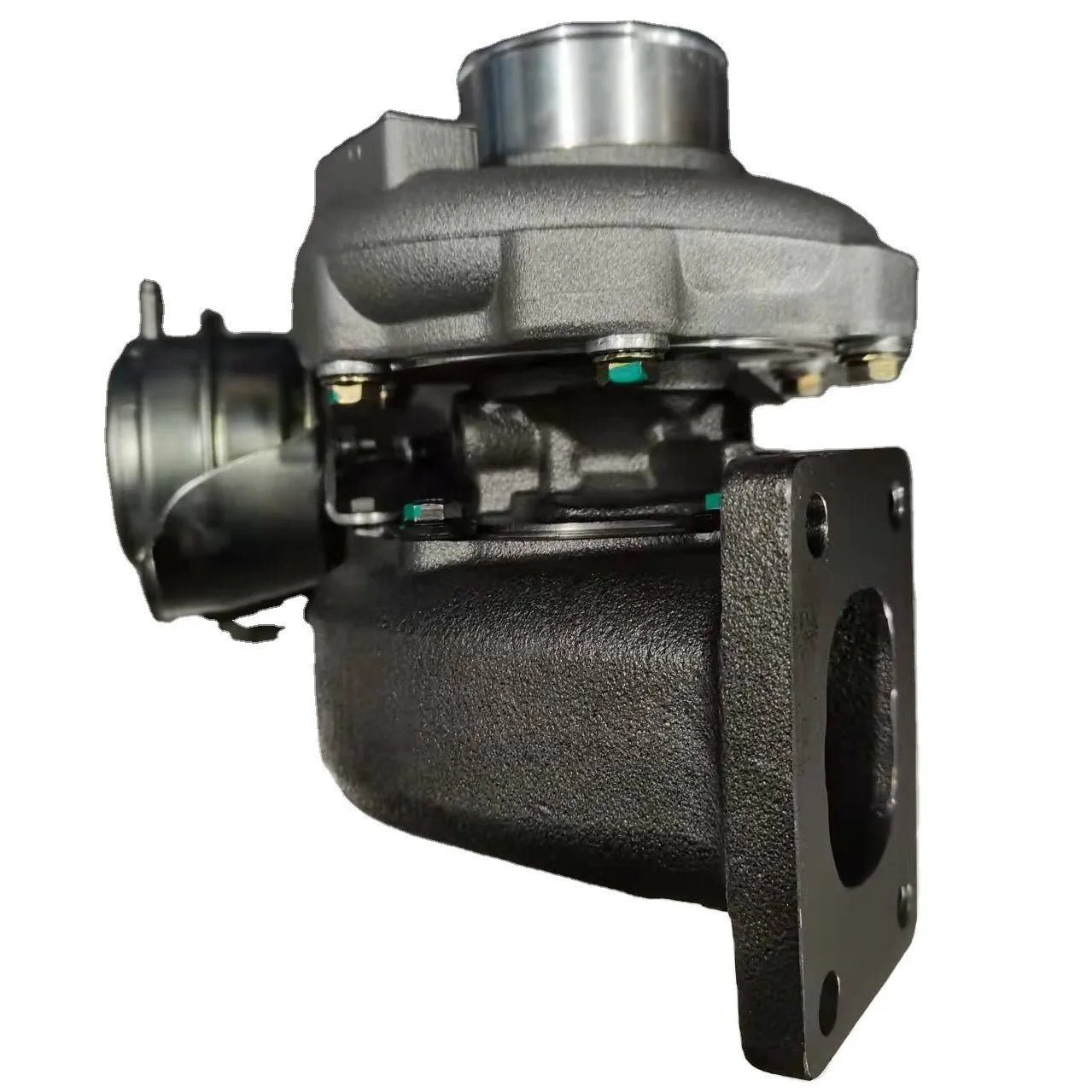
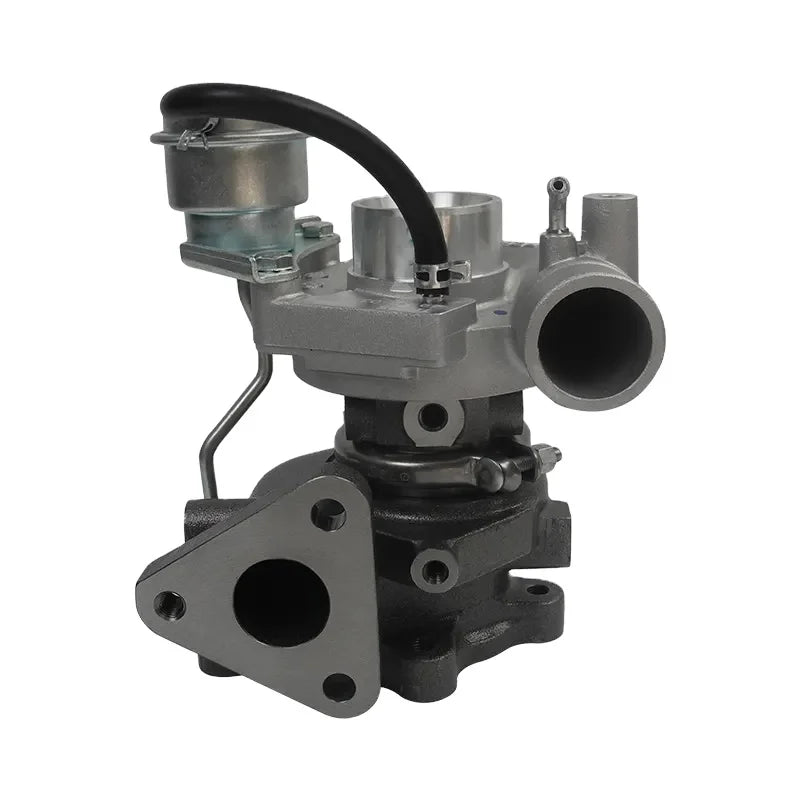
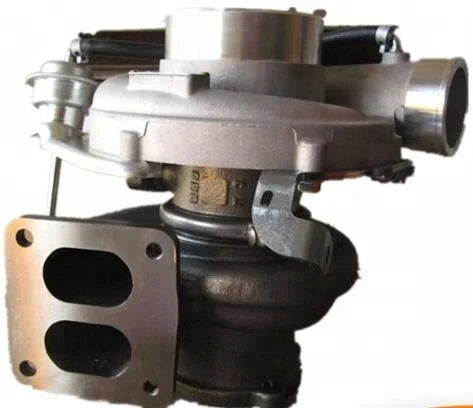
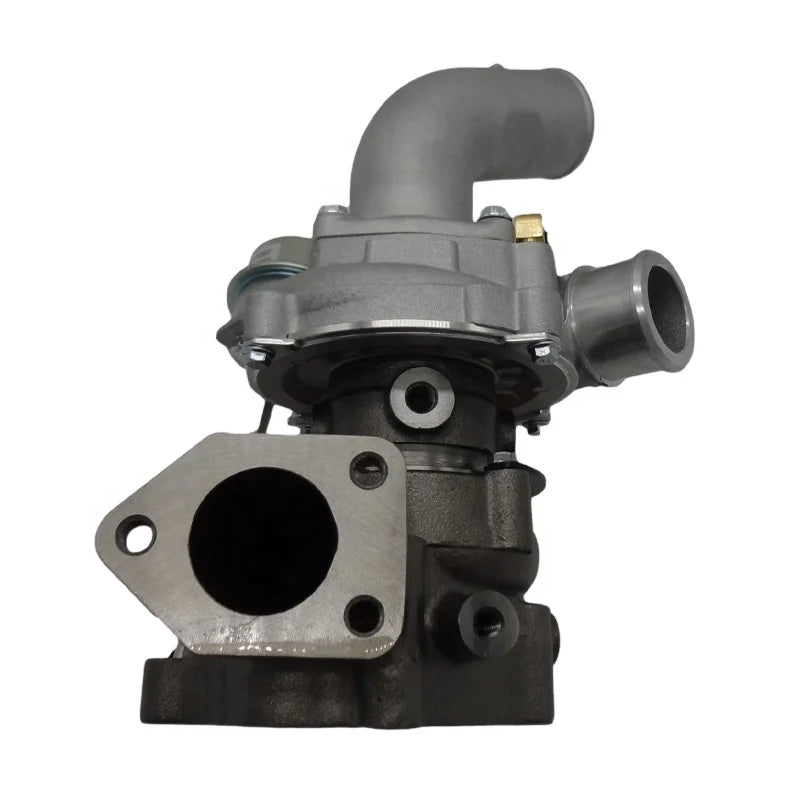
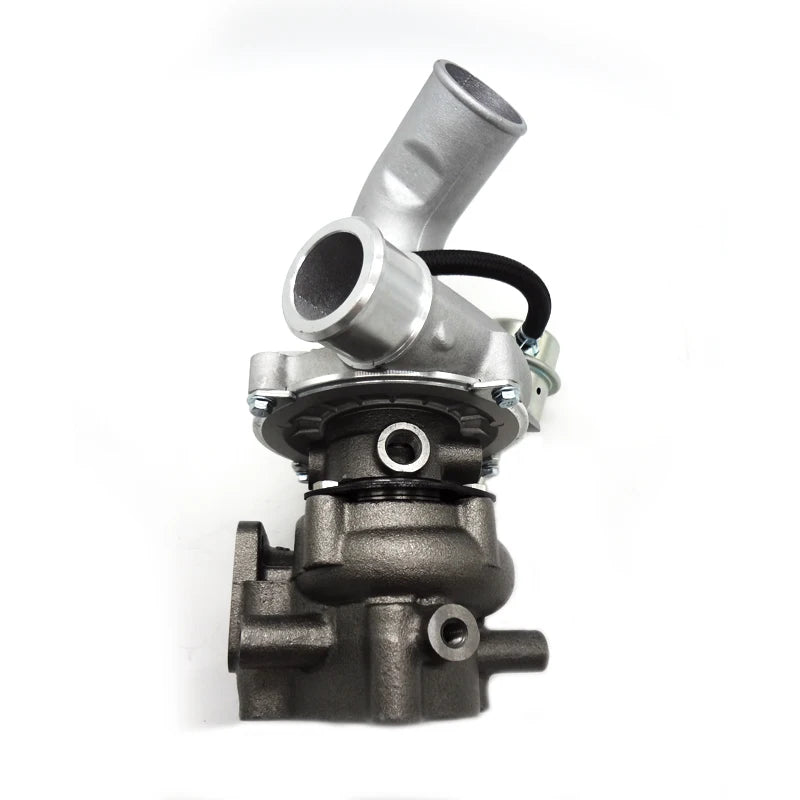
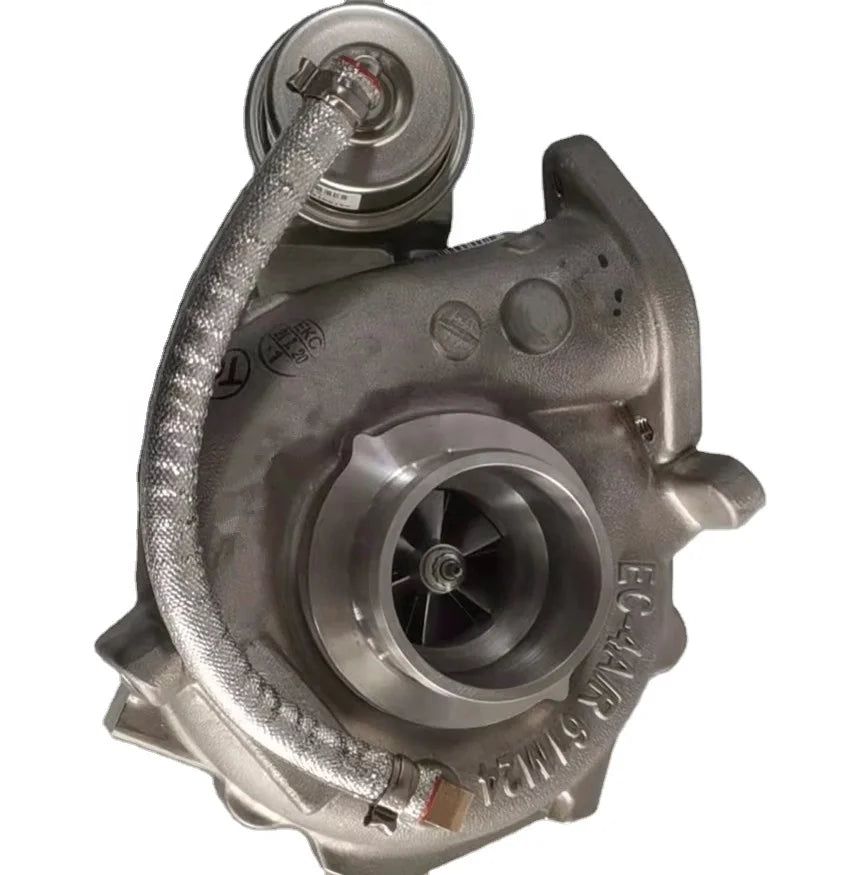
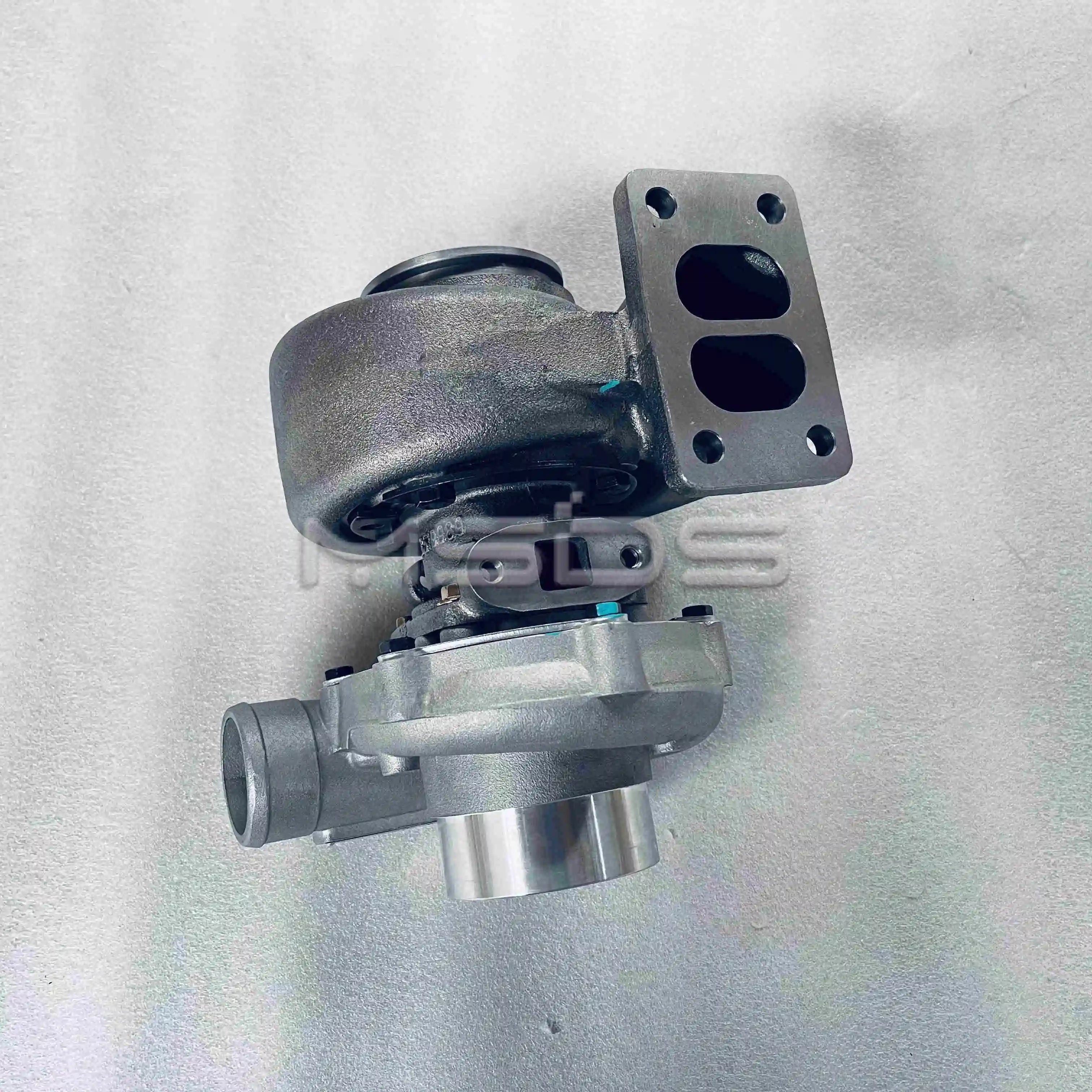
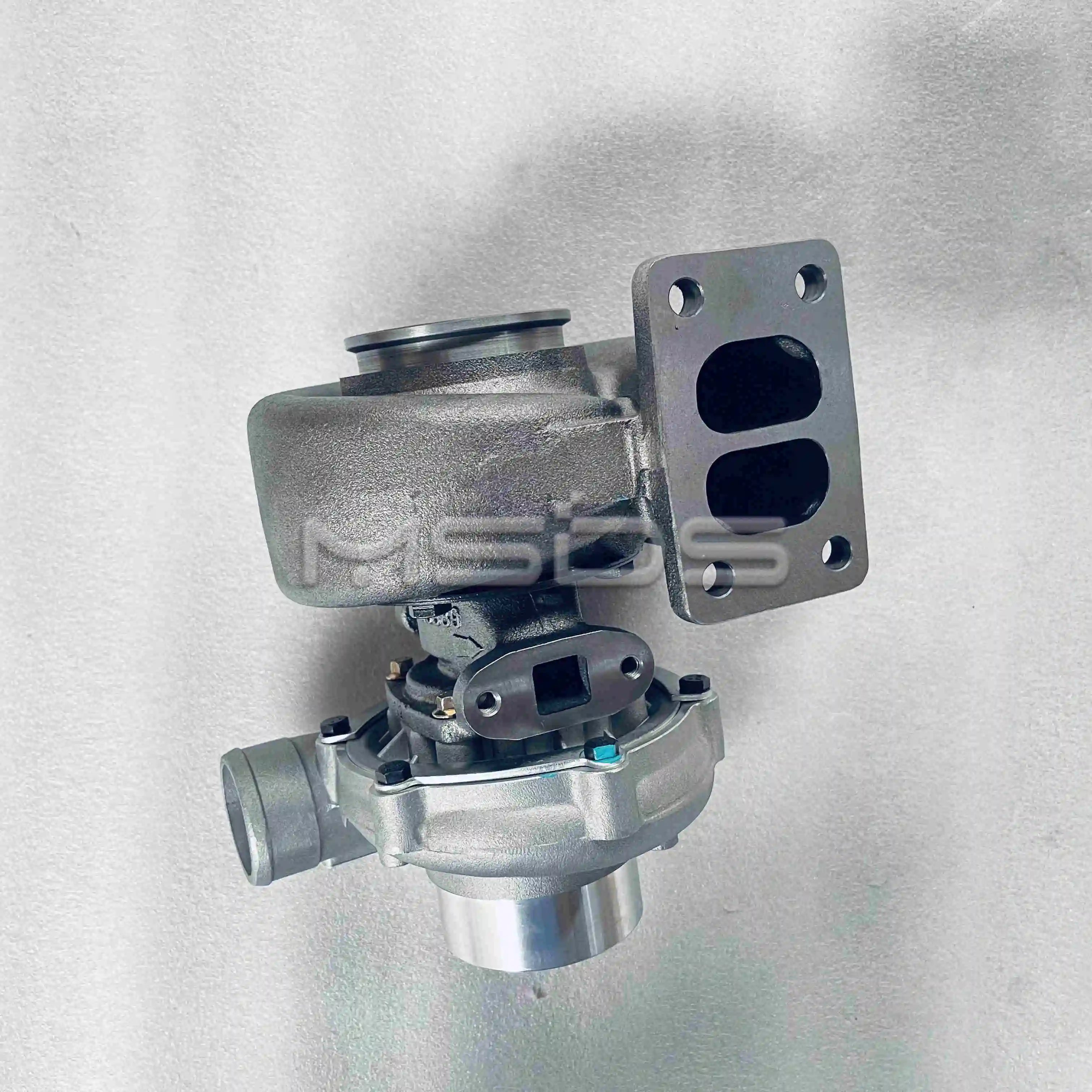
A turbocharger in automobile applications is an exhaust-driven compressor. Hot exhaust gas exiting the engine spins a turbine wheel, which is shaft-connected to a compressor wheel drawing in and pressurising intake air before delivering it to the engine. The turbocharger uses energy that would otherwise leave through the exhaust as waste heat, which is why turbocharged engines are substantially more thermally efficient than naturally aspirated equivalents of the same displacement.
The characteristic of turbocharger power delivery is a lag between throttle input and boost response: the time taken for exhaust energy to accelerate the turbine to the RPM required to produce useful compressor output. Variable nozzle turbocharger technology addresses this specifically, and is the reason modern common-rail diesel turbochargers deliver usable torque from much lower RPM than older fixed-geometry designs. The diesel turbocharger's compatibility with the diesel combustion cycle, high torque at low RPM, and sustained operation under load make it the standard forced induction solution for commercial diesel applications globally.
Superchargers
A supercharger is mechanically driven by the engine, typically via a belt from the crankshaft, delivering compressed intake air with no lag between throttle input and boost delivery. The supercharger produces its full pressure ratio at any engine speed where the belt is turning, making it the correct forced induction solution for applications where linear, immediate power delivery is the priority over peak efficiency.
The cost of that immediacy is parasitic load. Because the supercharger draws mechanical energy directly from the crankshaft rather than recovering waste exhaust energy, it reduces the net efficiency of the engine below what a turbocharger of equivalent output produces. Chevy supercharger applications including the LSA in the Cadillac CTS-V and Camaro ZL1 exploit the supercharger's linear response characteristic to produce a power delivery profile that a turbocharger of equivalent peak output cannot replicate at low RPM. VW supercharger and Audi supercharger applications across the G-charger and TVS family apply the same principle to European performance engines.
Fixed Geometry vs. Variable Nozzle Turbochargers: The Design That Changed Diesel
Not all turbochargers operate on the same internal geometry, and the distinction between fixed-geometry and variable nozzle designs is the most significant development in turbocharger technology across the last two decades of diesel engine development.
Fixed Geometry Turbochargers
A fixed geometry turbocharger has a turbine housing with a static inlet nozzle. The turbine's response characteristics are set at the design stage and cannot be modified during operation. At low exhaust flow, low RP, and M under light load, a large fixed nozzle produces slow turbine response. At high exhaust flow, high RP, and M under full load, a small fixed nozzle risks over-speeding the turbine. Every fixed geometry turbocharger is a compromise between low-RPM response and high-RPM capacity, which is why earlier diesel engines typically had a pronounced boost threshold. Fixed geometry units are durable, mechanically simple, and the correct replacement specification on applications where variable nozzle hardware was not original equipment.
Variable Nozzle Turbochargers
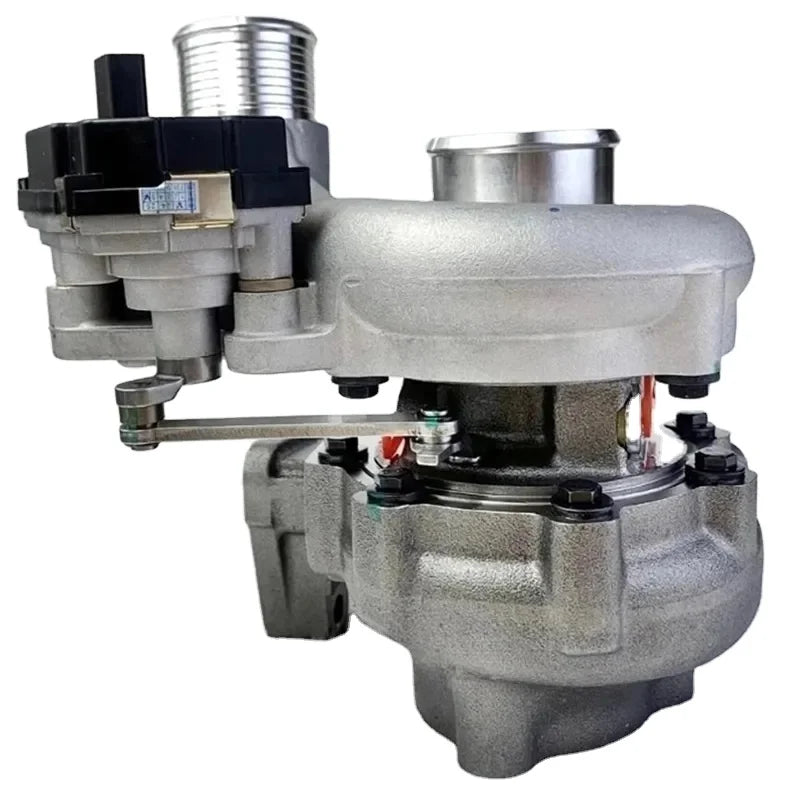
A variable nozzle turbocharger, also called a variable geometry turbocharger, or VG, T uses an array of adjustable vanes around the turbine wheel that the engine control module repositions in real time based on load and RPM. At low exhaust flow, the vanes close to increase exhaust gas velocity across the turbine, producing strong low-RPM boost response. At high exhaust flow, the vanes open to allow maximum turbine throughput without over-speeding. The result is usable boost across a far wider operating range than any fixed geometry design can achieve.
Variable nozzle turbocharger replacement is technically more involved than fixed geometry replacement; the vane mechanism must be inspected, the actuator function confirmed, and the control loop between the turbocharger and engine management system verified after fitment. All variable nozzle units stocked by CBT Auto Parts are confirmed to the correct actuator specification and vane travel range for each platform.
The Wastegate: Boost Control Is as Important as Boost Production
A turbocharger that produces boost without a mechanism to limit it will over-speed its turbine and damage itself, and over-pressurises the intake system with consequences that reach every component downstream. The wastegate is the boost control device that prevents both outcomes, and its condition is as important to forced induction reliability as the turbocharger itself.
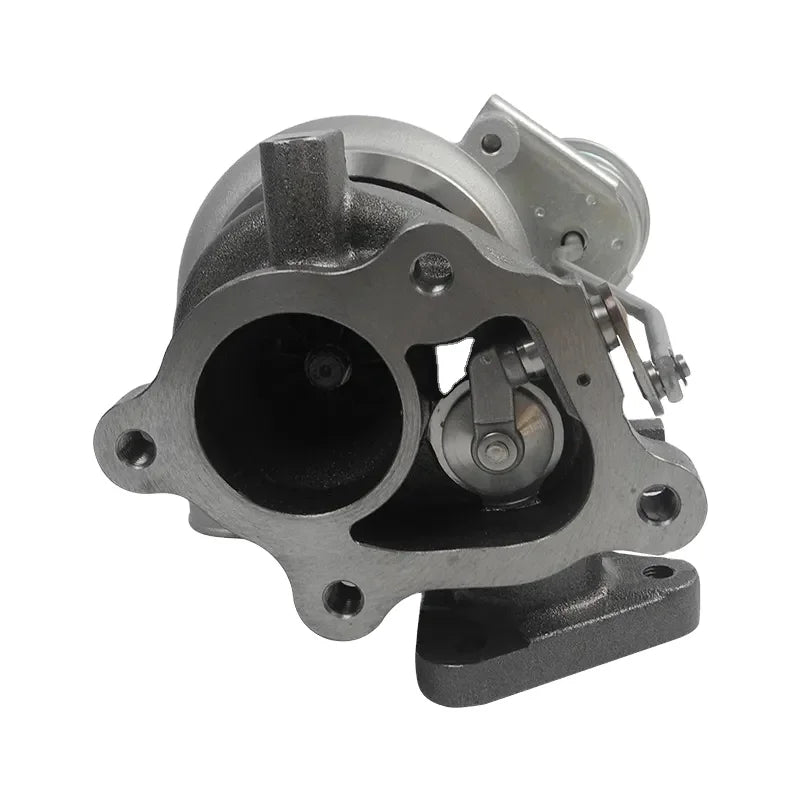
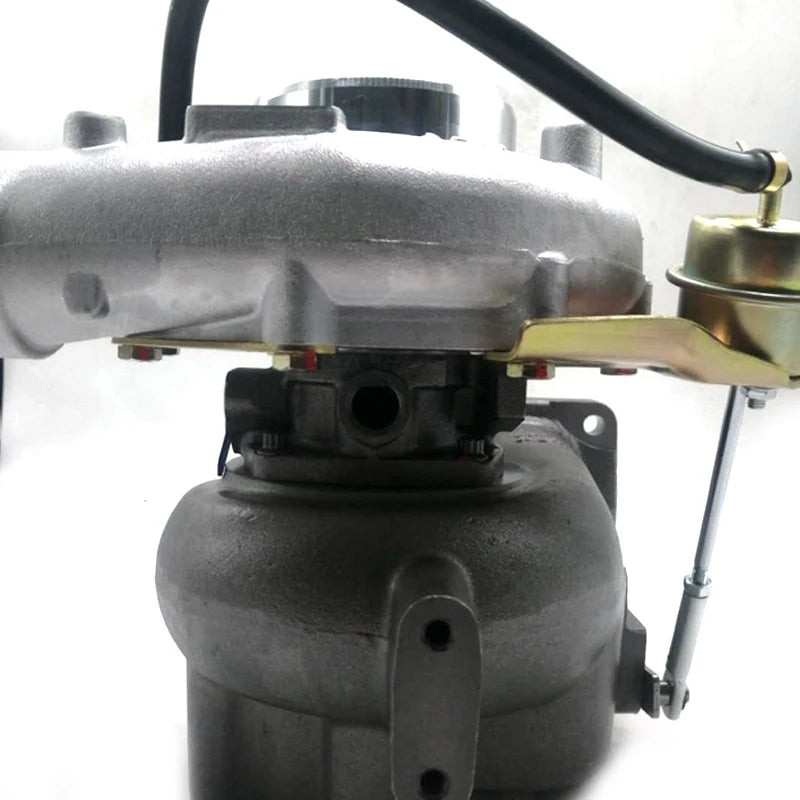
The wastegate diverts a portion of exhaust gas away from the turbine once the target boost pressure has been reached, controlling turbine speed and therefore compressor output. Two designs are in common use:
- Internal wastegates are integrated into the turbocharger's turbine housing, using an actuator-controlled flap to bypass exhaust gas around the turbine wheel. They are compact and sufficient for stock and moderately modified applications.
- External wastegates are mounted in the exhaust stream upstream of the turbocharger as a separate component, offering greater flow capacity and more precise boost control on heavily modified engines where an internal wastegate cannot pass sufficient exhaust volume at the required bypass rate.
The Cummins wastegate and wastegate solenoid are among the most frequently serviced boost control components across the Cummins diesel platform family. A faulty wastegate solenoid on a Cummins allows the wastegate to operate in a single position, typically stuck open, resulting in underboost, or stuck closed, resulting in overboost, and produces diagnostic codes that point to the solenoid before the wastegate mechanism itself is inspected. Sourcing the correct Cummins wastegate specification matched to the turbocharger fitted and the control module calibration is essential before fitment.
Repairing a Turbocharger vs. Replacing It: Where the Decision Actually Sits
Repairing a turbocharger is a legitimate and cost-effective option in many cases, but only when the correct diagnosis has determined that the failure is confined to serviceable components. The decision between repair and replacement is not a budget question. It is a technical question about what has failed and whether that failure is reversible.
Repair is the correct approach when:
- Shaft play is within serviceable limits, and the bearing housing shows no scoring; a centre section rebuild with new bearings and seals restores the turbocharger to full function at a fraction of replacement cost
- The compressor or turbine wheel carries no blade damage; even minor tip strikes change the wheel's aerodynamic profile, and a wheel that has struck its housing cannot be rebalanced to a serviceable standard
- The failure is confined to the actuator, wastegate, or solenoid; these are discrete components, and their replacement does not require rebuilding the core
Replacement is required when:
- The turbine or compressor wheel has sustained blade damage from debris ingestion; wheel replacement on a worn housing is not a valid repair
- The bearing housing shows oil coking from oil starvation or sustained thermal damage; a coked bearing housing cannot be adequately cleaned, and new bearings will fail rapidly if fitted to a contaminated housing.
- The shaft is bent or shows runout beyond the manufacturer's service limit; this is a core-out replacement, not a bearing replacement.
Diesel turbocharger cleaner products are a maintenance-adjacent intervention; they address carbon and varnish accumulation in the compressor housing and oil circuit on a turbocharger that is still functioning, not a repair for a turbocharger with mechanical failure. Using a diesel turbocharger cleaner as part of a routine maintenance interval on a high-mileage diesel is a valid practice. Using it in place of a diagnosis on a turbocharger that has lost boost output, is smoking, or is producing shaft noise is not.
Platform Coverage: Turbochargers and Superchargers We Supply
CBT Auto Parts stocks turbochargers, supercharger units, turbo kits, turbocharger gasket kits, and boost control components across the following platforms:
Diesel Platforms
- 5.9 Cummins turbo kit: fixed geometry and variable nozzle turbocharger replacements and complete turbo kits for both the 12-valve and 24-valve 5.9 Cummins generations
- Cummins wastegate: internal wastegate and wastegate solenoid components for applicable Cummins turbocharger configurations
- Diesel turbocharger: broad OEM-spec diesel turbocharger coverage across light commercial, agricultural, and heavy-duty diesel platforms
- Variable nozzle turbocharger: VNT and VGT replacement units across applicable common-rail diesel platforms where variable geometry is original equipment
Petrol Platforms
- 100 Series Land Cruiser petrol turbo kit: turbocharger and turbo kit options for the 100 Series Land Cruiser petrol platform
- Chevy supercharger: OEM-spec and performance supercharger units for applicable GM and Chevrolet petrol applications
- VW supercharger: replacement and performance supercharger units across applicable Volkswagen petrol engine platforms
- Audi supercharger: OEM-spec supercharger replacements for Audi applications where mechanical supercharging is original equipment
Turbocharger Gasket Kits and Accessories
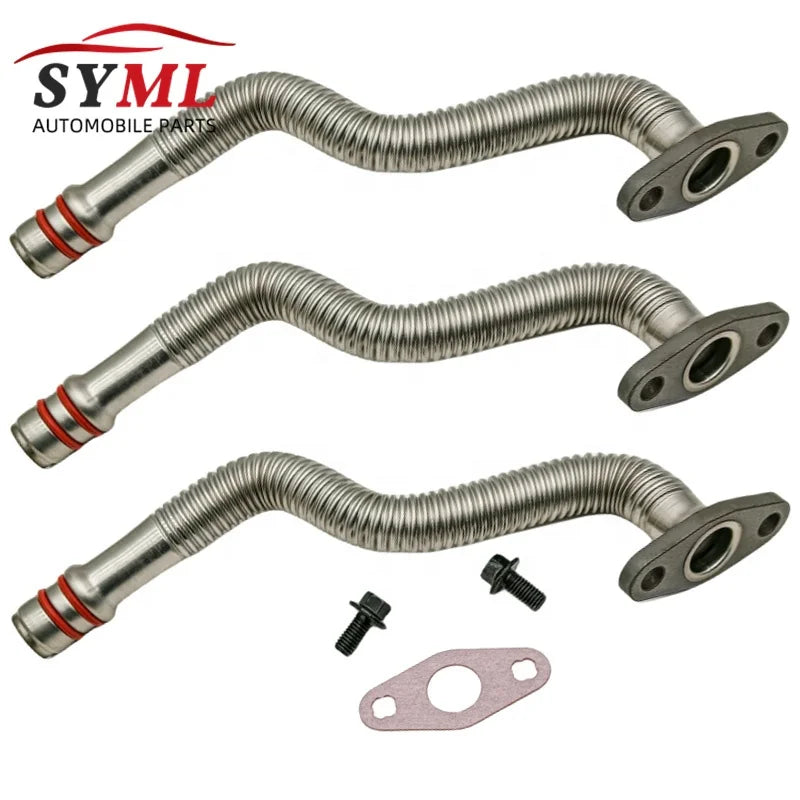
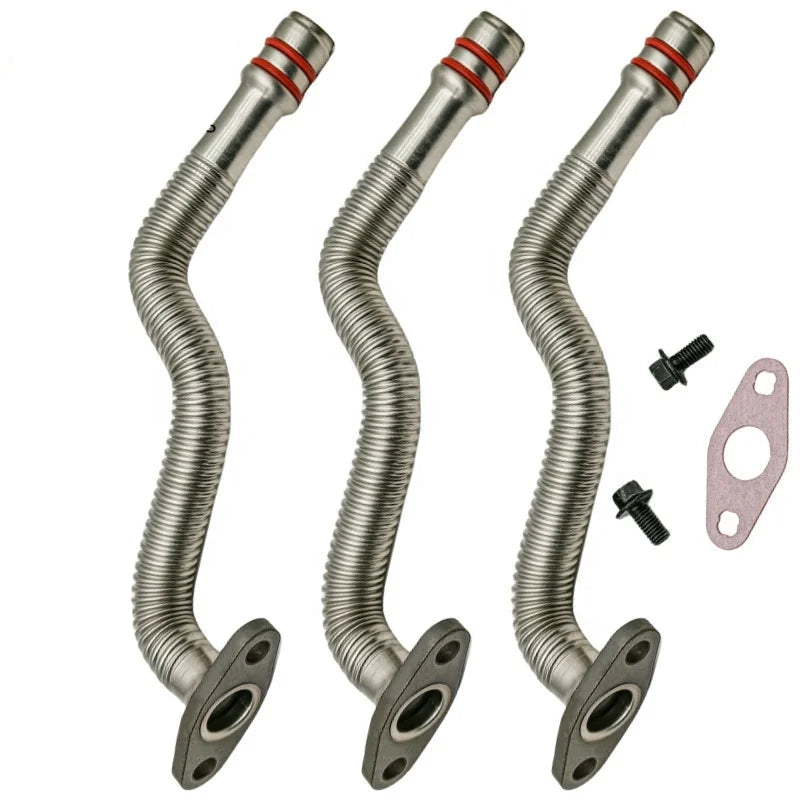
- Turbocharger gasket kit: complete gasket and seal sets for turbocharger removal and refitment, covering the exhaust inlet and outlet, oil feed and drain, and coolant connections where applicable
- Wastegate solenoid: replacement solenoids across applicable boosted diesel and petrol platforms where electronic boost control is part of the original system
For any platform not listed here, contact CBT Auto Parts with your engine code, current turbocharger part number, and whether the engine has been modified. Boost specification and fitment compatibility are confirmed before any order is dispatched.
What to Source Alongside Your Turbocharger or Supercharger
The turbocharger or supercharger does not operate in isolation; it pressurises air that the rest of the induction system must manage, cool, and deliver efficiently to the combustion chamber. Two components sit directly in that circuit:
- Intercoolers: The compressed air charge leaving the turbocharger or supercharger carries substantially more heat than ambient intake air. An intercooler removes that heat before the charge reaches the combustion chamber, increasing air density and reducing the risk of detonation on petrol engines and charge-air knock on modified diesel applications. On any turbocharger or turbo kit fitment where the existing intercooler has not been assessed, the intercooler's condition and flow capacity must be confirmed against the new turbocharger's output. Intercoolers across applicable diesel and petrol platforms are stocked within the Engine & Powertrain Parts range at CBT Auto Parts.
- Fuel Injectors: A turbocharger upgrade that increases boost pressure and air charge volume into the combustion chamber requires the fuel delivery system to match. The existing fuel injectors were sized for the original air charge; increased boost without increased fuel delivery creates a lean condition under load that damages pistons and bearings with sustained operation. Whenever a turbocharger or supercharger is being upgraded rather than replaced like-for-like, injector flow rate must be reviewed against the new boost specification. Fuel injectors across applicable diesel and petrol platforms are stocked within the Engine & Powertrain Parts range at CBT Auto Parts.