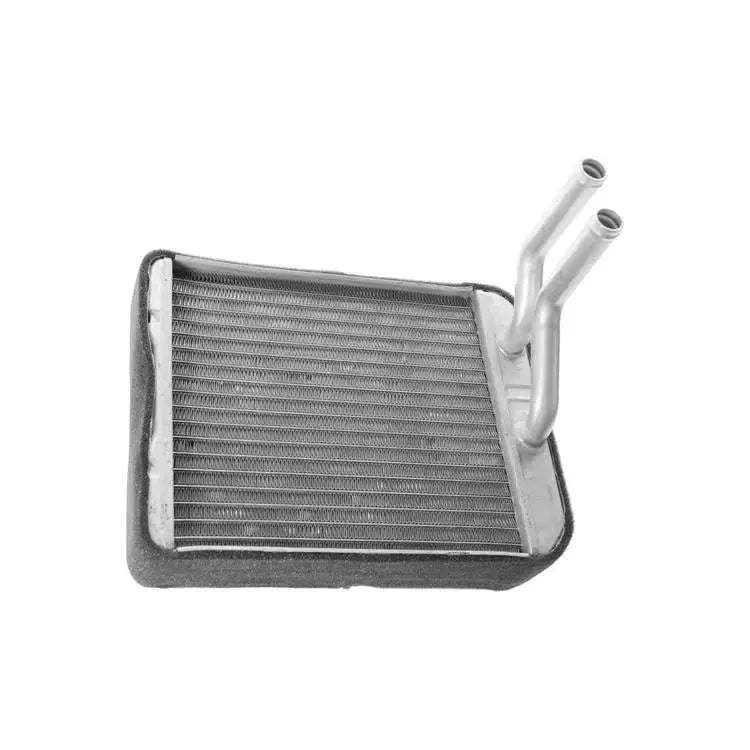
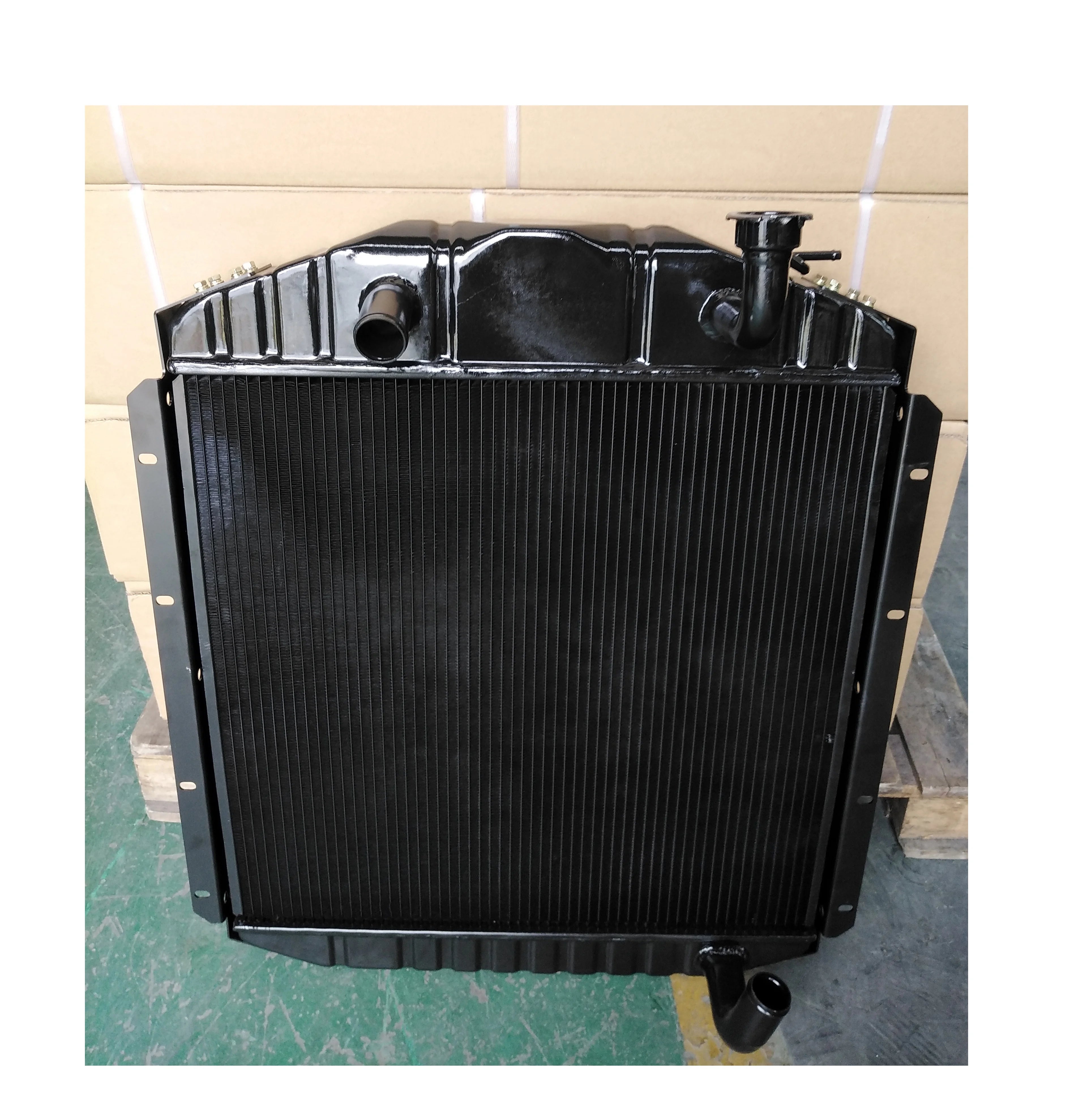
Car Radiators and Radiator and Hose Kits for Cars, Trucks and Lorries
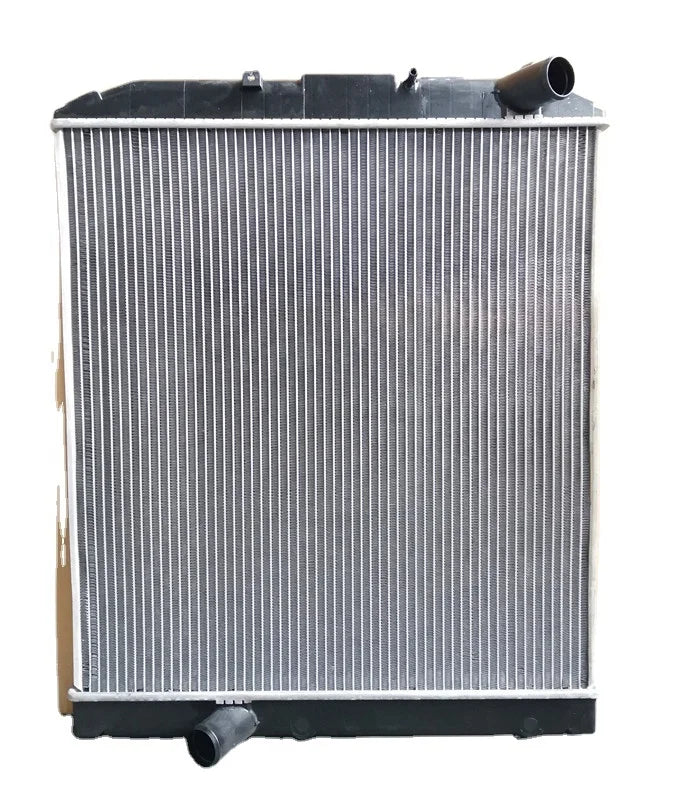
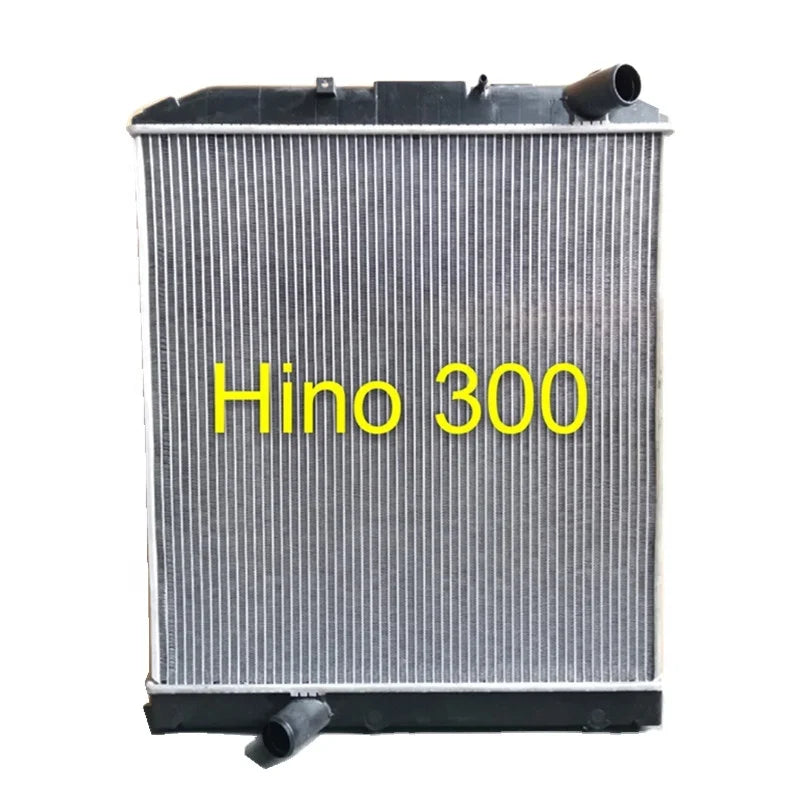
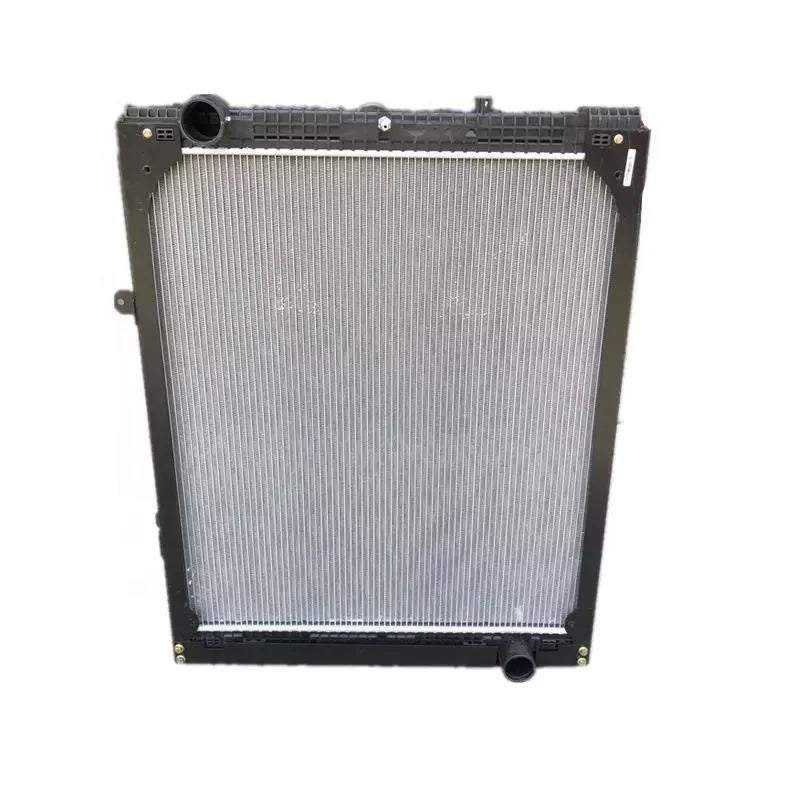
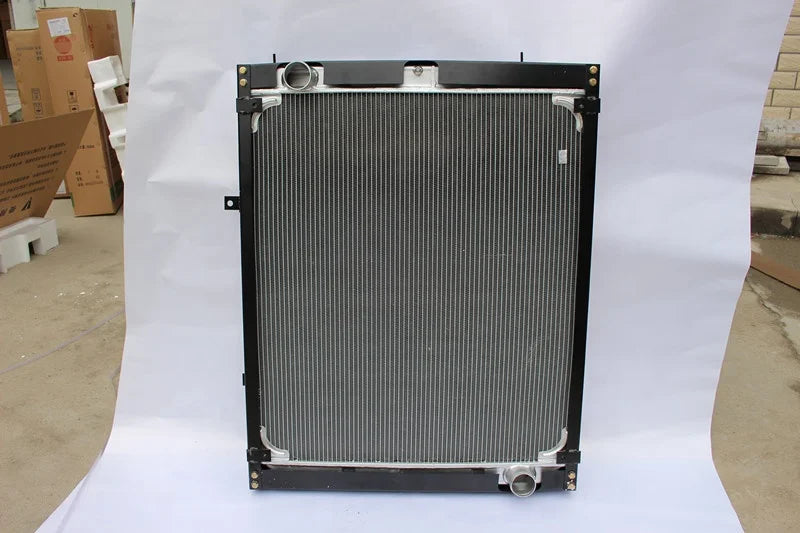
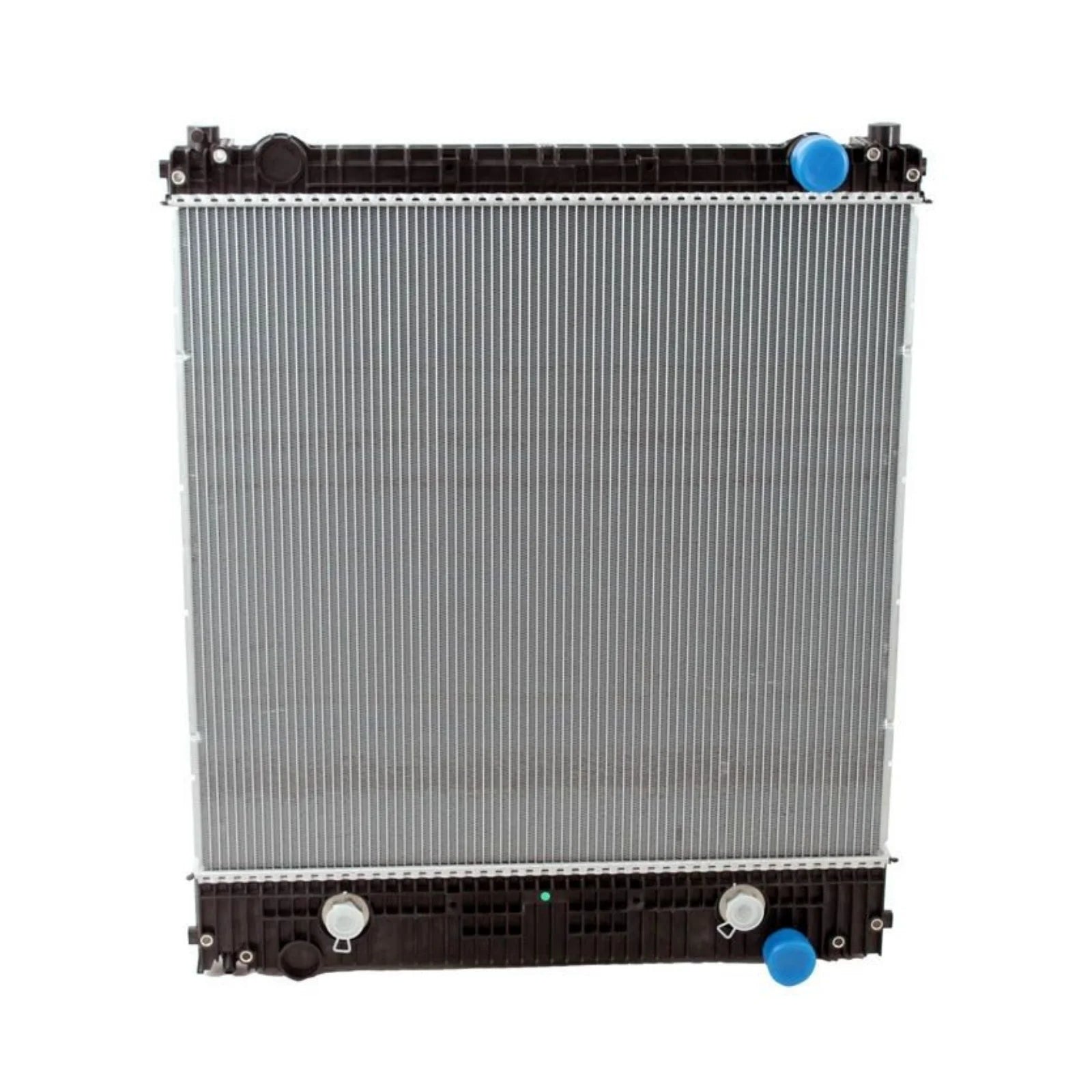
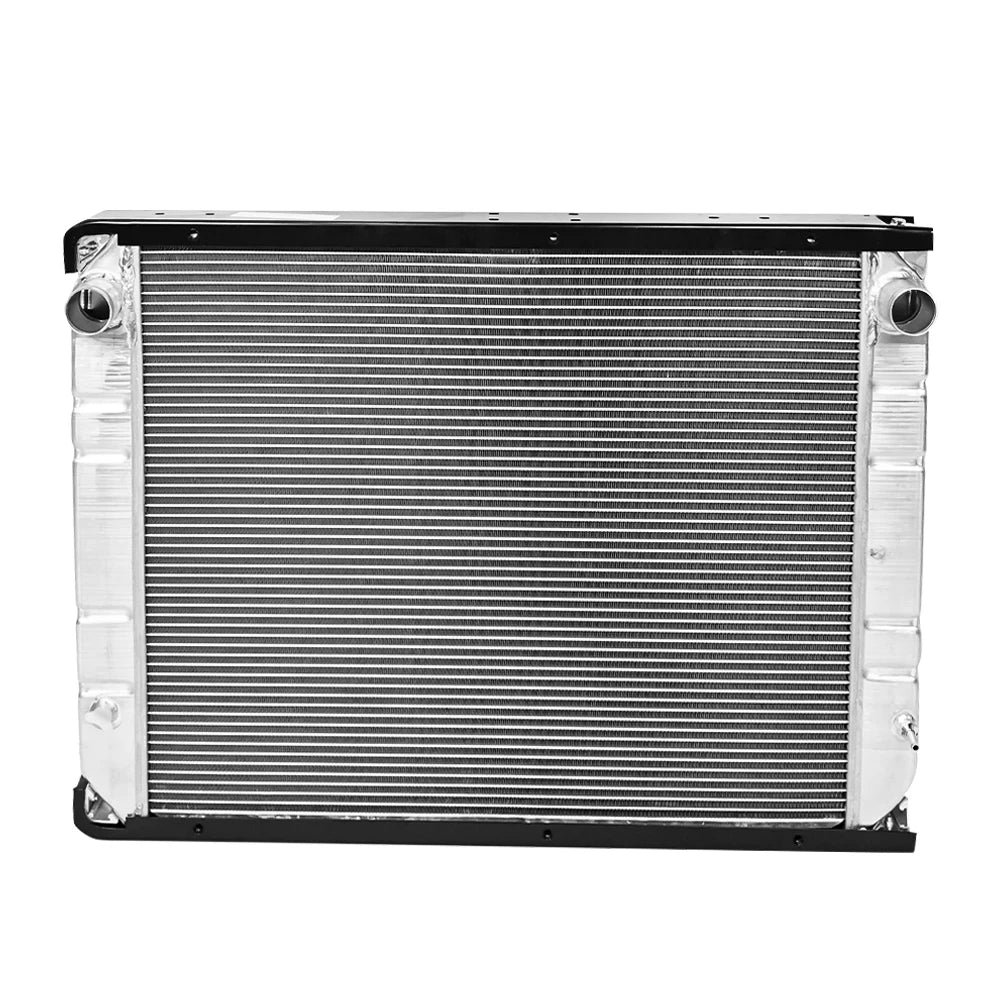
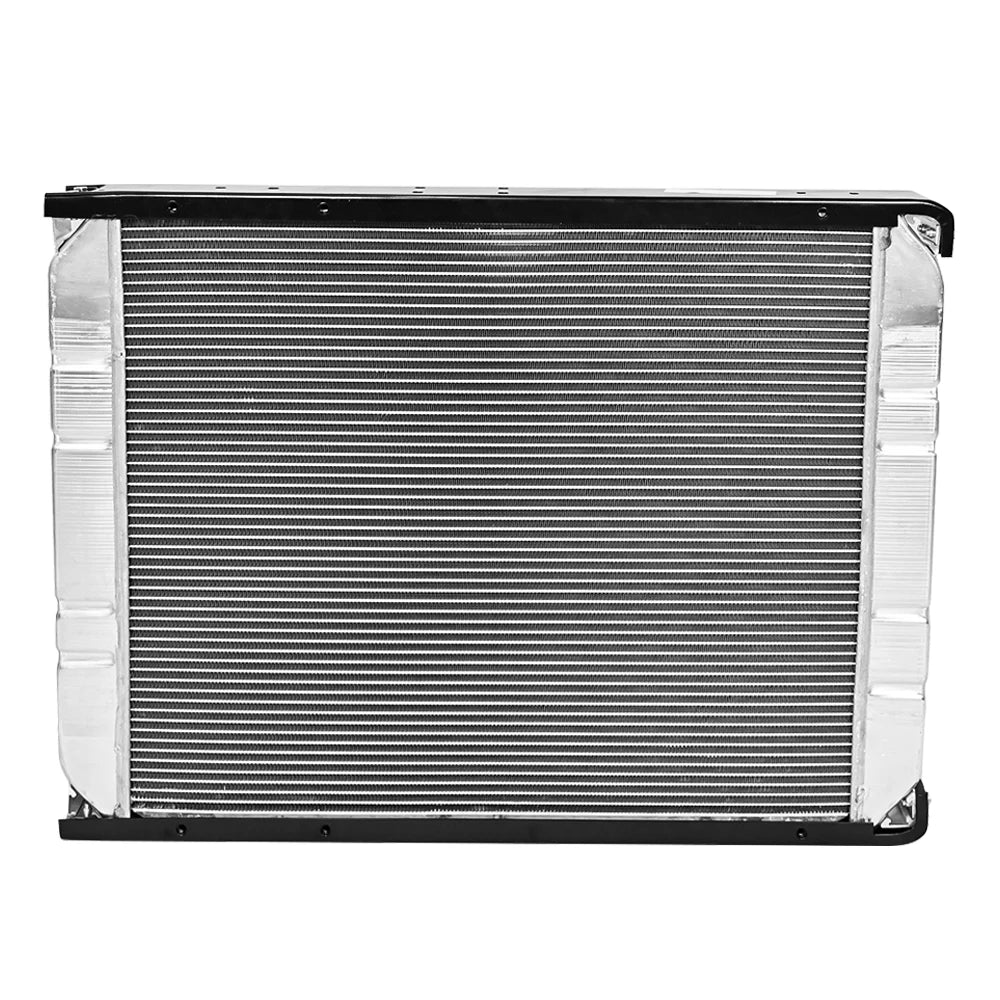
A car radiator pulls heat out of your engine coolant before it cycles back through the block, one of the hardest working vehicle's cooling systems. CBT Auto Parts stocks car radiators for cars, trucks, and lorries, sized to match factory cooling output.
Every radiator here is built to OEM specification or sourced from a trusted aftermarket manufacturer, so the radiator of a car you order matches what came out. Pair it with a radiator and hose kit, a radiator cap, or a coolant reservoir from the wider Cooling, HVAC and Climate Control Parts range, confirm fitment by year, make, and model, and expect fast worldwide shipping.

87 products
Showing 73 - 87 of 87 products
Signs Your Car Radiator Needs Replacing
A radiator rarely fails without warning. These are the signals worth acting on before it leaves you stranded:
- Coolant pooling under the front of the vehicle rather than a vague damp patch underneath.
- Temperature gauge creeping up specifically at highway speed, then settling back down at idle.
- Coolant that looks rusty, oily, or has visible particles rather than its usual clean color.
- Bent or crushed fins from road debris, even if the radiator hasn't started leaking yet.
- Topping off coolant every few weeks with no puddle in sight, which usually points to an internal seep.
Radiator and Hose Kits, and Why They're Sold Together
Radiator and hose age on a similar timeline, since both sit in the same coolant circuit and absorb the same heat cycles for years. Buying a radiator and hose kit together avoids a second labor charge down the line and means the new hose isn't straining against fittings that have already started to corrode. This is also why a radiator and hose search turns up results from this collection alongside our dedicated hose range; the two are meant to be considered as a pair rather than two separate purchases made months apart.
Built for Cars, Trucks, and Lorries
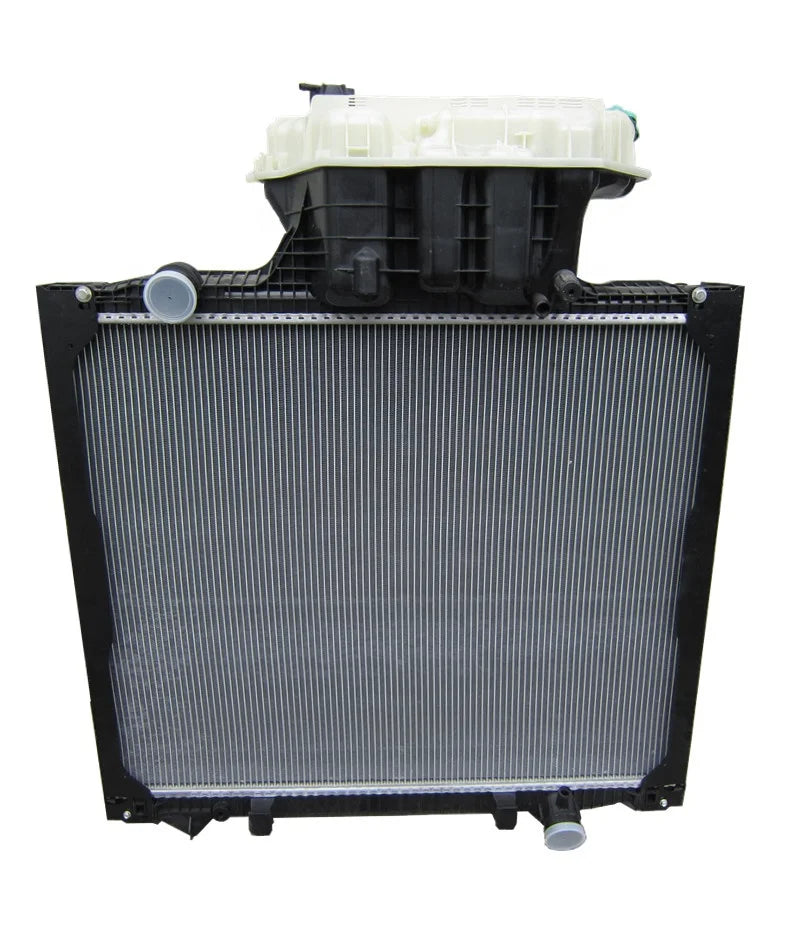
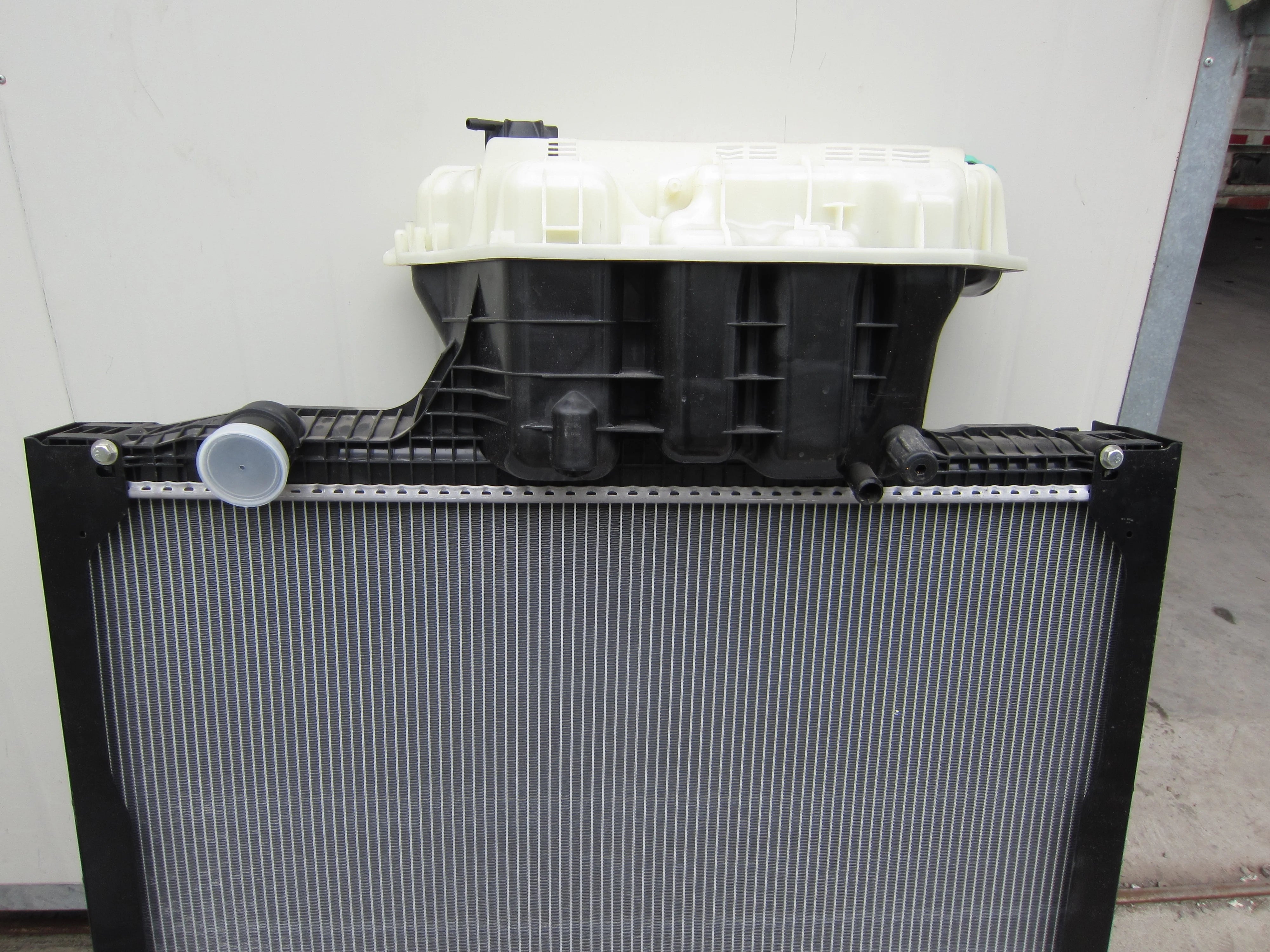
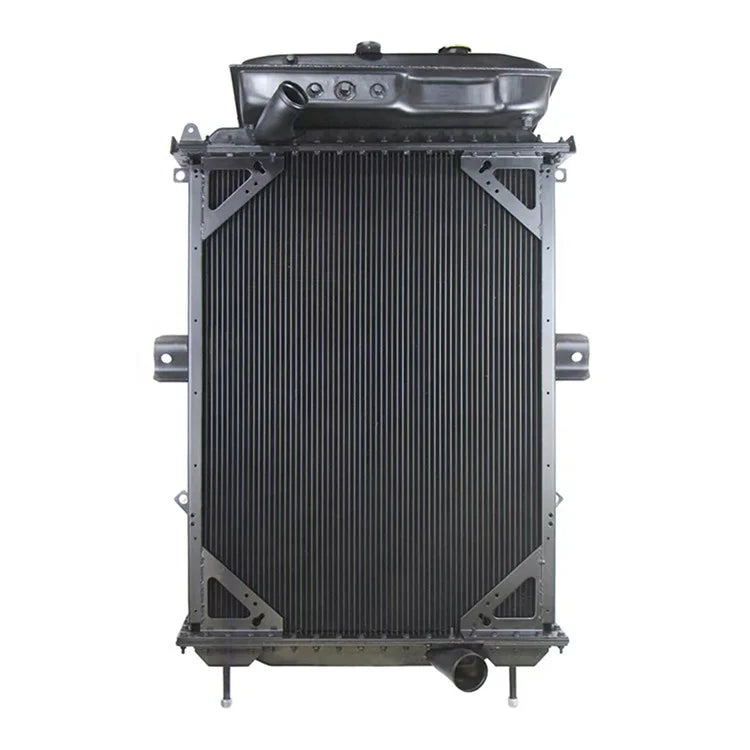
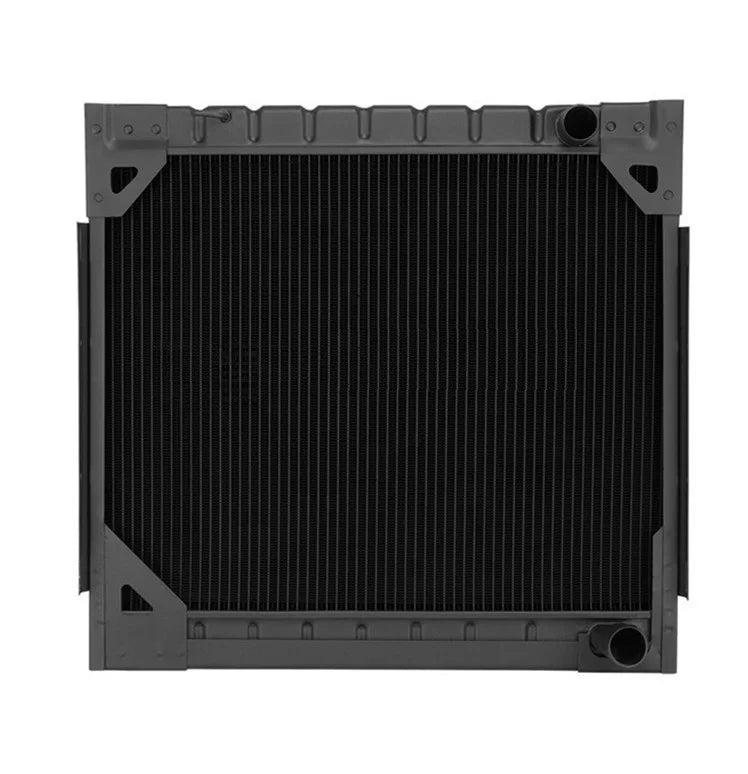
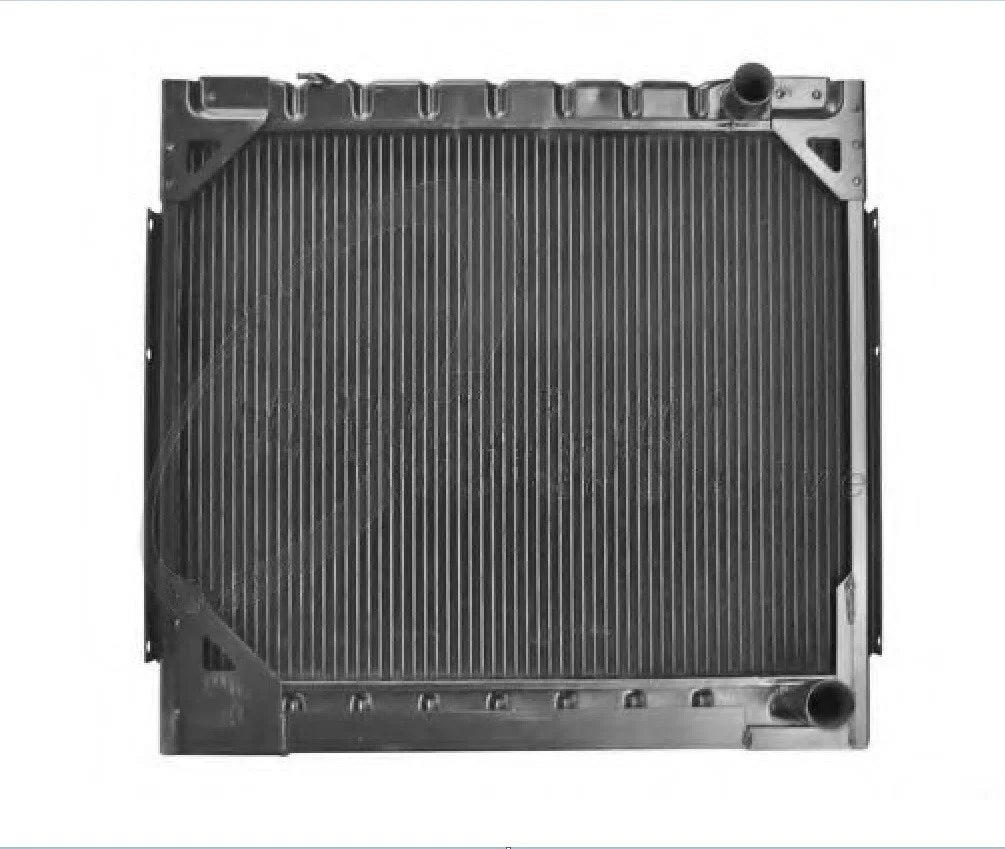
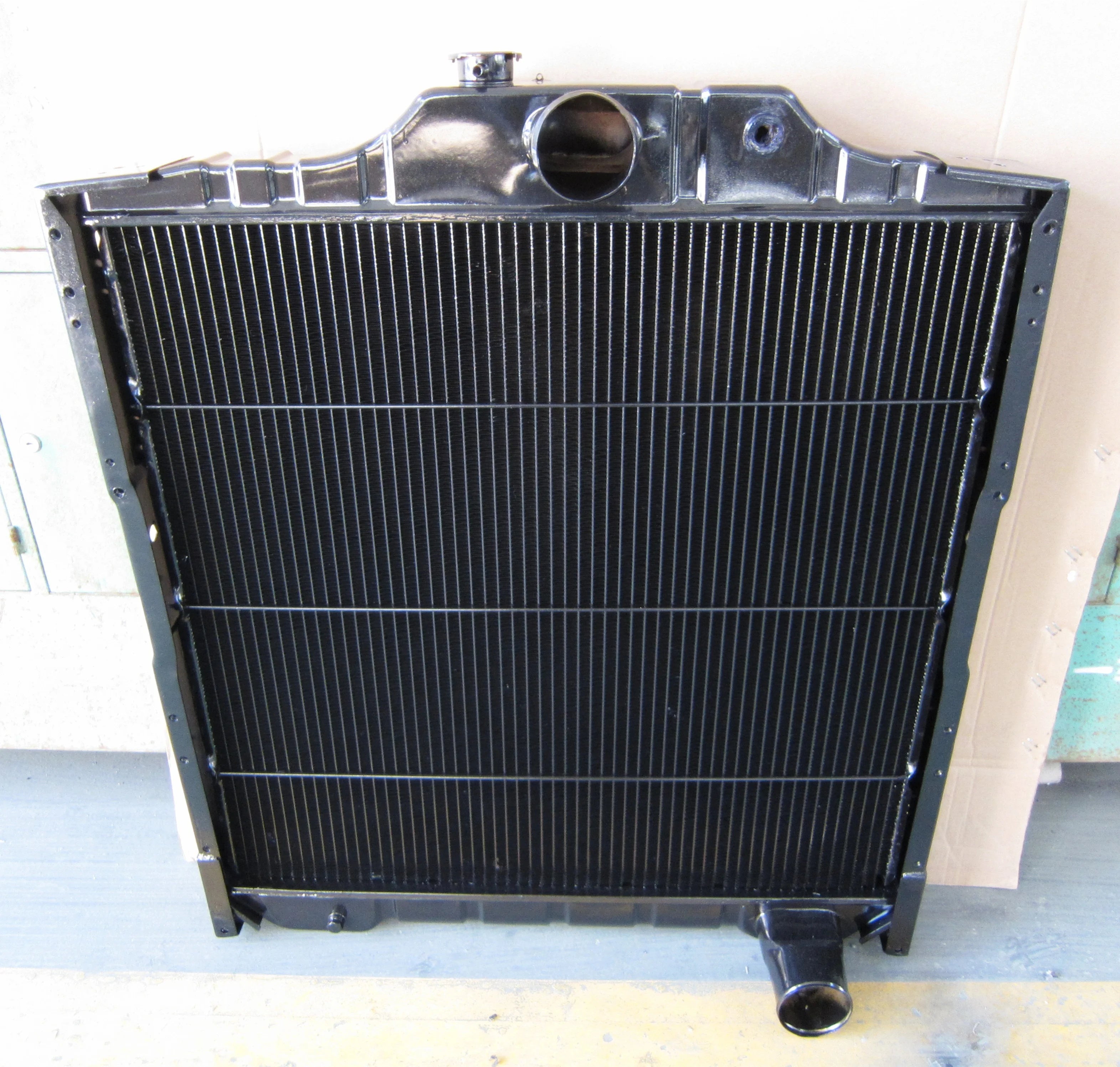
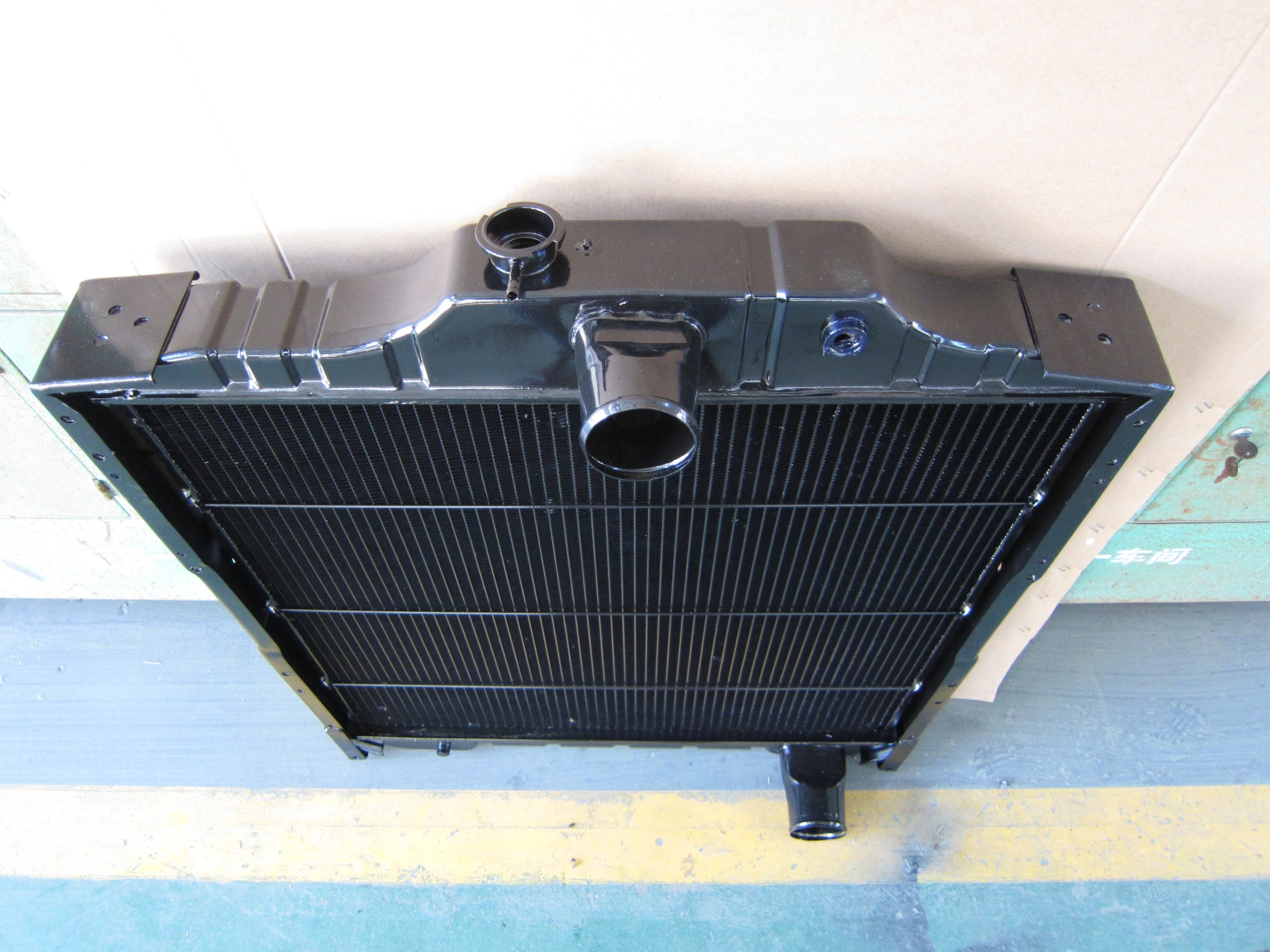
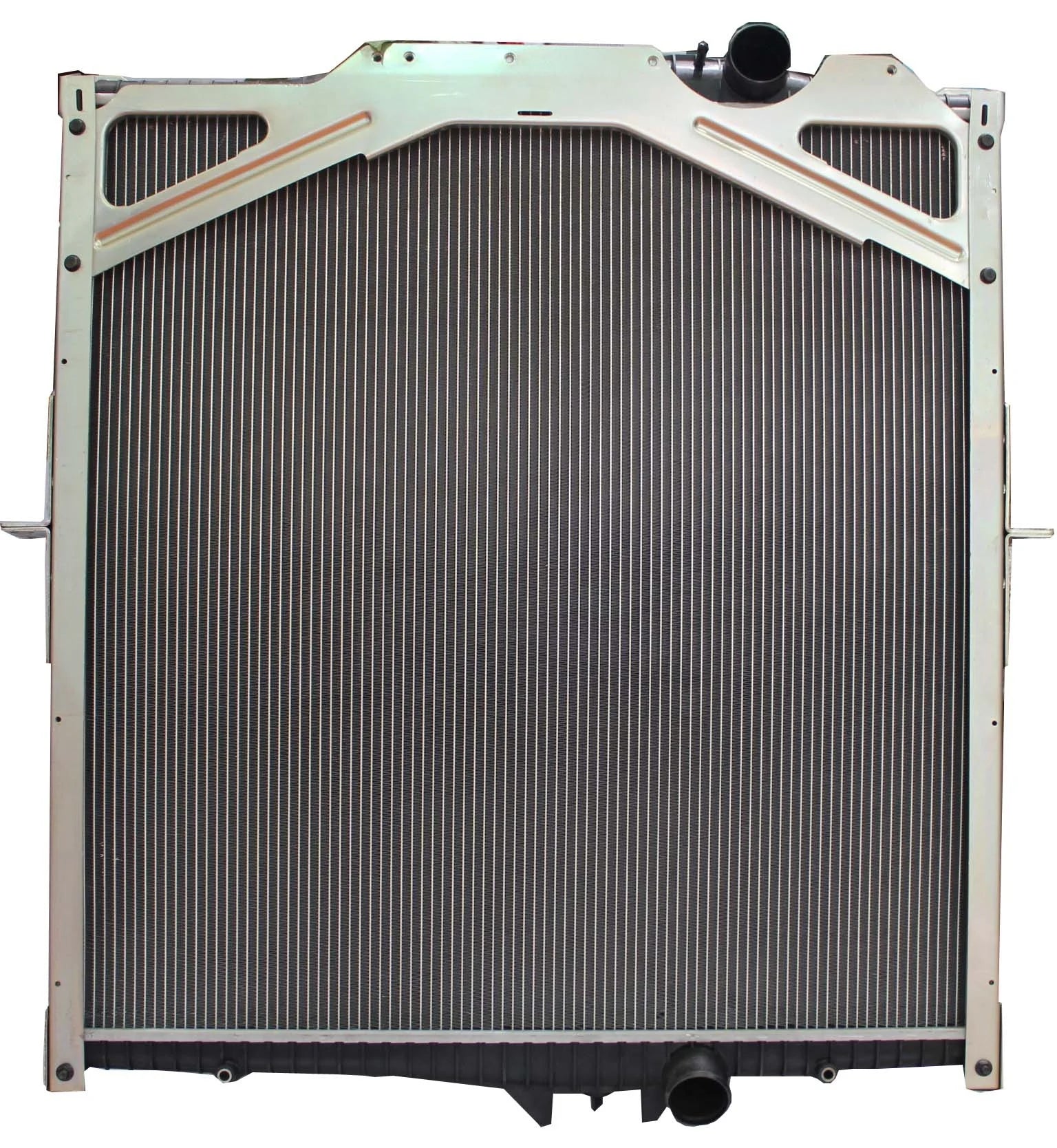
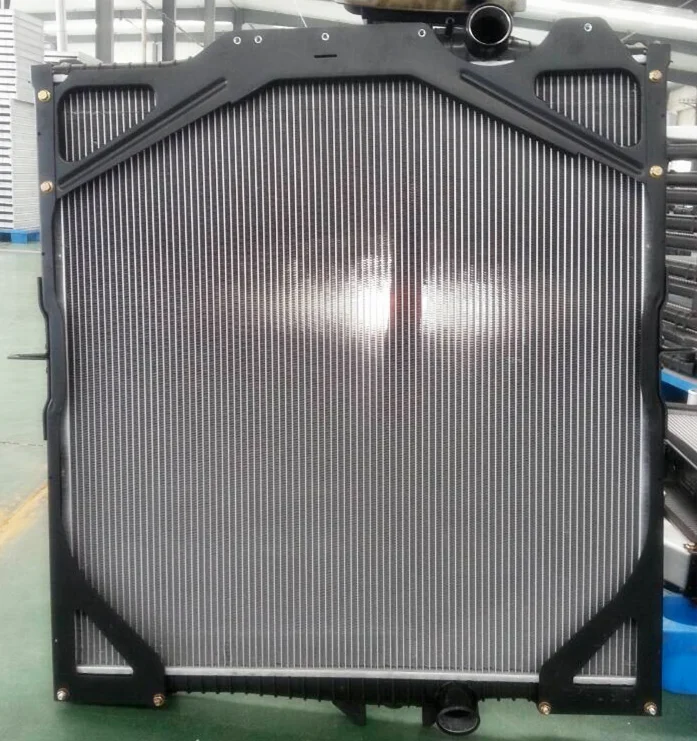
The radiator of a car is built around passenger vehicle cooling loads, with core sizes and fin density tuned for daily driving rather than sustained heavy hauling. A lorry radiator carries out the same job on a much larger scale, with reinforced mounting brackets and a higher fin count to manage heat that passenger engines never generate. This range covers both ends of that spectrum, plus the pickup trucks and SUVs that sit in between, so the part you order is sized for the actual vehicle rather than a generic average.
Car Radiator Price and Choosing Between OEM and Aftermarket
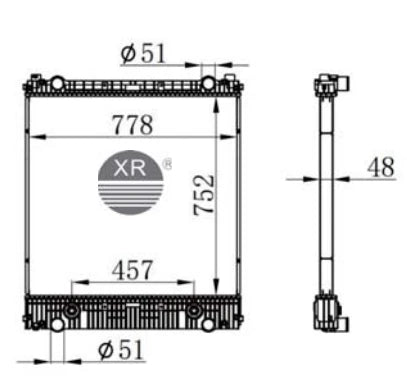
Car radiator price varies mainly by material and core size rather than by brand name alone, with aluminum units typically priced below copper or brass equivalents. The cost of a car radiator replacement also shifts with vehicle class; a compact sedan radiator costs less than a full-size truck or lorry radiator. There's more metal and more cooling capacity involved. A quality aftermarket radiator can match OEM cooling performance when the core dimensions and row count line up with factory specifications. Every aftermarket listing here is checked against those numbers before it's added to the collection.
Cooling Fans and Other Parts That Work With Your Radiator
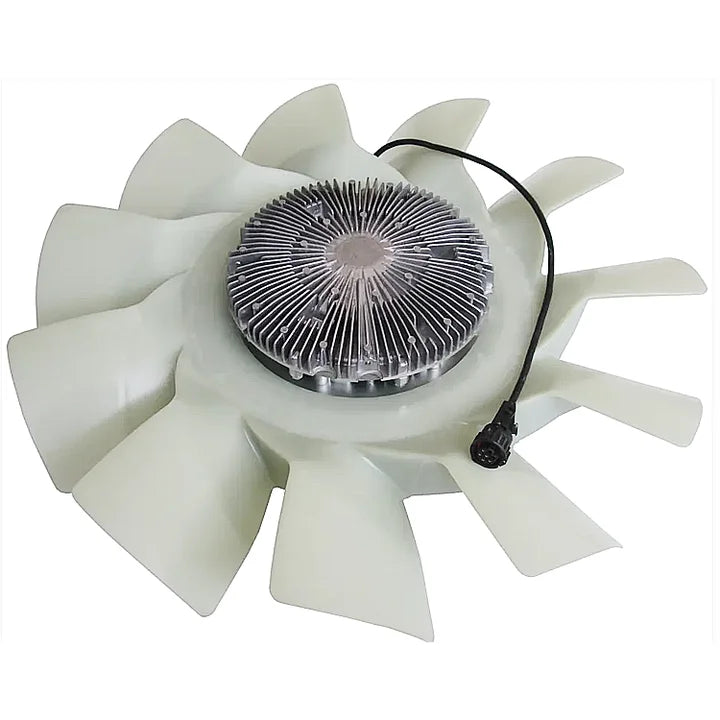
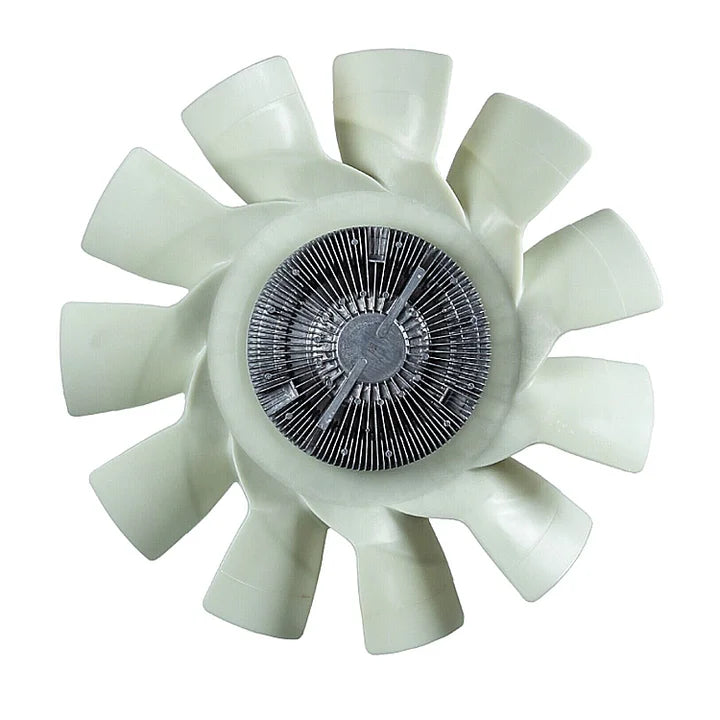
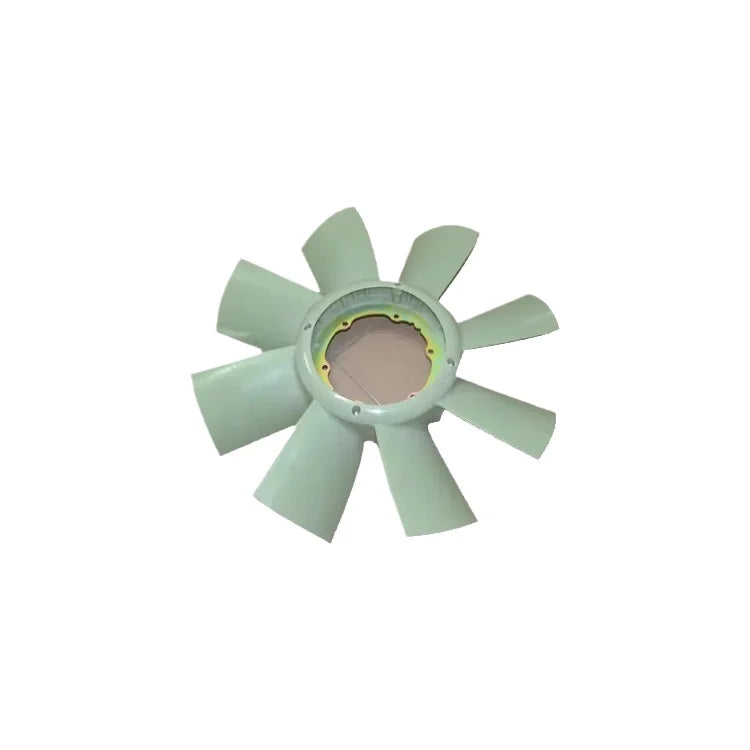
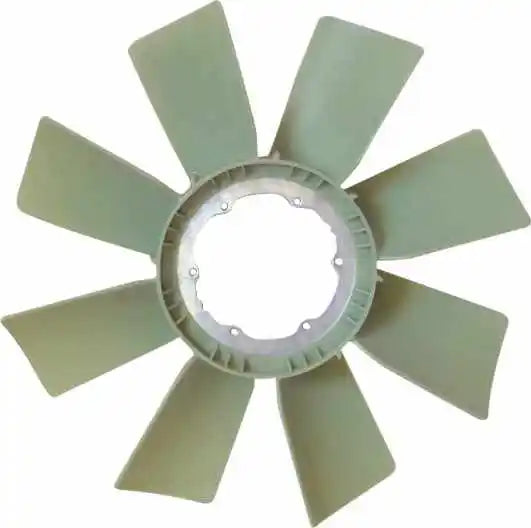
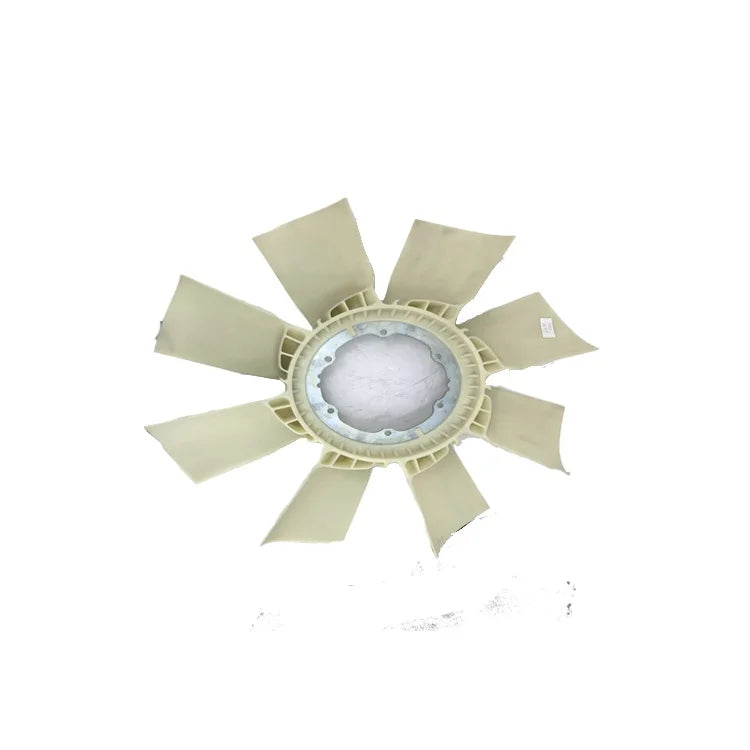
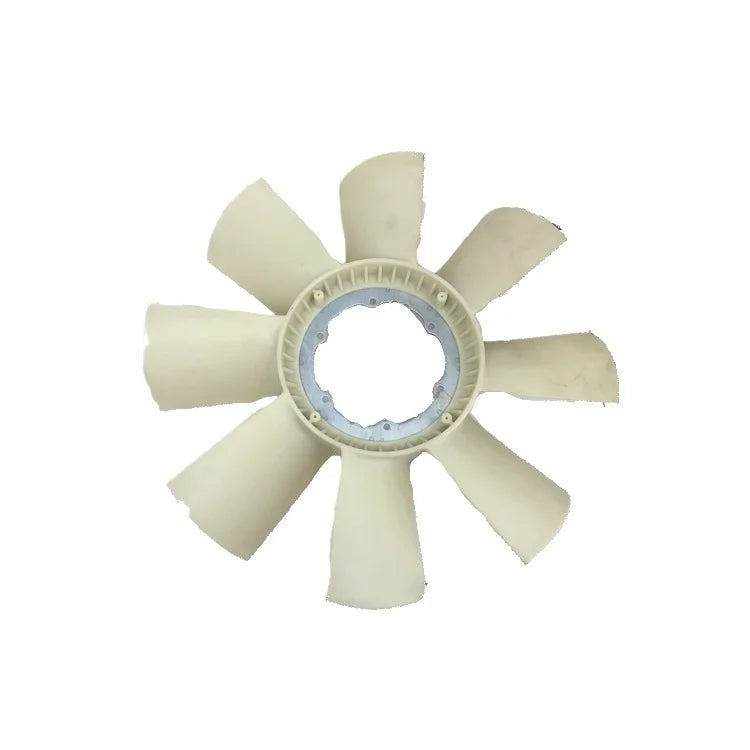
A fan for car radiator cooling pulls air through the core once road speed alone isn't moving enough air, and most passenger vehicles use a 12-volt car rad12-voltan wired to a temperature sensor. The best car radiator fan setup depends on your engine bay; electric assemblies suit most cars and light trucks, while belt-driven or clutch fans remain belt-driven on heavier diesel platforms. Our dedicated Cooling Fans and Fan Clutches ranges carry the fan side of that pairing, while radiator caps and coolant reservoirs here complete the pressure and overflow side of the system.
Aluminum vs Copper and Brass: Choosing Your Radiator Core
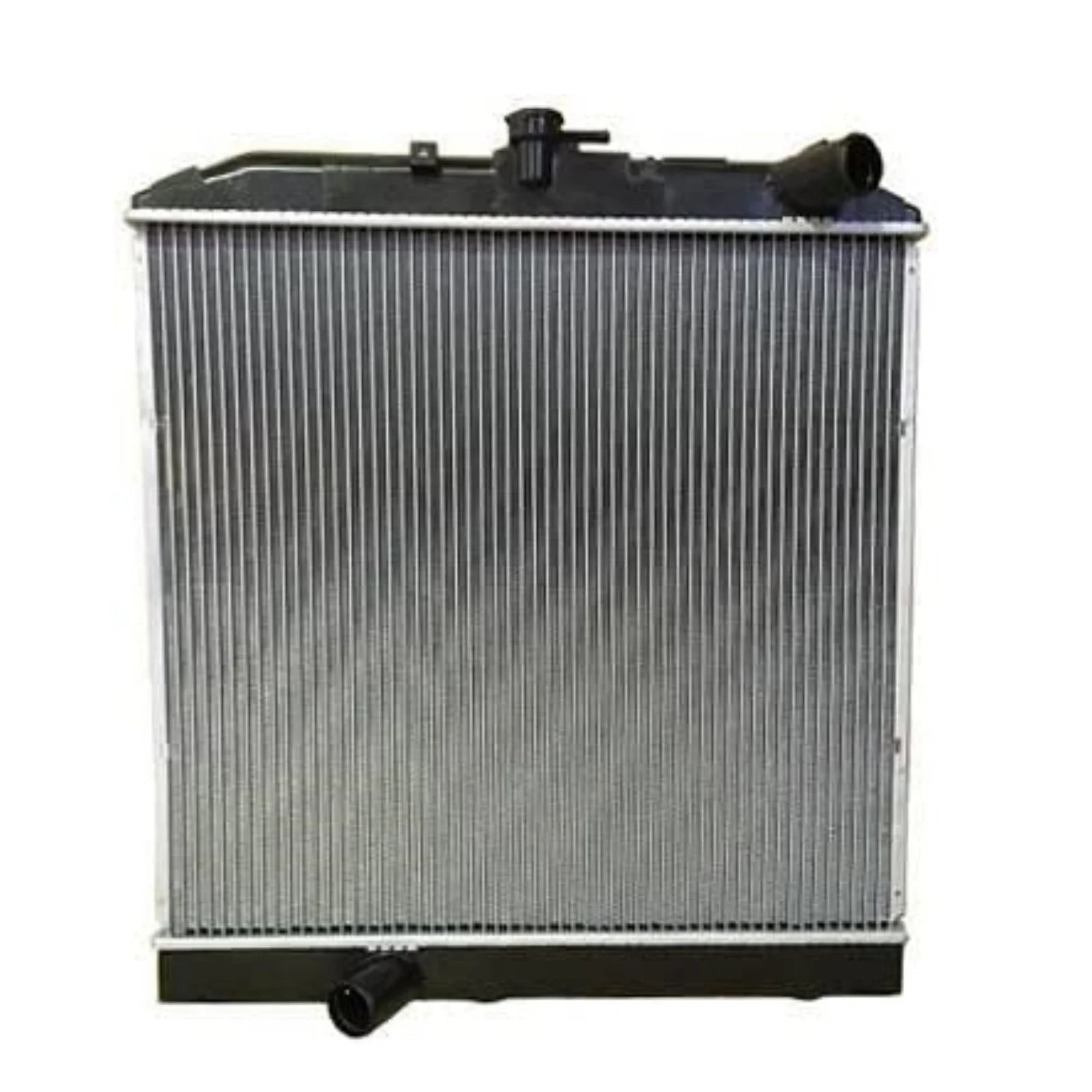
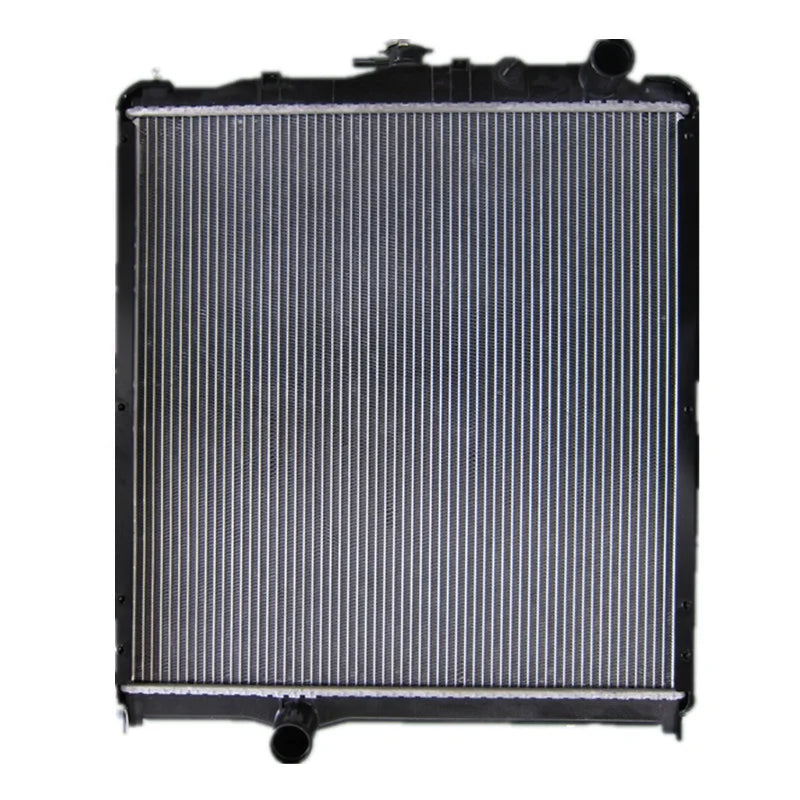
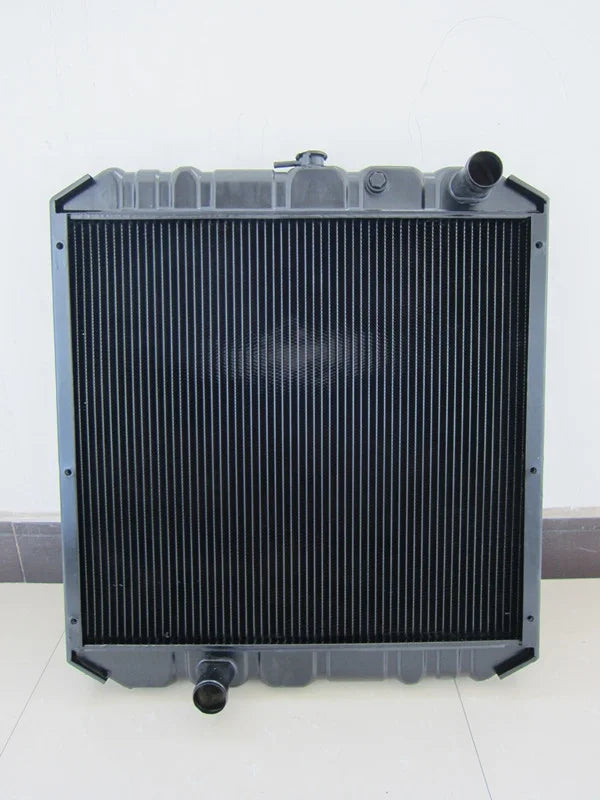
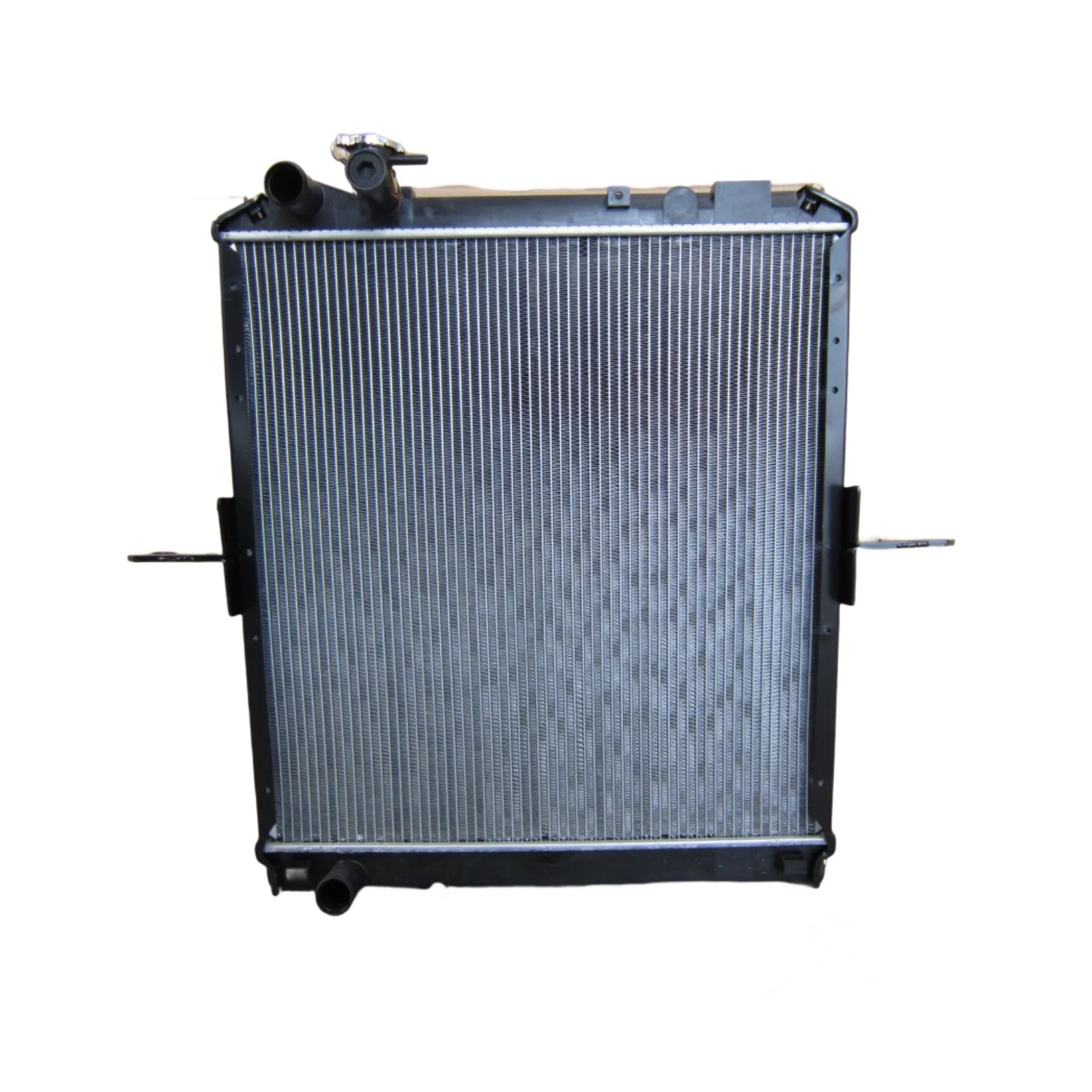
Most modern car radiators use an aluminum core with plastic end tanks, which is lighter, cheaper to produce, and dissipates heat quickly enough for daily driving. Copper and brass cores cost more and weigh more, but they're easier to repair if a tank seam ever starts seeping, which is part of why older lorries and classic vehicles still favor them. Neither option is universally better; the right choice usually comes down to whether your vehicle was designed around one or the other, and matching the original material avoids fitment issues with mounting brackets and hose connections that were sized for it.
What's Included When You Order, and How to Confirm Fit
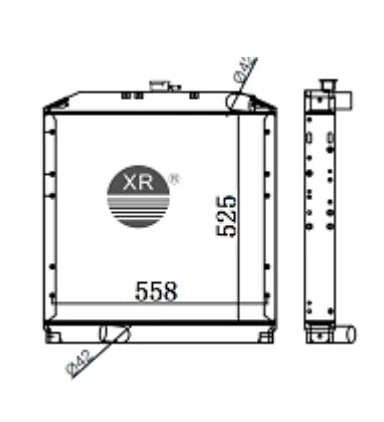
A radiator listing here includes the core and tanks, and the mounting hardware needed to bolt it back into the original location, though caps and hoses are sold separately so you can choose new or reuse what's already in good condition. Rubber isolators and mounting brackets are checked for fit too, since a worn isolator is a common reason a perfectly good radiator still rattles after installation. Fitment is confirmed against year, make, and model first, then narrowed by engine size and transmission type, since automatic transmissions often route a separate cooling line through the radiator that manual versions don't need. If a vehicle has more than one factory radiator option, the listing notes which engines or trims it covers so you're not left guessing from a part number alone.
Ordering With Confidence
Each listing shows the year, make, and model coverage upfront, so you can check fit before adding anything to the cart rather than after it arrives. Most radiators leave the warehouse within one business day, packed with corner protection around the tanks and fins since that's the area most likely to take damage in transit, and a part that turns out not to fit can be returned without a hassle. If you've got an unusual trim, an engine swap, or a lorry conversion that doesn't match a standard listing, our support team can help track down the correct core size before you order.