HVAC Blower Motor and Heater Blower Motor Parts for Cars and Trucks
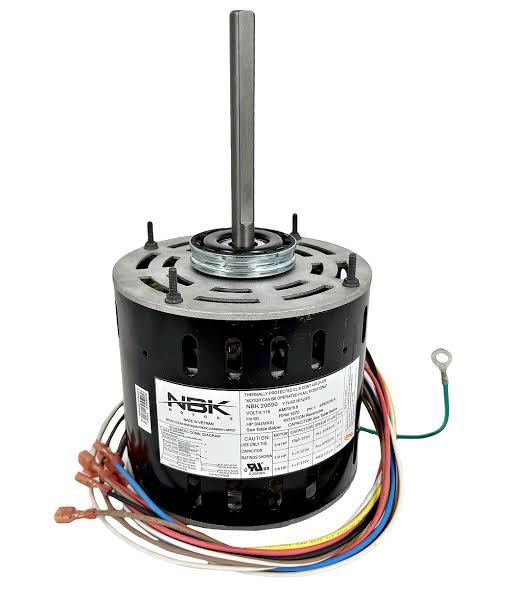
A blower motor pushes air through your vents, whether you're calling for heat, AC, or just fresh airflow, and it's the part responsible for airflow, not temperature. CBT Auto Parts stocks blower motors and HVAC motor units for cars, trucks, and buses.
Every heater blower motor or AC blower motor hACe is OEM grade or built to OEM specification, so wiring connectors and mounting cases match the original. Confirm fitment by year, make, and model, then add a heater core or HVAC control module from the wider Cooling, HVAC and Climate Control Parts range. Orders ship fast worldwide, with support on hand if you're unsure which motor fits.
26 products
Showing 25 - 26 of 26 products
What a Blower Motor Does, and Why It's Not a Temperature Part
A blower motor's only job is moving air; it has no role in actually heating or cooling that air. That work happens. That is the heater core or evaporator through which the air passes afterward. This matters because a blower motor failure feels like a temperature problem, weak or no airflow, but the actual heating and cooling components behind it can be working perfectly fine. Confusing the two is one of the more common reasons people replace the wrong part first.
Signs of a Failing Blower Motor
A blower motor rarely fails without some warning. Watch for:
- Airflow that only works on certain fan speed settings, often the highest setting only, which usually points to a failing resistor rather than the motor itself.
- A grinding, clicking, or rattling noise from behind the dash that changes with fan speed.
- No airflow at any setting, paired with a burning smell, which can mean the motor has seized or a wiring issue is overloading the circuit.
Blower Motor Noise vs Other Under Dash Noises
Not every noise from behind the dash means the blower motor itself has failed, debris like leaves or small twigs pulled in through the intake can rattle around the housing and sound remarkably similar to a failing bearing. Pulling the cabin air filter and checking behind it for debris before replacing the motor is a quick step that occasionally solves the problem for free. A true motor bearing failure tends to get louder and more constant over time, while debris rattling around often changes pitch or comes and goes depending on fan speed and vehicle speed.
Single Speed vs Multi Speed Blower Motors
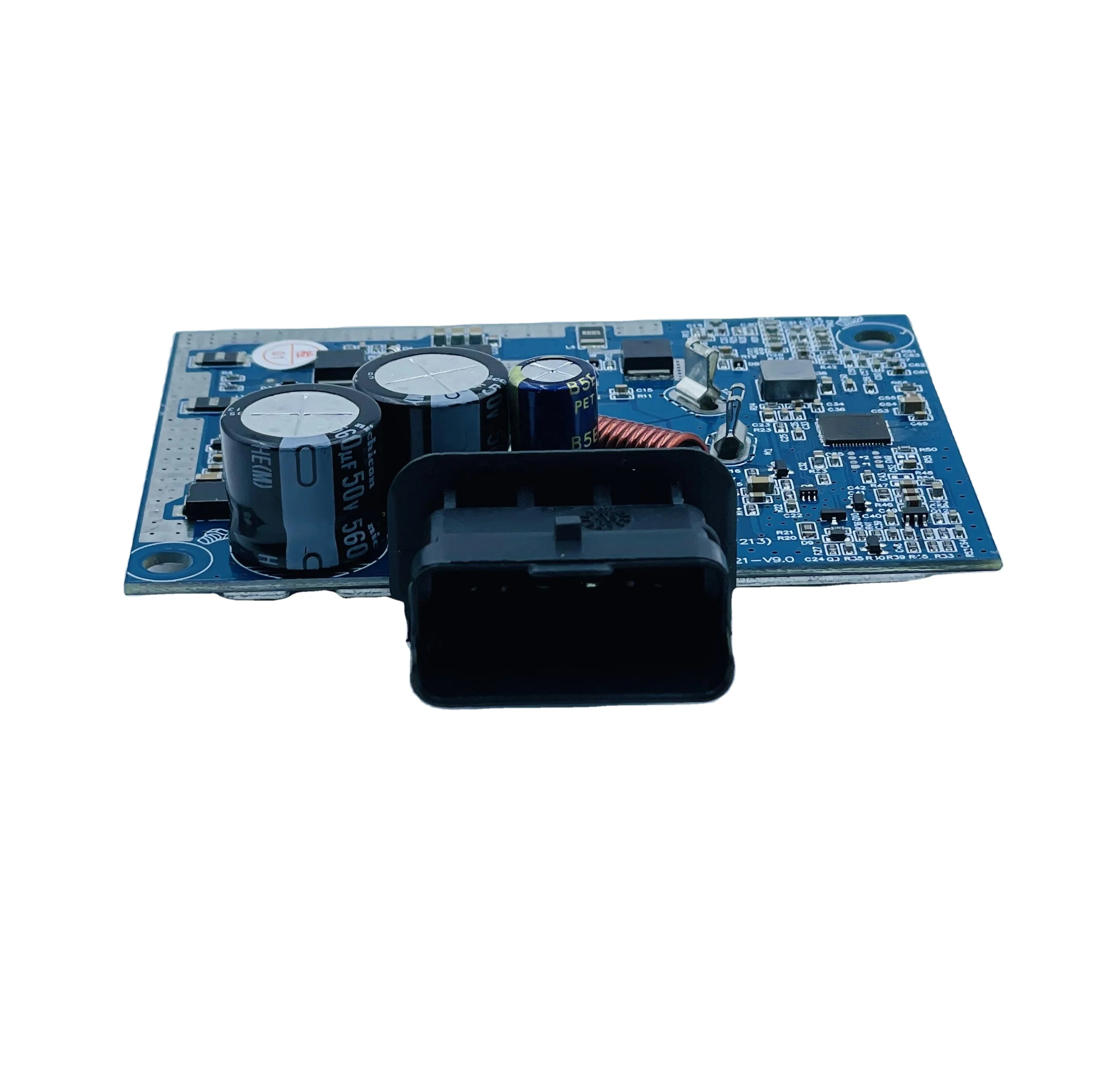
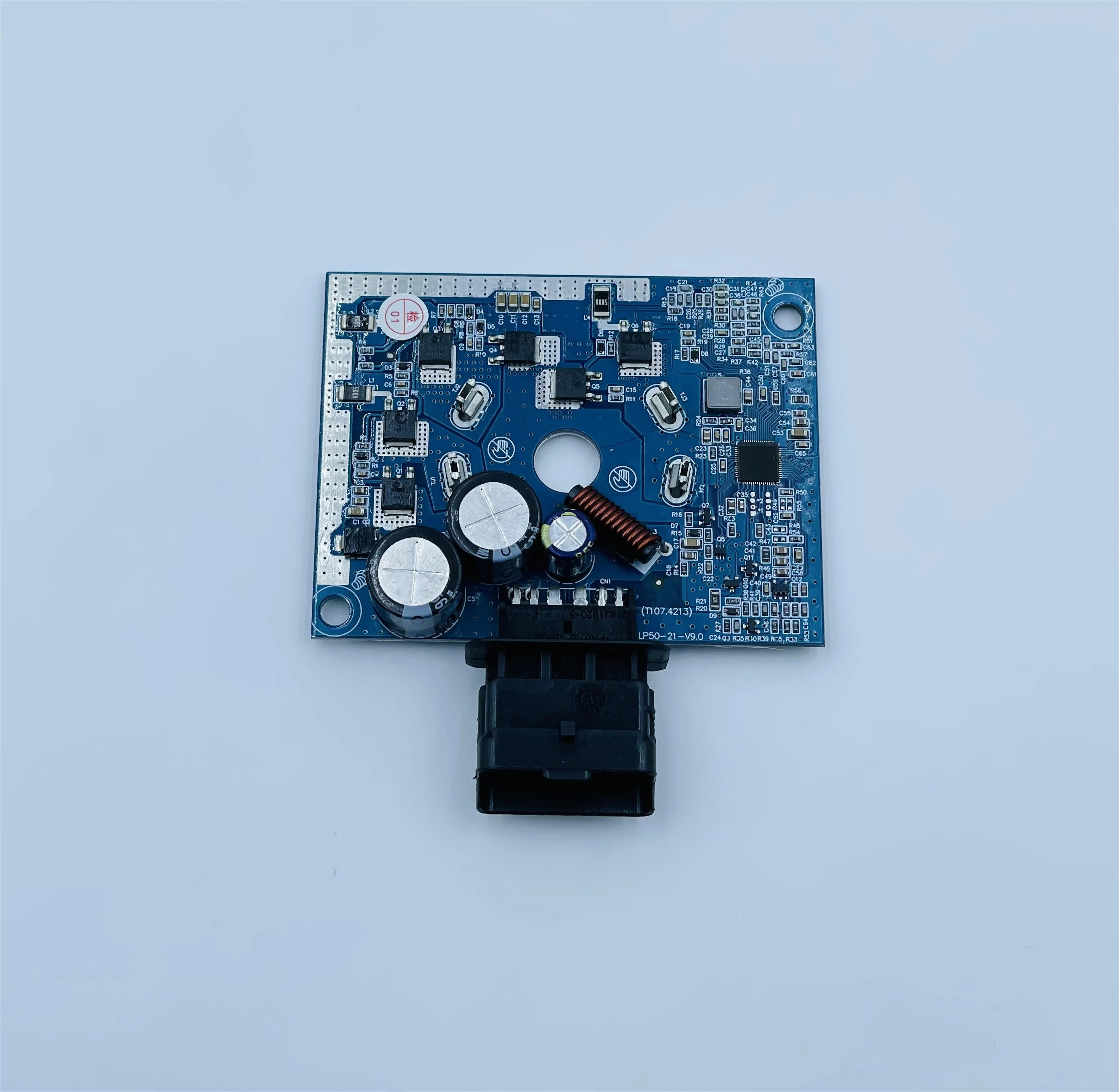
Older blower motors typically run through a resistor pack, with each fan speed routing power through a different resistor value to control motor speed, simple but prone to that resistor failing independently of the motor. Newer vehicles increasingly use a blower motor control module instead, varying speed electronically through pulse width modulation rather than resistors, which tends to be more reliable but costs more to replace if it does fail. Knowing which system your vehicle uses matters before assuming the motor itself is the problem; a resistor or module fault can look identical to a dead motor from the driver's seat.
Heater Blower Motor vs AC Blower Motor: Same Part, Different Name
In most vehicles, a heater blower motor and an AC blower motor are the exact same physical part, since one fan moves air across either the heater core or the evaporator depending on which function is selected. The blend door inside the HVAC housing routes air toward heat or cooling, not the blower itself, so there's rarely a reason to search for one term over the other; both should land on the same listing here.
Blower Motors for Buses, Trucks, and Commercial Cabins
A truck HVAC blower often needs to move a larger volume of air than a passenger car equivalent, especially on extended cab and crew cab layouts with a bigger interior space to condition. A bus blower motor scales that up further, frequently running multiple blower units throughout a larger cabin rather than a single motor trying to cover the whole space. Commercial listings here are sorted by cabin size and motor wattage rather than just vehicle type, since two trucks of the same brand can use very different blower setups depending on cab configuration.
Vehicle Specific Search Example: 2007 Toyota Prius Blower Motor
A 2007 Toyota Prius research reflects how hybrid HVAC systems sometimes changed meaningfully between generations; that model year's blower motor doesn't necessarily interchange with a Prius from just a few years earlier or later. Hybrid HVAC systems, in particular, can integrate with battery cooling or climate management in ways a conventional gas engine's system doesn't, so matching the exact year here is more important than it might be on a simpler vehicle.
Blower Motor Replacement: What's Involved
Most blower motors mount either directly under the dashboard on the passenger side or tucked into the engine bay behind the glove box, depending on the vehicle's HVAC housing layout. Access usually means removing a glove box or a small access panel rather than major disassembly, though some vehicles bury it deeper behind other components. Before replacing the motor itself, checking the resistor or control module first is worth the extra few minutes, since a working motor wired to a failed resistor shows identical symptoms to a dead motor.
What Pairs With Your Blower Motor
A new blower motor is sometimes paired with a fresh cabin air filter, since a clogged filter restricts airflow enough to strain a motor that's actually fine and shorten its remaining life. If the issue turns out to be electronic rather than mechanical, an HVAC control module from our dedicated range may be the part you actually need instead.
Ordering and Fitment
Listings here show year, make, and model coverage, along with cabin size or trim level where a vehicle offers more than one blower option. Most motors ship within one business day, and a part that doesn't fit is accepted for return without hassle. If you're not sure whether your issue is the motor, the resistor, or the control module, our support team can help narrow it down before you order.