Fuel Injectors | Diesel & Petrol Fuel Injector Replacement
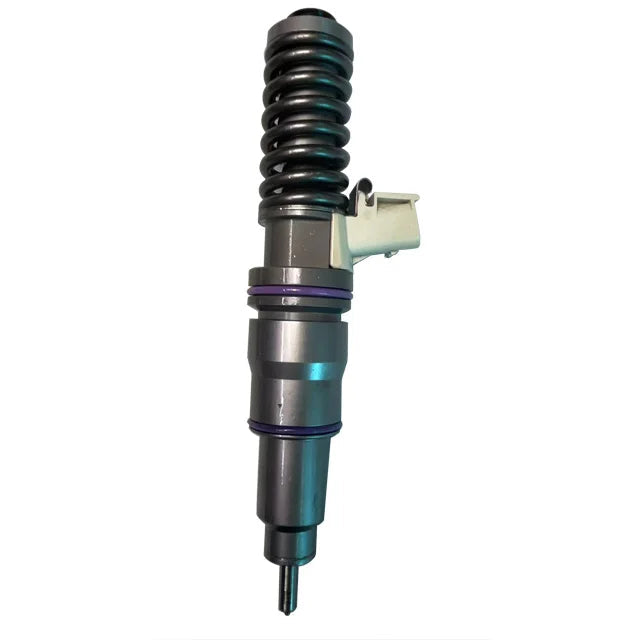
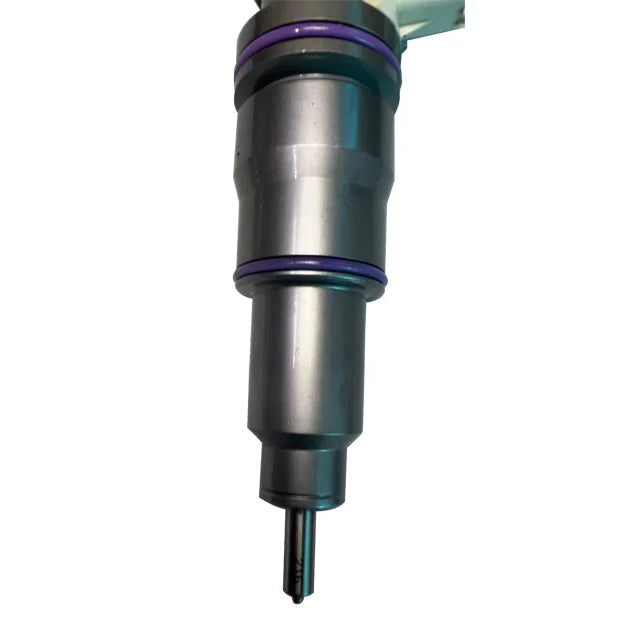
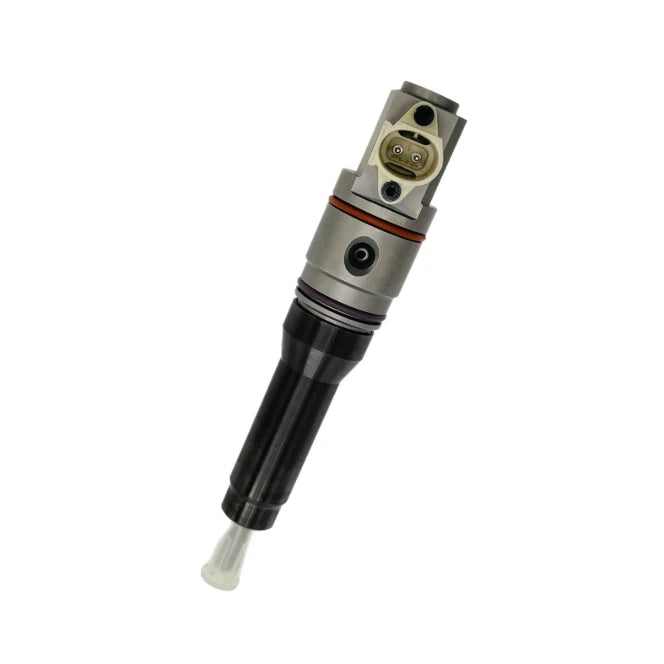
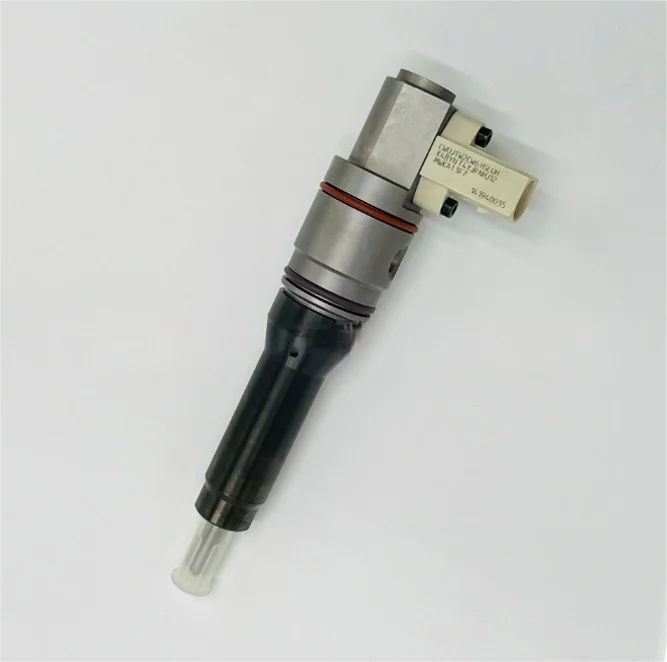
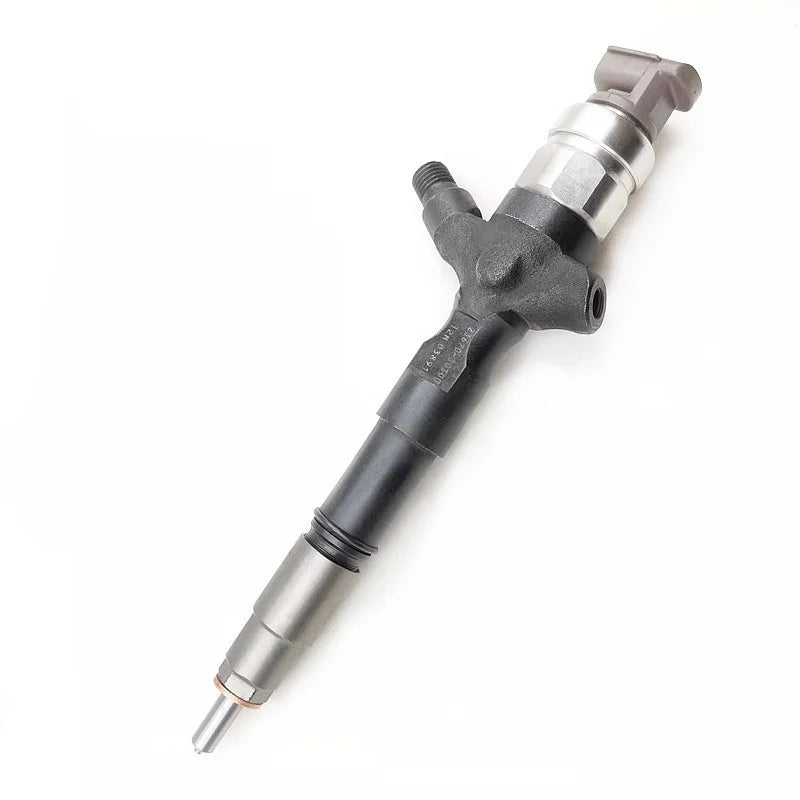
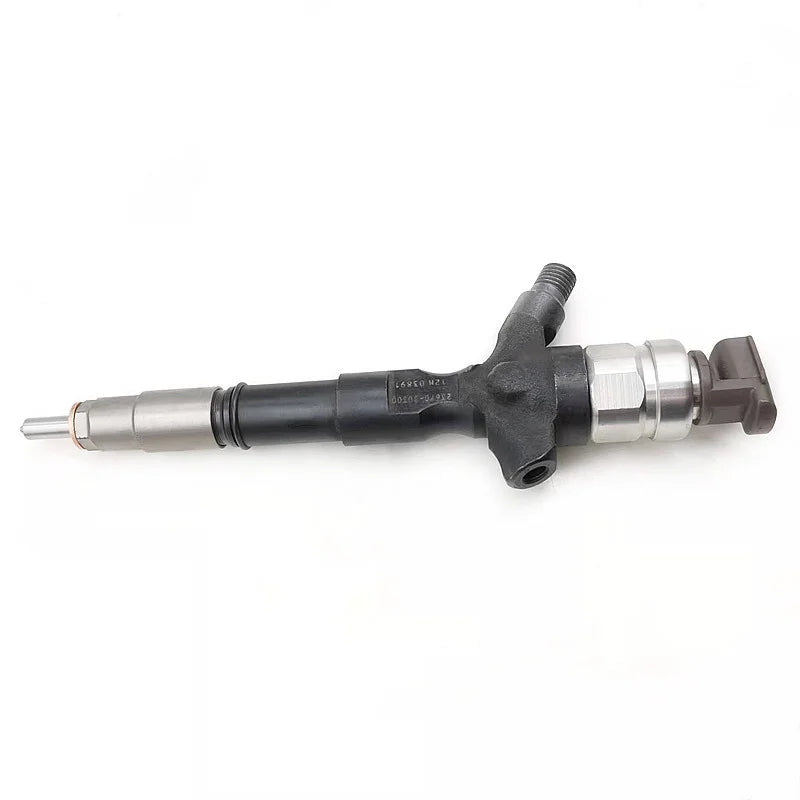
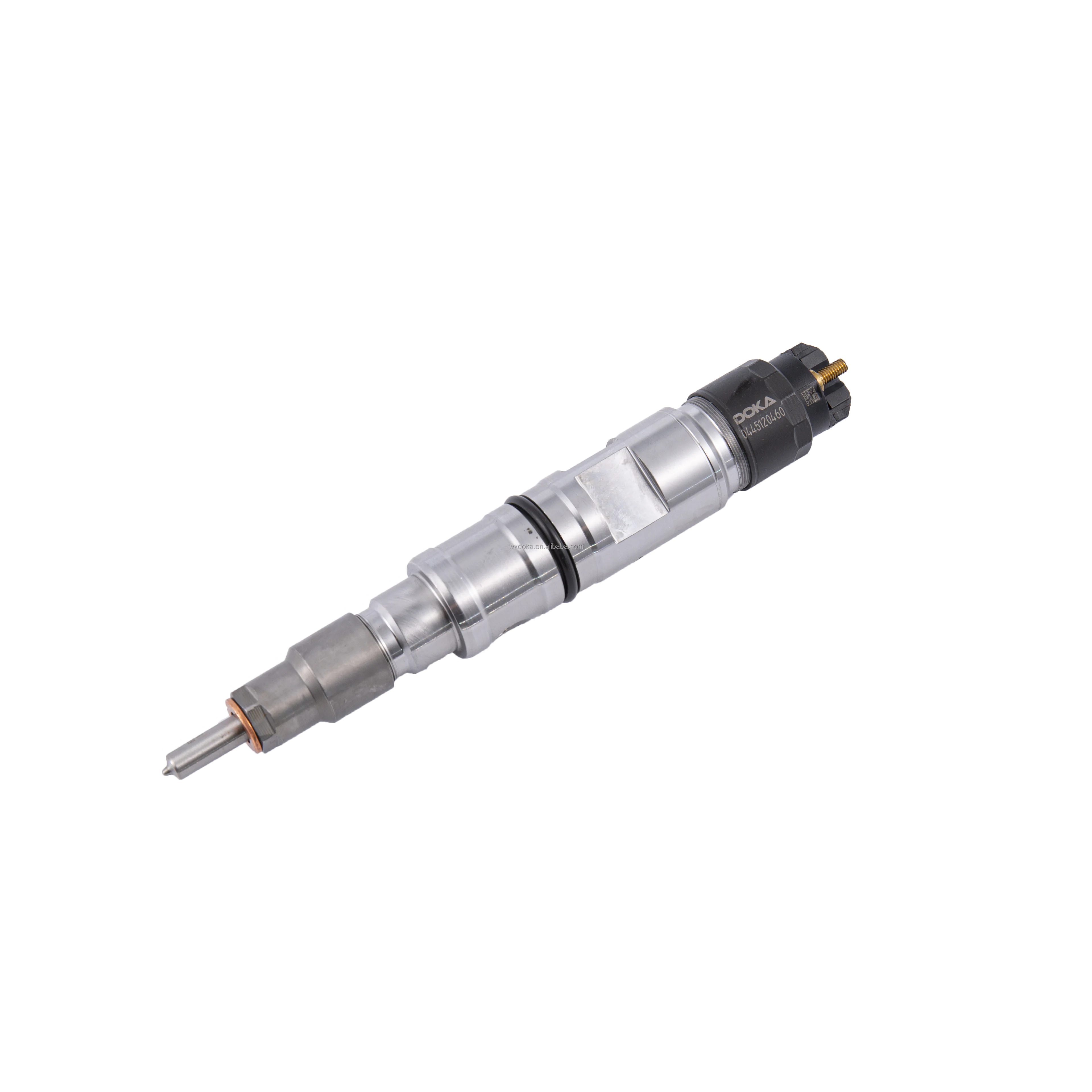
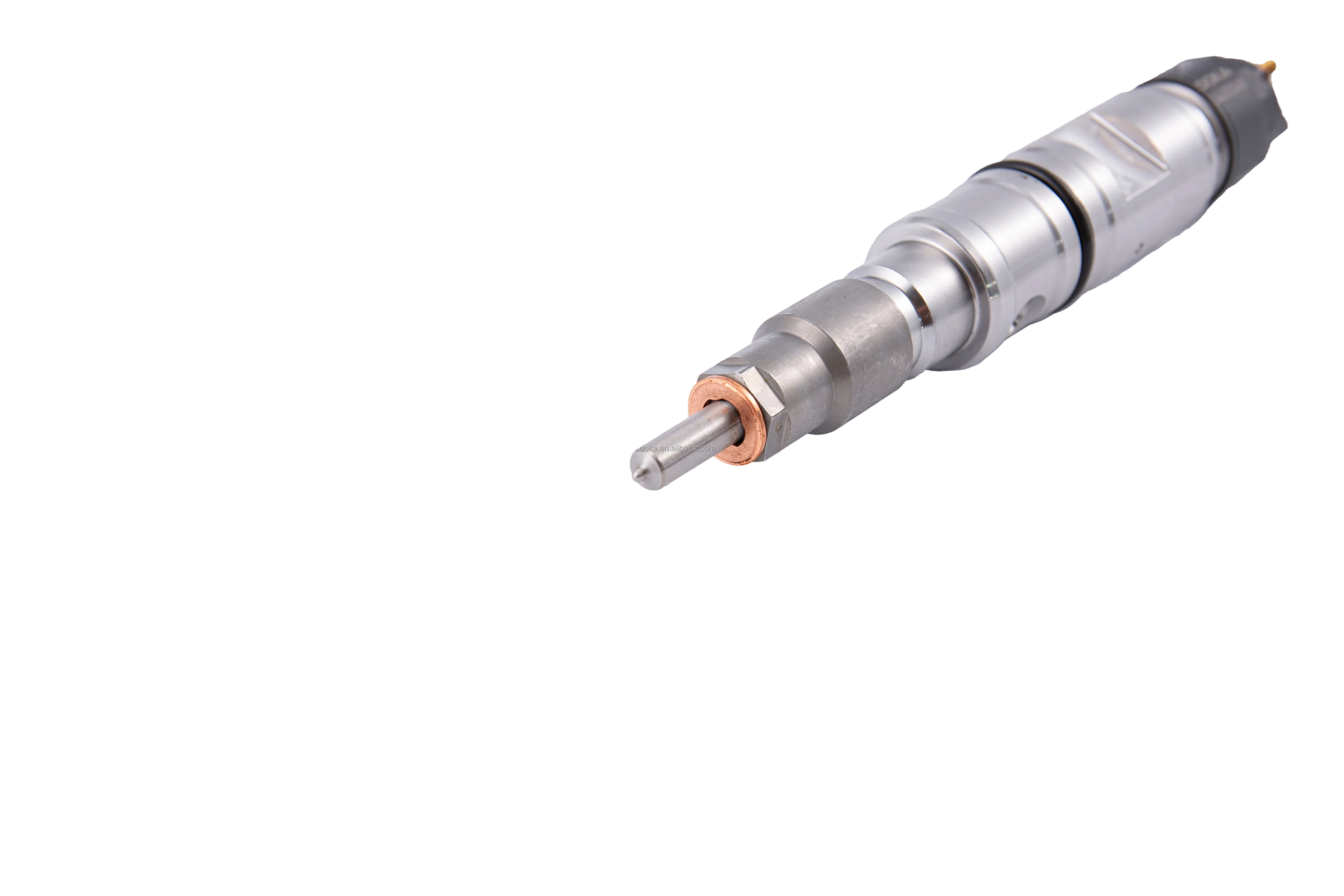
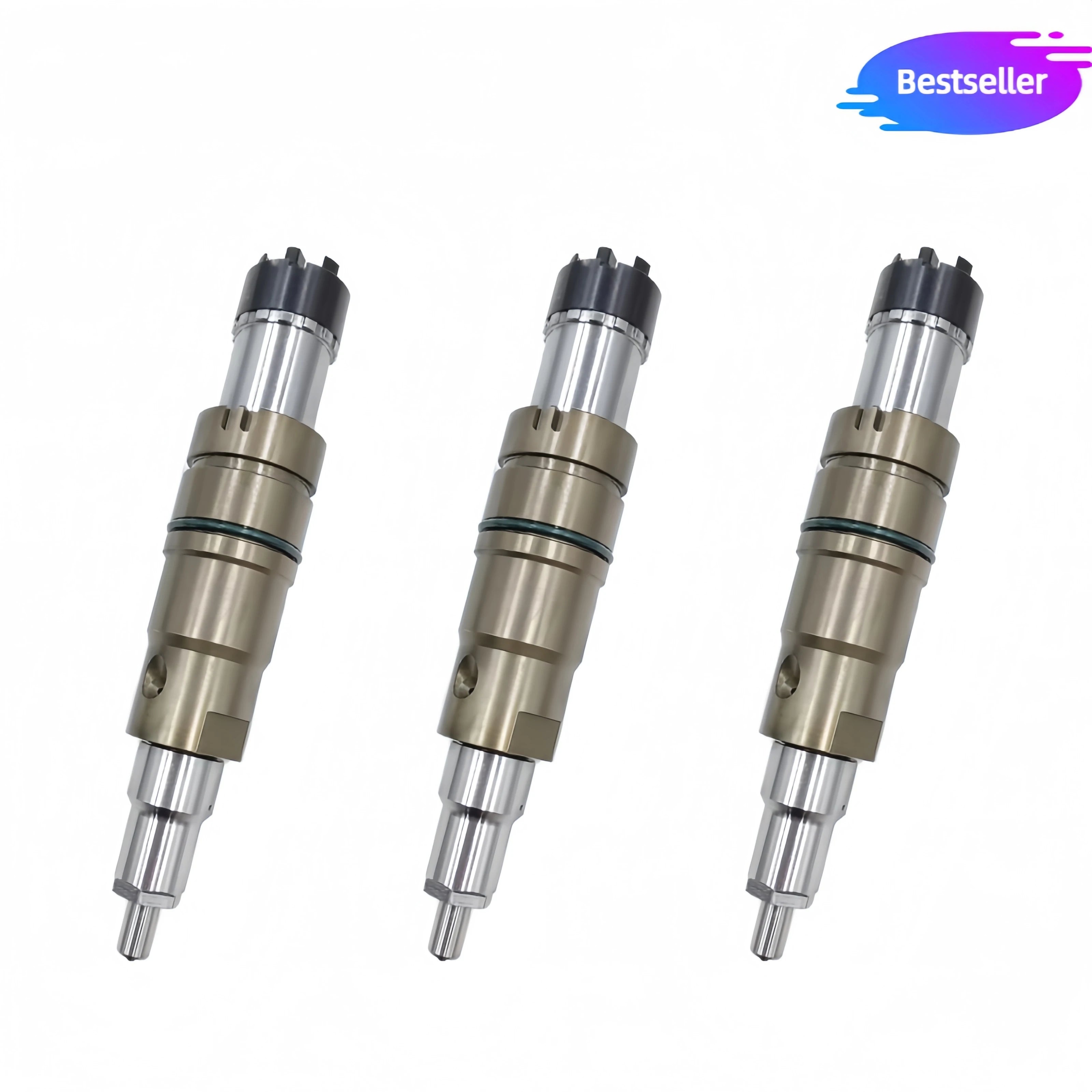
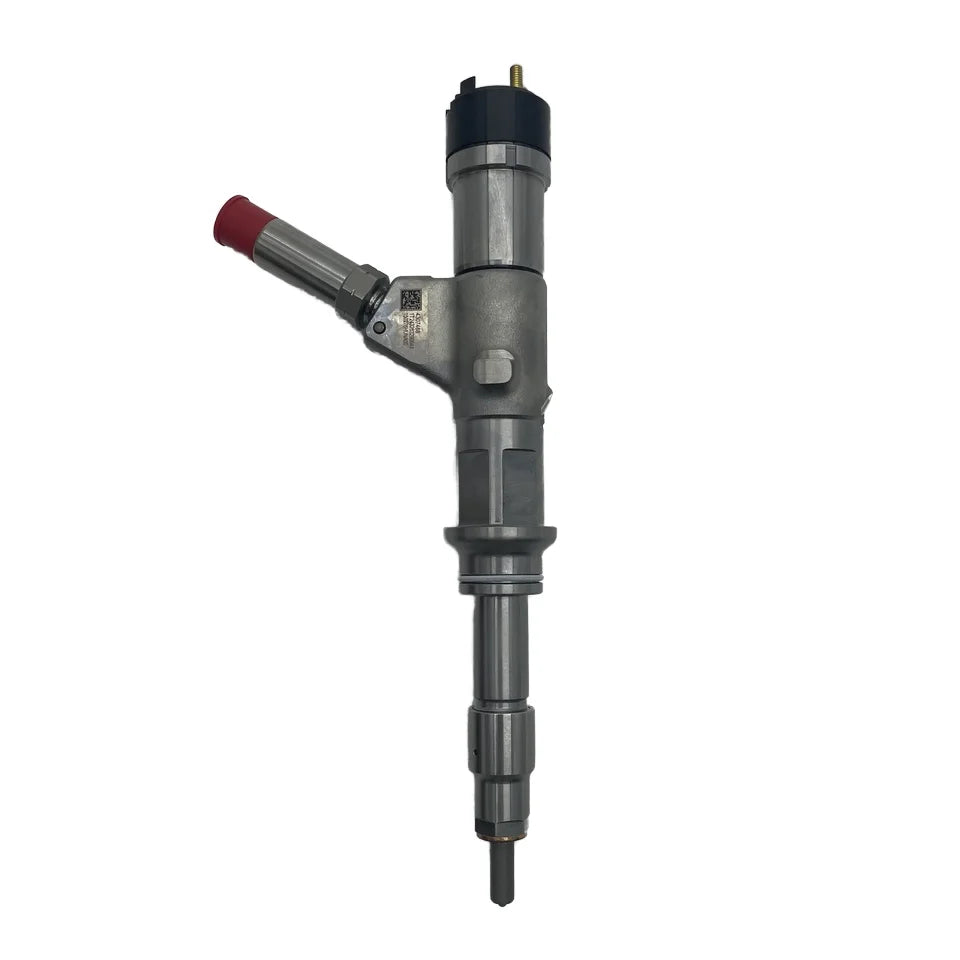
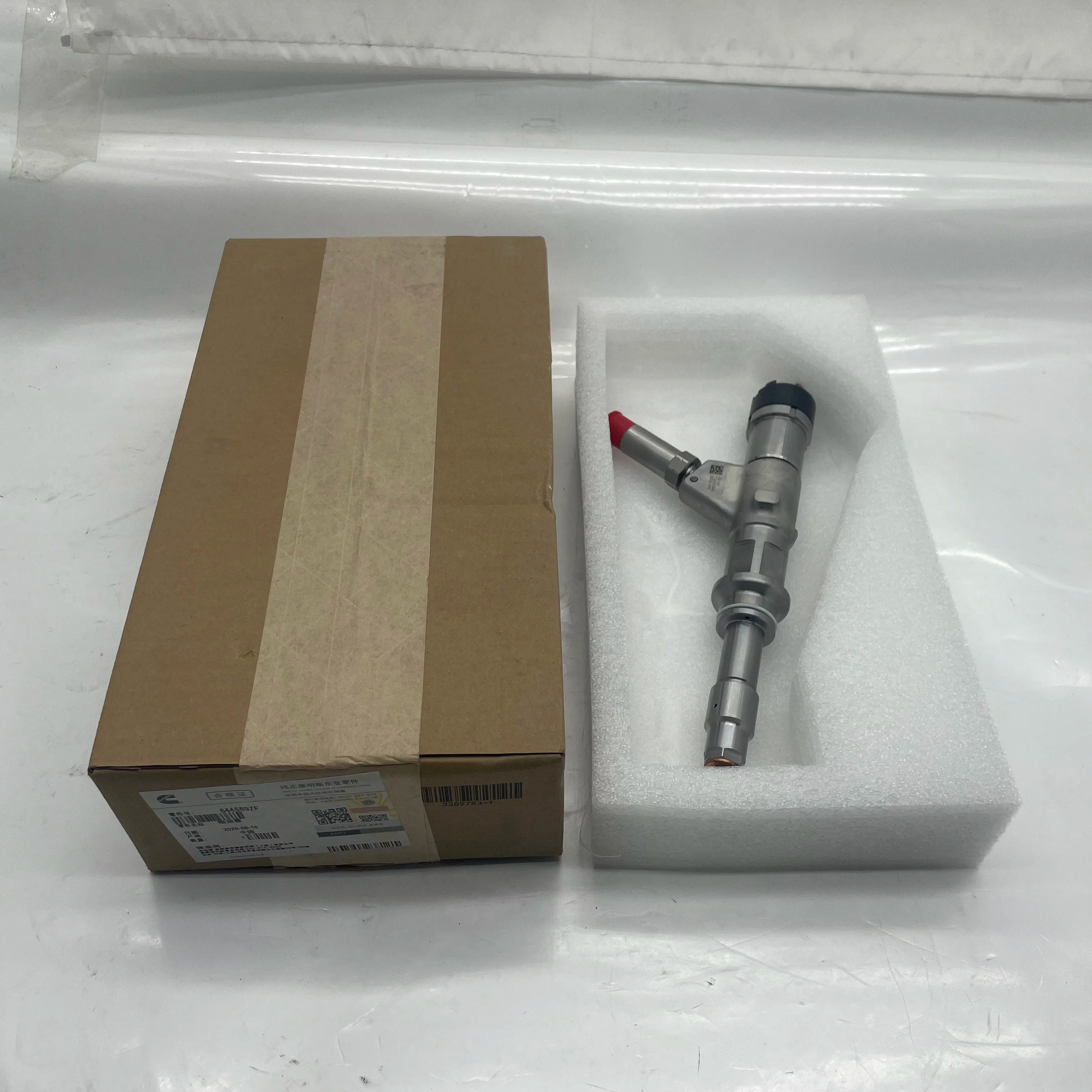
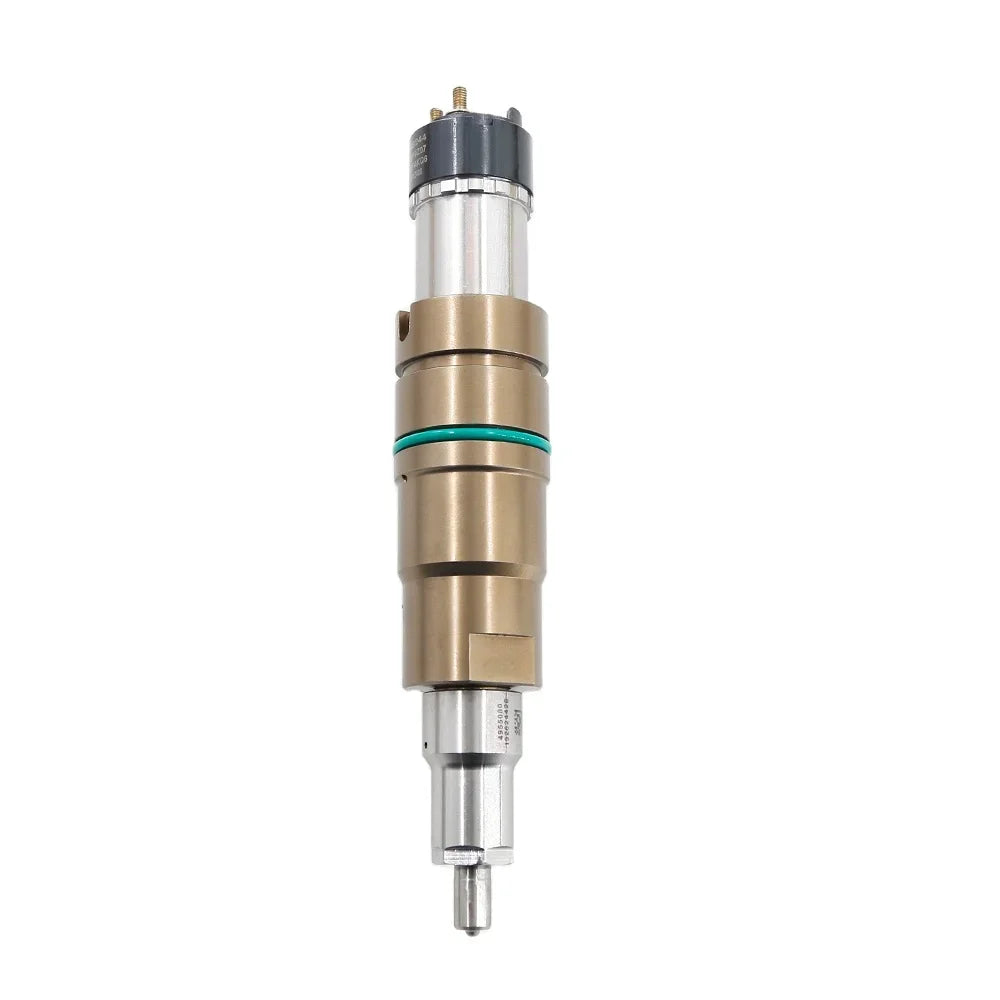
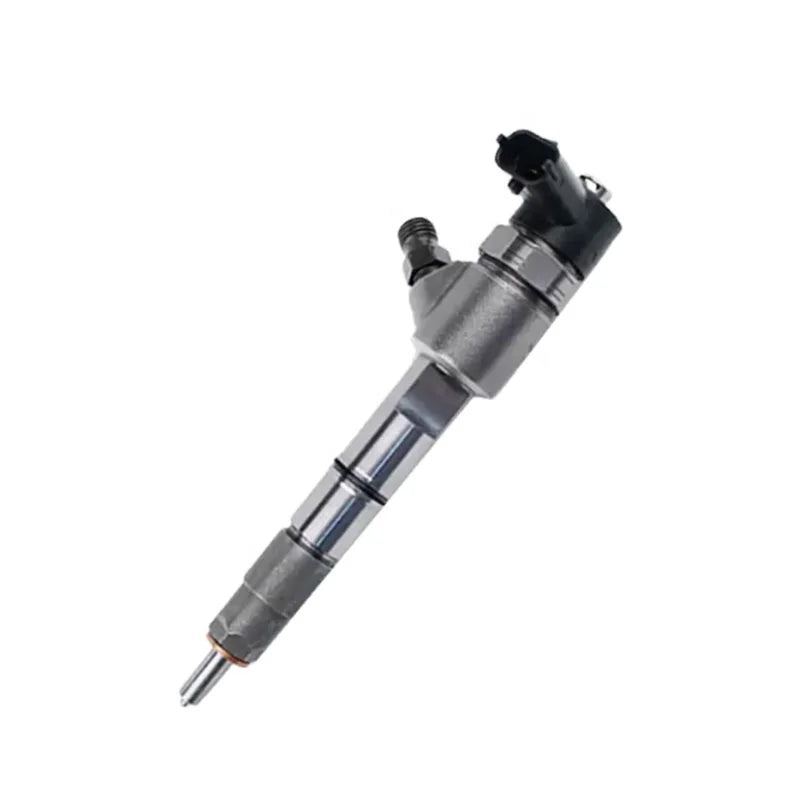
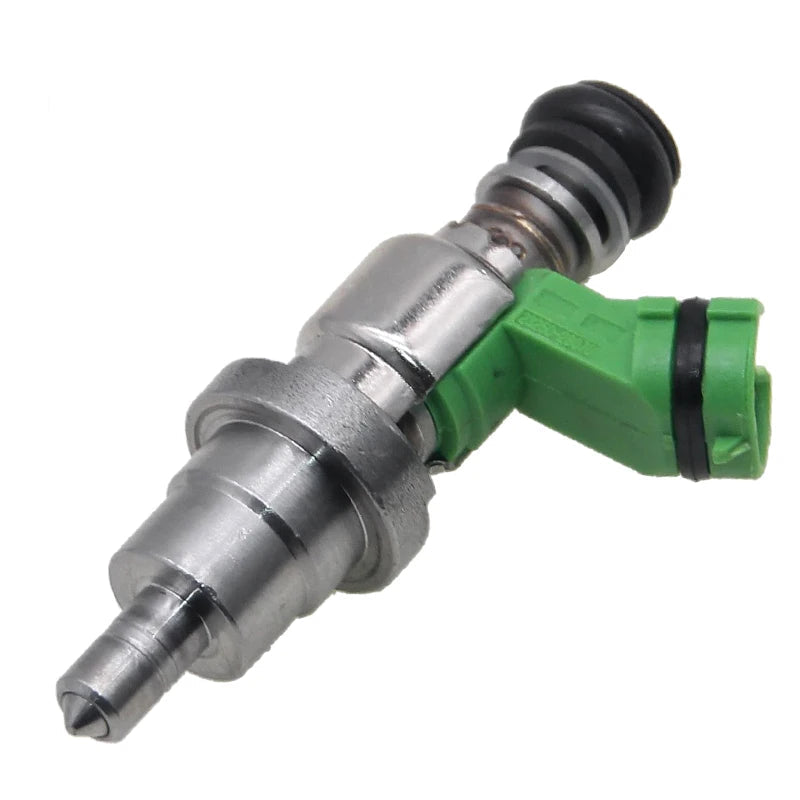
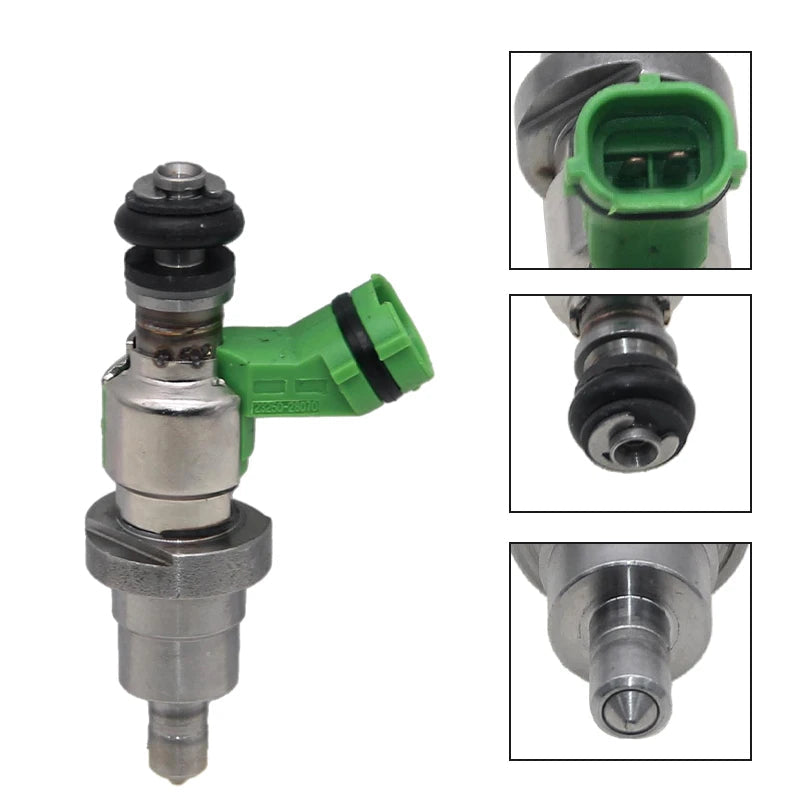
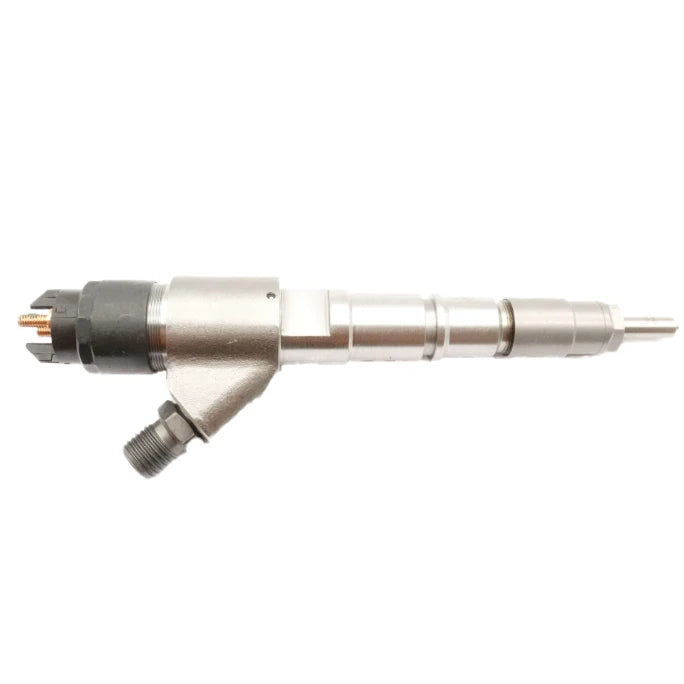
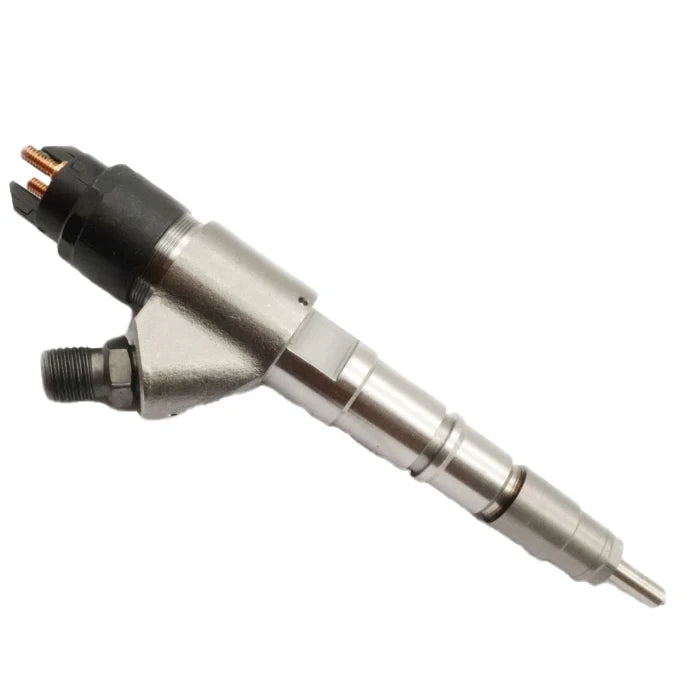
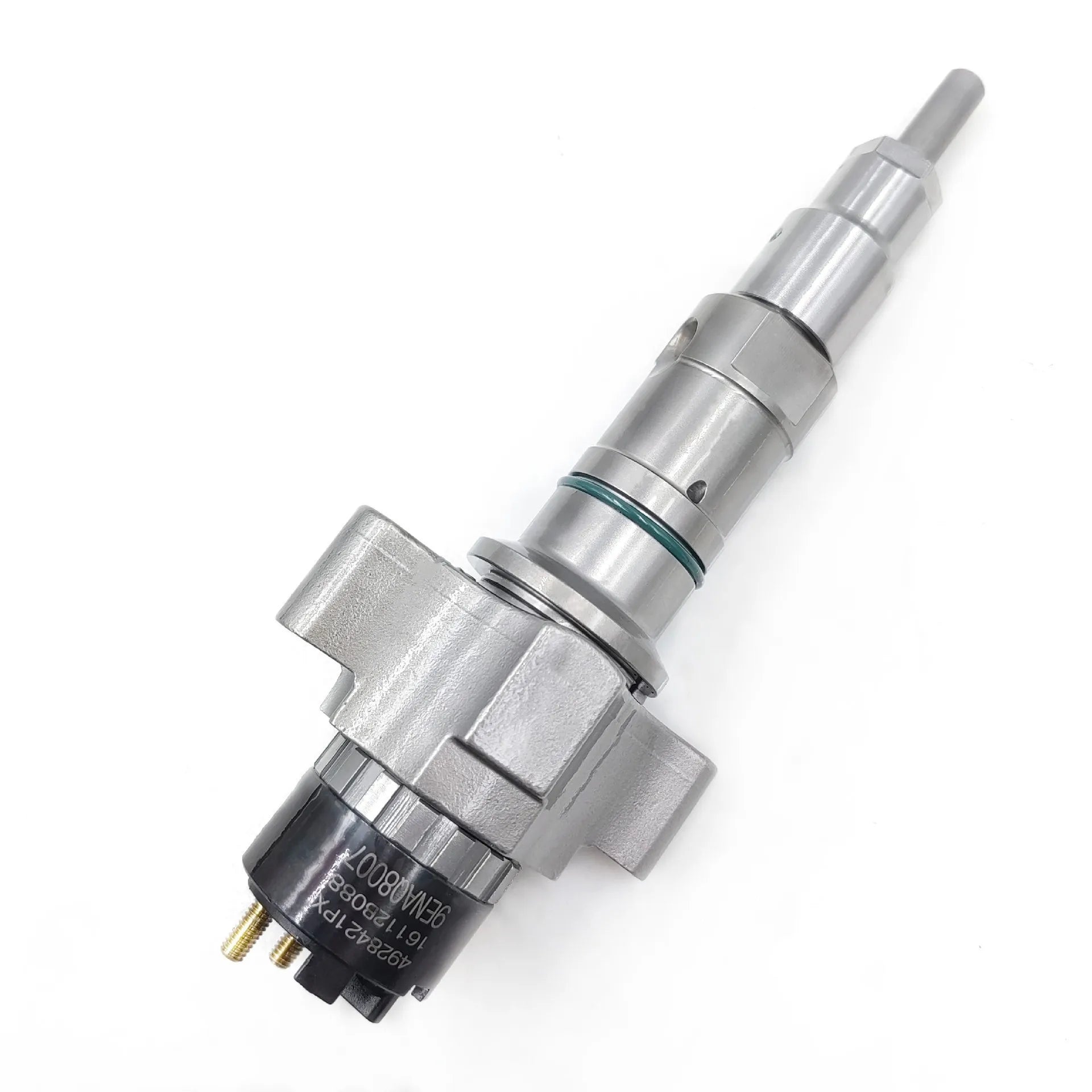
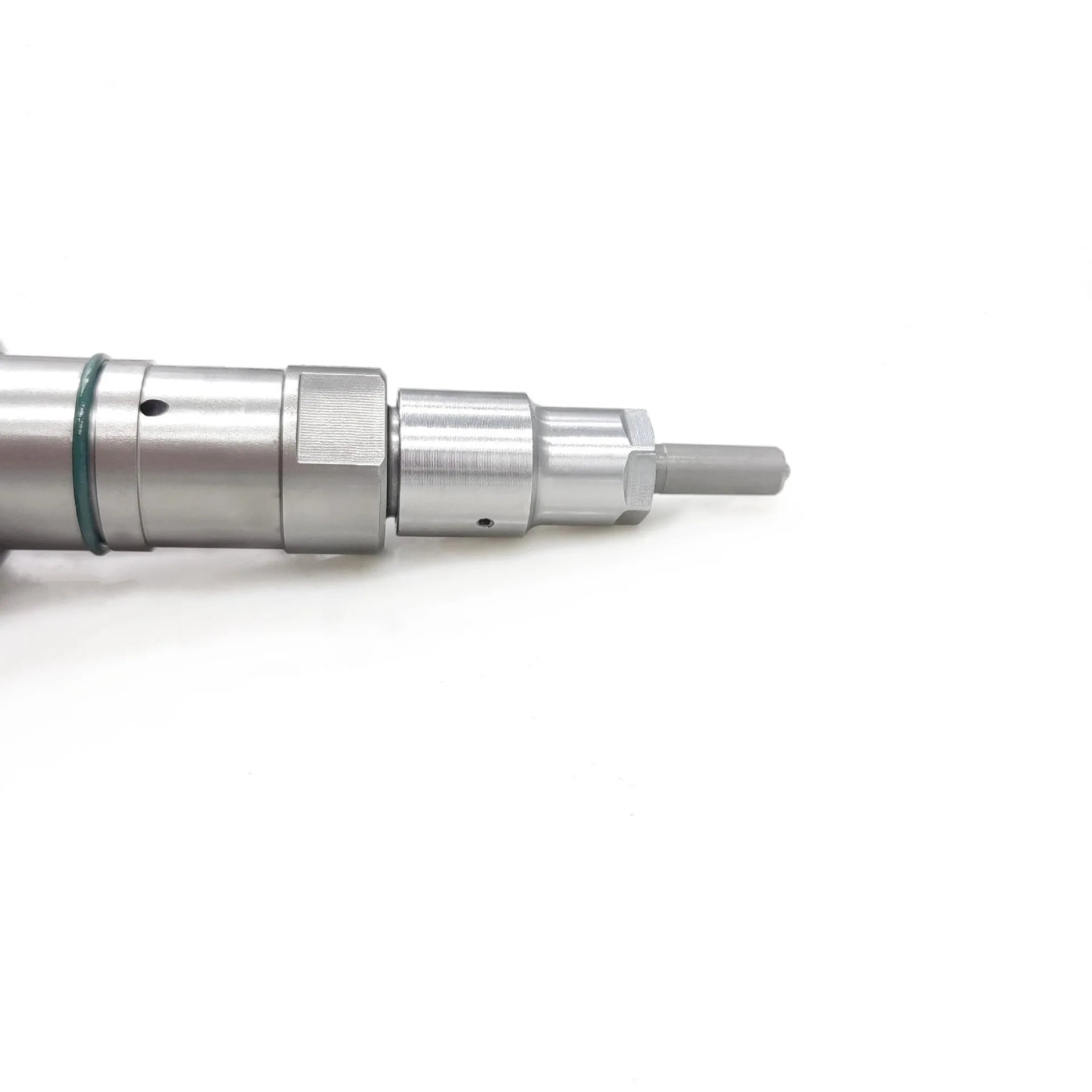
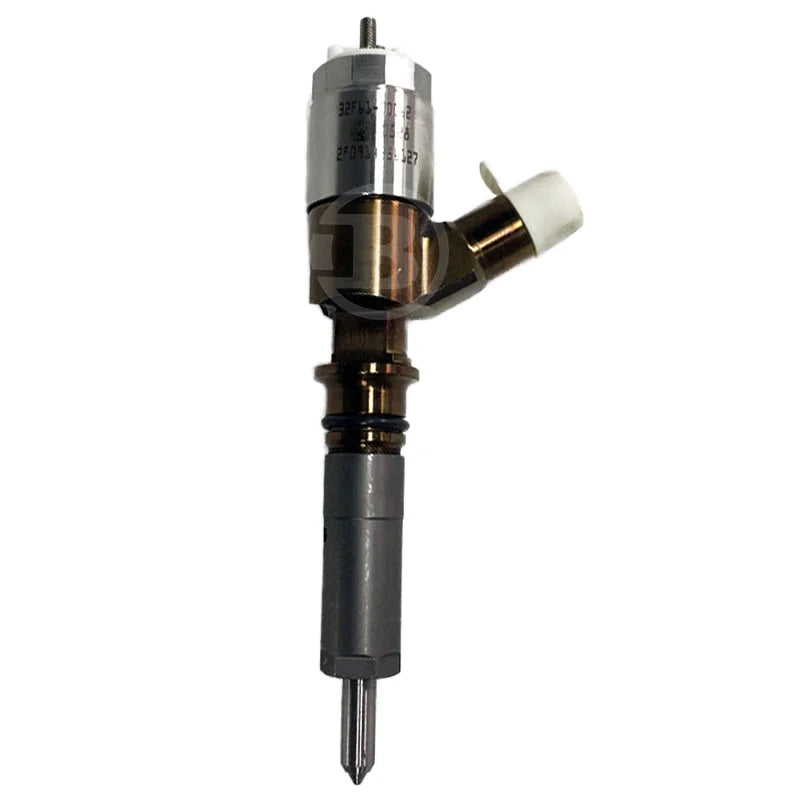
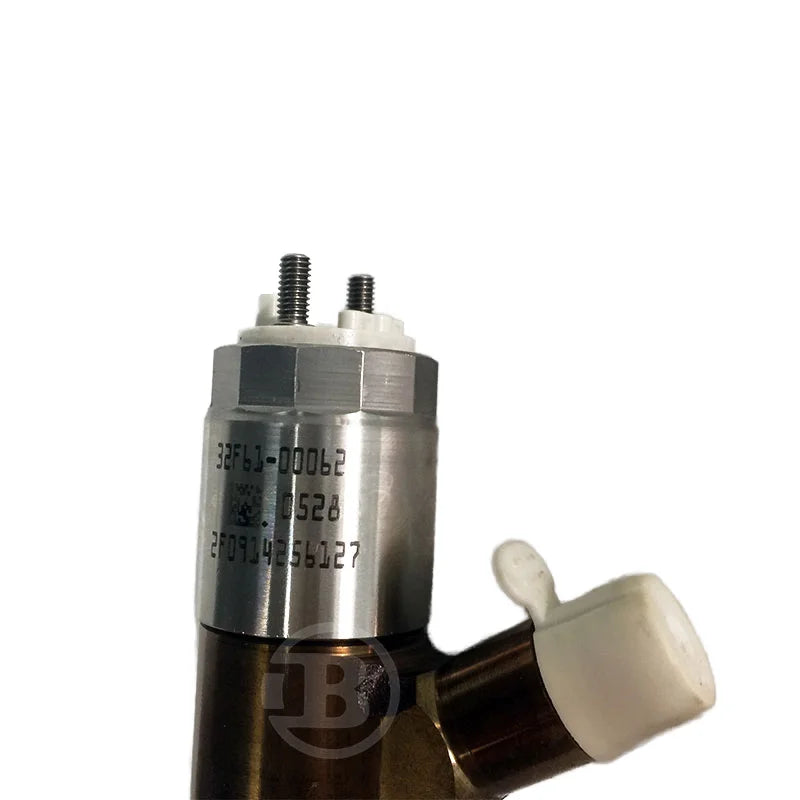
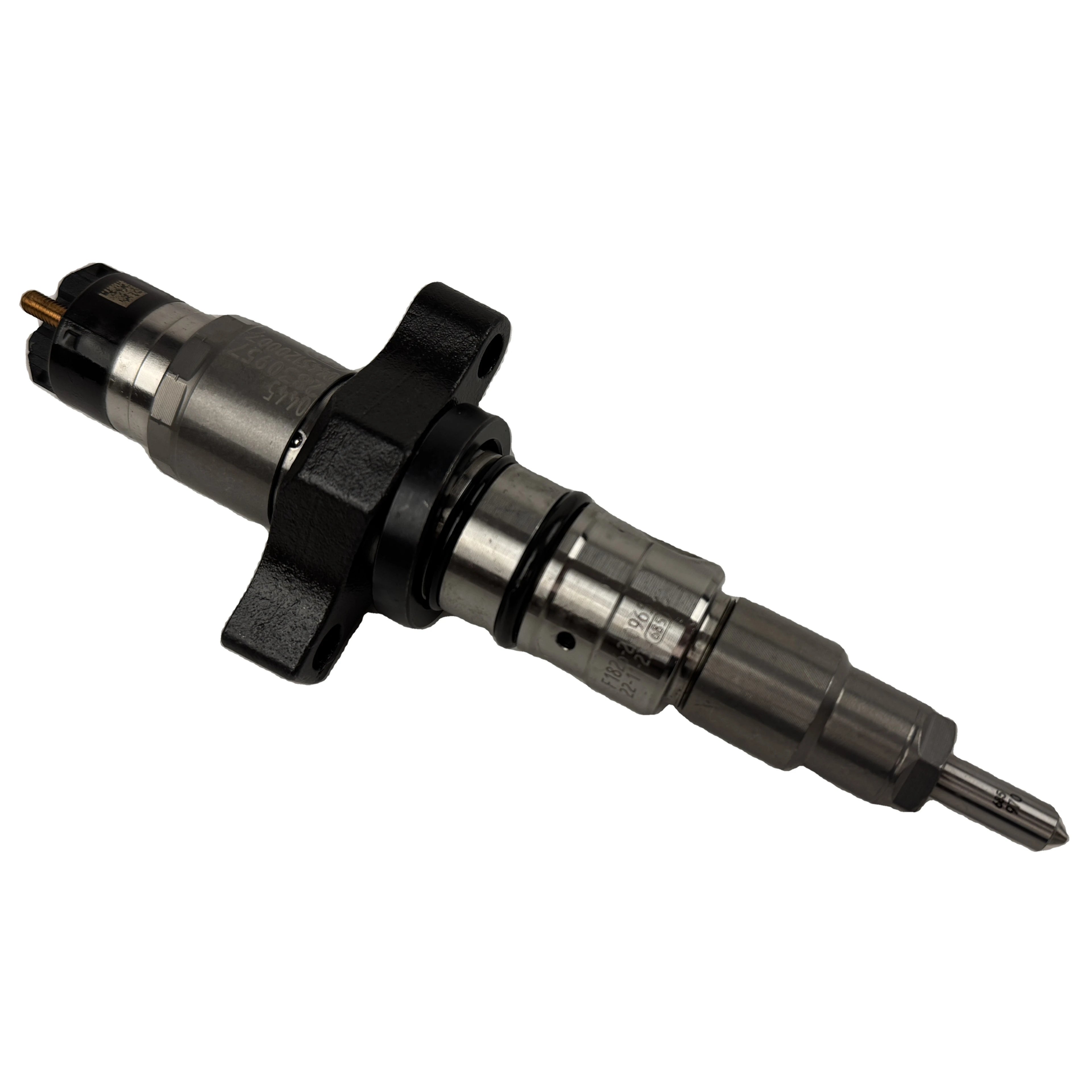
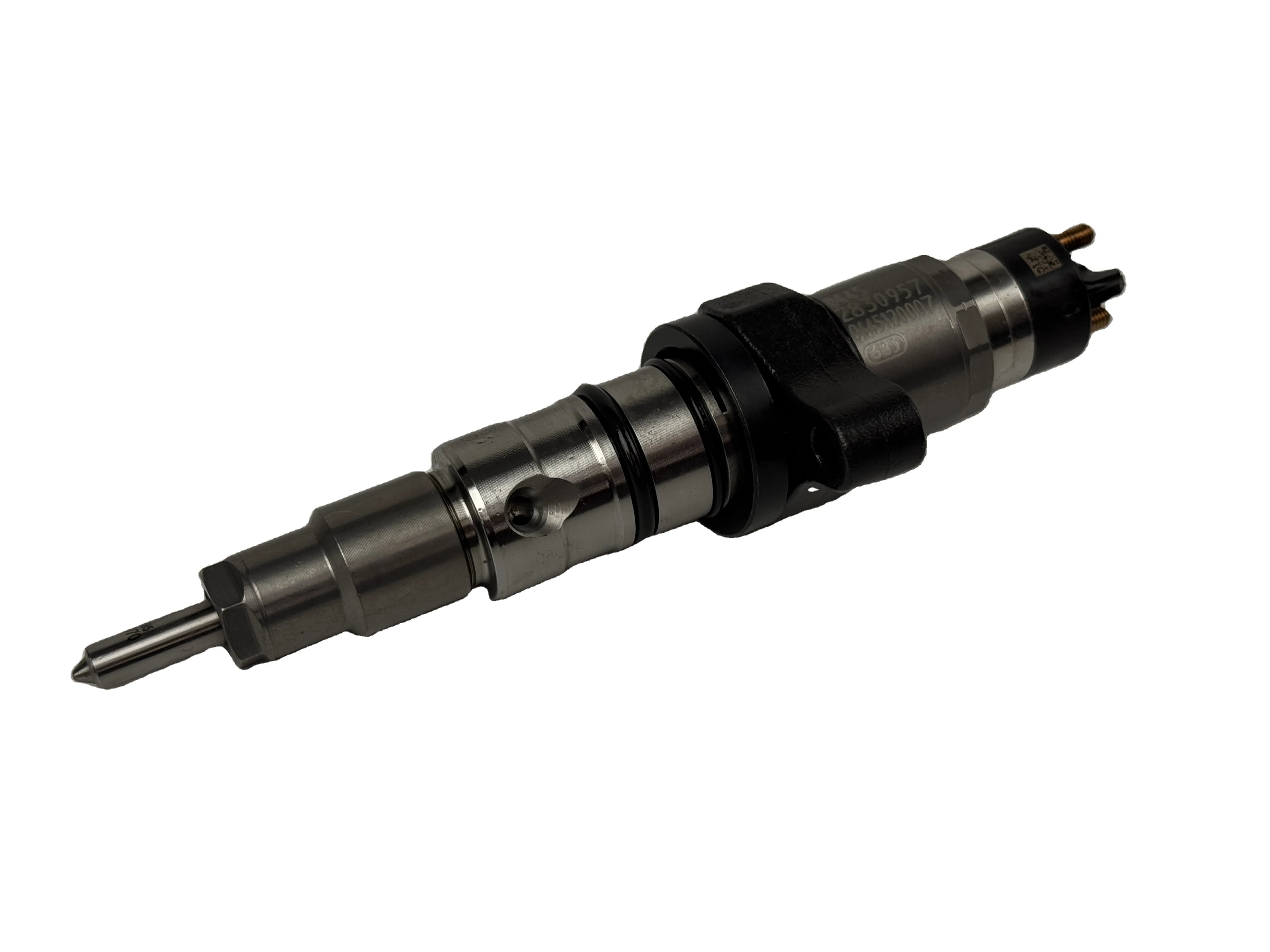
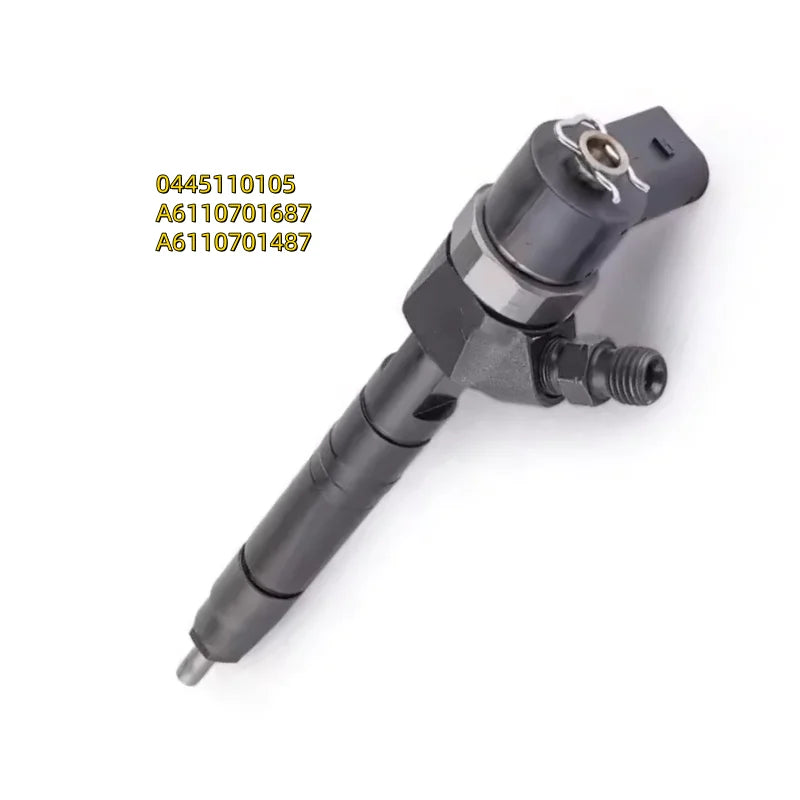
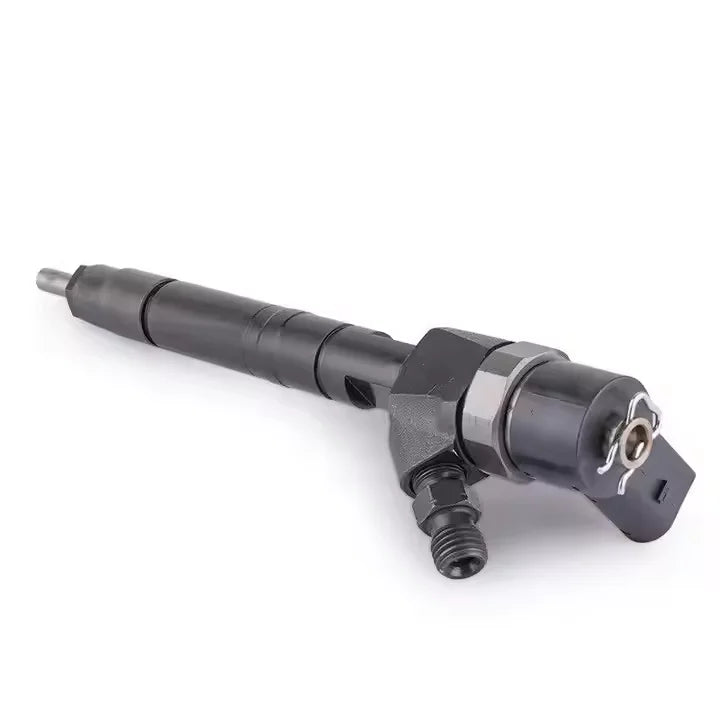
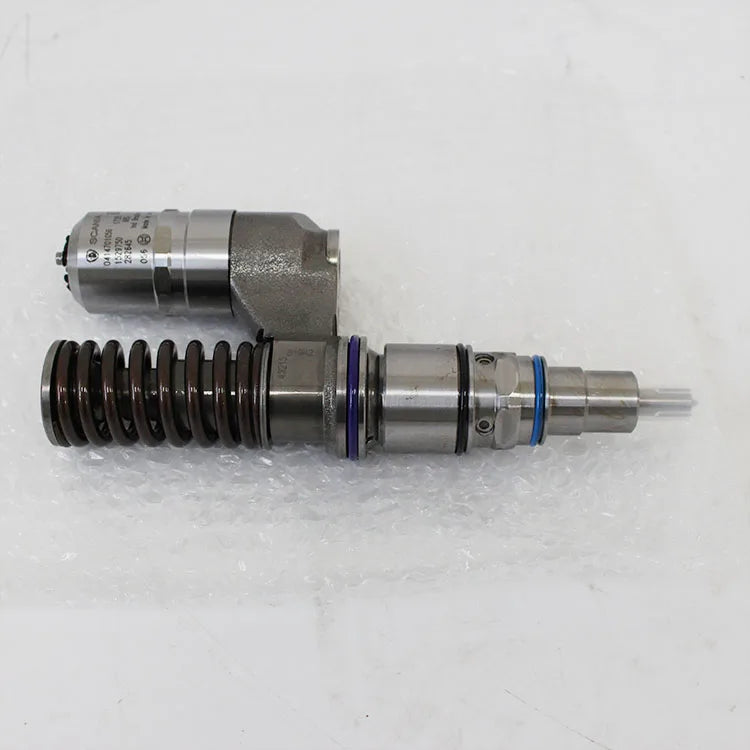
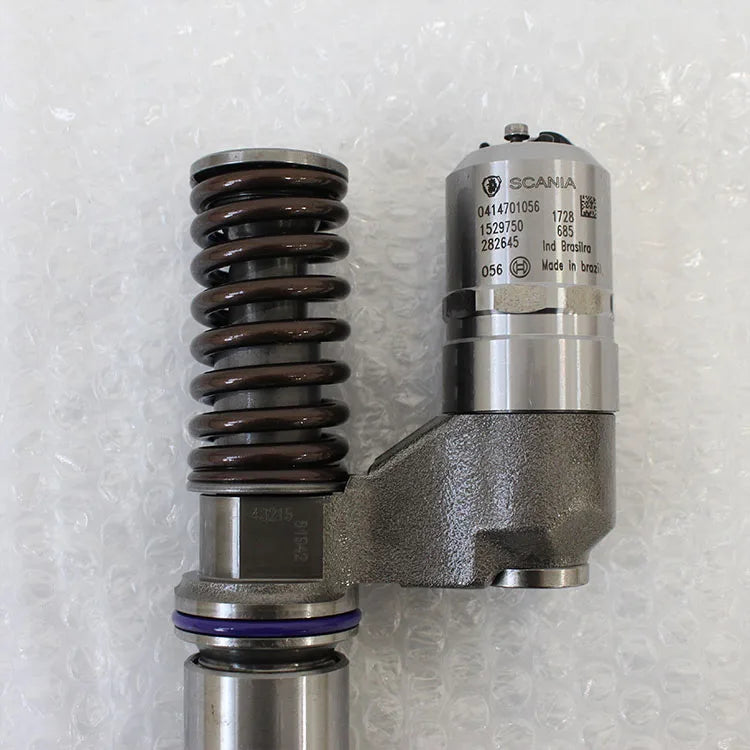
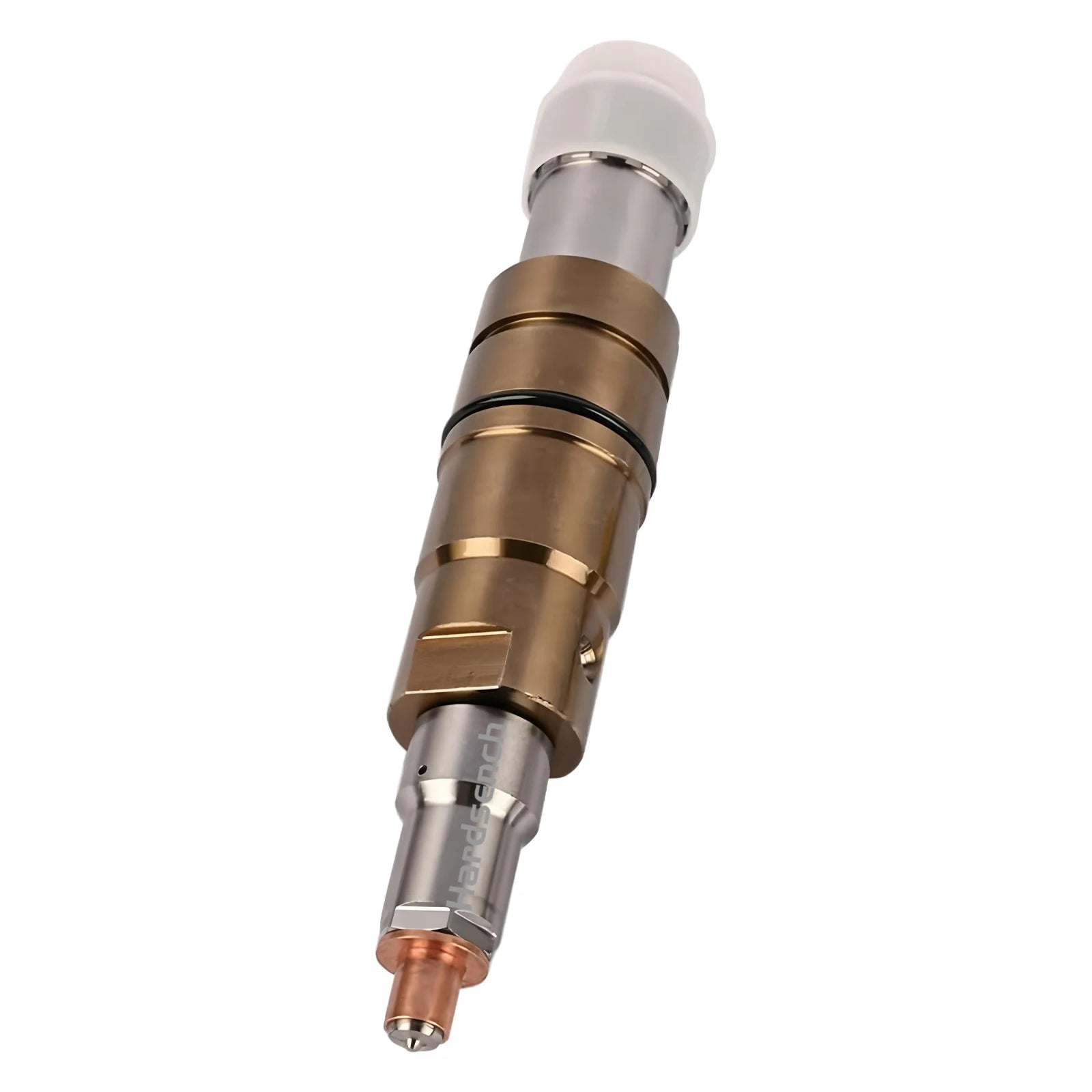
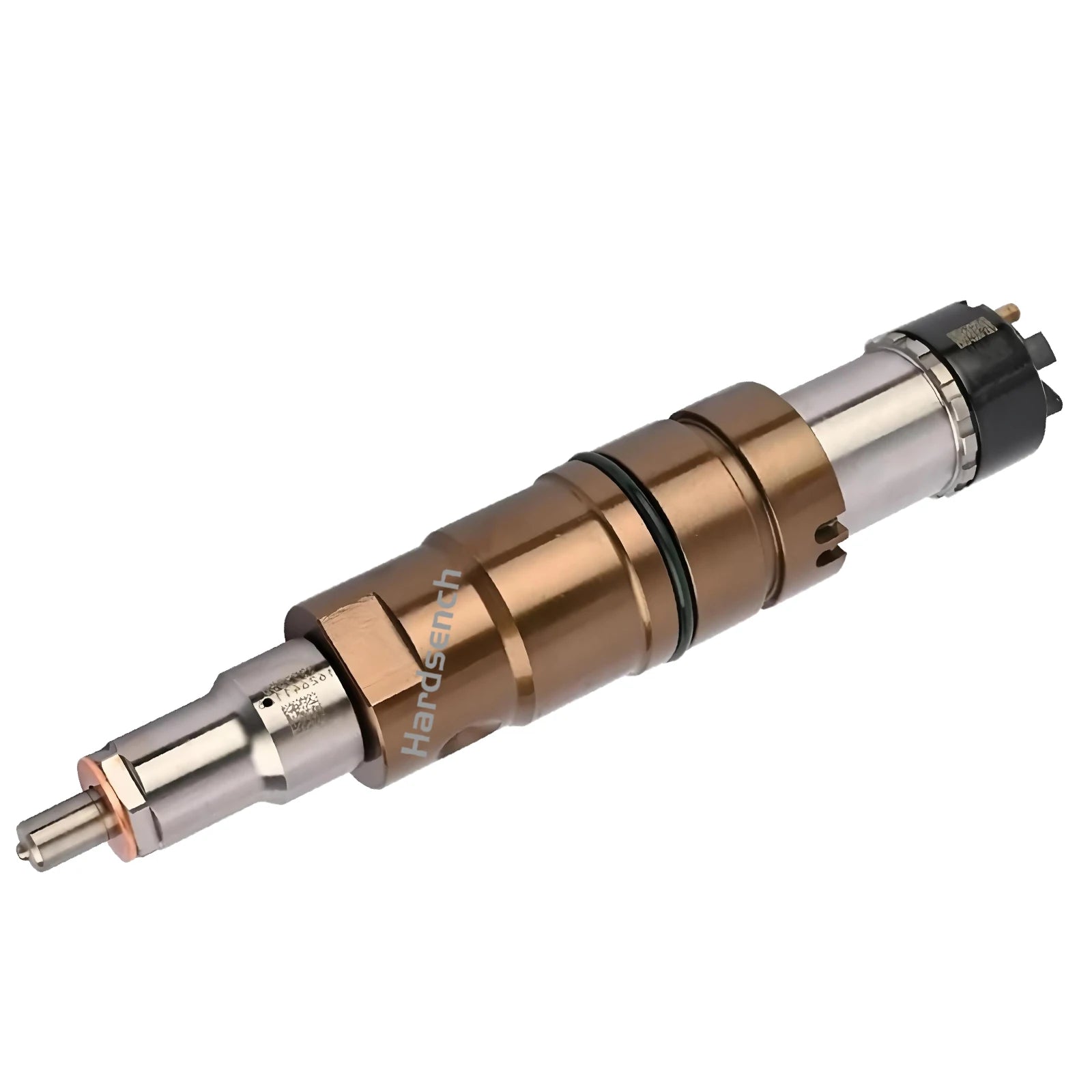
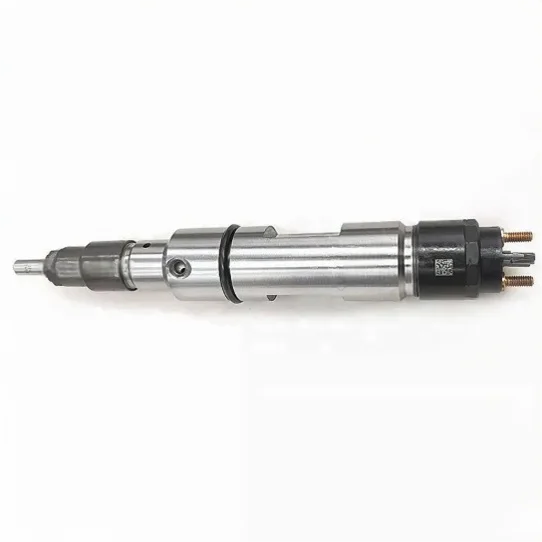
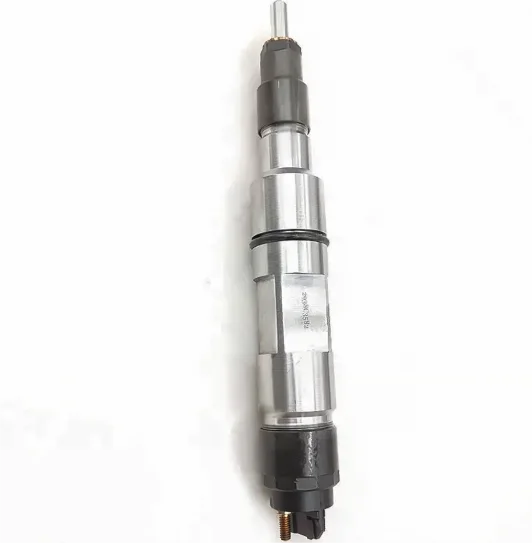
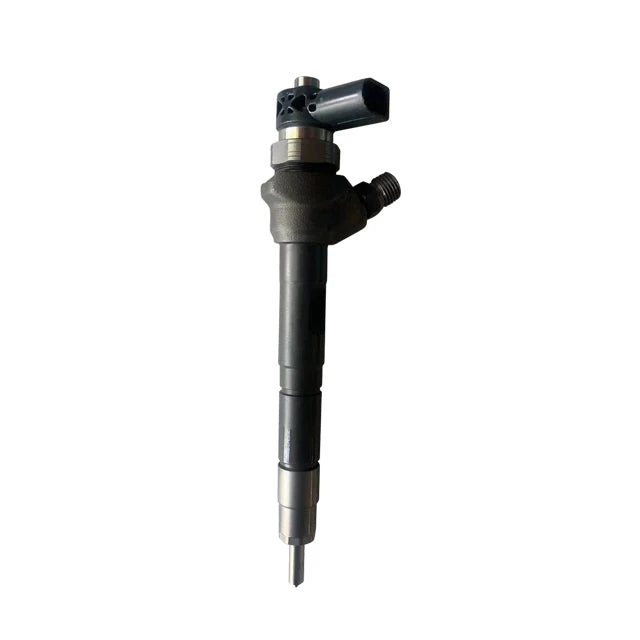
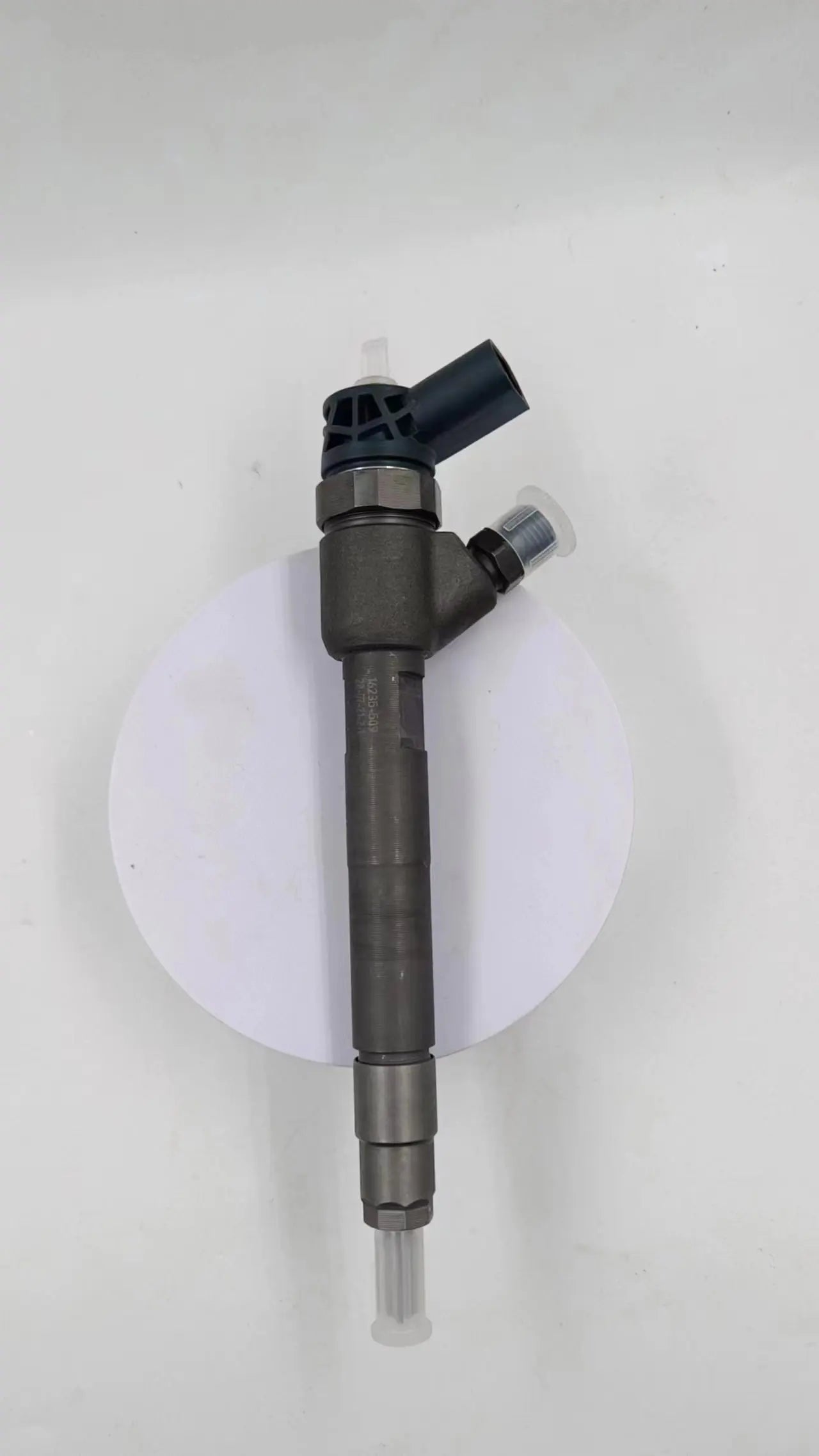
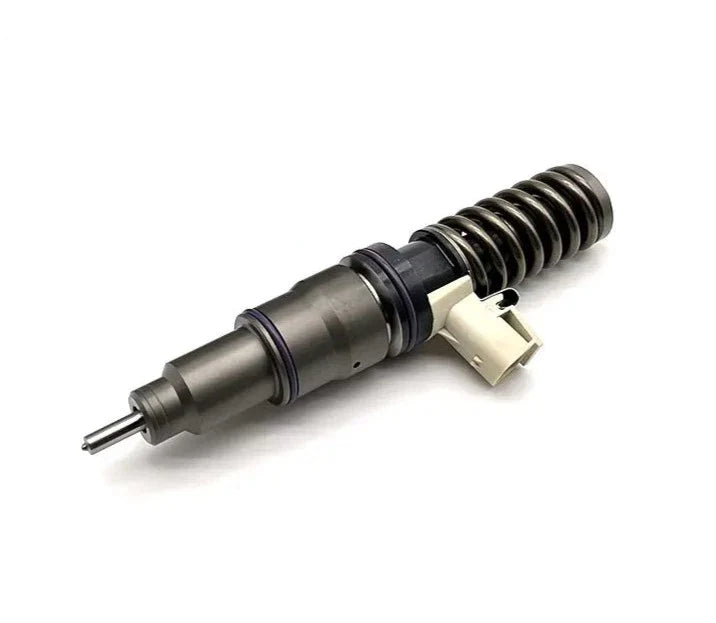
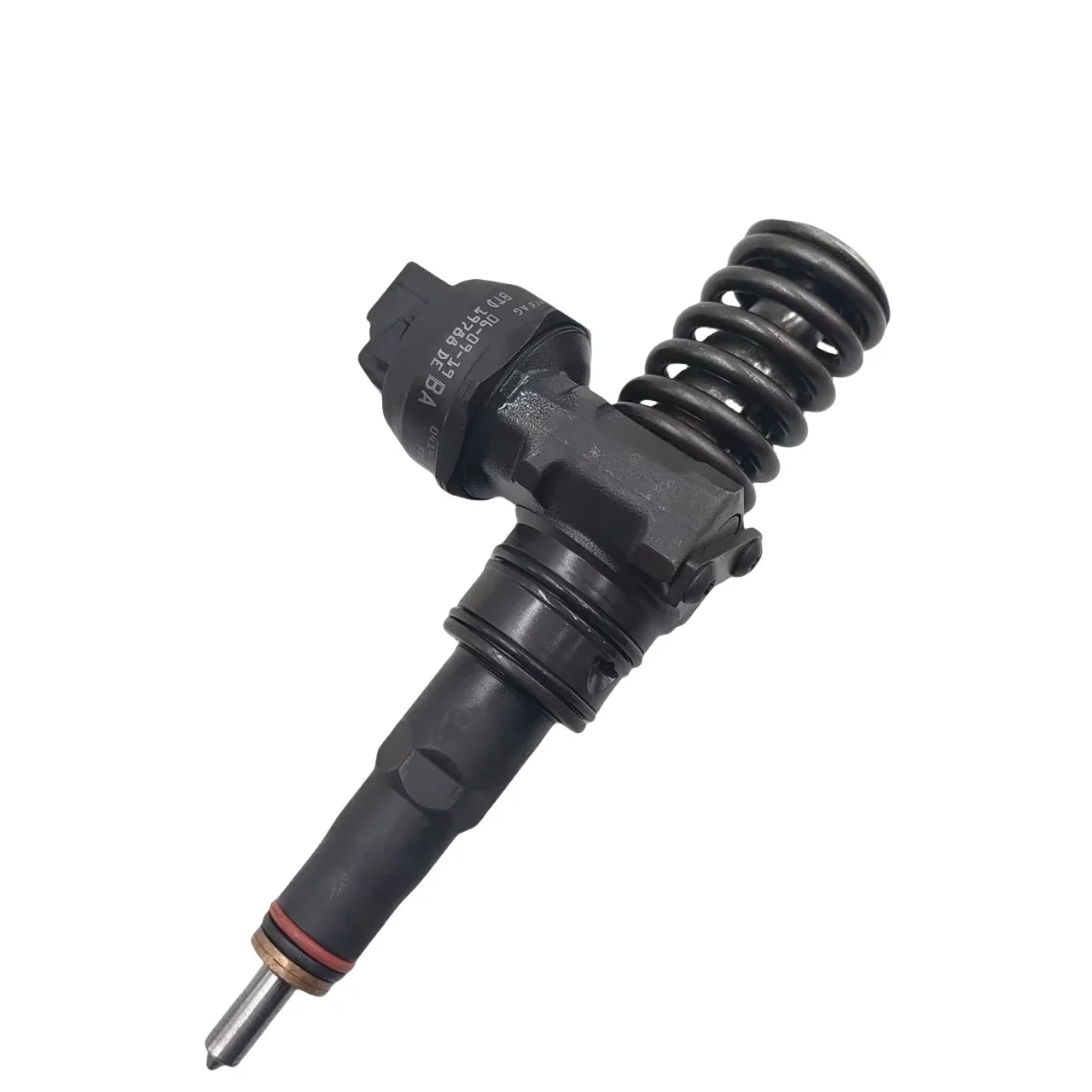
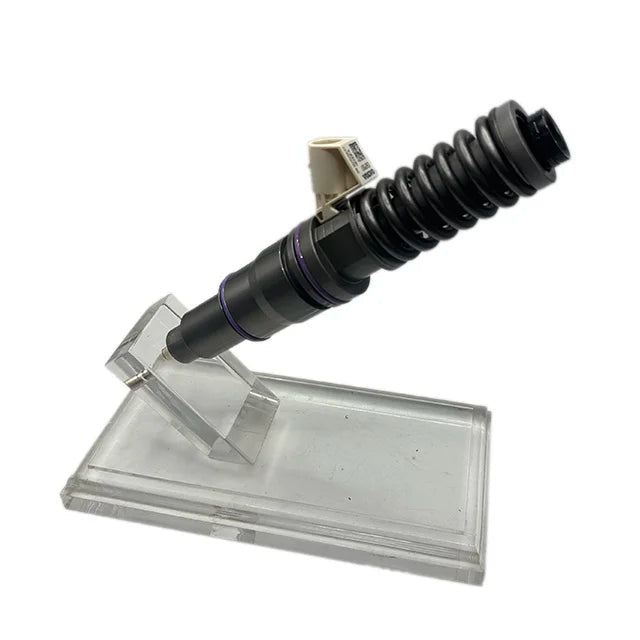
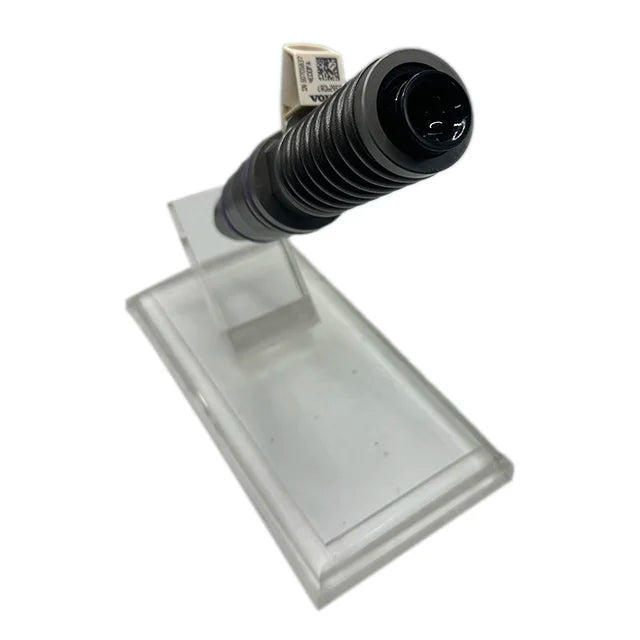
Fuel injectors are precision metering devices that atomise fuel into each combustion chamber at exact pressures and durations commanded by the engine management system. CBT Auto Parts stocks OEM-quality fuel injectors for diesel and petrol engines, matched to the correct flow rate and spray pattern specification for your application.
Part of our Engine & Powertrain Parts catalogue alongside fuel rails and turbochargers, and superchargers, our diesel and petrol fuel injectors cover ZD30, 1HDFTE, N70, 5.9 Cummins, 6.7 Cummins, DD15, Toyota Camry, and 2006 Toyota Corolla platforms. Denso fuel injectors and OEM-quality aftermarket options are both stocked. Diesel injector seals and fuel injector replacement components are available. Orders ship worldwide fast.

47 products
Showing 25 - 47 of 47 products
The Micron Problem: Why Injector Precision Is Non-Negotiable
A fuel injector operates with tolerances measured in microns. The needle valve inside the injector body lifts and closes against a seat machined to a surface finish that most workshop equipment cannot measure without specialist tooling. The spray holes at the injector tip are sized to produce a specific atomisation patte, rn a pattern that determines how completely the fuel mixes with air before combustion begins, and therefore how efficiently the engine burns what it is given.
When those tolerances drift from wear, from carbon deposit accumulation on the injector tip, from internal valve seat erosion,n the injector no longer meters fuel in the quantity or pattern the engine management system expects. The control module sees oxygen sensor and fuel trim data that reflects the deviation, adjusts fuelling, and gradually masks the problem behind corrections that move further from the centre of their operating range with every service kilometre accumulated.
The consequence is not always a dramatic misfire or a clear fault code. It is more frequently a slow degradation rising fuel consumption, a subtle loss of response under load, smoke at start-up that clears and never triggers a fault, and a vehicle that runs but does not run as it should. A correct fuel injector replacement with a part matched to the original flow and pattern specification resets that deviation entirely and restores the control module to working with accurate inputs again.
Diesel Injectors vs. Petrol Fuel Injectors: Two Different Engineering Problems
The term fuel injector covers two fundamentally different components depending on the engine. Understanding which type your engine uses changes what the replacement specification looks like and what failure mode to expect.
Diesel Injectors
A diesel injector operates at injection pressures between 1,600 and 2,500 bar in modern common-rail systems, pressures that are orders of magnitude higher than those in petrol applications. The injector must open and close precisely against this pressure on every firing event, with needle lift controlled by a solenoid or piezoelectric actuator responding to signals from the engine control module measured in microseconds.
Diesel injector wear produces specific and recognisable failure signatures:
- Return fuel excess: a worn diesel injector allows high-pressure fuel to bypass the needle seat and return to the low-pressure circuit. Measuring return flow against the manufacturer's specification identifies worn injectors before they cause hard starting or misfire.
- Tip fouling and spray pattern deviation: carbon accumulation at the injector tip alters the spray cone angle and atomisation quality, typically presenting as incomplete combustion, elevated exhaust temperatures, and black smoke under load on diesel. platforms
- Internal seat erosion: cavitation damage at the needle seat changes the injector's opening threshold, causing it to fire at a different pressure than the control module expects and producing injection timing deviation that is measurable on a flow bench
Petrol Car Fuel Injectors
Petrol fuel injectors operate at substantially lower pressures than diesel units, between 3 and 6 bar on port-injected engines and between 100 and 300 bar on direct injection petrol applications. Failure in petrol car fuel injectors most commonly presents as:
- Fouled or partially blocked injector tips producing an off-axis or split spray pattern, causing incomplete combustion on the affected cylinder and a misfire that appears load-dependent rather than consistent
- Injector leak-down: a faulty injector seal or worn needle seat allows fuel to continue dripping into the cylinder after the injector has closed, causing rich hot-start symptoms and elevated hydrocarbon emissions duri.ng warm-up
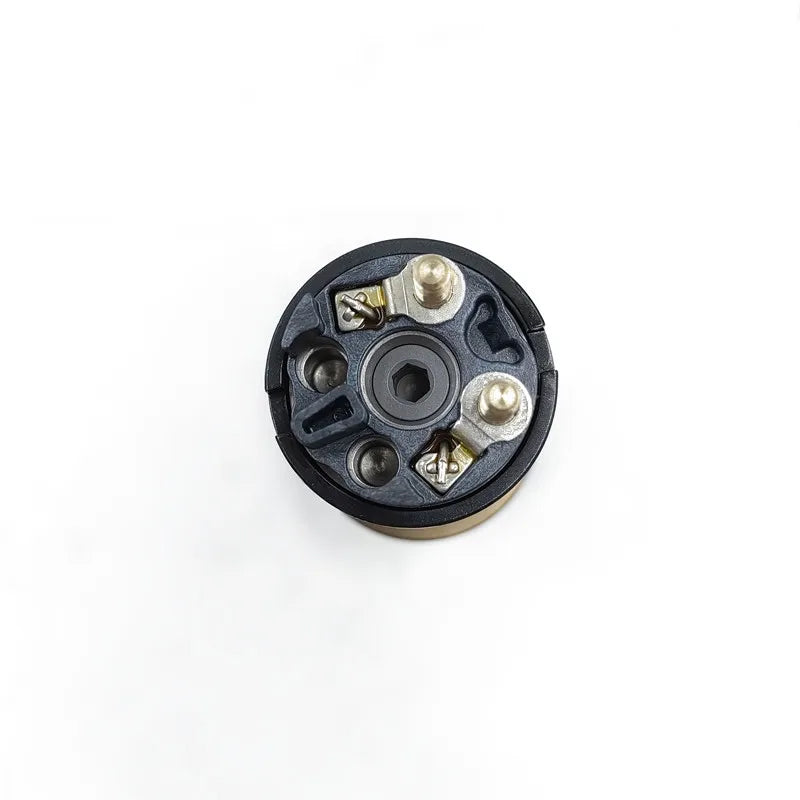
- Complete electrical failure: solenoid winding or connector failure produces a dead injector, a consistent misfire on that cylinder, and a specific injector circuit. fault code
Flow Rate and Spray Pattern: The Two Numbers That Define Injector Compatibility
Every fuel injector replacement comes down to two specifications that must match the engine's fuelling map: flow rate and spray pattern. Fitting an injector that deviates on either parameter causes the control module to work against itself, adjusting fuelling to compensate for a part that is not delivering what the map assumes.
Flow rate is the volume of fuel an injector delivers at a given pressure over a defined period, typically expressed in cubic centimetres per minute at a specified duty cycle and pressure. Replacing a car fuel injector with a unit of a different flow rate shifts the entire fuelling map's reference. A higher-flow injector makes the engine run rich across the operating range. A lower-flow unit makes it run lean. Either condition damages combustion quality and long-term engine reliability.
Spray pattern is the geometry and atomisation quality of the fuel cone delivered at the injector tip. Direct injection petrol engines are particularly sensitive to spray pattern deviation because the injector fires into the combustion chamber directly; an off-axis or poorly atomised spray hits the piston crown rather than mixing fully with the air charge, producing carbon accumulation, oil dilution, and combustion inefficiency.
Every fuel injector stocked by CBT Auto Parts is matched to the original flow rate specification and spray pattern geometry for the platform it covers.
Denso Fuel Injectors: The OEM Standard Across Asian and Global Diesel Platforms
Denso is one of the most significant original equipment fuel injector manufacturers globally, supplying injectors to Toyota, Hino, Nissan, and a range of other manufacturers as factory-fit components. Denso fuel injectors are not aftermarket alternatives to OEM on many platforms; they are the OEM component.
The reason Denso injectors appear consistently in quality diesel and petrol rebuilds:
- Manufactured to the same internal tolerance specifications as the factory units they replace, because on many platforms they are the factory units
- Flow-tested and calibration-matched at the manufacturing stage, providing a level of consistency between individual injectors within a set that reduces the need for post-installation fuelling correction
- The reference specification for ZD30 injector replacement, 1HDFTE injector replacement, and N70 injector platforms applications where substituting a non-Denso unit introduces flow variation that the OEM fuelling calibration was not designed to accommodate
CBT Auto Parts stocks Denso fuel injectors across applicable platforms where Denso is the correct original equipment or OEM-matched specification.
Platform Coverage: Diesel and Petrol Fuel Injectors We Supply
Nissan Diesel Platforms
- ZD30 injectors: Denso-spec fuel injectors for the ZD30 common-rail diesel used in Nissan Patrol and Navara applications, one of the most frequently rebuilt light commercial diesel engines in the Australian and global market
- ZD30 DI injectors: dedicated coverage for the ZD30 direct injection variant, which carries a different injector specification from the non-DI predecessor
- N70 injectors: replacement fuel injectors for the N70 Hilux and Land Cruiser Prado diesel platforms where common-rail injector service is a high-frequency requirement
Toyota Diesel Platforms
- 1HDFTE injectors: OEM-quality fuel injectors for Toyota's 1HD-FTE turbodiesel inline-six, a platform widely used in 80 Series and 105 Series Land Cruiser applications
- Toyota Camry fuel injector: petrol fuel injectors for the Camry covering the most common four-cylinder and V6 engine codes in OEM-spec flow rates
- 2006 Toyota Corolla fuel injectors: dedicated car fuel injector coverage for the 2006 Corolla petrol platform
- Cummins Diesel Platforms
- 5.9 Cummins fuel injectors: replacement diesel injectors for both generations of the 5.9-litre Cummins inline-six across standard and performance fuelling specifications
- 6.7 Cummins fuel injectors: OEM-quality fuel injectors for the 6.7-litre Cummins used in RAM 2500 and 3500 trucks across later production years
Heavy Commercial Platforms
- DD15 injector replacement: fuel injector replacements for the Detroit Diesel DD15 used extensively across Class 8 trucking applications in North American and global commercial fleets
For any platform not listed here, contact CBT Auto Parts with your engine code, production year, and current injector part number. Flow rate and fitment are confirmed before any order is dispatched.
Diesel Injector Seals: The Component That Fails Next
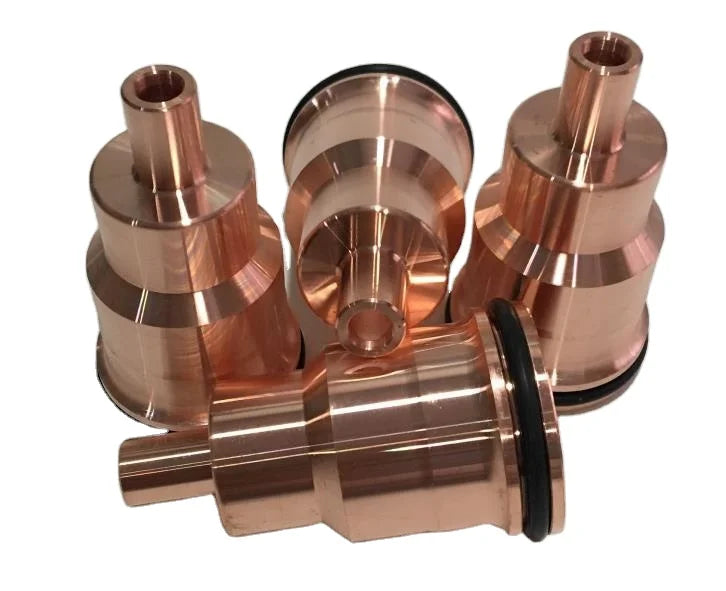
Diesel injector seals are the most frequently overlooked consumable in any diesel injector service. Every diesel injector passes through the cylinder head via a sealed bore, and the seals at both the upper and lower end of that bore perform two critical functions simultaneously: preventing combustion gases from bypassing the injector bore upward into the engine bay, and preventing engine oil or coolant from entering the combustion chamber downward.
A failed diesel injector seal produces symptoms that are consistently misdiagnosed as injector failure or head gasket failure before the seal itself is identified:
- White smoke under load from coolant contamination of the combustion chamber via a lower seal that has lost its sealing integrity
- Carbon tracking visible at the injector bore when the injector is removed, indicating combustion gas bypass past the upper copper washer or sealing ring.
- Oil contamination of the fuel return circuit from a bore that has lost isolation between the injector body and the engine oil gallery
CBT Auto Parts stocks diesel injector seals and copper washer sets for applicable diesel platforms. Any diesel injector replacement carried out without replacing the injector seals simultaneously is an incomplete repair.
What to Source Alongside Your Fuel Injectors
- Fuel Rail: The fuel rail delivers pressurised fuel to each injector at the upper port. Whenever diesel or petrol fuel injectors are removed, the injector O-rings and rail port seats must be inspected. A compromised upper O-ring produces an external fuel leak at the rail interface that is frequently misattributed to the injector body rather than the sealing point between the injector and the rail. Fuel rails across applicable Cummins, LSA, B16, and Ford platforms are stocked within the Engine & Powertrain Parts range at CBT Auto Parts.
- Turbochargers and Superchargers: On boosted diesel and petrol engines, injector sizing must account for the increased air charge the turbocharger or supercharger delivers. Upgrading induction without addressing injector flow rate causes the engine to run lean under boost, a condition that damages pistons and bearings with sustained operation. Where an induction upgrade is part of the same build, injector specification should be reviewed at the same time.