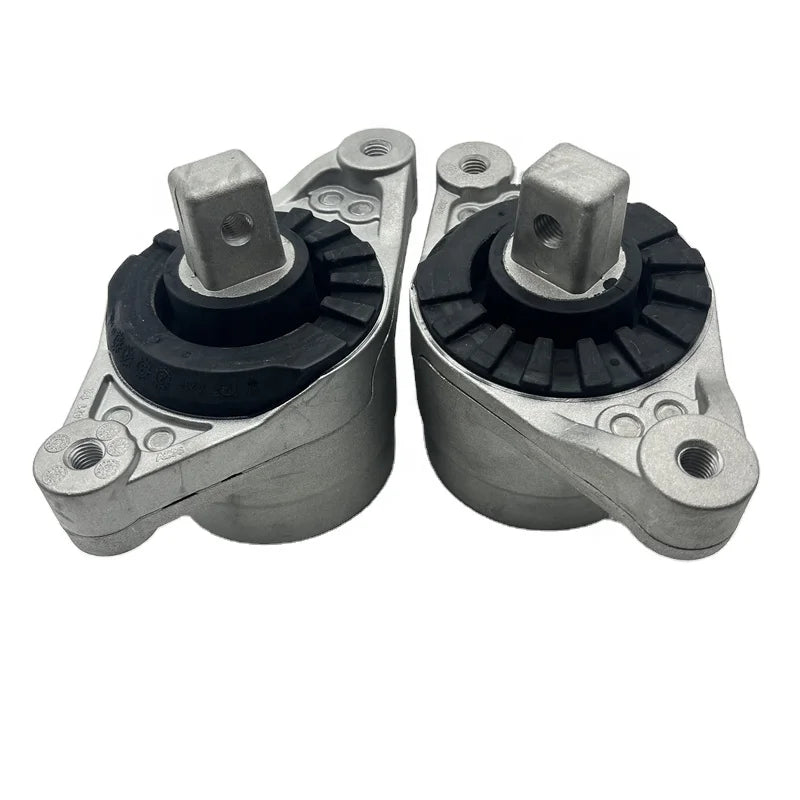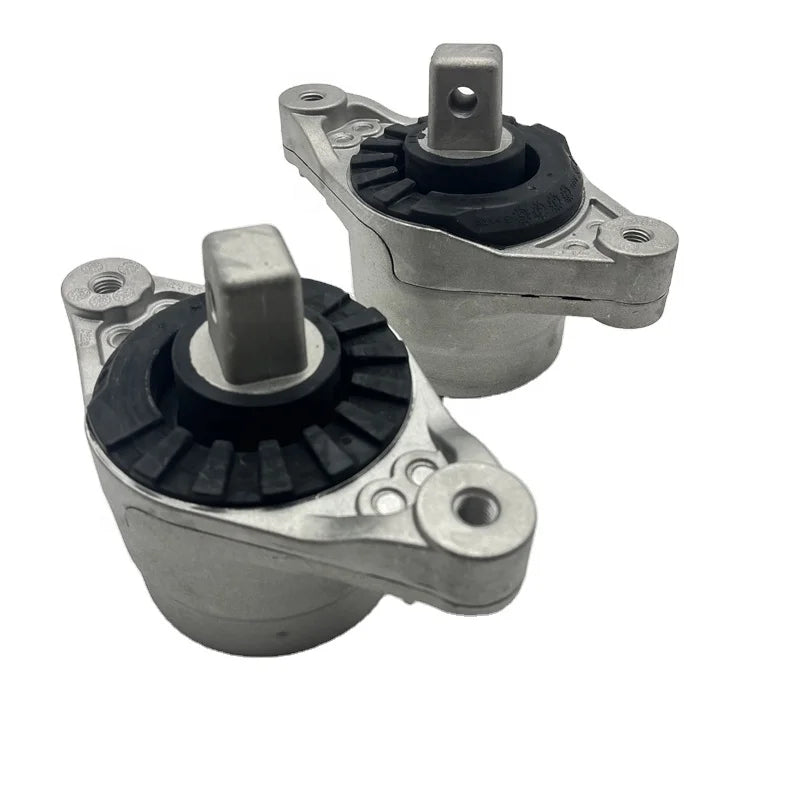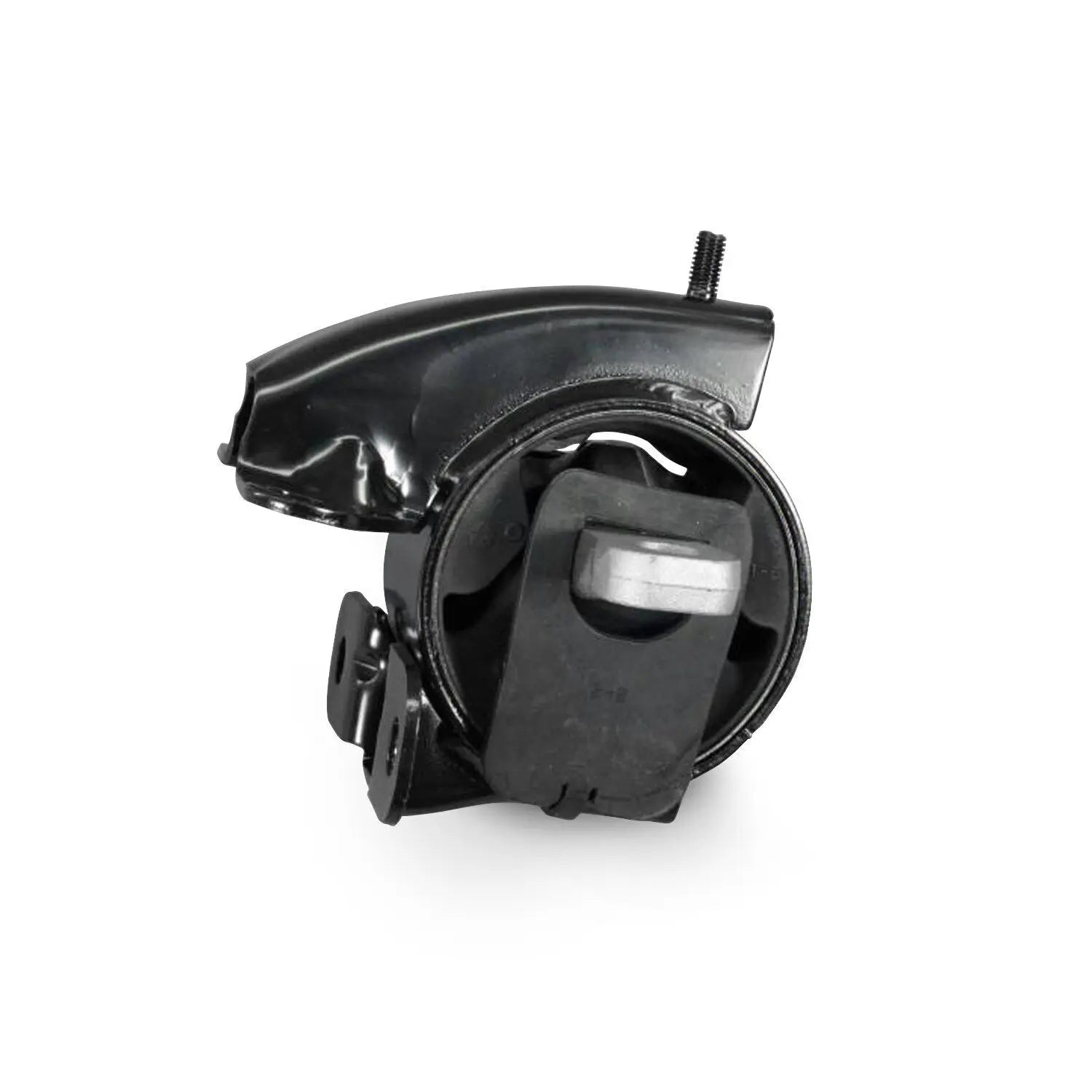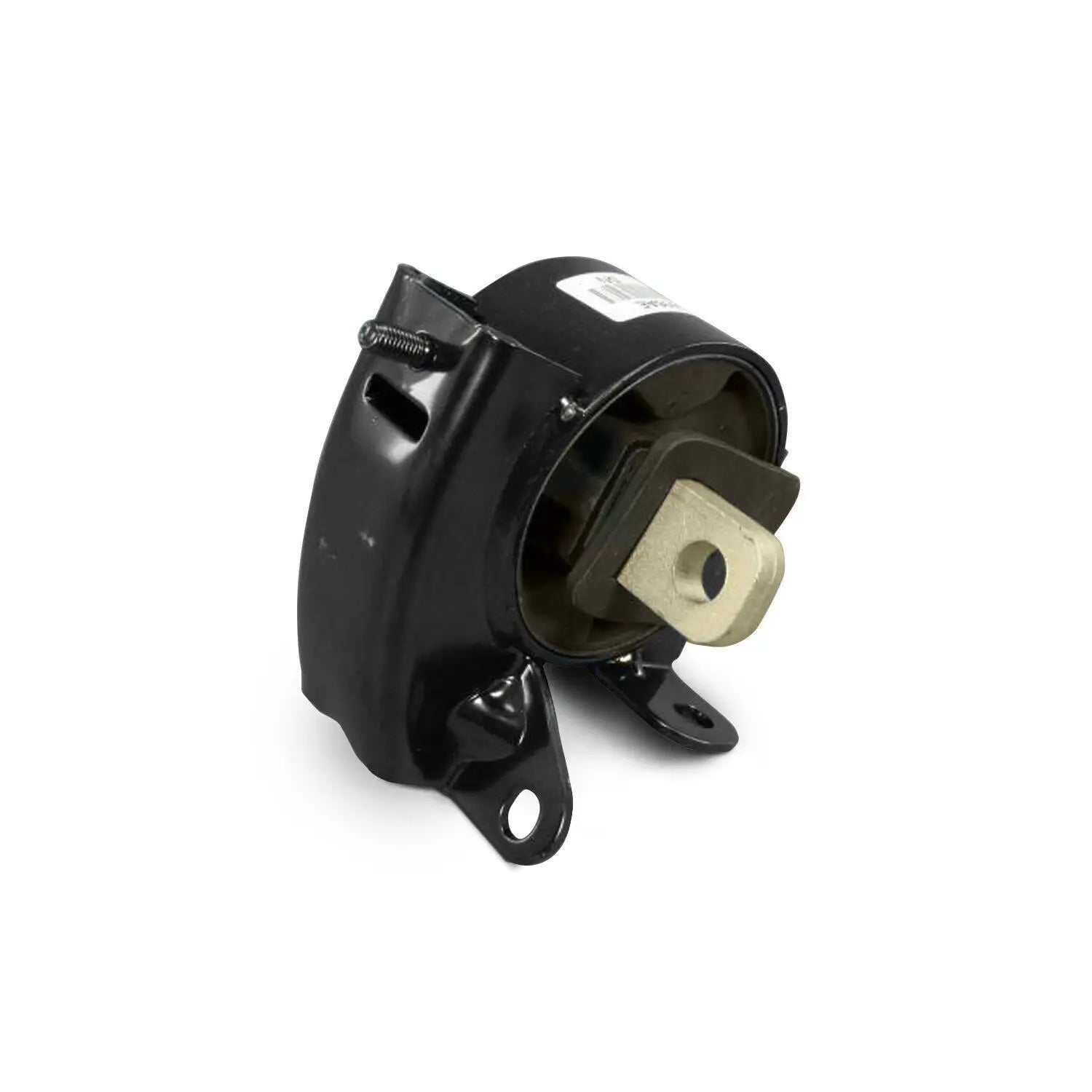
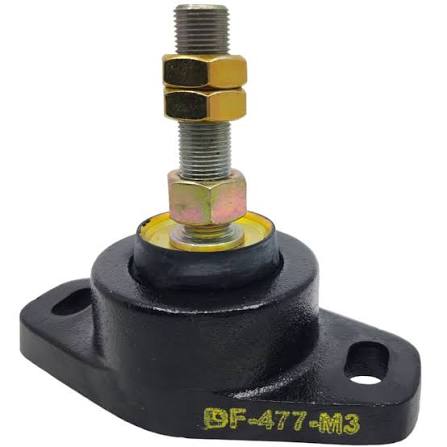
Engine Mounts | Motor Mounts & Engine Mount Replacement
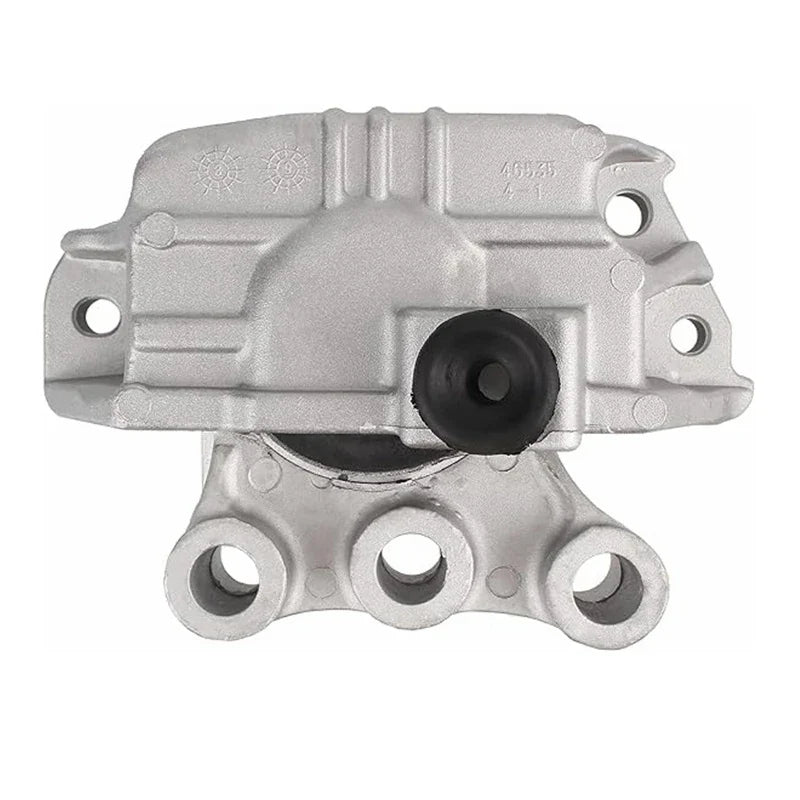
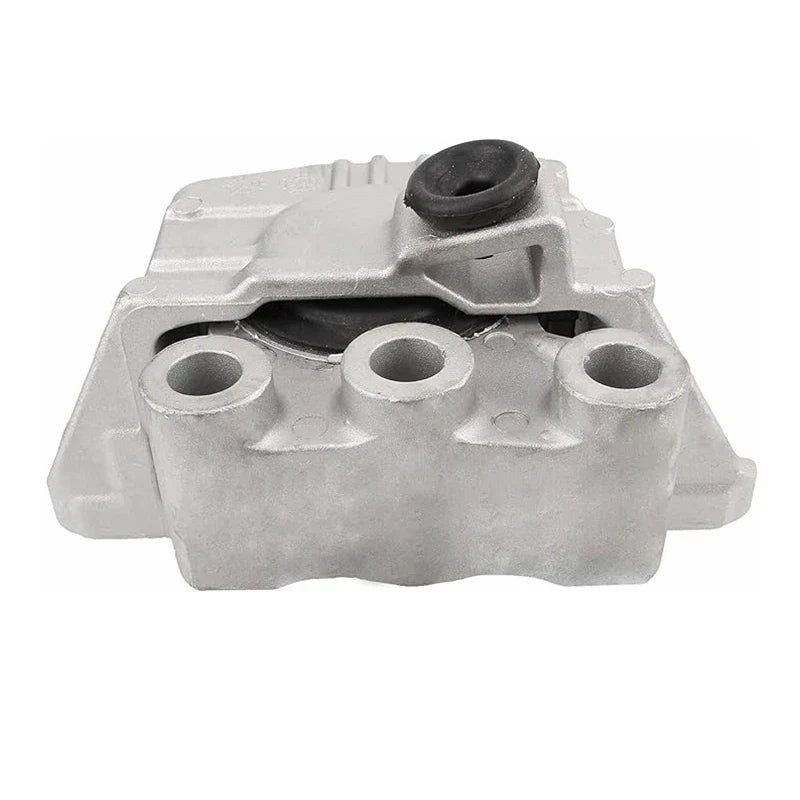
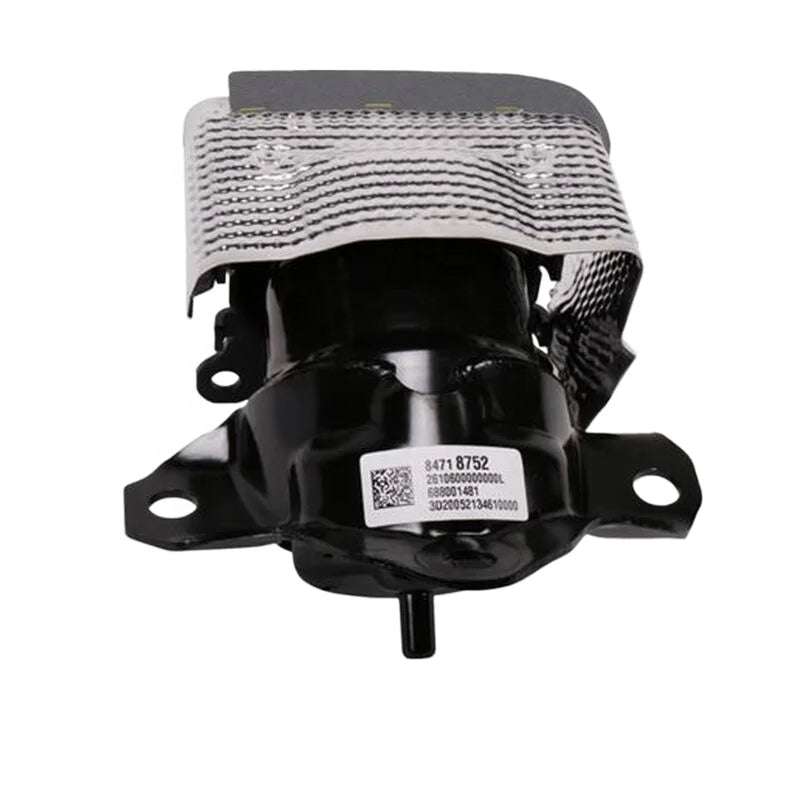
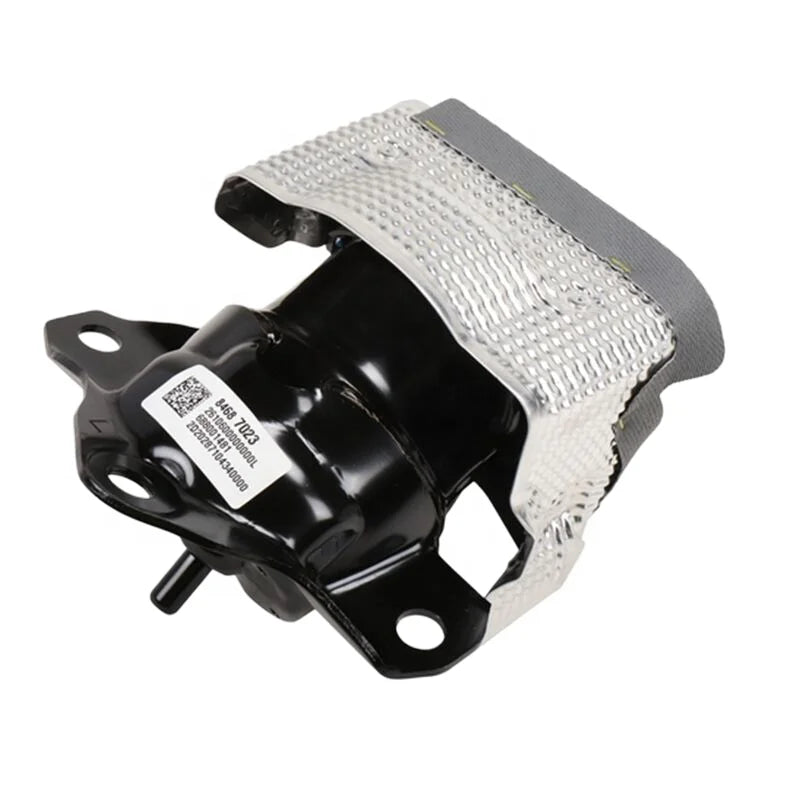
Engine mounts secure the engine to the chassis and absorb combustion vibration, protecting the cabin and drivetrain from noise, harshness, and structural fatigue. CBT Auto Parts stocks OEM-quality engine mounts and motor mounts for diesel and petrol applications, engineered to the correct load rating and isolation specification for your vehicle.
Part of our Engine & Powertrain Parts range, our car engine mounts cover platforms including Ford Focus, Toyota Camry, Cummins ISX, Peterbilt 379, and LS swap applications. Rubber and hydraulic motor mount options are both stocked. Aftermarket engine mounts meet OEM specifications. We ship worldwide with fast dispatch so your vehicle is back on the road without delay.

46 products
Showing 25 - 46 of 46 products
Two Jobs, One Component: What an Engine Mount Is Actually Managing
An engine mount is doing two things simultaneously, and failing at either one produces a different but equally disruptive outcome. The first job is structural: holding the engine in its correct position relative to the chassis, maintaining the alignment of the drivetrain, and preventing the engine from shifting under acceleration, braking, and cornering loads. The second job is isolation: absorbing the vibration produced by combustion and the torque reaction forces generated every time the engine accelerates or decelerates, so that neither reaches the chassis or cabin at a level that causes fatigue or discomfort.
These two requirements are in direct tension with each other. A mount that is extremely stiff holds the engine in position with maximum precision but transmits vibration freely. A mount that prioritises isolation allows too much engine movement under load. The rubber compound, geometry, a, nd in hydraulic designs, the fluid chamber specification of a quality car engine mount is where this balance is resolved. Substituting a substandard mount disrupts that balance in ways that become apparent under hard acceleration, at idle, or at specific road speeds where the engine's vibration frequency intersects with thechassis'ss natural frequency and amplifies rather than cancels.
Rubber and Hydraulic Engine Mounts: The Two Constructions and When Each Applies
Rubber Engine Mounts
Rubber motor mounts bond a steel inner bracket to an outer mounting shell through a precision-formed rubber element. They are the standard construction across most commercial diesel applications, older petrol platforms, and any vehicle where the primary requirement is structural durability over refined vibration isolation. Key characteristics:
- Durable and serviceable across a wide temperature range, making them the correct choice for work vehicles and commercial platforms including truck and agricultural equipment
- Fail predictably rubber deterioration is visible as cracking, oil contamination, or separation between the rubber and metal bonding faces
- The correct replacement specification for Cummins ISX motor mounts, Peterbilt 379 motor mounts, and most commercial diesel platforms where structural load capacity is the primary requirement
- More affordable than hydraulic alternatives and available across a broader range of platform applications
Hydraulic Engine Mounts
Hydraulic motor mounts add a fluid-filled chamber to the rubber construction, using controlled fluid movement through internal orifices to provide a level of vibration damping that rubber alone cannot achieve at the low frequencies produced by modern multi-cylinder engines at idle. They are the standard original equipment specification on most current passenger vehicles. Key characteristics:
- Substantially more effective at isolating low-frequency vibration at idle than rubber mounts, which is why modern petrol passenger cars use them as standard equipment
- Failure produces a distinctly different symptom to rubber mount failure: a cracked or collapsed fluid chamber results in sudden, dramatic vibration at idle that appears quickly rather than progressively.y
- Cannot be repaired once the fluid chamber is compromised; the entire motor mount must be replaced.
- The correct specification for Ford Focus engine mount replacement and Toyota Camry engine mount replacement on production years where hydraulic mounts were fitted as original equipment
Five Symptoms That Identify a Failing Engine Mount
Engine mount failure has a recognisable progression. Identifying the stage early determines whether the job is a straightforward motor mount replacement or a more involved inspection of the components the failed mount was allowing to move.
- Vibration felt through the chassis at idle: A failed rubber element or collapsed hydraulic chamber no longer isolates combustion vibration from the body. Vibration that was previously absorbed now reaches the floor, steering column, and seats, typically most pronounced at idle when engine RPM is lowest, and vibration frequency is highest.
- Clunking or thudding under acceleration or deceleration: The engine shifts on its mounts as torque direction reverses between acceleration and overrun. A worn mount allows excess movement during this transition, producing an audible knock from the engine bay that is frequently misattributed to driveline components.
- Visible engine movement under load:l With the bonnet open and an assistant applying and releasing the throttle, a failed car engine mount allows the engine to visibly rock beyond the normal range. Normal movement is a few millimetres. Movement of ten millimetres or more in any direction indicates a mount that has lost its structural function.
- Unusual drivetrain angles or driveshaft vibration: As a failed motor mount allows the engine to drop or shift from its designed position, the drivetrain geometry downstream changes with it. This presents as vibration at speed, premature CV joint wear, or a driveshaft angle that is visible without measuring equipment.
- Accelerated wear on adjacent components: An engine sitting off its designed position places uneven loads on coolant hoses, wiring harnesses, and ancillary brackets. Unexplained hose failures, chafed wiring, or cracked brackets in the engine bay are frequently the downstream consequence of a mount failure that went undiagnosed.
Platform Coverage: Engine Mounts and Motor Mounts We Supply
CBT Auto Parts stocks engine mounts and motor mounts across the following platforms:
Passenger Vehicle Platforms
- Ford Focus engine mount replacement: rubber and hydraulic car engine mount options across applicable production years and engine codes
- Toyota Camry engine mount replacement: OEM-spec motor mount replacements for the Camry across its most common four-cylinder and V6 engine configurations
Heavy Diesel and Commercial Platforms
- Cummins ISX motor mounts: heavy-duty rubber motor mounts for the ISX diesel used across Class 8 trucking and large commercial equipment
- Cummins motor mounts; broader Cummins engine mount coverage across the inline-six family and additional platform applications
- Peterbilt 379 motor mounts: replacement engine mounts specific to the Peterbilt 379, one of the most widely maintained heavy truck platforms in commercial fleets
For any platform not listed here, contact CBT Auto Parts with your vehicle make, model, year, and engine code. Fitment is confirmed before any order is dispatched.
LS Swap Motor Mounts: Why Modified Builds Need a Dedicated Specification
An LS swap motor mount is not an OEM replacement part. It is an aftermarket bracket system engineered to position a GM LS V8 correctly within a chassis that was never originally designed to receive it. The mount must reconcile the LS engine's bolt pattern and dimensions with the original chassis mounting points, while setting the engine at the correct height for drivetrain alignment, header clearance, and steering component clearance.
LS swap motor mounts are available in several configurations depending on the chassis being used, the transmission being paired, and the header design being run. Selecting the correct LS swap mount for the build is a specification decision, not simply a fitment confirmation, and the geometry of the mount directly determines how much additional fabrication the installation requires beyond the mount itself.
What to Source Alongside Your Engine Mounts
Engine mounts address the engine's connection to the chassis, but the transmission is connected to the same chassis at its own mounting points through a separate set of components. On any engine mount replacement job where the vehicle is showing drivetrain vibration or movement beyond what a worn engine mount alone explains, the transmission mounting system warrants inspection alongside the engine mount replacement. Both mounting systems work together to position the entire powertrain assembly correctly, and a worn component in one system places additional load on the other.
The Engine & Powertrain Parts range at CBT Auto Parts covers the full scope of engine-side mounting components. For transmission-side mounting, CBT Auto Parts also carries the relevant components across applicable platforms.