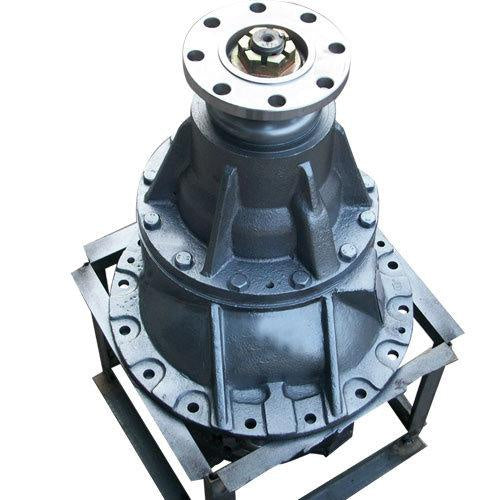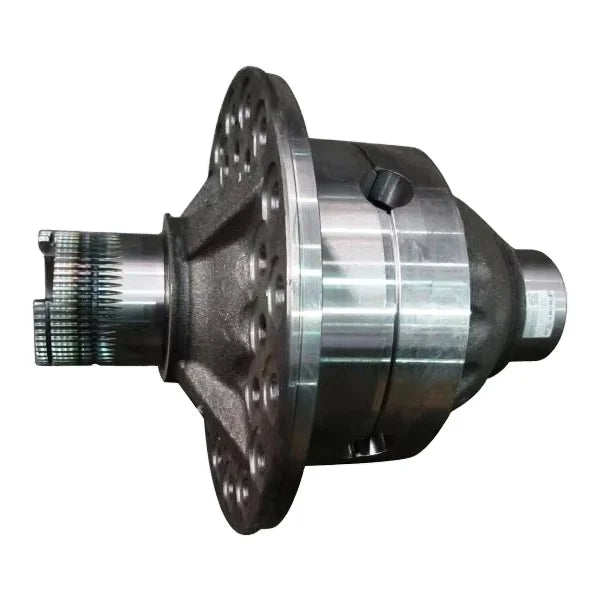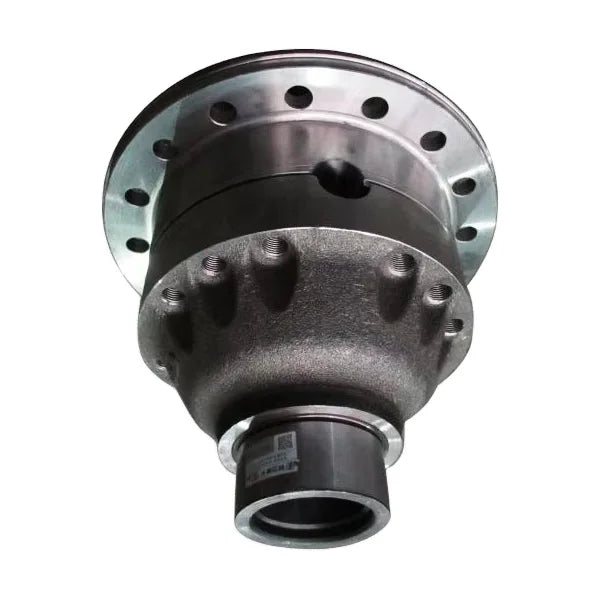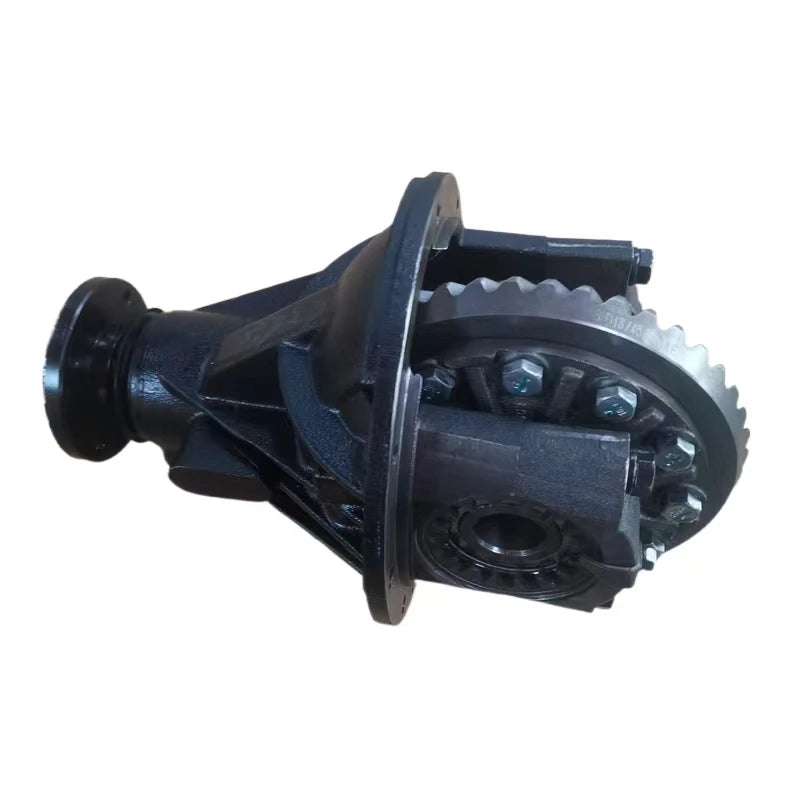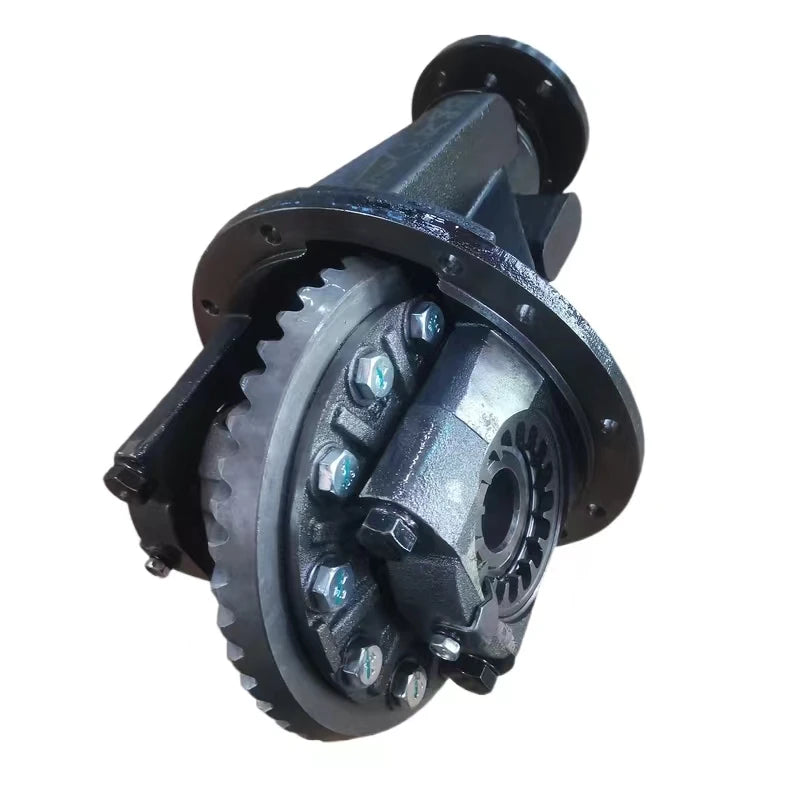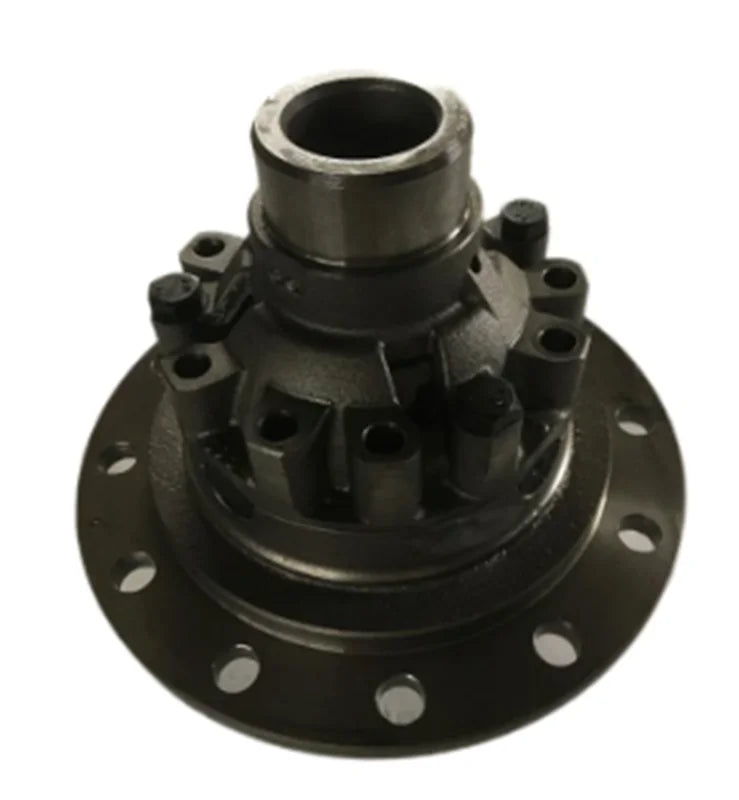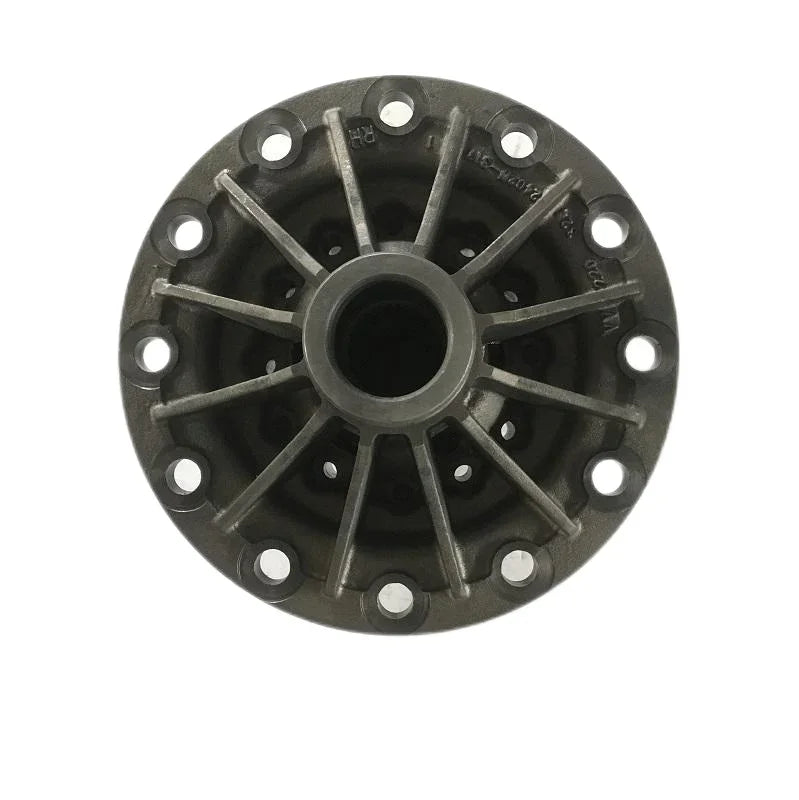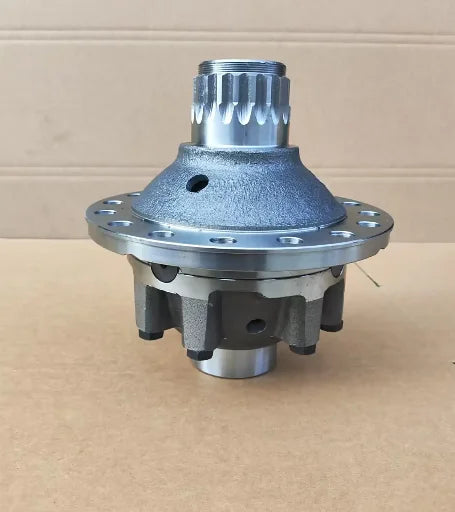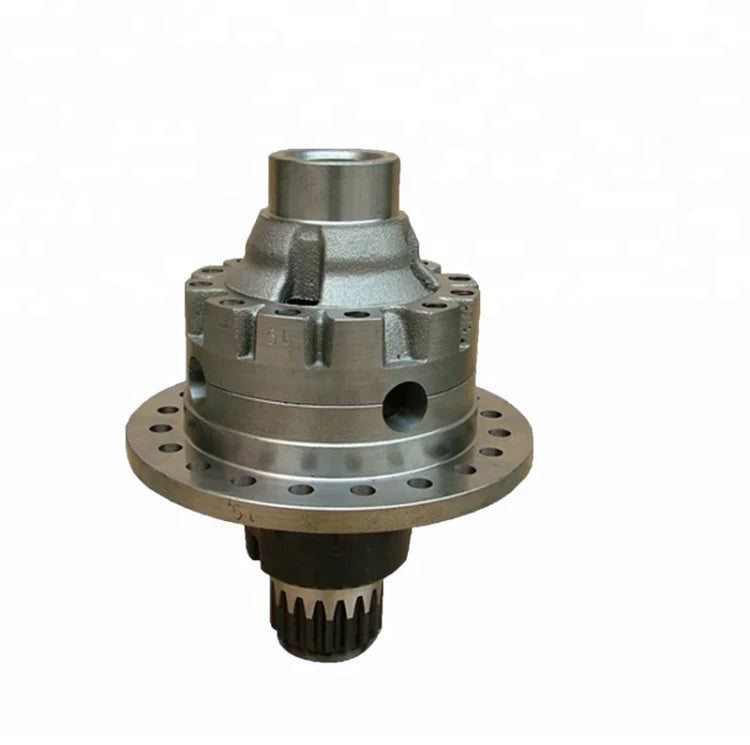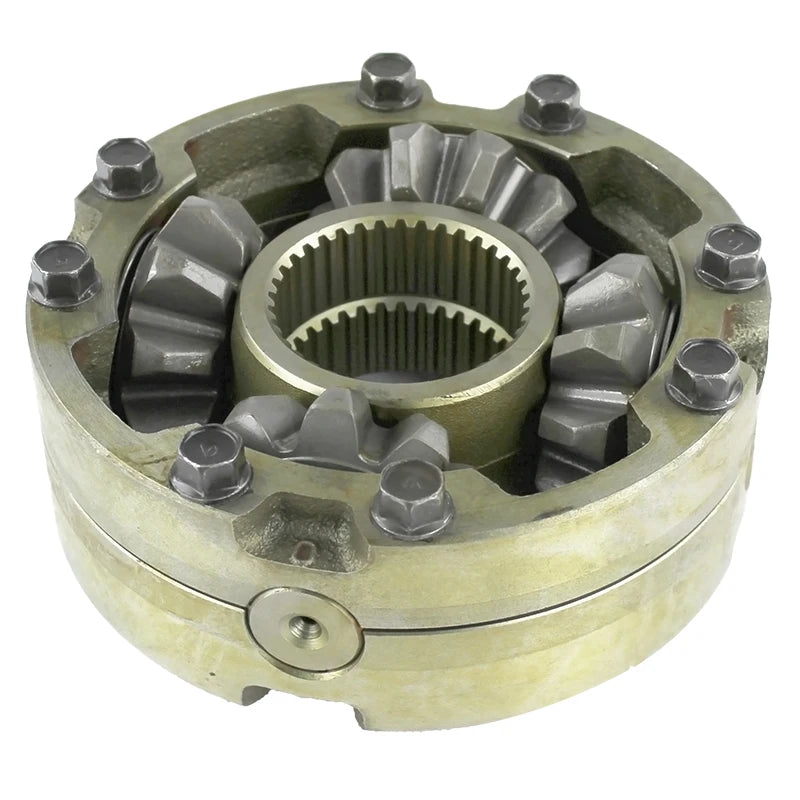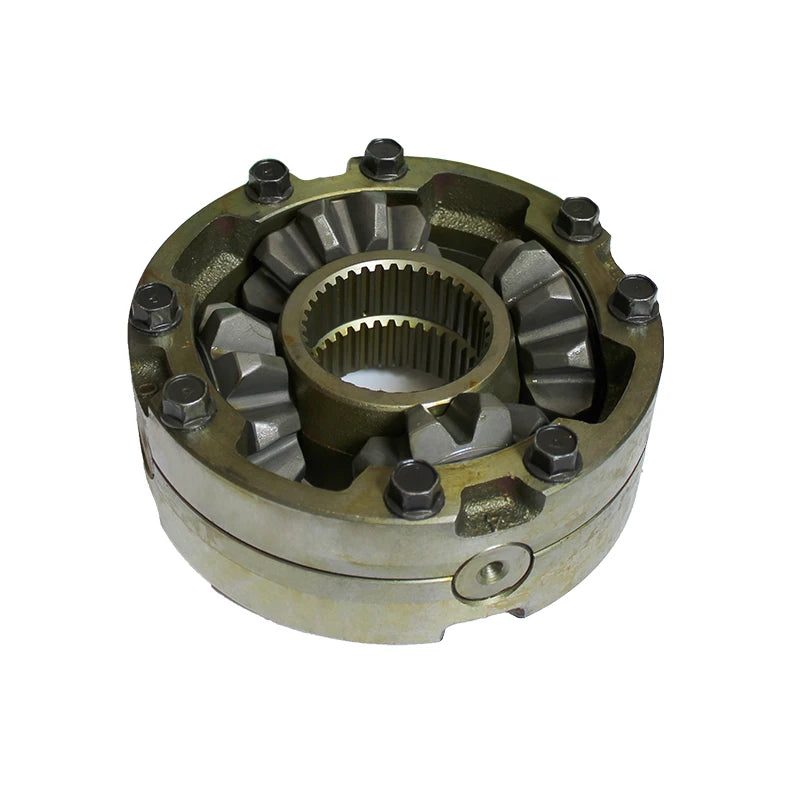
Differentials: Limited Slip, Locking Differentials, Salisbury Diffs & Open Units for Cars and 4x4
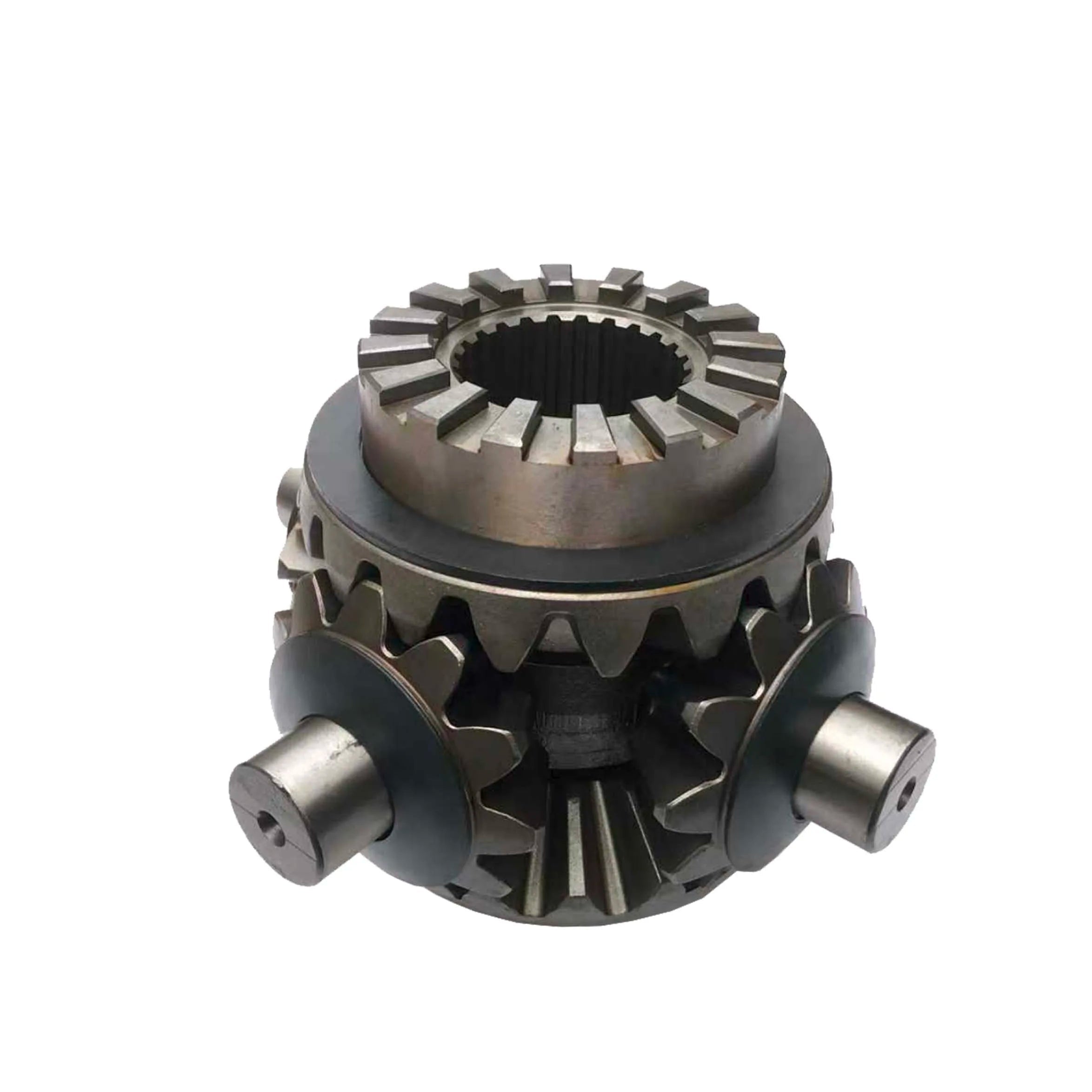
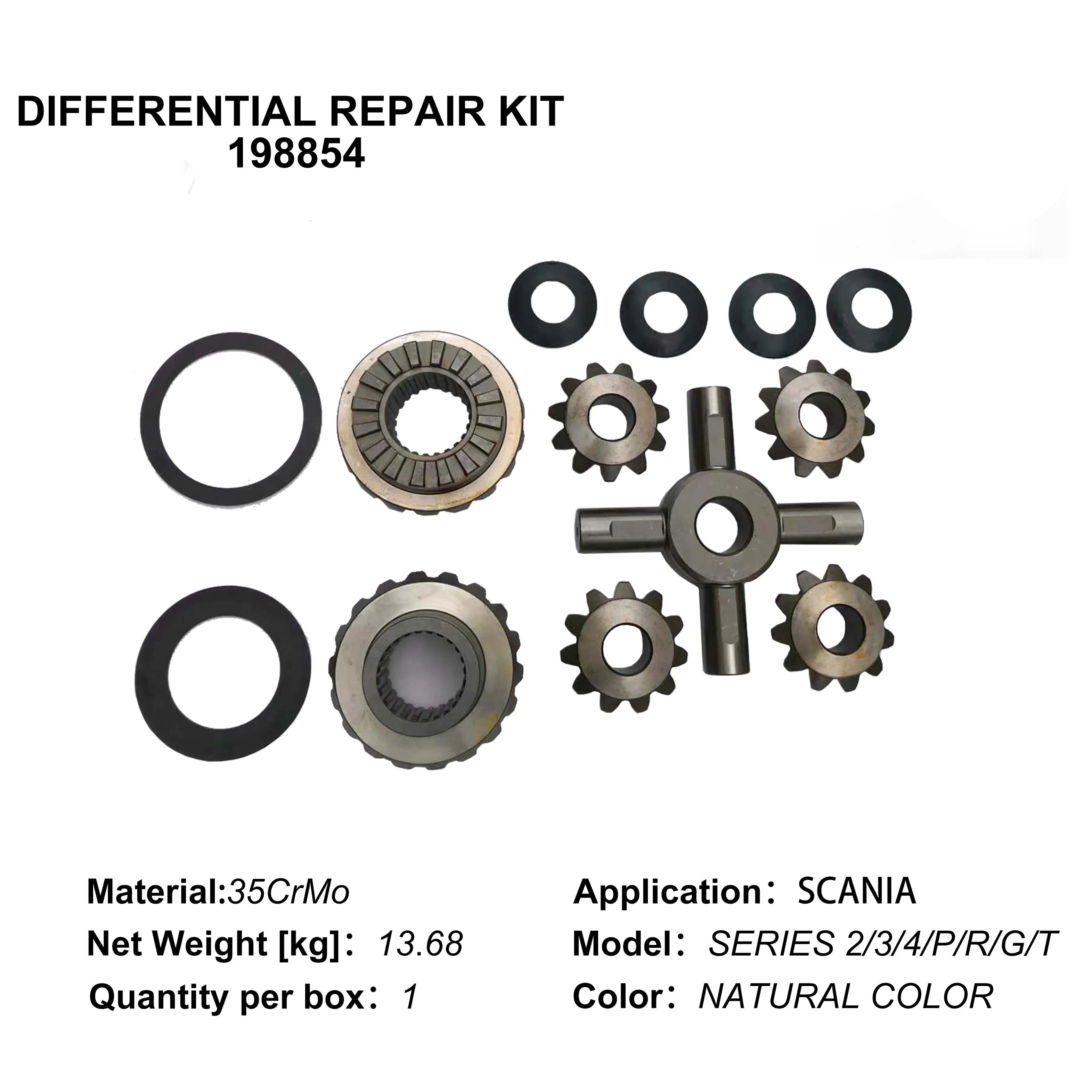
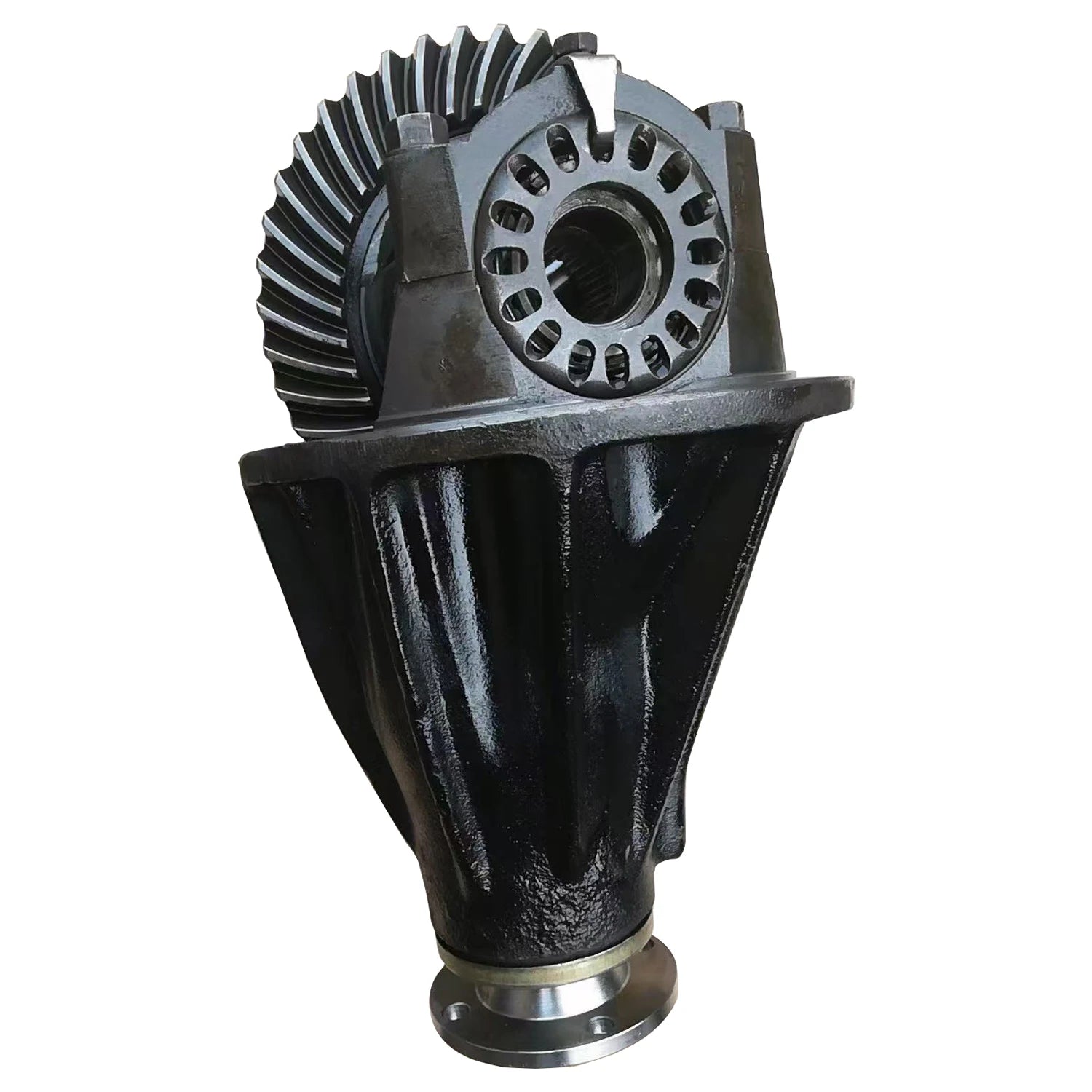
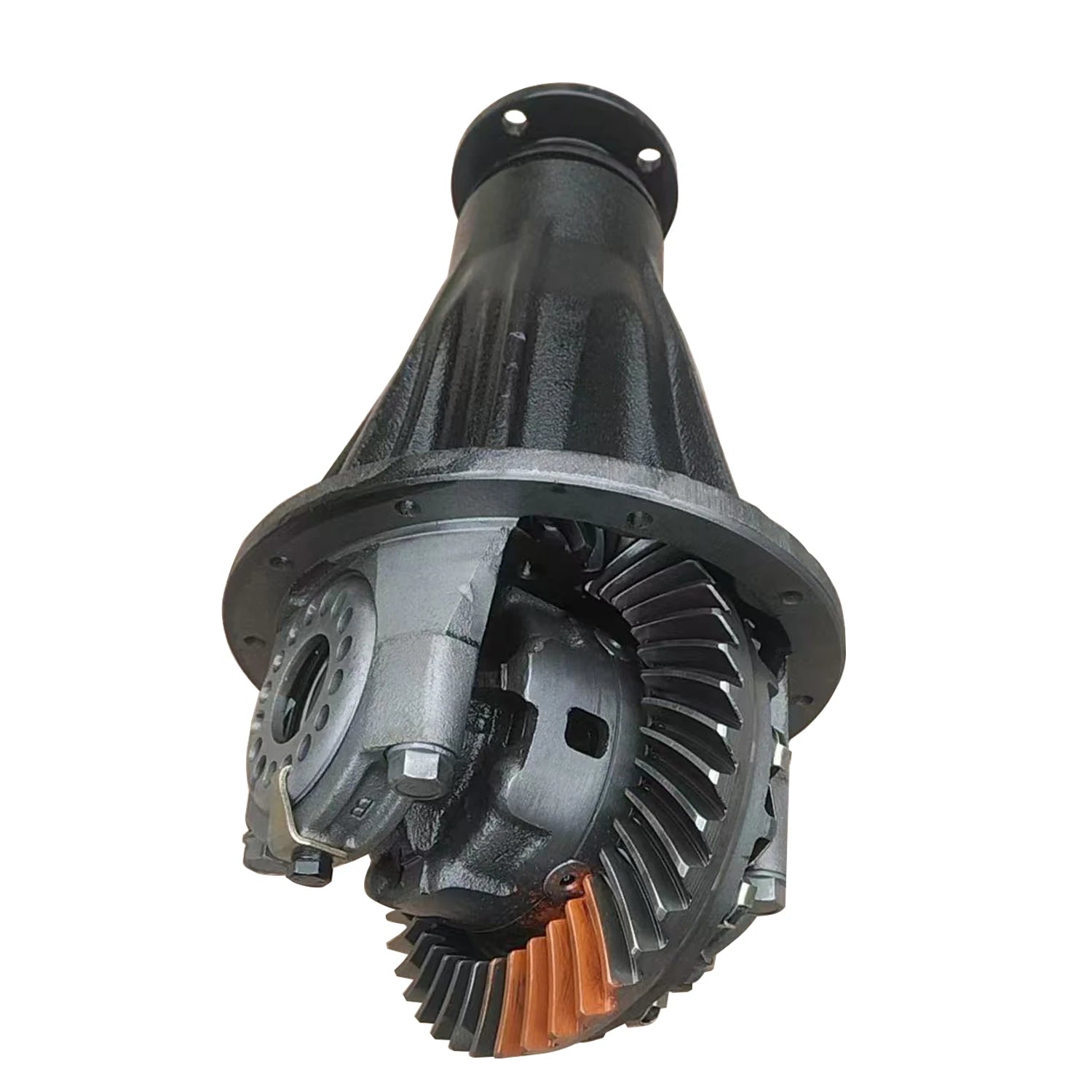
The differential allows your driven wheels to rotate at different speeds through every corner; without it, turning under power tears tyres, strains axles, and breaks driveshafts. Whether your vehicle needs a standard open unit, a limited slip differential for improved traction, or a locking differential for 4x4 terrain, the right specification matters.
CBT Auto Parts stocks differentials across all three types: open, limited slip, and locking, including R200 units, Salisbury differentials, diff lockers, and front and rear applications for passenger and 4x4 vehicles. Part of our Transmission and Drivetrain Parts range, all units are OEM-grade, ship from confirmed stock, and reach destinations worldwide.

59 products
Showing 25 - 48 of 59 products
Which Differential Does Your Vehicle Actually Need?
This is the question most buyers need answered before anything else because fitting the wrong differential type to an application is not simply a fitment issue. It is a performance and safety decision. The three differential types each manage torque distribution differently, and each suits a specific set of driving conditions and vehicle purposes.
Open Differential
The open differential is the factory-fitted standard across the vast majority of passenger vehicles and light commercial applications. It distributes torque equally between both driven wheels under normal conditions and allows the speed difference between wheels that cornering requires. The limitation of an open unit becomes apparent when traction is lost on one wheel; the open differential sends available torque to the path of least resistance, which is the spinning wheel, leaving the wheel with grip powerless. For standard road use on sealed surfaces, an open differential is entirely appropriate and requires no upgrade. For off-road, performance, or load-carrying applications where wheel spin is a regular occurrence, the open unit is a functional limitation.
Limited Slip Differential
The limited slip differential commonly referred to as an LSD sits between an open unit and a fully locking differential in both mechanical complexity and traction capability. Rather than allowing unlimited speed difference between driven wheels, the LSD uses clutch packs, viscous fluid, or a torsen gear arrangement to progressively transfer torque toward the wheel with better grip when slip is detected. The result is meaningfully improved traction under acceleration on slippery or uneven surfaces, without the handling compromises that come with a fully locked differential on sealed roads. Limited slip differentials are standard equipment on performance vehicles and are a popular upgrade for passenger 4x4 vehicles used in both road and light off-road conditions.
Locking Differential
A locking differential, also called a diff locker, eliminates the speed differential between driven wheels entirely when engaged, forcing both wheels on an axle to rotate at exactly the same speed regardless of surface traction. On severe off-road terrain where one wheel may be completely airborne or submerged with zero traction, a locking differential is the only design capable of sustaining forward drive. Diff lockers are available in manual-engagement and automatic-engagement configurations. Manual lockers are driver-selected and held in the locked state until deliberately released. Automatic lockers engage under load and release under deceleration, a configuration that suits regular off-road use but can produce unpredictable handling characteristics on sealed surfaces at higher speeds.
Reading the Warning Signs: When Your Differential Needs Attention
Differential failure is rarely sudden. In most cases, the unit communicates its condition through a recognisable sequence of symptoms, and catching the progression early prevents what would have been a differential seal replacement or minor rebuild from becoming a complete unit replacement or secondary axle damage.
Watch for these indicators:
- Whining or humming that changes pitch with vehicle speed but not engine speed: this is bearing wear within the differential carrier, not transmission or engine noise. The pitch varies with wheel speed rather than engine load.
- Clunking during take-off or during direction changes: worn spider gears, damaged side gears, or failed diff locker components produce impact noise when torque direction reverses
- Vibration under sustained load that reduces when coasting: points to pinion bearing degradation within the differential housing
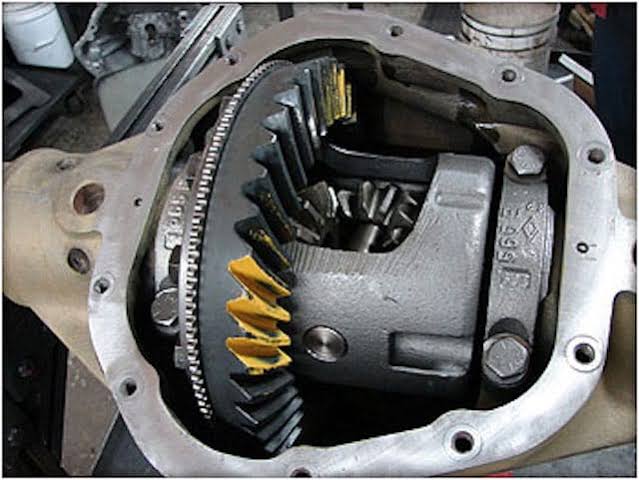
- Oil weeping from the axle tubes or around the diff cover: a failed differential seal allows lubricant to escape, which accelerates internal wear significantly. A differential seal replacement is one of the lowest-cost maintenance interventions in the entire drivetrain.
- Uneven tyre wear on the driven axle: particularly on the inside shoulders, can indicate a limited slip differential that has lost clutch pack tension and is no longer distributing torque evenly
- Differential breather that shows signs of oil weeping: the differential breather regulates internal pressure within the housing. A blocked or damaged differential breather allows pressure to build and forces lubricant past seals that would otherwise remain intact.
Each of these symptoms can also present in driveshafts, axles, and transfer cases, making a systematic diagnosis important before assuming the differential itself requires full replacement.
Platform Coverage: Differentials in the CBT Auto Parts Range
Our differential inventory covers open, LSD, and locking configurations across the most actively replaced platforms in both passenger and 4x4 applications:
- R200 differential: the Nissan R200 is one of the most widely used independent rear differential platforms in the performance and enthusiast market, appearing across Nissan 350Z, 370Z, Silvia, Skyline, and various Subaru applications. Both open and limited slip versions are available, with LSD units in high demand for performance builds.
- Salisbury differential: the Salisbury diff is a heavy-duty beam axle differential design used extensively in Land Rover Defender, Range Rover Classic, and various Toyota Land Cruiser applications. Its helical gear carrier and high torque rating make it a natural candidate for both standard replacement and performance rebuild applications across serious 4x4 platforms.
- Limited slip differential for 4x4 passenger platforms: covering popular transfer case-equipped platforms including Toyota HiLux, Nissan Patrol, Ford Ranger, and Mitsubishi Pajero, where upgrading from an open differential to an LSD rear differential significantly improves off-road traction without requiring a manual locker engagement system.
- Locking differentials for extreme off-road applications: diff lockers covering front differential and rear differential positions for platforms used in competitive off-road, overlanding, and mining or agricultural vehicle applications where loss of traction in either axle is operationally unacceptable
- Rebuilt differentials: for applications where a genuine OEM unit is no longer available new, rebuilt differentials offer a cost-effective path to a restored specification. Our rebuilt differential units are disassembled, inspected, and rebuilt to a documented standard, not simply resealed and re-listed
Differential Maintenance Components: Seals, Breathers and Supporting Parts
A complete differential replacement is not always the answer, and for many vehicles presenting with early-stage differential problems, the solution is a targeted maintenance intervention rather than a full unit swap.
Differential Seal
The differential seal is the front-line barrier between the differential's lubricant circuit and the external environment. Pinion seals and axle seals are the most frequently replaced items in any differential maintenance schedule; they degrade from heat cycling, axle movement, and age, and they are significantly less costly to address early than to ignore until internal components run dry.
Differential Breather
The differential breather manages internal housing pressure as the differential heats up and cools down during operation. In vehicles used in river crossings or water fording applications, an extended or relocated differential breather prevents water ingestion through the vent when submerged a simple modification with significant protective benefit for the internal differential components.
Where supporting drivetrain maintenance is required alongside a differential replacement, axle shafts and driveshafts are stocked separately in our Transmission and Drivetrain Parts range, and for 4x4 platforms, transfer cases are available to support a full drivetrain restoration in a single procurement process.
Rebuilt Differentials: When Rebuilding Is the Right Call
The rebuilt differential market exists for a straightforward reason: not every application has a readily available new OEM unit, and not every buyer has the budget for a new unit where one does exist. For the right platform and the right buyer, a rebuilt differential offers genuine value.
A quality rebuilt differential goes through full disassembly, component inspection, bearing replacement, gear measurement, and reassembly to a documented specification. The result is a unit that performs to original design specification with new bearings, fresh seals, and confirmed gear backlash, which in many cases is indistinguishable in service from a new unit.
The caveat with rebuilt differentials, and it is an important one, is sourcing. A differential that has simply been cleaned, resealed, and resold without internal inspection and component replacement is not a rebuilt differential in any meaningful sense. When CBT Auto Parts lists a rebuilt differential, it has gone through a documented rebuild process with traceable component replacement, not simply a cosmetic preparation.
For buyers searching for rebuilt differentials near me, CBT Auto Parts operates as a supply partner rather than a local workshop. We supply the unit; fitment is handled by your local workshop or transmission specialist. This approach gives you the control of sourcing a verified, quality unit independently of workshop parts margins.