Car Crankshafts | Forged & Billet Engine Cranks
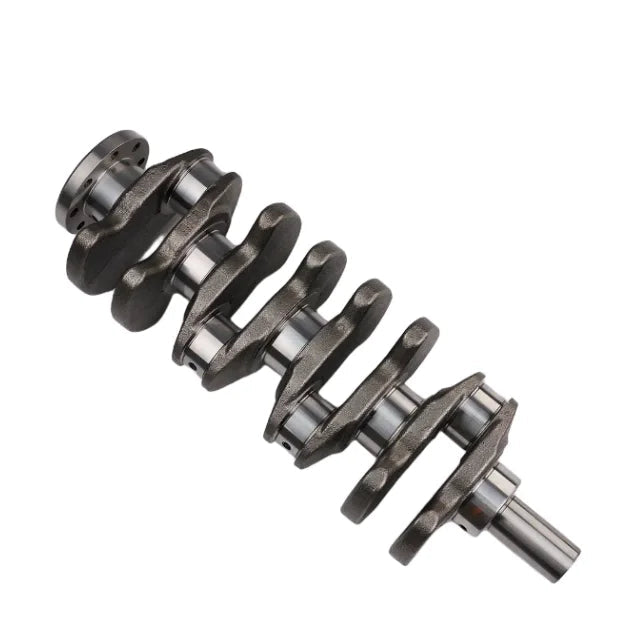
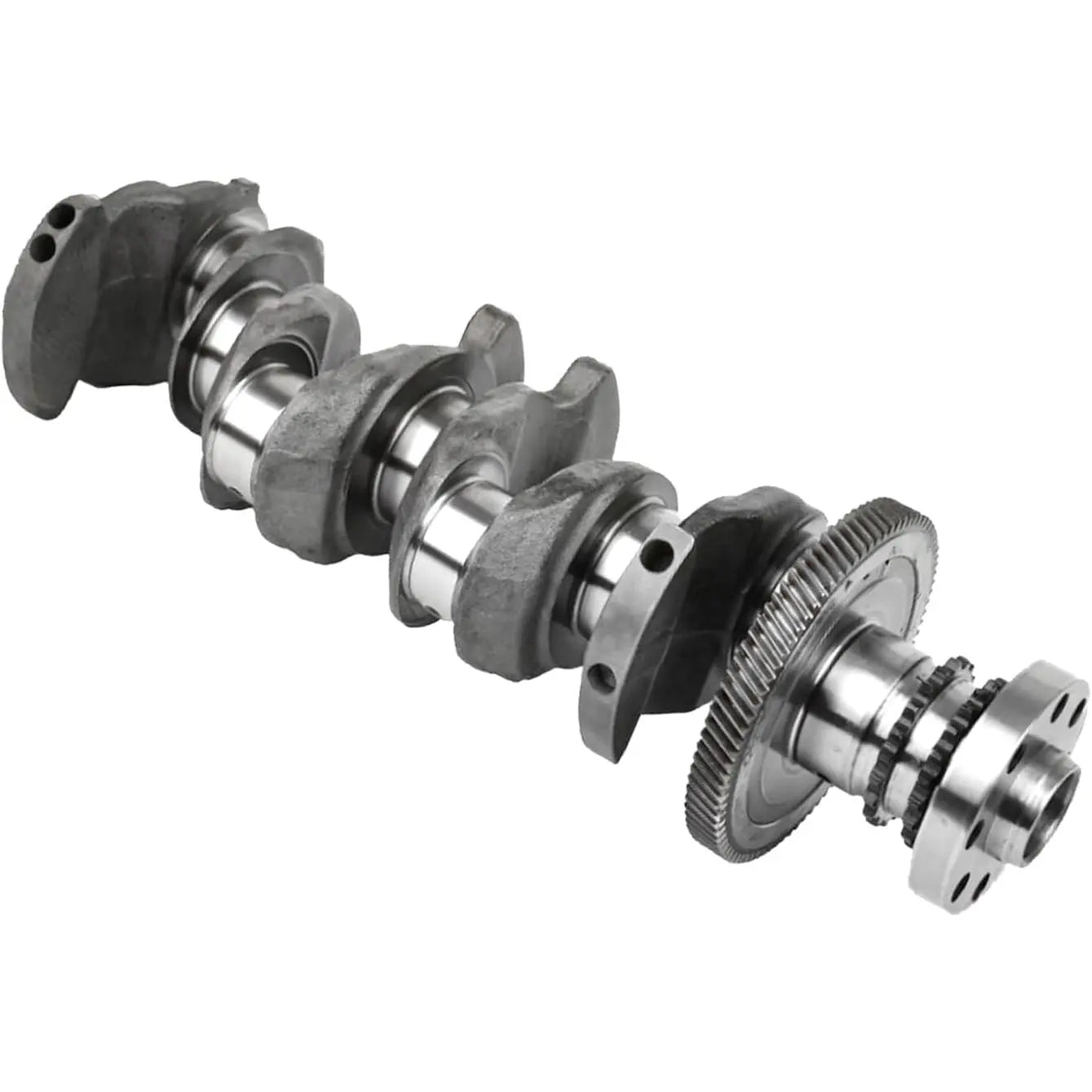
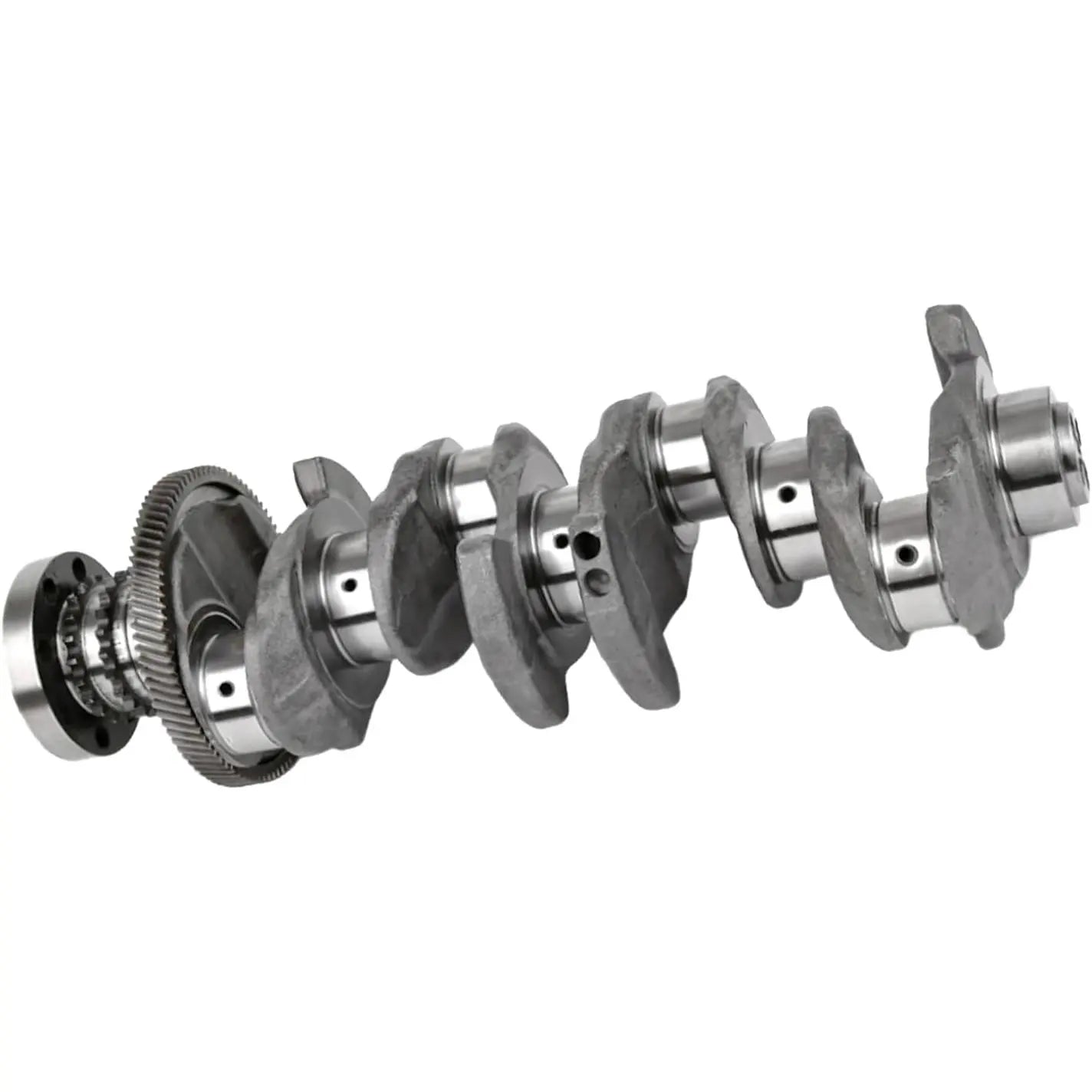
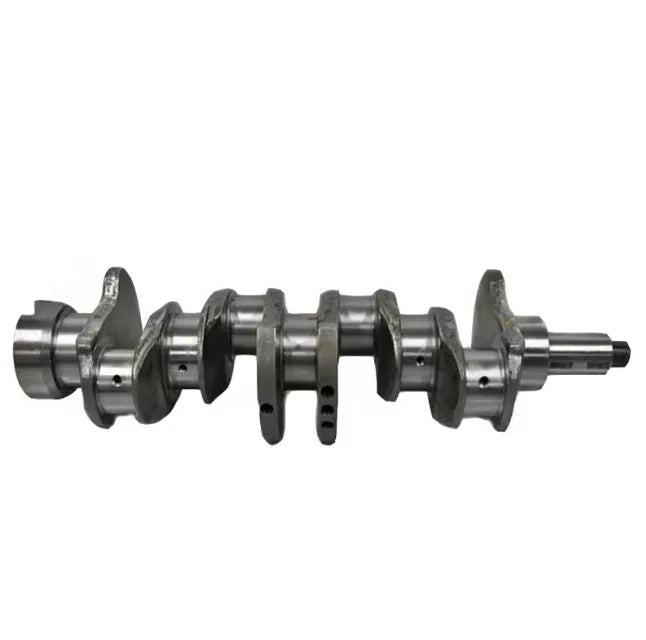
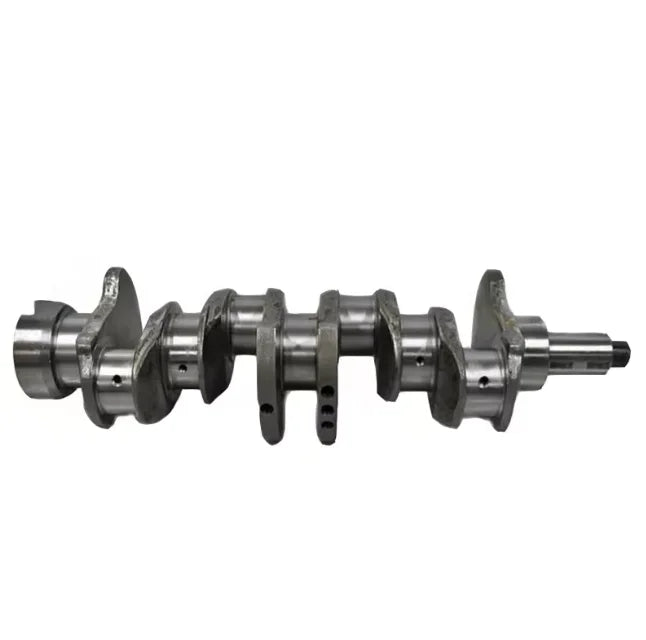
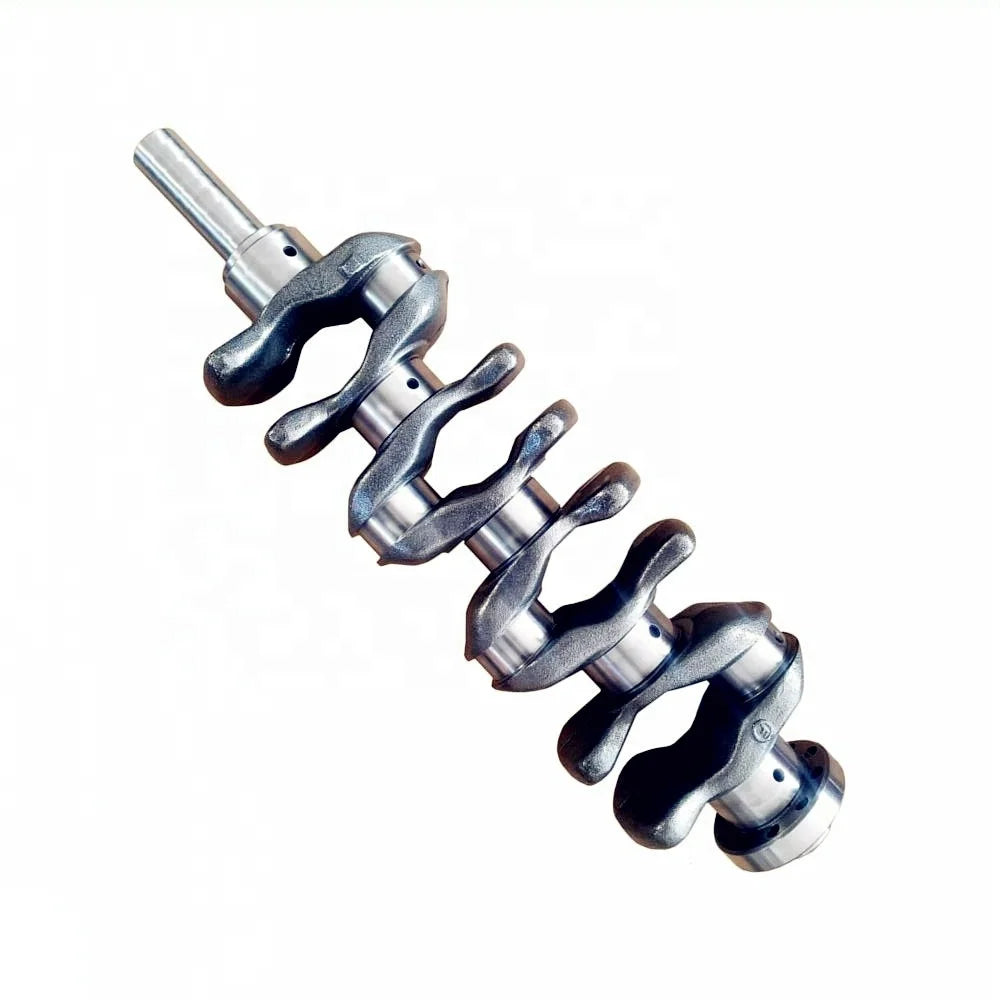
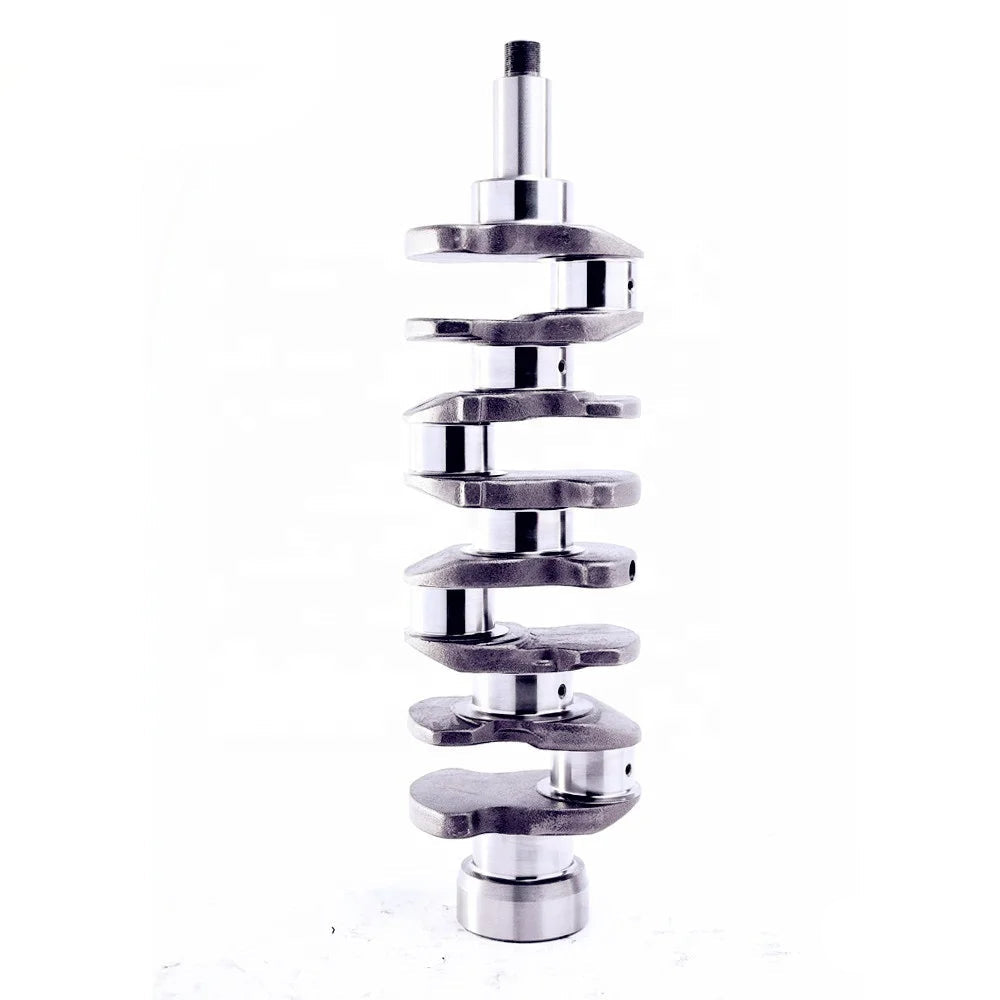
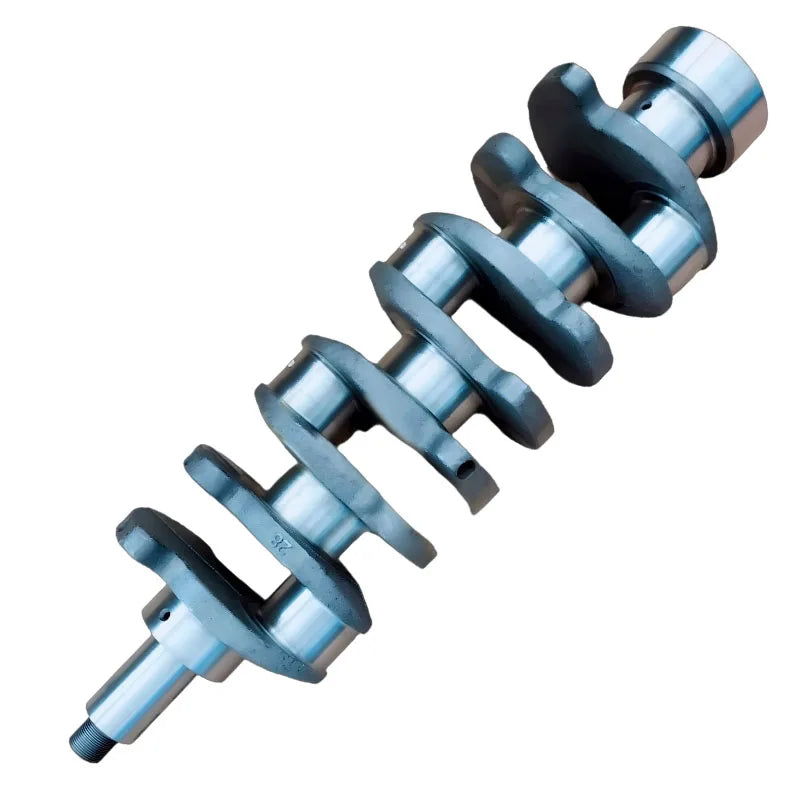
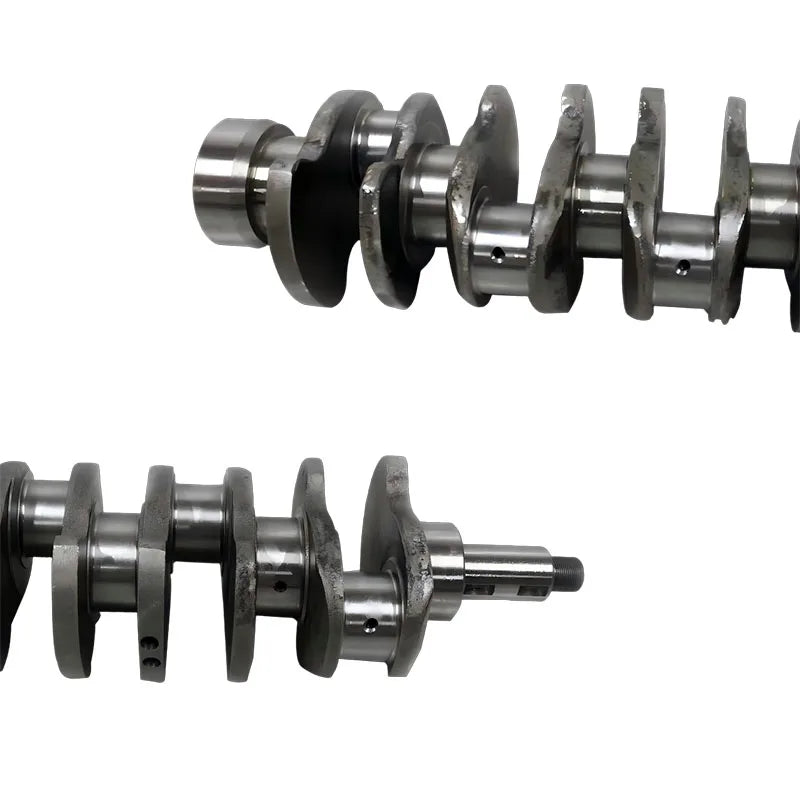
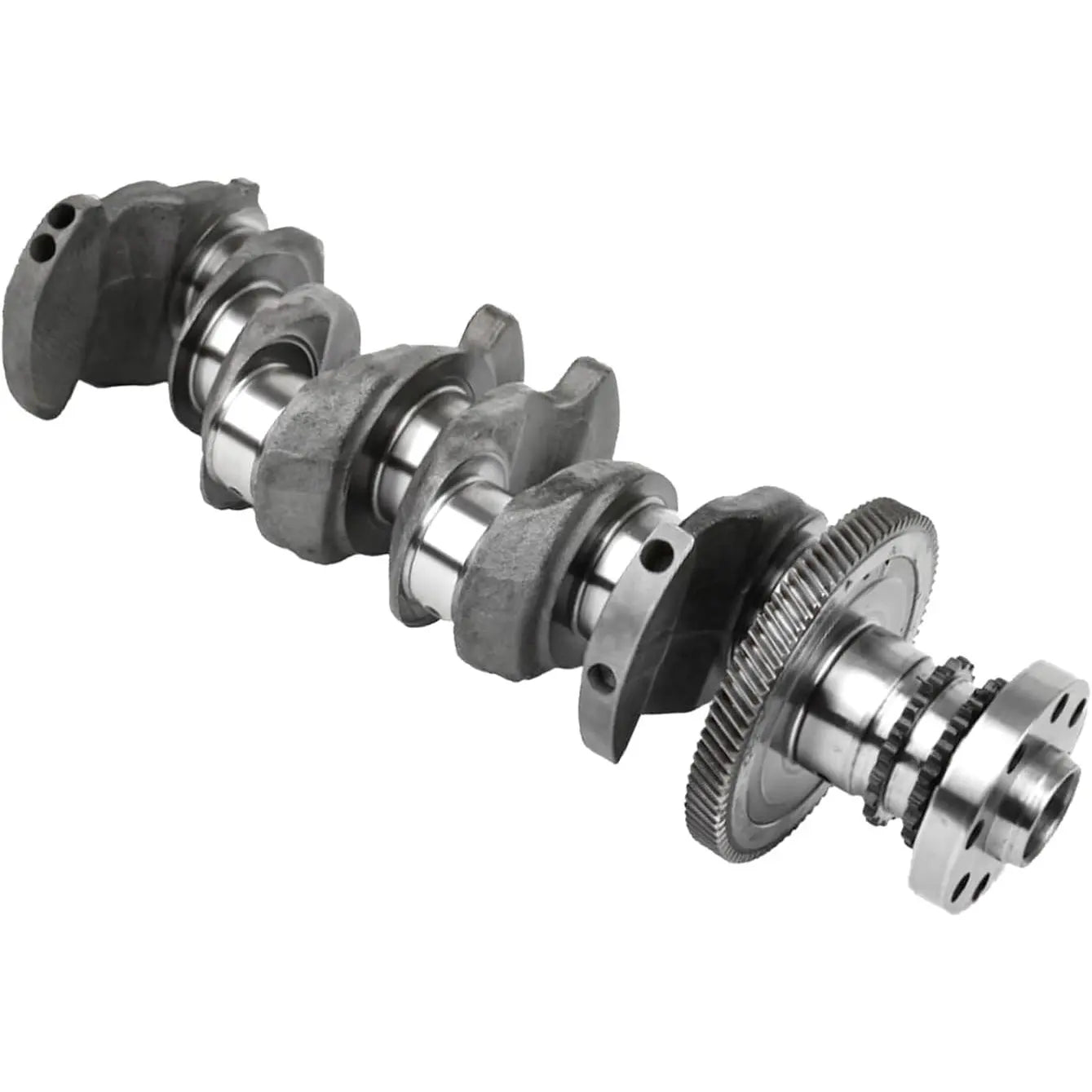
The crankshaft is the foundation of your engine's bottom end, converting piston motion into rotational force that powers your vehicle. CBT Auto Parts supplies OEM-quality car crankshafts for diesel and petrol engines, machined to precise tolerances for a correct fit. From standard replacements to forged performance cranks, the right engine crankshaft is stocked and ready.
Part of our Engine & Powertrain Parts range, with connecting rods, main bearings, rod bearings, and engine rebuild kits, our car crankshafts cover platforms including Chevy, VW, Subaru, and SR20DET. Forged and billet options are available for performance builds. Aftermarket automotive crankshafts here meet OEM specifications, and orders ship worldwide with fast dispatch.

31 products
Showing 1 - 24 of 31 products
What Type of Crankshaft Does Your Engine Actually Need?
The crankshaft you choose should match what your engine is being asked to do, not just what physically fits. Getting this decision right upfront is the difference between a rebuild that holds and one that returns to the bench. There are three main crankshaft types, and each has a clearly defined role.
OEM-Spec Crankshafts, For Engines Returning to Factory Output
An OEM-specification car crankshaft is the correct choice for any engine being rebuilt to its original factory rating. These units are manufactured or closely matched to the original part:
- Produced to the same dimensional specifications as the factory crankshaft, ensuring correct journal diameters, stroke length, and counterweight positioning
- Compatible with existing main bearing and rod bearing clearances when worn components are replaced at the same time
- The most cost-effective and durable solution for a street vehicle that is not being modified
- Suitable for both diesel and petrol applications across a wide range of OEM platforms
For the vast majority of engine rebuilds, where the goal is restoring rather than upgrading, an OEM-spec engine crankshaft is the right starting point.
Forged Crankshafts, For High-Output and Modified Builds
When an engine is producing more power than its factory rating, the crankshaft is one of the first components to experience the consequences. A forged crankshaft is engineered specifically to handle that elevated stress:
- Manufactured through a forging process that aligns the steel's grain structure, delivering superior fatigue resistance compared to cast alternatives
- Capable of handling significantly higher torsional and bending loads, making them the standard choice for turbocharged and modified diesel and petrol engines
- Available in stroked configurations for displacement increases, changing the engine's output characteristics while retaining bottom-end structural integrity
- Heavier and more expensive than OEM-spec units, but the only correct specification for builds targeting power beyond the factory ceiling
The Chevy 383 stroker crankshaft is one of the most well-known examples of how a forged crank transforms an engine's output potential. Chevy 427 crankshaft builds follow the same logic: a longer stroke, a forged blank, and a substantial gain in torque.
Billet Crankshafts: For Competition and Extreme Power Applications
A billet crankshaft begins as a solid block of high-grade steel alloy, machined entirely from a single piece rather than cast or forged into shape. This process provides the highest available level of control over geometry and material properties:
- The strongest crankshaft option available, used primarily in drag racing, circuit competition, and extreme high-output builds
- Allows for fully custom stroke, journal sizing, and counterweight design that no cast or standard forged crankshaft can match
- Significantly more expensive to manufacture, but when power output demands exceed what forged components can safely handle, there is no alternative
- Not required for road or standard performance use, but when the application demands it, this is the specification to reach for
Platform Coverage: Car Crankshaft Applications We Supply
The CBT Auto Parts crankshaft inventory is built around the engines our customers rebuild most often. Below is a reference for some of the most frequently requested applications, with competitive car crankshaft pricing across OEM-spec and performance options:
American Platforms
- Chevy crankshaft: broad coverage across small block and big block applications, including OEM-spec replacement and performance-grade forged options
- Chevy 383 stroker crankshaft: purpose-built forged units for the 383 cubic inch stroker build, one of the most popular small block Chevy displacement upgrades
- Chevy 427 crankshaft: OEM-spec and forged options for the iconic big block displacement
- Chevrolet crankshaft: full range covering standard and performance builds across the broader Chevrolet lineup
European Platforms
- VW crankshaft: covering classic air-cooled and water-cooled Volkswagen engine families, including both standard and performance variants
- Subaru crankshaft: OEM-spec replacements for Subaru's horizontally-opposed EJ and FA/FB engine families
Japanese Platforms
- SR20DET crankshaft: the SR20DET remains one of the most commonly rebuilt turbocharged four-cylinders in performance circles; both OEM-spec and forged options are available
If your platform is not listed above, contact CBT Auto Parts with your engine code and build specifications. Our team cross-references fitment data before any order is dispatched.
How Crankshaft Wear Progresses and Why Material Quality Is Non-Negotiable
A crankshaft rarely fails without warning. Damage accumulates gradually, primarily at the main and rod bearing journals, and by the time symptoms become obvious, the scope of the repair has already expanded. Understanding how a car engine crankshaft deteriorates helps in choosing the right replacement and avoiding a repeat failure.
The most common failure modes in a worn automotive crankshaft include:
- Journal scoring: When main bearings or rod bearings are starved of oil, they score the crankshaft journals. A lightly scored journal can often be reground; heavily scored journals require full crankshaft replacement.
- Fatigue cracking: Crankshafts subjected to loads above their rated capacity, or run without adequate oil pressure, develop micro-cracks that propagate with every engine cycle. Forged crankshafts exist specifically because cast units reach this threshold sooner under high stress.
- Bending under torsional load: In longer, higher-displacement engines, a crankshaft manufactured to an inadequate material grade will flex under load, causing premature bearing wear and engine vibration that is easy to misdiagnose.
- Snout and keyway wear: The front of the crankshaft drives the timing system and related front-of-engine components. Wear in this area often progresses silently and leads to timing irregularities or vibration issues before it is identified.
Sourcing a forged or OEM-spec crankshaft from a supplier that can verify material specification and dimensional accuracy is not an optional step in a complete rebuild. Every component the crankshaft contacts, from the connecting rods to the main and rod bearings, is directly affected by the quality of the crank at the centre of the assembly.
What to Source Alongside Your Crankshaft
The crankshaft does not function in isolation. Every component that interfaces with it must be specified correctly, and fitting a quality crank alongside worn or mismatched parts undermines the entire rebuild from the start.
The key components that work directly with any car crankshaft include:
- Connecting Rods: The big end of each connecting rod journals directly against the crankshaft. Rod length, big end bore diameter, and bearing clearance must all correspond to the crankshaft specification being used.
- Main Bearings: Main bearings support the crankshaft within the engine block at each main journal. The bearing clearance determines the thickness of the oil film between the journal and bearing surface, and incorrect clearance in either direction accelerates wear.
- Rod Bearings: Rod bearings occupy the interface between each connecting rod big end and its crankshaft journal. Like main bearings, surface finish and clearance specification are critical for oil retention and long service life.
- Engine Rebuild Kits: For complete overhauls, a rebuild kit consolidates gasket sets, seals, and bearings into a single order, eliminating the risk of missing a component when an engine is already disassembled.
All of these are stocked as part of the Engine & Powertrain Parts range at CBT Auto Parts, so your entire bottom end build can be confirmed, ordered, and dispatched together.