
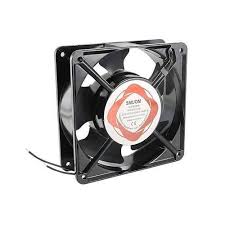
Cooling Fans and Radiator Fans for Cars, Trucks, and SUVs
A cooling fan pulls air through your radiator once road speed alone can't move enough of it, kicking in through a temperature switch or your engine's computer. CBT Auto Parts stocks cooling fan and radiator fan assemblies for cars, trucks, and SUVs, including 12V auto fan options.
Every fan assembly here is OEM grade or matched to OEM specifications, so shroud fit and blade pitch match the original. Confirm fitment by year, make, and model, then add a radiator from the wider Cooling, HVAC and Climate Control Parts range. Orders ship fast worldwide, with support on hand if you're unsure between a fan clutch and a cooling fan motor.

51 products
Showing 25 - 48 of 51 products
What a Cooling Fan Does, and When It Should Turn On
A cooling fan switches on once coolant temperature crosses a set point, usually somewhere around 200 to 220 degrees Fahrenheit, then shuts off again once temperature drops back down. Many vehicles run two speeds or two separate fans, a low setting for normal driving and a higher setting that kicks in under air conditioning load or stop-and-go traffic. At idle and low speed, the cooling fan is doing the job that highway airflow handles on its own once you're moving.
Electric vs. Belt-Driven Cooling Fans
Most modern cars and light trucks use an electric cooling fan wired through a relay or controlled directly by the engine computer, which only runs when actually needed. Older designs and many heavy-duty trucks instead spin the fan directly off the engine through a fan clutch, which is simple and reliable but pulls a small amount of power even when full cooling isn't required. If your vehicle uses the belt-driven version, a worn fan clutch is often mistaken for cooling fan failure since the symptoms, a fan that doesn't spin fast enough at idle, look similar from the driver's seat.
Signs of a Failing Cooling Fan
A cooling fan that never turns on is the most urgent failure, since the engine has no backup once you're sitting still in traffic. A few other signals are worth watching for, too:
- The fan runs constantly, even with a cold engine, usually a stuck relay or failed temperature sensor rather than the fan itself.
- A grinding or clicking noise at idle that disappears once the fan reaches full speed, often a bearing starting to wear.
- Air conditioning that runs warm at low speed but cools fine on the highway is a classic sign the condenser-side fan isn't kicking in.
Car Cooling Fan vs Radiator Fan: Same Part, Different Name
Car cooling fan and radiator fan describe the same component in almost every case; the terminology just depends on which side of the part you're focused on, the engine it protects or the radiator it pulls air through. Either search should land on the same assembly here, sorted by vehicle rather than by which name you used to find it.
Vehicle-Specific Fans: Honda, Dodge, and Other Common Searches
A crv radiator fan and a Dodge Charger cooling fan are built around completely different shroud shapes and mounting points, even though both jobs are identical. This is true across most vehicle-specific searches; the fan blade pitch, motor wattage, and shroud profile are tuned to that model's engine bay rather than shared across a brand's whole lineup. Searching by your specific vehicle rather than a generic part number is the more reliable way to land on a fan that actually bolts in.
Transmission Cooling Fans: A Different Job, Sometimes the Same Collection
A transmission cooling fan is a separate, smaller fan dedicated to an auxiliary transmission cooler rather than the radiator itself, common on vehicles set up for towing or heavy cargo. It runs independently of the main engine cooling fan and is sized around the cooler core rather than the radiator core. If your vehicle has one, it's worth checking separately from the primary fan when diagnosing overheating, since the two rarely fail for the same reason.
Cost to Replace a Cooling Fan in a Car
The cost to replace a cooling fan in car situations depends heavily on whether your vehicle uses a single fan or a dual fan assembly, and whether the motor is sold separately from the shroud. A single fan motor swap is usually the cheaper repair, while a full assembly replacement costs more but resolves shroud cracks or mounting tabs that a motor-only swap won't fix. Labor is generally straightforward on most engines, since the assembly bolts to the front of the radiator without major disassembly.
Looking for a Personal or Portable Car Fan Instead?
If you searched for a portable fan for car interiors or a dashboard cooling fan to keep yourself cool while driving, that's a different product category from what's stocked in this collection. What's here is the engine bay cooling fan that protects your radiator and air conditioning system, not a personal comfort fan that clips to a vent or sits on the dash.
What Pairs With Your Cooling Fan
A new cooling fan is often paired with a fan clutch inspection on belt-driven setups or a cooling fan motor swap if the blade and shroud are still in good shape, but the motor itself has failed. If the radiator behind it shows signs of age, replacing both at once avoids removing the fan assembly twice within the same year.
Ordering and Fitment
Every listing shows year, make, and model coverage, along with whether the fan ships as a complete assembly or a motor-only unit. Most fans ship within one business day, and a part that doesn't fit is accepted for return without hassle. If your vehicle uses two fans and only one has failed, our support team can help confirm whether you need to replace just the one or both together.


